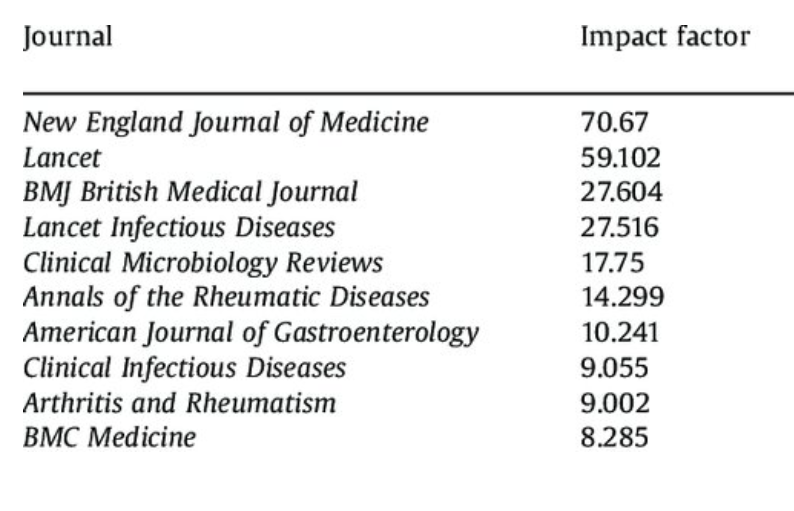
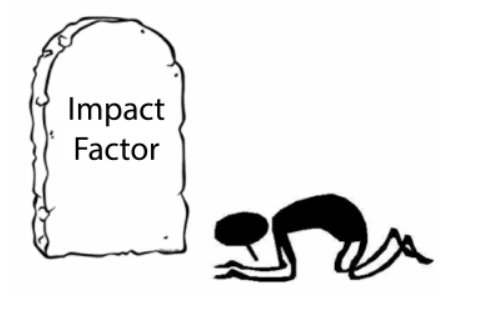
The perceived superiority of journal impact factors (IF) creates a false hierarchy in academia, often equating high IF with superior research quality despite its flaws. Now true scientists are thinking how to counter this hype by advocating for assessments based on actual content and contributions, marking a vital shift toward fairer evaluations.
Pseudo-Superiority of IF
IF confuses journal prestige with individual article merit, as a few highly cited papers skew averages while most receive minimal attention . It fosters misuse in promotions and funding, and invites manipulation like self-citations or favoring reviews . Most importantly, ignores experince and locally published science . The current research assessment models falsifies innovation, ethically burdens top journals, and penalizes genuine works that lacks immediate citations .
DORA’s Welcome Role
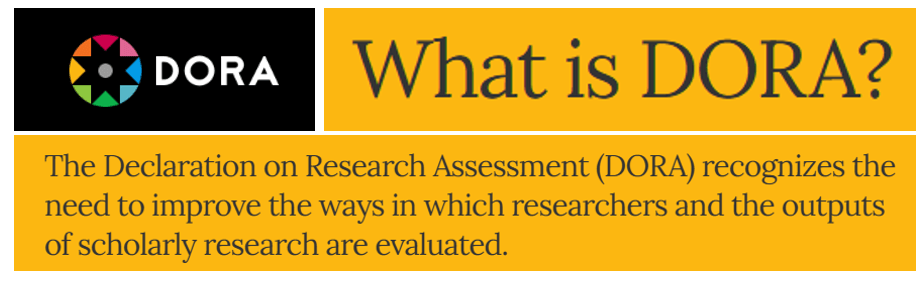
DORA explicitly urges eliminating IF reliance for evaluations, prioritizing scientific content, diverse outputs (e.g., datasets), and qualitative metrics With over 2,500 signatories, it drives cultural change in academia, including medicine, by promoting article-level assessments and reducing IF hype .This movement fosters equitable progress, allowing evidence-based research to thrive beyond journal names .
Final message
In this AI era , very often IF also makes an artifitical Impact in academia. Believing IF, as an index of greatness of a research paper … can be a sign of scientific illiteracy. Let us become a member of DORA and try to catch up with the pathways to truth.
Reference
1.Ali MJ. Impact factor under attack! Are the criticisms justified? Indian J Ophthalmol. 2021 Apr;69(4):790. doi: 10.4103/ijo.IJO_281_21. PMID: 33727435; PMCID: PMC8012931.
2.The allure of the journal impact factor holds firm, despite its flaws https://www.nature.com/nature-index/news/allure-journal-impact-factor-holds-firm-despite-flaws
3.Is it Time to Abandon the Impact Factor? https://gmdpacademy.org/news/is-it-time-to-abandon-the-impact-factor/



 Dr.S.Venkatesan MD