It is a120-year challenge. Can anyone replace Rontgen’s X-ray discovered in 1895 for medical imaging? The Nobel winning Invention redefined the way we looked at our body and management of diseases for over a century. However, the fact remained it is an invasive and injuring investigation. What is the alternative for the X-radiation ?
CT scan was a great invention, but it turned out to be a gigantic 360-degree clone of X-ray machine. Today’s cath lab, however sophisticated , is like spending hours together inside a hot Chernobyl coffee shop. MRI was a true game changer. With zero radiation, MRI came close in the fight with innocuous proton imaging. But for live cardiac interventions, MRI was not practical. Meanwhile, over the years, ultrasound moved up from the pelvis, abdomen, right into coronary arteries and heart. Intravascular ultrasound-based interventions are being done in coronary artery, in a few cases to avoid contrast in patients with CKD. (We call it zero-contrast IVUS-guided PCI). But, it is cumbersome and has some technical issues. Transesophageal echo (TEE) & Intracardiac echocardiography (ICE) do help us immensely in certain interventions.
Now is the era of Optics
If a torch light can illuminate and give us vision in absolute darkness ,how about acquiring a deep vision with scattered light ie photons. (Jnana-Chakshush ,third eye of Hindu God Shiva ?) The concept of Optical coherence imaging came (OCT) came in .It has limited use in deep vision of coronary wall anatomy and histology. As of now it has no role to play in catheter guidance.
Here comes the real Innovation . Fibro-Optic real shape( FORS) technology , which reconstructs image from optical data, and beam live fluro- like images, in 3 dimension. May be, we may soon, say good bye to electrons, protons, and welcome these harmless photons.
This video clip shows real time Intervention using FORS in Aortic endovascular stenting
One may Imagine FORS to Electro-physiologist’s electro- anatomic mapping made with a the GPS like pad attached beneath the cath table and reconstructing anatomical Images from the dynamic signals points generated from the catheter tip.
Final message
Now, we are looking at various different modalities to image without radiation injury to the patients, and more importantly the cardiologists .
Intra cardiac Echocardiography (ICE)
Proton imaging (MRI)
Electrical navigation (CARTO)
Fibro-Optic real shape (FORS)
FORS , is the new arrival. Let us hope it stands the test of time.
Hi, welcome Mr George, I just reviewed your records. You have three blocks in your arteries supplying the heart.
Are they serious Doctor ?
Not really, but one of them appear tight
What should I do Doctor ? But, I am comfortable Doctor.
You may be. But I am not .You need to undergo some re-vascularisation procedure .
What do you mean by that Doctor ?
It means either a percutaneous coronary intervention with a stent or CABG.
Can I get my heart re-vascularised by drugs alone Doctor ?
No we can’t . Hmmm , wait, we do have something called OMT/GDMT. Can you put on hold for some time Mr George, you have asked a real tough question.Let me recollect something from my forgotten basics clinical lessons.
The Illusion of myocardial re-vascularisation
PTCA is sort of repair work done over the blocked area that restores the traffic(blood) flow. while CABG, diverts flow from the congestion or road closure, along a by- pass road, which rejoin the main road later. These are called re-vascularisation procedures. Please note, both of them, never bother to find the status of micro-vascular integrity which form 95% of net coronary vascular surface area.
Hiding behind the technicalities
PCI demands reduction in percentage stenosis , resulting in pre-defined minimal luminal area (MLA), maximizing net luminal gain, & restoration of TIMI 3 flow in all three coronary arteries .These are the popular scientific parameters. For CABG we aim at good and complete, uninterrupted short and long term distal flow.
However ,we have some effective clinical and pathological markers too, for effective re-vascularisation They are clinical well being and good functional capacity , relief from chest-pain, reduction of plaque volume, plaque stabilisation, maintenance of collaterals , microvascular patency , reduction of recurrent events .The irony in CAD management is in many patients who are on only drugs , clinical endpoints can be achieved without the above mentioned technical end points ! ( As we have learnt from the OAT, COURAGE trials which dramatically showed arterial patency is nothing or little to do with major clinical end points )
Final message
Scientific minds can not accept certain things which are less glamorous and unassuming. Simply swallowing few drugs can never make us(both physicians and patients) believe it can be an equivalent to PCI/CABG .
Intentionally or unintentionally , we have made PCI and CABG appear invincible and conferred the sole-rights to be referred to as re-vascularsation procedures , Realistically looking medical therapy also provide good revascualrisation (re-or neo) especially where it is needed ie in the coronary micro circulation.
Hence forth, in the overall interest of CAD community , and with good scientific basis “It is good to emphasise to our patients optimal medical management of CAD is also one form of re-vascularization This will help us to neutralise the unfair” Semantic advantage” the PCI and CABG enjoys.
Reference : Apart from the heavily quoted classics of COURAGE, BARI-2D, ISCHEMIA, ORBITA 1 etc. (Please note ORBITA -2 is not an antidote to ORBITA-1) ,Read this 1.AVERT study :Atorvastatin equals PCI .2.Regular exercise equivalent to PCI (ESC 2009) .Will try to get the link for this soon.
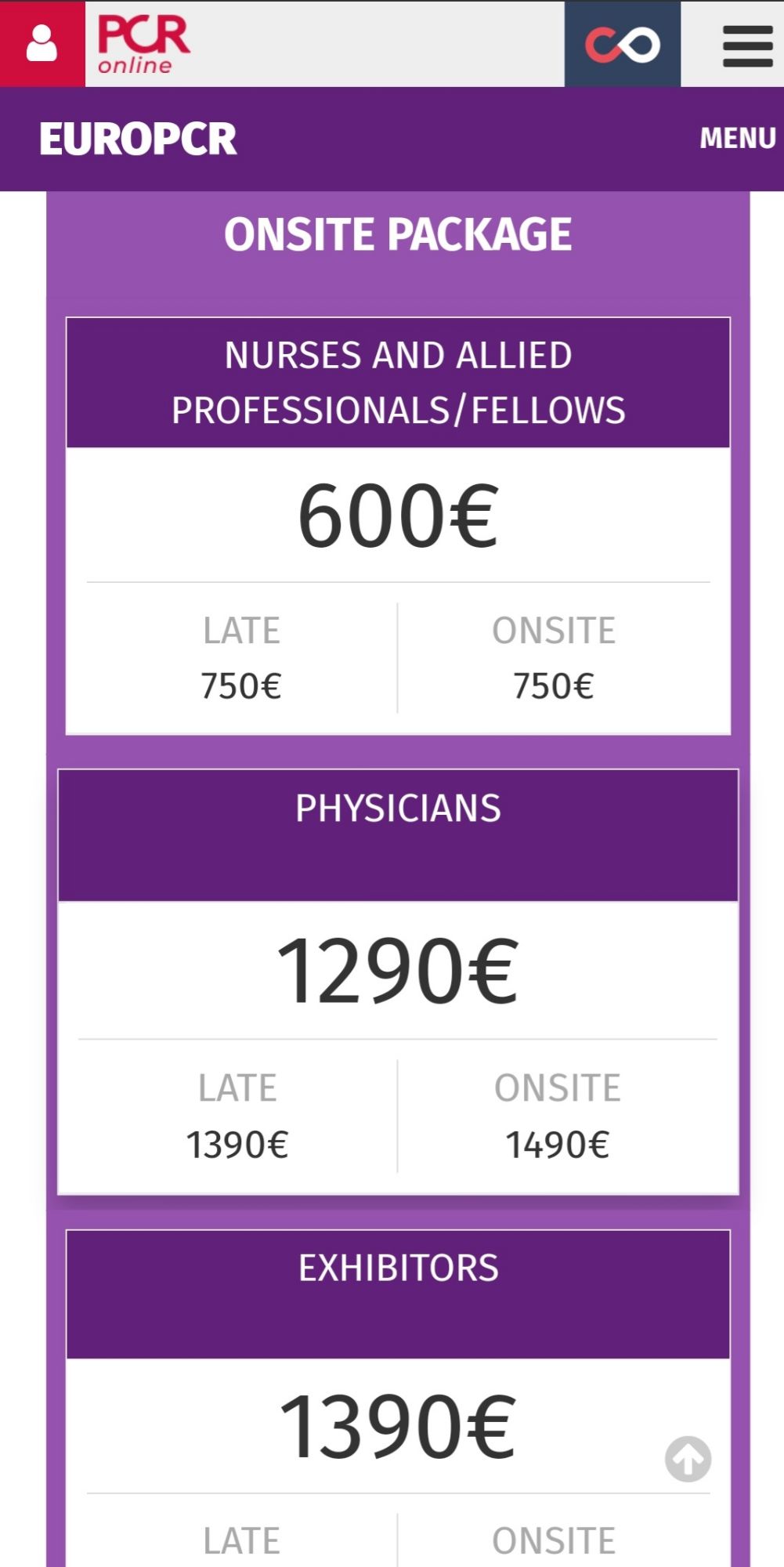
Recently , I received two e-mail invite for two major conferences one in India other in Europe.
Once upon a time, in 1990s we as fellows used to attend these conference for Rs 1000 (15 Euros/Dollors). Now it is 50-75 thousands (5000-7500 % increase) Even few years ago it was affordable. I don’t know how many of us can think to attend such conferences. Definitely not me. What prevents these guys to keep the cost nominal. Certainly, inflation is not the reason. Air tickets and hotel room tariffs has just raised 50-100%.over the same period
if you look closely into the above menu card, Indian tariffs would tell a crazy story .When global purchasing power parity ratio is applied, Rs50000 will be equal to approximately 6000 Euros (*Factor of 8 for each Dollar). Which in realty, fix this Indian conference cost, at a true equivalence of 4.8 Lakhs.
Final message
My professor used to say, teaching and learning should be spontaneous, and never be a commodity. Can you guess who is fixing these conference fees beyond the reach of a lay student & doctor ? Some of you might know the true reason. The regulatory bodies are just helpless. There is a direct link between a MBBS seat costing 1 crore in our country , to these jacked up conference costs. The moment greed enters, we become a party to un-professional scheme of things, however good is our expertise and knowledge .
There is a joke going on in India, if you can find one cardiologist who pays the registration fees from his pocket, he shall be awarded highest professional award . I am sure, there will be few eligible souls who defy the rule of the current academic landscape.Let these conferences, be dedicated to them.
We wish, our understanding about cardiac contractile physiology is deep and nearly complete. Heart is an irreversibly coupled electro-mechanical organ , right from the fetal days until the final heart beat. In myocardial pathology, the genesis and sustainability of ventricular arrhythmia are intricately related to the degree of LV dysfunction of any cause.
SCD is the leading cause of mortality in heart failure. Tackling SCD was in God’s domain, until the brilliance of Dr. Michel Mirowski shrunk the defibrillator and implanted it under the chest in 1980. (Dr. MM’s s a unique and inspiring story, from Poland amidst the holocaust times, right up to his invention at Johns Hopkins)
Why ICD for SCD ?
Beta blockers and Amiodarone remain good options for mitigating SCD. (Of course, Amiodarone has a huge baggage of side effects.) But, as you know machines always beat drugs. After multiple RCTs, we found any severe LV dysfunction (EF <30%) requires an ICD to reduce SCD. Though MADIT trial required an inducibility of VT, MADIT-2 told us that just the presence of LV dysfunction is sufficient.
Since then, ICDs have proliferated globally, of course with multiple collateral issues. As we navigated the cardiac EP terrain further, we found that all is not well. ICDs faced some foundational questions regarding its utility value vs. risk . ICD explanation epidemic in the past was a true story. Still, Mirowski”s electrical kid survived the test of time and evolved with great technological innovations from companies like Medtronic, Guidant, Abbot etc. It has, now grown into 45 year old wonder device, that can wake up the heart from death . (Wish ,the Nobel committee has Dr Mirowski’s name in their podetial posthumous prize list)
ICD usage with reference to DCM sub types
One factor frequently debated about ICD is its efficacy with reference to the etiology of LV dysfunction. Many studies indicated this factor could tilt the balance of risk to benefit of ICD in a critical way. ICDs are more useful in Ischemic DCM than non ischemic DCM is a recently observed penomenon ,though we are not sure yet . SCD-HeFT trial (NEJM 2005) did show some benefits in N-DCM, but it was only in class 2 stage. Then came the DANISH study, which made us strongly believe ICDs in Non-Ischemic DCM are not a really useful intervention. (N Engl J Med 2016; 375:1221-1230)
Why ICD doesn’t work well in NDCM ?
Since IDCM patient had more SCD events , ICD is more likely to be useful in ischemic DCM than non ischemic is a distinct possibility (Higgins AY, . Am J Cardiol. 2020)
The un-disputable fact is ischemic DCM has a target to treat, though it is termed as cardiomyopathy. While most of non-ischemic DCM are truly global muscle disease with primary or secondary with known or unknown disease process, unless we are able to correct the etiological factor, these patients are not going to do well in spite of ICD.
The differentiation between DCM and NDCM itself is not a simple task. Overlaps do occur. (An important clue is NDCM involves both ventricles equally and subendocardial sparing almost always suggests NDCM)
Final message
It seems to be a fact, ICD are less useful in NDCM. The simple reason could be we can address the ischemia a potential arrhythmic target by some form of revascularization in IDCM. The second reason is, NDCM is a progressive primary muscle disease.
Still, our understanding is largely incomplete. ICDs don’t exhibit partiality. By default, they try to give a new lease of life to any episode of pulseless VT/VF whether it is from IDCM or NDCM. (Please remember we don’t deny an ICD for a sarcoid cardiomyopathy or end-stage HCM just because they are non-ischemic. in origin )
Post-amble
An unfriendly fight between CRT & ICD
The science of LV dysfunction and the need for ICD got complicated when CRT entered the scene a decade ago. CRT is indicated when a LV is dilated with poorly coordinating contractions due to conduction system malfunction, that stretch the QRS complex either LBBB or monophasic RBBB or combination both BBBs(Masquerading)
Since, the indication between ICD and CRT overlapped, industry guys taught us some cardiology lessons, They offered the option of fusing the two together and called it CRT-D & CRT- P. Please note CRT-P is nothing but the glorified version of plain old CRT (The P could mean either the dual /BV or the mono ventricular (RV) default back up pacing.)
The choice between CRT -P and D has taken more curious turns. Since we are not clear whether the incidence of SCD is reduced by CRT or ICD. This paper from Egypt address this issue in an exemplary manner. (Ref 4).
Now, there are more than handful of papers that show CRT-P per se can reduce the SCD events significantly by reverse re modeling of LV and improvement of LV function. Currently, we have started to believe CRT-D may not be indicated in many and could in fact add more electrical side effects.
It is ironical, currently the issue of in-appropriate ICD/CRT-D implantation appears more important than the well known adversary of inappropriate shocks. Both of them needs some meaningful attention. It is worthwhile to to note ,If we address the former the later issue cease to exist. Let the global EP think tank introspect and to refine and redefine the Indications of CRT-D.
Once upon a time, long, long ago, cardiologists used to be worried about akinetic segments, scars, dead tissue, and Q waves before attempting revascularization by either PCI or CABG. Now, the concept of myocardial viability has become a cliché ( rather demeaning) at least within the cath labs. Currently ,we follow a self administered whip . Every post-MI patient should be considered for revascularization as a defaultstrategy irrespective of the level of dysfunction or scarring .This can happen either in the IRA territory or non-IRA territory or both.
This strategy is now dis-armed with fresh evidence in the form of REVIVE -BRICS trial. However, there could be some distinct errors in the way many Interpreted this study. (Read here about REVIVE tral Perera D, Ryan et al JAMA Cardiol. 2023). One reason viability testing lost its sheen is the fact, identifying the extent of viablity requires a complex battery of tests. If we have simple clues on bed side, the adoptation of this concept would not have become a challenge.
Lets go back and learn something from the year 1999
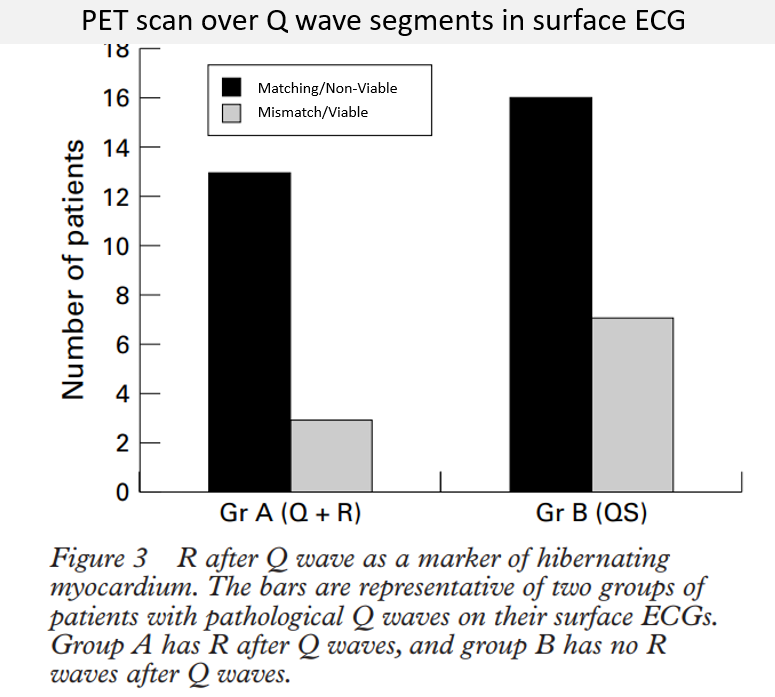
For those cardiologists who believe myocardial viability is still an important factor before revascularization, let me pull out a 30 year-old study from the University of Aberdeen, UK, that looked into the humble ECG to detect viability. The authors went beyond just observing presence or absence of Q waves .It conveys a great learning point.
Modified from Al-Mohammad A, et al Heart. 1999 Dec;82(6):663-7. (Ref 1) Matching means non-viable myocardium (Tissue looks akinetic or scar-like, while PET concurs and shows lack of metabolic activity. This is referred to as matching, and the segment is non-viable) Mismatch means viable myocardium (Tissue appear dead by akinetic Echo but metabolism intact ie a mismatch implying viability )
It is worthy to note, the authors looked specifically over the segments that subtended Q waves and looked for viability matching. It was correlated with a PET scan, the gold standard for viability testing even now.
The results were important and insightful. What we infer from this study is actually a simple message. In post-MI patients, even with the burden of q-waves, if the return wave overshoots the baseline and inscribes some sort of r-wave (Qr, QR, qR patterns), there is a high possibility of viable tissue when compared to QS wave. It is a new lesson from a old paper for me. , ie any R is good whether it is preceded by q or not.
It is good to recall ,other simple clues to the presence of viable myocardial tissue, such as presence of angina, M-mode wall thickening. Not to forget other modalities like, well preserved sub endocardial function by speckle tracking echo, dobutamine-stress, myocardial contrast echo, and LGE-MRI.
Final message
As on 2024, the concept of myocardial viability testing has not vanished. We must ensure, not to pass on a incorrect message to generation next cardiologists, that viability tests are outdated and obsolete.
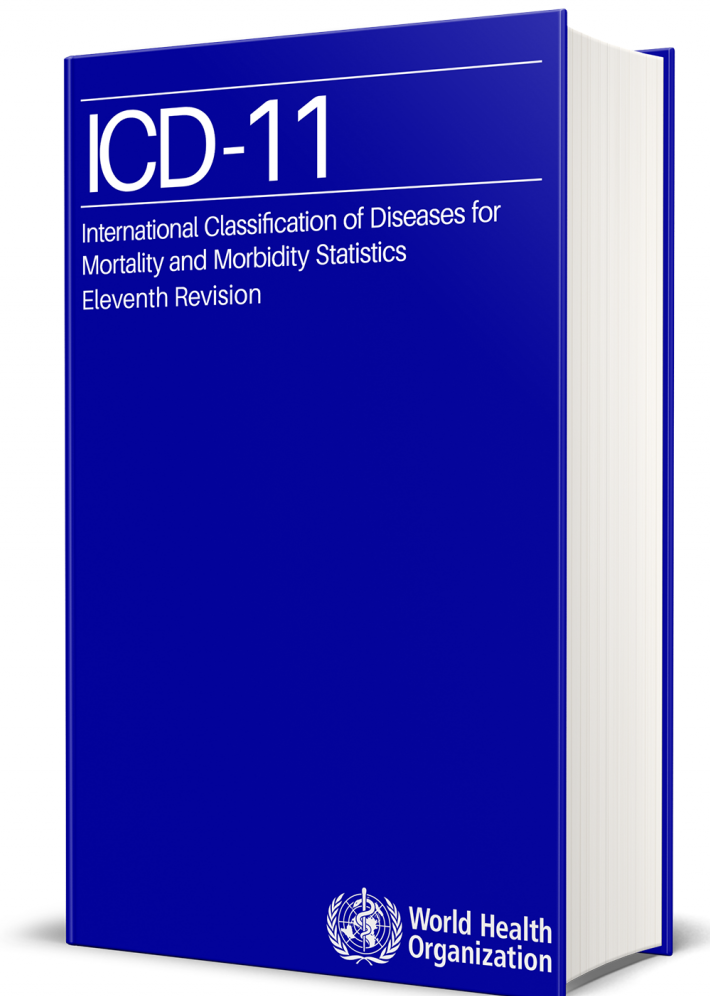
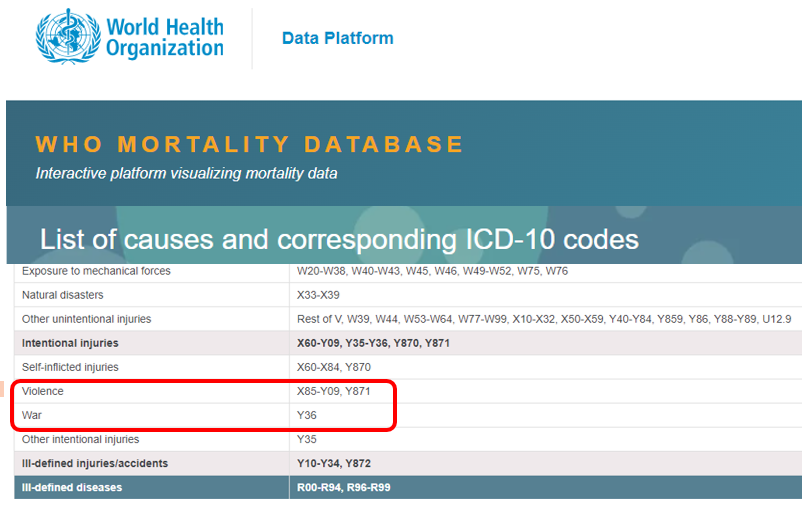
The ICD-11 , the latest code lists nearly 15000 diseases. Have a look at this much celebrated (respected ?) list put up by the world health organization There are so many entities in the list , that are man made and solution is right there in our minds.
Zoom your eyes on the red rectangle.
Impact of Y-36
Y-36 is a contagious endemic, transmitted by power, pride and foolishness . Y-36 along with violence is a perennial disease and a leading cause of global mortality. It not only take lives, it inflicts huge , irreversible financial , economic cost.
What is infective agent Y-36?
One suggestion would be Y-36 may be subclassified under DSM manual as well , as a psychiatric disease of individuals or heads of state , and policy makers.
How do you prevent Y-36 ?
We have hundreds of pharma companies working on small interfering RNA, and other biologicals, monoclonal vaccines etc. There is not even one organization (except the one, 39 storied struggling lab on the banks of East River, New York City) attempting to find a potent polyvalent WACV-Y36 (War and Violence Cleansing Vaccine) against Y-36.
It is likely, the need and feasibility for such a vaccine will become redundant, as much of the humanity will be eliminated well before it is invented.
Final message
What could be the message for the Interventional cardiologist from this ? Nothing ? .No, there is something.They need to ensure, any of their aggressive interventions accidentally end up as a Y-36 equivalent without their knowledge & intention. (I say this because , many consider , we are at war with atherosclerosis , the core pathology in CAD . War always has collateral damage.)
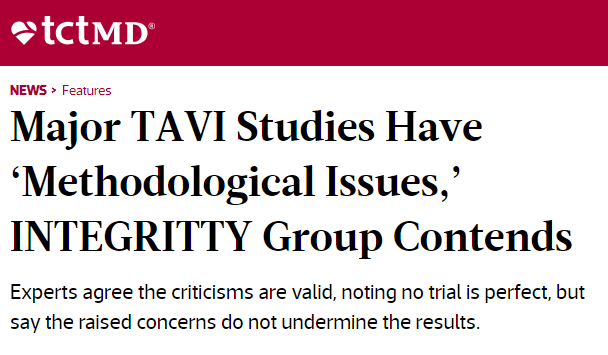
Reviewing NOTION study, the Nordic TAVI 10 year follow up has just been released (Ref 1) :
Caution :Non-academic content
This study reports the long-term outcome in low-risk individuals who required AVR. The study basically compared the blind and passive deployment of bio-prosthetic aortic valve aided by the catheter skills of new-age cardiologists with sophisticated image backup versus Open surgical replacement of the aortic valve by experienced cardiac surgeons, after meticulously removing and debriding the native leaflets and suturing the prosthetic valve permanently in the optimal target site under direct vision.
Study summary
Conclusion
The study results finds the valve deployed percutaneously under semi- blind vision, was equipoise with SAVR done under direct vision. The surprise however is, TAVI was superior to cardiac surgeons in multiple aspects .The mysterious finding is TAVI had less Structural valve dysfunction, and possibly low bio valvular failure (BVF), if Kaplan -Myer curve trend is little extrapolated. No doubt ,the Aortic interventional world is applauding and everyone is joining the party.
Now, some academic queries ?
1.Did the trial compared best practices of TAVI & SAVR ?
No. Because it was done in 2010-2013. (Which grew faster TAVI or SAVR in the last10 years ? in terms of both hardware and expertise . How it will impact now ?)
2..Was the outcome assessment blinded ?
No
3.Why there is 50 % cardio vascular and 60% all cause mortality in both groups even though they belong to low risk category ?
Don’t know. Not clear.
4.Why the gradient was high in SAVR in the follow up ?
There are two important factors. More than 98% of TAVI patients had a valve sized 26–31 mm, while 98% of SAVR patients received a size 19–25 mm . Apart from valve size aortic annular enlargement before SAVR was not done in majority, there by enhancing the gradient and valve mis-match.(Note :The TAVI begins at 26mm and SAVR ends at 25mm. For how many of you this looks odd ?)
4a. Was doppler velocity index measured in all to assess EOA in follow up ?
No. It was not mandatory.
5..Is it Ok to define structural valve dysfunction(SVD) based on gradient alone ? Did TEE/CT follow up imaging done ?
No. Flow is physiology. Sub physiological valve destruction very much possible without affecting gradient.
6.The rate of severe SVD was higher after SAVR. Is there any meaningful explanation why surgeons valve deteriorated fast ?
No .
7.Was CAD accounted for outcome difference ?
No .CAD patients were excluded.
8.Did this study address technical issues in performing PCI with new onset CAD and its possible impact in outcome
No. TAVI induced coronary ostial encroachment not reported.
9.Why didn’t they use bi-leaflet mechanical valves in SAVR group ?
Don’t know .(*One possible reason is given in the foot notes)
10.Is this study still valid ?
Sorry, I don’t know.
Final message
Whatever is written here, NOTION will remain a great study with a 10 year meticulous follow up . As a cardiologist, very soon we will be allowed legally to choose TAVI even in more younger , low risk cohort of Aortic stenosis without co-morbid conditions. Still, if you put patient first approach ,CAUTION should precede NOTION .
* One version of answer for question 9 , would be TAVI vs Bi-leaflet St-Judes study was in-fact proposed, but was apparently not approved for (un)ethical reasons,of comparing a short living bio-valve valve with a long lasting mechanical valve.
This query is lingering ever since I entered the medical profession. Though, this question might appear absurd , no correct answer is found yet .When we search the literature, the relationship between doctors and health can be 1.linear, 2.non linear, and 3. even inverse . 1 & 2 are ok 3 is forbidden.
However, to put it in a nut-shell, healthiness of a society is little to do with Doctor population alone, is well known and I think it needs no proof. The following scattergram gives some idea about the Issue.
Where to get answer for this controversial question ? Great times we are in. We have taught the machines to think. To clarify this query. I began a conversation with Chat GPT.
Hi Mr GPT , hope you do well in spite of non stop bombardment of queries to you .Let me begin this What is the relationship between number of doctors in a society and the healthiness of the society ?
Chat GPT: Welcome and thanks , always willing to help. The relationship between the number of doctors in a society and the overall healthiness of the society is not strictly linear. While having an adequate number of doctors is essential for providing medical care and improving health outcomes, it is only one factor among many that influence the health of a society.
The health of a society is a complex and multifaceted concept that depends on various factors such as access to healthcare services, education, socioeconomic conditions, lifestyle choices, public health policies, and cultural factors. . Having an appropriate doctor-to-patient ratio is generally associated with better healthcare delivery and outcomes.
However, simply increasing the number of doctors does not guarantee a healthier society. Health of a society is influenced by factors beyond medical care, such as nutrition, sanitation, environmental factors, and social determinants of health.
It’s important to consider that correlation does not imply causation. While there may be a positive correlation between the number of doctors and the healthiness of a society in some cases, it does not necessarily mean that more doctors directly cause a society to be healthier.
Therefore, while the presence of an adequate number of doctors is important for a healthy society, it is just one piece of the larger puzzle,
CanI expect a straight forward answer to my question does increasing doctors assure a healthy society ?
Yes or No ?
ChatGPT : I must admit , the straightforward answer to your question is “No.”
So, If you supply more and more doctors into a society without taking into other factors what will be the consequences ?
ChatGPT: If you were to increase the number of doctors in a society without considering other factors, several consequences could arise. It’s important to note that this scenario assumes an oversupply of doctors without addressing the broader healthcare system, infrastructure, and other healthcare-related aspects. Here are a few potential consequences:
Unemployment and underemployment: An oversupply of doctors can lead to increased competition for available positions. This may result in some doctors being unemployed or underemployed, not utilizing their skills and knowledge effectively.
Brain drain and resource allocation: If there is an excess of doctors in a particular region or country, some doctors may choose to emigrate or seek employment opportunities elsewhere, resulting in a brain drain. This can lead to imbalances in healthcare provision and exacerbate shortages in other areas or specialties that require attention.
Strain on healthcare resources: Increasing the number of doctors without considering the availability of healthcare infrastructure, equipment, and resources may strain the existing healthcare system. Hospitals, clinics, and medical facilities may struggle to accommodate the influx of doctors and provide adequate resources for patient care.
Cost implications: The increased number of doctors without addressing other healthcare system factors can have cost implications. Expanding the healthcare workforce may lead to higher expenditures on salaries, training, and infrastructure. These costs could potentially burden the healthcare system and, ultimately, affect healthcare accessibility and affordability.
Specialty imbalances: An oversupply of doctors can result in imbalances in the distribution of specialties. For example, there might be an excessive number of doctors in certain areas, such as dermatology or plastic surgery, while shortages persist in other essential areas like primary care or rural medicine.
It’s crucial to note that a well-functioning healthcare system requires a comprehensive approach that goes beyond the number of doctors. Factors such as healthcare infrastructure, access to healthcare services, equitable distribution of resources, quality of care, and preventive health measures need to be considered for an effective and efficient healthcare system.
In this scenario , is there a possibility of detrimental effect on health if excess doctors are present who want to compete for patients and there by increasing inappropriate treatment?
ChatGPT : In the scenario you described, where there is an oversupply of doctors competing for patients, there is indeed a possibility of detrimental effects on health. This situation can potentially lead to inappropriate treatment and its associated consequences.
Thank you, for answering my 30-year-long query. “I am sure many may not accept your version.” Though your answer concurs with my perception, I can’t accept the current state of affairs. There is a strong push from among global authorities to increase the number of doctors (especially specialists) without a deep understanding of the reality. (Even the WHO is in a state of confusion, how best the enforced modernity in medical care is to be followed. It is a wild truth , at-least 60-75% of the work the doctors do, can be done by trained nursing professionals or paramedics, and in the near future, AI-powered med-bots)
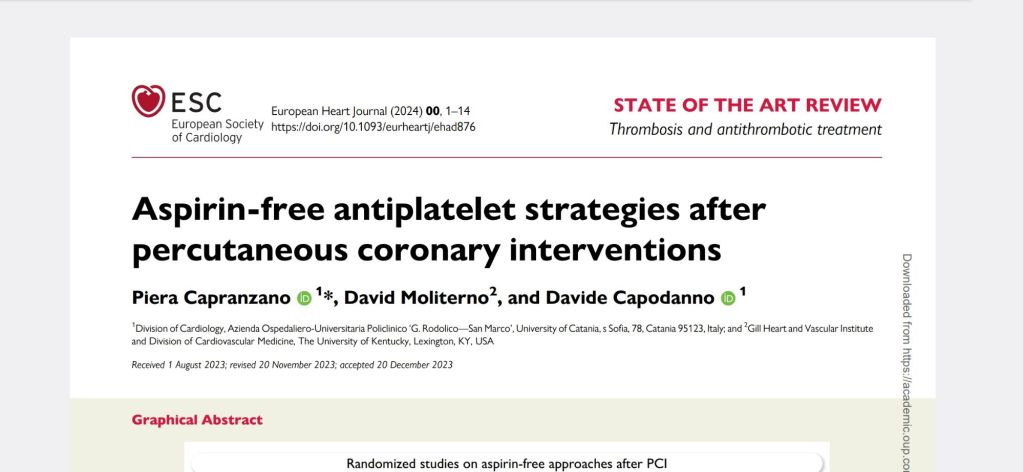
Here is a current review on a topic, which needs some Introspection
For a kid, A stands for apple in kindergarten, while in the school of cardiac pharmacology, Awould sound as Aspirin. Such is the importance of this drug, known for its obedient, predictable efficiency in the entire spectrum of CAD right from primary prevention of CAD to emergent primary angioplasty in Cath lab. Most of us will also agree, It is a work horse drug, not only for the cardiologists , but has been an anchor drug in as many critical general medical therapeutics, wherever platelets are to be passivated.
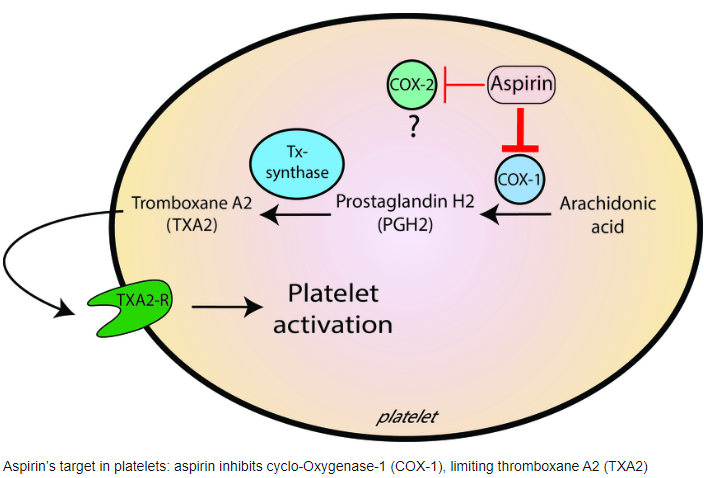
We are well aware of molecular basis of this drugs action. Aspirin impacts most points in the core axis of platelet adhesion , activation and aggregation either directly or indirectly .(Though, its just a COX 1 blocker) Its efficiency is backed by countless papers with authenticated evidence.
Final message
“Now, we, realize Aspirin is being targeted and facing potential elimination “
Why is this happening ?
Aspirin acts by just blocking thromboxane mediated platelet activation , it doesn’t antagonize adenosine triggered activation, hence it is useless is the argument. Some how, our thought faculty is intruded , and unable to realize, the same question can be played in reverse .
P2-Y12 blockers in whatever form & fashion ,helplessly watch thromboxane A2 promoting platelets activation , isn’t ? Please understand, many cases of Clopidogrel and Ticagrelor resistance is apparently related to lack of assistance from the Aspirin .(Genetic P450 heterogenicity story doesn’t explain this fully )
The other concern is Aspirin increases the bleeding risk. It is a perfect irony , this argument is exactly opposite the one discussed above, Implying Aspirin could be a more powerful anti-platelet agent.
It is a duty of every one of us, to find the true reasons for such a bias against Aspirin. However strong the evidence base, (that is being created) It is very difficult to believe , Aspirin is shown the exit door for academic reasons.
Post test
If you want to convert Dual-APT to Mono-APT , which will you jettison ?
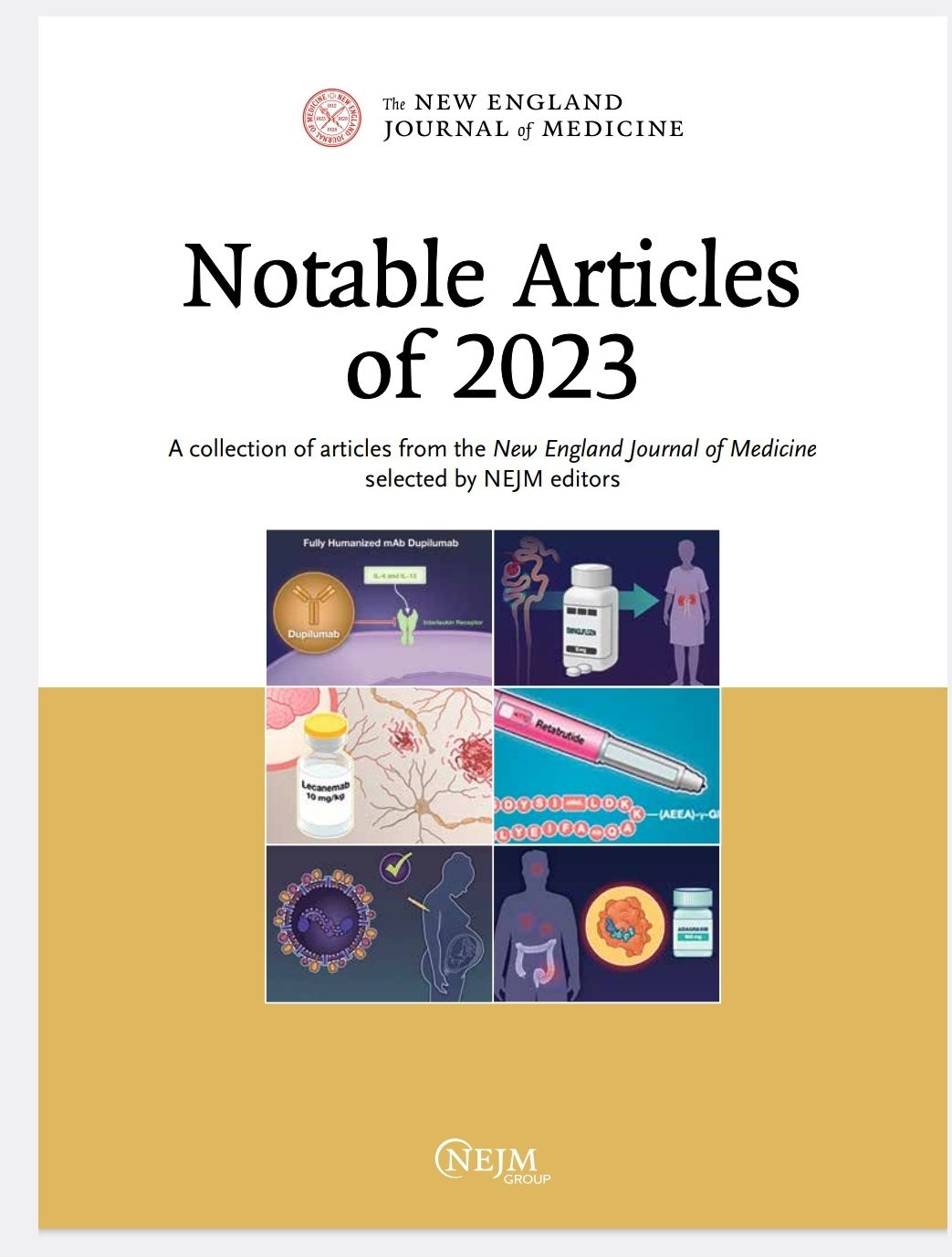
Here is a pleasant surprise, a collectors issue of NEJM year book 2023, is made available free (even for non subscribers, in its website) .It is fascinating to know how fast the Internal medicine has grown. For the busy cardiologists, this will a be refreshing reminder, that there are other important organs and specialties do exist in medicine , with equal breakthroughs and Innovations.
It is indeed an amazing , whirlwind tour of medicine for all those who see medical science as single holistic specialty. It has articles, ranging from from simple clinical studies on postpartum hemorrhage (E-MOTIVE study) from deep inside Africa by Melinda Gate foundation, to Dupilumab for COPD, a stunning monoclonal antibody inhibitor of IL-4 for COPD exacerbations. Shortening tuberculosis treatment with a strategy involving initial treatment with an 8-week Bedaquiline-linezolid regimen (TRUNCATE-TB study) is also a revelation.
Of-course, the mandatory cardiac topics do find a prominent place including the currently omnipresent drug GLP agonist Semaglutide for HFpEF (STEP-HFpEF study). Baxdrostat, an Aldosterone synthase antagonist for treatment-resistant Hypertension, appears promising (BrigHTN).
Final message
However, the crowning glory among all articles appear towards the end of the document, titled Combating misinformation as a core Function of Public Health.
Let me share the link to this PDF document here. Hope it allows open access and there are no copyright issues. Notable articles of 2023 from NEJM .
The contents of the this blog is being published as Kindle E book , as per the request of many of the readers. Every article will continue to be open source in this site. Again I shall reiterate the book format is not aimed at any commercial intent. It is only to facilitate learning in a single book format Here is the link to book https://amzn.in/d/euhL5vu
Click below to see who is watching this website live !
This site will never aim for profit. Still ,this donation link is added at the request of few visitors who wanted to contribute and of-course that will help make it sustainable .
Please Note
The author acknowledges all the queries posted by the readers and wishes to answer them .Due to logistic reasons only few could be responded. Inconvenience caused is regretted.









 Dr.S.Venkatesan MD