Feeds:
Posts
Comments

Interventional cardiologists generally do not believe (rather relish) in simple balloon dilatations to remove any vascular blocks. It is a mundane job for their talent-rich hands. After conquering the coronaries, we made exclusive valvular stents. No surprise, TAVR has taken over the aortic interventions with all its glamour and vigor, though it is definitely not an ideal choice in all.

SCAI, the prestigious journal in Interventional cardiology has a recent article , that has a not-so pleasant message for TAVR lovers.

Very soon, BAV could pose a direct challenge to cardiologists’ heart throb TAVI. Though, it suggests BAV as an adjunct or bridge , there is every reason to belive the bridge can outlive the lives of many co-morbid subsets in TAVR eligible cohorts. (ACC 2014 guidelines already has a grossly under-rated 2B/ Evidence C Indication for BAV)

It seems reasonable to believe BAV, with considerable improvement in hardware, technology, and expertise can be an alternative to TAVR in high-risk aortic stenosis in a substantial number of patients.

It is also worth pondering over a less discussed aspect of BAV. The apparent high adverse events with BAV in calcific AS reported in the past-PARTNER days are now proven to be either exaggerated, outdated, or outright false. (For the evidence seekers, there was never a control BAV arm in none of those big studies on TAVR. It was purely a Surgery vs TAVR study. (A flaw in the aim of the study?) They may call it unethical to have a BAV limb, my understanding is, the absence of which is more unethical, as we claim superiority of TAVR without a less invasive option of BAV as control )

The fact of the matter is, in many centers, the risk of sudden death or acute aortic regurgitation is either comparable to or acceptable when compared to transcatheter aortic valve replacement (TAVR). It is worth emphasizing that BAV can be performed regardless of the load and location of calcium, while TAVR requires minimum elastic calcific load assistance to hold the valve in place. Further, BAV-related issues can now be effectively managed with efficient hemodynamic management.

Final message

If not scientiifally discriminated*, new age BAV can upgrade itself from the “self imposed contraindication” to, a sustainable alternative to TAVR ,atleast in selected sub-group of patients with isolated AS. This reality sould be perceived not only in the cost perspective, but also in the overall superiority in avoiding all those menacing complications with TAVR.

Postamble

*Very difficult task for the humble balloon to prevail over glamarous TAVR. Still,there is some hope(.We can get it from the emerging DEB story, where balloons are able to get rid of stents from the coronaries).

Reference

This is an interesting and important paper in the BAV vs TAVR debate. The funny thing is, even after reading it twice, I am unable to clarify which procedure this paper really favors!

1.Alkhouli M, Zack CJ, Sarraf M, Bashir R, Nishimura RA, Eleid MF, Nkomo VT, Sandhu GS, Gulati R, Greason KL, Holmes DR, Rihal CS. Morbidity and Mortality Associated With Balloon Aortic Valvuloplasty: A National Perspective. Circ Cardiovasc Interv. 2017 May;10(5):e004481. doi: 10.1161/CIRCINTERVENTIONS.116.004481. PMID: 28495894.

Postamble

This quote is being sent for the annual meet of “Right care movement” I know ,this can sound outrageous, permissble limits of abuse ? Up to 2% or 5% ? Let it be anything . Meanwhile try to enlighten yourself , the key differences between misuse & abuse.

Discussing lifestyle modification is an essential cliché in every preventive cardiology consult, For most, it still means good nutrition exercise, and stress relief. It is true, that the average human longevity has increased considerably in the last century. However, this apparent gain in life expectancy by the stunning discoveries in science ( 10 years ?) has already been eaten up, by the self-inflicted,  poor styles in life. The new kid on the block, i.e. social media is playing a powerful amplifying effect.

Spot a new entry in lifestyle interventions.

Here is a fresh list of lifestyle modifications from the latest edition textbook of heart disease by Dr.Braunwald, considered the bible of Cardiology. Not at all surprised, to note the new entrant at the bottom of the list. 

Yes,  It is asking us to consider moving out, from the lovely city life to the countryside, and gift a pure and peaceful life to our vascular endothelium, which is devoid of PM2.5, NO2, Carbon monoxide (CO) Sulphur dioxide (SO2), etc.

Final message

I would expect the World Health Organization (WHO)  to declare ” unregulated urbanization” as a  communicable disease and include it in the ICD code sooner or later. (Air pollution is a masquerading term though!) .The urgency is real, since the apparent gain in life, due to modern medical therapeutics is getting rapidly eroded.

No more evidence is required to emphasize the fact, that enforced rural living is going to be an important CVD Intervention for the future. If someone (or any organization ) is still doing research to confirm this, please realize you are wasting time, stop it, and get on with corrective action along with the WHO’s other SDG goals. 

Reference

1.Emily J. Flies, Suzanne Mavoa, Graeme R. Zosky Urban-associated diseases: Candidate diseases, environmental risk factors, and a path forward,  Environment International, Volume 133, Part A, 2019,

2.Das, M., Pal, S. and Ghosh, A. (2008), Rural urban differences of cardiovascular disease risk factors in adult Asian Indians. Am. J. Hum. Biol., 20: 440-445.

Is it a STEMI or Non -STEMI ? The apparently realistic, but dichotomous thinking about ACS among physicians is existing for quite a long time. However, since the underlying pathobiology being same , it is worth wondering whether the conventional bifurcation of ACS is fool -proof , when applied to management decisions. The rapidity and totality of plaque fissure, rupture ,eruption,or erosion and the subsequent response of the local hemorheological system, determine the ferocity of the event.

How to recognise all these deep intracellular events in bed side ? Unfortunately, still with a lot of gratitude, we have to rely on the humble ECG for early segregation of ACS ,initiation of treatment. (Truthfully, Waller, Einthoven and Lewis should still be celebrated as forefathers of ACS )

Though STEMI/NSTEMI show different faces of ACS, however, it makes little logic to have two big set of guidelines when a patient presents with ER with resting angina with variable ST/T changes* .(In the very early hours of ACS, ie just moments after biological trigger who can predict which patient will enter what path and evolve into STEMI or NSTEMI)

* Typically, predicting the ECG-plaque interplay in Wellens’s syndrome ,De-winter or for that matter , in any biphasic precardial T wave sydromes can stretch our coronary acumen to its limits.

Now, ESC 2023 task force hasrealised this .To bring bettter judgment with a open mind ,decided to merge STEMI/NSTEMI into a single guideline , of-couse a with different treatment flow paths for these two entites.

I could take three key messages from this new guidelines.

1.STEMI guidelines are largely unchanged. There is still a major role for fibrinolysis, if you realistically think, and decide, you can’t reperfuse in the cath lab within 120 minutes after arrival.(120 mts time clock should start, much earlier is different debate!)

2.In NSTEMI, there has been important downgrading in the urgency of intervention even in the high risk category (Early invasive <24 hrs from class 1 to 2A)

3. Aspirin and regular unfractioned Heparin continue to rule the ACS world in most situations across the entire spectrum of ACS, except during the short peri-procedural period ,we need the assistance of new powerful P2Y12 blockers like Prasugrel or Ticagrelol.

Prof. Robert Byrne, from Ireland, succinctly explains the new ACS guidelines

Final message

Knowledge must be allowed to evolve, without any conditions or denials. Backtracking is an essential expertise, which can be as important as looking forward.

It was 2006

Allow me to recount an unassuming piece of a PowerPoint presentation from my institute, Madras Medical College, at the annual Cardiological Society meeting in New Delhi. The paper was categorized under miscellaneous sessions. I vividly remember the day. I have to admit, It was a nearly empty hall E, located in the basement of Hotel Ashoka. After the talk, I looked up to find that neither the chairman nor the handful of kind academic souls had any questions or comments to make. Pausing for a few moments, I quietly walked down the podium with an inexplicable silent pain.

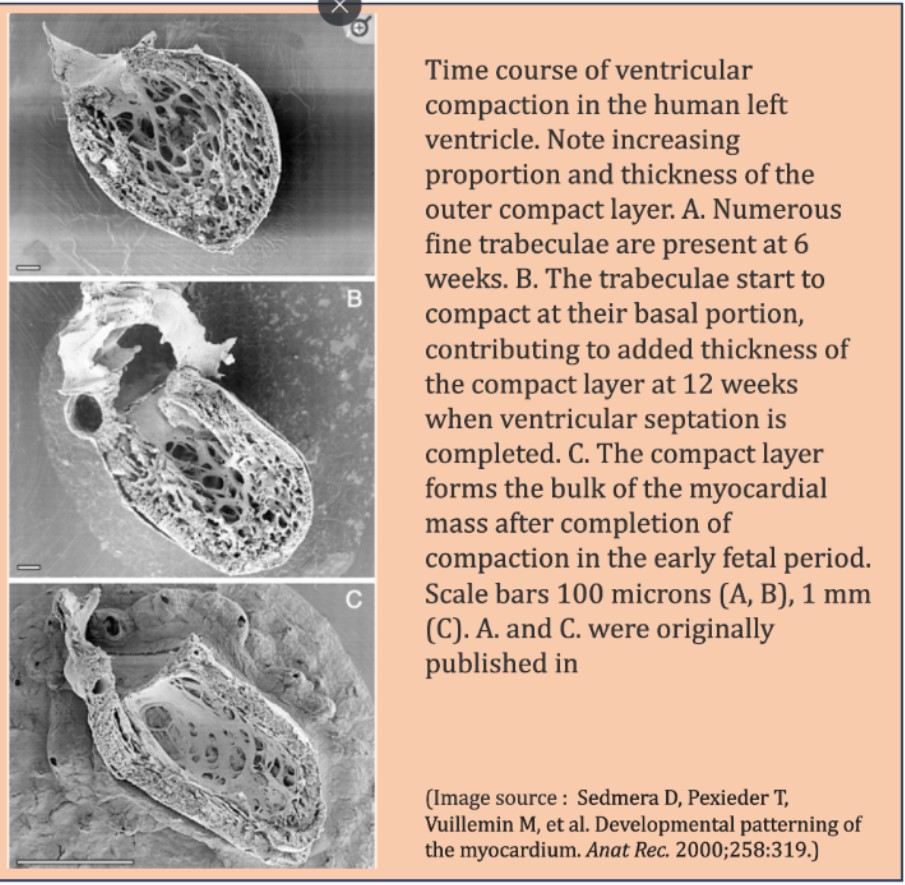
The title of the presentation was “Non-dilated cardiomyopathy”

Welcome to ESC Congress Amsterdam August 2023

ESC, has come out with this new update on cardiomyopathy. It is a pleasant surprise to find the term “Non dilated cardiomyopathy” entered the cardiology academia, authenticated by the ESC.

I must confess, it is difficult to conceal the joy and a little bit of self-pride.

Some observations from this document

1. Despite our tremendous knowledge base, we are yet to hang up our boots, in pursuit of an Ideal cardiomyopathy definition. Genotypic or phenotypic ? Phenotype is closer to reality, while genotype is largely imaginary. It looks like, The newer guidelines are moving towards a phenotype-based approach in all aspects except in risk prediction. Fair enough.

2. All cardiomyopathies, whatever way we segregate, ultimately end up in the common clinical syndrome of heart failure. So. it is better to spend some quality time here and concentrate on HF therapeutics.

3. Cardiologists are expected to critically fine-tune their general medical knowledge, which will help recognize and treat systemic disorders like Amyloidosis, and other metabolic infiltrates.

4..Almost all RCMs have non-dilated ventricles, so why a new term NDLVC? Anyone wants to ask this question ?. Further, there can be significant overlap between RCM & NDLVC as well. Definitely, there is a lot to understand beyond this 2023 document.

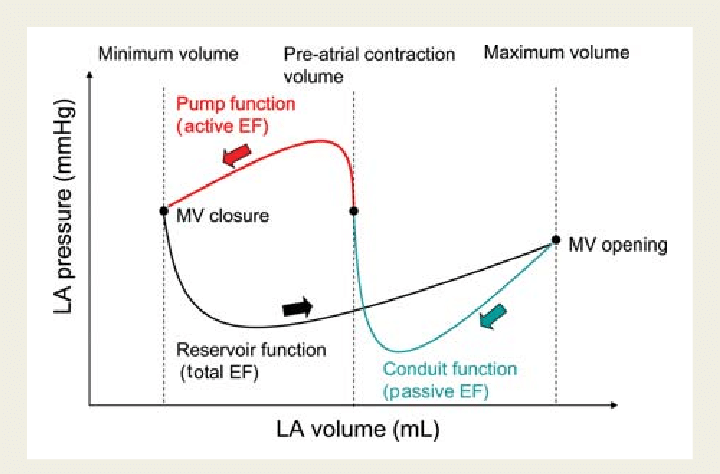
5. Why do some ventricles refuse to dilate even in the face of adverse hemodynamic and pathological conditions. Is it an advantage or disadvantage? If ventricles are adamantly stiff and decide not to dilate, there is no other option, the atria will proxy dilate, creating more problems in the lung circuits. This also raises a fundamental question Is NDCM a better stress buster (think Laplace law ) than DCM? or vive versa , the accomodative nature of LV passify & blunt the slope of LVEDP at times of exertion.

6. One more reality is, NDLVC is also an Important subset in the now fashionable HF entity HFpEF

Final message

The message to youngsters is this. Discuss, debate, and document your thoughts in whatever forum, that is available. Don’t wait for all those big brother journals and their recognition. If there is truth in your writing, someday it will be revealed to the world.

Reference

1.Robert A Byrne and others, 2023 ESC Guidelines for the management of acute coronary syndromes: Developed by the task force on the management of acute coronary syndromes of the European Society of Cardiology (ESC), European Heart Journal, 2023;, ehad191, https://doi.org/10.1093/eurheartj/ehad191

Lifestyle modifications and non-pharmacological modalities should be started in every hypertensive individual before starting them on long-term drugs. This is one of the foundational lessons in the therapy of hypertension. (Please mind, in no way, it conveys a meaning that we can give less importance to them after starting drugs.)

Exercise prescription has become a big-ticket event in hypertension clinics in recent times. Though any physical activity in adequate quantity is good, we have classified exercise into complex subtypes and found fancy ways of its administration.

Traditional belief gets a kick-back

We (At least me!) have been taught, isometric exercise is not BP-friendly. In fact, it can cause intermittent spikes that may persist for a variable duration depending upon the basal as well as dynamic adrenergic vascular tone. This is what I had taught to my students. This presumption is nearly shattered by this meta-analysis. It concludes that among all, Isometric exercise reduced the BP more than others. (especially wall squats and planks). More surprising is, that the usefulness of aerobics is lesser than dynamic resistance training as well.

https://jamanetwork.com/article.aspx?doi=10.1001/jama.2023.13616

Final message

Contrary to popular belief, Isometric exercise is not really hard on blood vessels and is likely to have a more favorable effect on blood pressure than aerobics.

Still, hesitating to fully accept the conclusion of this study. Exercise prescription is highly individualized & includes multiple cross-over strategies and self-learning. Caution is required when doing strong isometric exercises, especially after a vascular event.

Reference

1, Harris E. Meta-Analysis: Most Effective Exercises for Reducing Blood Pressure. JAMA. 2023;330(8):685. doi:10.1001/jama.2023.13616

Preamble

A patient who had a PCI some time back , asked me in one of his recent visit.

Doctor what is microvascular endothelial dysfunction and erosison ? Am I at risk of developing it ?

What am I supposed to answer ? Yes, I some how managed .” Don’t worry , it is a complex biological phenomenon. you need not go deeper into that. Take medicines regularly” He wasn’t happy with my answer is a different story.

A simple tip for peace of mind … for the modern patient

If the current generations of patients , equipped with hyper-knowledge engines, insist to understand 100% about their illness, imagine the consequences to the global healing system ,that has so many ground level issues to bother about.

One unofficial estimate from an elite , professional academic chatterbox of medicine suggests that the knowledge base with which doctors diagnose, treat, and understand the diseases they tackle, is at best 15%. Pateints need not be thankful , but atleast understand we are for working around with 85% ignorance, and still tries to bring out the best. I am sure this is a fact, no one can disagree ,regardless of the presence or absence of evidence to support it.

Final message

It might appear fair if someone argues blind faith in a trusted physician or hospital could end up as unscientific or unethical. But,what they fail to realize is, sciences’ blindness can be much darker, especially when it comes to the outcome of treatment and prognosis.

Does this sound a difficult question ? Many felt so. Hence, I decided to chat with the popular AI machine.It is a brief little chat that surprised me .Please click the link , you can learn somee academic manners from the machine.

https://chat.openai.com/share/6b96c54e-ad52-472a-9ebd-b7b1e1c762be

Statin: Some untold story.

Last century’s rockstar drug, statin do stimulate cholesterol/sterol abosorbtion as well as possible neo-hepatic synthesis.This is basic bio-feed back mechansim , when one molecule is blocked in a living organsim. We must be aware, It is a less popularised truth (Intentionally ? ) among the cardiology community,

Ofcourse LDL comes down, at the cost of residual pre -choleterol particles that spill over to circulation resulting in hepatic and skeltal muslce injury.

There is an important corollary and a pharmacological cross invention and a new big market for a otherwise orphan drug called Ezetimibe.

It is not an optional accessory in statin therapy as many would like to think. There is good scientiifc logic, with and and without evidence though , that Ezetimibe, is an essential add on adjuct for optimal statin action.This is understandable, since statin consumption systematically depletes intracellular cholesterol, make the entire small intestine hungry for cholesterol by a bio – feed back mechansim once its synthesis is blocked.

There is also some concern liver might also synthesise some abnormal new unnamed lipids ,? as its normal cholesterol pathway is blocked. These info were never released to clinical domain.

Final message.

Statin tiggers increased lipid absorbtion at the intestines. Stand-alone statin therapy, still turns out to be a suspect value in atleaset one third of users as the bio -feed back surge could not be countered effectively. However, for statin to be optimally effective,add on Ezetimibe helps.

Also, It is clear one of the important duties, of medical professional is to teach the AI engine and help correct potential and real mistakes in its data base.

Reference

This is evidene less cardiology , ie class C evidence.Experts may add, dispute and contibute to this thread.In the process Chat GPT might learn as well.

Found one evidence

Schonewille M, de Boer JF, Mele L, Wolters H, Statins increase hepatic cholesterol synthesis and stimulate fecal cholesterol elimination in mice. J Lipid Res. 2016 Aug;57(8):1455-64. doi: 10.1194/jlr.M067488. Epub 2016 Jun 16. PMID: 27313057; PMCID: PMC4959861.

This post was written after coming across a case report  Oxford medical case report.


What is the life of a prosthetic Aortic valve?

The standard answer needs to be, mechanical valves can last up to 25  years or more. But, we are in a techno-conflict era.  Instead of working on the longevity of the valve, ( with concerns for long-term OAC )  we fell for the biological valves. Curiously, this has made the durability of the valve, a less relevant discussion in many centers. We get excited when some company brings out a long-lasting bio-prosthetic valve that can live up to a maximum of 15 years.

Now, the biological valve comes in a new avatar ie TAVI, in a big way. Soon, we may celebrate an event free 10 years after TAVI. Going percutaneous is transformative. But at what cost? Fusion of metallurgy, chemistry, and pharmacology should make it possible for in-vivo metal valves to be safe for 75 years of human life span. The irony is we almost had one, One valve’s longevity was consistently exceeding the patient’s life span,(at least as far as we observed in the Rheumatic heart disease)  This has been the star of all valves. We know what happened to that valve.

This SE valve in the mitral position

Final message

Most SE valves are implanted in the mitral position. Starr-Edward in an Aortic position working for 50 years is a big proof of reality. Of course, we can’t extrapolate with a single case report. We have stopped the production of these valves. So, there is no way to test it either. Anyway, cardiologists, cardiac surgeons, and finally the generation X, TAVI Innovators have something to learn from this case report. Forget Starr-Edwards, It looks like, there are some invisible forces that work against mechanical valves in recent times, which may not be good for our patients as of now. (There is something interesting related to this in Ref 2)

Future directions: Past need not be past

 Nothing is impossible for our hyper-talented scientists, except probably in the “faculty of looking back”  the past-Innovations (falsely labeled as obsolete) and bringing them again to optimal usage.  If cardiologists feel surgical AVR injures their interventional pride, how about a percutaneous cage delivered at the root of the aorta, after ablating native leaflets, followed by an inflatable silicone ball?

Reference 

1,Sabouni MA, Baumeister RH, Traverse P. 49 years of normal functioning Starr-Edwards aortic valve prosthesis. Oxf Med Case Reports. 2020 Feb 24;2020(2):omz141. doi: 10.1093/omcr/omz141. PMID: 32123569; PMCID: PMC7037059.

A current 2023, opinion from the renowned Dr. Catherine Otto on this Mechanical vs biological valve , Indications, current usage pattern, the cut-off age, etc 

2.Otto CM. Optimizing Age-Specific Outcomes After Mechanical vs Bioprosthetic Prosthetic Heart Valve Replacement. JAMA Netw Open. 2023;6(5):e2314628. doi:10.1001/jamanetworkopen.2023.14628