Feeds:
Posts
Comments

Posts Tagged ‘innovations in cardiology’

“Every Interventional Cardiologist, realistically, need to be a preventive neurologist too!”

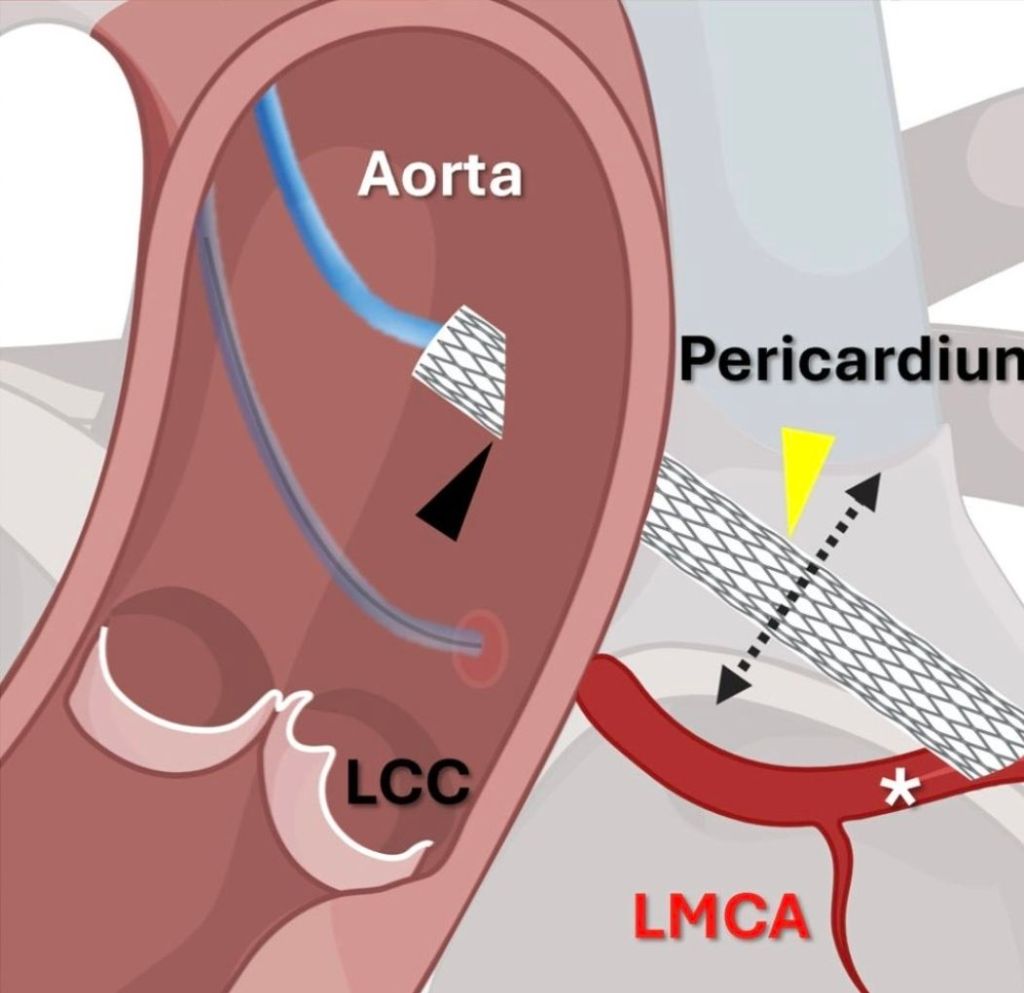
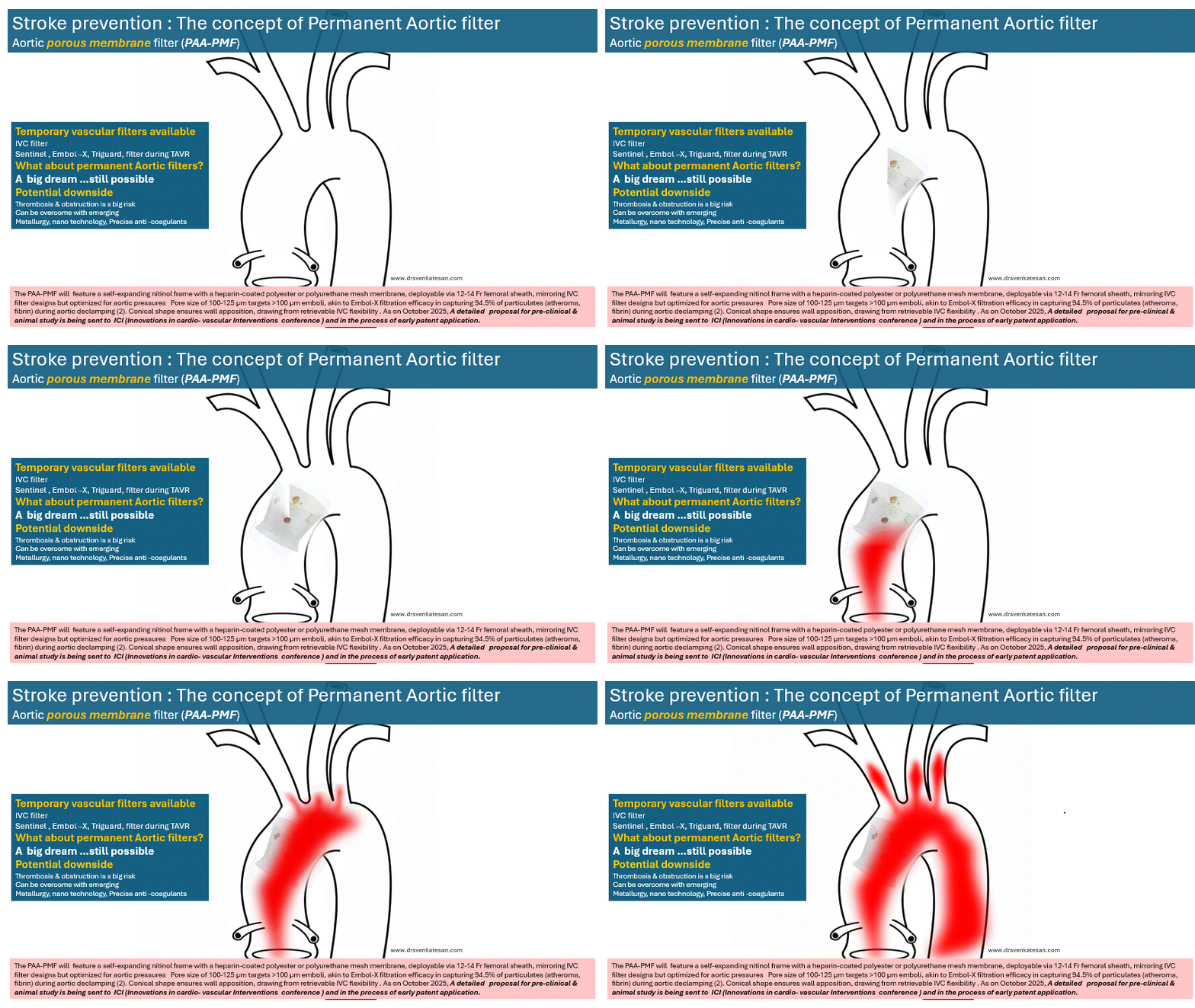
The concept a permanent ascending aortic porous membrane filter (PAA-PMF) is an extrapolation of the idea of mechanical thrombus capture, as proven by IVC filters for venous embolism prevention . Also we do have and temporary intra-aortic filters like Sentinel , Embol-X for arterial particulate capture.

Device Concept

The PAA-PMF would feature a self-expanding nitinol frame, with a fully porous head end. The device can be heparin-coated polyester or polyurethane mesh membrane, deployable via 12-14 Fr femoral sheath, similar to IVC filter designs but should be optimized for aortic pressures. Suggested pore size of 100-125 μm targets >100 μm emboli, akin to Embol-X filtration efficacy in capturing 95% of particulates (atheroma, fibrin) during aortic declamping. The essential requirement is that the porous membrane should not create an impedance gradient. How feasible it is, to be tested. Conical shape, the radial force will ensure good ascending aortic wall apposition.

Device location site

Site of placement is critical. Proximal ascending aorta, 2-3 cm distal to sinotubular junction/proximal to brachiocephalic trunk, as in Embol-X for maximal cardiac/aortic debris interception without coronary/arch compromis

Potential indications

(Only in patients with very high risk of cardioembolic stroke)

1.Chronic stroke reduction in patients with MVR/AVR/TAVR/MAVR

2.High-risk mobile LV mural thrombus

3.Chronic AF with visible and invisible clots in LA

4..High-risk procoagulant conditions with recurrent embolism

Definite Risks

*Occlusion and hemodynamic compromise is the most crucial issue. However, when compared to the incidence IVC filter clogging, the high pressure aortic flow is likely to self-wash the device (as happens in a prosthetic aortic valve)

Trapped emboli may enter into coronary circulation is a possibility. Putting a filter at ascending aorta precludes left heart catheterization.

*Migration , Hemolysis are other expected complications.

Intense anticoagulation would be required to prevent occlusion of the filte . (Still, stopping it temporarily doe not not increase the risk of stroke)

Final message : Is it Worth for a Preclinical trial ?

We do have temporary aortic filters. The concept of permanent or semi-permanent filters is largely theoretical, with potential risks being more than benefits. The device can take care of only cardio-aortic embolic stroke.

However, considering so many complex, risky intracardiac and intravascular devices being tested on a daily basis, it is not a big deal for the current generation of interventional cardiologists to try this.

More than our interventional appetite, we really need a device that prevents stroke in a permanent fashion. It is definitely worthy to do initial studies in a porcine model. Would be glad , if Edwards, Abbot or Medtronic and other new Innovators respond to this.

References

  1. Shammas NW, et al. Intra-Aortic Filtration: Capturing Particulate Emboli during Cardiopulmonary Bypass. NIH. 2004. Available from: https://pmc.ncbi.nlm.nih.gov/articles/PMC1351822/
  2. Shammas NW, et al. Embol-X Intra-Aortic Filtration System: Capturing Particulate Emboli in the Cardiac Surgery Patient. NIH. 2004. Available from: https://pmc.ncbi.nlm.nih.gov/articles/PMC4682540/
  3. PCI Mag. Revolutionary Anti-Thrombogenic Coating for Stents Promises Safer, Faster Healing. 2024. Available from: https://www.pcimag.com/articles/112641-revolutionary-anti-thrombogenic-coating-for-stents-promises-safer-faster-healing
  4. Kaufman JA, et al. Radiologists’ Field Guide to Retrievable and Convertible Inferior Vena Cava Filters. AJR. 2019. Available from: https://ajronline.org/doi/10.2214/AJR.19.21722
  5. Cleveland Clinic. Vena Cava Filters: Purpose & Placement. 2025. Available from: https://my.clevelandclinic.org/health/treatments/17609-vena-cava-filters
  6. Bilal H, et al. Complications of Inferior Vena Caval Filters. NIH. 1997. Available from: https://pmc.ncbi.nlm.nih.gov/articles/PMC3036364/
  7. Alpaslan M, et al. Embolic Protection Devices in Transcatheter Aortic Valve Implantation. NIH. 2025. Available from: https://pmc.ncbi.nlm.nih.gov/articles/PMC12194329/
  8. Almanza DC, et al. Comparative Review of Large Animal Models for Suitability of Cardiovascular Devices. IJMS. 2024. Available from: https://ijms.info/IJMS/article/view/763/1645
  9. Mohammadi H, et al. Simulation of blood flow in the abdominal aorta considering hyperelasticity of the wall. J Carme. 2021. Available from: https://jcarme.sru.ac.ir/article_1223.html
  10. Ketha S, et al. Comparative Review of Large Animal Models for Suitability of Cardiovascular Devices. IJMS. 2019. Available from: https://ijms.info/IJMS/article/download/763/1644?inline=1

Read Full Post »

Artificial pacemaker is one of the major discoveries in cardiology that has given new lease of life to patients suffering from serious bradycardia and heart blocks . Now, the technology has grown beyond pacing , for delivering shock ,defibrillate , resynchronise failing heart etc. For accomplishing  all these tasks we need electrical power . . . non stop on board !

Though , the energy required for sustaining an electric pacemaker is miniscule (About 40 micro watts) still, the lithium ion battery can last only around  10 years with the available technology.Various alternate sources for power* are being  explored. One great innovation is on the horizon .A new “scientific spark”  came from a totally unexpected  quarter.

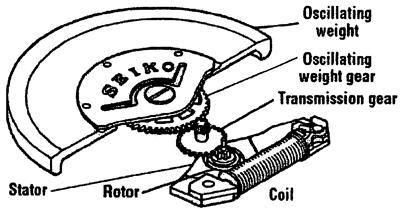
 If Automatic Swiss watch can run without a battery  life long ?  Why not a cardiac  pacemaker  ?

 How about harvesting mechanical energy from the heart itself  ? (The ultimate biological bundle of energy ! ) .

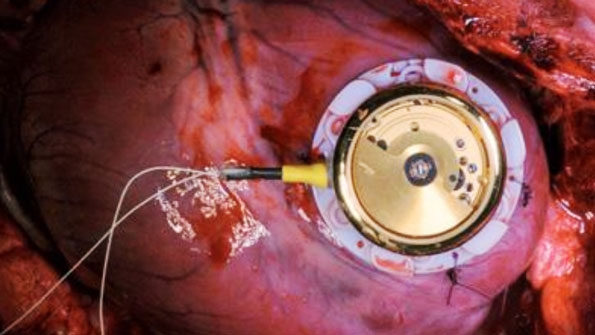
The concept was  originally suggested by University of Berne Switzerland , researchers from Stanford has successfully used the cardiac  muscle activity as a dynamo to generate and store minute amount of electricity that can sustain heartbeats in an electro  mechanical coil loop model.

heart-powered-pacemaker

A person’s heartbeat  moves a magnet and generate electricity for a pacemaker

enerharvpromo-1

Trials done on pig’s heart are promising .(Reference 1)

Final message 

The idea may look dramatic , but it works.Hope  it becomes reality in our patients in near future.

Further reading

* Creating gene modified  biological pacemaker cell is .

Sharing this  article from  Via: New Scientist

By Lisa Zyga
Science Blogger
InventorSpot.com

  At first glance, this idea seems somewhat impossible, like using the movement of an engine’s pistons to power a car. However, researchers David Tran and his colleagues from Stanford University explain in a recent patent that the idea is very plausible. For one thing, a heart-powered pacemaker can generate and store more electricity than required to operate, and use the stored energy when needed. Also, a battery could be included in the pacemaker, and power from the heart would extend the life of the battery.

Overall, the researchers hope that the invention could at least double the lifetime of today’s pacemakers. Currently, the batteries in pacemakers can last up to ten years, although they typically last only four to five years. (Originally, batteries lasted for as little as a year.)

The invention also has the potential to reduce the size of the pacemaker by one-half or more. For example, a typical commercial pacemaker with a volume of 16 milliliters may be reduced in overall size to as small as 1-8 milliliters.

An embedded generator could continuously produce power in several ways, such as through electromagnetic induction or the piezoelectric effect (electric energy generated via mechanical stress).

In the Stanford team’s design, the generator is implanted near the heart wall, such as attached to the myocardium or pericardium, which would subject the generator to regular pulsating movements produced by the beating heart.

The generator itself consists of a magnet, a conductor (both micro- or even nano-sized), and electrical leads hooked up to the medical device. Contraction of the heart muscle causes relative motion between the magnet and the conductor (such as a coil of wire). This relative motion between the magnetic and coil induces an electric current in the wire, which is transmitted through the leads to the implanted pacemaker.

Movements produced by the beating heart would have a frequency of between about 0.5 Hz and 2 Hz, which could generate between 40 microwatts and 200 microwatts of power. The pacemaker would only require about 40 microwatts, so the excess power could be stored and used for later use, such as when the heart stops beating.

Besides using the movement generated by the muscular contractions of the heart, other versions of the pacemaker could generate power from heat differentials, physiological pressures, and flows and movements, such as blood flow. And in addition to pacemakers, the researchers suggest that similar systems could be used to power defibrillators, ventricular assist devices, muscle , neurological stimulators, cochlear implants, monitoring devices, and drug pumps.

Reference

http://powerelectronics.com/energy-harvesting/energy-harvesting-poised-eliminate-pacemaker-battery

Read Full Post »

Interventional  cardiologists should revere  few  names for ever  . . .

They are

  1. Werner Forssman
  2. Masan Sones
  3. Andreas  Gruentzig
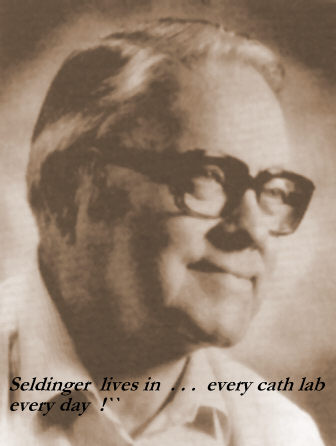
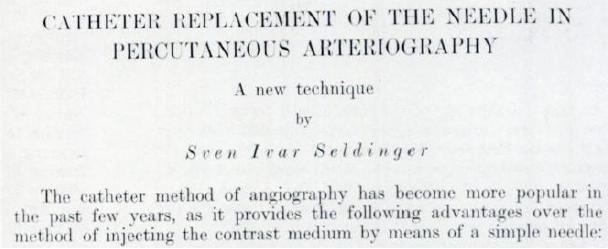
  4. Sven-Ivar   Seldinger

Sweden's Pride and cardiologist's ultimate Hero !

The  other men  in the  above  list  gave us insight  to enter the heart and do cardiac catheterization  and selective  angiograms

Ironically ,   the  man who  provided an easy access* to cardiovascular  system  from the  periphery is less often  remembered.  Still , it is because of him millions of procedure  are done every  year .

Every cardiologist should  read the life history of this great man.

*Previously all interventions are done in laborious  arterial or venous cut down

How the invention came about ?

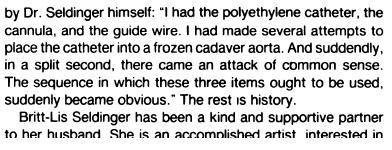
“It is a  sudden attack of common sense”   That  is how seldinger described in his own words

Why not a Nobel prize for  Seldinger’s  sense which was so  uncommon to others  ?

If common sense has to be rewarded Nobel price ,  Seldinger’s    would probably will rank   first  among  all !

Reference

  1. http://ww.ajronline.org/cgi/reprint/142/1/8
  2. http://www.ajronline.org/cgi/reprint/142/1/8.pdf

Read Full Post »