Technically and also realistically, Jugular veins can be referred to as live, non-invasive biological catheters, that transmit the hemodynamic data of the right heart, 24/7 free of cost. JVP reflects RA pressure in systole and the combined RA, & RV chamber in diastole. It is left to our clinical acumen, to use it in whatever manner, that is beneficial.
One such thought is described in this animation.
Please go to the full-screen view and freeze the video to read the text.
The usefulness of JVP in a cardiac emergency like acute pulmonary embolism may appear superfluous. But, the fact of the matter is, a persistently raised JVP with good waveform, without systemic hypotension, may not portend a bad outcome. Sometimes, the Echo parameters are alarming, but a patient may be just fine. Here, is a real challenge. In these situations, the humble neck veins can assist us in the decision to thrombolysis or the need for any newer intrapulmonary Interventions under RV assist system.
Limitation is endless
Whenever we talk about RV dysfunction, by default we mean RV systolic dysfunction. It is critically important to understand the RV diastolic function is silently and strongly coupled with its systolic function. Impaired RV diastolic function impacts JVP in a significant fashion. We are not going into those complexities. However, tricuspid annular motion is independent of the diastolic relaxation properties of RV. If you want to go one step further in this topic, try to find out the true mean pressure of JVP, and its relationship with RVEDP.
Reference
To be created.
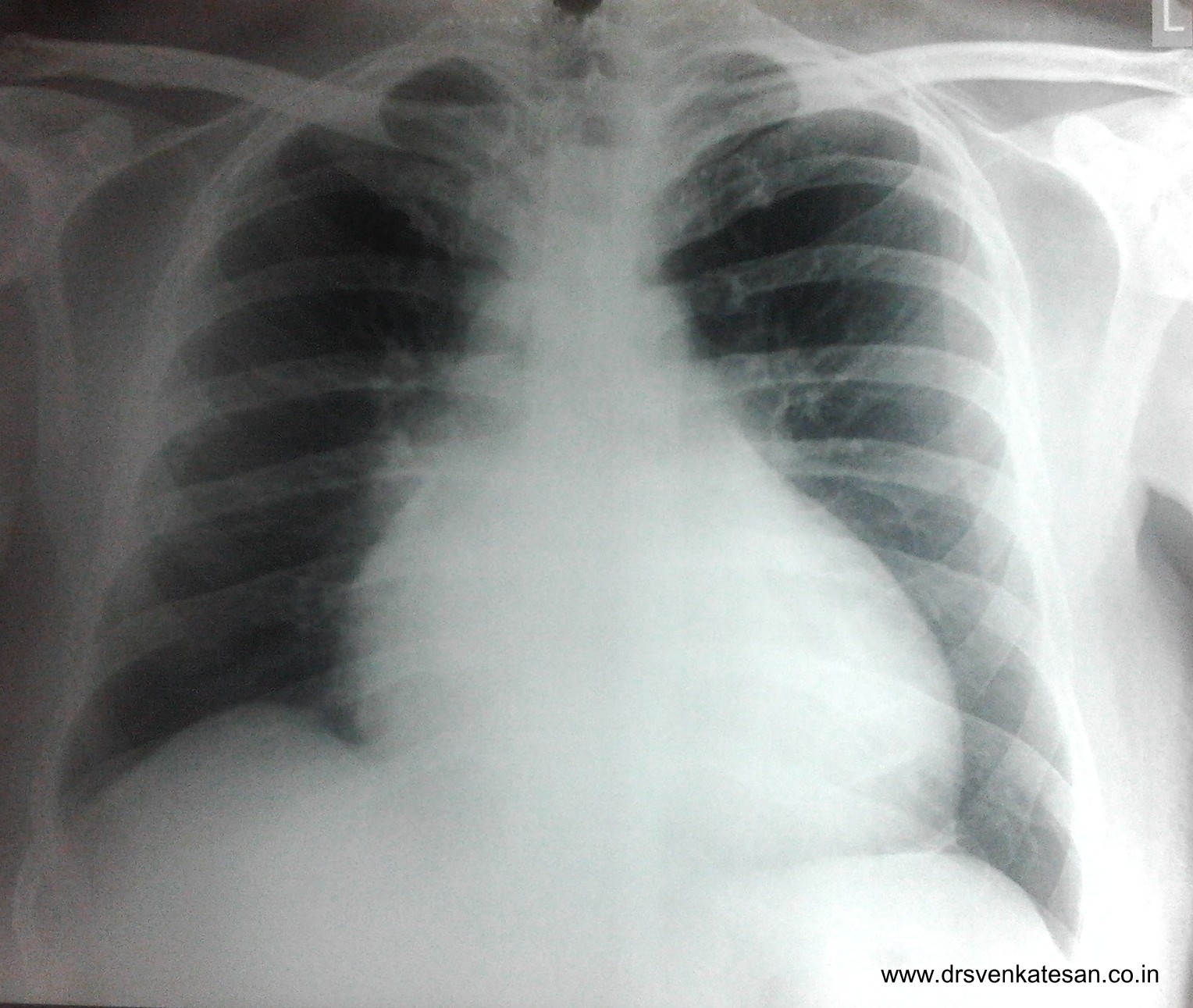
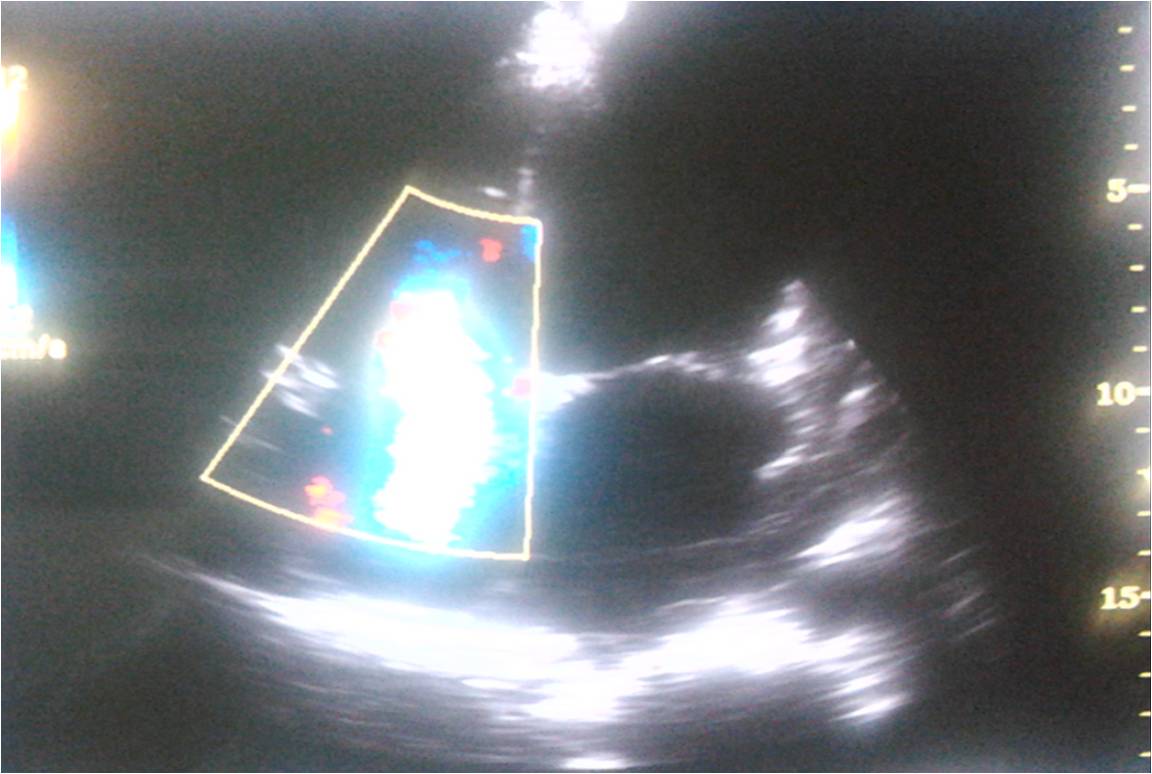
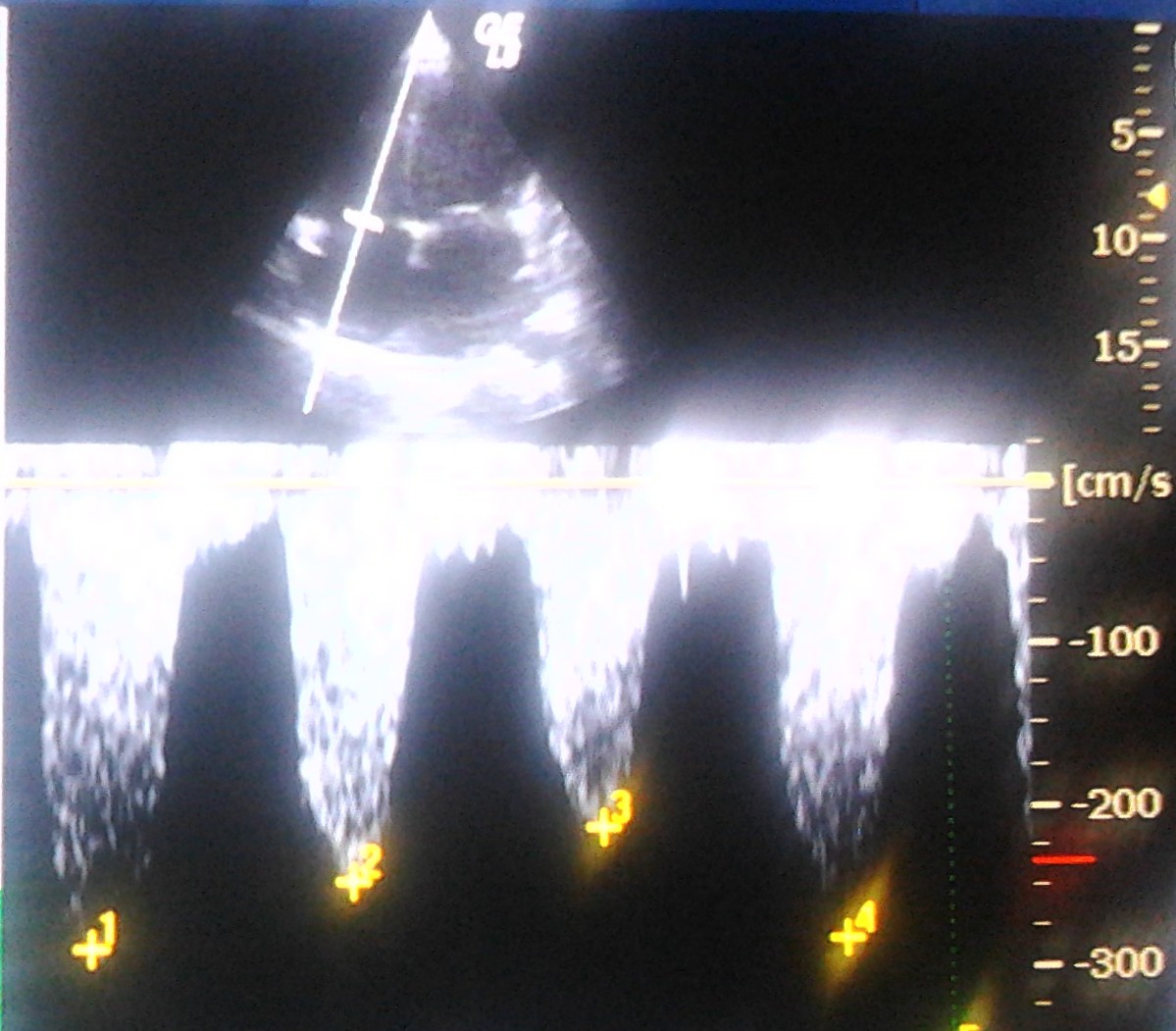 Note the changing TR velocity implying severe RV contractile dysfunction.



 Dr.S.Venkatesan MD