Feeds:
Posts
Comments

Ventricular tachycardia can be a killer arrhythmia that can arrest the heart within seconds or behave like your pet, gently cuddling the heart and terminating spontaneously. The latter phenomenon we call it casually as benign non-sustained VT. Such VTs are more common in the out flows, fascicles or in HCMs. Most of us do not have time, to wonder why some of these blessed arrhythmias are not able to sustain.

Of course, the definition of non sustained VT can be challenging and keep changing with time. We have examples for both extremes , ie hemodynamically stable sustained VTs as well as unstable , but still, not sustained one.

Coming back to the mechanism behind these VT ,Let me provoke an answer from the readers.

Why some VTs are non sustained ?

A. The forward head of VT energy front is weak.

B. Source-Sink mismatch and tissue fatigue .

C.Disconnect between upper & lower loop of VT

D.Rate induced functional Exit or Entry block in the circuit

E. All of the above

F. None of the above , it is largely decided by the fate of the patient


While most EP specialists are busy taming the sustained one, very few are actively doing research about the mechanisms underlying the non-sustainability of VT. Here is interesting paper that discusses possible mechanism of termination of re-entrant VT.

The clinical importance of this question is, if we can convert sustained VT to non-sustained ones with drugs, it is indeed a therapeutic success. Drugs can slow down or terminate the arrhytmia circuit by acting in any of the four phases of action potential. The research in the field of anti-arrhythmic drugs has almost stopped in the last four decades for some unexplained reason. I think, we (Pharma companies?) decided to close the doors of anti-arrhythmic drugs after Dronedarone or Ibutilide . Renewed interest in Mexiletine, Norpace and Sotolol is a welcome move though. My suggestion is, oral forms of cardio specific lignocaine analogues could be a game changer in the filed of cardiac arrhythmias. Phenytoin sodium is old warrior drug, could make a comeback.

If only we had tried more, we might have produced more powerful drugs ( One obvious reason being cardiologists have decided to take on cardiac arrhythmias with electrical and mechanical weaponry in the hope of avoiding drugs. But, that aim has not really been accomplished except in AVNRT/AVRT. We still need the assistance of drugs in many classes of VT, even after ablation as well as an ICD.

Final message

As far as the answer to the MCQ, is concerned, response E is correct. If we look at the question again, quixotically, we may need to agree response F, (ie none of the above) is also right. Destiny decides the presence or absence of factors A to D in a given patient.

Reference

1.Katsume Y, Hasegawa K, Limprasert S, Ueda A, Kanagasundram AN, Richardson TD, Stevenson WG, Soejima K. Termination Without Global Propagation in Re-Entrant Ventricular Tachycardia: Electrophysiologic Characteristics and 3D-Electroanatomical Mapping Analysis. JACC Clin Electrophysiol. 2024 Aug 31:S2405-500X(24)00708-4. doi: 10.1016/j.jacep.2024.08.004. Epub ahead of print. PMID: 39297837.

Fixing the target LDL, in both primary and secondary prevention is becoming more & more complex . The reason being, there is a huge healthy population ( with zero risk factor) , but showing insignificant or minimal coronary plaques. This subset of population is anxiously unmasked by inclusion of CT angiogram in many master health check-up programs.

A case profile & a debate

What does the guidelines say ?

If you have any athero-sclerotic cardio vascular disease(ASVD) documented by clinical or Imaging , you belong to very high risk category. It clearly says the target is 55mg both in primary and secondary prevention.

LDL is not only the enemy of the coronary artery. Fatty streaks in the coronary artery begin in the fetal stage itself. In adults, some of these streaks become prominent locally and turn out to be plaque. The argument for intensive statin therapy is to stabilize these plaques. We would not know if the plaque is stable or not. We can’t do OCT imaging, an invasive test, to know about the vulnerability. So, for the sake of safety, everyone advises intense statin therapy. The irony is ACS continues to occur at any level of LDL.

Final message

Is my cardiologist right about the LDL target of 55 mg ?

If you look at the above table of risk categorization, your cardiologist may be right. But the deeper issue is whether such a recommendation is correct or not. In our opinion LDL 70mg is good target to achieve. Lowering further, has its own risk. I am sorry, you can’t escape from the guidelines as of now, Further you don’t have any other risk factors to treat as well. Then, this question, will always hang above your shoulders , why the hell I got this plaque over there?

I think ,its time ,we need ask more questions that are difficult to answer ?

1.Does ASVD includes even 10-20 % plaques by CT angiogram ? How specific these X RAY – stitched slices of CT scans done on moving heart. Then ,what about luminal irregularities ? Should it to be counted as ASCVD as well ?

2.Do we need to refine the definition of by introducing a new term significant ASCVD?

3.Also like subcategorization of clinical ASCVD from image-based ASCVD with reference to target LDL?

Reference

1.https://www.escardio.org/Councils/Council-for-Cardiology-Practice-(CCP)/Cardiopractice/lipidology-update-targets-and-timing-of-well-established-therapies

2.O’Keefe JH Jr, Cordain L, Harris WH, Moe RM, Vogel R. Optimal low-density lipoprotein is 50 to 70 mg/dl: lower is better and physiologically normal. J Am Coll Cardiol. 2004 Jun 2;43(11):2142-6. doi: 10.1016/j.jacc.2004.03.046. PMID: 15172426.

Postamble

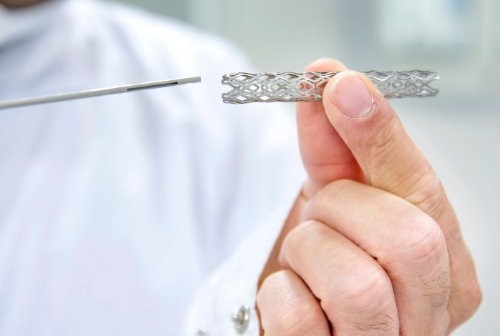
Dear patient, wait, there can be more shocking advisories soon. With the famous PREVENT trial (Lancet 2024), results are waiting on the sidelines trying to penetrate the fragile barriers of various guideline writing committee offices. By the way, PREVENT study demands an OCT for all non-flow limiting plaques, and stents if they are found be vulnerable.( Read about The TCFA story)

Park SJ, Ahn JM, Kang DY,; PREVENT Investigators. Preventive percutaneous coronary intervention versus optimal medical therapy alone for the treatment of vulnerable atherosclerotic coronary plaques (PREVENT): a multicentre, open-label, randomised controlled trial. Lancet. 2024 May 4;403(10438):1753-1765.

We keep doing RCT after RCT trying to find out the truth, whether opening CTOs are really useful. Meanwhile, cardiologists continue to do CTO- PCI as per their wishes, convenience, and perception of the literature.

5 major studies are available about the utility of PCI in CTO

It seems, it is far easier to do multiple, multicenter RCTs than to interpret the findings of these trial results. However , we have mastered the art of tunnelling down blindly, both in the ante & retro grade routes , tackling the tortuous and often rocky, CTO terrains and complete a wonderful PCI. Still, we are not sure ,whether it is worth all the efforts and risk ?

What does it mean? It conveys a simple truth. Our hands work more brilliantly than the brains.

video source and courtesy https://asahi-inteccusa-medical.com/asahi-inteccs-interventional-microcatheter-guide/

Studies on CTO

A.EURO-CTO

B.COMET-CTO
C.IMPACTOR-CTO,

D.DECISON CTO

Of the above four, only the DECSION -CTO was negative, still many cardiologists are not ok to do a CTO PCI . Why ? The reason is simple. They know the truth that, none of trials showed improvement in overall survival .

Most studies looked only at angina as a symptom .Very few included patients with dyspnea as a symptom . While it is rare to recruit asymptomatic patients in clinical trials, in real world it do happen very often, ie getting rid of the block as an indication .

We do get some useful information from these trials

1.Expertise and hardware .We have good technology to do a successful PCI .

2.Don’t open it just because you do it

3..Simple documentation of viability is not enough. We have top prove the same viable segment is critically ischemic as well .The buck doesn’t stop there, the procedure we do should be good enough to eliminate that ischemia ,

4.If symptoms are angina and it is refractory, one may consider CTO PCI. Never do it for relief of dyspnea, even if the guidelines suggest you to do so.

When can do a PCI in CTO without guilt ?

We do have official algorithm

CTO procedure deftly improves both cardiologist’s’ & patient’s sense of well-being, provided the patient doesn’t experience any complications, which can be anything between 3 to 20%.

Why Indication for CTO PCI are still tentative and vague ?

*We are yet to do a proper study addressing all the important variables in the CTO pathology and hemodynamics.

*Even if, we do a good study , they are not properly interpreted.

*Even if it is properly interpreted, guideline writing committees tend to be biased towards more action than inaction.

*It is strange ,Inaction (not doing a PCI) is seen as a therapeutic defeat for a cardiologist as he leaves a patient, who has a blocked coronary artery, however healthy he may be.

Conclusion

If we are not able to arrive at a meaningful conclusion even after many RCTs on the on the same topic ,what does it mean?

It could mean only one thing. Studies and trials are not the real answer to the questions which we are asking .There is something more we have to look at. Mathematics and biology can’t be fused as we desire.

Reference

Galassi AR, Vadalà G, Werner GS, Cosyns B, Sianos G, Hill J, Dudek D, Picano E, Novo G, Andreini D, Gerber BLM, Buechel R, Mashayekhi K, Thielmann M, McEntegart MB, Vaquerizo B, Di Mario C, Stojkovic S, Sandner S, Bonaros N, Lüscher TF. Evaluation and management of patients with coronary chronic total occlusions considered for revascularisation. A clinical consensus statement of the European Association of Percutaneous Cardiovascular Interventions (EAPCI) of the ESC, the European Association of Cardiovascular Imaging (EACVI) of the ESC, and the ESC Working Group on Cardiovascular Surgery. EuroIntervention. 2024 Feb 5;20(3):e174-e184. doi: 10.4244/EIJ-D-23-00749. PMID: 38343372; PMCID: PMC10836390.

The following thought, is in response to a spate of violent attacks by patients on the doctors in my state. One of my ex-colleagues, an Oncologist was stabbed with a knife by a son of an elderly mother in his clinic room, apparently agitated with the side effects of the chemotherapeutic drugs she was receiving for end-stage Hodgkin’s lymphoma. The other case was a young gynecologist attacked for the loss of a newborn baby due to obstructed labor, again alleging wrong care.

A chilling concern and a confession

While doctors work day in and day out for the welfare of the patients, it is inevitable that forces beyond their control and some systemic issues do bring some adverse impact. Critical decisions are taken on a moment to moment basis, guided by their experience ,Intuition, trust, and belief, of course with learned skill and expertise. It is estimated that doctors work with a knowledge base calculated at best 20 % for most illnesses. BMJ 2022;376:o702) So, we primarily work with what we don’t know, rather than what we know. Unfortunately, no doctor would like to tell this, and no patient wants to hear this. But one thing is certain. No doctor can ever harm a patient intentionally, even in dreams.

However, errors in judgment and negligence, along with some casualness due to physical and mental stress, do happen. To be honest, it is more common than anyone can guess. Fortunately, the bulk of these errors are not reported and either self-heal or are rectified internally without reporting. I can also say with conviction that doctors are humble souls, and most of them carry the guilt of a true error lifelong and take every step to prevent it from recurring. (Recalling the tragic story of an honest gynecologist Dr Archana sharma who committed suicide due to mob shaming)

Minimizing such harm is one of the major goal of every doctor and institutions. However, it can not be eliminated completely at any state of imagination.(It is like climate change in environment or corruption in politics) To repeat this statement ,No doctors can harm a patient intentionally, complications, and errors are like high way accidents .Request the patients to please understand this simple truth. Many patients do, many don’t.

The problem with many patients are ,they are unaware, that doctors often practice medicine with incomplete knowledge. To be very frank, many times it turns out to be , sort of therapeutic experiment with inherent risk at every stage .The present day patients want to know ,what the doctors themselves do not know.

There is new emerging issue. the current generation of patients in our part of the world ,carry a huge and unrealistic expectation along with lowest level of tolerance. Armed with artificial ignorance fed by digital doctors ,they think if you have money power, we can cure any disease. . It has gone to the extent , they are not able to accept even the natural history of untreatable and end-stage diseases. Some of them harbor a dangerous thought ,that no patient dies in a hospital instead ,he gets killed by mis-management.

One of the important reasons for this miscommunication, squarely lies with us. We need to admit, un-intentional errors is indeed a big problem in medical profession, as in any other field”

Final message

Even serious errors in other public departments like transport, economics , Judiciary , police ( even intentional criminal acts by individuals ) are casually taken by the public and readily forgotten or forgiven. While ,the tragic truth in our profession is, patients are never ready to forgive even small errors by doctors who have dedicated their entire life for patient welfare. Unless something dramatically happen that change people’s perception about medical profession ,we are heading towards very tough times.

Reference

1.Martin A Makary professor, Michael Danie BMJ 2016;353:i2139 doi: 10.1136/bmj.i2139Medical error—the third leading cause of death in the US

2.Brennan TA, Leape LL, Laird NM, et al. Incidence of adverse events and negligence in
hospitalized patients. Results of the Harvard Medical Practice Study I. N Engl J Med
1991;324:370-6. doi:10.1056/NEJM199102073240604 pmid:1987460

*Money (Empowered)

Here is a simple research paper on echocardiography , yet comprehensive, that assessed aortic leaflet separation distance with mean aortic gradient and valve area in patients with aortic stenosis. Kudos to the authors. It adds more pride, a validation of an important echo parameter in aortic stenosis has come from my part of the country, in a small town of Kerala .I am sure , It deserves to be published in JASE or ESC Imaging journal, which would have spread the importance of this study to more audience [(Jayaprakash et al 2017)

Mximal aortic leaflet separation (MACS) in M mode was identified as the distance between the inner edges of the tips of these structures at mid systole in the parasternal long axis view. Cuspal separation is also measured in 2D echocardiography from the parasternal long axis view and the average of the two values was taken as the MACS. 2D is more reliable than M-Mode. One might make it further simple by taking only 2D measurment. (In one way. it can be thought of as a 2-D equivalent to of vena- contracta in regurgitant lesions)

What will be the AVO if leaflet separation distance is 12 mm?

How can a simple M-mode/ 2-D parameter can accepted in this sophisticated Echo era ?

If it is so simple, then it must be error prone . Yes, you are right, but it is far less than we presume. To reduce errors zoom in to the valve to maximum while measuring. Please try to realize , the other much celebrated and complex Indices with multiple doppler, VTI, LVOT, etc. to calculate EOA are likely to amplify the errors many fold.

More stunning graphics is the ROC curve below . It is .96 just .04 less than a perfect 1. Wondering about the accuracy and simplicity of the measurement.

Limitations

The only limitation, could be the cuspal separation must be measured at maximum point of separation (Usually happens in mid-systole) between any two or three fused cusps. Angulation errors possible.Severe calcification would blur the edges. Color flow add on to 2-D will better delineate the margins.

Final message

Maximal cusp separation distance is a quick way to assess the severity of AS, that avoids the doppler angulation errors. Further,i f we can take cusp separation distance as the diameter of the aortic valve orifice, ( assuming it is a circle) , then we can straight away calculate the EOA. using πr². Some one should do this analysis.

Reference

Jayaprakash K, Dilu V, George R.Maximal Aortic Valve Cusp Separation and Severity of Aortic Stenosis.J Clin of Diagn Res.2017; 11(6):OC29-OC32. https://www.doi.org/10.7860/JCDR/2017/27147/10045

Right from the days we entered medical schools, severe mitral stenosis was defined by less than 1 cm² MVO by echocardiography. It has been sacredly followed in most countries where RHD is prevalent. But, as western data (often derived with eastern patients) redefined the cut off for severe MS to 1.5 cm² in recent years ,.Many of us are amused, rather confused.

Severe MS : Why it was made 1.5 cm² ?

I don’t know. Though, we in India, may not fully agree with this re-definition, there could be some good reason behind this. The bottom line is, we should not miss a functionally significant mitral stenosis, strictly adhering to the anatomical 1 cm² cut-off. After all, we all know, with years of experience in echocardiography ,in a funnel-shaped degenerated mitral valve, we can get whatever MVO we desire to report ! Same story for pressure half time, especially with tachycardia and little mitral regurgitation. We also realize the relationship between gradient and MVO is not at all linear.

So, what shall we do, when numbers play juggler game with us ? Let us go to the basics and learn to make a multi-parametric decision process.

Certain tips in assessing MS severity

1.When there is discrepancy in MVO always go with planimetry. If calcium is there MVO can be problematic; one may add a color flow in short axis to define exact flow borders in mid diastole.

2.If Doppler has multi phasic, humps we must take slopes that occur later in diastole for pressure half time. This is because, the initial rapid filling is influenced by early LV suction forces that may underestimate the MS severity.

3.In AF, always hesitate to diagnose moderate MS. Use a long cycle to measure pressure half time.

4.Finally, always have a look at the degree of pulmonary hypertension, LA enlargement, and sub-valvular disease before deciding if it is moderate or severe.

5.In pregnant women this one and a half MS is going to be really, really tricky to make a decision to Intervene. A fair rule of thumb is, If the mother crosses 20-24 weeks, whatever be the MVO , it is generally a good hemodynamic sign . (Except for the transient high risk period of the post natal uterine involution push and enhanced preload.) Having said that, we must realize , we are living in a near foolish and unrealistic era of demanding zero maternal complication even in high risk pregnancy. Many of us are compelled to do a seemingly unnecessary & risky PTMC during pregnancy due to the collective anxiety of cardio-obstetrics-patient team or a potential legal threat .

Other options

Dobutamine stress is an option , but many are hesitant to do.Stress testing that can be as simple as leg raising and bending 30 times while doing echo and check the gradient(?>20 mmHg)

What is new in hemodynamics of MS ?

There is something called low gradient severe MS (as in aortic stenosis). One must be aware of this. This often occurs in atrial fibrillation, where LA struggle to generate sufficient reservoir-stretch triggered flow gradient The other reason being presence of sub-clinical LV dysfunction hiking downstream pressure attenuating the gradient.(El Sabbagh A, Low-Gradient Severe Mitral Stenosis J Am Heart Assoc. 2019)

Final message

Though we are used to 1 cm² MVO cutoff , we can’t hang on to it strictly. Mind you, even a small gain in orifice can give a dramatic improvement in functional life. We have come across instances of splitting a mitral valve from a patient .8 to 1.5 cm² (technically they are still in severe MS), walking home briskly with a thankful smile. Same thing may happen for a patient with apparently moderate MS, right !

Atrial fibrillation: Think locally act globally

It is clear, except in specific situations like HT, LVH, HFpEF, and other left (or right )sided structural heart diseases, the bulk of the AF is part of systemic destabilization of neuro-metabolic homeostasis. Atria become a poor, jittery victim to a complex interaction of multitude of factors like obesity, systemic inflammation, fatty infiltration, anxiety, abnormal neuro-cardiac modulation, chronic oxygen deprivation. etc. Of-course ,the final denominator is atrial stress. Though we have a strong bias towards left atrium, right atrium can equally be a culprit. Finally, apart from all the risk factor listed above , aging, is the biggest risk factor (Structural and Hemodynamic wear & tear ? )

Probably, the most difficult question to any cardiologist, (however intelligent he or she may be) is this one. .Can you name and track all the nerves that supply the heart ? (While we can rattle all the coronary branches even in sleep)

Neurogenic origin

If we thought AF is more of adrenergic arrhytmia , we have equal evidence for it being vagotonic as well . The fact that , it occurs during episodes of emotional stress, both flight & fright reactions make it clear it’s catecholamine excess that includes dopamine,. Vagotonic AF occurs when extreme bradycardia releases subsidiary atrial ectopic activity, and a p on Ta waves and triggers an AF (like R on T for VT) Vagotonic AF in healthy athletes are reported confirming the existence of pause dependent AF similar to pause dependent VT VF.

Metabolic and Inflammatory

This emerging new factors point to fatty infiltration of atrium and subsequent fatty degeneration of atrial myocytes . The systemic player is the derangement of lipid metabolism as in obesity .Also, it is worth emphasizing ,the adverse effects of sub- epicardial fat is not confined to ventricle.(Al Chekakie MO, Akar JG. Epicardial Fat and Atrial Fibrillation: A Review. J Atr Fibrillation. 2012 Apr 4;4(6):483.) Left atrial adiposity is a distinct entity, but rarely diagnosed (.Circ Arrhythm Electrophysiol. 2010 Jun;3(3):230-6. )

Impact on AF therapeutics

We are in aggressive space age & AI era. AF management is no exception. For many us, frying or freezing the atrial or pulmonary venous tissue would come to our mind first , overlooking systemic factors. The obsession to restore sinus rhythm, persists in most of us, in spite of the RCTs showing clear equipoise between rate and rhythm control. We don’t need to think deep, to realize, modalities which take on this arrhythmia head-on has a minuscule role at the population level.

Simple measures, optimal BP, like weight reduction, (Atrial interstitial fat shedding) , relaxation can prevent 90% of AF burden. (Ahammed MR et al Impact of Weight Loss on Atrial Fibrillation. Cureus. 2023 Sep 29;15(9). Regarding pharmaco-therapy, the celebrated vintage days of anti-arrhythmic drugs have almost gone. I don’t think any new anti-arrhythmic drugs are in the pipeline. Last being almost 4 decades ago (Ibutilide ?). Theoretically, (& realistically) most of the drugs in all the four sub class of W&W drugs can be effective in AF .

Currently, one thing is striking, (at-least to me) .Beta blockers seems to be under utilized in AF (Amiodarone took over the AF arena like a Don, two decades three decades ago, still surviving, despite the side-effects ). A beta blocker in adequate doses will definitely control most forms of AF , especially the lonely neurogenic ones which form the majority.

Some EPs do hail sotalol, not because it is a beta blocker but because it mimics Amiodarone with a class 3 action. A big plus for BBs is it is welcome even in the presence of LV dysfunction. It possibly has a central anti-adrenergic action modulating the neuro-cardiogenic function. One issue with BB could be ,it is to be used with caution, if AF is an accompaniment of sinus node dysfunction.

Final message

AF is probably the most common cardiac arrhythmia, and many cardiologists believe they have exclusive rights to handle it .The reality is , in terms of etiology and triggers AF lies elsewhere outside the field of cardiology. Any good physician can easily recognize and manage this arrhythmia with simple measures, advices and liberal use of beta blockers, without the need of tricky drugs like Amiodarone . Invasive ablation procedure are reserved for a fraction of the population. Unfortunately, modern science seems to worried more about this small subset and keep throwing exotic discoveries ,diverting our senses.

Reference

How many of us know there is a journal exclusive dedicated to AF ? Journal of atrial fibrillation

1.Scridon A, Şerban RC, Chevalier P. Atrial fibrillation: Neurogenic or myogenic? Arch Cardiovasc Dis. 2018 Jan;111(1):59-69. doi: 10.1016/j.acvd.2017.11.001. Epub 2017 Dec 8. PMID: 29229215.

2.P, Gehi AK. Atrial Fibrillation and Metabolic Syndrome: Understanding the Connection. J Atr Fibrillation. 2012 Oct 6;5(3):647. doi: 10.4022/jafib.647. PMID: 28496775; PMCID: PMC5153215.

A right answer to this MCQ will check , how realistically we have understood modern medical decision making .It could change the way we practice cardiology, provided you choose the right response.

Which of the following correctly describe about the disease specific popular guidelines by various scientific committees like AHA, ESC, and other by global expert forums ?

A. They are absolutely scientific and evidence based. Tremendously helping us and our patients. We must follow it strictly day in and day out.

B. These guidelines are very tricky , but still useful .However , if strictly followed, it may not be in the interest of patients. Still, I am compelled to follow it because of peer pressure and perceived sanctity of science.

C. I know ,most guidelines are too elaborate and complex and trying to confuse me, but glad to say I am able to tackle it.

D. Read, understand and use them as an adjunct, but always form your own guidelines in the best interest and care for our patients.

Answer

Did you find the correct(rather pragmatic) answer? I am not going to reveal mine , instead will tell the response which could be explicitly wrong . (Yes, it is the first letter of the English alphabet)