Feeds:
Posts
Comments

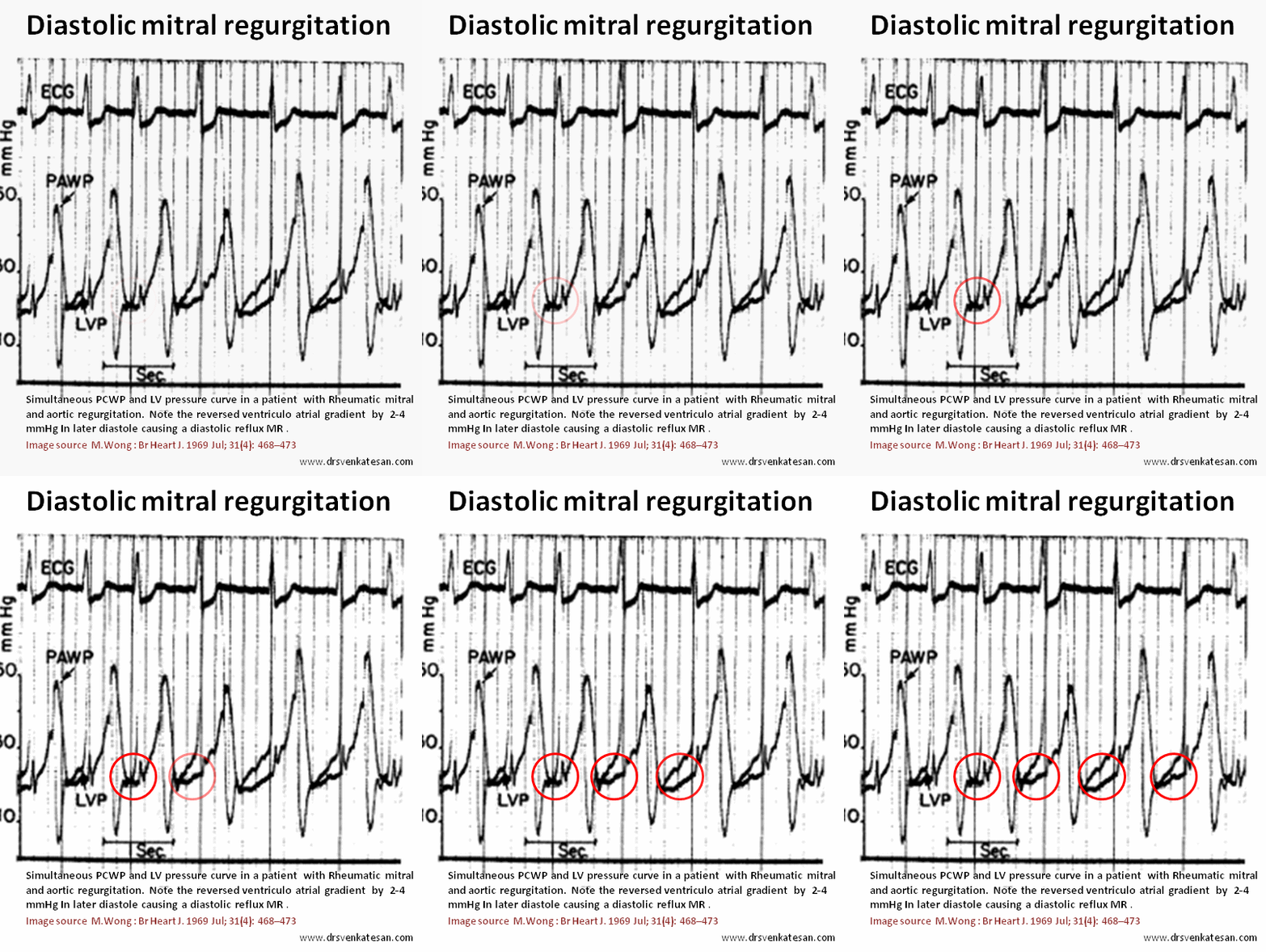
Mitral regurgitation is expected to occur only in systole during  left ventricular contraction. In rare pathological states , if   LV pressure exceeds the mean LA pressure at any point in diastole , small  puffs of regurgitation into LA can occur.The genesis of this MR and its  hemodynamic  significance has generated much interest .

Causes

  1. Aortic regurgitation -Severe . (Occurs mainly in acute AR or chronic AR with decompensated LV )
  2. AV blocks (especially complete AV block )
  3. Any cardiomyopathy with severely elevated LV diastolic pressures

Mechanism

No single mechanism is  responsible.

  • Common hemodynamic denominator  is transient cross over of LV pressure over and above LA pressure curve .
  • This tends to happen often soon after the atria contracts  specifically so , if the atrial contraction is not followed by a QRS complex as in heart block .
  • The fact that its reported even in the presence of atrial fibrillation (As in some cardiomyopathy ) atrial mechanism is not exclusive.
  • In Aortic regurgitation the mechanism is  different (More of  volume dependent ,  Read below )

diastolic mitral regurgitation animationTiming of  diastolic MR

It occurs in later part of diastole as it takes a time lapse for raising LV diastolic pressure  to cross the LAP and generate a reversed ventricular gradient.

Will there be a clinical evidence for this MR ?

Its silent in most cases .Some patients with complete heart block may  generate  mid diastolic murmur . (Rytand AHJ 1946) .Retrospectively this could be due to diastolic MR

Is there a link between Austin flint murmur and diastolic MR ?

Many researchers believe the generation of diastolic murmur in severe AR is attributable to premature closure of mitral valve and the poorly compliant LV  is not able to accommodate the leaking blood and it tends to regurgitate into  LA  through partially closed mitral valve in diastole (Ochaya  S,  Am Heart J. 74 1967:161-169)

Echo features

  • Doppler flow signal in mitral inflow is diagnostic
  • Color M-mode is ideal to map  diastolic MR.

Cath correlation

Wong has demonstrated this phenomenon by direct hemodynamic  recording in 4 patients

Further research

While the field of diastology is growing , still we are not clear how significant this MR in clinical diastolic dysfunction and acute LV failure that results in flash  edema.

Reference

5.Diastolic atrioventricular valve closure and regurgitation following atrial contraction: their relation to timing of atrial contraction.Okamoto M1, Tsubokura T, Kajiyama GClin Cardiol. 1989 Mar;12(3):149-53.
7. An auricular diastolic murmur with heart block in elderly patients.Rytand  DA; Am Heart J. 32 1946:578-598.
8. Late diastolic mitral regurgitation secondary to aortic regurgitation its relationship to the Austin-Flint murmur.ochaya  S, Igarashi  M, Schaffer  AB; Am Heart J. 74 1967:161-169

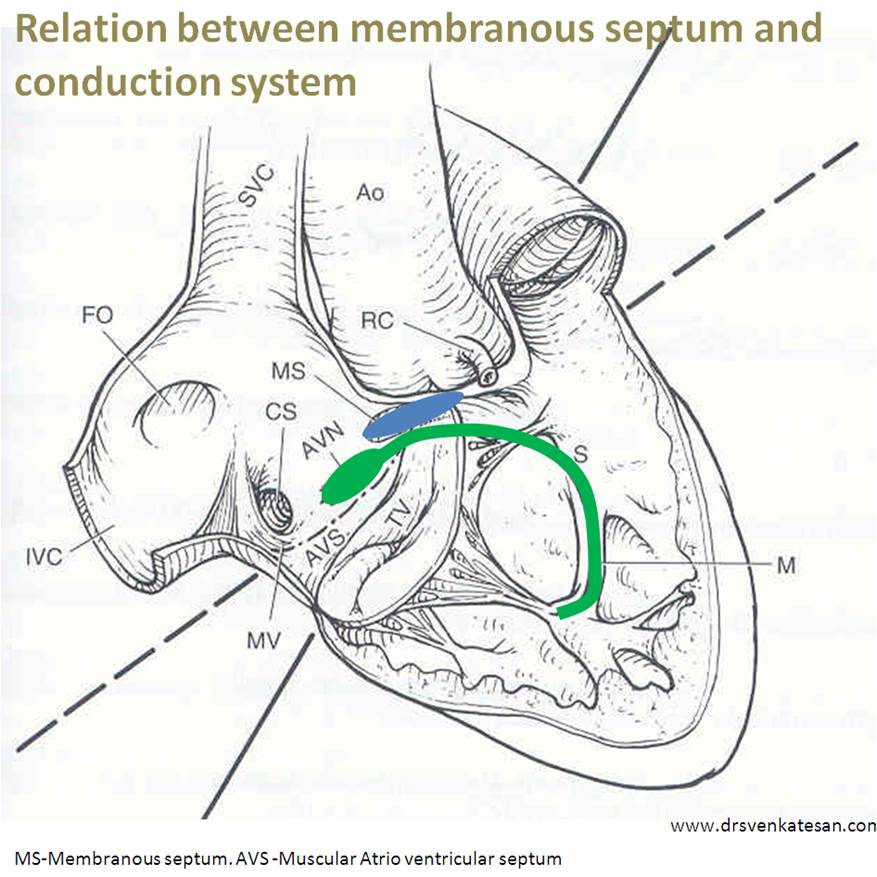
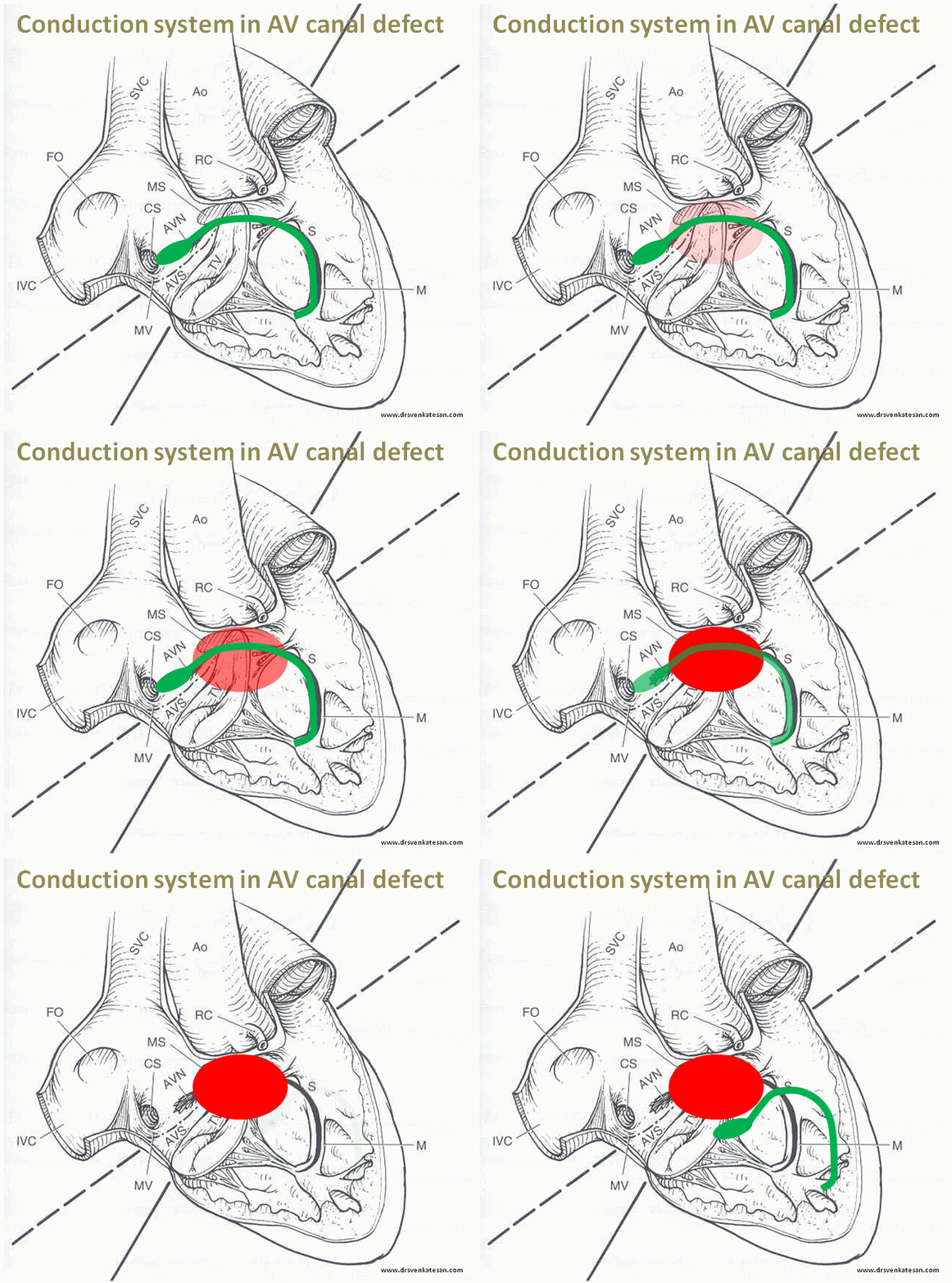
Failure of  enocardardial  cushions  to separate and reach the  predesignated destination  ie  right and left AV valve is the basic embryological feature in AV canal defect .This brings whole AV ring  down and stretches the distance between  the semi-lunar valve (especially aortic)  with that of LV , thus elongating  the LVOT into a classical  goose neck deformity.The defect  has a profound  impact on how the AV node and its branches penetrate the ill-formed AV junctional tissue and fan out into the ventricle. There are  four basic issues  that are responsible for the various conduction defects in AV canal defect.

  1. Postero- inferior  displacement of the A-V node is the key abnormality .
  2. Hence  AV node penetrates the ventricle at the level of crux which is abnormal .This results in short his bundle  (AV node short of compressed with His  early direct origin of the left bundle branching)
  3.  Left bundle branching system by itself is also abnormal  with hypoplasia   left anterior bundle branches.
  4.  Right bundle branch is relatively long and elongated

Physiological effects

  1. Prolonged PR interval (50%)
  2. QRS  axis shift can be extreme right or left , but superior direction is a rule .Typically its around -180 . Left axis deviation is distinct in downs syndrome (Counter-clock wise rotation q in lead 1 and  AVL ) .It should be learnt , the ECG features (due to  anatomical defects in AV conduction system  ) can be be  easily modified by the hemodynamic stress of  ventricles  due to associated conditions and classical pattern may non exist )
  3. Surprisingly high grade AV blocks are rare (“viz a viz” LTGV )

Electro-physiology

Short HV interval is documented  in AV canal defects inspite of prolonged PR due to small his bundle length.

membranous ventricular septum 2

conduction system in av canal defect vsd

A large Inlet VSD , simply takes over the place meant for the conducting system and its pushed down and out

Reference

Robert Feldt from Mayo clinic did excellent work about this issue and published in Circulation, Volume XLII, September 1970

Oh , it’s a well recannalised IRA  and its flowing TIMI 3  as well.  Now, what shall we do sir” ?, An apparently worried senior resident queried after a second look at the images from a 8 hour old STMEI .Why you sound unhappy  man ?  As if recanalisation is an untoward event” ! I teased my resident !
and went on to ask . . .

What we mean by recannalised  IRA ? (Recan-IRA)

  • It is akin to natural or pharmacological angioplasty (or combination of the two )
  • It can be complete or incomplete from the IRA perspective.
  • It can either result in partial or fully salvaged myocardium.
  • It should be understood even a 30% recanlisation can result in TIMI 3 flow and result in near complete salvage
  • Even a 90% recannalisation may not accrue the same benefit if it has happened late. So its all in timing
  • Spontaneous recannalisation can some times even be  superior  to thrombus aspiration . However , some degree of residual thrombus would be present in most
  • Residual plaque burden is also an important factor that will decide the extent of angiographic recannalisation.
  • Some times the recannalisation  will make the vessel near normal with only luminal  irregularity
  • IVUS/OCT may provide accurate assessment of Recan-IRA , it’s is not logistically acceptable in STEMI setting.
  • After listening to my briefing on recannalised IRA , the fellow looked more confused than before. He bothered to ask again , what am I supposed to do once a well recannlised IRA is detected ?  Should I intervene or not ?

The term recanlised IRA generally convey a hemodynamic  meaning for a successful  early (natural plus or minus pharmacological ) reperfusion .If every parameter is fine , and the lesion is not significantly obstructing better to pause any further procedure ,  as consequences of deploying  stent in a well recannalised segment is not yet clear with a stro ng trend towards harm .The decision is to be taken on individual basis with reference to  symptoms, stability ,  residual ischemia and quantum of incomplete salvage and lesion morphology .

If you believe ,a spontaneously recannalised  IRA has provided a TIMI 3 flow , it is equivalent to well done job of natural thrombus aspiration by  a hidden hand and catheter . Consciously respect that .Most cardiologists would have  realised atleaset once ,  that any aggression on a God handled IRA can be counterproductive !

Is there a non academic angle to this issue ?

Undoubtedly yes , strangely  inspite of a positive phenomenon for the patient , recannalised IRA leads to a difficult debate  in cath lab .Suddenly , the  entire collective scientific wisdom of the cardiologist is put into a stress test. There is direct fight between reality , expectations .True patient benefits , obligations to hospitals , the parasitic  relations with device industry , do have a big say !

Final message

Practicing cardiology is simple , but when scientific and non scientific realities of life are in direct confrontation with patient welfare it becomes a huge struggle and only a determined few can win over this infinite fight against conscience !

Dengue is a global infectious disease caused by Flavivirus  (RNA) transmitted by day biting mosquitoes Ades aegypti .It is primarily a tropical or sub tropical disease , India is marked  among the epicentre . 75% of dengue infections  are asymptomatic. Among  the remaining 25 % only 5 % develop severe dengue and a fraction of them go for a dreaded  circulatory and bleeding complication leading to a likely fatality.Severe hypotension is the hall-mark in dengue shock .

The mechanism of shock

The sine-qua non of dengue shock is the  capillary leak syndrome .This is due to some unknown vascular toxins acting in micro circulatory network making it exude fluid .This is something similar to septic shock where mal-distriubution of fluids in the extravascular  or third  spaces occur . This is also referred to as  re-distributive or vasodilatory shock due to lack of effective circulatory volume. Significant serous cavity effusions  (Both pleural effusion and ascites )  contribute to the shock syndrome .  Meanwhile there can be accompanying  fluid loss due to vomiting as well  .Adding further complexity ,direct cardiac involvement in few in the form of myocarditis can cause lung congestion and confusing the true mechanism of shock .This has important  hemodynamic implication as overzealous fluid therapy without recognising a possible myocarditis can be counter productive.Few sick patients will drag the lung into the vicious cycle ending up with ARDS , refractory hypoxia and worsening shock.

*To reemphasize , even though there are  multiple components  for dengue shock , the capillary leak  is the dominant theme .

Timing of shock

The onset of shock peaks after 24-48 hours of fever .It may  even be delayed well after subsidence of fever (Deffervescence phase )

Differential effect on diastolic and systole pressure

Dengue primarily drops the systolic  pressure  due to hypovolemia .The diastolic BP may be kept artificially high due the heightened adrenergic tone .This is ironical , as even the fluid  is sequestrated into dead  space patient may appear stable but it can fall dramatically without any warning once the sympathetic reserve is exhausted .This is the hallmark of dengue circulatory  shock .

*Note : Dengue shock typically  narrows the pulse pressure, that’s responsible for the feeble thready pulse.This is in contrast to septic shock* where the PVR is low, pulse pressure is either normal or even apparently high.(* Not all situations)

Clue from hematocit regarding the status of shock

Initially the heamtocrit  tends to increase  (hemo-concentration )  as fluid extravasates . Later it strikes a balance as we attempt to replenish with fluids. During recovery as fluids reenter vascular compartment or due to sustained fluid therapy the hemo-dilution can occur and heamtocrit  may fall.

How  common is  myocarditis  in  dengue fever ?

Fortunately ,dengue fever rarely affects the heart directly  .(Of course, shock can be a killer even without involving the heart) Myocardits due to dengue virus  is randomly reported in literature (Ref 3,4). My guess is , the true incidence should be far  higher as most of the dengue cases are from countries where publications are rare ! Bed side echo will reveal a minimally dilated Left ventricle with global hypokinesia  and moderate to severe LV dysfunction. No need to prove myocarditis  by virology ,biopsy etc. ( (New onset LV dysfunction with S3 , tachycardia is suffice) .Treatment is only supportive and Inotropic  agents may be helpful. Recovery in LV function is usually complete in those who survive.

Acute pulmonary edema though expected with LV dysfunction , overzealous fluid therapy can be a trigger for this complication . Involvement  of  conduction system is  another evidence for myocardial pathology. AV block  (J Clin Diagn Res. 2015 May; 9(5)  and Atrial fibrillation have been described in association with dengue.

Treatment

  • Anticipation and prevention of onset of  shock syndrome is  the key .
  • Careful monitoring of child is required.
  • Altered mentation is vital clue
  • Continuous fluid resuscitation is the only proven treatment .
  • Platelet infusion is required in clinical bleeding generally <10000)

Steroids, Immuno-suppression ,globulin have limited or no value  even in fulminant dengue fever .

Post-ample : Role of cardiologist in dengue shock .

Once , recently  I was called to see a child  with  refractory dengue shock .It turned out to be a helpless consult for the parents who had great faith in me .They believed  as a  modern day cardiologist ( circulatory specialist ?) with sophisticated devices I will be able revive the vascular system .I regretted ,there is nothing specific can be done ,the entire circulatory system is leaking and had lost its tone ,we have to wait ,watch and pray .

I realised on that day , how these tiny mosquitoes can expose us  . . . the  much hyped cardio vascular specialist’s  skills who live a celebrity life,hopping between cath labs , still unable to deliver at a critical time of need !

Reference :

1.Capillary leak syndrome in dengue fever.New Delhi: WHO Regional Office for South-East Asia and Manila: WHO Regional Office for the Western Pacific.Dec-2011

2.
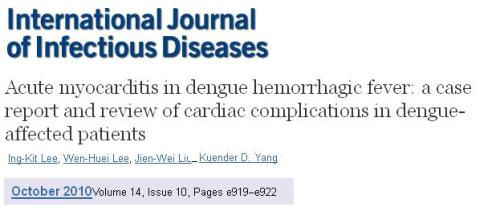
dengue myocarditis

3.Kabra SK, Juneja R, Madhulika, Myocardiald ysfunction in children with dengue haemorrhagic fever.Natl Med J India.1998Mar-Apr; 11(2): 59-61
4.Wali JP, Biswas A, Chandra S,  Cardiac involvement in Dengue Haemorrhagic Fever.Int J Cardiol.1998 Mar 13; 64(1): 31-6.

5.Horta Veloso H, Ferreira Júnior JA, . Acute atrial fibrillation during dengue hemorrhagic fever.Braz J Infect Dis.2003 Dec; 7(6): 418-22
Pulmonary valve should open shortly after the onset of RV systole , when RV pressure exceeds the PA end diastolic pressure which  will  be around 10-15 mmHg.

We know  cardiac valves open and close with reference to the pressure difference across the valve .So, in any part of cardiac cycle , if RV pressure exceeds  the pulmonary  arterial pressure , pulmonary valve is bound to open. (The pulmonary  leaflets simply doesn’t bother whether  RV is in systole or diastole )

What are the situations RV pressure may exceed PA pressure during diastole ?

Yes, if  RVEDP raises for any reasons beyond 15 mmhg it can prematurely open the pulmonary valve in late diastole. This often coincides with right atrial  contraction  that make the   RVEDP to spike  just before systole.  In chronic right heart dysfunction  the premature opening can occur  much earlier in diastole and not dependent on RA contraction. It can even be noted with AF if the mean RVEDP exceeds PA pressures.

This typically happen in constrictive pericardits and any  isolated RV failure  without pulmonary hypertension.(Please note , for premature  pulmonary valve opening to occur  one important prerequisite is,  PA pressure should be normal or low and hence its precluded in significant pulmonary hypertension )

Conditions associated with premature PV opening

1. Constrictive pericarditis.

2. Isolated RV restrictive cardiomyopathy (Lofflers etc .Note :Biventricular restriction would prevent premature opening  as PA pressure is raised. )

3. Ebstein anomaly

4.Some  patients with with RSOV .(Acute raise in RVEDP)

5.Post tricsupid valvotomy


Reference


Pacemaker implantation is one of the few high impact interventions done by cardiologists.Traditionally , RV apex was paced for many decades with tined or screwing leads. Serious concern was raised in recent years about the ideal site of pacemaker lead position. .Today, some argue  pacing RV from RV apex is a electro-physiological crime (Of-course it appears  more of hyped up fear ! )

What is the concern with RV apical pacing  ?

RV apical pacing is  unphysiological .To mimic physiology we have to move the lead as  cranial as possible within RV. (*Obviously  pacing anywhere in RV is non-physiological .Best would be atrial pacing . This is possible only  in sinus node dysfunction with Intact AV conduction.) Hence RVOT and mid septal pacing was proposed and practiced as a relatively  more physiological site as the spike could capture the natural conduction system early and ventricle is activated from above down.

How to localise the RV lead in mid septum ?

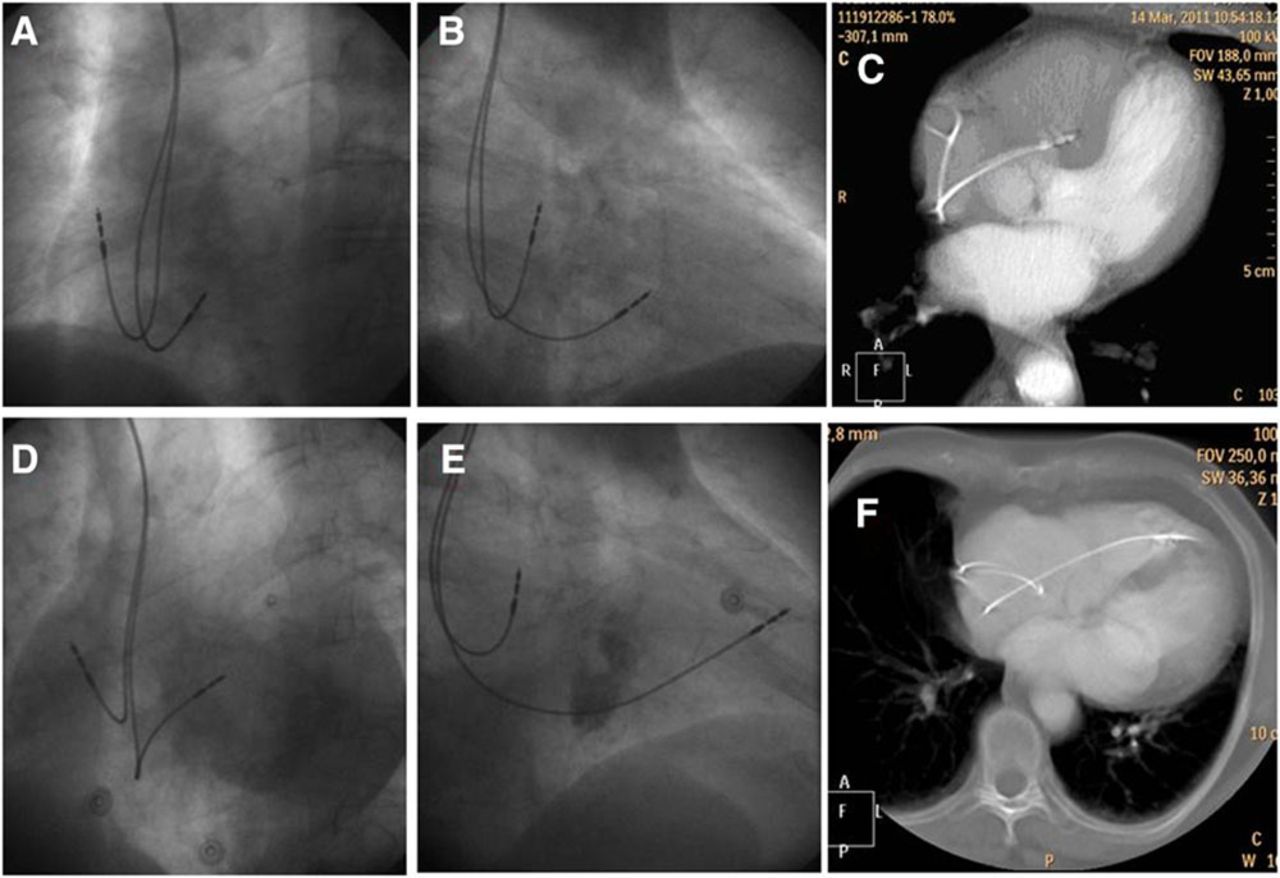
Inter ventricular septum , hardly occupies an area of 5/5 sq cm  with a  complex structure , shape and alignment with RV and LV cavity .In pathological states it can further get distorted. To catch it’s profile in fluoroscopy and imagine the plane requires a mind of “cardiac architect”.So, to locate the  IVS various views are suggested. Currently LAO 40 is typically  used for fixing  mid septal position. In midseptal position ECG is expected to show small q  in lead 1 and AVL. QRS axis will be more left .We seemed to agree with this.

rv pacing mid septal postion rvot rv apical
Image courtesy: Pavel Osmancik Circulation: Arrhythmia and Electrophysiology. 2013; 6: 719-725 Fluoroscopic examples of 2 patients. One with correct lead placement in the septum (A–C) and the other with the lead placed in the anterior wall (D–F). See the similarity of the left anterior oblique 40 view, the difference of the right anterior oblique 30 and the location of the lead on computed tomography image.

And suddenly  this paper  from  the picturesque  city of  Prague , Czechoslovakia throws a stunner.

What we have been thinking as  mid septal pacing with LAO protocol turns out to be   anterior RV pacing in 60% of times.The study showed LA0 40 view  failed to differentiate anterior RV pacing from mid septal pacing .CT scan correlates have documented this . Further ,we have never given a thought to the wayward trabecuale coming across mid septal zone. It has happened time and again (Atleast i have witnessed) the lead would  just fall short of IVS and get screwed in the trabeculae  with high risk for dislodgement . RAO 30 view  consistently separates the mid septal lead from anterior  RV position.It is suggested a carefully done per-procedure echo would also be useful in locating the lead tip .

What hemodynamic implication of mid vs RV anterior pacing ?

Could be significant . No reliable data available. It s tempting to think the hemodynamic inadequacies of an improperly placed mid septal RV pacing may not be different from a conventional RV apex pacing .

Final message

The complex shape of RV and IVS in  fluoroscopy can fool us. If you really want to pace the mid septum, please ensure with multiple views and confirm with RAO 30  . Also remember echocardiography is not a forbidden tool for localising pacemaker lead.

Reference

1.The Insufficiency of Left Anterior Oblique and the Usefulness of Right Anterior Oblique Projection for Correct Localization of a Computed Tomography–Verified Right Ventricular Lead Into the Midseptum Pavel Osmancik, Petr Stros, Dalibor Heart 2013; 6: 719-725

Coronary care units are the place, where acute myocardial infarction patients are housed. Thrombolysis is still the primary modality of treatment world over .Large infarcts, ,  impending or established cardiogenic shock are major source for mortality .

Acute  left ventricular failure (LVF ) in CCU has to be swiftly managed in whatever phase of MI .Standard regimen of sedation, diuretics, Nitro glycerine, and Dobutamine are administered are often not good enough  .( Its true  many of these patients are to be taken for emergency PCI ) Still, medical management of LVF has a huge impact on the outcome.

While cath lab  procedures are given top priority , I have seen many times, simple concepts in CCU not getting proper attention.Continuous positive airway pressure(CPAPA/Bilevel-NPPV) aided  oxygen administration has a critical role to play in this setting.

  • It reduces the work of breathing
  • Opens up wasted Vp/Vq zones in lungs
  • Interstitial gas diffusion is facilitated by keeping the respiratory units
  • Keeps a check on the LVEDP from going to very high levels in an indirect fashion (Lung helping heart !)

Why not Intubate these patients ?

It’s true Intubation and ventilation may be required ultimately in many of these patients. .It has its own issues of prolonging the stay and infection .

Final message

Even though the clinical trials do not show consistent  impact on long term survival , we have time and again found this modality useful .Timely administration of of CPAP definitely halts the progression of mild forms of LVF to full fledged cardiogenic shock and leads to recovery in many .

CPAP/Bilevel-NPPV is  important hemodynamic stabilising tool , that should be used liberally whenever possible .

Reference

There has been number of studies exploring the role of CPAP in acute LVF during STEMI.

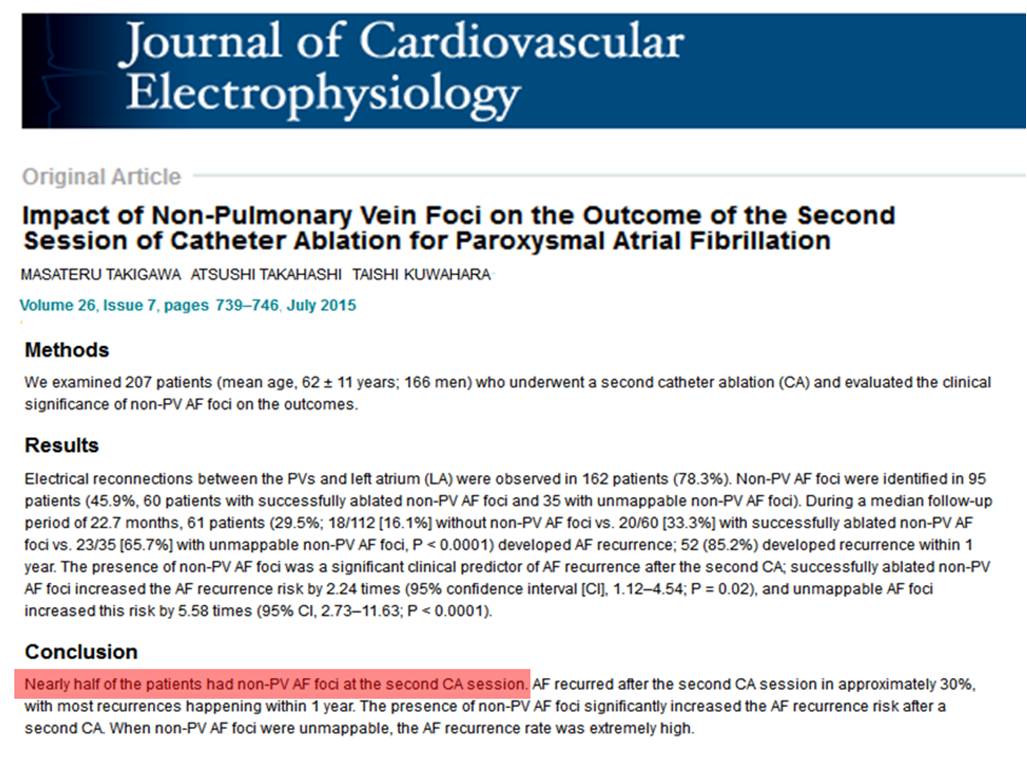
A land mark concept , that changed our understanding about the mechansim of genesis of Atrial fibrillation happened  in the year 1998 .( Haïssaguerre ,Spontaneous Initiation of Atrial Fibrillation by Ectopic Beats Originating in the Pulmonary Veins N Engl J Med 1998; 339:659-666). He proved AF originates in specific focal points from the pulmonary vein ostia at its draining point in LA.Even though there only few selected focal points it was difficult identify those and hence empirical RF ablation of all 4 pulmonary vein became a standard practice. 100s of thousand of these invasive procedure were carried out in patients with chronic AF.

Now, in a span of 10 years , we realise many of these patients require second or third siting of ablation.The irony is , there are many non pulmonary connections  that require repeat ablation.

Common mechanism for recurrences are

  1. Inadequate first ablation
  2. Reconnections
  3. Inflammation and fresh scars
  4. Additional venous focal  sites (coronary sinus  ,SVC, Vien of marshall)
  5. Multiple mechanisms /*Non- focal , systemi AF mediated by neurohumoral triggers ?

A study from the prestigious JCE in May issue of 2015, reveals a starling fact , that about 50% of AF patients  have additional connections  other than pulmonary vein that require ablations at a future date.

If proven right ,  just wonder how much of knowledge and its dissemination  , efforts from  EP industry , technology transfer  over the years is threatening to become redundant .Let us hope,we will somehow conquer the AF either electrically or pharmacologically.

pulmonary vien ablatioan atrial fibrillation carto non pulmonary vien connection

A strong message comes out from this. In modern science, one need not be unduly excited about a new breakthrough.Proof of concept will have to overcome the ultimate test , ie time .

We essentially live in our blood vessels and age in our arteries.CAD is the principal  cardio vascular disease, which  God has created in Homo-sapiens to ensure they  do not stay more than “allotted life span” in this planet. Of course , the current generation cardiologists equipped with scientific weapons , have since decided to take the fight directly in the Almighty’s domain .Contrary to the popular medical doctrine, treating an established CAD seems to be easier task than preventing a new onset CAD.

While , arteriosclerosis is a normal aging process, atherosclerosis could be an  aging as well as a distinctive pathological process. However , athero-thrombosis  is a definite pathology of vessel wall .We know at any time atherosclerosis  can transform into  athero-thrombosis  and result in  clinical event depending upon the  triggers and other associated conditions, which we refer to as major or minor  risk factors.

In scientific terms ,

  • Primary prevention  of CAD is preventing first episode of  Coronary  event*(Typically , CSA, STEMI/UA,NSTEMI/SCD,)
  • Secondary prevention  is  prevention  of  second  or subsequent episodes following the first clinical event.(*What if , if  the first event is silent and never known ? )

For all practical  purposes CAD and  coronary atherosclerosis is synonymous. Can we  prevent atherosclerosis in human biological system ?  What are we  supposed to refer to  such a preventive measure , if any ?

We are biased towards obstructive CAD as we often  think it is the  the only form of CAD .Then , how do we diagnose , treat and prevent a minimal non flow limiting plaque , coronary endothelial dysfunction , or  acute coronary erosion that can occur in very early stages of atherosclerosis, in other wise healthy persons.(Routine IVUS ,OCT ? Futile isn’t )

  • Preventing  sub-clinical  CAD  from manifesting  as clinical CAD , is technically   primary prevention”  but still  patho-biologically  secondary prevention.
  • Preventing a CAD in a patient  with peripheral vascular  disease  or preventing CAD in a patient with TIA or stroke is secondary prevention for cerebrovascular disease but  falls within the definition  of primary prevention of  CAD.
  • Then  comes the new semantics :Primordial prevention .This could be same as primary (or another  version of primary prevention ).Primordial prevention is preventing development  the risk factor  itself (Like DM,HT, Dyslipidemia )

So ,whenever , we talk about primary prevention of CAD by Aspirin or Statins ,realize the complexities involved .Before i finish, let me make you  dizzy further with this quixotic one . In a multivessel CAD, as the  atherosclerotic  plaques are scattered across the coronary arteries in various stages of  maturity  , long term Aspirin  following  anterior STEMI has to secondary prevent an event  in LAD territory  . . . but   primary prevent a plaque disruption in RCA territory !

Reference

1.USPSTF Guidelines : Aspirin for the Prevention of Cardiovascular Disease: Preventive Medication

TAVR is the new state of the art Aortic valve replacement procedure done by cardiologists .Nearly 200 thousand implants have been done , and it is
backed up by major trials TAVI TAVR valve dislodgement embolism partent a b What keeps the Aortic prosthesis in situ in the aortic root/Annulus  ?

The valve is not actively fixed but passively positioned in aortic root by either self expanding or balloon expanded valve  system .It retains the position by two different forces acting on the valve in two difffernt directions , but work coherently to keep the valve static .The radial force of the hardware is centrifugal and the elastic force exerted by annulus is centripetal .It may appear mysterious how these oppose each other in a balanced way and arrest the valve in the desired site. Fortunately, there is little  supero- inferior force operating and hence the chances of dislodgement is low .It should also be mentioned we are not yet clear about the best site for TAVR. Annular , supra annular ,or is it at lower virtual annulus , all has some advantages and disadvantages.

Is progressive aortic annular dilatation possible in these degenerative aortic valve ?
Aortic stenosis is chronic degenerative disease. Generally we expect the annulus is narrow and fixed. However for some reason if the aortic annulus loses it constricting force or the root dilates or fresh calcium deposits, there is definite risk  (Not theoretical :See Reference ) of valve destabilisation  , dislodgement and embolisation . *It is vital to understand the para-valvular leak could be a  remote precursor of such potential dislodgement as it represents  micro gaps  in the prosthetic / tissue interface.

How many such  embolisation of valves  are reported following TAVR ?

While the incidence of para valvular leak is common ,(up to 20%) fortunately valve embolisation is reported between .3 to 7.5% (Ref 2). Stastically , subclinical   destabilisation, malpostion  and dislodgement should be more common. The timing of displacement is not clearly reported in literature .It can occur  at any time between few hours after implantation to a much delayed (months after ) complication .

Final message

TAVR is a major break through in Interventional cardiology .It gives us hope for possible TAMR (mitral) and other valve repair modalities .Though dislodgement of prosthesis appear a rare event it is tempting  to ask ,  whether we should work towards a actively fixing valve in aortic root ? That remains a open question !

Reference

1. A survivor of late prosthesis migration and rotation following percutaneous transcatheter aortic valve implantation. Pang PY, Chiam PT, Chua YL, et alEur J Cardiothorac Surg 2012;41:1195-6.

2.Thirty-day results of the SAPIEN aortic Bioprosthesis European Outcome (SOURCE) Registry: A European registry of transcatheter aortic valve implantation using the Edwards SAPIEN valve.Thomas M, Schymik G, Walther T, et al. Circulation 2010;122:62-9.

3.Migration of the transcatheter valve into the left ventricle Christopher Cao , Su C. Ang , Michael P. Vallely Mart Annals of Cardiothoracic Surgery Vol 1, No 2 (July 2012 4.Delayed Transcatheter Heart Valve Migration and Failure Vuyisile T. Nkomo, Rakesh M. Suri, ,J Am Coll Cardiol Img. 2014;7(9):960-962.