Feeds:
Posts
Comments

Archive for the ‘Cardiology -Interventional -PCI’ Category

In the management of STEMI , many  of us  believe  , contraindication  exists only for thrombolysis . In fact  , there is  a big list  of contra’s for primary PCI as well  . Few  books mention about it and  few discuss about it  . It comes under many broad categories .Time , technical, patient  and  concept  related

  • Late presentation > 12 hours (This is the most important  contraindication  . 12 h is the time taken for  death of  myocytes . Myocardium will not  bother by which modality it is going to be rescued ! It simply  won’t give any  grace time  and never feel privileged to be rescued by PCI !)  The supposedly time independent beneficial effects of PCI  was  never proved convincingly !
  • Uncomplicated , fully evolved, spontaneously re-perfused   ( successful  )  STEMI  (At-least  10 % of STEMI population  ) . This is  common in RCA STEMI .
  • Primary PCI  should not be done in  low volume centers with poor expertise  ( less than  2 -3 per month ?)
  • Lack of sufficient hardware .
  • Co-Morbid conditions
  • Very elderly ( Controversial … some may call it as an  absolute  indication ! Such is the status of EBM in 21st century !)
  • Any recent bleeding conditions carry equal risk as that of thrombolysis

The list of relative contradictions  that are  widely reported in literature  for thromolysis may apply in PCI as well .The risk of bleeding is many fold higher when  multiple anti-platelet agent /Heparin are used .The usage of 2b -3a is also rampant in many centers .  A recent hemorrhagic  stroke is  an absolute contraindication  for PCI as well.(If only you do a PCI without anti-platelet  agents).With number of complex anti-thrombotic drugs knocking the d0ors of cath lab , the problem is set to grow further.

Final message

Never underestimate the  potential  peri -procedural bleeding risk during PCI  .It can easily  exceed that of a thrombolytic agent  in susceptible individuals !

Primary PCI is a great innovation and is a gift  of modern science to human race . But , when  selecting the patients  ,  many of us  continue to interpret  this issue  wrongly. We seem to think , in a given patient  , if  thrombolysis is contraindicated  ,  he or she will automatically become eligible for  primary  PCI It is a dangerous assumption and  is rarely true  . There are umpteen number of situations were both are contraindicated . I  argue the  intervention community to publish specific guidelines with absolute and relative contraindication  for primary  PCI as well .

After thought

If  a patient is not eligible for both thrombolysis  as well as PCI what to do ?  Is it not a crime to watch a patient with STEMI simply losing his myocytes ?

It may seem so  , when we look at  superficially   but  be reminded even simple heparin therapy has saved many lives in such a situations .

Link to related You tube video

Reference

That  elusive  uncommon  sense
Read Full Post »

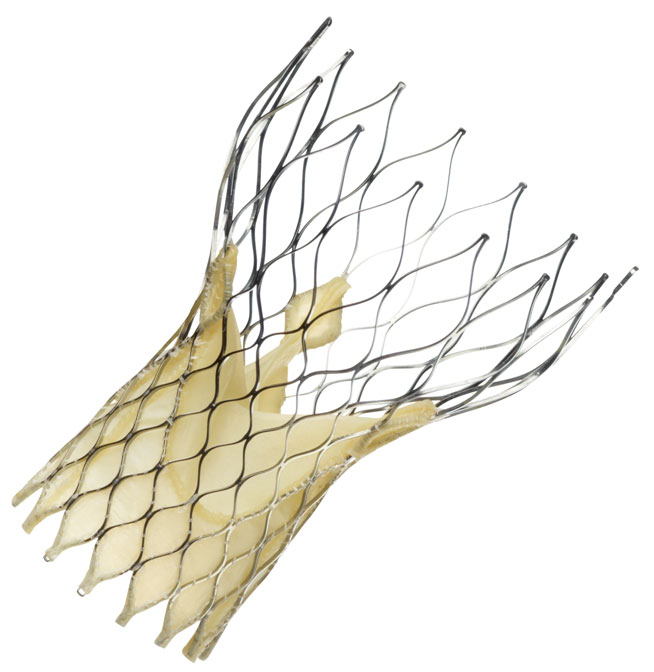
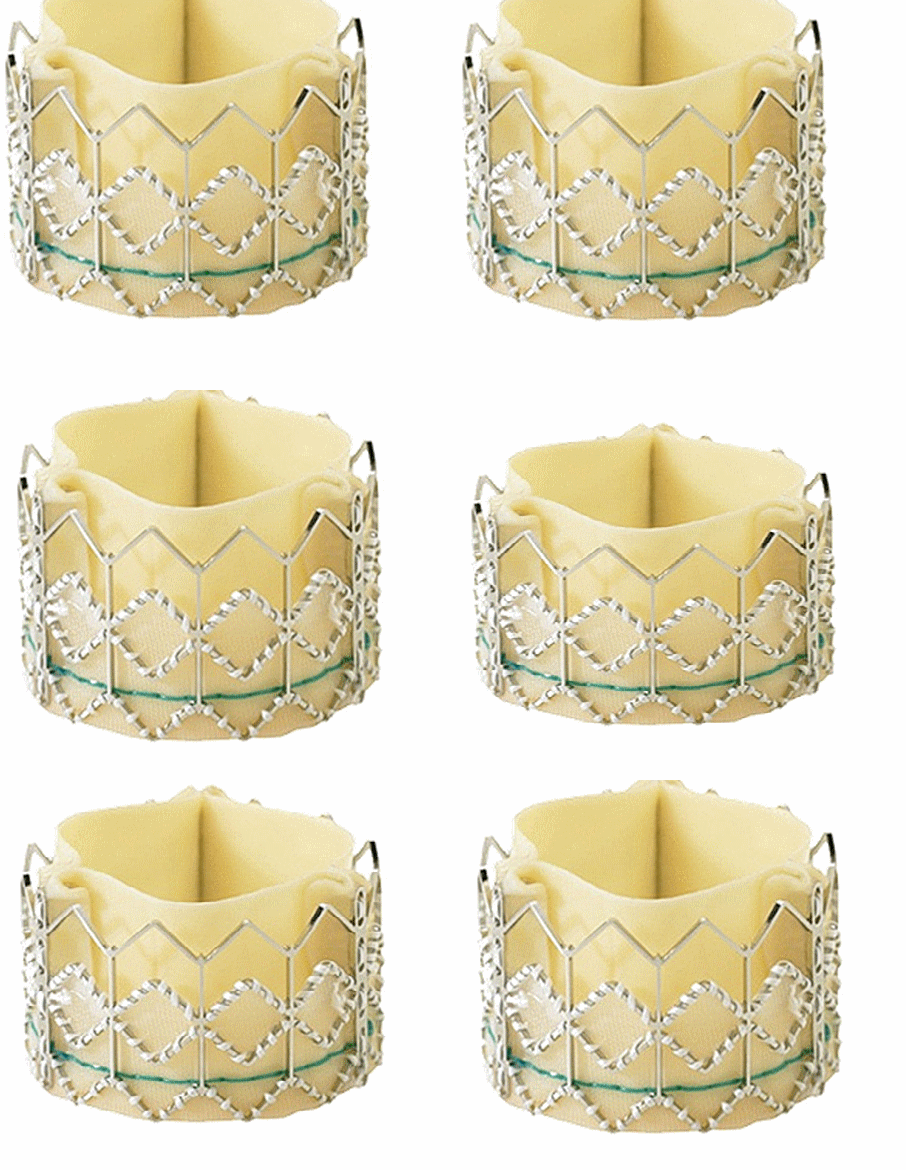
Cardiologists are  closing in ,  trying to capture the final frontiers. The  trans-cutaneous Aortic valve Implantation now has  a two year follow up. (NEJM March 2012  Issue) . The results are encouraging .

While two companies are fighting for the supremacy in TAVI ,   the real  threat is for the cardiac surgeons. Currently Edward  Sapiens  has an edge over Medtronic core valve as it  has a provision to redeploy or fine-tune the  final geo- position.

Reference

PARTNER 1

PARTNER 2

Medtronic core valve

Open access  article  by Martin Leon

http://www.rmmj.org.il/userimages/22/1/PublishFiles/25Article.pdf

Read Full Post »

We owe a lot to our past genius minds for our current understanding of  cardiology.Youngsters   should  know how the filed of cardiology  evolved .Few  great  brains  taught us how to think   hemodynamically  in the setting of  STEMI.

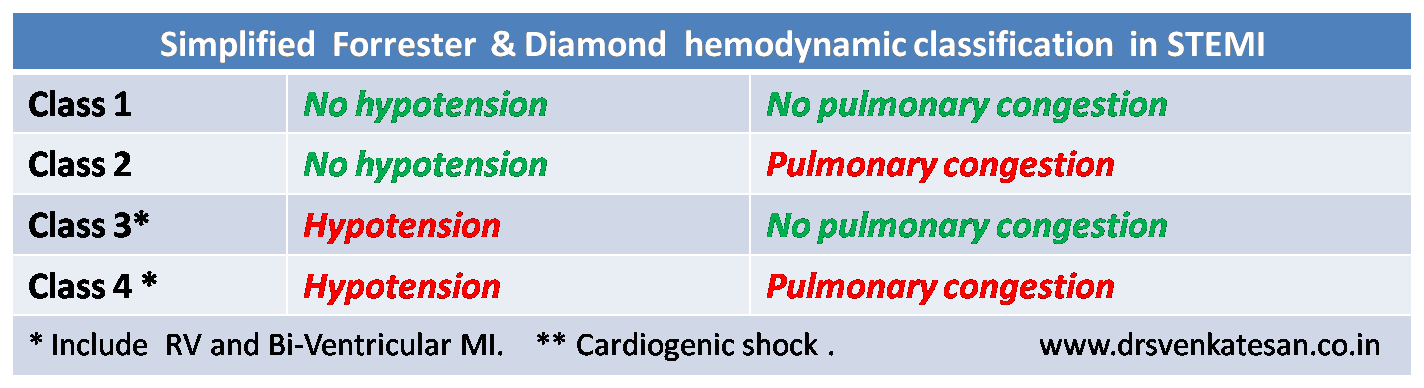
The Diamond and Forrester classification is  an  undisputed achievement of  modern cardiac  hemodynamics.They gently converted the  clinical classification of  Killip into more scientific  hemodynamic  one .Both these classification continue to fascinate  us even in the era of instant PCI for STEMI .

And youngsters  should read this again and again and critically evaluate their patients  within this system.The two key parameters he used was PCWP of  18mmhg /And cardiac Index 2.2liters . He also suggested a simplified version where  intra- arterial monitoring is not feasible.  The   cardiac Index could be replaced by systemic blood pressure  lung congestion   represents PCWP >18mmhg .

The DF classification would become

An important inference from DF classification !

The class 3  of   DF   grading  has no pulmonary congestion  but persistent hypotension . What does it mean ?

It is a stunning proof of a great concept.  As the patient moves (Worsens)  from  DF  two  to   DF three  , the lung congestion tends  to regress . This sub-set  actually  means   development of  bi-ventricular failure or isolated RV failure  . This is an ominous sign and indicate a bad prognosis . ( One may call it a paradox  , according to conventional thinking   “The more the lung crackles  , dismal  is the outcome”   DF  grading clearly proves this is  not  always true ,  as long as  the systemic pressure is maintained  crackles can be managed effectively  . In  DF 3  the right ventricle  as a pump is  becoming so weak it is not able to congest the lungs  at the same  process leads to  systemic hypotension.

James Forrester

http://www.cedars-sinai.edu/Bios—Physician/A-G/James-Forrester-MD.aspx

Forrester is also a pioneer in how we evaluate chest pain in the emergency rooms and cardiology OPDs .  His thoughts on utilization of Besean theorem revolutionized   the interpretation of exercise stress testing.

* Killip is a genius of different caliber would be discussed later .

Reference

Forrester, J, Diamond, G, Chatterjie, K, et al Medical therapy of acute myocardial infarction by application of hemodynamic subsets (first of two parts). N Engl J Med 1976;295,1356-1362


Read Full Post »

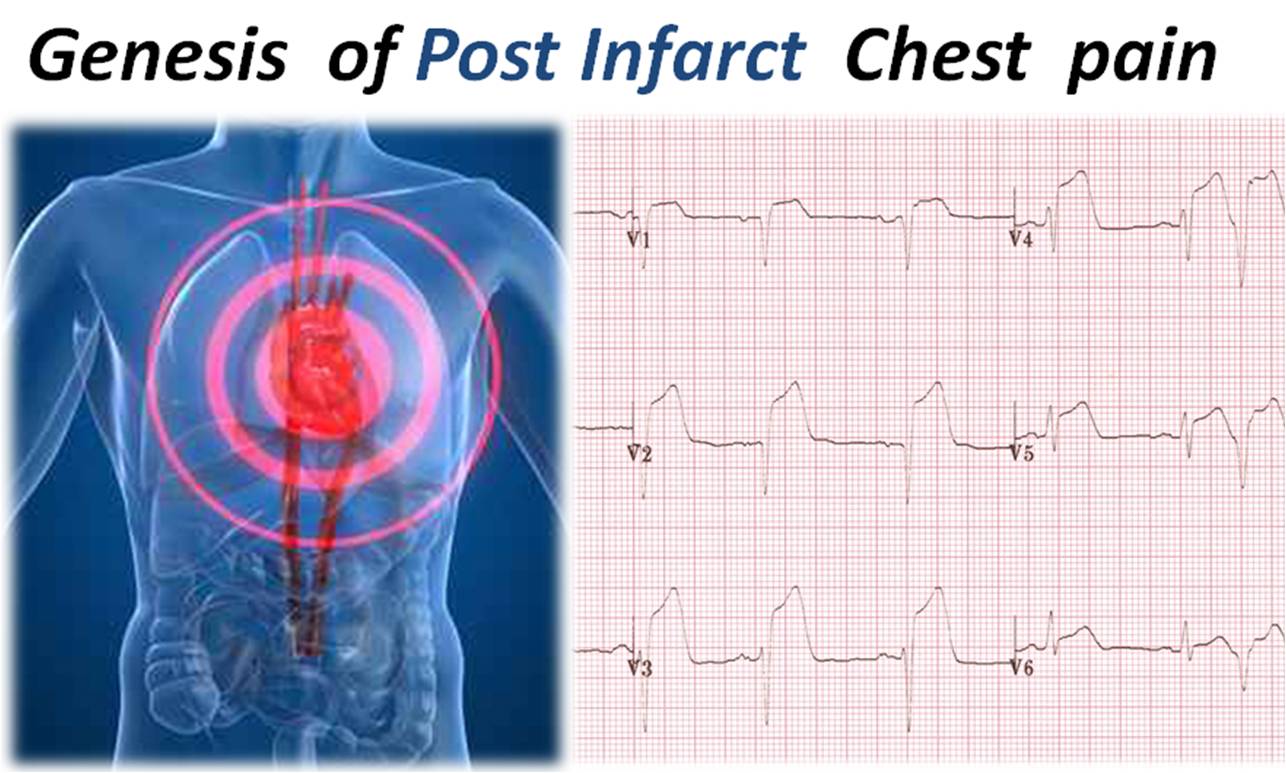
We know prompt reperfusion of infarct related artery( IRA) by any means  constitute the specific management of  STEMI .However, It needs  to be emphasized ,  treatment process of STEMI  is not over after  primary  PCI or thrombolysis .Early hours after a PCI or thrombolysis  is vital as well .The ill-fated coronary arteries are as  vulnerable as before.  In the setting of multi-vessel CAD  (Which usually is the case) the unpredictability is still more.

Image courtesy New york times , January 5 , 2009

When a patient complaints of chest pain  24 hours after a STEMI . Think about any of the possibilities and act accordingly.

  1. Infarct related pain ( Dull aching pain from residual neural signals from infarct zone,  till type C  un-medullated  nerve endings  die of hypoxia )
  2. Post infarct angina –From IRA zone (Residual ischemia)
  3. Post infarct angina-From Non IRA zone(New Remote ischemia)
  4. Re-Infarction
  5. Infarct expansion/ Extension /mechanical stretch
  6. Pericarditis
  7. Intra coronary dissection adjoining  a plaque (Plaque fissures  are same as dissections if they extend into media ! But plaque fissures are painless since they lack nerve endings  )
  8. Myocardial tear /Rupture (Generates  severe pain , usually transmit to back , patient often become violent and poorly respond  even to narcotics)
  9. Post resuscitation/DC shock / chest wall contusion . ( I know at least one patient  who was rushed to cath lab for a  suspected  acute stent thrombosis  ,  it was indeed   a rib fracture during an  earlier resuscitation at ER  on his arrival !)
  10. Finally ,when the  pain is refractory and atypical   non cardiac chest pain which might have been pre existing to be considered as remote possibility .

Read Full Post »

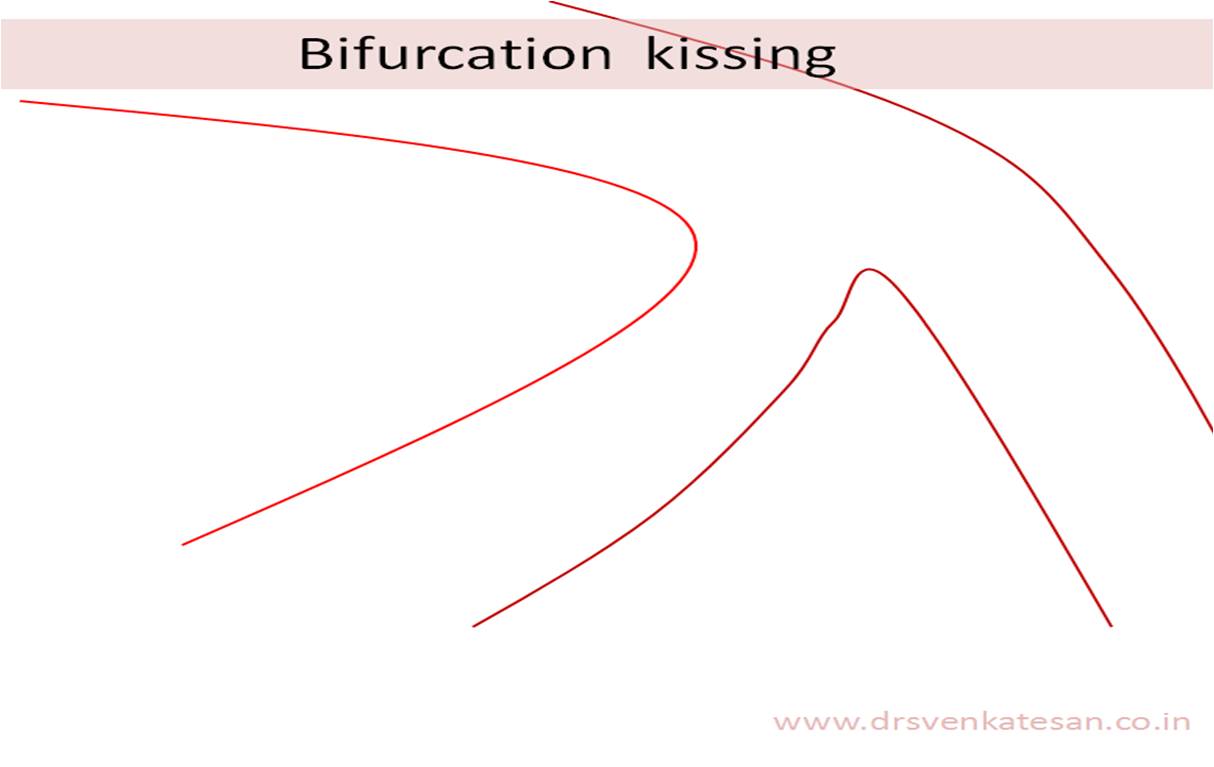
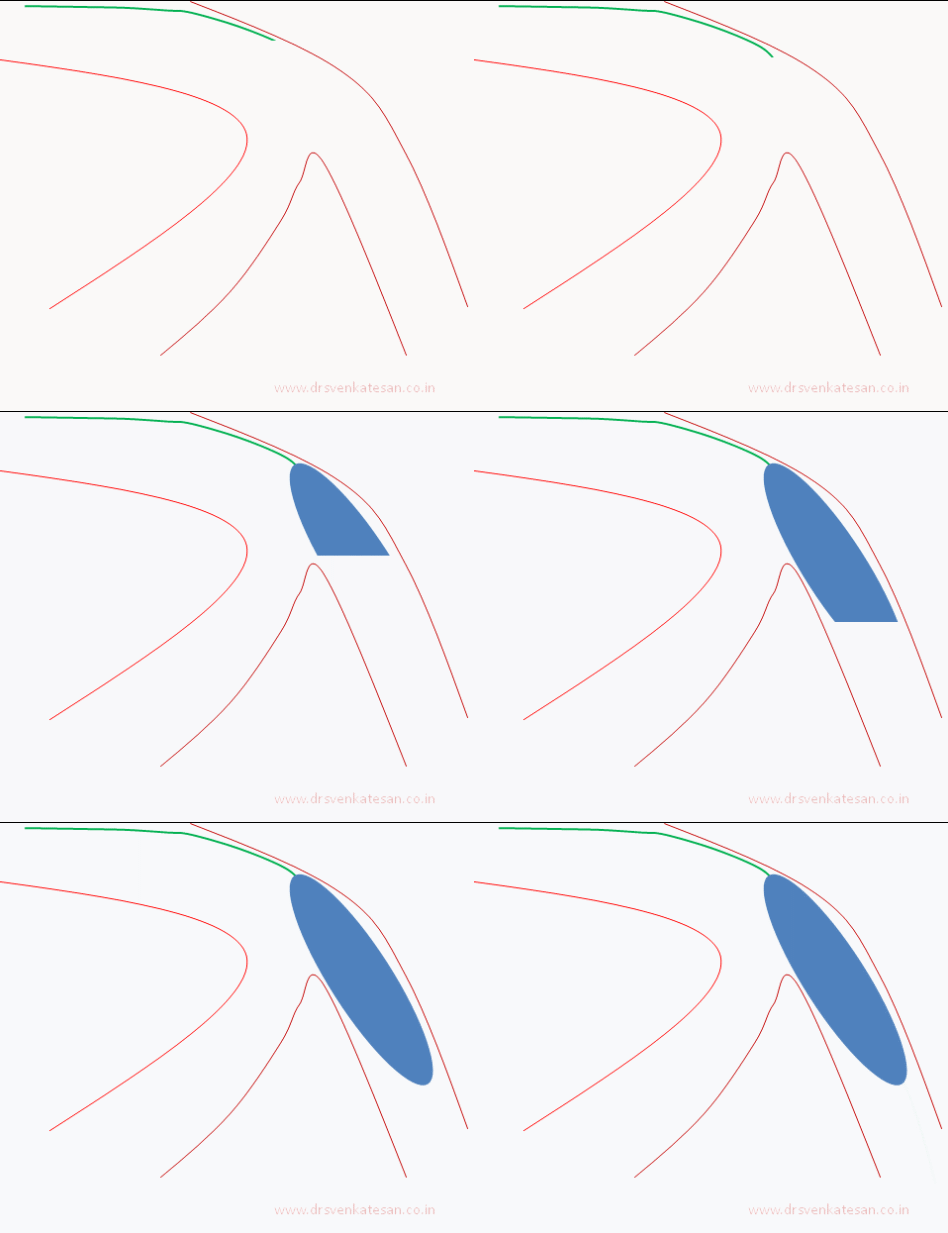
Kissing balloon is the standard technique used to tackle   branch vessel stenosis . When a vessel branches out and both branches has a lesion,  single balloon can not dilate a lesion optimally . This  is  because , the side branch  not only shares a common ostial tissue but also  shares  plaque material within the walls of main and side  vessel . Dilating one vessel alone could result in unpredictable plaque shift.

Carina is the most important anatomic structure in a bifurcation zone . It acts like a grade separator. Diverting and deflecting blood flow .The  length and angle of this grade separator determine the ostial  shape as well . A right angled side branch will have  a circular ostium .An acute-angled branch  will have oval orifice .  The plaque burden and distributions at this point becomes vital for many reasons.

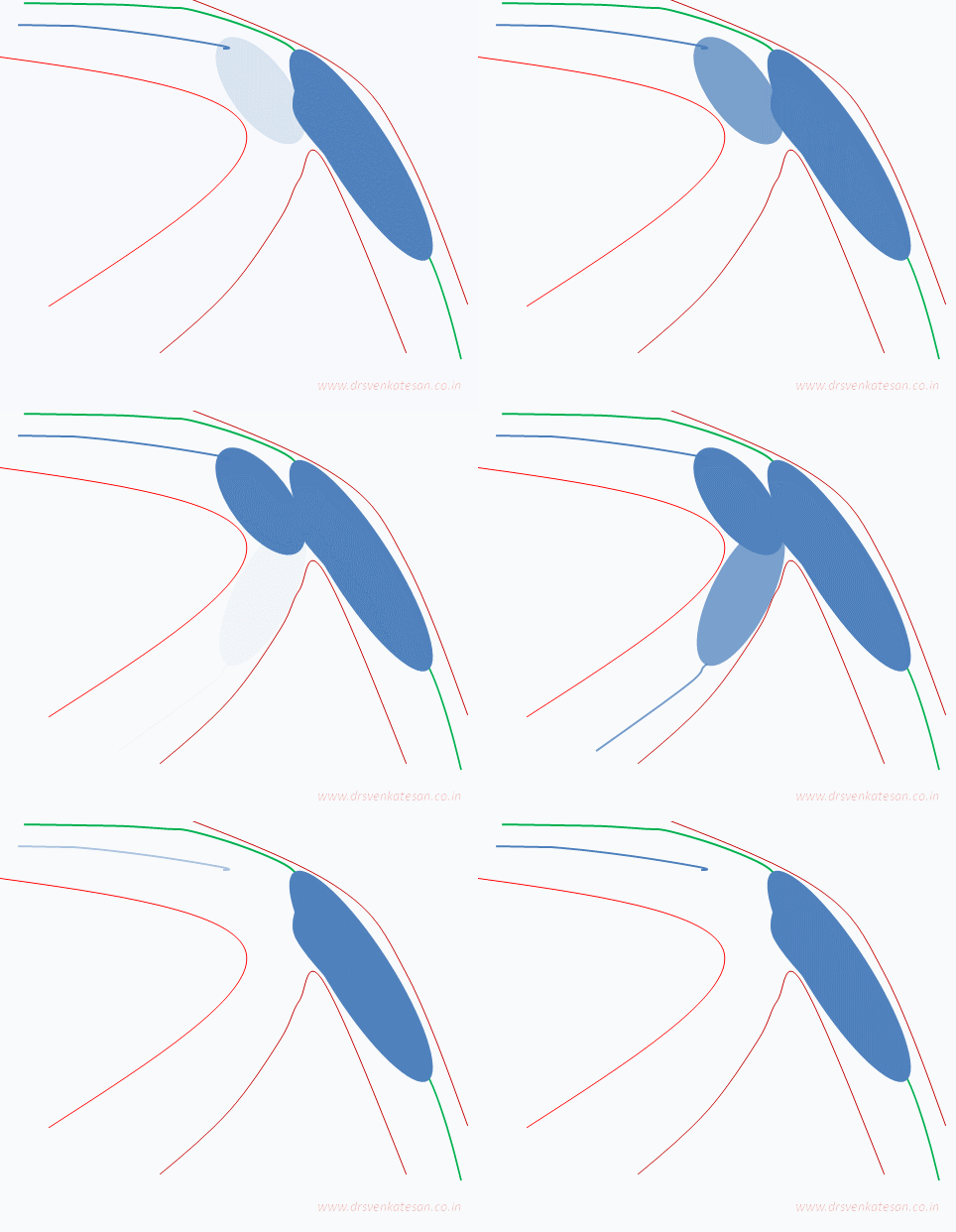
When we do PCI this carinal area should be  optimally pressed and plastied  and of course covered well with the metal struts.The  simultaneous kissing with two balloons ,  one in main vessel another in side branch will reduce many of the issues . This area is a weak link for interventional cardiologists. It needs lots of efforts to protect the side vessel.

When do we do kissing balloon ?

Two broad categories.

  • Pre-dilatation and preparing a lesion ( Not routine  )
  • Post dilatation is more often done .

Look closely the layers of contention in the carinal zone. Lesion not depicted .

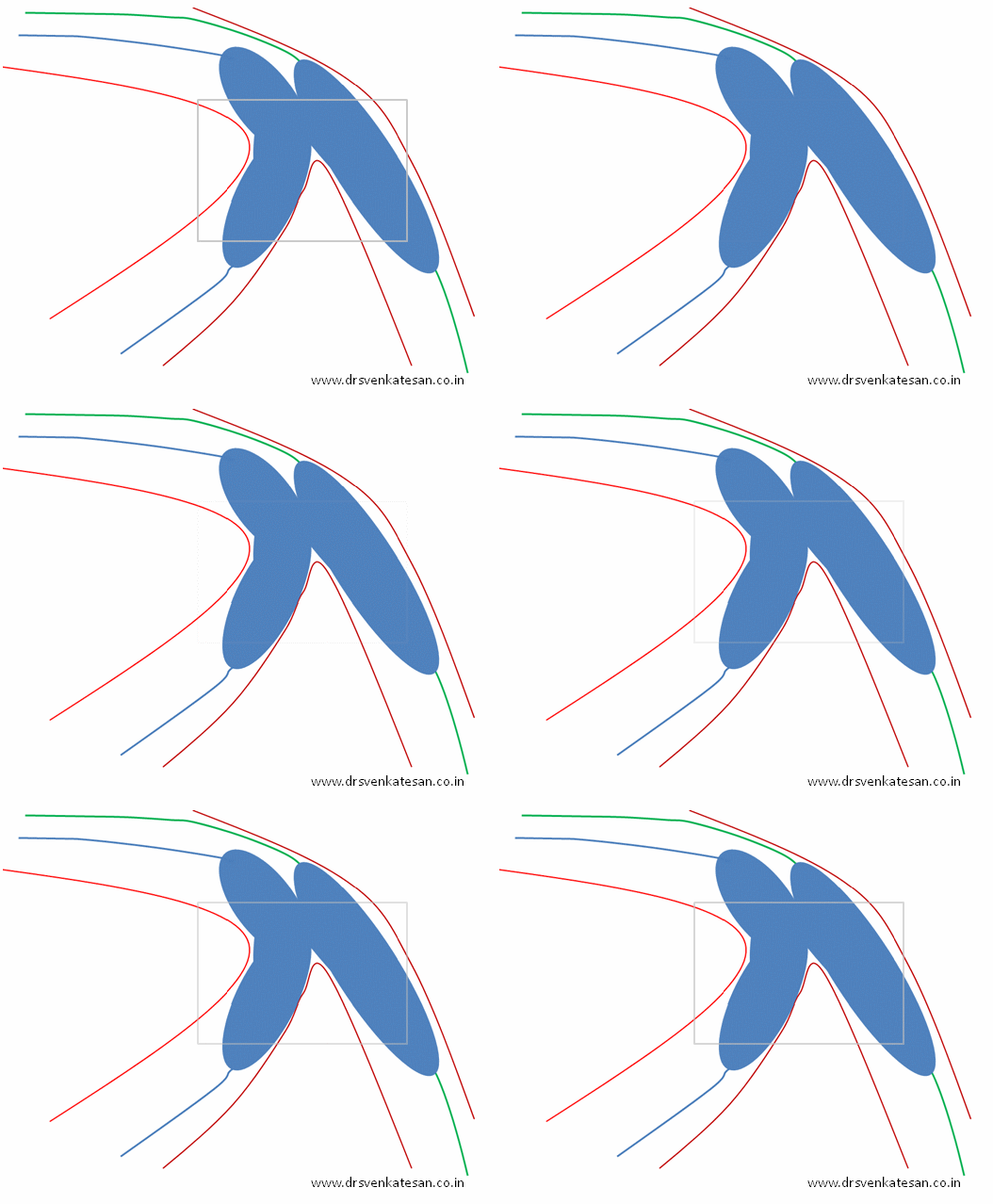
Kissing interface : When the balloons kiss  what lies  in between ?

  1. Simple  Balloon to Balloon Kissing with nothing intervening(Proximal to branch point )
  2. Balloon- Single layer of Stent-balloon kissing
  3. Carinal  Kissing -Balloon -Two layers of Carinal tissue -one layer of Stent -Balloon Kissing ( See above image )
  4. Twin stent kissing

When do  balloons refuse to Kiss ?

When there is a hard interface between the vessels like a severely  calcified intima /Adventia .

Eccentric /overhanging  lesions intervening.

Incomplete kiss

It need to be emphasized balloons come  into contact easily in  acute-angled lesions.

In right  angled lesions the balloons come to contact only in the proximal part.

Definite indications  for  kissing ?

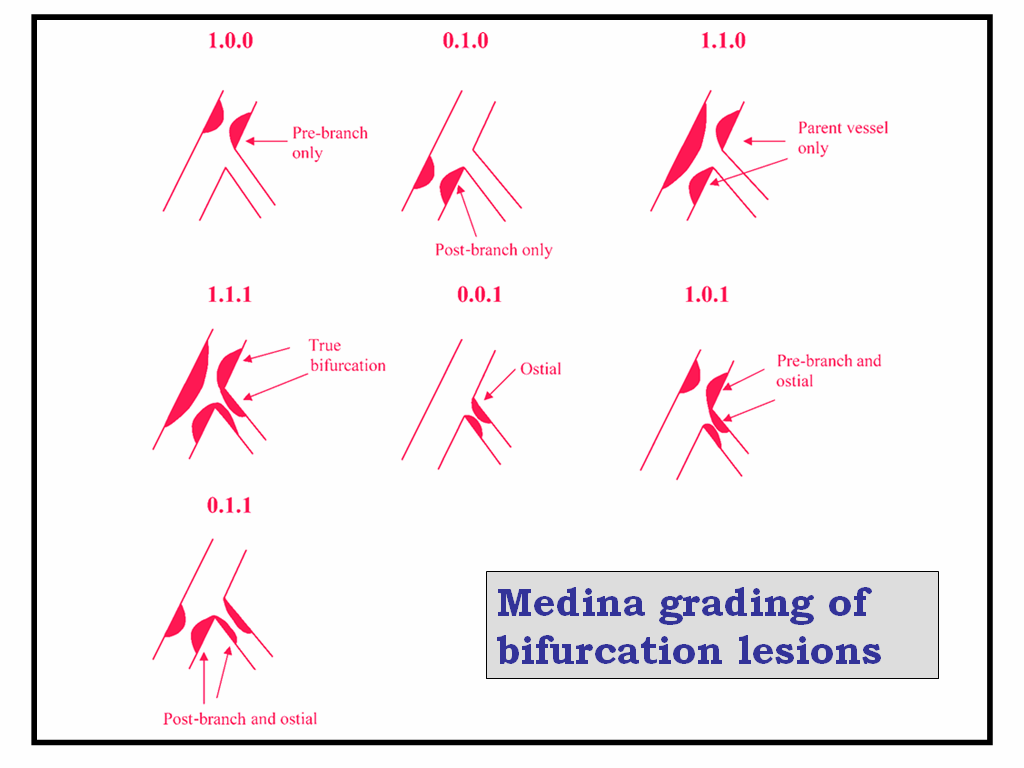
Kissing is not without complications . While two guide wires are placed in all  bifurcation lesions  , kissing is  not necessary in many  lesions  .Of course it is a must in all true bifurcation lesions (Medina 111 , 011, 101, )  It may not be required in  1,0,0 if carina is away from lesion.

*Kissing can rarely aggravate the same issue which is supposed to prevent  ie plaque shift .This is due to differential pressure transmission by two balloons.

Is there a role for  twin balloon POBA  without any stenting ?

Most cardiologists would not believe  in POBA anyore (For wrong reasons though ! )

A distal RCA with a PDA ostial branch lesion could be tackled with twin balloon POBA.

Which  balloon is to be used?

It depends on whether we use the technique  as POBA, single stent or double stent technique. Non compliant balloons are  ideal  as it exerts   more pressure on the vessel wall .

Kissing   at  what  pressure ?

The pressure used is often between 8-14 ATM.

Experts may use differential pressure inflation depending on the lesion characters.

Which  is the Most complex form of kissing ?  

Two stents, two balloons . Here the interface contains two metal layers . At carnia the two metals engulf   two layers of  tissue as well .

Final message

Bifurcation lesions  are being  conquered with more success in recent years.

The techniques have refined. Stent designs and drug eluting stents  are  helping us in many ways.

We have learnt  from our  mistakes and accepted the limitations.

Wisdom  prevails now , there is a universal consensus  for less  metal in the notorious  carinal  area.

Still, ignorance  remains*  as  a major  guiding force   . . . when  we  navigate  the difficult atheromatous terrains  in  live human  coronary arteries !

*With due respects to IVUS, OCT and FFR .

**Forward looking IVUS, and camera tipped guidewires may change the scenerio.


Further reading

What-is-the-simple-approach-to-bifurcation-pci ?


Read Full Post »

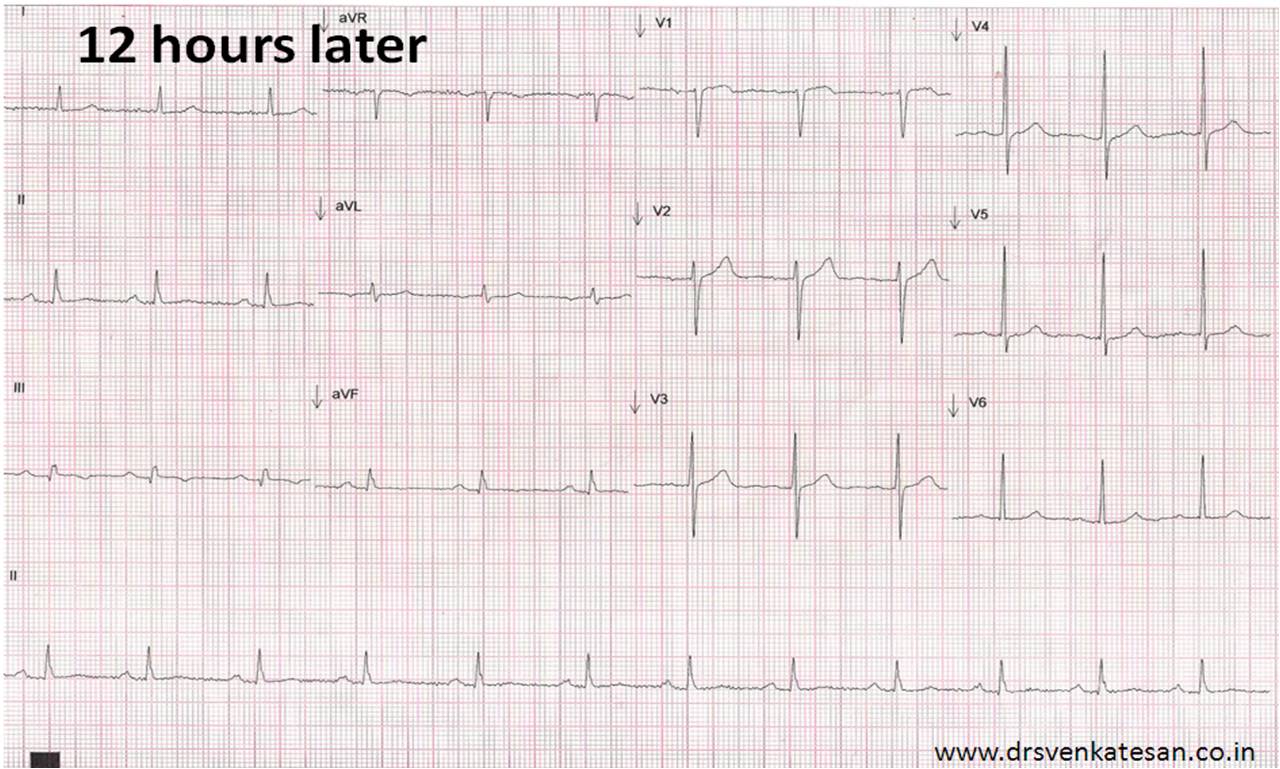
A 55  year old man came with a BP of  1o0/70 with vague symptoms of back  pain to our ER.

Troponin T  was positive

Can we thrombolyse ?

There is a minimal ST elevation in inferior leads  but not amounting to  the required criteria 1 mm

Technically No , Academically yes , scientifically No , logically  yes

*I wont thromolyse but i will take him to cath lab maybe the modern answer

 What we did ?

We did neither !

Just observed in CCU with heparin infusion , Aspirin and clopidogrel .

Note: The ECG becomes almost normal .The initial suggestion of inferior MI is stands questionable

Serial ECGs  were taken .

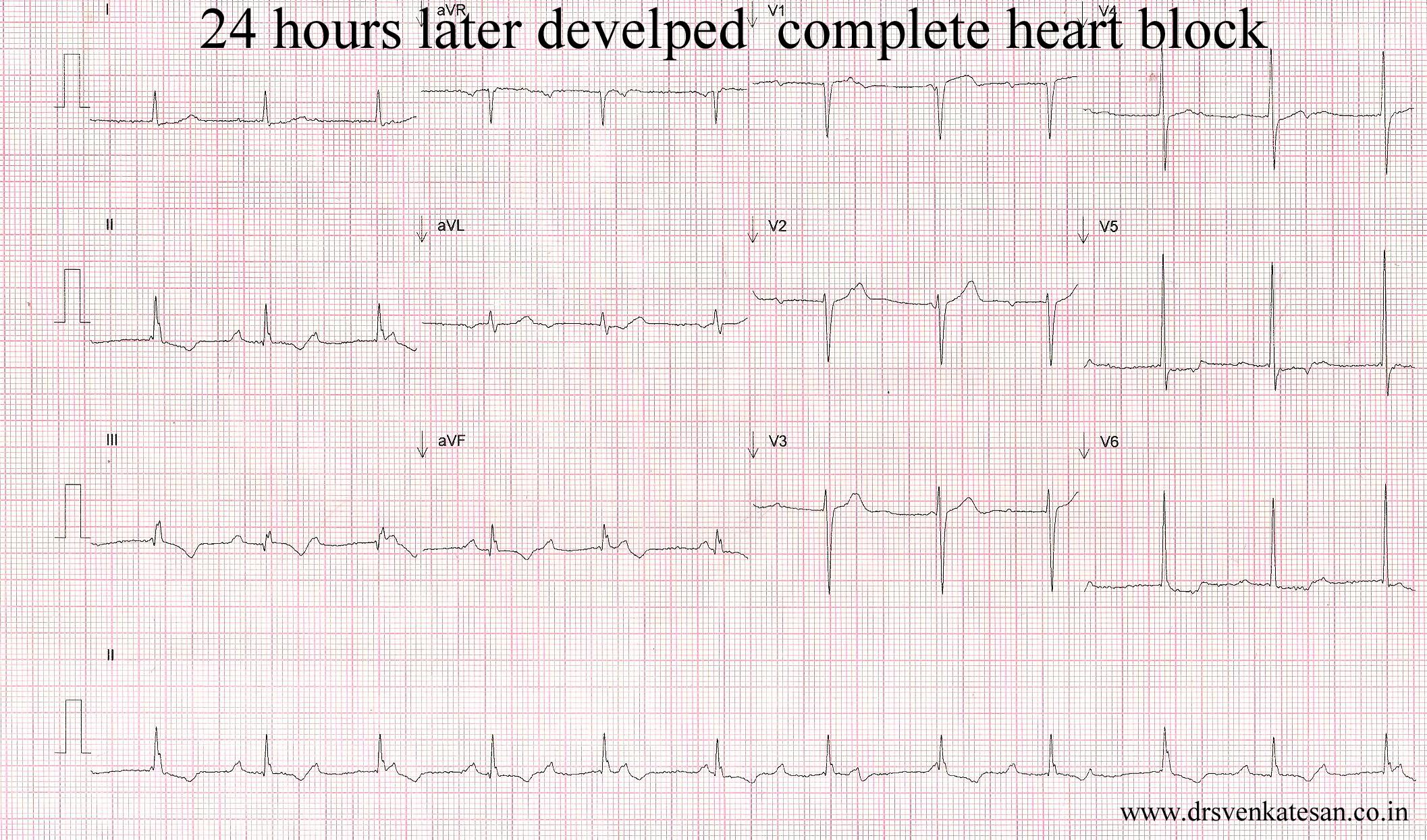
And now . . . after 24 hours a new complete heart block appear with classical evolved pattern of inferior MI.The most interesting feature is patient has been comfortable all along even as his posterior aspect of heart is experiencing terrible electrical earth quakes.

Is troponin Guided thrombolyis  an accepted  concept  ?

Yes ,  only in few situations like , posterior MI ,   LBBB  , pacemaker rhythm, re infarction .(Note , true posterior MI do not elevate the ST segment but depress it ) .

One may be surprised why we shouldn’t lyse a patient  whenever  troponin is elevated in acute coronary syndrome  (After all it denotes myocardial necrosis and infarct !)  The point here  is ,  troponin can raise in all forms of MI (NSTEMI, even in some cases of chronic stable angina )  Read in this link Why thrombolysis is contrindicated in UA/NSTEMI

The benefits of thrombolysis  is not proven in small and micro infarcts.  ECG  ST  eelvation   remain the  sole criteria for thromolysis for STEMI because  of  high degree of  correlation with total coronary occlusion .

In this era of rapid interventions the treatment concepts has blurred as we tend to do PCI and stenting  most cases of ACS including UA/Unstable angina

OK , what happened to this patient ?

Temporary pacer  was kept stand by with a sheath and catheter in situ.

Next day  morning  AV block disappeared .Patient was comfortable .

To our surprise , in the same  evening his ECG showed a complete heart block with AV dissociation . Still the heart rate was good . The demand temporary pacemaker didn’t take over .

On the third day , every conduction disturbance disappeared and  patient was sent to the wards. He is being discharged in a  stable condition with std drugs .there was  a minimal wall motion defect in infero-posterior segments with an ejection fraction of 50 % . He is  scheduled for coronary angiogram  2 weeks later.

What is the pathology ?

Pathologicallyit could be a small focal area of Infarct  incidenataly invloving the AV node .(This is alss refered to as vital area Infarct”  )It is hard to differentiate whether AV block is due to revrible ischemia or necrosis  , simple tissue edema ,  high vagal tone . or combination of above .If the block recovers it can be concluded necrosis is not the dominant theme.


Final message

STEMI presenting  primarily as heart block is less common .  When such a presentation occurs extra caution is required.

Many  of these patients  may not show a classical ST elevation  and hence do not permit us to thrombolyse   as per criteria.

It is  the  individual physician’s discretion to do so ( or not to do  ! ) . No body is going to fault. After  all  5 % of thrombolyis world over is for  benign early  repolarisation syndromes.

The above description is  an example of complicated inferior MI  . . .  still managed effectively by conventional methods.

Further reading

Why inferior MI is considered Inferior ?


Read Full Post »

Read Full Post »

Up to 24 hours

  • Failed thrombolysis and persistent infarct related chest pain
  • Prolonged  Infarct pain  in spite of successful thrombolysis (Rare)
  • Dual STEMI and Dual ACS ( Combination of STEMI/NSTEMI)  *

* Generally  until   after  24 hours one should not make a second coronary syndrome  though  logically  it is possible ( Dual acute coronary syndrome)

After 24 hours -up to 2 weeks

  • Post MI angina  – IRA related (Re-occlusion, Threatened reocclusion)
  • Post MI angina -Non IRA related ( Critical  non -IRA lesion)
  • Thrombus migration /Side branch occlusion
  • Re infarction -Same territory
  • Re-infarction-Remote territory
  • Infarct extension, Infarct expansion , Dyskinetic segments  ( Acute ventricular  remodeling  has a potential to generate pain )
  • Combinations of the above

Caution

24 hour is  arbitrary cut off .There can be spill overs and over laps

*Refractory non ischemic  chest pain often atypical not relieved by anti anginal  medication   – Pericardits, Coronary dissections , myocardial /Pap muscle  tears .

After thought

Do we need to break our brain  to  find  the source of angina  following STEMI ?

Principles of scientific medicine  would demand it  . However   in this era of  hyper active interventional  cardiologists  there is little purpose  as they  tend to  open up all occluded arteries   guided by the  their  ignorance about the source of chest pain.

Reference

Video on Dual  coronary syndrome

Read Full Post »

Left main coronary artery is  considered as the sanctum sanatorium  for  the cardiologists .

One would wish  to rule out  disease of left main  in any given  patient with CAD.

Though there are strong clinical predictors of  LMD, this  segment of the coronary artery  tends to  throw   surprises.

A  strongly positive stress test,  ST elevation in AVR  , fall in blood pressure with exertion  are good markers of left main disease.

Still,  in the era of  optical coherence tomography (OCT )  and IVUS  , we do  have a simple tool that can image the left main coronary artery fairly accurately .

We know the  resolution power of  routine trans thoracic echo  is 3mm and above  . (It can detect vegetation of that size easily !)

So , it can easily accomplish  the task of  imaging the  left main ostium .(which is a minimum of  4-5mm diameter )

How to image left main by echo ?

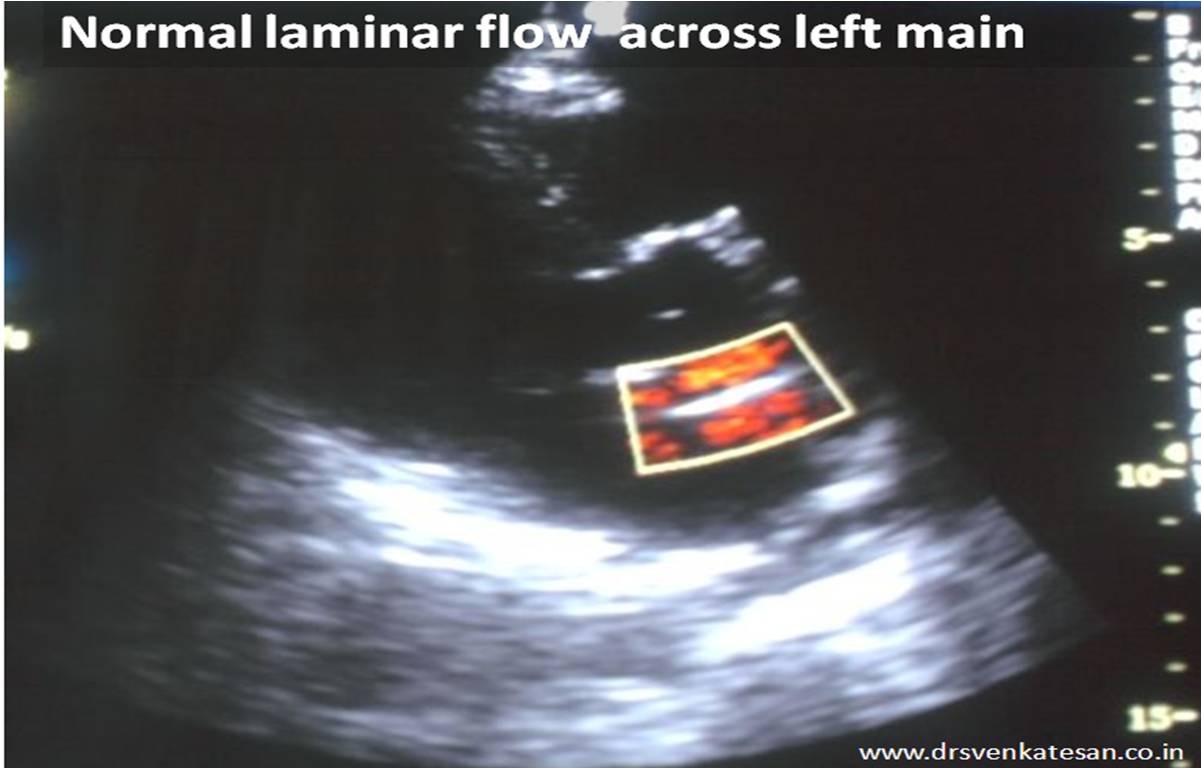
  • Parasteranal long axis  or short axis  the ideal view. Short axis would also  help.
  • Normal left main is easily diagnosed  by two parallel  lines . ( See above picture )
  • Plaques are  diagnosed when this line is  distorted  and filled by haziness.
  • Significant ostio proximal  lesion must never be missed by TTE .However distal left main can not be assessed in most .
  • Doppler assessment may not be possible in all as pulse doppler sample volume can not be placed in left main.
  • Trans esophageal echo would increase the yield.

Final message

Processing power of echo machines  and  their image quality has improved  vastly over the years. The existing literature about left main imaging  by echo are based on old generation machines. The data are as obsolete as those  machines . This has to be kept in mind.

I wonder why most cardiologist are averse ( rather feel guilty ) to report  the  status of  left  main  artery  by  echo cardiography .

Every patient with  a  positive TMT must undergo a  focused echocardiogram  of  left main . You will be rewarded with a  good glimpse of the sacred segment  of coronary artery 9 out of 10 times  !

So , can we shoot the Left main  at the bed side  ?

Yes definitely  . . . if only we wish to !

* A correction

The left coronary visualised in this parasternal Long axis view is in fact exceptional. The ostium and shaft often better seen in short axis in around 3-4 O clock position.

Read Full Post »

The key word for  successful  primary PCI  is

  •  Suction &  Aspiration of thrombus  with   micro catheters like  export catheters
  • One can do away with a stent during primary PCI but can never do away aspiration
  • Distal protection as concept is rapidly dying out as we aim to remove all the thrombus .

Tips for effective thrombus aspiration

  • Apply continuous negative pressure once catheter reaches the thrombus do not release  it till you enter back into the guide.
  • Make sure  you are sucking only  blood  products  not the  endothelium
  • Watch out for  side branch spill over.
  • 7F sheath 7F catheter ideal for aspirating  with a  micro catheter
  • Please be informed some thrombus require more negative pressure especially  in the late  presenters of STEMI

* During dire emergency when you do not have a specialized suction catheter do not hesitate to push  even a diagnostic catheter into the coronary .We have  saved few lives !

Crazy   questions  in primary PCI  ( or Is  it futuristic )

Can we connect the suction apparatus into LAD micro catheter ?

Do we have camera guided suction catheter ?

Can you flush the thrombus if you are not succeeding in aspiration ?

Is ultrasonic desiccation  of thrombus possible ?

Acknowledgement

Some of the tips were  gathered from the recently concluded  India Live  2012  conference   in New Delhi .

Read Full Post »

« Newer Posts - Older Posts »