Cath labs are probably the best place to practice preventive cardiology . . .
Practice of medicine is primarily guided by Infinite Information , plenty of Intuition, little bit of Intelligence and unquantifiable amount of Ignorance.The science of coronary reperfusion is standing example for variable mix of the above.The term no reflow is a jargan used liberally in cath labs right from first year fellow to super consultant without knowing what exactly they mean by it.
What really is No-reflow then ?
The academic definition :According to Kloner no-reflow is defined as suboptimal myocardial reperfusion through a part of coronary circulation without angiographic evidence of mechanical vessel obstruction.( Kloner RA, Ganote CE, Jennings RB. “The “no-reflow” phenomenon after temporary coronary occlusion in the dog.” Journal of Clinical Investigation, 1974; 54: 1496–1508.)
With due credits to his seminal paper, I always wonder what exactly Dr Kloner meant when he labelled it as No-reflow!
No is ok , Flow is ok , What does the adjective “re” mean to you ?
Re stands for repeat ? recurrent ? Yes , it may mean any one of it. It may mean nothing in many patients as their post PCI flow is same or found to be no better than pre PCI flow with no significant forward flow at all ! In this situation No-reflow is same as No-flow (Never flown ) in physiological terms irrespective of epicardial patency.
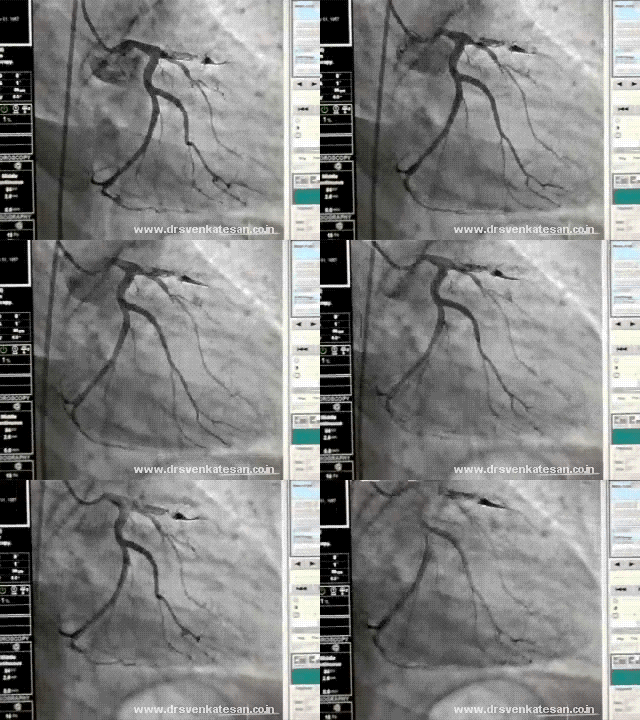
Literally, the term no re-flow tell us, there has been a dramatic procedure related*( or preexisting ) destabilization in distal blood flow. It can be any downgrading of basal TIMI flow. ( Example : TIMI 3 becoming Zero , or TIMI 1 becoming 3 then back to 1 or Zero.) The terms slow flow, low flow, stuttering or trickle of flow all fall under the common category No reflow. In a crude manner one may conclude no reflow to be masquereding term for failed PCI.
*Mind you , No reflow can also occur with pharmacological lysis as well.(Less common)But personal experincee suggest it has a less benign course.
Mechanism of No- reflow
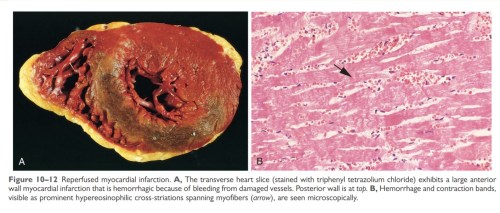
Many mechanisms has been proposed and disposed by experts. However , all suggested mechanisms end up in the final common theme ie micro vascular obstruction.
Can no-reflow precipitate a fresh ACS ?
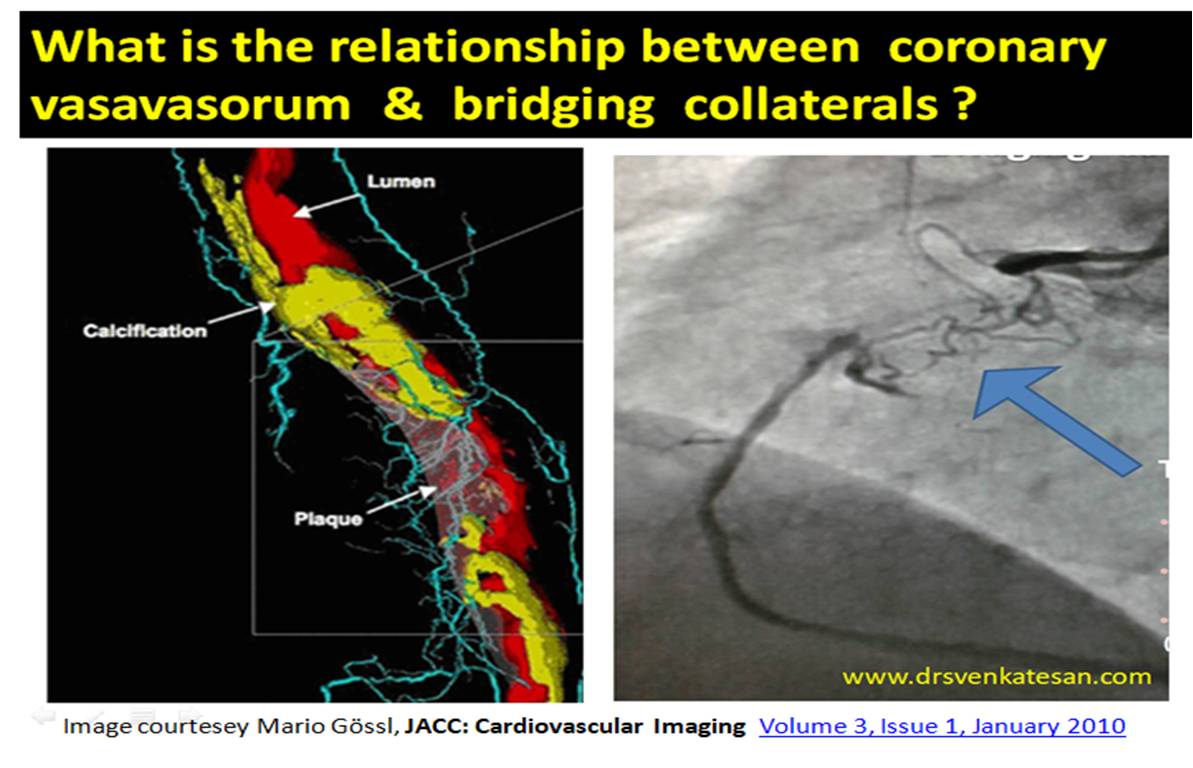
Could be yes . How ? The distal thrombus migration clogs the active collateral channels at its entry point.This is probably the most unrecognised concept which is difficult to prove though.The problem is , we may not realise this as it could be silent or may just present as LV dysfunction , Infarct extension, or Ischemic cardiac failure.
Why is treatment of no reflow is so dismal ?
I think, by now you can guess the answer and get it right too !
Is no flow better than No-reflow?
It may seem a foolish question one could come across in coronary hemodynamics. The prevailing coronary doctrine, as we understand is , all ATOs need to be opened in STEMI in an emergent fashion. (Other wise patients or their myocardium can’t be salvaged )But, we also realise ATO do get converted to CTOs in a safe manner following a STEMI in a significant number. It’s the ultimate myocardial mystery when we realise even the ATO fails to damage the myocardium significantly in some patients.
Presence of acute collateralisation to IRA from non IRA is observed instantaneously and spreads rapidly towards myocardium in distress.It is observed in atleast 40% of all patients.(Ref 2,3).
The anatomical and physiological codecs of acute collaterals in ACS is secretly located close in the God’s domain.But, Interfering with it, is definitely in human domain.
Should we need to worry about the impact of PCI on these acute collaterals ?
It is estimated up to 5 grams of thrombus could spilled over to the distal coronary bed. Mind you thrombus formation is not a one time process.Can you guess where these thrombus lodge in ? We don’t know what is thrombus clearing capacity of LAD/LCX/RCA vascular bed. But. we have observed naturally formed thrombus is less likely to disseminate and migrate than the catheter and wire induced.My presumption is , coronaries show their dissent and disapproval in the only way they know, ie non stop generation of thrombus (Not withstanding our DAPT/2b 3a /Bivaluridins etc)
Acute collateral shutdown : A new concept
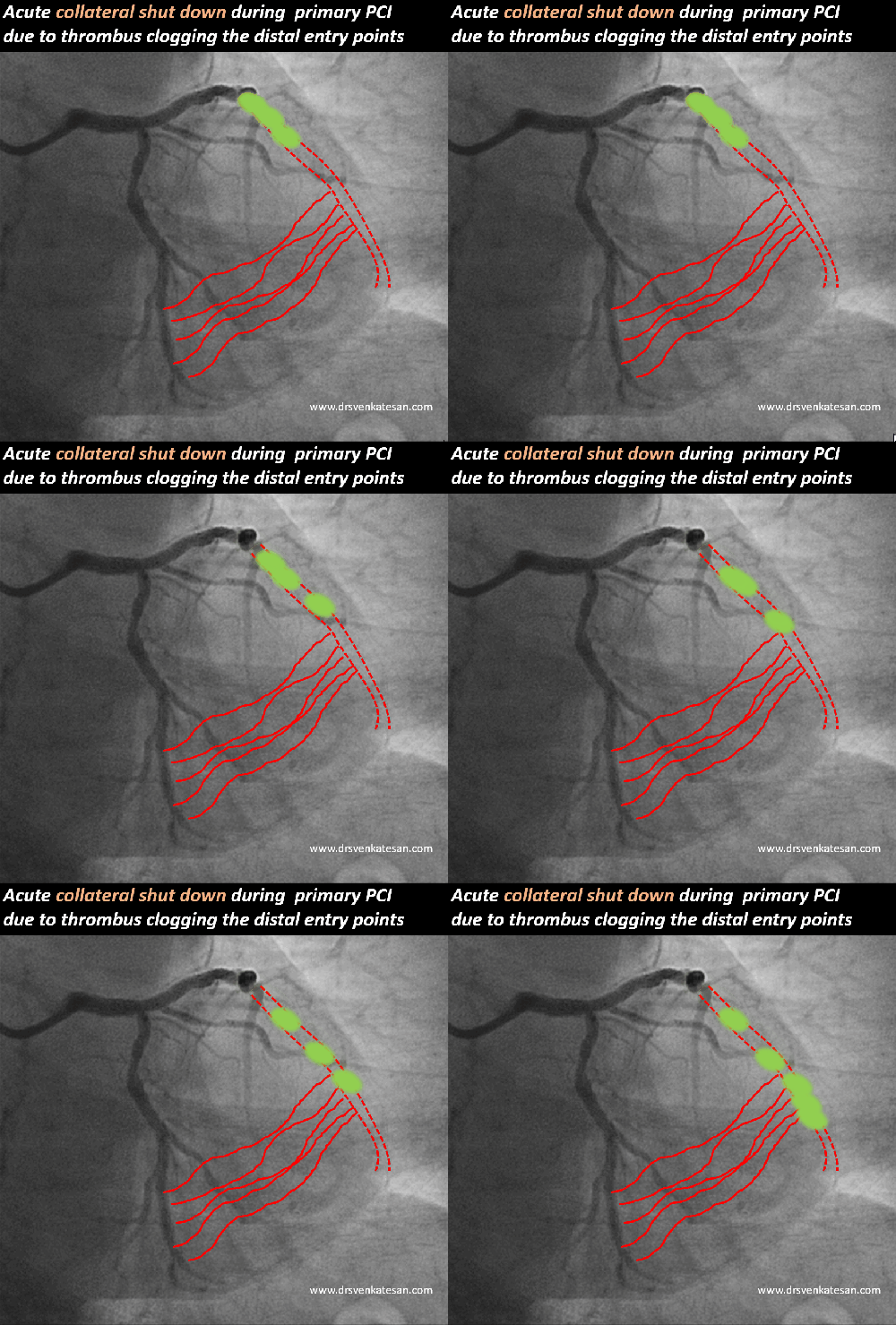
We are not sure if there is a collision between two streams of reperfusion that happens after a STEMI. One spontaneous from the collateral and other from antegrade(Either spontaneous or man made)
Is it benefitial, detrimental or neutral ? We don’t know the answer for sure. My understanding is some of subset of critical STEMI are heavily dependent on this life line however miniscule it may be.
It doesn’t require a double blinded study to prove what would happen when a hurried cardiologist attempt hurried PCI who often has to a change his target to thrombus instead of myocardium .
When aggression is shown on the thrombus, it’s more likely you end up in no reflow . One possible new mechanism(Proposed by the author) of No reflow is distal dissemination of thrombus debri that plugs the lateral entry points of collaterals.
This is the time , no reflow shows its violent face. Invariably hemodynamic deteriation occurs and the entire reperfusion team would seem to count their luck than expertise.
Can we perceive, predict and prevent this ?
We should , we need to , but how ? Since we know the true success rate of no reflow is miniscule, serious introspection to be done. Funnily (but realistically) one can take a famous cue from the most underrated medical specialty Social and preventive medicine .
Yes it’s “Prevention is better than cure” and mind you, if there is no cure, how important prevention becomes.Strangley , preventive cardiology is meant for lesser professionals , who and talk about diet, excercise and lifestyle.
No , it’s not . Preventive medicine needs a new defintion , rather new understanding .Its’ all about preventing an expected or unexpected adverse event anywhere.
How many of us really believe there is no effective cure for No-reflow and it is directly related to aggressive thrombus clearance strategies .
Should we argue new age Interventionists to practice preventive cardiology right inside the cath lab and do away with non-academic temptations.(Surprise , this is exactly mega trials on thrombus aspiration told us (Class 3 Indication for routine thrombus meddling)
Final message
Stable and comfortable, late ATOs need not be opened like defusing a time bomb. We will never know which side of the bomb the cardiologist is sitting.
The incidence of new onset No-reflow can be higher than what we presume.Further it can trigger a fresh ACS by whipping up the injured and resting myocardium.(Mostly attributed to late reperfusion Injury and the acute collateral shutdown.)
Postample and Counterpoint
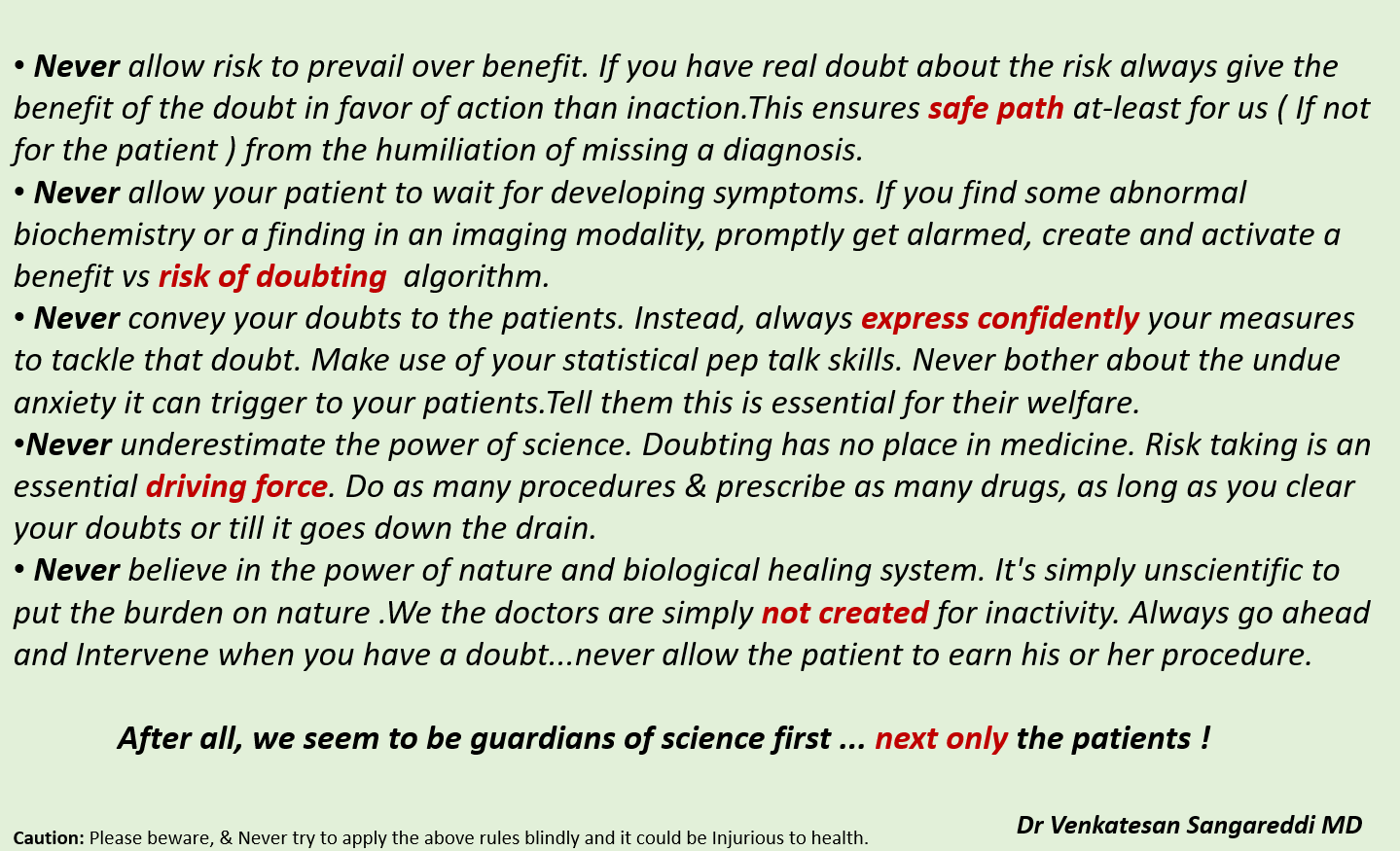
As an interventional cardiologist, No-reflow is one among the expected complications , which are part of the profession.Never bother about these unscientific utterrings . That’s the job of critics. You go ahead and fight with the coronary artety in every case of ACS. Only weak minded unprofessionals would love to sit on a case of ACS and play a waiting game in CCU. True professionals shall look for multiple criminal targets beyond thrombus, myocardium, IRA , non IRA, doesn’t matter . Do it with confidence.Hope for the best, don’t bother too much about the endpoint.
Mind you, that’s what , we are trained and paid for and possibly respected too in this most glamorous subspecialty of Medicine.
Coming next
*Is Catheter, Guidewire Induced thrombus radically different from natural denovo thrombus ?
*How common is angiographically blind No reflow.(TIMI 3 with good and bad blush included)
*What are the residual defects and long term myocardial sequale ? (Inspite of successful tackling of No reflow )
Reference
1.Claire Bouleti et all The no-reflow phenomenon: State of the art Le no-reflow : état de l’artArchives of Cardiovascular Disease (2015) 108, 661—674
2.L YJ,Masuyama T,Mishima M, et al Effect of pre-reperfusion residual flow on recovery from myocardial stunning: a myocardial contrast echocardiography study. J Am Soc Echocardiogr 2000;13:18–25. doi:10.1016/S0894-7317(00)90038-5
3.Ha M, Sakata Y, Nakatani D on behalf of the OACIS Investigators, Sakata Y, Nakatani D on behalf of the OACIS Investigators, et al
Impact of coronary collaterals on in-hospital and 5-year mortality after ST-elevation myocardial infarction in the contemporary percutaneous coronary intervention era: a prospective observational study
Read Full Post »