Because . . . its current course is not always in the right direction & not everyone is ready for course correction as well!
Reference
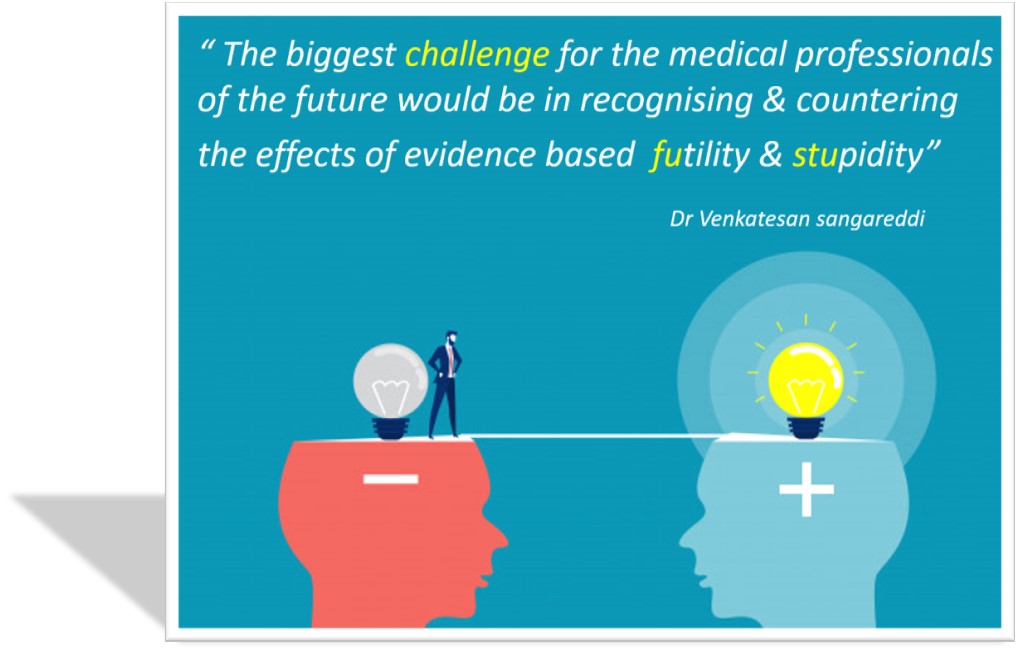
Because . . . its current course is not always in the right direction & not everyone is ready for course correction as well!
Reference
Posted in Cardiology quotes, cardiology-ethics | Tagged best medical quotes, dr venkatesan quotes, ethics in medicine, evidence based medicine, evidence vs experience based medicine, hippocrates ethics, limitations of ebm, medical education, medical ethics quote, medical industry, principles of practice of medicine |
Hypertrophic cardiomyopathy (HCM) is the most common primary disorder of cardiac muscle. The incidence is about 1 in 500, which would mean 1.5 crore HCM patients will be living on our planet at any moment. The root cause of pathology is located in 20 odd genes that define cardiac muscle protein integrity. (Myosin, Troponin, Titin, etc) This leads to the bizarre architecture of cardiac muscle, prone to progressive fibrosis.(Paradoxically, 90% of HCM have normal or supernormal contractility till very late stages, proving that the much-dreaded term myocardial disarray has little effect on contractility. It is all the more funny, as we strive hard to suppress this excess contractility caused by disarray with beta-blockers.
SCD is the scary face of this disease. If the incidence of SCD is less than 1 % per year, do a little maths to know how many will succumb every year to this disease. However, It is the symptoms like exertional dyspnea (most common,) followed by syncope and rarely angina that bring HCM patients to the physician. Though the pathology is diffuse and global, I don’t understand why we got stuck with the outflow tract gradients and dynamic obstruction. HCM is an equally a disorder of LV inflow obstruction (rather a restriction). It can be presumed myocardial disarray makes more impact on diastole than systole. The relationship between inflow and outflow gradient is a poorly explored area in HCM. Detailed analysis of E and A velocity profiles along with tissue Dopper will throw more light in symptomatic patients.
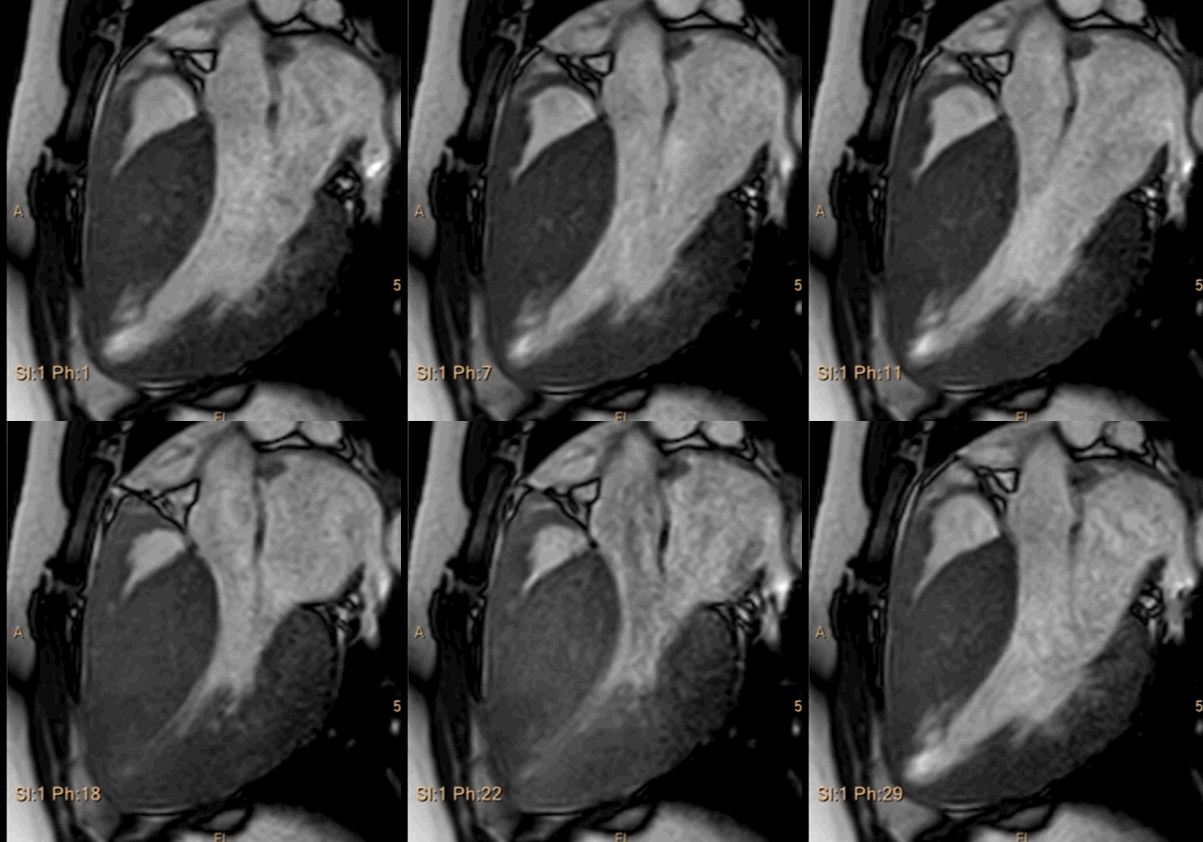
The importance of LVOT gradient in HCM was questioned by Criley more than 30 years ago.
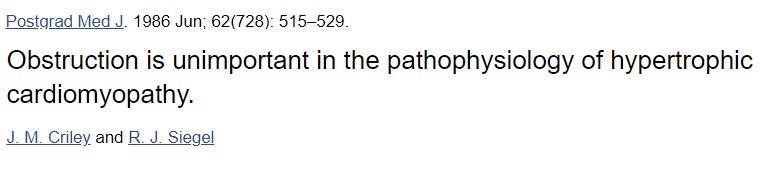
There may not be many takers for this concept in spite of our realization, that the major symptom of HOCM is not due to outflow tract obstruction. Further, sudden cardiac death risk is not fully negated by drugs and surgical myectomy. Christopher J. McLeod EHJ 2007) No surprises we require the help of ICD to tackle the SCD risk even after the relief of obstruction.
How to measure the gradient in HCM?

Image source: .Jeffrey B.Geske Assessment of Left Ventricular Outflow Gradient: Hypertrophic Cardiomyopathy Versus Aortic Valvular Stenosis JACC: Cardiovascular Interventions Volume 5, Issue 6, June 2012, Pages 675-681
How to provoke gradient if the resting gradient is low.
Dountaimine stress test should not be used as it can generate pseudo gradients. Should we provoke otherwise asymptomatic zero gradients healthy HCM? It is debatable and can be an unsolicited invitation to imaginary troubles.
Importance of MRI: Morphology can be more important than gradient
It has now become a dictum every patient of HCM must undergo MRI. This not only helps to define the morphology of LV, different subsets of HCM, and risk of SCD , it also guides the surgeon where exactly to resect, and how much mass of myocardium to be removed. MRI defines mitral valve anatomy more clearly and helps whether AMl plication is required or not in addition to myectomy.(Elongated bulky Mel is competing for space in the narrow corridor of LVOT, you know ) MRI clearly helps to avoid over-enthusiastic alcohol septal ablation as well.
Principles of management
Final message
We are taught right from our early days in medical schools, HCM is synonymous with dynamic LVOT obstruction. However, to hang our thoughts exclusively on this hemodynamic concept lands us in management errors. Let us learn to look beyond LVOT gradients in HCM. We need to look at the overall morphology of LV, mitral valves, LA dynamics, etc. Please realize, there is a huge mass of myocardium sitting silently not eliciting any gradients, still good enough to cause symptoms and dictate the natural history.
Reference
Postamble
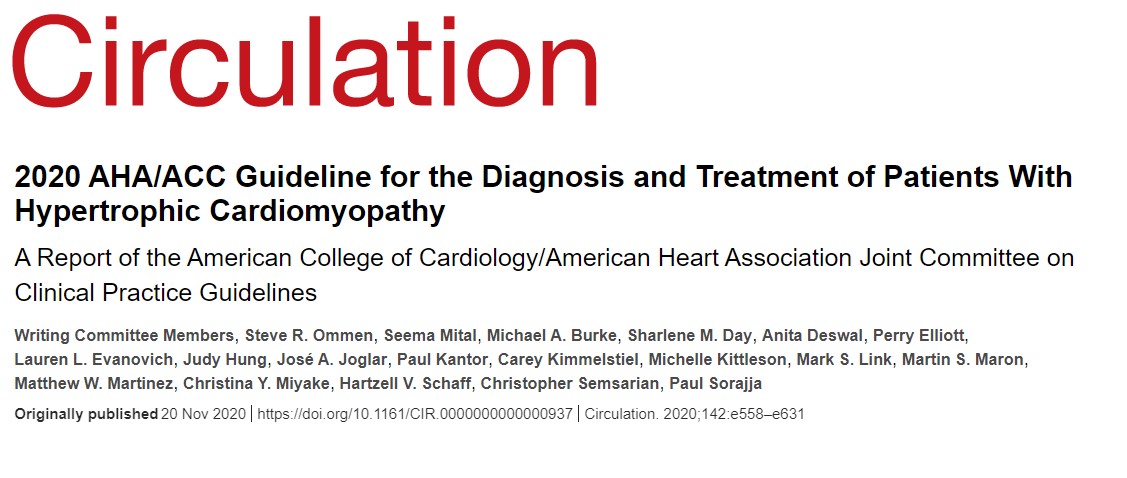
For the pure academics, please read this.The ultimate advisory from the authoritative source.
Posted in hypertrophic cardiomyopathy | Tagged criley concept hocm hcm, hocm hcm, hypertrophic cardiomyopathy, lobster claw hcm, lobster claw is pulsus bisferiens, mavacamten explorer trial, what is the mechanism of hocm gradient lvot |
It is just past midnight: This is a gloomy conversation between a patient’s son and a cardiologist in the silent waiting room, just outside the dim-lit ICU of a popular 4-star hospital in Chennai.
“I am sorry to say, Mr. B., your father didn’t make it. Has succumbed to the heart attack. We have been trying to resuscitate him for the past one hour. We have done everything. We have managed to open up IRA, and 2 more critical blocks still it couldn’t help. It was a massive one. Sorry again.
“Doctor, I feel very bad. What went wrong, I want to know. Doc, did you try ECMO ?,” the elder son queried
“No, we didn’t”
Do you have it in your hospital doctor?
“No,we don’t have it”
The son in distress couldn’t take it lightly. “How can you say that doctor? such a big hospital doesn’t have ECMO, “What a mistake we have done, we should have gone elsewhere” he quipped
The visibly exhausted cardiologist was taken aback and struggled to retain his composure. He took some time and tried to explain the bereaved family with a semi-scientific explanation.

“Please understand the reality. Do you know, how likely an emergency ECMO will resuscitate a patient with cardiogenic shock and arrest”
“Let me go little deeper into the hemodynamics of ECMO, even if it is inserted on time, ECMO doesn’t support coronary circulation much, (the one that matters most in the failing heart) ECMO circuit that brings oxygenated blood from below upwards in descending aorta. This stream may not reach the aortic root as it has to competes with ventricular contractions however feeble it may be” (Ref 1)
“Don’t mistake me, In my opinion, all these macines like ECMO Is more like a fancy customary add on machine in a high profile patients”.
“So, you are saying, my dad is destined to die, that’s not at all fair doctor”.
“I can’t say that openly, it could be the fact. A series of miracles could have saved your dad’s life. A tandem heart as a bridge to an emergency heart transplant is a dream thought. Of course, for a heart transplant to happen someone else should have lost their lives in time, just to save your father’s life. That’s in God’s domain”.
The son gradually got back to his quieter sense. “Sorry doctor, I misunderstood ECMO I was told it was like a lifeboat that will bring back life from a dying heart. Thanks for all your efforts doctor. “No worries, even, many of us haven’t come to real terms with this ECMO stuff. Thanks to misplaced mainstream media coverage concerning celebrity lives”
The much-relieved cardiologist left for home in peace of mind.
Reference
Postamble
Final message
We must realize ECMO is not a new breakthrough technology. It’s a 50-year old concept, that was used primarily in infants with respiratory failure. (VV ECMO) In the complex high-risk interventional cardiology field, it has a different purpose. It gives the aggressive players a little more time to try their luck of reperusing a failing heart.
All these circulatory assist devices Like ECMO, Impella, IABP help to support the heart before a cardiac standstill. Ideally, we may use them prophylactically ( in situ and ready to fire) It has helped save lives especially in pre and post-transplant hearts However, it’s too complex a procedure to be relied upon after unanticipated Ischemic cardiac arrest. We can expect, It might get miniaturized and user friendly soon.
Posted in Cardiology -Technology | Tagged ecmo, IABP, impella, tandem heart ecmo |
Few individual’s works mattered more than others in the field of cardiology. Here was a man born 1914 in Utah, studied at Rush university trained in Mayo, settled in Seattle as a pediatrician. But his passion drove him to become a specialist cardiac physiologist with an urge to find the answers to all those lingering queries that arise as a practicing clinical cardiologist. He built an exclusive animal lab to study the mechanics and physics of circulation and cardiac pumps in the 1950s
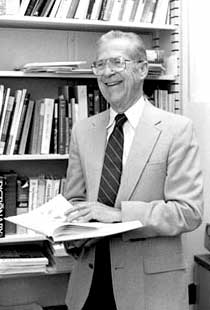
1914-2001
He can be called the new age, Harvey of the 20th century. He seemed to always bother, how is it that the 6 liters of blood traverse from heart to the periphery and comes back going through vast lengthy circulation with variable pressure and little energy loss.? He also made the very pertinent discovery in neural control, the effect of gravity on circulation. His interest in how venous return would have to match cardiac output was phenomenal.
His grasp of cardiovascular physiologic concepts was so powerful and his book on cardiovascular dynamics was so popular. probably the first scientific textbook on circulation. I am sure he had shaped the thought process of so many physicians (I will vouch for myself) and helped create hundreds of cardiologists all over the globe. Dr.Rushmer also did pioneering work on diagnostic ultrasound and doppler. I can recall a video on cardiac embryology edited by him in the 1960s in pre-computer era that probably can not be beaten even today in terms of clarity of content and production value.
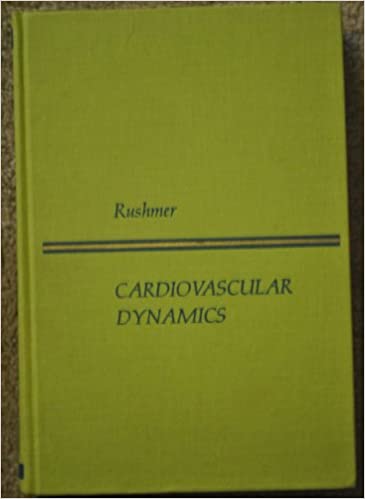
Through his thoughts like an engineer and mathematician still, he was able to blend the knowledge together and pass it on to the generation next clinician. No wonder, he was the founder and headed the department of biomedical engineering in the UW. The University of Washington holds an annual Rushmer lecture.
If one person deserves an award for excellence in cardiovascular science for the 20th century, Dr.Rushmer’s name should definitely, come on top. Though he won several accolades, I feel scientific societies have missed an opportunity to felicitate him with the more worthy award. If the Noble prize in medicine is given for a lifetime contribution to cardiovascular physiology wonder why he can’t be considered for it posthumously.
It is heartening to note, at the fag end of his career he moved from core science to philosophical and ethical truths of science and technology. He once said, “We’re confronted with the ethical, political, and technological consequences of our medical triumphs. We have to learn quickly how to deal with these profound problems by looking ahead to recognize and avoid complications of our technical breakthroughs’ How true his observation has turned out to be!
Reference
Posted in Basic sciecne, Basic science -Physiology, Best books in cardiology, bio ethics, great cardiologists | Tagged best books in cardiac physiology, best cardiology books, cardiovascular physiology, famous Seattle doctors, Great Men in cardiology, history of cardiology, Robert F rushmer, Seattle cardiologist, university of washington biomedical department |
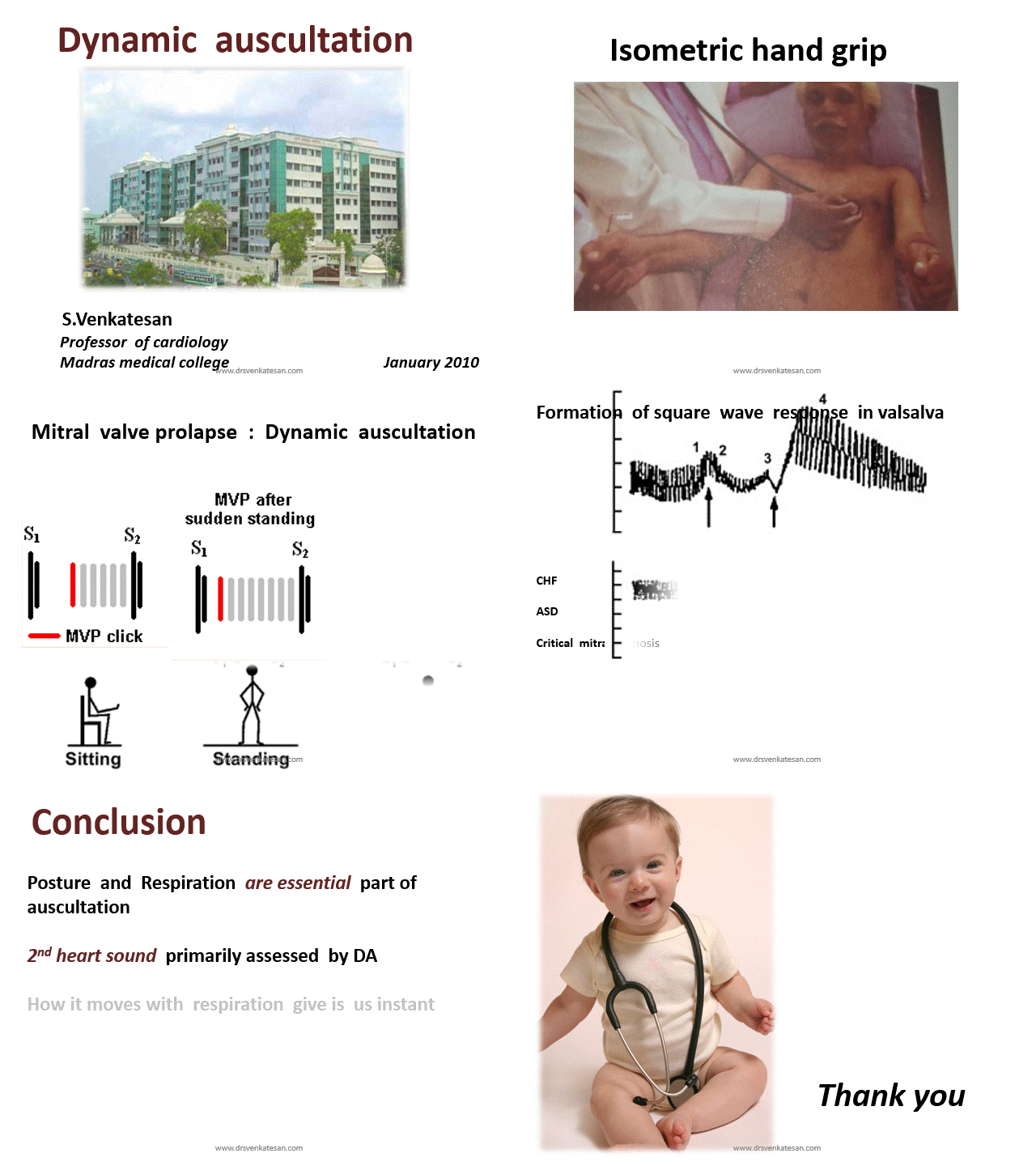
Heart is a dynamic organ, so any auscultation by default becomes dynamic. Still, what we mean by dynamic auscultation is, to look(hear) carefully at what happens to the sounds and murmurs during different phases of respiration*, posture and induced hemodynamic stress by altering preload, and afterload, etc. (* Some of us may not consider respiratory changes as part of dynamic auscultation, But, it is to be noted even spontaneous respiration is subtle dynamism and is reflected in JVP as well as second sound mobility. While forceful breath-holding or exhalation can dramatically shut down & release venous return from entering the thorax.This is the basis of the most popular maneuver of Valsalva.
I know, dynamic auscultation is a lost art. For fellows, the only issue that seems to bother is to understand the dynamic auscultation in various types of LVOT obstruction, MVPS , and to differentiate aortic from pulmonary regurgitation murmurs, with or without VSD, RVOT/LVOT vascular /Valvular clicks etc
Here is an old presentation (2010) of mine from the archive.
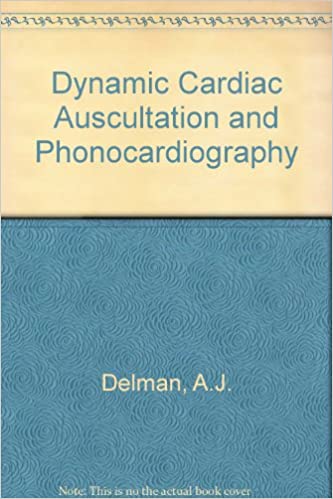
One of the great resources on this topic is from Dr Delman. Hope this book is available. There is one more exclusive atlas by Delman & Stein dynamic auscultation with phonocardiographic and pulse correlation
.
Posted in Uncategorized | Tagged delman and stein dynamic auscultation, hocm vs mvps, Isometric handgrip, mullers manuver, squatting in hocm, valsalva manuver |
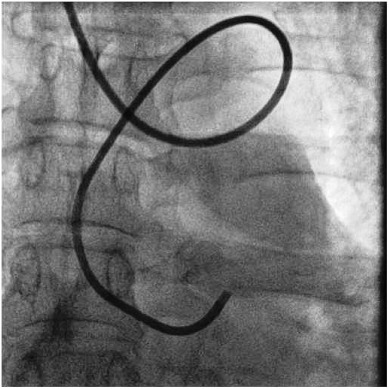
The commonest cause* for repeated entry of right radial catheter to descending aorta is not due to any anomaly. Most times,it is just a skewed angle between right brachio-cephalic artery with Aortic arch, that deflects the catheter to the descending aorta . Just make sure, aortic root is entered with a deeply held inspiration.
*Anomalies of the aortic arch, aberrant right subclavian, Kommerell’s diverticulum, vascular ring must be kept in mind.

Postamble: A true abnormal course
Though, It might appear prudent to avoid the radial route when encountering anomalous subclavian arteries, the reality is different and adventurous. We have acquired great expertise and successful PTCAs have been done through these tortuous vascular highways.
This is a case report from Dr H.S. Isser, Gunjan Garg, from Safdarjung hospital New Delhi.
Posted in Anatomy of heart | Tagged aberrant right sub clavian artery, aortic arch anomalies, arteria lusoria ptca, brachio cephalic artery aortic arch angle, radial angiogram tips, radial pci |
Posted in Medical education, Medical ethics, medical quotes, Venkat quotes | Tagged best medical quote, drsvenkatesan, drsvenkatesan.com, ethical quote in medicine, ethics of medical practice, Hippocratic oath, hippocratic quotes, madras medical colllege, primum non nocere, principles of practice of medicine |
One of the topics rarely discussed in heart failure is CAD as a contributory factor in HFpEF.
This is a copy of the presentation done at the ECHO India Annual scientific meet 2019 at Kolkatta. India.

Will try to find out the recorded version with audio. Here is a GIF run through.
PDF version Download here
Posted in CAD in HFpEF, Heart failure with preserved LV EF, HFpEF, HFrEF vs HFpEF | Tagged diastolic dysfunction, dr venkatesan ppt prsentation, presentation on HFpEF and cad |
Embryology
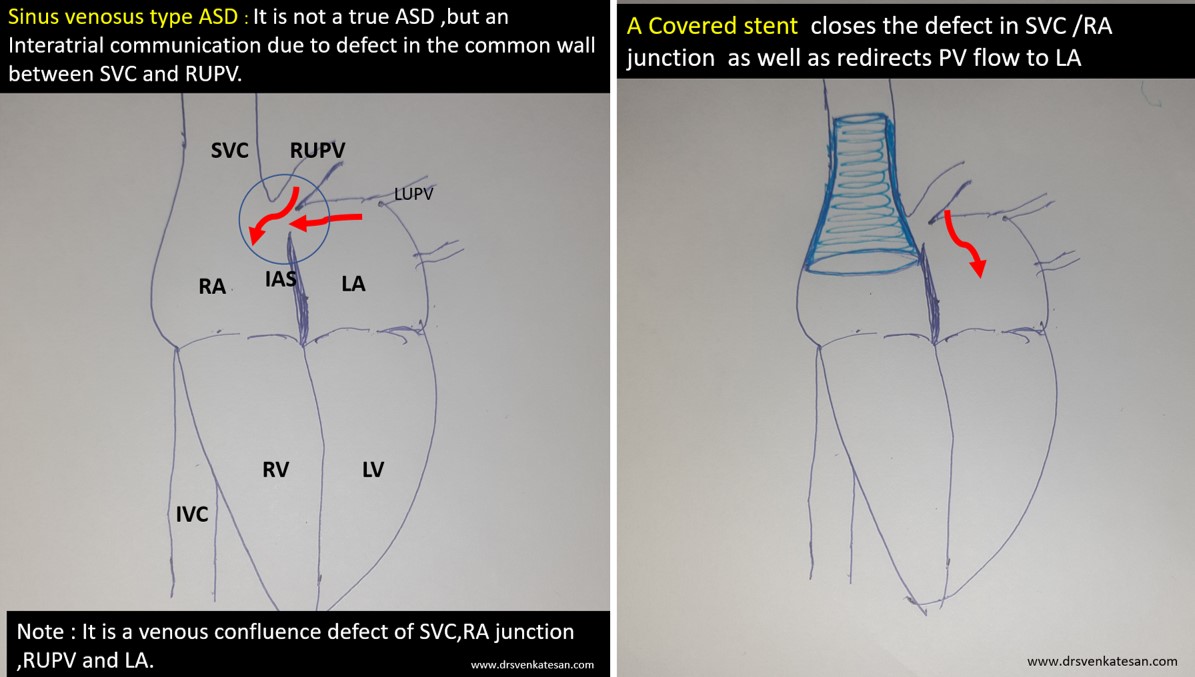
Sinus venosus ASD (also referred to as SVC ASD) is a defect in the failure of the sinoatrial orifice to lateralize completely to the right side during atrial septation.Left venous valve, as well as the septum secundum, fails to fuse with the roof of the atria creating interatrial communication. During this process, the developing pulmonary vein overshoot to the right side making PAPVD a mandatory add-on defect. (Harley ,Thorax 1958 ) It can be referred to as embryonal venous migration defect at the level of RA. In the same sense, it is not a true defect in IAS but a defect in septation between SVC/PV. It may also be referred to as unroofing of RUPV. The so-called Inter atrial communication actually is the confluence point of RUPV/SVC/RA.(See TEE images below)

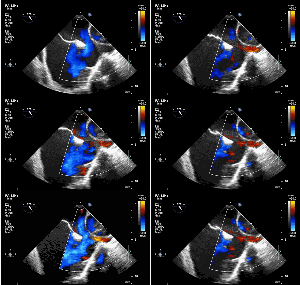
We know, in SVC ASD-commonest associated anomaly is PAPVC . It is not an ideal term to use though, instead, it is encouraged to use the term PAPVD (drainage) . Technically true PAPVC can not be connected to RA cavity as PV can connect either to cardinal or vitelline vein only. This distinction is helpful when we search for additional PAPVCs cranial to SVC. Sometimes we might recognize this error only after closure of SVC ASD.
Should we close SVC ASD ? How do we close?
Age, natural history, symptoms, the quantum of shunt will answer an occasional troubling query , “should we close it at all? Surgery is the standard approach till now. What makes device closure popular? Two reasons 1.Patient /or parent’s fear of surgery 2.Cardiologist’s urge for innovative Interventional procedures. (The fact that a simple covered stent will do the job is too tempting to make an attempt) However,please note, the procedure is not at all simple as one would Imagine.
Anatomical prerequisite for device closure
The defect must fulfill some critical anatomical essentials.
Technical issues
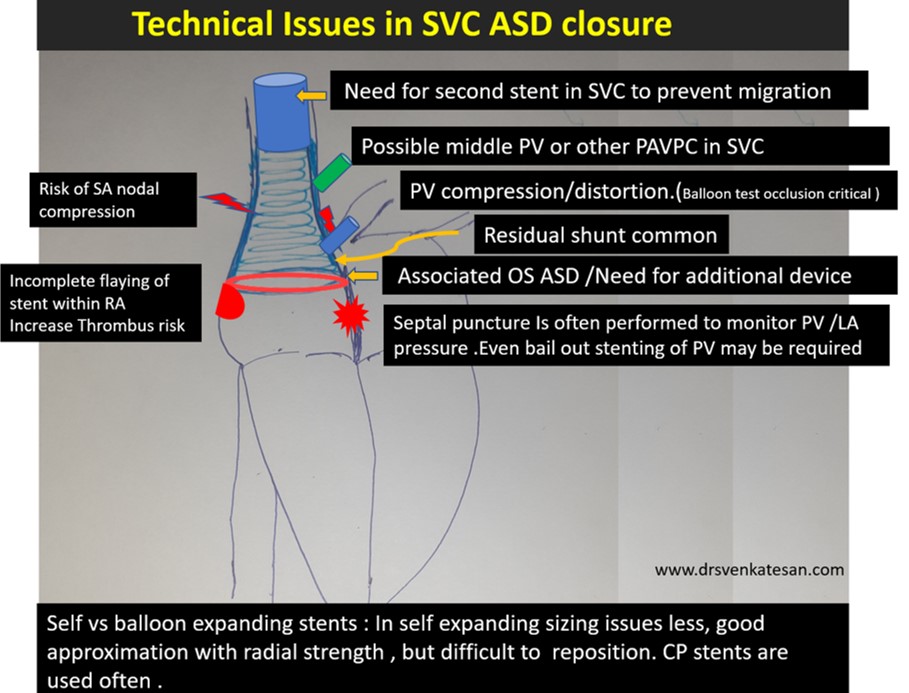
Finally, and most importantly follow-up is mandatory with device closure since the stent is on the venous circuit as RA, SVC thrombosis expected. (Anticoagulation protocol not clearly defined as of now )
Final message
Device closure for SVC ASD is a good Innovation. A perfectly delivered covered stent at the RA/SVC junction will do the trick. However, In my opinion, surgeons do a neat(More complete) job It is time-tested. Single or double patch or warden procedure may be done.(Ref 2)
Reference
https://doi.org/10.1016/j.pedneo.2019.06.013
Posted in Uncategorized | Tagged SINUS VENOSUS ASD, stenting for svc asd, svc asd, SVC ASD device closure |
Mitra clip is a small metal device that is delivered percutaneously, to clip the incompletely coapting (closing) mitral valve. It was first introduced to treat degenerative mitral regurgitation. It is an interventional imitation of the famous edge to edge Alfieri stitch repair.This procedure in fact converts the single mitral valve orifice into two. In the process, curtails the regurgitation jet orifice significantly. Though the technique looks nice and simple to hear, lots of per and post-procedure issues need refinement. Conceptually it is ideal in primary disorders of the mitral valve. (Read EVEREST 2 criteria for optimal patient selection) There have been more than 60000 Mitra clips implanted worldwide wide. Thanks to Abbot.
In secondary MR (due to LV dysfunction) Mitra clip has shown mixed results( MITRA-FR not much benefit, COAPT -Did show benefits)
Now, what about Mitra clip as a remedy for rheumatic mitral regurgitation?
This is the question everyone likes to ask. Now we have some interesting breakthroughs. Dr. Ningyan Wong from the National University of Singapore reports probably the first case (Ref 1) . The videos are reproduced with the creative commons license.
Note the classical thickened AML in rheumatic mitral regurgitation.
TEE showing severe MR
Post Mitra clip : A real surprise to note near-total abolition of regurgitation. (This really is good news for the rheumatic mitral valves )
Technical issues
Potential role and future
RHD forms 90 % of valvular heart disease in a country like India. The incidence of Isolated MR in both acute rheumatic fever and chronic RHD are substantial. If only we refine the hardware and technique to suit these thickened rheumatic valves, Mitra clip is expected to make an impact in this unique group of patients where surgery can be avoided or at least postponed.
Though we would very much like to do such a trial in our place, logistics has effectively precluded it. I wish some large centers like AIIMS New Delhi or PGIMER Chandigarh and others can take this concept to the next level.
Reference
Posted in MVPS, valvular heart disease | Tagged alfieri repair mitral valve, coapt mitra-fr everest trials, mitra clip, mitra clip for rheumatic mitral regurgitation |



 Dr.S.Venkatesan MD