Feeds:
Posts
Comments

Posts Tagged ‘courage’

The therapeutics of coronary stenosis has become a technogical wonder, interwoven with statistical wordplay in the last few decades. PCI is sitting pretty at its peak glory.The term OMT or GDMT is a popular terminology, but realistically exist only in guidelines.

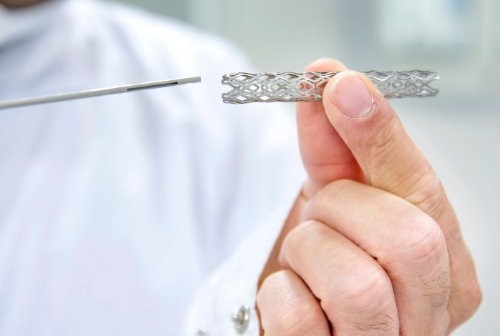
It is a strange academic habit among cardiologists, that they have subdivided medical management into optimal and suboptimal. Meanwhile, we haven’t seen any papers from cardiology forums that classify PCI according to its quality. How many of use a term like optimal PCI or guideline-directed PCI (O-PCI, GDPCI). Every PCI, by default, is perceived as good by our flawed coronary intellect.

A single patient experience

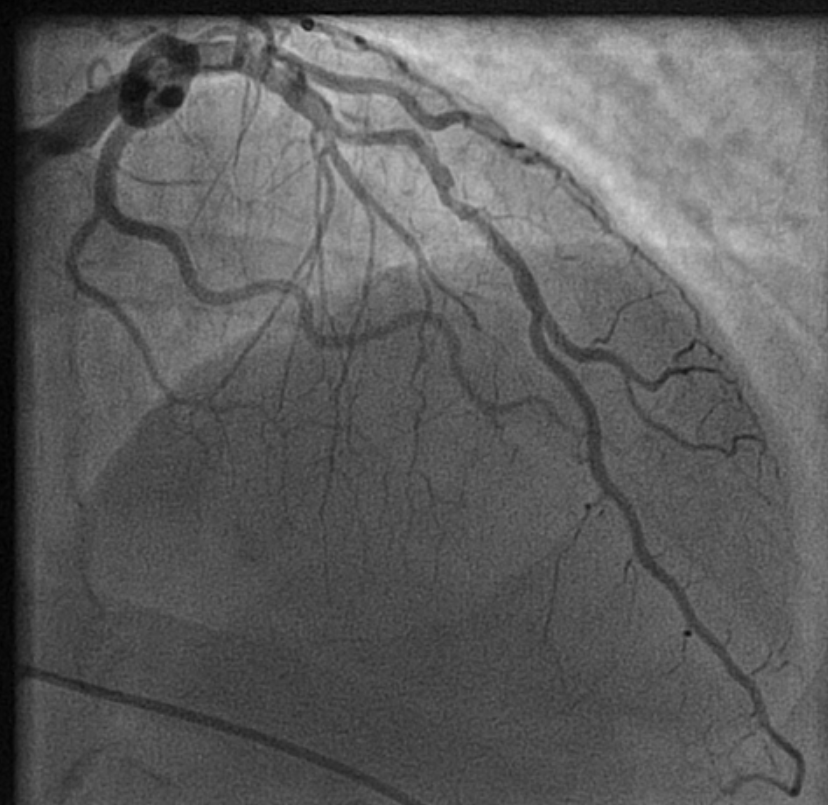
Let me share a patient consult from a remote town of north India. He is a STEMI patient (1 year old) with mild LV dysfunction and thinning of IVS and anterior wall. His CAG showed a significant looking, yet non-flow limiting LAD lesion without any troubling symptoms. I came to know he had consulted two institutions and was apparently not happy with their approach (In his own words, “They seem to be primarily interested in caging my LAD than listening to me”).

Somebody has suggested my name. He called me over the phone for a consult. I asked him remain there to follow his doctor’s advice. But, he flew some 2000 km to meet me. He was so knowledgeable and was aware of everything I wanted to tell. Like, viability, scars, futility, and benefits of revascularization, imaging-assisted PCI, impact of PCI on exercise capacity, importance of risk factor management, etc.

I told him, “In my opinion, you have technically a single vessel disease that can be managed well with drugs. But if PCI is to be done, it should be done in a proficient manner, as the lesion looked hard and was close to the LAD ostium, trespassing LCX as well.” I stressed the importance of a professionally done procedure with enough expertise and follow-up maintenance care.

He was not entirely satisfied with my response. He wanted a clear yes or no! . I told him, “If you have full trust, continue with the drugs at full intensity and do a stress test after 3 months. otherwise, if you keep getting even the slightest doubt and anxiety over the hidden blocks, go for a stent immediately at a good Institution. (My conscience said the latter half of my advice was unwarranted, but I had to; after all, me too need a protective mechanism)

He left my clinic profusley thanking me. I am not sure , how my consult was useful for him and what he is going to decide.

Academic lessons from this patient.

1.Patient fear factor over coronary blocks may be the ultimate game changer. Cardiologists should try to mitigate this fear and at the least should not be an amplifier to this emotion.

2.Leaving tricky profesionaly complex decisions to the patient, is an easy escape route for us, however it comes very close to professional incompetence. (Of course, we do this on a routine basis, approved by the modern medical guidelines, ethics, and legal system, in the name of patient empowerment)

3.Finally, we can grow a potential research hypothesis. A sub-optimal PCI is non-superior to OMT.It is curious there is no study available to compare sub-optimal PCI to OMT. We must also realize there is nothing called standalone PCI. Without concomitant OMT, PCI is a dud. Every young cardiology fellow need to etch this fact in their cortical cardiac memory. OMT often turns out to be the savior of stents, but the latter ruthlessly steals the credit.

Postamble

I could find one study analyzing suboptimal stenting (Ref 1), but it didn’t compare it with OMT. Suddenly, as I finish writing this, a big fact struck me hard, i.e., even a well-done PCI in sophisticated core labs with meticulous care struggled to beat OMT in a barrage of landmark trials (like COURAGE, ISCHEMIA, ORBITA). What is the big deal to analyze suboptimal PCI vs OMT?

Prati F, Romagnoli E, Gatto L, La Manna A, . Clinical Impact of Suboptimal Stenting and Residual Intrastent Plaque/Thrombus Protrusion in Patients With Acute Coronary Syndrome: The CLI-OPCI ACS Substudy Circ Cardiovasc Interv. 2016 Dec;9(12):e003726. .

Read Full Post »

COURAGE , BARI 2D , JASP

What is common in all ?

These are the studies which nailed the routine PCI in chronic  stable angina . Please note these articles came in prestigious  journals more than 5 years ago.

Nobody* seemed  to listen or learn  . Now the  Archives of Internal Medicine has  come out with another punch to PCI  .

Hope we refuse to learn again   . . .  and keep the interventionist spirit high !

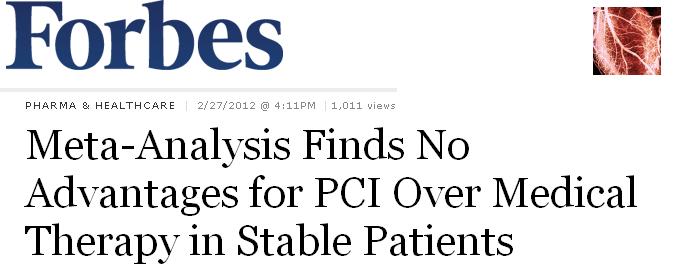
And for a change  read this landmark paper from Forbes

http://www.forbes.com/sites/larryhusten/2012/02/27/meta-analysis-finds-no-advantages-for-pci-over-medical-therapy-in-stable-patients/

Read Full Post »

MASS 2  study , the 10 year follow-up results are just out in circulation   september 2010 .

It is a rare study , where “one  to one vs  one” was compared  ie  the effect of  medical,  CABG , and  PCI    in chronic CAD .This was done in a single centre in Brazil,  between 1995 -2000 . It was  followed  up till 2010. Interestingly ,  such a study  may not be possible in the future ,   as  many of us  have  prematurely  glorified  the PCI and CABG over medical therapy . Recruiting  patients   for medical therapy alone is becoming a  difficult  job even in  developing countries.  Even if we recruit , huge cross over is likely  to PCI, CABG for all fancy reasons.

So , in MASS 2 we have a rare treasure on hand . . . Let us give three cheers to those  Brazilians  who did this study ,  and  shall carefully analyse and  interpret the results.

Highlights ( According to my  interpretation)

  • A total of about  600 patients with 200 in each group.
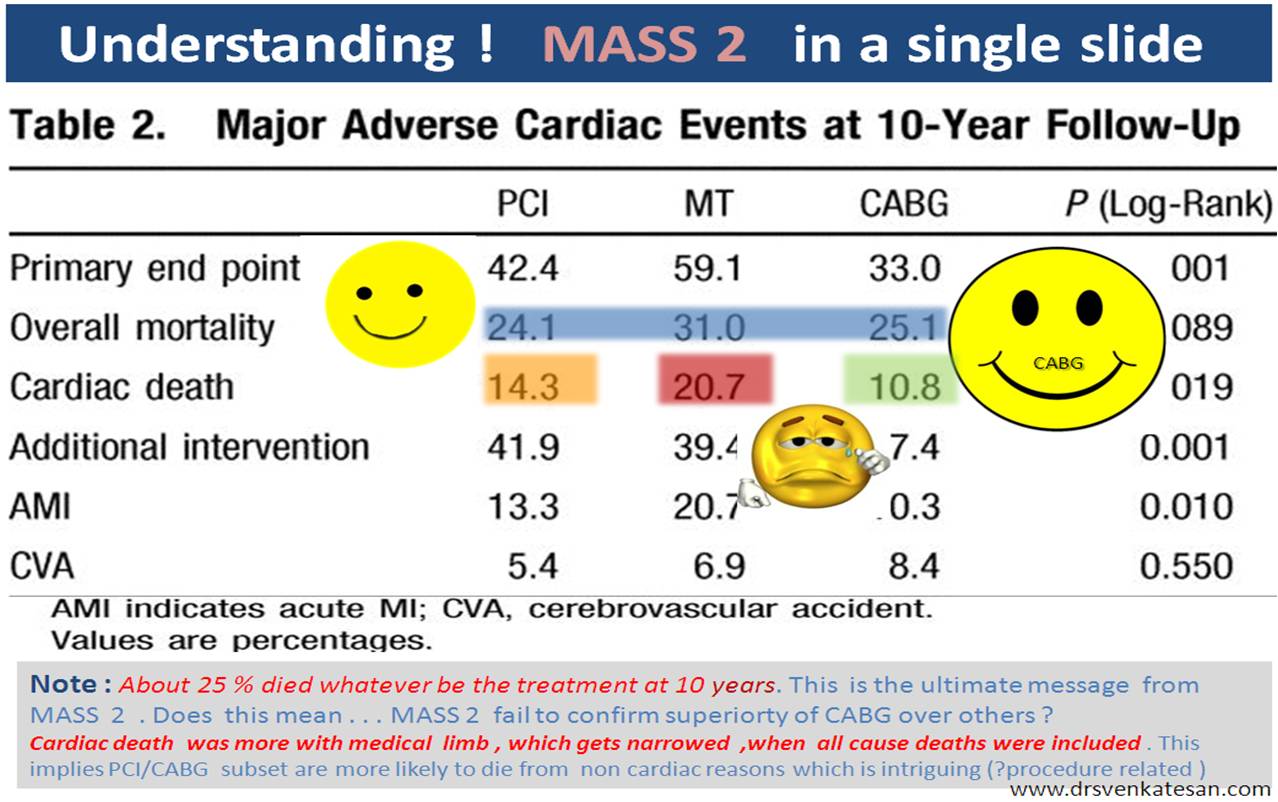
  • The overall death at 10 years  is not greatly different . (Around 25 % )
  • But ,cardiac deaths were distinctly higher by few percentages in pure medical  arm
  • Need for crossover  from medical to surgery and PCI to surgery was significant.

CABG tended  to prevent future MI in this study . This  could be  most significant observation from  this study ,( A revelation in fact ! ).It is against the popular  belief  created by CASS  legacy.

What are  the observed difference  between MASS 2 –  5 year results , which was published in 2004 ,  and  the 10 year follow-up , as  on  2010 ?

At the end of 5 years in 2004 , the differences  among the three groups were not obvious.The benefits of CABG mainly appeared after the 5th year and at 10 years it was significant.

Shortcoming of MASS 2

  • It is a single centre study .Numbers were less (600) .
  • It need to be emphasised    CABG was done  with  pump in all patients  . So the currently prevalent off  pump CABG  may not be really  comparable with reference to outcome.
  • Only   bare metal stents were used in PCI .(If only DES was used  . . . Considering the host of issues for and against DES , it will  be a  wild guess to judge it’s implication .  It could  have  tilted , either in favor or against  the  PCI  limb .)
  • In medical  limb ,  statins were not used in all.  Further , the dose of statins were not aggressive.This makes medical therapy appear less effective.

Intriguing  thoughts

When we say medical   therapy is  being  compared with PCI and surgery , we are actually comparing ,

Medical therapy  alone

Medical  therapy+ PCI

Medical  therapy + CABG .

Every patient  in all three  groups  receive  statin , antiplatelet and beta blocking drugs and so on.  Even though  statistics  would  vouch for  additional  benefit ,  over and above medical therapy  , in a given CABG  individual ,  how much  of the  the  accrued benefit  is contributed by co- administering   medical therapy  .It  is beyond   reasoning even  with all  gimmicks of statistics.

To exactly quantify  the individual benefits and efficiency  of  PCI ,  CABG  and medical therapy  two more  study limbs are necessary .

  • PCI without drugs.
  • CABG without drugs.

Such a study is possible only in a virtual world ! .  Decision  making  in favor of CABG ,  especially   in chronic stable angina ,  will continue , to be  difficult in the absence of refractory angina .This is due to  the modest benefit of CABG ,   that is  expected,  at an additional risk , cost and  expertise.

Please remember, a person can survive  , only  with medical  therapy for > 10 years  but no one can ever live with PCI or CABG  for that period of time without  adjunct drugs  . Guess  which modality   is  going to win the race  against CAD  in the long run  ?

Final message

If  any one  asks  for  conclusion of MASS 2  study ,  don’t ever say  “CABG is superior to  medical therapy” . Please emphasize , “CABG + medical therapy could   be , marginally superior to medical  therapy alone in some of the patients with chronic stable angina. (Each word  in the above statement is  important !) .

So . . . MASS 2 : Is it a  shot in the arm or shot  in the head for CABG ,  we do not know !

http://circ.ahajournals.org/cgi/content/abstract/122/10/949

http://circ.ahajournals.org/cgi/content/full/122/10/949 .This study was done by Zerbini foundation Brazil

Read Full Post »

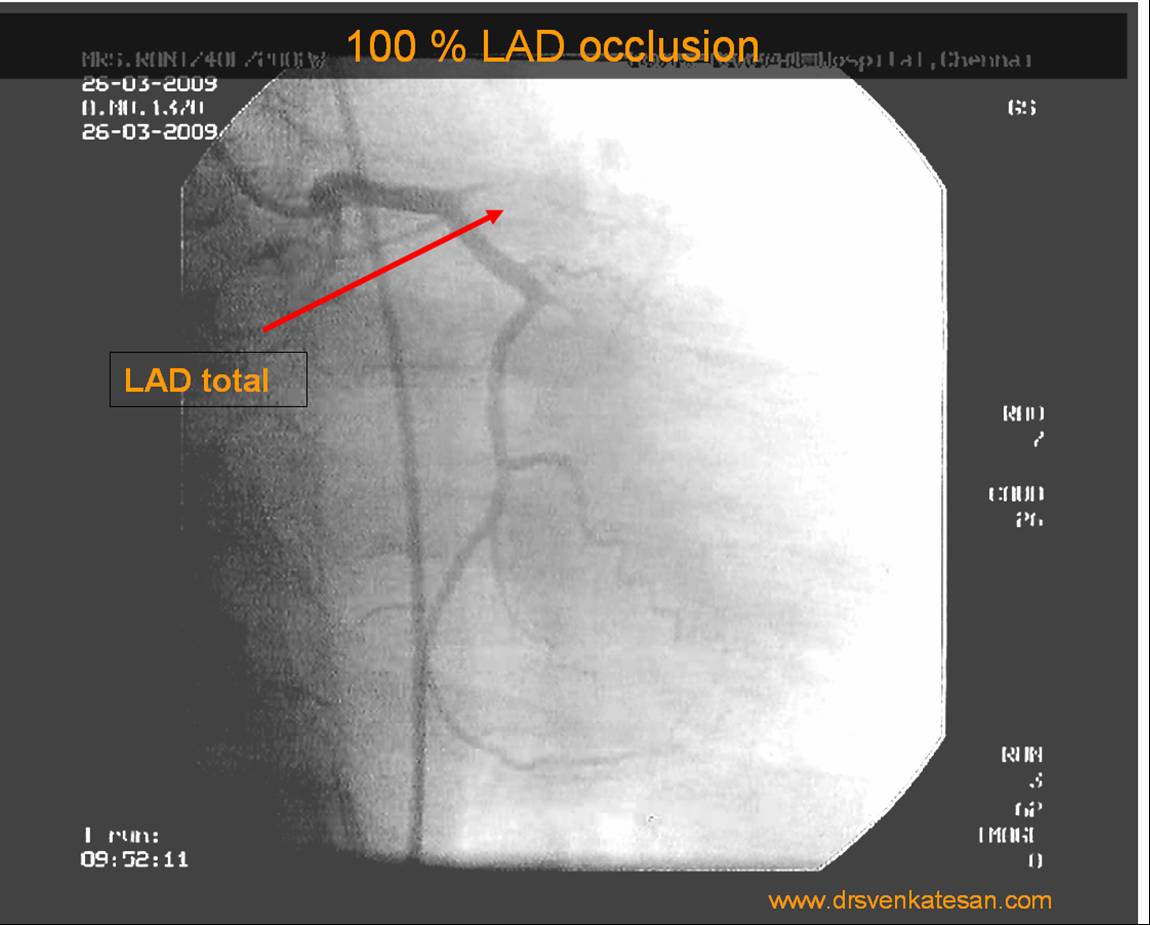
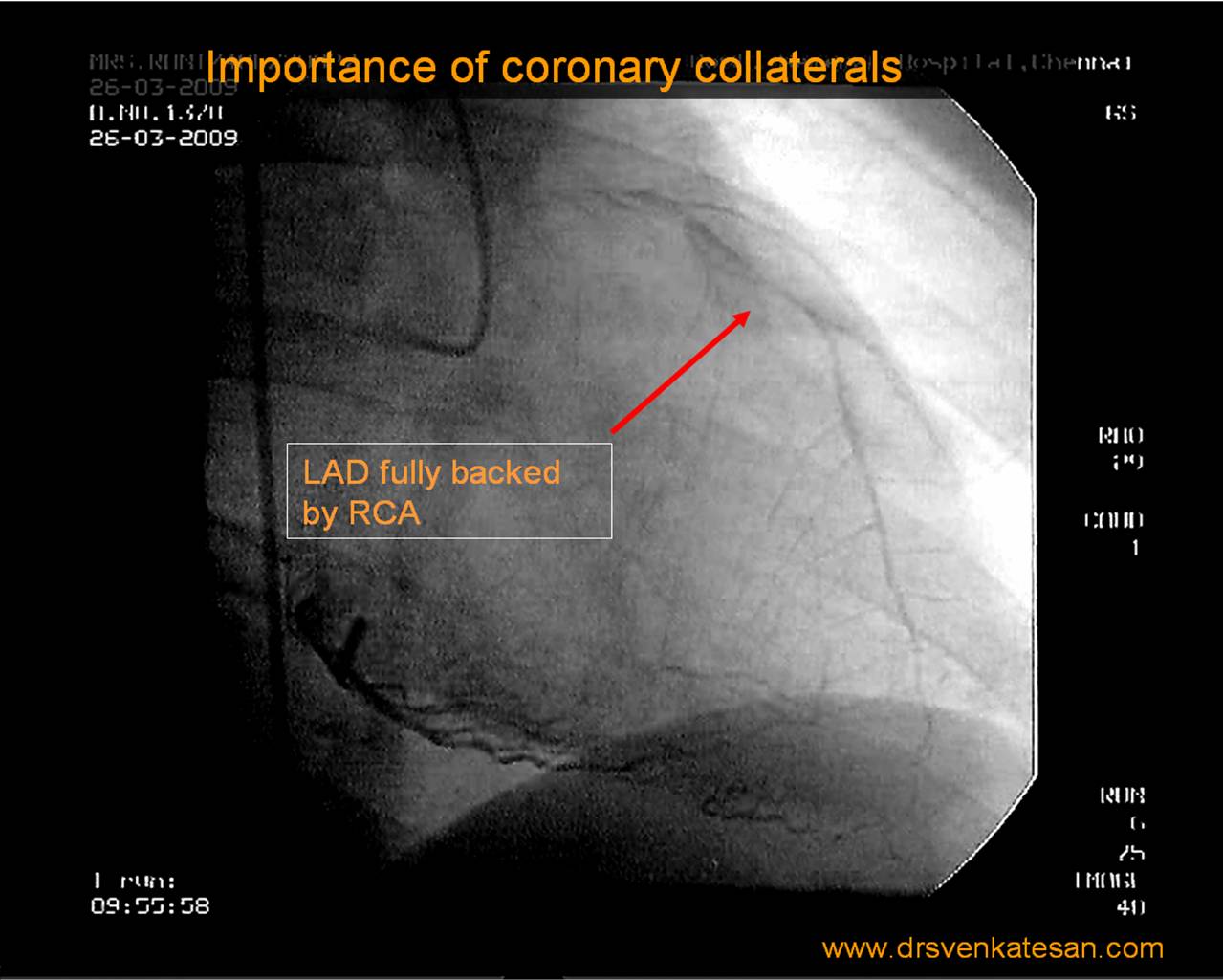
Coronary collateral circulation is the most poorly understood, and often neglected concept among the cardiology community.There is a general perception , in obstructive CAD ,  coronary collaterals are an inferior modality of  back up blood supply than artificial collateral (Also called CABG ) ! One of the reasons,  it is   been ridiculed by many  mainstream cardiologists is   because  , it comes by nature , and also free of cost !

The often quoted statement* ,collateral blood flow can not sustain blood flow during exercise ,  is not based on solid scientific data. In the real world , there are thousands of patients actively pursuing life with chronic total occlusion and good collaterals.

It is surprising , there is no  physiologically valid ,  controlled study available to compare CABG with natural collaterals

*When repeatedly told , a  statement becomes a fact !

It can be assumed (Unscientifically ofcourse ! )   the  remarkable  success  of medical therapy  in COURAGE  and the OAT * study  can be attributable to the naturally occurring coronary collateral circulation.

* Summary of COURAGE & OAT : A   block  in the coronary artery  need not be opened  to prolong human survival !

You draw your own conclusions from the  following case study

A 40 year old women , with stable angina and good physical activity

Her angiogram shows.

coronary-collateral-2

RCA injection

coronary-collateral

Read Full Post »