Feeds:
Posts
Comments

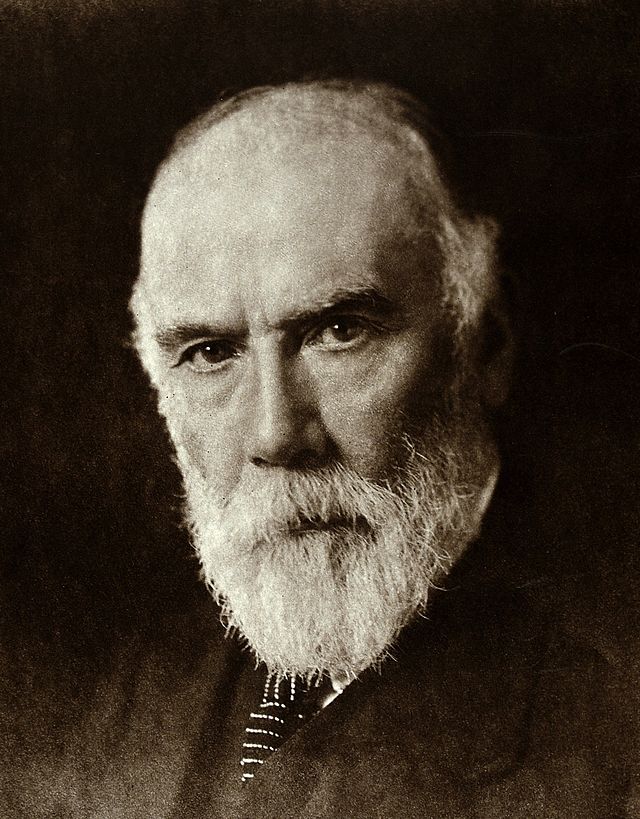
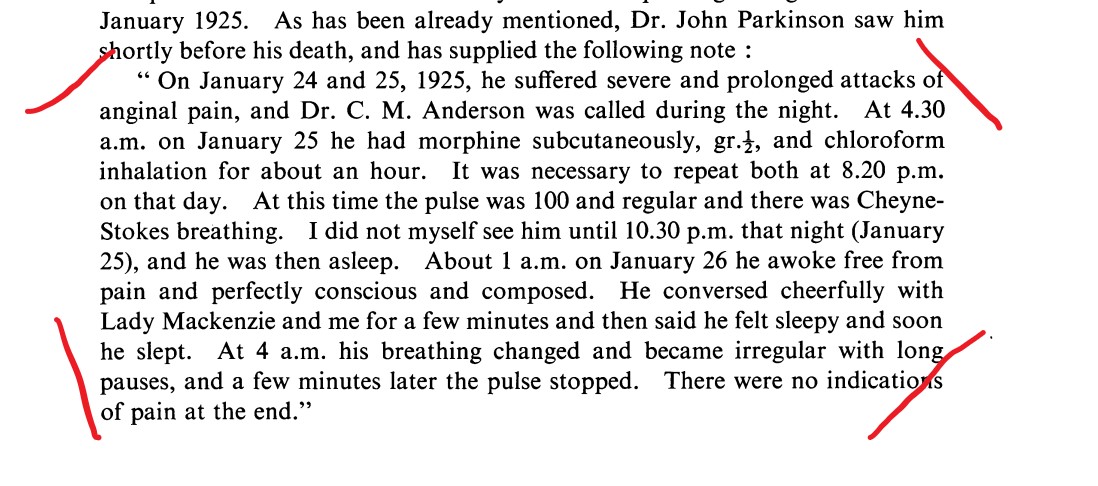
William Heberden first introduced the term angina to the medical community in 1772. His descriptions became immortal. Still, no one would ever know what was the angina-related artery, Heberden was alluding to.

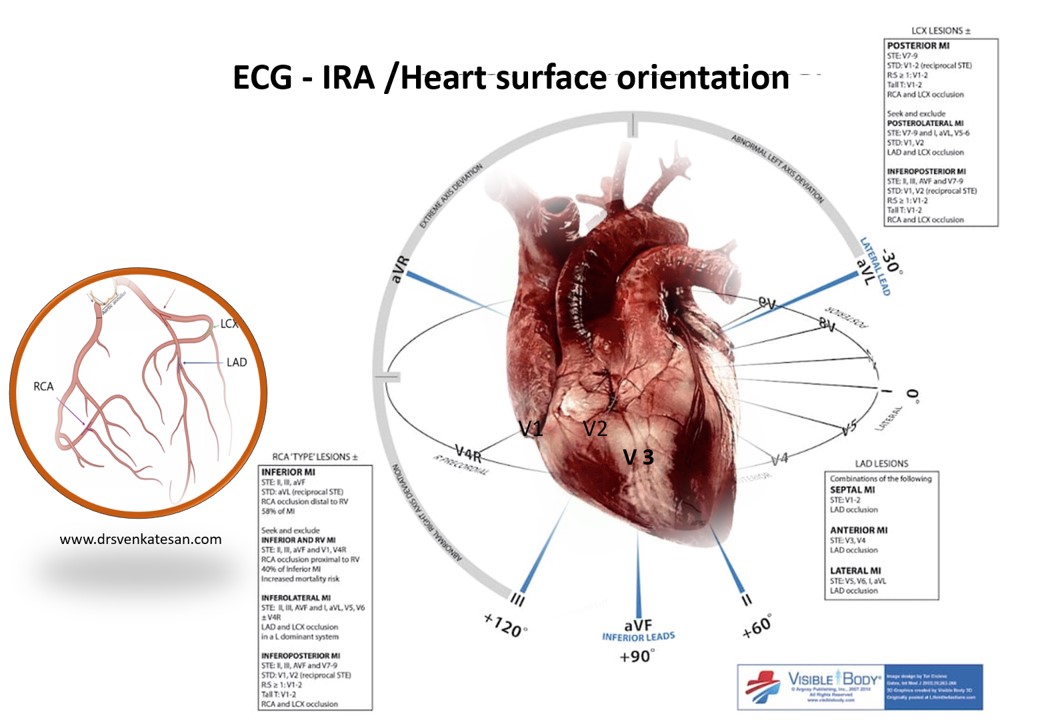
Now, some jobless cardiologist is asking this question after 200 years. How is angina from the LAD system differ from the RCA  system? or let me put it another way, How does angina of anterior circulation (LAD) differ from posterior circulation (RCA/LCX)? Though there is distinct hemodynamic profiling of RCAvs LAD ACS, surprisingly, cardiology literature does not answer the chest pain aspect of it. One rare study, done  4 decades ago throws some light

Here is a curious little study, with a simple & crisp conclusion.

chest pain and IRA localisation angina LAD angian RCA

It concludes, that LAD angina rarely radiates to JAW or epigastrium. While RCA angina relay radiates to the left shoulder.

So, why does this happen?

What I could guess is the ubiquitous vagal fibers that travel in the posterior aspect of the heart, and carries pain signal directly up to the jaw whenever these areas become ischemia. LAD is less likely to irritate the vagus. Of course, there can be a definite overlap.

OMG, give me some time to keep in touch with  basic science 

Now, fellows of cardiology, please take a  pause from your regular aggressive cardiac cath lab workouts and get a break at least once in a while. How does the ischemia of myocardial tissue generate pain? Why it is severe in some, trivial in others, and even dead silent in some, 

The chest pain genesis is initiated by sensory electrical neural action potential, that captures the epicardial neural plexus first, switching over from somatic to the visceral pathway and trespassing the para ganglionic plexus and traveling further to the spinal cord. Where it may collide with other incoming sensory signals ascends in specific myelinated and non-myelinated neural cables, reaching the brainstem, interacting with local nuclei, and finally reflecting on subcortical and cortical pain matching centers.  We haven’t yet located the exact center for anginal pain. (Perithalmic and amygdala could be closer to real centers) 

So, it is a really complex sensory world yet to be understood fully. Mind you, I haven’t touched upon the neurophysics of referred pain, linked or clandestine angina.

  • What is the effect of cardiac denervation, autonomic neuropathy, or on the perception of chest pain(Does a quadriplegic feel angina ? or post-transplant heart immune to angina ? (Gallego Page JC,Rev Esp Cardiol. 2001) 
  • Is it biochemical or neural, can substance P in blood cause pain hitting the amygdala? 
  • Will hypoglycemia and anemia cause angina due to lack of glucose and oxygen?
  • Finally, how is Infarct pain is different from ischemic pain (Ischemic)

Where do get the answer to these questions?

This paper from Dr. Robert Formean(Ref 2) university of Oklahoma is just the best source I think, to explore and understand the topic. (Reading time 60 minutes: Let me tell you, it is worth more than a time spent on an insignificant angioplasty of painless PDA lesions)

Final message 

So, what have you learned from this post? Does this question about angina matter at all? Surely not. in this space-age cardiac care where we are right inside the coronary even before we listen to the patient’s complaint properly. We are always at liberty to do what we want( or love) to do. But, the urge to understand the foundations of clinical science is the last remaining hope, that will keep the specialty of cardiology enchanting. 

Reference
 
 
A comprehensive reference for the genesis and signal processing  of chest pain 


This graph is a rare treasure in CAD therapeutics (fished out from a huge, often conflicting chronic CAD literature) that elegantly shows us the complexities involved in the revascularization of ischemic hearts with risks and benefits criss-cross each other. Our job is to identify, that critical point in a given patient’s CAD timeline for optimal management. To make things difficult, this point is a moving target and makes this delicate clinical exercise truly complicated.

It conveys a simple message in strong terms. It says the inflection point is around 10-15%. When the total ischemic areas are beyond this the benefits increase and when it is less there is sure shot harm.

Now comes the tough part. How best we can identify and quantify the true area of ischemia?

There is no such thing called coronary mathematics. Even if we try to make out one, vascular biology will giggle at us. Still, we have no other option but to go for sophisticated imaging modalities. Stress Echo, Nuclear Imaging, Scar imaging, MRI, PET, quantify total ischemic burden, plot it with corresponding coronary anatomical zones for a potential correction.

What this curve does not convey is the complex interplay between Ischemia vs symptoms. Ischemic myocytes have so many invisible tricks to adopt themselves. Should I go after the burden of Ischemia (Often Imaginary) or the burden of symptoms? Despite the lack of benefit in most trials on CTO in hard endpoints, it is yet to rectify the thinking patterns of many elite evidence-based cardiologists.

Final message

However, It will be an unpardonable act of omission if we miss or fail to offer the benefit of opening a critical LAD disease that has troublesome symptoms.

“Publish or perish “

This sound bite is regularly uttered by all academic leads in any university or medical school. I don’t know, why this bothers me. Looking back, many of our mentors & professors never had any great publications. Still, they were extraordinary teachers and wonderful clinicians with great wisdom. They created generations of high-quality doctors who are present all over the globe now. Is scientific publication that important in a doctor’s life? After pondering for quite some time, got a hazy answer to that query in one of my sleepless early morning academic dreams.

Hippocrates was one of the applicants for the post of professor of medicine at Harvard medical school.His application was rejected for a dismally low H index. The reluctant father of medicine tried to impress the authorities, by telling them that his experience was vast and used to teach medicine 2000 years ago, well before their country USA was discovered. The father of medicine almost begged to reconsider their decision.The miffed Harvard academic office ridiculed the old man and insisted nothing will work, except a minimum H index of  50 or atleast 10 papers as first author in a peer reviewed high Impact  factor journal. A dejected Hippocrates returned to Kos islands and asked his new generation fellows, what is this H index and Impact  factor stuff ? His students were worried about their guru’s ignorance. They some how convinced the greatest ever medical teacher to urgently subscribe for a platinum membership of a premium medical authourship services located in the Boston suburb and fixed a 30 day deadline for his first manuscript.

(What is this H index ?)  Why is it so popular?)    Ref : J. E. Hirsch  An index to quantify an individual’s scientific research output

Off to Kos Islands 

Now, let us travel back in time,2000 years ago to this picturesque nation, Kos islands in the Aegean sea,. This is where Hippocrates taught lessons under his favorite tree. No teaching apps, No 4k audiovisuals, The humble noise from within his lips became great wisdom thoughts. All that students had were set of ears to hear him. Hippocrates became the celebrated father of medicine for two reasons. He was the first to dispute the then-prevailing thoughts about human health and disease. He first proposed for every illness there is a hidden reason ie the beginning scientific basis. He insisted and negated the idea that diseases are bestowed upon by evil forces and spirits. The second one is more important. He realized knowledge, skill, and power are a deadly mix for the healing industry if they lack responsibility. He foresaw non-academic factors that will try to challenge the integrity of medical professionals and the health care delivery systems. It is astonishing to note how he could predict this 2000 years ago and wrote the behavior code for medical professionals which has become immortal.

How to grade the quality of medical professionals?

Scientific publication is just one of the indices of quality assessment for medical professionals. Grading them based on a few manufactured rating systems is beginning to look like an academic comical. There are many more visible and invisible, quantifiable and non-quantifiable quality assessment parameters that deserve attention.

Research  & Innovations are indeed the pivotal pillars that take us to newer frontiers of medicine. But, It is explicitly clear now, the prime purpose of research is definitely not aimed at the growth of science. It is more of a survival tool, intertwined with commerce, status symbol, pride, peer pressure, self-esteem, rivalry, or just a filler for CV. 

Final message 

Blanket statements like Publish or perish at any cost could be a dangerous doctrine to adopt in medical education which is essentially about healing and caring (& whenever possible, curing). In one sense, medical teaching is little to do with research. Many of the great professors in our country never published a single paper. Unfortunately, research and teaching have been made to look inseparable. Beware, history has repeatedly taught us medical professionals need not be hyper-intelligent. They need to be just wise, men /women of integrity, enriched with sincerity, righteousness. Proper consumption of knowledge is much more important than the creation of it. Let us hope the future will be at least as perfect as the past. 

Postamble

My  H index stands at 15, I must confess I am confused a lot. Should I bother for more, or be just be happy to reach the H index of our mentor and father of medicine, which is numero Zero, and propagate his work. 

Reference 

Grzegorz Kreiner The Slavery of the h-index—Measuring the Unmeasurable..Front. Hum. Neurosci., 02 November 2016

2.Academic excellence does not always require publication  Ernest L Boyer argued in his 1990 book, Scholarship Reconsidered: Priorities for the professoriate,(BoyerScholarshipReconsidered)

3.Too much academic research is being published https://www.universityworldnews.com/post.php?story=20180905095203579 


A path-breaking research is coming up from Jhon Paulson school of engineering, Harvard.

It is all about a tiny lab-made bio-hybrid fish that is mechanically engineered with cardiac stem cells. It can generate enough mechanical force that can transform into a biological organ (or assistance)to the heart. Early lab experiments are exciting. We will soon see a stem cell-enriched bio-fish that will dance to the tunes of the cardiac cycle.

(See the video below) 

Final message

Will it become real? or a just a grandeur thought?

We have just done Xeno heart transplantation and the mechanistic possibility of a fully functional total artificial heart is always there. Now, let us look forward to this bio-hybrid organism*  that will break the ultimate barrier in the biomechanical support for failing hearts.

Reference

*Biohybrid organisms, are devices containing biological components.

KEEL YONG LEE ,SUNG-JIN PARK , DAVID G. MATTHEWS et al  An autonomously swimming biohybrid fish designed with human cardiac biophysics SCIENCE • 10 Feb 2022 • Vol 375Issue 6581 • pp. 639-647 


Spanish flu battered our planet in 1918. How did we overcome that? (Did we really do anything ?) About fifty million lives were lost. At that time, we didn’t even know, cells had a fully functional nucleus, forget about the DNA & RNAs. Spanish flu was tackled only with our primitive understanding of microbes, cells, and immunity. Masks and common sense were the weapons.

Now, one century later the next pandemic is In. It is an advanced medical world out there.100 Noble prizes have been won for medicine since then. We do the whole-genome map of not only human cellular DNA but also for the viral particles.

A recent paper on this topic. 

How effective is modern science in controlling the current pandemic ? 

We did wonders saving thousand of life with the help of critical care units. Some precious (elite)lives were saved by ECMO, Even lung transplants saved a few lives. We mastered the art of creating RNA interrupting biologicals. Even as we reap the benefits of stunning discoveries of science, we have equally misbehaved with it and largely undid whatever we should have achieved. We lost more lives due to a lack of simple measures. excess of futile measures, manic dependence on diagnostics.

Where did we collectively lose our sense and decide to chase multiple variants with a full genome mapping on a global scale? Who decided to call the viral variants attractive names and give larger-than-life images to amplify the panic? Even after getting a final vaccine solution, why the World is denied sharing the benefits in an equitable manner. 

There is no meaningful evidence that extensive  RTPCR,  antigen, or antibody testing has impacted this pandemic in a significant way. Testing is meant before the onset of community spread or if there is a specific treatment for the disease. How do we explain countries with maximum testing, maximum vaccine coverage, maximum booster dose had a maximum recurrence and damage?

Final message 

Science is sacred & Godly if only, its creator’s Intentions are pure. The risk-benefit ratio of modern science, (Rather, the way we understand and assimilate it ) in tackling this pandemic is threatening to tilt in an adverse fashion. Definitely, WHO must realize this. Let us go back and read the foundational lessons of clinical epidemiology and pandemic handling. I felt awkward to write this post but truths are rarely sweet.

This article  by Dr. Anand Krishnan, Professor of  community medicine, AIIMS New Delhi, has some enlightening content

https://timesofindia.indiatimes.com/india/whys-pandemic-policymaking-still-short-of-science/articleshow/88650912.cms

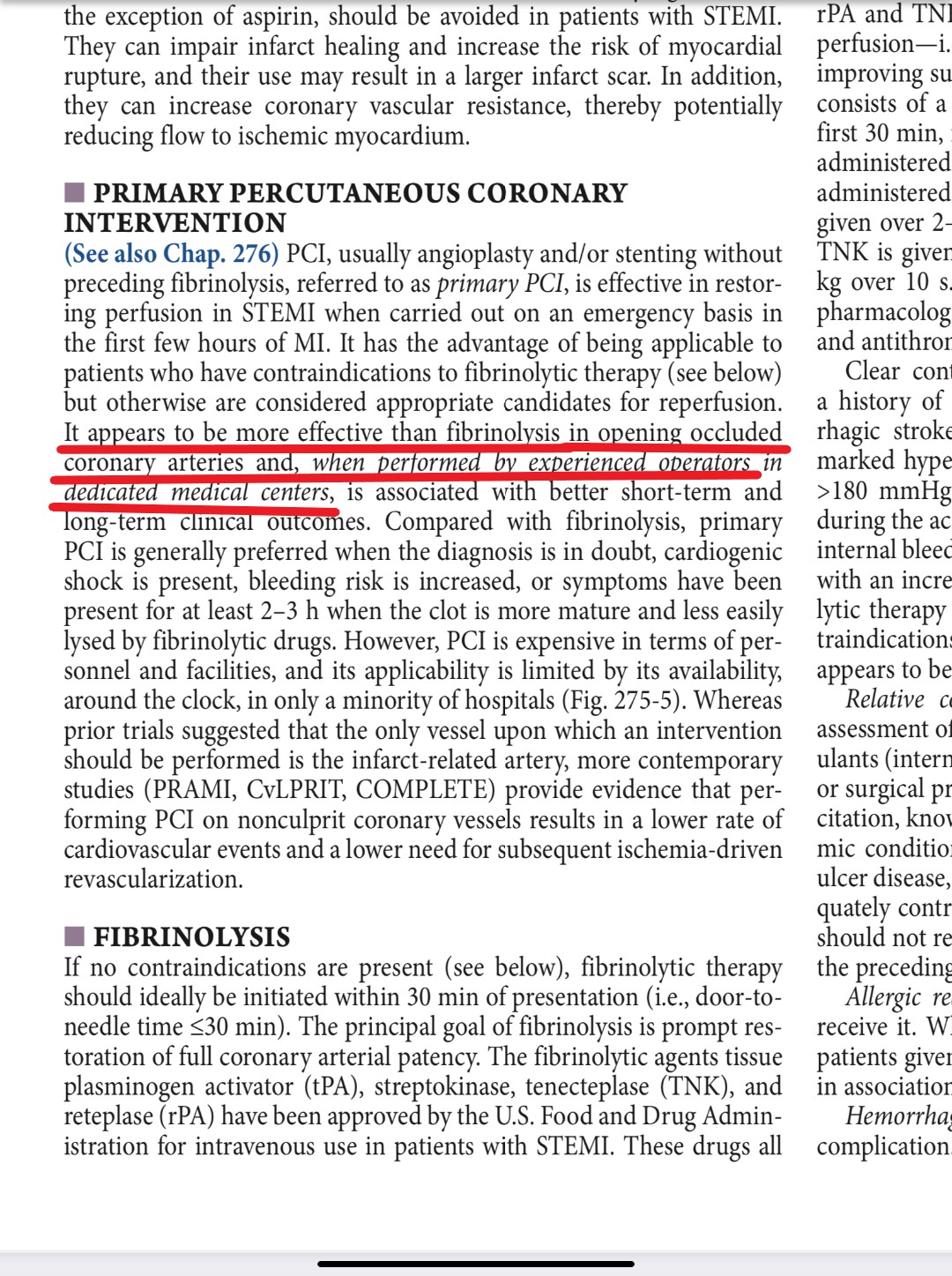
“We have a 24/7 cath lab with an open door policy. Our cardiologist arrives at 15 minutes’ notice. Door to balloon time is less than 60-90 minutes”, 

“Great, so, you can always offer a successful treatment for STEMI”

“No, that we can never guarantee.” 

 “Oh, It Is not the answer, I  expected”

“I agree, it sounds disappointing, but. truths are less pleasing. What I am trying to say is, there are a number of factors other than the availability of a grand cath lab and agile and effortless hands, that try to reperfuse the myocardium in distress.  I agree, we do save lives occasionally in a dramatic fashion. Recently we resuscitated an almost dead man with CPR and ECMO-guided PCI. But, most times it turns out to be just a customary ritual that takes us to the legal and therapeutic  endpoint* of STEMI management”

*Both salvage & non-salvage

“I didn’t get you, Can you explain further?

See this curve and try to understand it yourself. (I would say, this is the ultimate curve to understand in the entire field of coronary care)

Can you guess what will be the outcome for C to B, or B to A ?  In the real world, a substantial number of interventions take place at an Invisible point E beyond A  Source: Gersh BJ, Stone GW, White HD, Holmes DR Jr. Pharmacological facilitation of primary percutaneous coronary intervention for acute myocardial infarction: is the slope of the curve the shape of the future? JAMA. 2005;293:979–86

“It needs both. obviously”.

“Which is difficult? Innovation or regulation?

The answer is easy, am I right?

“If we are not able to regulate science …what is the purpose of magnificent Inventions & Innovations?”

“Who will take the responsibility for all motivated false research and resultant adversaries? 

Final message

Is shutting down (or grossly down-regulating ) research an option?

Foolish option…but

  • Who Initiated, funded, and masterminded the gain in function experiment with the innocent RNA viruses which were happily enjoying their nucleic acid life, along with the friendly bats in the wild forests, far away from human infestation?
  • Who ordered to hijack them to (in)human labs and hurt the sleeping viruses with sharp molecular knives to earn its violent wrath?

The New England Journal of Medicine (NEJM) the premier journal in medicine originated two centuries ago, in 1811, when  John Collins Warren, a Boston physician, along with James Jackson, submitted a formal prospectus to establish the New England Journal of Medicine and Surgery and Collateral Branches of Science as a medical and philosophical journal. 

Subsequently, the Massachusetts Medical Society (MMS) purchased the Journal for US$1 and, in 1928, renamed it to The New England Journal of Medicine.

NEJM’s New Journey

It is 2022, after 200 years of providing explosive knowledge in medical science, MMS  starts a new journal, fresh and bold. It is called NEJM Evidence. Can you guess, what is the need for such a journal now? I think the most battered word in science in current times is probably “ evidence”.  It has a unique character of appearing most sacred as well as scandalous at the same time.

NEJM has remained the torchbearer of almost all advances in the medical field seen in the last two centuries.  It is heartening to note the newborn is named as NEJM evidence. It has come at a critical juncture. I am sure, everyone will acknowledge that we are at difficult crossroads. Overwhelmed with unregulated scientific discoveries and publications, struggling to deal with self-inflicted knowledge pandemic. In the process, we have lost “not only” the ability to ignore trivial health issues “but also” failed to provide simple, cost-effective care to the real patients who desperately need it.

Let us hope, (& wish,) NEJM’s new prodigy will guide medical science towards a successful, meaningful, and ethically fulfilling journey for mankind. Meanwhile, let us pray for every medical scientist to be blessed with the required strength and courage to steer in the right direction, weeding off both academic and non-academic contaminants.


What is in store for the future of cardiology as of 2022?

Here is one of the rare lectures (A grand rounds by Houston Methodist)  by legendary cardiologist Dr. Euegne Braunwald who shares his wisdom, vision, and research and finally his advice for the generation next cardiologist.


For those, who are short of time to listen to the father of modern-day cardiology, let me share a preview. The talk is divided into 6 subsets.

  1. Polygenic risk score (PRS)  Dr. Braunwald talks about how genetic risk profiling and risk factor interaction will help us identify susceptible populations. Here, he stresses also the importance of clinical risk assessment.
  2. Primordial prevention of CAD: 
  3. Anti-lipid strategies: He introduces a new concept of  Cumulative LDL score &  CHD threshold.  Dr. Braunwald argues rigorous lipid control should go beyond statins and suggest once a year Injection Inclisiran(Small interfering RNA that prevents PCSK synthesis) will reset the lipids levels by 40% and prolong life by 30 years.
  4. Anti -Inflammatory strategies: He reminds us Atherosclerosis is equally an inflammatory disease and new anti-inflammatory drugs like Canakinumab’s role could be vital.
  5. Artificial Intelligence: Will be the guiding force in the future of preventive cardiology, as well as treatment. He tells us predicting Atrial fibrillation and even LV function from the resting ECG is possible.
  6. Clonal hematopoiesis independent potential (CHIP) is a new risk factor by somatic mutations in leukocytes that accelerate atherosclerosis proven by canonical risk predicting models

    It was a great one hour to spend on a Sunday, under Covid Lockdown.  However, It was a surprise, the biggest Innovation in cardiology in the last century, PCI, and other exotic coronary and noncoronary interventions could not find a place in his one-hour lecture. I think there is a hidden message here. 

He signs off with some important advice for the generation next cardiologist.

Thanks, Methodist for bringing  this to us.


Here is a case report from Dr. Brugada’s group. What is your diagnosis?

Source & Courtesy Sergio Richter, Joseph Brugada et all , 100(1), 154–156. doi:10.1016/j.amjcard.2007.02.067

Whoever diagnosed AF in the above ECG need not feel bad. The rhythm is not AF, though it mimics very closely. In cardiology, especially in electrophysiology, we can get surprises on a daily basis. (Read below)

Why the ventricular rate is irregular in AF?

Atrial fibrillation (AF)  may sound like a  simple clinical arrhythmia until we ask this delicate question. The traditional and fairly accepted answer is that, AV node with all its collective decremental property filters the incoming atrial impulses (Which varies 400-600/mt) in a random fashion and allows only about 1/3rd of impulses. So, technically it is  AV block of various degrees that makes the ventricular response irregular.

Any other explanation possible?

How about AV node playing out a silent game with Atria, deciding to block everything and start its own fast escape rhythm, rather than leaking out selectively atrial impulses. Some think this is fictional, some others feel it can be real too. When this happens it can be referred to as irregular junctional tachycardia or AF with varying AV blocks. It has been tough, to prove it is only the atrial impulses penetrating through the AV node complex and exiting on the ventricular side unscathed?

Understanding AV node is not easy 

AV node morphology and function still remain a mystery.( Katritsis DG.  Arrhythm Electrophysiol Rev. 2020)The AV node shows huge variation in its size, shape, orientation with LV long axis and AV plane in short axis. The approach to slow pathways with multiple inferior nodal extensions makes a dual (or even poly ) AV pathway in any human being real. How common is dualism or multilateralism within the AV node in the general population? (More than 30-40 % ?) . Let us also mind the traffic in this busy & complex AV flyover can change on a moment-to-moment basis based on neurohormonal and autonomic tone.

Any tachycardia can become irregular if the AV node wishes so !

Though rare ,multiple physiological splits in the AV node make it possible for a single atrial impulse can generate 2 or 3, even more, ventricular impulses. (1: 2 or 3  AV conduction) Since these pathways are dynamic they can make the ventricular response irregular as well (Unlike the regularly coupled Echo beats in classical AVNRT substrate ). Hence, any supraventricular tachycardia can masquerade as AF if AV nodal pathways decide to split and share the impulses this way. It is also interesting to note there has been a documented link between AVNRT and AF (.Ref 2) . Also, adenosine-induced AF is known (James E. Ip et al Circulation: Arrhythmia and Electrophysiology. 2013;6:e34–e37)

Final message

Irregular RR interval with absent/or invisible P waves is not always AF. It can be due to the aberrant behavior of the AV node.( anatomical or functional) It is termed Pseudo Atrial fibrillation as in the above case report. Why do we need to be aware of this entity? We need to be cautious, as any overzealous efforts to ablate the pulmonary veins in such patients will go in vain.

Reference

1.Sergio Richter; Antonio Berruezo; Lluis Mont; Tim Boussy; Andrea Sarkozy; Pedro Brugada; Josep Brugada (2007). Pseudo–Atrial Fibrillation, Rare Manifestation of Multiple Anterograde Atrioventricular Nodal Pathways. , 100(1), 154–156. doi:10.1016/j.amjcard.2007.02.067 

2.Schernthaner C, Danmayr F, Strohmer B. Coexistence of atrioventricular nodal reentrant tachycardia with other forms of arrhythmias. Med Princ Pract. 2014;23(6):543-50. doi: 10.1159/000365418. Epub 2014 Sep 3. PMID: 25196716; PMCID: PMC5586929.