Heart disease in pregnancy is the third important cause for maternal mortality in most part of the world. (Apart from Bleeding, Infection and obstetrical complications) We know pregnancy is hemodynamic stress test for any mother and obviously it is a challenge in a compromised heart. Most heart disease encountered are mild and the mother has natural capability to walk through the pregnancy. It is the high risk subset that pose a real challenge. It is surprising ,even in the high risk, most women touch the finish line. The MMR review committee from USA has come out with clear data about the time line of mortality in various heart disease*.In this comprehensive analysis , the fact that 88% of mortality occur after delivery is too striking and is to be considered a core concept around which cardiac care of pregnant women should be addressed.
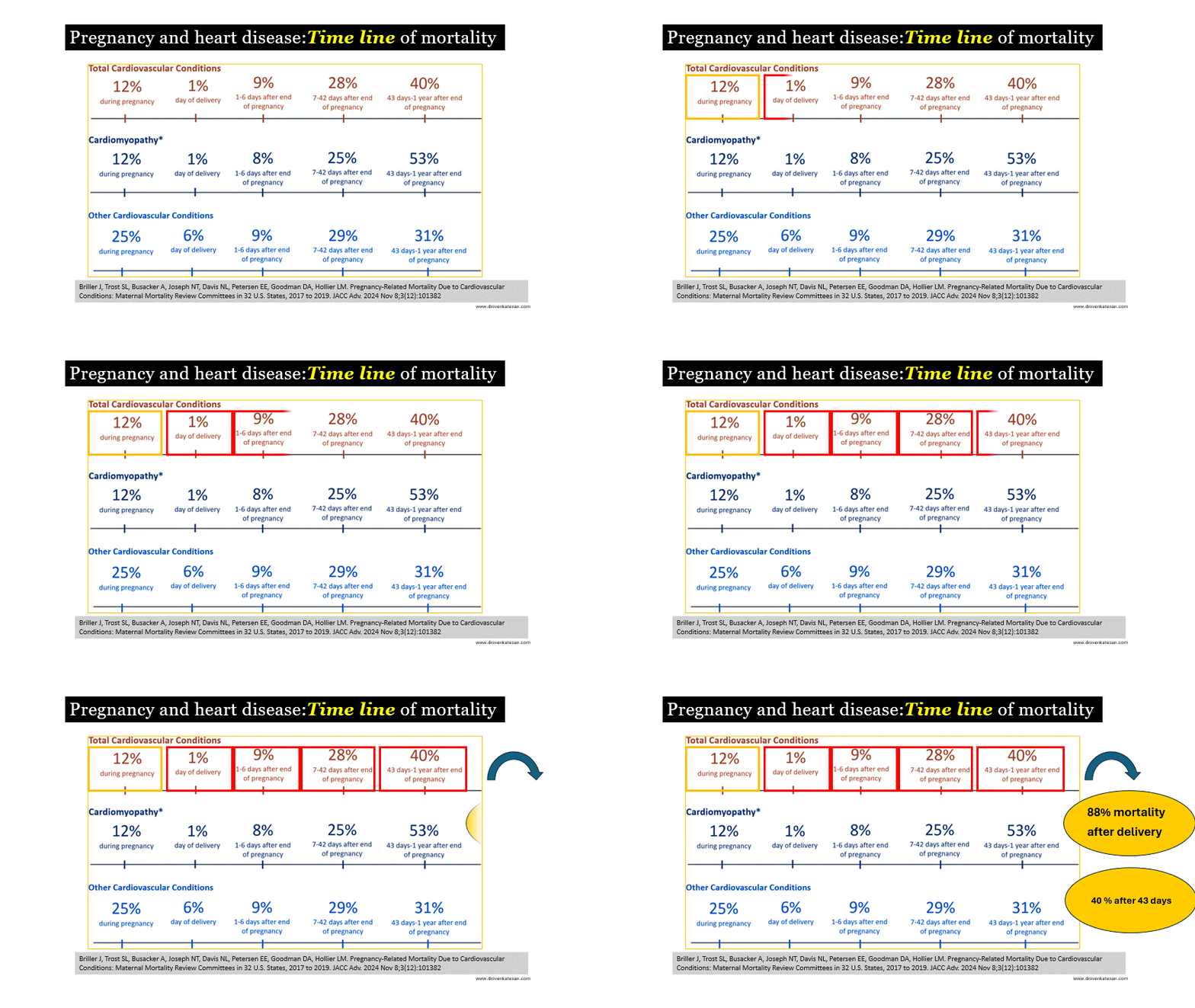
The figure shows the percentage of pregnancy-related deaths with an MMRC-identified underlying cause of death of cardiovascular conditions at 5 time periods from pregnancy to 1-year postpartum.(Ref 1) Note : The percentages are displayed for total cardiovascular conditions, and then for cardiomyopathy and other cardiovascular conditions individually. Percentages might not sum to 100 because of rounding.
Why this data is important ?
Though the peak hemodynamic stress happens around 24-28 weeks, it is the post partum period after the baby is out is very critical. In fact, nearly 40 to 50 % event happen up to one year. Some of them doesn’t even come under the definition of maternal mortality.
Is there any thing we can do during pregnancy , that can mitigate the post partum events?
Also, this delayed events give us a window of opportunity to act on these adversity.Postpartum care for patients with heart disease, including PIH, should be provided in a specialized unit at major hospitals that manage a high volume of pregnancies.
Reference
Postamble
*We are not yet clear , whether PIH(Gestational HT) related cardio- vascular complications to be included in the heart disease basket. Logically and scientifically it should.




