Feeds:
Posts
Comments

Archive for the ‘Clinical cardiology’ Category

Spinal cord is a busy  neurological  highway to brain .It  runs  24/7  non stop  with unlimited  horizontal and vertical lanes .It is such a compact  structure , it can  easily  get confounded   when multiple signals converge,  diverge, summate , deduct , reflect back,   or cancel out .
A 64 year old women came to me for  second opinion  regarding   chest pain . A  cardiologist  had  just adviced her  an  emergency   coronary  angiogram and also suggested she may require an  urgent  PCI  as well .
I listened to her history in my office  . . .  In  her own words .
Doctor , I am  getting  sudden   compressing  type of  pain which  starts in the centre of the chest and soon transmits to the left shoulder and  gradually reach the inner aspect of the hand up to the little finger . And occasionally it is very severe and some times i feel like sweating as well ! I am unable to predict when it comes doctor !
It was  so convincing  but one  feature was  not fitting In . She said , she used to walk  daily   and do all house hold work with no pain . She also  recalled about the  acid peptic disease , and neck pain periodically due to cervical spine problem.
Her resting ECG was normal .She was  afraid to do a stress test . After thinking  for a minute , I had no  other option  but  to endorse  my colleague’s view and asked her  to go for coronary angiogram .
One  thing I  suggested differently was , I told her it was not an  emergency , I also  conveyed my gut feeling  that it is unlikely to cardiac  pain . One week  later  CAG through radial route  was done . Both of  us were  happy  to find a  normal  coronary  angiogram !

Final message

Pain is a  feeling . It can be  perceived  at  multiple levels  . The site of origin , spill over on transit and at the level of brain .  A patient with multiple  potential source for pain can either summate , deduct , reflect  or cancel out .This can confuse the clinician in a dramatic fashion as it did to us ! . To complicate the matters  further , gastric pain can trigger a cervical  pain and vice versa . (Spill over effect)

Read Full Post »

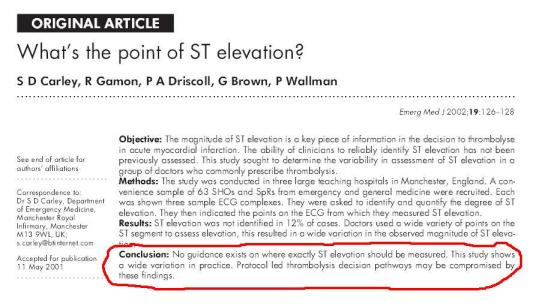
ST segment elevation is the key parameter on which the fate of millions of infarct patients are recognised and managed. It is ironical we do not have standardised reference point for measuring the quantum of SR elevation .

This is especially difficult when ST segment blends with forward limb of T waves.

While we have reference point for measuring  ST depression  (Like during EST ). . . why we do not have one for ST elevation ?

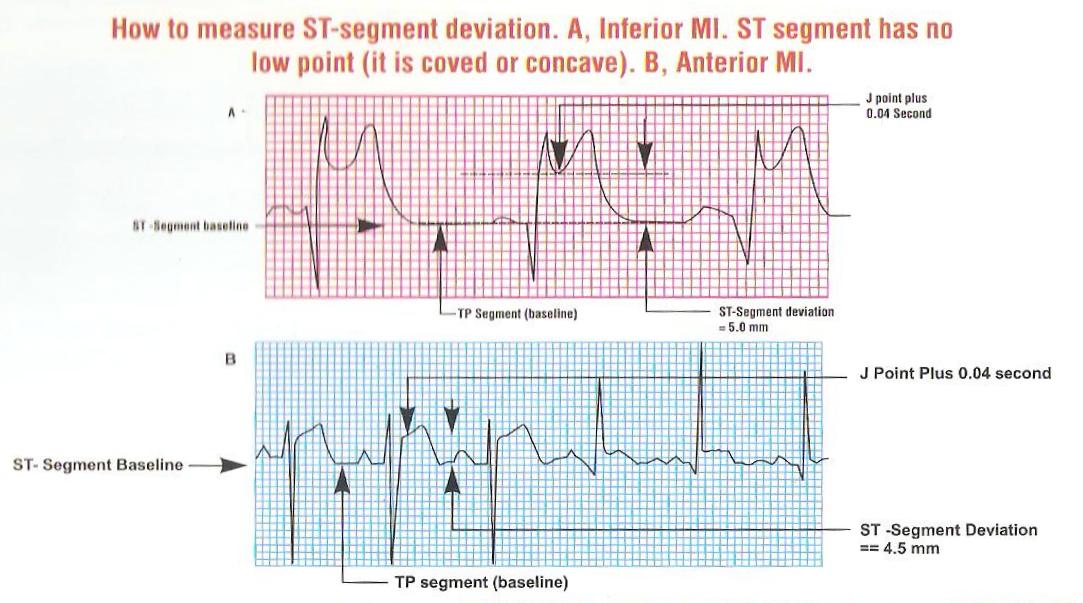
Now we have adopted a rough criteria .Read below .

where will you measure st segment

How to measure ST elevation in ECG
How to measure ?
Measure The ST segment 40 ms from J point.
how to measure ST  elevation in STEMI 2
                        I lost track the source of this Image .(STEMI hand book 2012 ?)
Final message
ST segment  elevation  is  the key parameter in ACS.  Quantifying  it becomes  important in  assessing  the efficacy of reperfusion strategies and risk stratification. Fresh ST elevation can represent pericarditis, reinfarction or an early dyskinetic  segment . Unless we have  proper reference point there is  a room  for  error in this simple parameter.

Read Full Post »

Q waves are  neither  sacred  nor sinister waves . It represents   either of the  following .

  1. Electrical activity that goes away from the recording electrode.
  2. Or whenever there is a  electrical insulation or hurdle that interrupts the flow  of current  towards the electrode ( and if it is sustained )  it  can result in q waves (Minor interruption produces  a notch or  slurs . Please note a major slur becomes a q wave equivalent  )

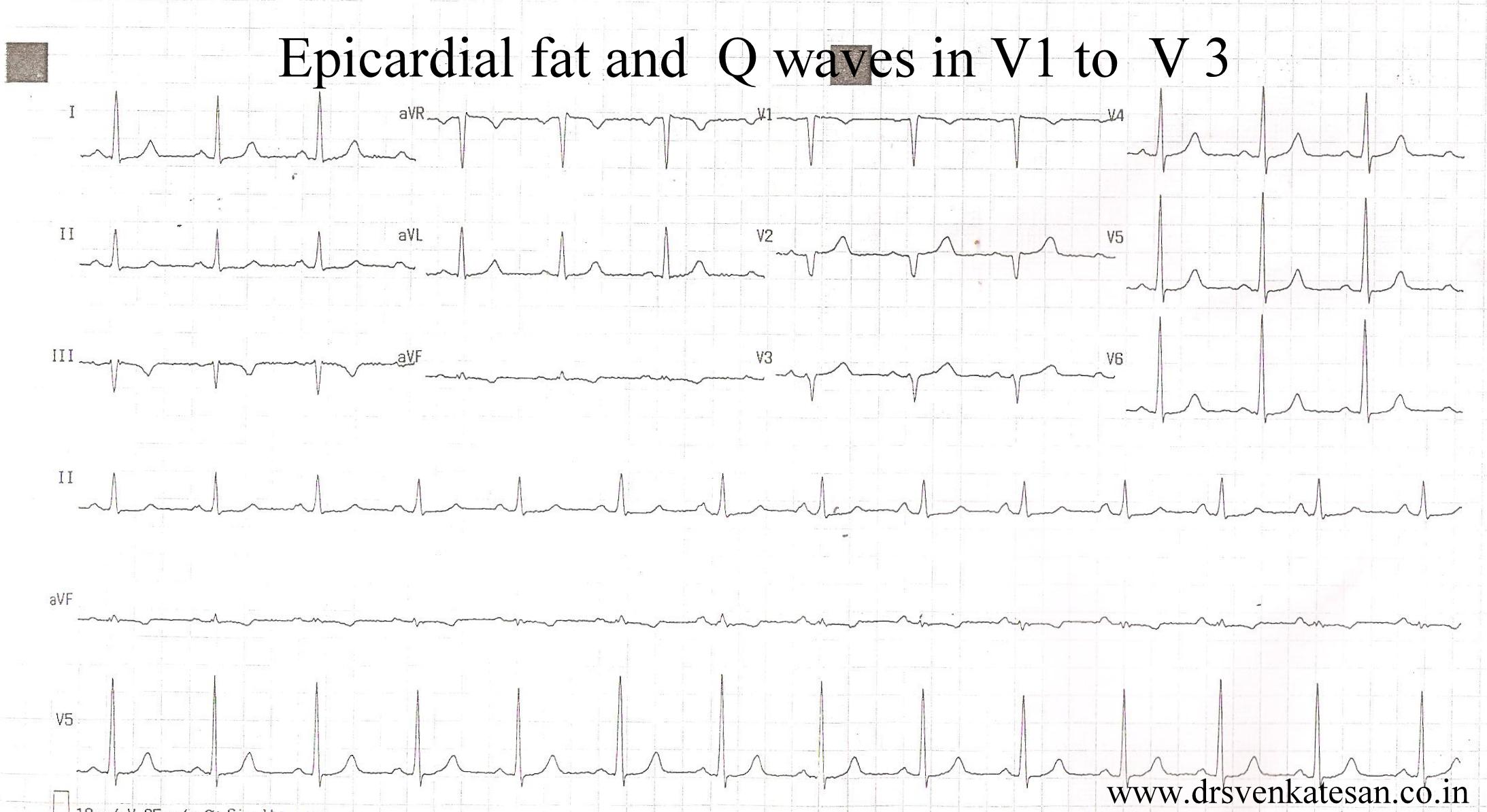
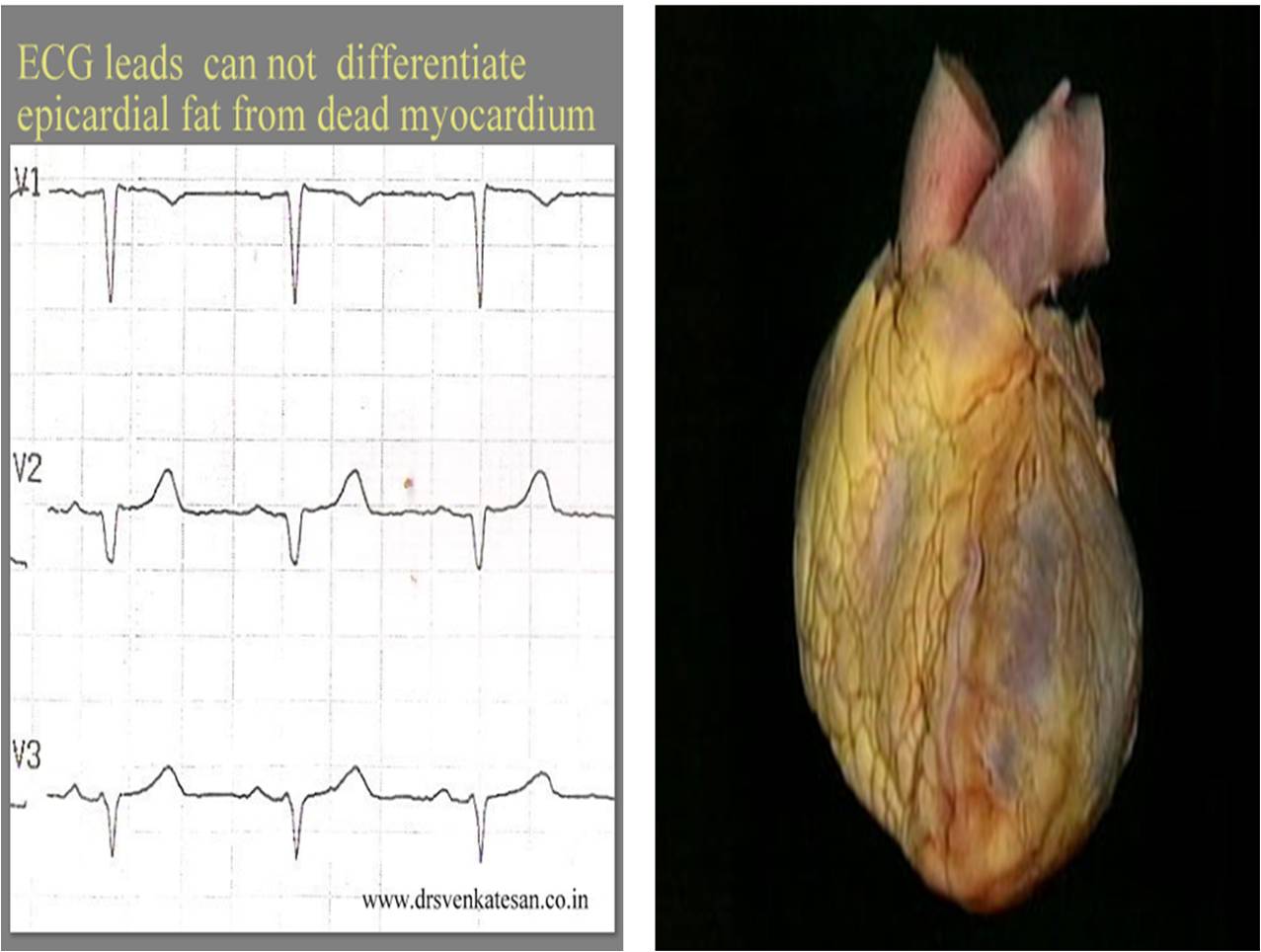
Here is young women of 42 years with  a diagnosis of  old  anterior MI for   over 5 years ( Getting a dedicated care from a cardiologist!  The prescription included Imdur/Betaloc/ Statin/Clopidogrel and Aspirin )

This was the ECG . It was very convincing for  old ASMI.

epicardial fat and poor r wave in v 1 v 2 v3 q  waves

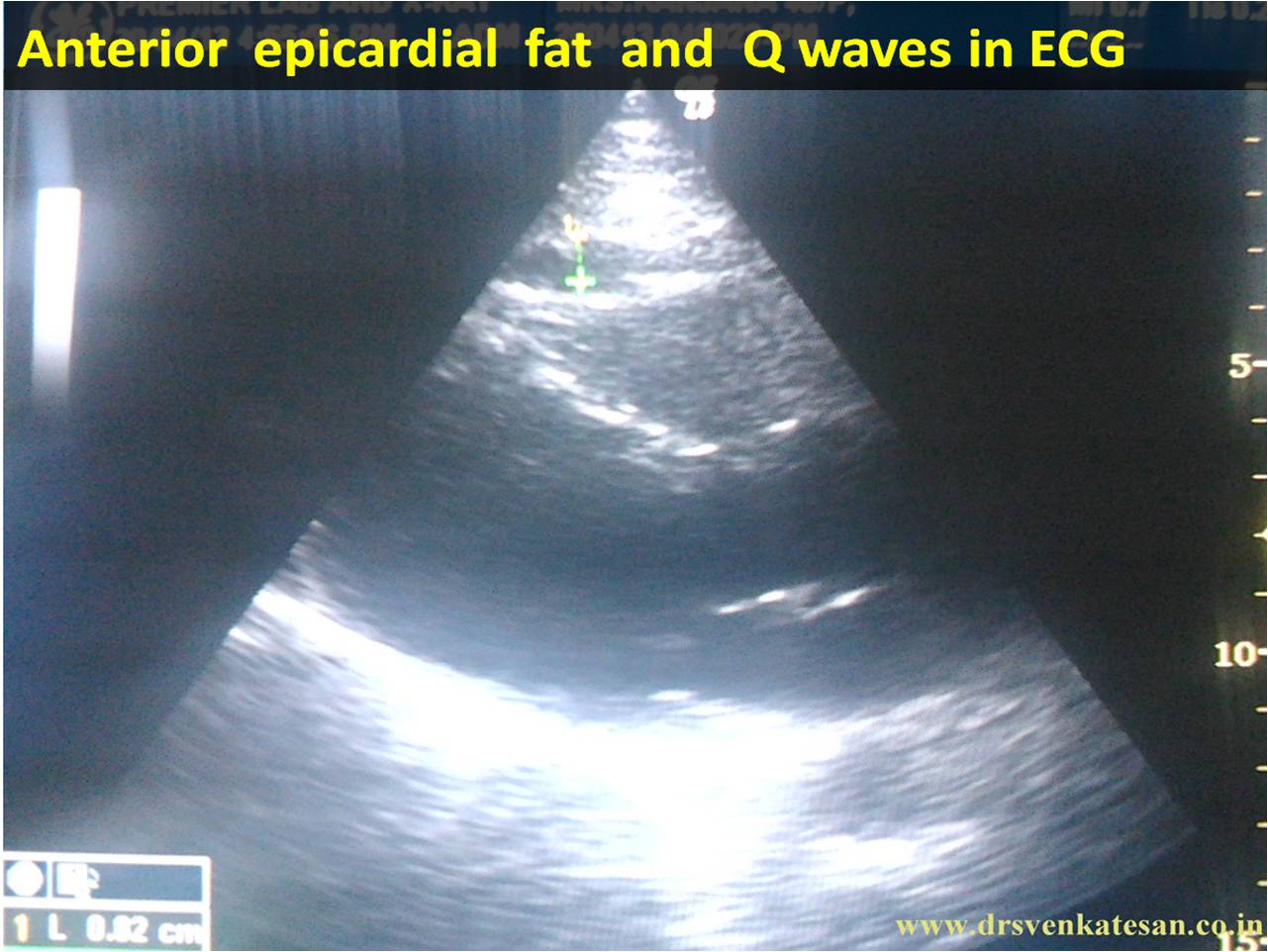
It  happened ,  I did an echo for her .

epicardial fat and q waves in ecg pesudo infarct non infarct 2  q

She lacked wall motion defects even after a meticulous search .  Instead   she had a   good layer of epicardial fat measuring 9 mm .That was more localised in  anterior wall extending little to LV apex.Her EF 65 % .

*She was a  fairly obese (not gross )  individual with a BMI of 34 .The fat pad thickness was not that huge  , I thought , still it was producing the q waves . I  have seen much thicker fat pads with good R waves in ECG . I  wonder ,  is it the type of fat that adds up to electrical insulation ?

This patient was sent back to me  again  for ruling out ASMI .  Echo was  done  two weeks  later . No evidence for  ASMI  could be detected.

epicardial fat and q waves in ecg pesudo infarct non infarct fat 2  q

What is the normal thickness of epicardial fat pad ?

It is less than few mm . Exact normality is not known .(Empirically < 5mm ) it is very rare for fat deposition  in infero posterior aspect , except in morbid obesity.

What is the function of epicardial fat ?

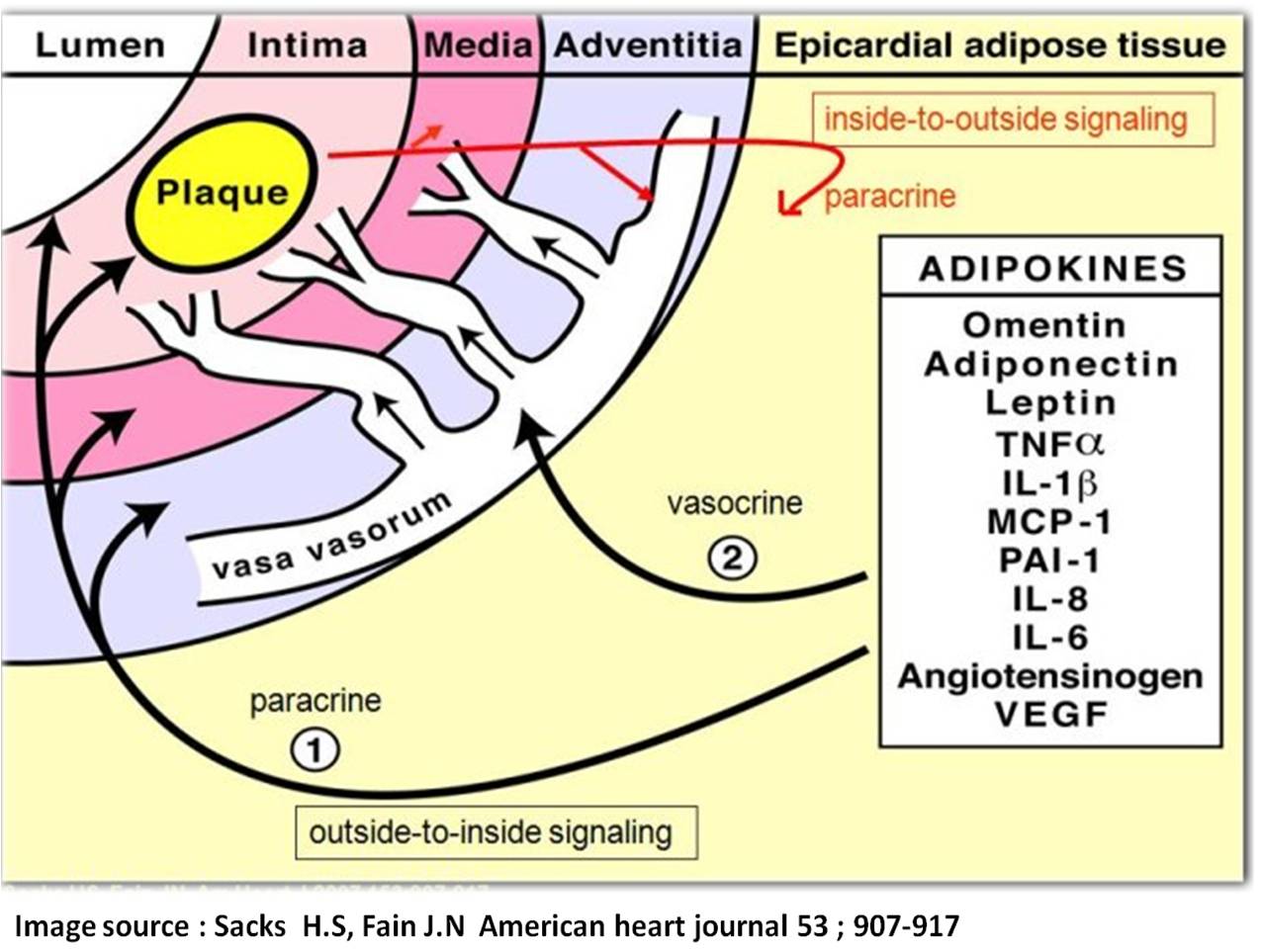
  • Long considered inert . Now , found to be a metabolically  active lipid pool.
  • We also know  heart  consumes more fatty acid than an other organs for moment to moment energy consumption .
  • Inflammatory mediator in atherosclerosis ?
  • It may also act as a mechanical cushion effect along with pericardium
  • Rarely fat infiltration can compress the heart and may result in restrictive  AV filling defects in doppler  .(May explain the unexpanded dyspnea  in many obese patients )
epicardial fat a dynamic depot athreosclerosis

Role of epicardial fat depot in the genesis of atherosclerosis

Subcutaneous vs  Epicardial fat.

We know thick chest wall can also interfere with ECG. Epicardial fat is more likely to record  q waves than  sub cutaneous fat ,  as the insulation is more closer to heart in epicardial fat . In thick chest wall current leaks from heart and  well scattered  hence  poor R wave is more common in such situations rather than q waves !

Following things can generate  q waves (Other than Infarct  )

  1. Fibrosis-Myocardial /Interstitial
  2. LVH
  3. Thickened pericardium
  4. Thick chest wall/ Epicardial fat
  5. Air/Fluid in pericardial space

Final message

In obese men and women  anterior Q wave can be  misleading .Such  medical errors can be so convincing .

After thought

If epicardial fat can  extinguish   R waves  and  replace it with  q waves  , these  innocuous  looking fat pads has every reason to  influence the ST segment shifts during  an episode  of ACS  as well !  .  Isn’t ?  . If so  . . . how reliable is  our ECG criterias  to diagnose  acute coronary syndromes  in grossly obese men and women ?

Read Full Post »


Those who answered  “Yes” ,  can leave this article . Those who answered  “No” read further .

* Logic would tell us myocardial revascularisation should correct  stress induced ischemia and it  should disappear promptly  . This does not happen in all cases  real world  ! That is  why medicine is  different  from mathematical science .

Some of the  reasons for  persistence of stress positivity even after an apparently successful PCI are  . . .

  1. Incomplete  correction of ischemia. (Ideally  to be referred as failed PCI )
  2. Error in Identifying culprit 9Angina related artery ) .Common feature of poorly worked up  multivessel CAD.
  3. Re-stenosis /Re-occlusion
  4. Doing very early stress test without giving time for revascularisation to work *
  5. Rapid progression of non culprit lesions .(Sub -optimal medical management )
  6. Chronic N0-Reflow phenomenon  surrounding  area of infarct .(Especially in  PCI of CTOs)
  7. Dyskinetic  or grossly remodeled ventricular segments  can result in non ischemic positive EST response (ST drag **)
  8. Associated systemic conditions especially  Anemia/ SHT & LVH -(False positive )
  9. Many diabetic patients may  continue to show stress ischemia due to  small vessel disease.
  10. A  patient with  syndrome X  characters  can have incidental  epicardial lesion as well . In such a patient EST will always be positive .

* Optimal time to do  EST  for assessing the  efficacy of  PCI/CABG is not established .Six months may be the reasonable point .If done within 2- 3 months it may  end  up  in embarrassment for the Interventionist . (So only it is kept at 6 months , this also help us  greatly  as  we can always blame it on poor life style control and progression of  the disease !)

** No reference  for this  , a  personal observation .We know  Q leads following MI ,  will show ST elevation during stress test especially if the segments are dyskinetic  . In leads diagonally opposite to q leads ,  ST depression is observed . This may not be  a evidence for true  ischemia . It probably represents   ST drag due to mechanical stretch .

Read Full Post »

Squatting is a simple physical  maneuver that can  be done in bed side.

  • Squatting  increases  systemic venous return.
  • Raises aortic after load and SVR

It is  ideal to do  “Stand -Squat -Stand” sequence to appreciate the attenuation during squatting and augmentation during standing

squatting dynamic auscultation mvps mitral valve prolapse

Hemodynamics

MVPS-MR is  a pre load (LV volume )  dependent phenomenon.The degree of prolapse is inversely proportional to the LV size.

Squatting increases the venous return and after load both tend to  increase the LV volume. More blood in the LV  , means mitral leaflet floats much closer to the  mitral annulus . Hence the  force of LV contractility is not only  less on the prolapsing  leaflet , it  reaches late ,  hence the click is delayed  and murmur is short (It may be less intense as well * )

(* Squatting increases aortic after load hence the murmur of MR  may  get amplified .)

Reference

Read Full Post »

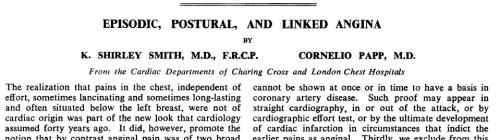
Dr Shirely Smith  from charring cross hospital London  wrote this masterpiece  in BMJ in the year 1962 . He was doing a research about the origin of angina like pain in patients who had  upper GI disease or disorders of cervical spine .He found a hidden invisible neural link between heart and it’s neighboring viscera. What he  referred it as linked angina . It links the  pain from ,Esophagus,  gall bladder ,  duodenum ,  cervical spine to the  heart .

This article I  consider as one of the  all time classics in  clinical cardiology . Here is the link for linked angina (Courtesy of BMJ)

linked angina atypical angina abdominal angina  shirley smith cornelio papp 2 bmj

linked angina atypical angina abdominal angina  shirley smith cornelio papp bmj

High lights ( Inferred )  from the  article

We know angina typically occurs on exertion .If it occurs at rest we call it as unstable angina .

Can it occur at rest other than unstable angina ?

Yes it can . ( Post prandial ,Nocturnal, emotional etc)

Can the  heart be the referral site for visceral pain ?

Yes .It seems so .

Can visceral pain be trigger for  developing true angina ?

Again possible . A Patient with documented CAD  develop  a true esophageal pain it is likely  to  induce a sensation of  angina  rather than abdominal pain .Similarly , cervical pain may represent a masked angina in a patient  with active cervical spondylitis .(Homing in of angina to the nearest non cardiac culprit )


Final message

Those were the times when the brain worked more than hands . Common sense prevailed over machine sense .This article argues for a  big debate about the origin of so called atypical angina in a patient with multiple common visceral conditions.Even 50 years later we have little clue  about alimentary -cardiac neural spill over !

Reference

http://www.bmj.com/highwire/filestream/276395/field_highwire_article_pdf/0/1425

Postamble

Today we live in a complex and confusing and commercial  medical world .We have atleast  a dozen chest  pain triaging protocols in ER . Still errors are  rampant. Errors are acceptable . . . but this one was an absolute  shocker  . . .  “I know a  patient with vague chest/epigastric  pain  , non specific T inversion ,  documented gall stones , landed in cath lab not by accident but  by meticulous planning !”

Read Full Post »

Surprises are hall-marks of medical science . The cardiologists do  get  it ,   in enough doses   from  echo  labs  on a regular basis !   . One such thing is  the total ECG-ECHO myocardial  territorial  mismatch following  a STEMI .  Human myocardial segments are divided by cardiologists  by 17 segments by echocardiogram . Long before  echo came into vogue ,  electro-cardiologists  divided the  heart electrically into three zones to  localise MI . (Anterior , inferior and  the  poorly defined entity  lateral walls* ) .Inferior and posterior  segments are  almost used interchangeably. So , when we have 17  echo  segments to be fit into these three electrical category !   were  bound to have  some overlap . The issues of fitting in septal segments is really complex as septum  is a three dimensionally engulfs all three electrical surface of the heart .

* By the way , anatomists  never agreed about existence of walls in heart.They simply said  , heart has smooth  surfaces that blends with one another.  We cardiologist have  built imaginary walls and struggling to come out it !

We will   try to answer the question that’s been asked here .  “Inferior MI”  by ECG   . . . “Anterior MI”  by  echocardiography . How common is that ?

Possible causes for this wrong call

Technical errors  in  acquiring echo  imaging plane  or  it’s interpretation is the commonest . Many  times  ,  obliquely obtained long axis view  wrongly and strongly  suggests  a septal  MI  instead of   inferior posterior MI. This is  because  in  apical 4  chamber view  bulk of   septum  (Basal and mid third )  lies   in the  infero-posterior region .

wall motion defect

Perhaps ,  misunderstanding this  septal  geography is  the  commonest cause for  erroneously  calling inferior MI as anterior  in echocardiography . (A simple clue is the presence of MR . (It  fixes the infarct in infero-posterior zone with 90% accuracy )

Rotation  and  posture of heart

Alignment of the septum to the rest of the chambers  can influence  , how three inferior leads is going to look  at the septum (There can be  considerable errors  -Electrical myopia ? as these leads are located distantly )  . The plane of the septum is such that  in horizontal hearts  septal electrical activity  will be directed infero posteriorly inscribing a q waves in inferior leads rather than anterior leads . One can expect such ECG /Echo discrepancy in the following subset as well

  • Post CABG patients (Any pericardiotomy will make the septal motion  erratic )
  • Obese persons
  • COPD

There are three  more  situations  ,  which   mystified me   with  definite  ECG/ECHO  mismatch

  1. LVH and STEMI  is always an engima . Counter clockwise rotation when accopany  LVH  that masks anterior MI  electrically . It  however inscribes a   q wave in inferior leads.
  2.  In dominant LCX lesions  ( with at-least  one  major OM    )  and  left main bifurcation  STEMIs  ,  combination of  anterior and inferior  wall motion defects are  quiet common . When a such  a  MI evolves ( with or without  revascularization )   regeneration of R wave can be  time shifted . Septal R wave may appear  much earlier and inferior R may follow or vice versa . .Further,  anterior MI  may  evolve as  Non q MI  making it  ECG blind ,   still  echo may pick up the WMA . So there can be important  ECG-ECHO mismatch in myocardial segmental geography .
  3. Further , WMA  need not  always be an  infarct  .Any new episode of ischemia  can result in WMA . Hence a patient  with inferior Q waves  in ECG may experience anterior wall motion defect meagerly  due to fresh episode of   ischemia (This we should not attribute  to  old anterior  MI. It is also possible intra-myocardial conduction delays can elicit remote wall motion defects.

Final message

By general rule  , ECG  correlates  well  with  ECHO  for localising myocardial segments   . At times ,  it  can  really be tricky , and we  get into above situation  in echo labs.

While ,  it is common to observe  ECGs  to mimic  inferior MI  at the first look  and  subsequently echo  revealing  anterior  infarct ,  the reverse is also very much possible .

The  mechanisms are varied and technical  issues are for more frequent than true clinical discrepancy .The issue has important management implications.

Of course ,  coronary angiogram will pin point the   anatomy , still  it also has  strong limitations in localizing myocardial segments (to which it supplies ) especially with multi-vessel  CAD and  collateral dependent circulation .

Read Full Post »

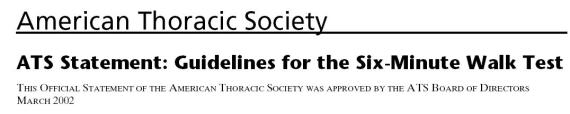
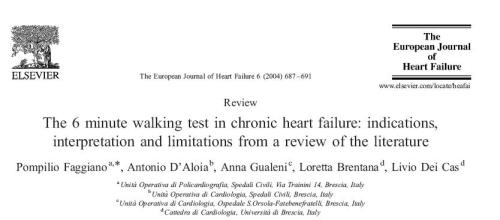
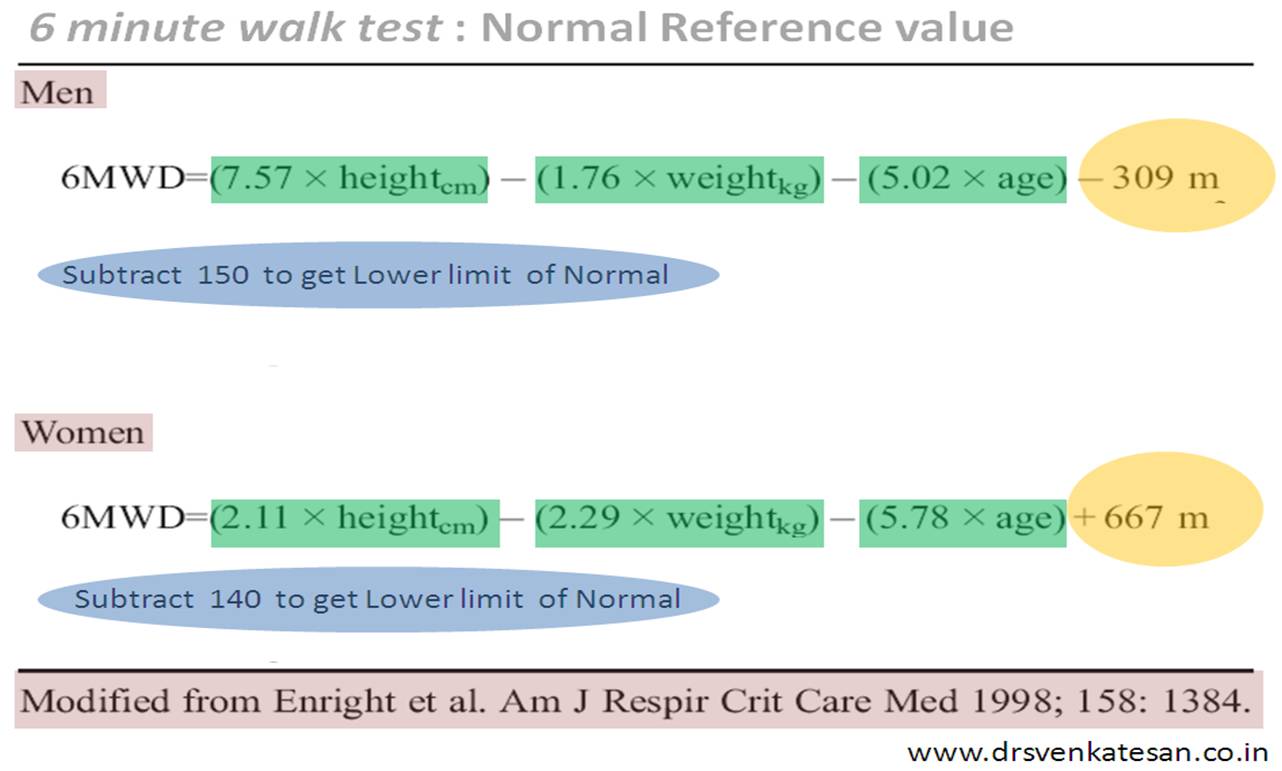
6 minute walk test is the simplest of all functional testing in cardiac evaluation . Though  walking  is  a routine day to day motion ,  it is  essentially  a hemo-dynamic stress for the  heart ,  especially so for an ailing heart . Even though  it appears  simplest  of all investigation  there are strict guidelines  available for performing  this .

It is  surprising  American thoracic society  has come out  with a  specific guideline for this .Many of us  are not aware of  existence of such guideline   ,  hence this post  , with courtesy of ATS I am  giving a link.

    Guyatt G. H.,Sullivan M. J.,Thompson P. J.,(1985)  The six-minute walk: a new measure of exercise capacity in patients with chronic heart failure. Can. Med. Assoc. J. 132:919–923.

Butland R. J. A.,Pang J.,Gross E. R.,(1982) Two, six, and 12 minute walking tests in respiratory disease. B.M.J. 284:1607–1608.

History and genesis of the concept

It was originally used in COPD in 1976 with a 12 minute walk .Cardiologists abbreviated it to 6 mts for their convenience.

McGavin CR, Gupta SP, McHardy GJR. Twelve minute walking test  for assessing disability in chronic bronchitis. Br Med J 1976;i:822-3.

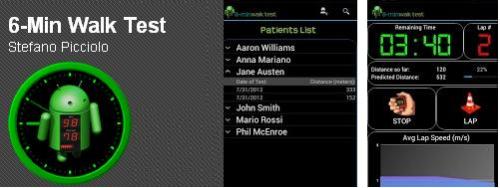
In modern times we have an Android application  for 6 minute walk test

Read Full Post »

As I expected ,  my earlier algorithm “An Idiot’s approach to tachy-arrhythmias” has  elicited  mixed reactions  .Some  EPs calling it a dud while few  physicians termed it awesome . Here is  a follow up .

Heart rate of a tachycardia is the most neglected parameter by physicians .  They are often seen spending  hours together for decoding  arrhythmia , splitting the brains   for P wave  location , VA conduction, Fusion beats etc .Finally they end up  either administering  Amiodarone a broad spectrum anti arrhythmic agent or DC shock.

Here is an unusual algorithm  for arriving at a diagnosis in all tachy-arrhythmias  based only on heart rate and the width of he qrs complex.

(Click over the table for high resolution image )
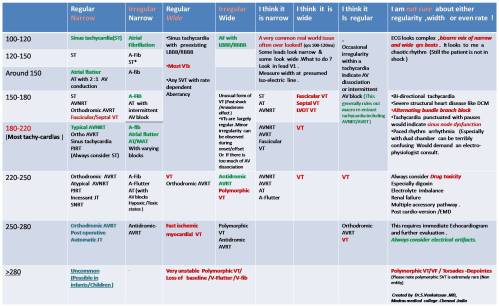
approach to cardiac arrhythmias narrow qrs vs wide qrs brugada wellens criteria

General principles in diagnosis of tachycardia

Narrow  qrs tachycardias.

90 % rule : If regular It is sinus tachy if irregular it is A-FIB . Take some efforts to r/o sinus  tachycardia . (In children and young adult it can be extremely difficult at times )* Please note : Sinus tachycardia can show some irregularity due to sinus arrhythmia and  frequent  APDs and JPDS . Further at  fast rates P may fuse with T it should not be confused with  A-fib .

Wide qrs tachycardia

Common things  are common , if  you sight a large animal with a huge trunk  in a Kenyan safari ,  it is most likely to be an  elephant and not a Dinosaur !  Please diagnose VT  when you encounter wide qrs tachycardia by default especially when the BP drops  !

  Management issues

It  would be  foolish to split our heads for decoding an arrhythmia when a patient is unstable .Any hemo-dyanmic unstable tachycardia needs DC shock . (Synchronized will be better unless it is dire emergency )There are very few arrhythmia where DC shock is contraindicated   ( MAT/Dig toxicity/Underlying sinus node dysfunction )

Only if the patient is hemo-dynamically  very much stable   the  physicians  have enough time to  confuse themselves  and the real  ordeal begins .Please remember  the 5 arrhythmias  constitute 98  % of all known tachy-arrhytmia . So where ever  you practice ,  whether  in remote Nigerian village  or  sophisticated  Cleveland  university hospital , when you are  confronted with a tachycardia  the diagnosis  should be one among the  following  five  !)

  1. Sinus tachycardia .
  2. AF/A-fib
  3. Atrial tachycardia  with  or without blocks
  4. ventricular tachycardia /VF
  5. AVNR/AVRT with or without aberrancy

All  other tachy-arrhythmiaa  are  largely  academic !

Regarding  drugs

Knowing the mechanism of  arrhythmia genesis  is less important  at bed side . They are  triggered , sustained, and maintained by either functional or structural component .Ionic basis operates in every arrhythmia  , but it is the anatomical  substrate that maintains it .This happens in only diseased heart.The only point worth remembering regarding mechanism of arrhythmia  genesis  is ,  automatic and focal tachycardias  will not respond to DC shock . All other can be termed some form of re-entry . Micro reentry  for all practical purposes behave like  triggered  activity. Ischemic and electrolytic VTs are primarily ionic based and often polymorphic.Structural VT are commonly mono-morphic. Any VT just prior to degeneration to VF become polymorphic

Every patient with cardiac arrhythmia should be checked for hypoxia,acidois , electrolyte defect or exposure to any  pro arrhythmic drugs. (The commonest  cause of tachycardia in any  IMCU , is inotropic induced (dopamine /doubtamine ) tachycardia .

We  have  5  pharmacological options

  1. Blocking  adrenergic  receptors(IV Esmolol, Metoprolol)
  2. Blocking calcium channel (Dilitazem,Verapamil)
  3. Blocking potassium channel  (Amiodarone  ,Sotolol Adenosine  to a cetian extent )
  4. Blocking sodium channel . ( Procainamide , Lignocaine (Wonder drug almost forgotten now ! ) Flecanide Mexilitene etc)
  5. Digoxin ,Adenosine  magnesium are special  anti-arrhythmic  agent which  has very useful role in certain specific situations (Magnesium -Torsades/Polymorphic VT / Adenosine in LVOT/RVOT VT etc)

General principle is ventricular arrhythmias  are blocked successfully  by sodium or potassium blockade  Atrial and functional tachycardia are blocked by calcium or adrenegic blockade  .Of course,  there would be  some degree of overlap  when the arrhythmia  origin  hovers  around the junction  on either side of the AV  ring . This is basis of verapamil sensitive VT .Clusters of  calcium  channels are scattered  in the junctional  region

Refractory tachycardia

  1. Consider ablation  in AVNRT/AVRT
  2. ICD +Drugs  in VT
  3. Ablate and  Pace(Some A-fibs)
  4. Ablate and ICD (Some  incessant VTs)
  5. Surgery in minority

In AVNRT/AVRT 90 % success can be achieved  in most EP centers .VT ablation  is still a complex process  with  success rate around 60 % ICDs  are indicated in all recurrent VTs except incessant forms .(Where the battery will deplete within a month !) Surgical cure (Maze etc  ) is possible in selected few while undergoing mitral valve surgery.Contrary  to the modern scientific  mood ,  I can ay with conviction most A-fibs can be managed medically except a fraction will require pulmonary vein ablation / isolation .

Final message

Mastering the field of of  cardiac  arrhythmias ,  though  appear a daunting task ,  it does not  require   immense  sense  to understand real world problems are  only a  few and can be tackled in a simplistic manner !

Read Full Post »

Answer:

Your guess  was correct  if  only it is  “C”

Reference

Suvarna JC. Watson’s water hammer pulse. J Postgrad Med  ;54:163-5 :2008


Read Full Post »

« Newer Posts - Older Posts »