Feeds:
Posts
Comments

Archive for the ‘Cardiology -unresolved questions’ Category

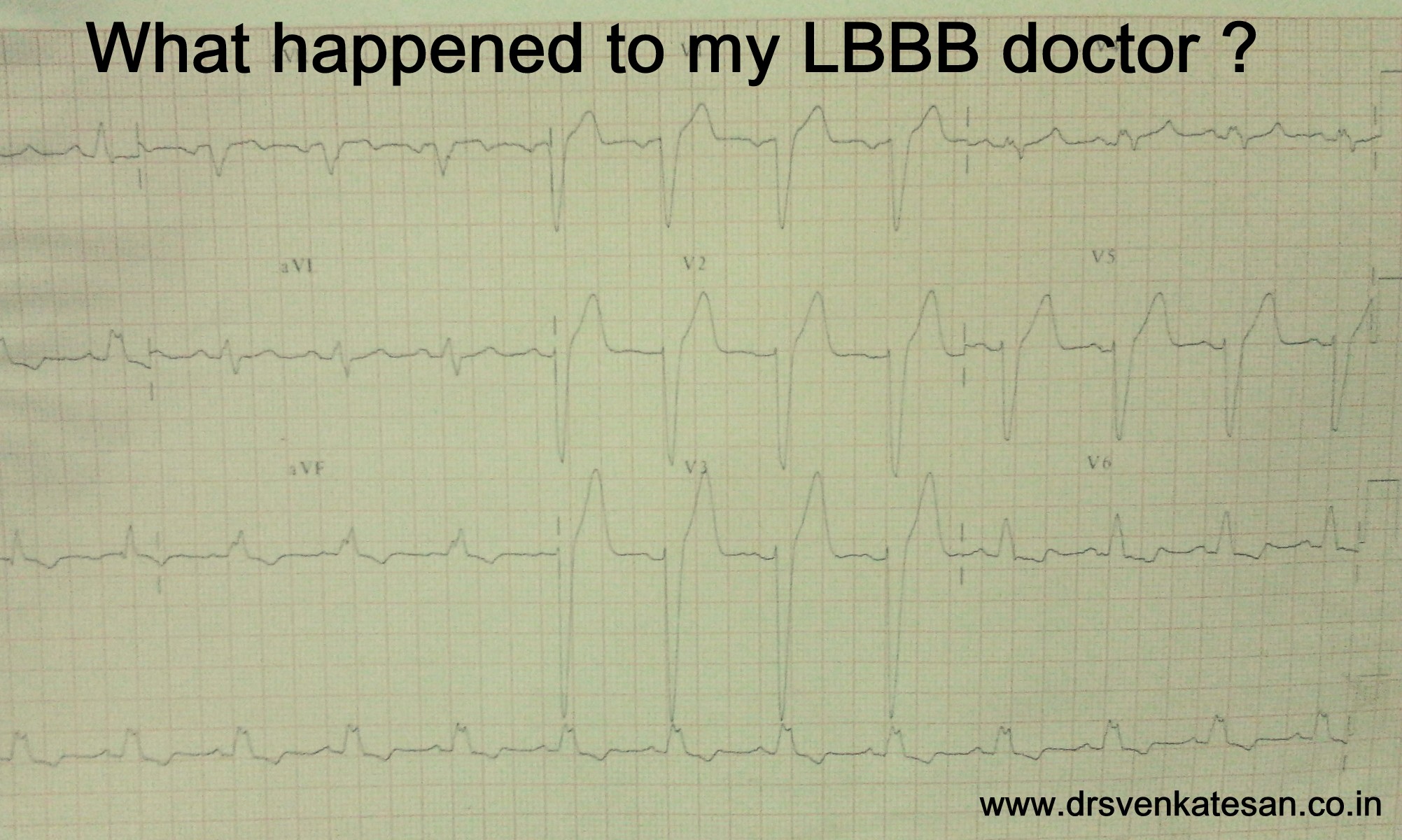
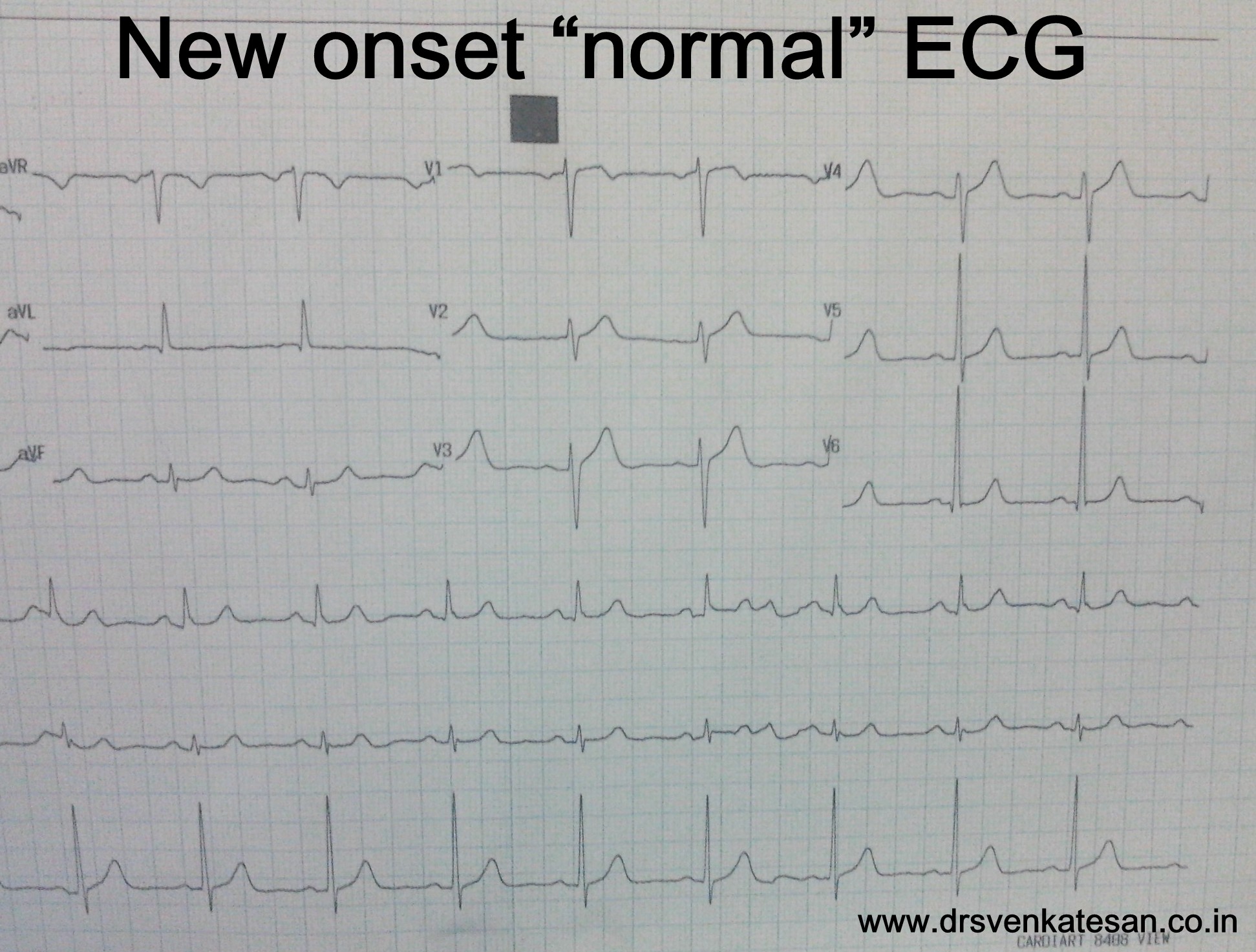
We know  new onset LBBB  creates considerable anxiety . We  experienced a  reverse situation recently . A 72 year old  man who is known to have chronic LBBB  for over  5 years came  to CCU with vague  chest  discomfort .

His   ECG  was  perfectly normal . . . every one  was  curious !

My ECG always looked like this doctor  !  Now you say it has normalised and you say it concerns you  ! I am really worried  doctor  !

What does it mean doctor ?

Cardiologist : I do not know . Any sudden change in rhythm even if it is from abnormal to normal is to be given importance .

Patient : Is  the  going bad ?

Cardiologist :  I do not know

Patient : Should I  get admitted ?

Cardiologist : I think so  but you need to undergo few blood tests and repeat an ECG .

Patient : Oh  what ?  you  are not sure either !  Are you not an expert in heart  disease doctor ?

Cardiologist : I think I am . I wish I have an answer to  your question .

Follow up

This patient was admitted in intermediate care ward and observed for 12 hours .

His enzymes and Troponin were negative . Echo showed normal LV function .

He was discharged later and adviced  a stress test .

What is the the mechanism of normal ECG  here ?

Intermittent LBBB due to rate dependency is common .But this  man  had persistent chronic LBBB for > 5 years which got normalized .That mystified us !

Can transient ischemia of left bundle  accelerate  the conduction ?

Read Full Post »

Can there be a small r wave in V1 and V2 in LBBB ?

Yes .

Though we expect the  reversal of septal depolarization that will   extinguish  the initial r in v1 to v3 . It is  preserved in  many. Hence the  presence of small r in v1 to   v3 does not rule out LBBB.

  1. The commonest explanation given is un-masking of RV free wall forces which is   normally  masked by early LV forces .
  2. Another possibility is the   orientation of septum  in pathological states.
  3. Third possibility is  “r” may  actually represent  the  septal q waves as in LVH or old AWMI  .(Counterpart of small  q in lateral leads )

Read Full Post »

Answer

Each of the above can be important in diseased heart .The most important component seems to be Inter- ventricular  synchrony .This is closely followed by AV synchrony .In dysfunctional  ventricles Intra-ventricular  synchrony  also becomes important .In  structurally  normal hearts  none seems to be important  (This statement can be debated  )

VVI pacemakers causes  both AV  and Inter-ventricular (VV ) dys-synchrony

DDD pacemaker  may still  induce  Inter-ventricular ( VV ) dys-synchrony  whenever  RV is paced for any reason .This may happen up to 60 % of pace making time in real world.

Some more facts

*Chronic VVI pacing may  induce adverse  remodeling of both atria and may worsen LV dilatation. In contrast isolated chronic organic LBBB is well tolerated and with paradoxical septal motion rarely worsen the LV function.

**Please note the paradoxical septal motion , which is  noted in  all LBBBs is  same as inter-ventricular  dyssynchrony .

***Inter atrial synchrony is a less discussed issue .It becomes  important in diseased atria which manifest gross   intra atrial conduction blocks  , atrial inhomogeneity and AF .Onset and offset  of AF has a major impact in the way DDD pacing is going to fire .

Read Full Post »

Anterior  mitral leaflet (AML)  is an  unique structure  in the heart .It is the fastest moving structure inside the heart . It is the first structure visualised by echocardiogram by  Elder and Hertz in early 1950s .

While AML is known for vigorous motion , the PML motion is subdued . By tradition AML shows a  motion which resembles alphabet M .

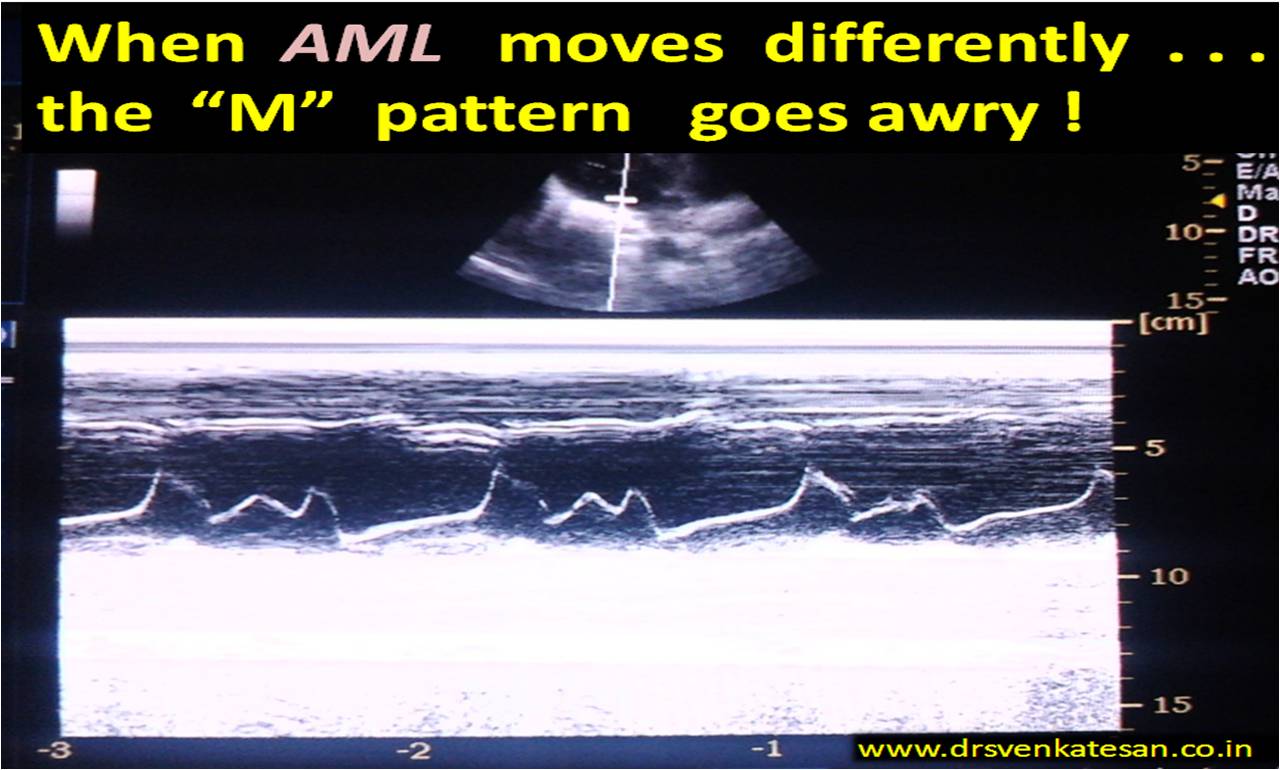
But AML is not be taken lightly .  It can change it’s  motion  not only  in pathological states but also in health . One such  pattern is trifid   motion of AML . Following is a Echo Image in  a  perfectly  normal Individual .

mitral valve motion trifid m pattern  in m mode echocardiography

mitral valve motion in m mode echocardiography trifid

Possible mechanisms underlying Trifid motion of AML

  •    The plane of  M-mode cut  will change the  mitral valve motion .(May  be this is most common ).M-mode at tip of mitral valve may be trifid  ,however a little beyond may record a  bifid-M pattern .
  • Redundant  mitral valve
  • Mid diastolic AML drag
  • Signs of elevated   LVEDP
  • Finally ,  it could be a   sign of  mitral valve  fatigue after excrcise  . Some of these persons   revert back to M pattern after a brief period of  Trifid motion following exercise .

Does trifid AML motion  result in Tri-phasic doppler  flow as well ?

Mitral valve filling is classical E and A .

This usually correspond to M pattern of anatomical  AML motion .

Do the anatomy goes hand in hand with physiology ? Will the mid diastolic  AML  drag result in augmented flow ?

We are looking  at this phenomenon .

Read Full Post »

We know q waves are not synonymous with Infarct . It just represents electrical activity going away from the electrode.This is why it can occur  even in physiologically in many leads.

Non  infarct Q wave can be recorded with

  • LVH
  • Fibrosis
  • Fluid/Air in beneath  the recording lead
  • Thick chest wall/pericardium (More often Poor  R wave )

rv cavity potential in inferior leads mimicking inferior mi q in

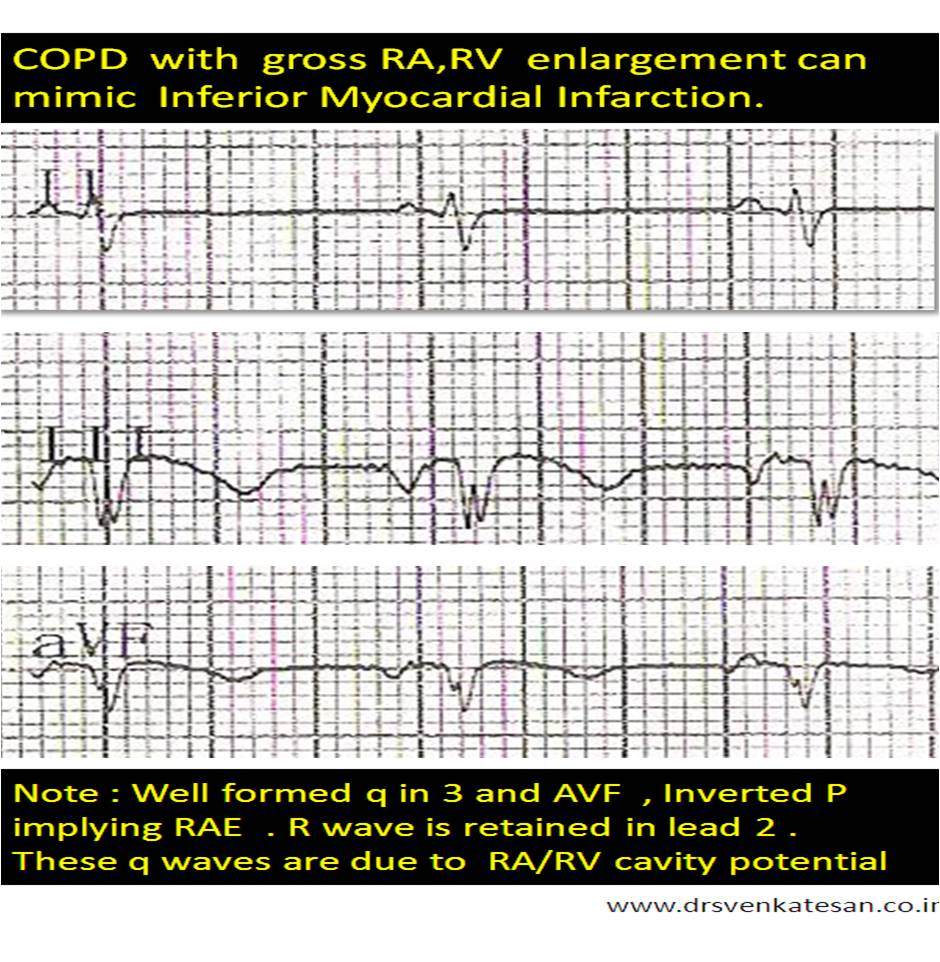
When a chamber enlarges (Any chamber )  it is  brought near the chest wall the electrode may pick up the intra cavity potential that is recorded as q waves .

(The q wave in V5-V6 in severe volume overload of LV may represent LV cavity potential )

Similarly qR complex in severe RV  enlargement  in V1 represent RA cavity potential.Right ventricle is anatomically a difficult chamber to understand. It is located anterior below the sternum  the inferior and posterior aspect of the RV  is facing the diapharagmatic  surface

copd ra rv enlargement mimic inferior mi q waves in 2 3 avf differential diagnosis

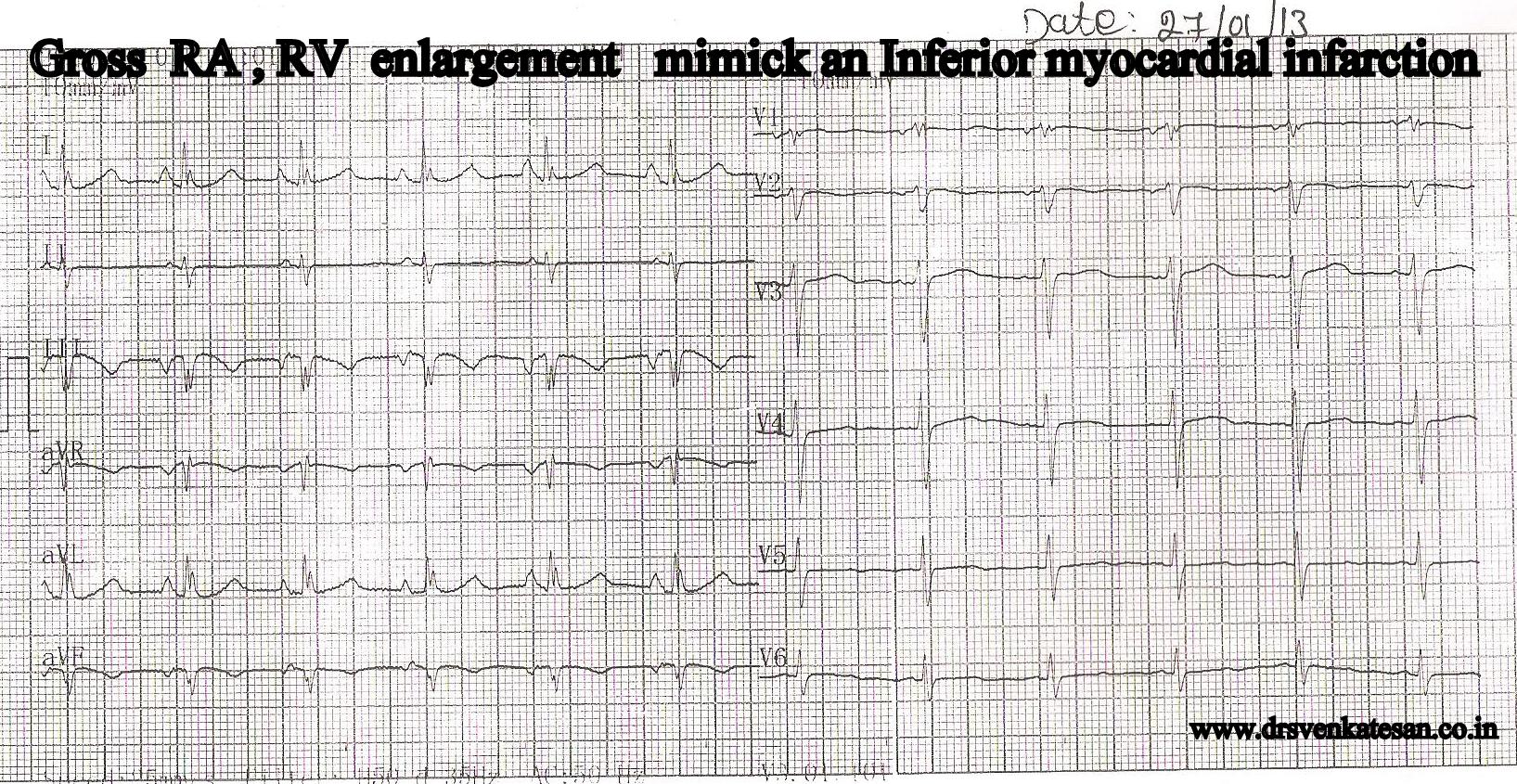
In huge RV enlargement , RV cavity potential or( even RA )  can be picked up by limb leads . While cavity potential is well picked up by unipolar pre-cadial leads , it is uncommon for limb lead  record  intracavitory  potential. However  this patient , who was diagnosed  as inferior MI by a  resident ,  turned out to be a clear case of severe  pulmonary hypertension due to  COPD .

Final  message

One  more differential diagnosis for  inferior MI in ECG  exists. A grossly dilated RA, RV due to COPD  with  severe  pulmonary hypertension.

Read Full Post »

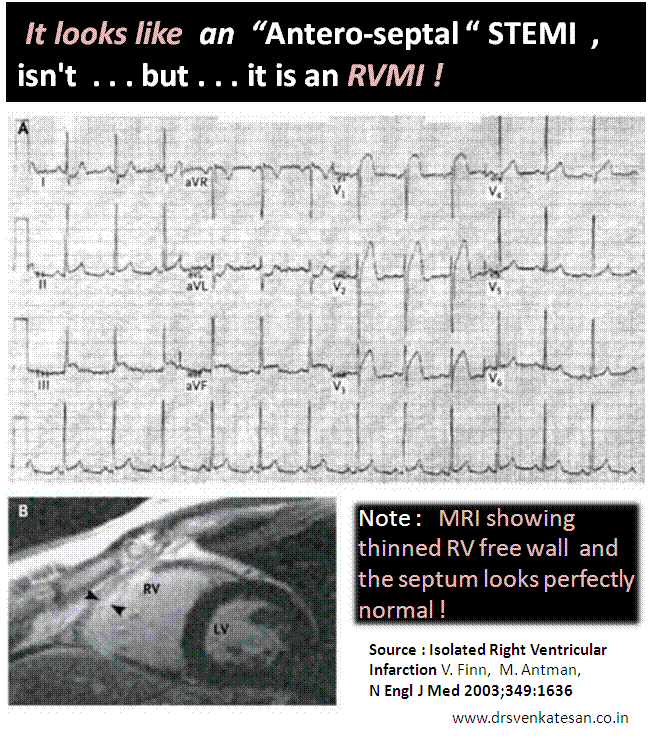
Traditionally  RVMI  is  suspected   only with infero -posterio MI .

Can RVMI occur with LAD disease ?

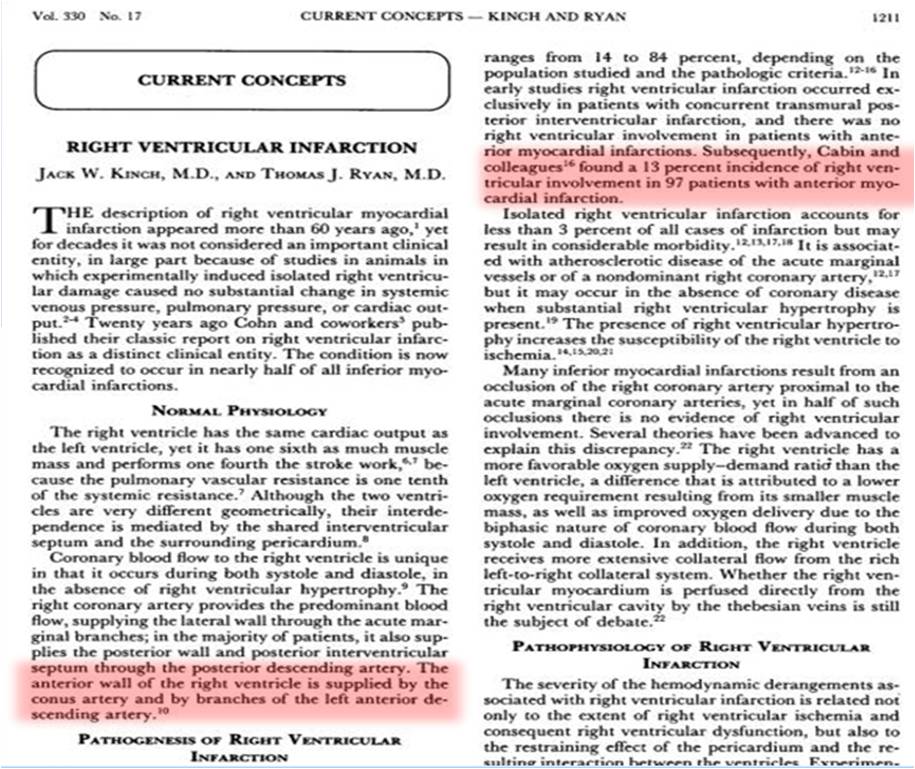
Yes , it is reported up to 13 % of  Anterior MI (Cabin AHJ 1987)   .  Right  ventricle has an anterior wall  and blood supply to this area is from LAD .

Have a look at this ECG

isolated rvmi right ventricular infarction  due lad disease st eelvation in v1 v2 v3

Reference

1Cabin HS, Clubb KS, Wackers FJ, Zaret BL. Right ventricular myocardial infarction with anterior wall left ventricular infarction: an autopsy study.  Am Heart J. 1987 Jan;113(1):16-23.

2. http://www.nejm.org/doi/full/10.1056/NEJMicm030315

RVMI famous review article in NEJM 2 1994

Final message

RVMI   is not an exclusive  complication of Infero -posterior MI.

Read Full Post »

Surprises are hall-marks of medical science . The cardiologists do  get  it ,   in enough doses   from  echo  labs  on a regular basis !   . One such thing is  the total ECG-ECHO myocardial  territorial  mismatch following  a STEMI .  Human myocardial segments are divided by cardiologists  by 17 segments by echocardiogram . Long before  echo came into vogue ,  electro-cardiologists  divided the  heart electrically into three zones to  localise MI . (Anterior , inferior and  the  poorly defined entity  lateral walls* ) .Inferior and posterior  segments are  almost used interchangeably. So , when we have 17  echo  segments to be fit into these three electrical category !   were  bound to have  some overlap . The issues of fitting in septal segments is really complex as septum  is a three dimensionally engulfs all three electrical surface of the heart .

* By the way , anatomists  never agreed about existence of walls in heart.They simply said  , heart has smooth  surfaces that blends with one another.  We cardiologist have  built imaginary walls and struggling to come out it !

We will   try to answer the question that’s been asked here .  “Inferior MI”  by ECG   . . . “Anterior MI”  by  echocardiography . How common is that ?

Possible causes for this wrong call

Technical errors  in  acquiring echo  imaging plane  or  it’s interpretation is the commonest . Many  times  ,  obliquely obtained long axis view  wrongly and strongly  suggests  a septal  MI  instead of   inferior posterior MI. This is  because  in  apical 4  chamber view  bulk of   septum  (Basal and mid third )  lies   in the  infero-posterior region .
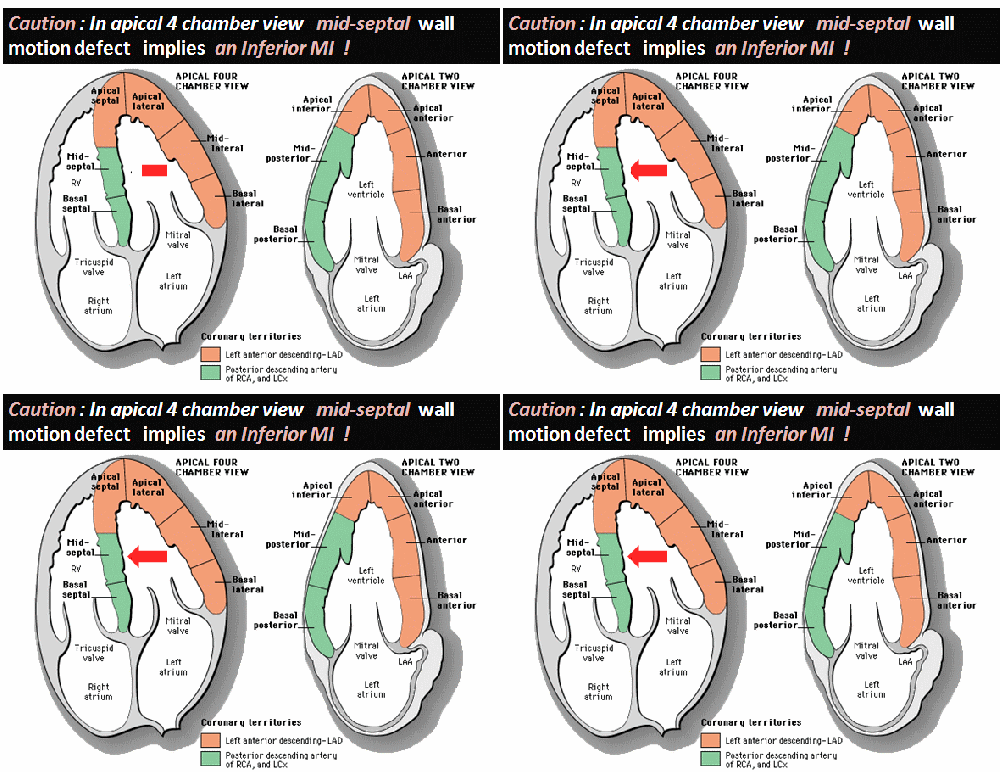
wall motion defect

Perhaps ,  misunderstanding this  septal  geography is  the  commonest cause for  erroneously  calling inferior MI as anterior  in echocardiography . (A simple clue is the presence of MR . (It  fixes the infarct in infero-posterior zone with 90% accuracy )

Rotation  and  posture of heart

Alignment of the septum to the rest of the chambers  can influence  , how three inferior leads is going to look  at the septum (There can be  considerable errors  -Electrical myopia ? as these leads are located distantly )  . The plane of the septum is such that  in horizontal hearts  septal electrical activity  will be directed infero posteriorly inscribing a q waves in inferior leads rather than anterior leads . One can expect such ECG /Echo discrepancy in the following subset as well

  • Post CABG patients (Any pericardiotomy will make the septal motion  erratic )
  • Obese persons
  • COPD

There are three  more  situations  ,  which   mystified me   with  definite  ECG/ECHO  mismatch

  1. LVH and STEMI  is always an engima . Counter clockwise rotation when accopany  LVH  that masks anterior MI  electrically . It  however inscribes a   q wave in inferior leads.
  2.  In dominant LCX lesions  ( with at-least  one  major OM    )  and  left main bifurcation  STEMIs  ,  combination of  anterior and inferior  wall motion defects are  quiet common . When a such  a  MI evolves ( with or without  revascularization )   regeneration of R wave can be  time shifted . Septal R wave may appear  much earlier and inferior R may follow or vice versa . .Further,  anterior MI  may  evolve as  Non q MI  making it  ECG blind ,   still  echo may pick up the WMA . So there can be important  ECG-ECHO mismatch in myocardial segmental geography .
  3. Further , WMA  need not  always be an  infarct  .Any new episode of ischemia  can result in WMA . Hence a patient  with inferior Q waves  in ECG may experience anterior wall motion defect meagerly  due to fresh episode of   ischemia (This we should not attribute  to  old anterior  MI. It is also possible intra-myocardial conduction delays can elicit remote wall motion defects.

Final message

By general rule  , ECG  correlates  well  with  ECHO  for localising myocardial segments   . At times ,  it  can  really be tricky , and we  get into above situation  in echo labs.

While ,  it is common to observe  ECGs  to mimic  inferior MI  at the first look  and  subsequently echo  revealing  anterior  infarct ,  the reverse is also very much possible .

The  mechanisms are varied and technical  issues are for more frequent than true clinical discrepancy .The issue has important management implications.

Of course ,  coronary angiogram will pin point the   anatomy , still  it also has  strong limitations in localizing myocardial segments (to which it supplies ) especially with multi-vessel  CAD and  collateral dependent circulation .

Read Full Post »
Even though cardiologists consider themselves master of ischemic heart disease , their collective clinical acumen is  put into  acute stress test   when they  confront  a patient with dilated LV and severe  LV dysfunction.This is not  a  rare situation  in clinical cardiology we stumble upon such instances often .Most of them are conferred a  tag  of DCM .

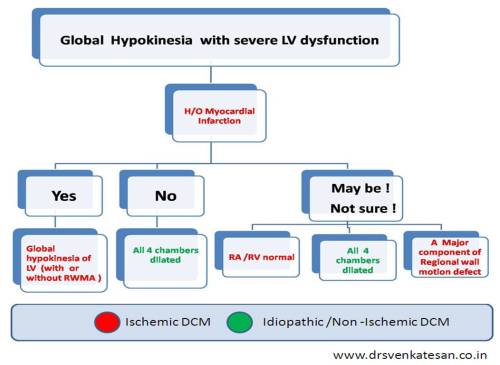
The differentiation from ischemic  vs idiopathic or primary muscular is not a  wasted academic exercise  , since   ischemic  DCM  may get reversed with revascularisation .We have  various  tests to differentiate  ischemic from idiopathic like CAG,MRI, 3D RTE, etc . Still common sense would tell us   95 % of times we can  differentiate ischemic DCM from non ischemic by asking  two critical questions  in the  bed side  echocardiogram

  1. Is there a regional wall motion defect ?
  2. Does all 4 chambers of the heart is enlarged ?

Idiopathic DCM is primary disease of muscle hence  the cardiac   muscle as a  whole  fails  ( We know they are a single  folded  muscle sheet )

Since  Ischemic DCM  primarily affect left ventricle and left atrium  RV,RA enlargement  are terminal events.

* Please note the traditional dependence on CAG to  diagnose  ischemic DCM is fraught with a risk of missing small vessels  induced  DCM,

*** If atrial fibrillation is present longstanding it can dilate both atrium but still RV will be normal  in sized in  ischemic DCM until very late stages

Here is a  20  second flow  chart  to differentiate ischemic  DCM  from idiopathic

ischemic verses idiopathic dcm

Read Full Post »

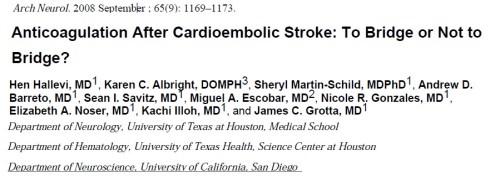
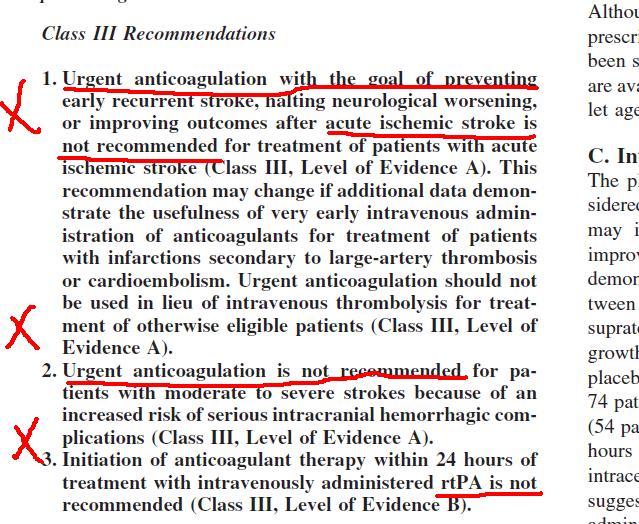
The  major  issue of contention is fear of conversion of pure ischemic stroke into hemorrhagic stroke .

But here is a catch if you worry about that  . . . who will worry about recurrent emboli from heart ?

References

http://www.ncbi.nlm.nih.gov/pmc/articles/PMC2678170/pdf/nihms104070.pdf


anti coagulation following cardio embolic stroke

aha stroke guidelines 2007

aha stroke guidelines

Recommendation for heparin

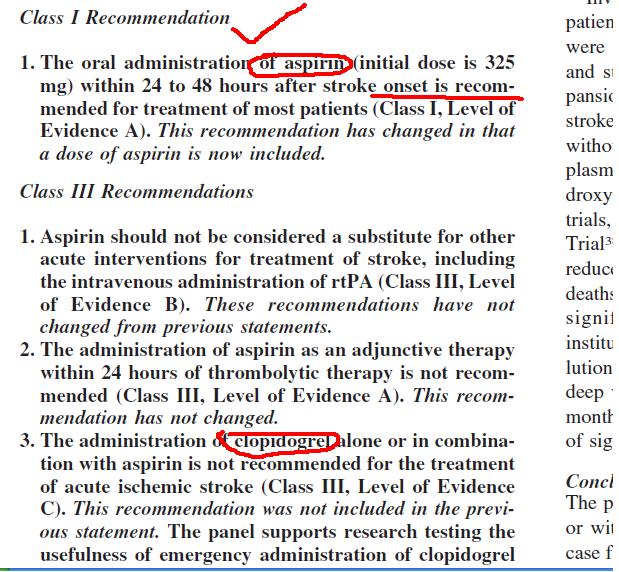
aha antiplatlet agent

Recommendation for anti-platelet drugs

I think  the 2007   stroke guidelines are the latest .Even after going  through the guidelines  I am not really clear about the answer for the question posed in this article.

One more thing   I  (mis) understood was  ,  In acute stroke thrombolysis seems to be safe  . . . Heparin seems to be dangerous ?  Is that true ?  It defies logic for  me !

One possible explanation is thromolysis is a emergency single shot salvaging  process . While prolonged heparin will ooze blood into Infarct ! This is exactly is the reason  in   tPA   should not be   followed up with heparin  in acute strokes.(unlike STEMI  where a follow up heparin is a must )

Regarding prevention of recurrent emboli , we need to bother about whether it is predominately platelet rich or RBC rich

Readers may contribute to find the exact answer !

Read Full Post »

When I posed the above question  to few  cardiologists including electro physiologists , the answer I got was surprising .  In the process ,  I could understand why cardiology is such fascinating subject !   Each one gave a different answer and all the 5 responses were forth coming .

The following post in my blog which  I wrote years ago tries to decode the reason for such wide variation in our understanding of AVRT of WPW.

By the way ,  is there a  real risk   for an  ortho-dromic AVRT into anti-dromic AVRT by a definite block in AV node  ?

Read Full Post »

« Newer Posts - Older Posts »