Feeds:
Posts
Comments


The definition & intended purpose of patient empowerment

WHO defines empowerment as “a process through which people gain greater control over decisions and actions affecting their health” and should be seen as both an individual and a community process.1

Four components have been reported as being fundamental to the process of patient empowerment: 1) understanding by the patient of his/her role; 2) acquisition by patients of sufficient knowledge to be able to engage with their healthcare provider; 3) patient skills; and 4) the presence of a facilitating environment.2

Based on these four components, empowerment can be defined as A process in which patients understand their role* and are given the knowledge and skills by their healthcare provider to perform a task in an environment that recognizes community and cultural differences and encourages patient participation.

Reference 

Patient-empowerment—Toolkit


It brings a unique sense of greatness and gratitude to hear the voice of the father of Interventional cardiology decades after his demise.

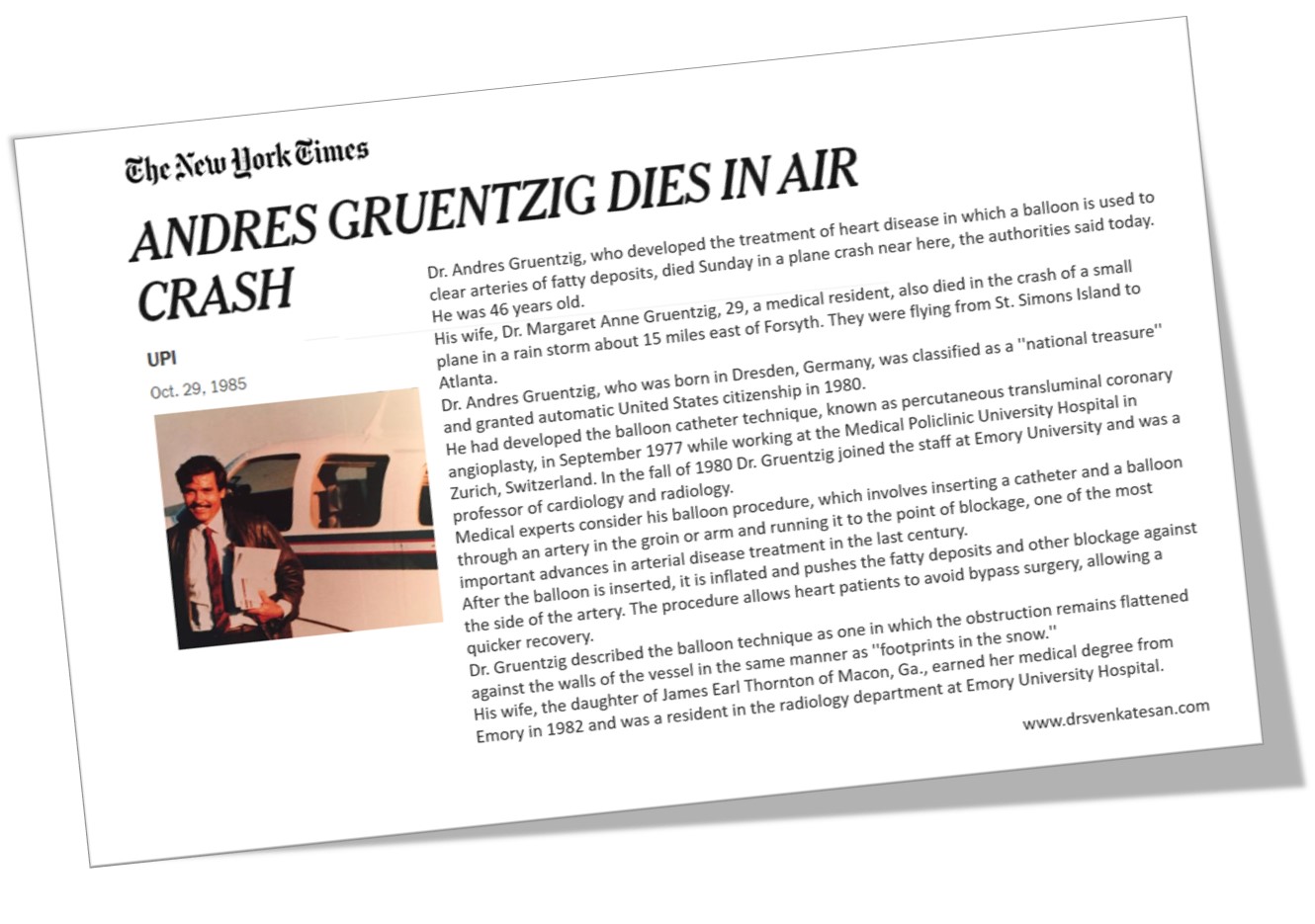
The invention he made has evolved so much. Though, Dr. Gruentzig didn’t live to see any of them, the genius in him predicted most of them. This Interview was recorded a year before his small plane, which he loved next only to his pet balloons, crashed on the Atlantic coast along with his wife. That is history.

This is how the news was reported across US media on October 29th, 1985. (Reconstructed, click over the pic for high resolution)

It was a fact, that he defied the warning and flew in the adverse weather, what many of us were unaware of was, that he wanted to rush to Emory, only to see a patient whom he had done a PTCA, a few days earlier, developed some complication. This makes his death all the more poignant (Ref Dr. H.V. Anderson )

Reference
 
Here is a good account of the life history of Dr Gruentzig.  Link to the article 

Why didn’t you do it … for this patient?

 “I thought, he was not the right patient for the procedure. I believe, what I did was the correct decision. Why all this fuzz? after all, the patient is doing so well without that procedure,.. are you worried about that? 

“No, I need an explanation, we have a fully functional cath lab in our center. The patient came in the right window period. Still, you haven’t offered the best mode of treatment”.

“I can reiterate it again sir. Just because a lab is available 24/7, it doesn’t make all patients eligible for a  PCI. I think I didn’t commit a professional misdemeanor when I decided in favor of fibrinolysis. In fact, I would be guilty had I rushed him to the cath lab, just to satisfy the misplaced scientific position we have decided to adopt. If you think, I am culpable for successfully treating a patient without taking the patient to the cath lab, you may proceed with the penal action.

Before that, I would request you to please read the current edition of this book we all revere. (Which continues to mentor physicians all over the globe for the past 50 years)


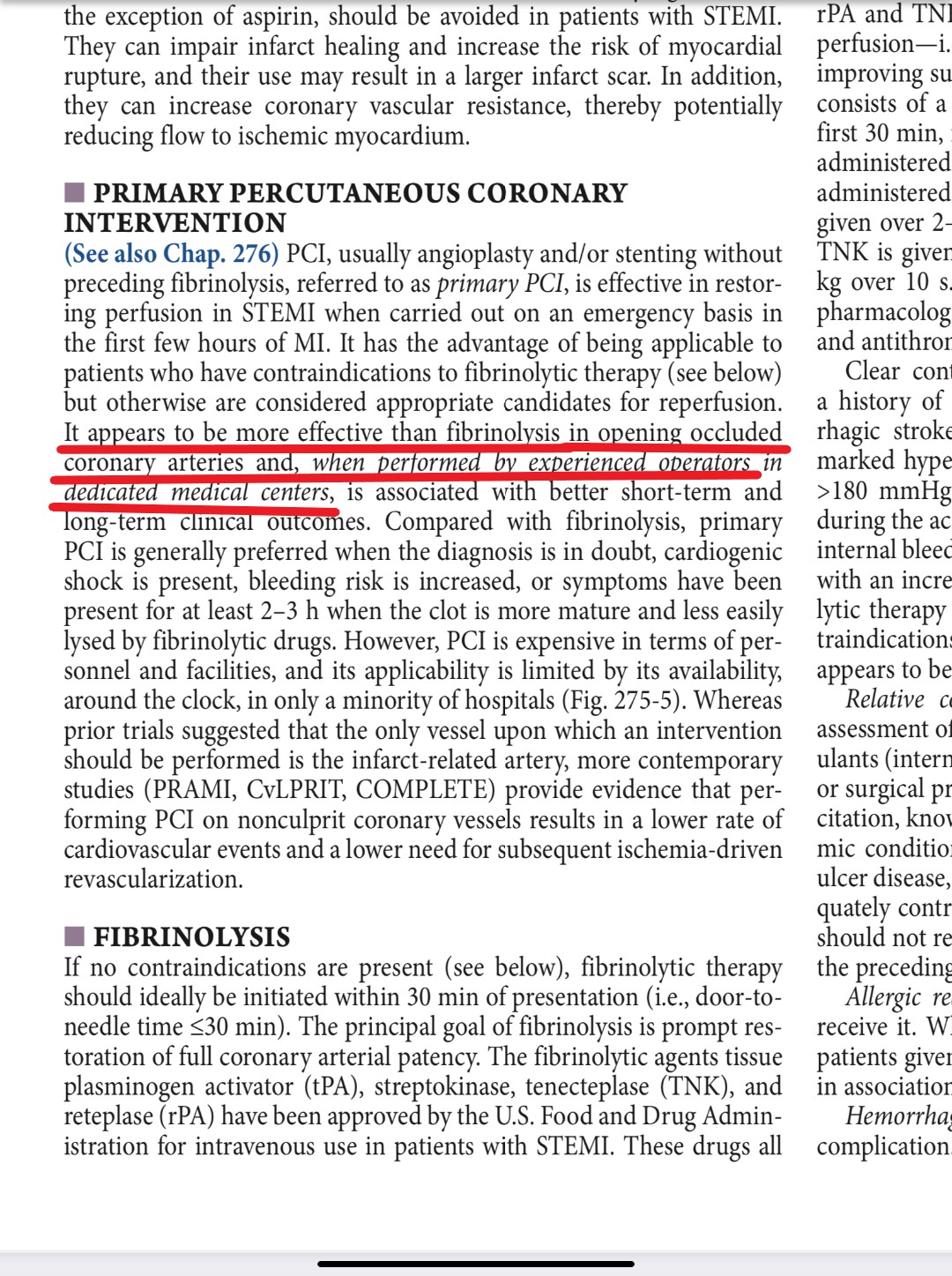
The current edition of Harrison 2022 is just out. I thought, there is something great learning point in Cardiology chapter, specifically about the reperfusion strategies in STEMI

My hearty thanks to the editors of the chapter for the crystal clear expression about this much-debated procedure* and specifically choosing the word “PCI appears* to be more effective ” (even) if it is done in experienced persons in dedicated centers. The choice of the word used by the authors is Intentional and must be applauded. This message must be propagated to all our fellow physicians. What a way to convey an important truth pertaining to the management of the most common cardiac emergency, while many in the elite specialty are so dogmatic in their assertion without verifying the reality.

*  The verdict is still under the jury even after 3 decades, since the PAMI days of the early 1990s. Thank you, Harrison. What a gentle, but a righteous way to express an opinion about a procedure that is apparently enjoying a larger-than-life image based on a handful of studies and a flawed meta-analysis.

Final message 

Primary PCI is just an alternate form of treatment to fibrinolysis in STEMI. Both are equipoise in the majority of patients. Extreme care and diligence are required to harvest the small benefit the PCI seems to provide.  There are lots of ” if and buts” that decide the success of this procedure. Get trained, and do it selectively for those who really need it.

Postamble

You may call yourself a super-specialist. But, please realize, If you have any doubt about key management strategies, never feel shy to take a cue from Internal medicine books. The greatness of these warrior books is that, it comes devoid of all those scientific clutters backed by premature evidence. 


This write up was triggered after encountering a patient who instructed his cardiologist to remove an incidentaly found block in Right coronary artery. 

Oftentimes, It is a funny & futile world out there in modern medicine. Revealing the complete truths or accepting ignorance in critical decisions to their patients, make the Doctors feel that, their academic modesty and reputation are at stake. 

Still, many patients expect (and think) the doctors to be 100 % transparent and want to understand the nuances of disease better than the doctors themselves. The current fad of online & offline health education for patients is not an accident of technology. Though some benefits exist, I feel, It is an intentionally promoted, maliciously motivated patient empowering movement, trying to disarm the true professionals.

Dear colleagues, always realize, never allow the default ignorance to become patients’ knowledge and ask them to take decisions on behalf of you. (I know, this is diagonally opposite to current principles of the practice of medicine) Fortunately, this issue doesn’t arise in most public hospitals in our country.

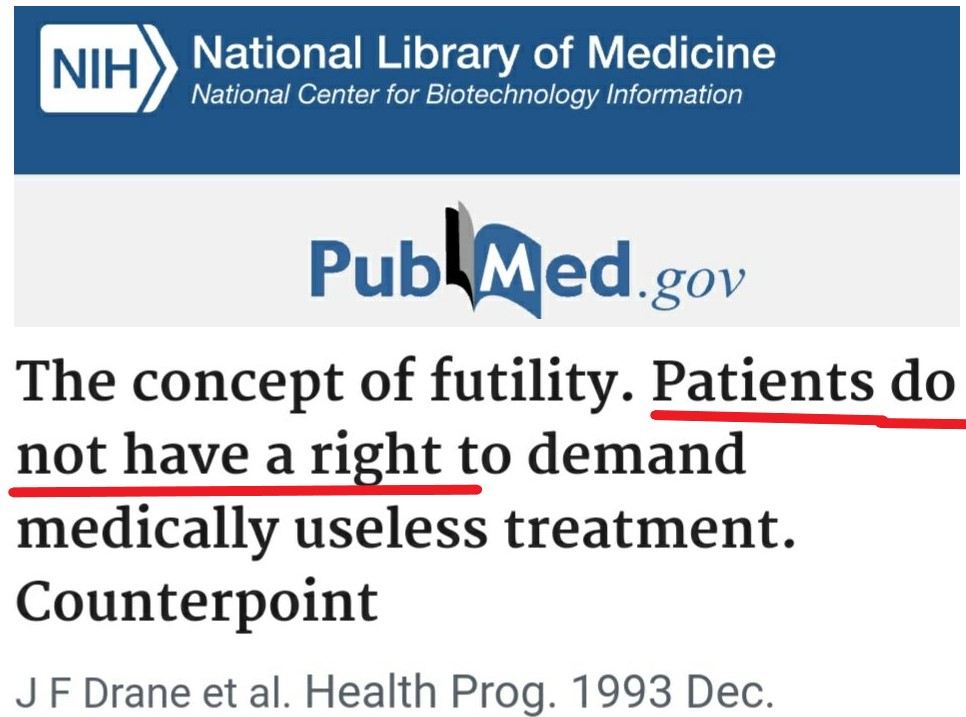
This paper was written 30 years ago with great foresight.


So, act with tact. You can’t hide behind the patient’s preferences in deciding the treatment choice. It can be “as unethical as” any activity that goes against the interest of the patients under which we are taking our oath. I don’t, recall anywhere in the Hippocratic oath, that we pledge to listen to the patient’s choice of treatment. (Rather, we assure to work in their interest always)

Final message 

Let us sharpen our own skills first. We shall think about how to distill and consume the muddy knowledge emanating from the current mess of premature research spilling all over academia. Don’t try to educate too much to your patients. There is nothing called academic empathy because leaving it to our patients will ultimately end up equivalent to medical negligence.

Forget about the patient-guided treatment menu card. Think about this, if ordering a trendy new medical investigation purely on a patient’s demand is declared as medical negligence, How many doctors on this planet will be left non-negligent.(Stop. then what is a master health check-up? Who is the master ?) 

(Hope this write-up is taken from a proper perspective. No intent to create a chasm between patients and doctors relationship )

Reference 

Drane JF, Coulehan JL. The concept of futility. Patients do not have a right to demand medically useless treatment. Counterpoint. Health Prog. 1993 Dec;74(10):28-32.

Postamble & Counterpoint

It all sounds good on paper. The consequence of not listening to our patients, especially if they land up with complications, will look awkward, is it not?  So, I always go by patients’ desires.

Patients tend to believe in fancy investigations and machines and not me, what to do?

No, it is wrong. You can’t justify it. Regarding your concern and impact on our reputation, nothing can be done. The medical judiciary desperately needs some reforms, understand the reality to protect us  I always tell my patients they have to accept me as a whole. (Do you enter the Aeroplane’s cabin and check the pilot’s mental and physical acumen every time you board a flight. It is trust,.. complete trust, that drives our life right !)

It is true, that medical professionals must be always under a continuous quality* control regimen.  The consequences of consulting less shrewd medical personnel, their errors in judgment, the stress of work, patients need to accept* just like a side effect of a drug or a natural history of a disease.

*, Unlike the engineering field, defining & controlling quality in medical therapeutics is a mystery exercise with multiple agendas!

Medical science has evolved over 2000 years and moved far away, from the spiritual cure times at the temple of health at Kos islands to the Imaginations of Davicini. We are now in an era, where we can, not-only take stunning live photographs of individual organs but also go inside, assisted by  X RAYs, Ultrasound, CT  MRI, and Optical fiber. Now, a new kid is entering ie Holography. (We may expect haptics very soon).


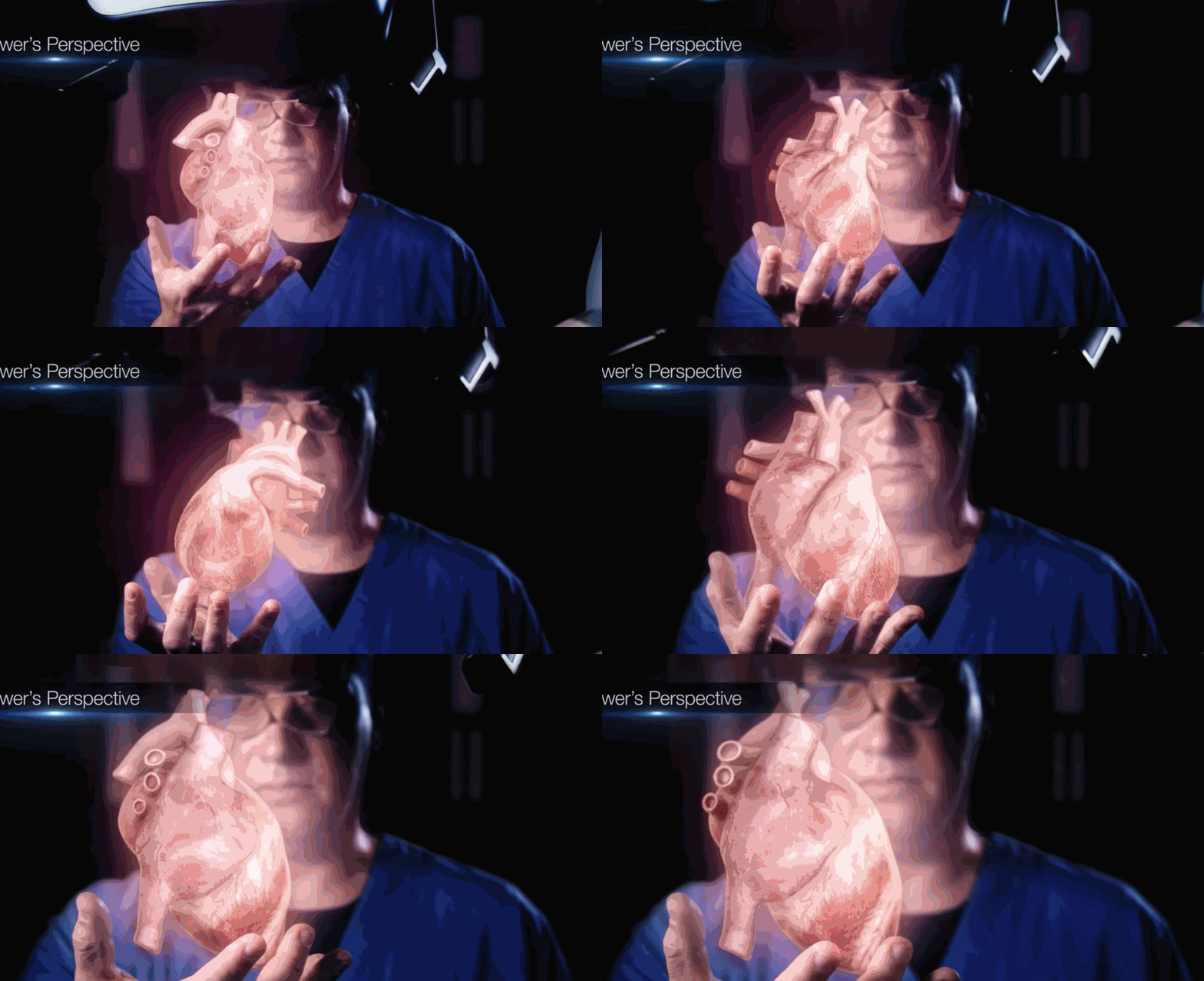
How about a cardiologist operating with a virtual  3D beating heart hanging in front of him?

Yes, it is possible in a scientific fiction movie . No. it’s real. True view, an innovative medical Imaging company from Israel doesn’t think it is a fiction story. The immediate clinical use comes  in electrophysiology labs

Senti-AR command EP system is cleared for clinical use. 


Final message

Breaking new frontiers in medicine is becoming the norm, especially in digital imaging. No doubt, we have entered a  new medical world. However, we should be able to realize, that all the excitement is justified, if and only it makes a positive impact on humankind. Even as we are deeply immersed in medical technology, let us remind ourselves, how a tiny virus is teaching all of us, some hard lessons in basic principles and practice of medicine.

Reference

Jennifer N. Avari Silva, Michael K.Southworth, Walter M.Blume, et al. First-In-Human Use of a Mixed Reality Display During Cardiac Ablation Procedures. JACC: Clinical Electrophysiology. Volume 6, Issue 8, August 2020, Pages 1023-1025. https://doi.org/10.1016/j.jacep.2020.04.036.

Some physics: Why is blood under pressure? 

In perfect vascular climatic conditions, the human circulatory system is comparable to a smooth flowing river irrigating 100 trillion cells, traversing many kilometers of the capillary network, to the far away tissue bed. One major difference in the river analogy is, that in human biology, the entire blood has to return back to the heart in about 30 seconds. (The fact that the venous system does this in style with near-zero pressure head is the greatest wonder in circulatory physiology)

The force per unit area, that drives the blood is the blood pressure. It is expressed in kilo pascals. (16/10 Kpa one Kpa is 7.5 mmHg. It has two components streaming pressure as well the lateral pressure. What we measure by conventional BP apparatus is the lateral pressure on the vessel, which is what we are worried about most times. But, the forward driving head is equally important because the branch points bear the brunt of this pressure head. Sudden surges and spikes attack the grade separators more. This is one of the reasons, the arterial branch points are more prone to atherosclerosis. Though we believe onward pressure head does all the damage, it is also worth knowing the velocity of blood flow can also be defining factor in vascular Injury. The flow velocity is surprisingly low in physiological conditions, about 4-6km/h something similar to our walking speed. 

What is normal blood pressure?

We don’t know. The search is going on. But, what is important is the net lifetime BP harming effect on blood vessels. Of course, BP is not a mono player, it interacts with other risk factors like lipids, diabetes, and smoking, along with genetic susceptibility, and epigenetic vulnerability, making cardiovascular events perfectly polygenic.  

How do we define and grade systemic HT?

A dozen different societies keep defining this (ACC/AHA. ESC, ISH, British, whatever be the normal,  one set of numbers is permanently etched in our mind ie 120/80 as the cut-off. 

A more philosophical definition would be, that high BP is defined as the BP at which our blood vessels feel the stress and strain and begin to wear out. We may never ever know that in a given patient. Now, we are adding more twists to this already confusing normality data. Namely nocturnal BP.

Why 24 hr /Nocturnal BP important?

If the average human lived for 75 years, he or she will be spending  25 years in sleep. What does our circulatory system do in those 25 years? We don’t know. We believe if the brain sleeps the vascular tree takes rest as well. How can it be?  The reticular activating system should go off mode, still the vasomotor centers should be vigilant enough to keep vital organ perfusion. Ironically, sleep can be stressful for some. During recumbent posture the fluid compartment redistributes and ECF expands especially in patients with renal and cardiac compromise. (Recall the mechanism of PND) .Add on to this, the ever-fluctuating sympathetic tone with REM/NREM sleep phases. One of the offshoots of widespread use of ambulatory BP monitoring is (ABPM)is the new term nocturnal hypertension. 

Defintion of nocturnal HT

The definition of nocturnal hypertension is, night-time BP ≥120/70 mm Hg (Now it is more stringently defined as >110/65 mm Hg by the 2017ACC/AHA guidelines. I am not sure, but I think this is applicable to anyone with or without HT irrespective of treatment.

Two more entities exist to confuse us. Just don’t bother. (Fellows can’t escape from this though). A Clinic and morning home BP of <130/80 mm Hg is defined either as masked nocturnal hypertension or masked uncontrolled nocturnal hypertension if they are already on drugs.

Night time BP patterns

Normally we expect 10 -20% dip in BP is expected.

The following are four nocturnal BP patterns defined:

  1. Dipper: 10-20 %;
  2. Extreme dipper, more than 20%;  
  3. Non-dipper: less than 10%, 
  4. Riser: 0%.or + side  (I think, this is the same as the reverse dipper )


An Important resource from HOPE Asia net work on ABPM Kazuomi Kario Journal of clinical hypertension.https://doi.org/10.1111/jch.13652 While everything looks ok, that blue line amuses us the most. These guys are also called reverse dippers.

Nocturnal dipping: Is it systolic, diastolic, both or mean?

Most studies documented as systolic dippers. Dipping is expected to Impact both systolic and diastolic BP similarly. But, we know it need not be. systolic BP is more volume-dependent, while diastolic BP is resistance is related. I think the concept of diastolic vs systolic non-dipper is yet to be evaluated.

How to measure? How many readings? 

  • Ambulatory BP monitoring equipment is the key. Few companies have defined and have patented software (Omran HEM series is the leader, Micro life is another one )
  • The night-time BP is calculated as the average of night-time BPs (from going to bed to arising) measured by ABPM The number of night-times BP measurements required may be ≥6.
  • The methodology is getting standardized. Errors in measurement are considerable. Posture, temperature, and inflation triggered awakening all matters. 
  • Substantial technology is still evolving. Remote wireless monitoring is possible (Apple and Google are keenly watching the global BP market potential !)

Management issues

Though there are 4 subsets in nocturnal BP patterns,  currently, Identifying non-dippers is the key target that will help diagnose more resistant HT. 

How to convert non-dippers into dippers?

  • Night-time dose of antihypertensive drugs to be encouraged.
  • Salt restriction in the evening diet 

How to prevent excessive dipper (>20%)

The reverse of the above advice is true in this subset. 

Isolated nocturnal  hypertension

I think it is an overzealous concept in sleep medicine. Let us wait and observe. Stojanovic, M., Deljanin-Ilic, M., Ilic, S. et al. Isolated nocturnal hypertension: an unsolved problem—when to start treatment and how low should we go?. J Hum Hypertens 34, 739–740 (2020).

Is there a J curve phenomenon  among dippers ?

We cant generalize,  pro-dipping forces are good & non-dipping forces are bad. Should we consider labeling excessive dippers as nocturnal hypotension? Considering the fact both non-dippers and excessive dippers carry more CVD risk. Like any other biological variables with dynamic safety margins, we are clueless about what is ideal dipping .(A nocturnal J curve)
Clinical trials on nocturnal hypertension 

  • JHOP study Kario K, Hoshide S, J Clin Hypertens 2015 from Japan is a very popular one on this topic.
  • While this elegantly done Finish study  (J.Hypertension 2004 ) stressed the importance of home BP monitoring. 

What is new in nocturnal HT management?

Melatonin, administered as circadian hormone therapy is expected to play a useful role as a night watchman in BP control (Frank et al Hypertension 2004)

Final message

Nocturnal hypertension is trying to emerge as a new cardiovascular risk factor. Understanding this condition and intervening seems to be important, considering the well-known fact, that cardiovascular events are clustered in the early morning hours.

Still, routine ABPM to know the status of nighttime BP in all hypertensive individuals is not warranted. However, people who had an event or who have secondary hypertension may need to do so. The simple truth is if you have a peaceful day and a perfect sleep, your BP is bound to dip naturally. So, the message to all those active and energetic men and women who are carrying a tag of hypertension need not worry about this dipping and non-dipping stuff. Instead, maintain a healthy lifestyle. There is a thin line separating awareness and anxiety.

Reference 

1.Yano, Y., Kario, K. Nocturnal blood pressure and cardiovascular disease: a review of recent advances. Hypertens Res 35, 695–701 (2012). https://doi.org/10.1038/hr.2012.26

2,Cuspidi, C, Sala, C, Tadic, M, et al. Clinical and prognostic significance of a reverse dipping pattern on ambulatory monitoring: An updated review. J Clin Hypertens. 2017; 19: 713– 721. https://doi.org/10.1111/jch.13023
I am unable to answer this question confidently even after spending 25 years in the specialty of cardiology. I thought, the answer was yes. Reality is definitely different. Such is the complexity in the biology of the fluid and circulatory systems. The heart’s function doesn’t seem to end with just pumping 6 liters of blood every minute, ultimately, it has to handle a huge load of water as well with delicate coordination with the kidney. (ANP,& RASS feedback). It is fascinating to note, that the heart transforms into a powerful endocrine organ as and when it is necessary.

Read further, with a caution: (There is no specific physiological /molecular answer attempted)

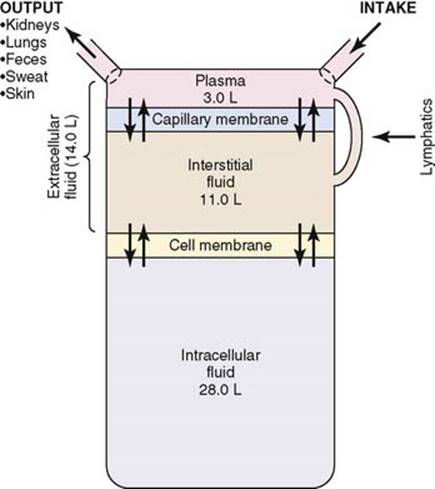
About 28 of the 42 liters of fluid in the body are inside the 100 trillion cells and are collectively called the intracellular fluid. Thus, the intracellular fluid constitutes about 40 percent of the total body weight in an “average” person. Still, cells are somehow protected from the edema creating hemodynamic force until the very late stages. Fortunately, the Interstitium is the place all excess fluid stagnates. This is a great biological adoption. The simplest explanation is (Na /K+pump never sleeps  ) Bi-directional osmotic forces keep the cell dry even in adverse cellular milieu. Can’t imagine the implications, if every cell begins to swell in early heart failure. Still, it does happen to some degree I guess. We never quantified this.( Andrew Boyle,et al  Myocellular and Interstitial Edema and Circulating Volume Expansion as a Cause of Morbidity and Mortality in Heart Failure)


What happens to massive Intra cellular compartment size in HF? If renal perfusion is compromised (As one would expect in any significant heart failure) How does it affect this fluid distribution over that of heart failure? If the lymphatics’ final destination is the right heart how does this interfere with interstitial space clearance?

Practical implications

Though local factors operate, edema* in heart failure is a reflection of a more serious systemic plumbing issue. Even, subclinical fluid collection can interfere with cell function and contribute to unexplained fatigue which is an early sign of heart failure. No doubt, NYHA  gave much importance to this non-specific symptom in heart failure. Further, Individual organ functions may react in a different fashion with respect to water logging.Hepatic, portal splanchnic congestion directly affect GI function and intermediate energy metabolism.

.(*HF with zero edema so-called dry CHF  is a bigger mystery, is discussed elsewhere on this site)

When does the cardiac failure become a disorder of sodium & water metabolism 

Though the heart is a mechanistic pump when it fails it soon becomes a neuro-metabolic-endocrine problem. We are not clear whether heart failure retains sodium and water equally?  In renal failure-free water, accumulation is less than sodium. What happens in cardio-renal syndrome. These have practical implications as both hyponatremia and hypernatremia can be a feature with water content modulating it.(Now the term dysnatermia is more often used)

If RASS is activated net gain in sodium is expected. It doesn’t really happen. (Even with secondary hyperaldosteronism  sodium knows how to escape from the kidney). Vasopressin antagonist was considered a new innovation for hyponatremia associated with HF. To know the current role of V2 receptor antagonists Tolvapan, read here. 

Can we get rid of this excess water by any other means 

We do have powerful diuretics. It can unload the heart rapidly but can be harmful due to intracellular dehydration and electrolyte imbalance. When I asked an experienced Nephrology colleague  “Does excessive diuretics deplete ICF or ECF space? and how to quantify? , he was honest enough to accept, that it is primarily guesswork in a given patient and clinical assessment is supreme.

It is understood now, that there is a role for ultrafiltration of pure water in refractory hydrophilia. Bart B.A  (RAPID-CHF) trial. J Am Coll Cardiol. 2005; 462043-2046

Imaging subclinical edema in heart failure 

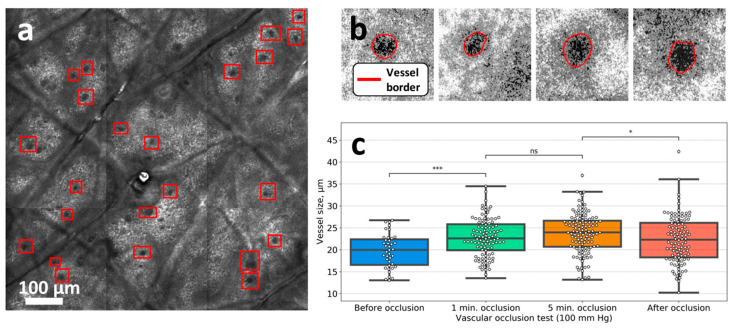
How to catch Heart failure early before clinical edema ? NT pro-BNP is a good option (>400pg/l) but physiologists armed with new generation imaging are working on how and where the fluid is accumulating in early heart failure. Nailfold video capillaroscopy (NVC) and confocal laser scanning microscopy (CLSM).  Wish, these modalities are really useful and do not end up as fancy tools and hike up the heart failure treatment costs. 


Future of Cardiac Hydraulics management.
1. Afterload reduction, 2. Preload optimization, and 3.Inotropics. We have been playing with these three famous principles in heart failure treatment for quite some time. We must admit, nothing really worked to our expectations. “Total body water management” is a new hope. It will revolve around a mechanical fluid management system as this overview from circulation tantalizingly discuss. DRI2P2S  (Circulation heart failure 2020)

Final message 

Edema in HF is primarily extracellular and interstitial until the end stage. Fortunately, the ionic and osmotic forces along with capillary hemodynamic forces keep the excess fluid within a safer interstitial compartment. However, we must realize each organ swells in a different manner depending upon cell membrane responsiveness to neural and humoral factors. The mechanism and content of edema fluids are different in heart vs kidney failure. It is also true, that every cardiac failure patient has a renal component and vice versa.

That’s it. I know it was a superficial attempt to understand water distribution in HF. Someone needs to break the complete truth about H2O metabolism in cardiac failure.

Postamble & a Non-academic trail

 Should we really bother to know where does fluid accumulate in HF ?  In a pragmatic sense the answer is “No” Let it accumulate anywhere, just push inj. Lasix, or if refractory add Metolazone and Torsemide, (I need to rush to the cath lab for the next angioplasty for that angina-free RCA stenosis, you know !)

Reference

This 37-page landmark review about fluid dynamics will help you find many queries raised here. (Tough read though)


William Heberden first introduced the term angina to the medical community in 1772. His descriptions became immortal. Still, no one would ever know what was the angina-related artery, Heberden was alluding to.

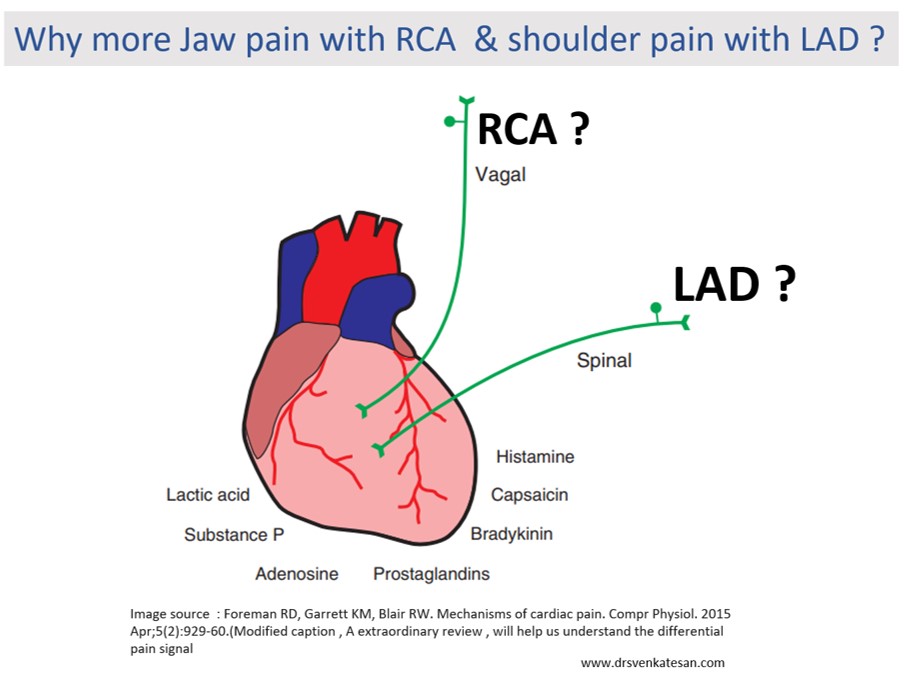
Now, some jobless cardiologist is asking this question after 200 years. How is angina from the LAD system differ from the RCA  system? or let me put it another way, How does angina of anterior circulation (LAD) differ from posterior circulation (RCA/LCX)? Though there is distinct hemodynamic profiling of RCAvs LAD ACS, surprisingly, cardiology literature does not answer the chest pain aspect of it. One rare study, done  4 decades ago throws some light

Here is a curious little study, with a simple & crisp conclusion.

chest pain and IRA localisation angina LAD angian RCA

It concludes, that LAD angina rarely radiates to JAW or epigastrium. While RCA angina relay radiates to the left shoulder.

So, why does this happen?

What I could guess is the ubiquitous vagal fibers that travel in the posterior aspect of the heart, and carries pain signal directly up to the jaw whenever these areas become ischemia. LAD is less likely to irritate the vagus. Of course, there can be a definite overlap.

OMG, give me some time to keep in touch with  basic science 

Now, fellows of cardiology, please take a  pause from your regular aggressive cardiac cath lab workouts and get a break at least once in a while. How does the ischemia of myocardial tissue generate pain? Why it is severe in some, trivial in others, and even dead silent in some, 

The chest pain genesis is initiated by sensory electrical neural action potential, that captures the epicardial neural plexus first, switching over from somatic to the visceral pathway and trespassing the para ganglionic plexus and traveling further to the spinal cord. Where it may collide with other incoming sensory signals ascends in specific myelinated and non-myelinated neural cables, reaching the brainstem, interacting with local nuclei, and finally reflecting on subcortical and cortical pain matching centers.  We haven’t yet located the exact center for anginal pain. (Perithalmic and amygdala could be closer to real centers) 

So, it is a really complex sensory world yet to be understood fully. Mind you, I haven’t touched upon the neurophysics of referred pain, linked or clandestine angina.

  • What is the effect of cardiac denervation, autonomic neuropathy, or on the perception of chest pain(Does a quadriplegic feel angina ? or post-transplant heart immune to angina ? (Gallego Page JC,Rev Esp Cardiol. 2001) 
  • Is it biochemical or neural, can substance P in blood cause pain hitting the amygdala? 
  • Will hypoglycemia and anemia cause angina due to lack of glucose and oxygen?
  • Finally, how is Infarct pain is different from ischemic pain (Ischemic)

Where do get the answer to these questions?

This paper from Dr. Robert Formean(Ref 2) university of Oklahoma is just the best source I think, to explore and understand the topic. (Reading time 60 minutes: Let me tell you, it is worth more than a time spent on an insignificant angioplasty of painless PDA lesions)

Final message 

So, what have you learned from this post? Does this question about angina matter at all? Surely not. in this space-age cardiac care where we are right inside the coronary even before we listen to the patient’s complaint properly. We are always at liberty to do what we want( or love) to do. But, the urge to understand the foundations of clinical science is the last remaining hope, that will keep the specialty of cardiology enchanting. 

Reference
 
 
A comprehensive reference for the genesis and signal processing  of chest pain 


“We have a 24/7 cath lab with an open door policy. Our cardiologist arrives at 15 minutes’ notice. Door to balloon time is less than 60-90 minutes”, 

“Great, so, you can always offer a successful treatment for STEMI”

“No, that we can never guarantee.” 

 “Oh, It Is not the answer, I  expected”

“I agree, it sounds disappointing, but. truths are less pleasing. What I am trying to say is, there are a number of factors other than the availability of a grand cath lab and agile and effortless hands, that try to reperfuse the myocardium in distress.  I agree, we do save lives occasionally in a dramatic fashion. Recently we resuscitated an almost dead man with CPR and ECMO-guided PCI. But, most times it turns out to be just a customary ritual that takes us to the legal and therapeutic  endpoint* of STEMI management”

*Both salvage & non-salvage

“I didn’t get you, Can you explain further?

See this curve and try to understand it yourself. (I would say, this is the ultimate curve to understand in the entire field of coronary care)

Can you guess what will be the outcome for C to B, or B to A ?  In the real world, a substantial number of interventions take place at an Invisible point E beyond A  Source: Gersh BJ, Stone GW, White HD, Holmes DR Jr. Pharmacological facilitation of primary percutaneous coronary intervention for acute myocardial infarction: is the slope of the curve the shape of the future? JAMA. 2005;293:979–86

“It needs both. obviously”.

“Which is difficult? Innovation or regulation?

The answer is easy, am I right?

“If we are not able to regulate science …what is the purpose of magnificent Inventions & Innovations?”

“Who will take the responsibility for all motivated false research and resultant adversaries? 

Final message

Is shutting down (or grossly down-regulating ) research an option?

Foolish option…but

  • Who Initiated, funded, and masterminded the gain in function experiment with the innocent RNA viruses which were happily enjoying their nucleic acid life, along with the friendly bats in the wild forests, far away from human infestation?
  • Who ordered to hijack them to (in)human labs and hurt the sleeping viruses with sharp molecular knives to earn its violent wrath?