
Posts Tagged ‘medical ethics’
Forbidden quotes in medicine
Posted in Uncategorized, tagged best quote on medical ethics, bio ethics, british journal of medical ethics, ethical dysfunction, future of noble profession, Hippocratic oath, indian journal of medical ethics, journal of medical ethics, Lown Institute, medical education, medical ethics, modified hippocratic oath, taboo topics in medical science on April 22, 2024|
Lancet : A 200 year old Idea and a process towards righteousness
Posted in Medical ethics, Uncategorized, tagged lancet, lancet 200nyears, medical education, medical ethics, principles ofpractice of medicine on January 4, 2024|
It was 1823, a genesis of a new thought process in medical publication began. The man who started it all, Dr.Thomas Wakley the founder of the most famous medical journal (Ref 1)
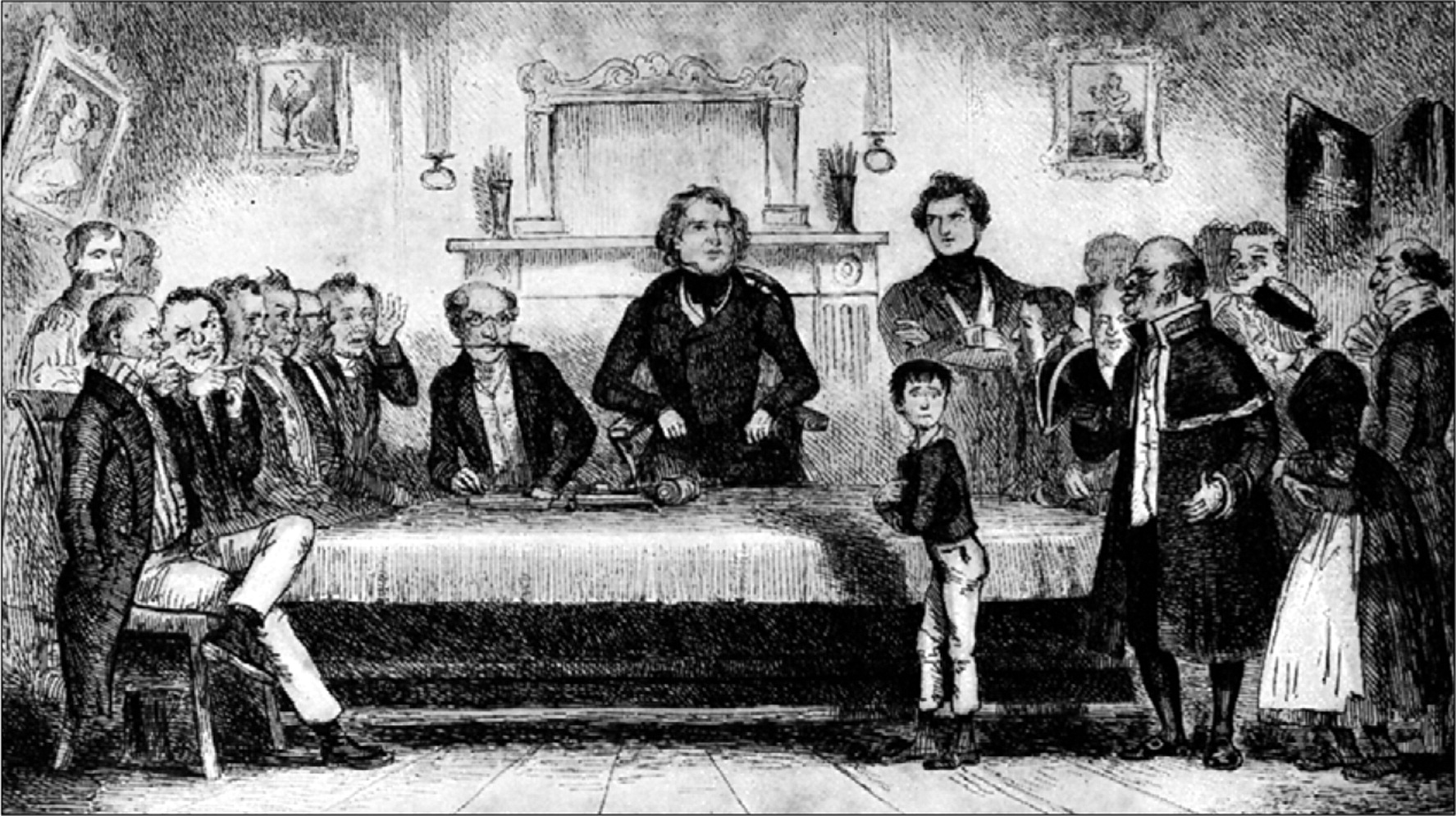
One of his peers described him what sort of an Image he had. “Thomas Wakley the editor as we find him—a courageous challenger of the medical establishment who was usually right and whose language, however tasteless it might seem today, was well suited to the rough and tumble of the time in which he wrote and spoke”
Lancet celebrates 200 year anniversary
On this 200th anniversary Lancet , looks back ,introspects and redefine the agenda of medical profession. We need more and more people like Wakley in the current era.
The Lancet editorial team has come out with two clips one podcast and other a brief video for a total of 28 minutes . If you have enough patience to hear to this , you are probably in the right direction to understand what exactly is the purpose being a Doctor.
After going through the history of medicine through the lens of Lancet, and understanding its original motto, one thing is very clear. Science and research are vital for progression medical science . But, the least important enemy to handle for a healthy planet and mankind is not diseases and afflictions as such, but the unkind behaviour of biased power centres, skewed knowledge, and unhealthy & unequal practices of health care invention and delivery.
Final message
Doctors are primarily healers, all right; more importantly, they are guardians of goodness and justice in healthcare. For this, we need to “Wakleyse the medical education“, meaning, keep a watch always on the true aim and action of medical establishment under which you work . I know, this post might sound pessimistic for many of you, … but that’s where optimistic goals are hidden deep .
Reference
Thomas Wakley (1795–1862): a biographical sketch
A forbidden quote about science
Posted in Uncategorized, tagged forbidden quotes, medical education, medical ethics, medical quotes, science quotes, venkat quotes, venkatesan sangareddi on December 20, 2023|

An unpalatable medical quote
Posted in Ethics in Medicine, medical quotes, tagged drsvenkatesan, hippocrates ethics, medical ethics, medical practice, medical quote, primum non nocere, voltaire on January 11, 2023|

Who is guiding the guidelines?
Posted in bio ethics, Cardiology quotes, Centre for cardiology unlearninng, Medcal research, Medical education, Medical ethics, medical quotes, Quotes, Science and Religion, Uncategorized, wisdom in cardiology, tagged best quote on medical education, cardiology quotes, dr venkatesan cardiologist, guidelines protocols recommendation acc aha esc scai, medical ethics, venkat quotes on July 14, 2022|
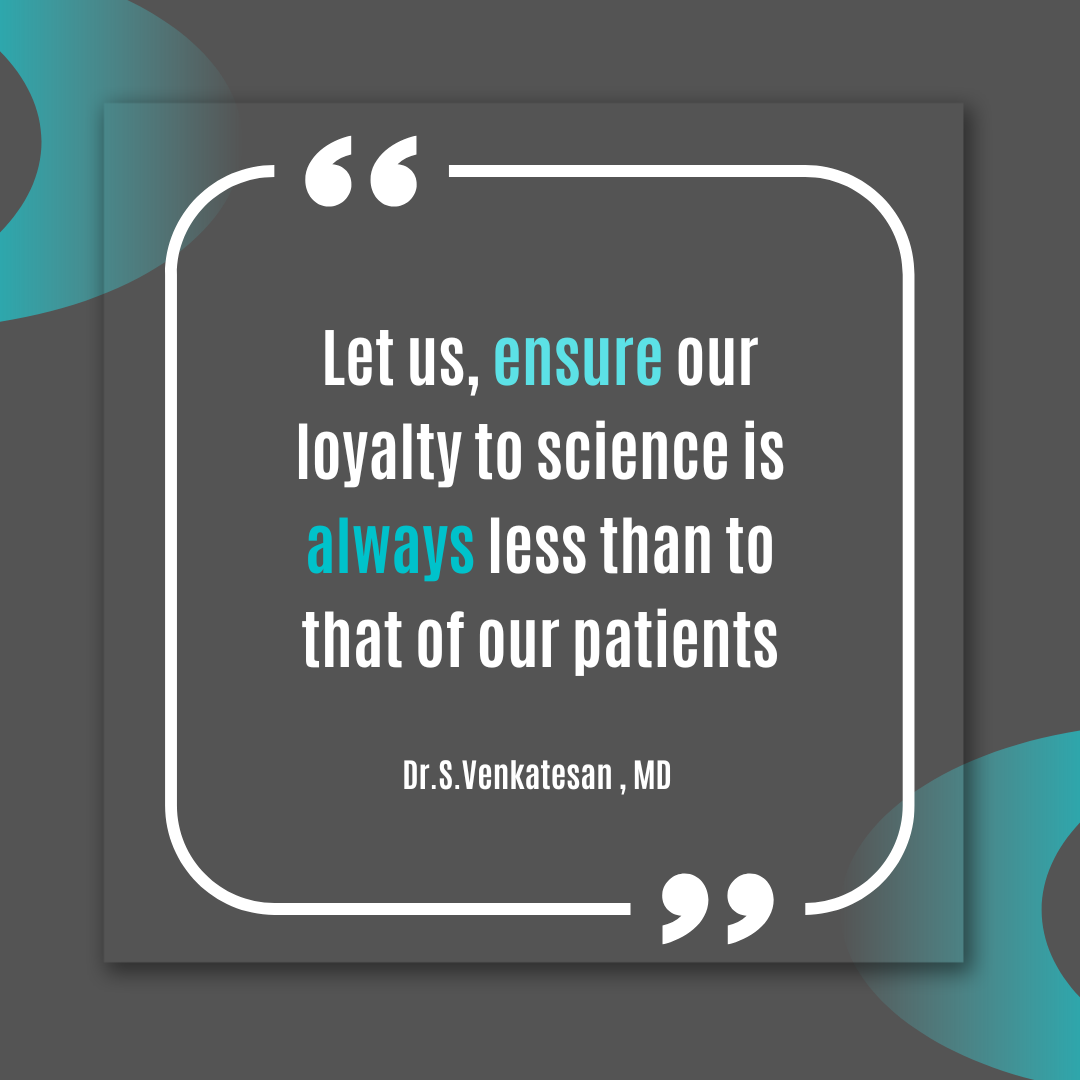
Who is the guiding the guidelines, which have become omnipresent & omnipotent ?
I don’t know really. Some good people I guess. But, the doubt creeps in when they try to coerce it on us.
Don’t try to educate your patients too much.., because,
Posted in bio ethics, medical quotes, Two line sermons in cardiology, tagged doctor patient relationship, medical ethics, patient empowerment, patient responsiblity, patient rights and wrongs on July 11, 2022|
This write up was triggered after encountering a patient who instructed his cardiologist to remove an incidentaly found block in Right coronary artery.
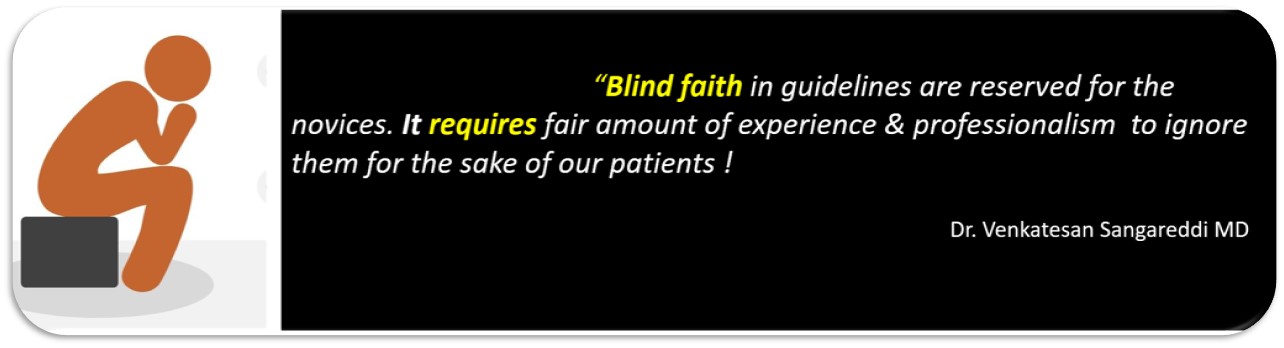
Oftentimes, It is a funny & futile world out there in modern medicine. Revealing the complete truths or accepting ignorance in critical decisions to their patients, make the Doctors feel that, their academic modesty and reputation are at stake.
Still, many patients expect (and think) the doctors to be 100 % transparent and want to understand the nuances of disease better than the doctors themselves. The current fad of online & offline health education for patients is not an accident of technology. Though some benefits exist, I feel, It is an intentionally promoted, maliciously motivated patient empowering movement, trying to disarm the true professionals.
Dear colleagues, always realize, never allow the default ignorance to become patients’ knowledge and ask them to take decisions on behalf of you. (I know, this is diagonally opposite to current principles of the practice of medicine) Fortunately, this issue doesn’t arise in most public hospitals in our country.
This paper was written 30 years ago with great foresight.
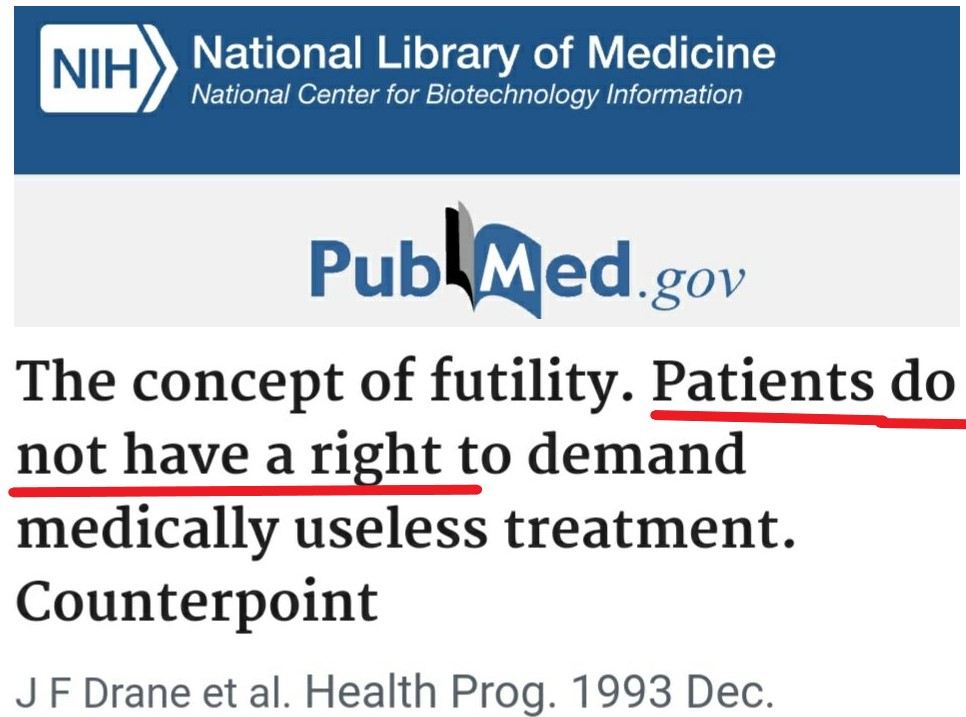
So, act with tact. You can’t hide behind the patient’s preferences in deciding the treatment choice. It can be “as unethical as” any activity that goes against the interest of the patients under which we are taking our oath. I don’t, recall anywhere in the Hippocratic oath, that we pledge to listen to the patient’s choice of treatment. (Rather, we assure to work in their interest always)
Final message
Let us sharpen our own skills first. We shall think about how to distill and consume the muddy knowledge emanating from the current mess of premature research spilling all over academia. Don’t try to educate too much to your patients. There is nothing called academic empathy because leaving it to our patients will ultimately end up equivalent to medical negligence.
Forget about the patient-guided treatment menu card. Think about this, if ordering a trendy new medical investigation purely on a patient’s demand is declared as medical negligence, How many doctors on this planet will be left non-negligent.(Stop. then what is a master health check-up? Who is the master ?)
(Hope this write-up is taken from a proper perspective. No intent to create a chasm between patients and doctors relationship )
Reference
Postamble & Counterpoint
It all sounds good on paper. The consequence of not listening to our patients, especially if they land up with complications, will look awkward, is it not? So, I always go by patients’ desires.
Patients tend to believe in fancy investigations and machines and not me, what to do?
No, it is wrong. You can’t justify it. Regarding your concern and impact on our reputation, nothing can be done. The medical judiciary desperately needs some reforms, understand the reality to protect us I always tell my patients they have to accept me as a whole. (Do you enter the Aeroplane’s cabin and check the pilot’s mental and physical acumen every time you board a flight. It is trust,.. complete trust, that drives our life right !)
It is true, that medical professionals must be always under a continuous quality* control regimen. The consequences of consulting less shrewd medical personnel, their errors in judgment, the stress of work, patients need to accept* just like a side effect of a drug or a natural history of a disease.
*, Unlike the engineering field, defining & controlling quality in medical therapeutics is a mystery exercise with multiple agendas!
Be happy with the “H” Index of Hippocrates
Posted in Cardiology quotes, cardiology-ethics, Uncategorized, tagged bmj, future of medicine, google scholor, H index, hippocrates ethics, Hippocratic oath, i Index, Impact factor, jama network, kos island, lance, medical ethics, medical research issues, nejm, peer reviewed medical journal, principles of medical education, pubmed, SCIMAGO score, scopus, source normalised Impact factor on March 5, 2022|
“Publish or perish “
This sound bite is regularly uttered by all academic leads in any university or medical school. I don’t know, why this bothers me. Looking back, many of our mentors & professors never had any great publications. Still, they were extraordinary teachers and wonderful clinicians with great wisdom. They created generations of high-quality doctors who are present all over the globe now. Is scientific publication that important in a doctor’s life? After pondering for quite some time, got a hazy answer to that query in one of my sleepless early morning academic dreams.
Hippocrates was one of the applicants for the post of professor of medicine at Harvard medical school.His application was rejected for a dismally low H index. The reluctant father of medicine tried to impress the authorities, by telling them that his experience was vast and used to teach medicine 2000 years ago, well before their country USA was discovered. The father of medicine almost begged to reconsider their decision.The miffed Harvard academic office ridiculed the old man and insisted nothing will work, except a minimum H index of 50 or atleast 10 papers as first author in a peer reviewed high Impact factor journal. A dejected Hippocrates returned to Kos islands and asked his new generation fellows, what is this H index and Impact factor stuff ? His students were worried about their guru’s ignorance. They some how convinced the greatest ever medical teacher to urgently subscribe for a platinum membership of a premium medical authourship services located in the Boston suburb and fixed a 30 day deadline for his first manuscript.
(What is this H index ?) Why is it so popular?) Ref :
Off to Kos Islands
Now, let us travel back in time,2000 years ago to this picturesque nation, Kos islands in the Aegean sea,. This is where Hippocrates taught lessons under his favorite tree. No teaching apps, No 4k audiovisuals, The humble noise from within his lips became great wisdom thoughts. All that students had were set of ears to hear him. Hippocrates became the celebrated father of medicine for two reasons. He was the first to dispute the then-prevailing thoughts about human health and disease. He first proposed for every illness there is a hidden reason ie the beginning scientific basis. He insisted and negated the idea that diseases are bestowed upon by evil forces and spirits. The second one is more important. He realized knowledge, skill, and power are a deadly mix for the healing industry if they lack responsibility. He foresaw non-academic factors that will try to challenge the integrity of medical professionals and the health care delivery systems. It is astonishing to note how he could predict this 2000 years ago and wrote the behavior code for medical professionals which has become immortal.

How to grade the quality of medical professionals?
Scientific publication is just one of the indices of quality assessment for medical professionals. Grading them based on a few manufactured rating systems is beginning to look like an academic comical. There are many more visible and invisible, quantifiable and non-quantifiable quality assessment parameters that deserve attention.
Research & Innovations are indeed the pivotal pillars that take us to newer frontiers of medicine. But, It is explicitly clear now, the prime purpose of research is definitely not aimed at the growth of science. It is more of a survival tool, intertwined with commerce, status symbol, pride, peer pressure, self-esteem, rivalry, or just a filler for CV.
Final message
Blanket statements like Publish or perish at any cost could be a dangerous doctrine to adopt in medical education which is essentially about healing and caring (& whenever possible, curing). In one sense, medical teaching is little to do with research. Many of the great professors in our country never published a single paper. Unfortunately, research and teaching have been made to look inseparable. Beware, history has repeatedly taught us medical professionals need not be hyper-intelligent. They need to be just wise, men /women of integrity, enriched with sincerity, righteousness. Proper consumption of knowledge is much more important than the creation of it. Let us hope the future will be at least as perfect as the past.
Postamble
My H index stands at 15, I must confess I am confused a lot. Should I bother for more, or be just be happy to reach the H index of our mentor and father of medicine, which is numero Zero, and propagate his work.
Reference
2.Academic excellence does not always require publication Ernest L Boyer argued in his 1990 book, Scholarship Reconsidered: Priorities for the professoriate,(BoyerScholarshipReconsidered)
3.Too much academic research is being published https://www.universityworldnews.com/post.php?story=20180905095203579
Peer reviewed perils: Medical science is still far away from true democracy !
Posted in Uncategorized, tagged acc aha esc guidelines, clinical cardiology, drsvenkatesan venkat quotes, medical editors, medical ethics, nstemi, peer reviewed journal, stemi on September 12, 2020|
Time to tweak the definition of “Professional incompetence” in medical practice.
Posted in Uncategorized, tagged artificial intelligence, dr s venkatesan, dr venkatesan sangareddi, future of medical ethics, gene therapy, hippocrates, journal of medical ethics, lown foundation, madras medical college, medical ethics, medical quotes, nano medicine, nejm bmj lancet, noble profession, principles of practice of medicine, quotes medical ethics best, sir william osler on January 28, 2020|

Categories
-

-
The contents of the this blog is being published as Kindle E book , as per the request of many of the readers. Every article will continue to be open source in this site. Again I shall reiterate the book format is not aimed at any commercial intent. It is only to facilitate learning in a single book format Here is the link to book
https://amzn.in/d/euhL5vu Archives
- March 2026 (9)
- February 2026 (8)
- January 2026 (8)
- December 2025 (11)
- November 2025 (7)
- October 2025 (8)
- September 2025 (7)
- August 2025 (9)
- July 2025 (10)
- June 2025 (8)
- May 2025 (9)
- April 2025 (7)
- March 2025 (10)
- February 2025 (4)
- January 2025 (9)
- December 2024 (11)
- November 2024 (8)
- October 2024 (10)
- September 2024 (5)
- August 2024 (5)
- July 2024 (6)
- June 2024 (5)
- May 2024 (4)
- April 2024 (7)
- March 2024 (4)
- February 2024 (8)
- January 2024 (6)
- December 2023 (8)
- November 2023 (13)
- October 2023 (14)
- September 2023 (5)
- August 2023 (6)
- July 2023 (10)
- June 2023 (5)
- May 2023 (5)
- April 2023 (4)
- March 2023 (5)
- February 2023 (2)
- January 2023 (7)
- December 2022 (3)
- November 2022 (5)
- October 2022 (5)
- September 2022 (4)
- August 2022 (3)
- July 2022 (9)
- June 2022 (2)
- May 2022 (1)
- April 2022 (2)
- March 2022 (1)
- February 2022 (3)
- January 2022 (7)
- December 2021 (3)
- November 2021 (5)
- October 2021 (8)
- September 2021 (4)
- August 2021 (6)
- July 2021 (6)
- June 2021 (7)
- May 2021 (5)
- April 2021 (4)
- March 2021 (3)
- February 2021 (6)
- January 2021 (8)
- December 2020 (4)
- November 2020 (5)
- October 2020 (7)
- September 2020 (7)
- August 2020 (10)
- July 2020 (6)
- June 2020 (9)
- May 2020 (9)
- April 2020 (5)
- March 2020 (7)
- February 2020 (3)
- January 2020 (4)
- December 2019 (4)
- November 2019 (6)
- October 2019 (3)
- September 2019 (6)
- August 2019 (3)
- July 2019 (1)
- June 2019 (3)
- May 2019 (2)
- April 2019 (2)
- March 2019 (2)
- February 2019 (4)
- January 2019 (2)
- December 2018 (2)
- November 2018 (2)
- October 2018 (2)
- September 2018 (1)
- August 2018 (2)
- July 2018 (3)
- June 2018 (1)
- May 2018 (3)
- April 2018 (1)
- March 2018 (3)
- February 2018 (3)
- January 2018 (1)
- December 2017 (3)
- November 2017 (3)
- October 2017 (3)
- September 2017 (2)
- August 2017 (2)
- July 2017 (2)
- June 2017 (2)
- May 2017 (4)
- April 2017 (3)
- March 2017 (3)
- February 2017 (5)
- January 2017 (3)
- December 2016 (2)
- November 2016 (5)
- October 2016 (4)
- September 2016 (3)
- August 2016 (5)
- July 2016 (3)
- June 2016 (4)
- May 2016 (3)
- April 2016 (6)
- March 2016 (4)
- February 2016 (3)
- January 2016 (5)
- December 2015 (6)
- November 2015 (5)
- October 2015 (8)
- September 2015 (2)
- August 2015 (5)
- July 2015 (7)
- June 2015 (4)
- May 2015 (6)
- April 2015 (5)
- March 2015 (7)
- February 2015 (15)
- January 2015 (8)
- December 2014 (5)
- November 2014 (9)
- October 2014 (7)
- September 2014 (9)
- August 2014 (5)
- July 2014 (11)
- June 2014 (5)
- May 2014 (4)
- April 2014 (5)
- March 2014 (8)
- February 2014 (8)
- January 2014 (5)
- December 2013 (7)
- November 2013 (7)
- October 2013 (14)
- September 2013 (12)
- August 2013 (15)
- July 2013 (15)
- June 2013 (15)
- May 2013 (15)
- April 2013 (15)
- March 2013 (15)
- February 2013 (15)
- January 2013 (15)
- December 2012 (15)
- November 2012 (15)
- October 2012 (15)
- September 2012 (15)
- August 2012 (15)
- July 2012 (15)
- June 2012 (15)
- May 2012 (15)
- April 2012 (15)
- March 2012 (15)
- February 2012 (15)
- January 2012 (15)
- December 2011 (15)
- November 2011 (17)
- October 2011 (17)
- September 2011 (17)
- August 2011 (21)
- July 2011 (20)
- June 2011 (17)
- May 2011 (15)
- April 2011 (17)
- March 2011 (25)
- February 2011 (20)
- January 2011 (20)
- December 2010 (18)
- November 2010 (21)
- October 2010 (21)
- September 2010 (25)
- August 2010 (20)
- July 2010 (10)
- June 2010 (11)
- May 2010 (19)
- April 2010 (16)
- March 2010 (14)
- February 2010 (22)
- January 2010 (18)
- December 2009 (20)
- November 2009 (20)
- October 2009 (3)
- September 2009 (21)
- August 2009 (19)
- July 2009 (12)
- June 2009 (12)
- May 2009 (11)
- April 2009 (15)
- March 2009 (21)
- February 2009 (4)
- January 2009 (12)
- December 2008 (13)
- November 2008 (9)
- October 2008 (22)
- September 2008 (20)
- August 2008 (16)
- July 2008 (14)
- June 2008 (7)
Blog Stats
- 6,642,052 hits
Please give your feed back .
Click below to see who is watching this website live !

- This site will never aim for profit. Still ,this donation link is added at the request of few visitors who wanted to contribute and of-course that will help make it sustainable .

Please Note

 Dr.S.Venkatesan MD