Feeds:
Posts
Comments

Archive for the ‘Uncategorized’ Category

With deep regret, reporting the demise of Dr. KA Abraham, cardiologist, par excellence in our part of the world (Chennai, Tamil Nadu, India.) He was a man of great knowledge,  wisdom, and integrity and was an inspiration to generations of cardiologists like us.

Dr.K.A Abraham 1942-2021

A life, that was fully dedicated to all those heart patients, many of them sick children in his den, the Railway hospital, Chennai for three decades. Though, never had the privilege to be associated with him either directly, nor does he knew me, one could feel instantly the greatness and simplicity in him. It’s 1994-95, vividly recall, the early morning classes, he took in the small auditorium in the Railway hospital,(For which, we used to rush to the far away Perambur from MMC in the peak Chennai traffic). His passion for teaching the basics of cardiac catheterization was phenomenal. Somehow, I used to think he was in the league of the Nobel trio of “Forssman, Richards & Cournand” who invented cardiac catheterization.

Those were ordinary days when the quest for knowledge and teaching was pure and Dr. Abraham was one of the great souls in pursuit of genuine and quality cardiac care. No surprise, his services were recognized and conferred a top award of India,  Padmashree.

Yes, India truly lost a pioneering cardiologist. 

Reference

https://en.wikipedia.org/wiki/K._A._Abraham


Read Full Post »

Background

“Your husband is really lucky, his heart attack got spontaneously aborted. His ECG is near normal now. The angiogram is normal.No lysis, no stent is required. He secreted his own TPA and got rid of the clot. We will discharge him to tomorrow.”

Thank you very much, Doctor. How did this happen, doctor?

Don’t thank me. Definitely, I don’t have an answer. Spontaneous successful thrombolysis (Ref 4) happens up to 15 % of ACS. All I can say is he has a very disciplined  fibrinolytic system backed up with an agile mast cell and basophil function.

Vascular events: Pathobiology

Vascular highway accidents that happen due to the sudden freezing of blood in any vital organs consume more human lives than any other disease. This can happen with or without a trigger from the vessel wall, the phenomenon which Virchow’s taught us a century ago.

By the way, who is keeping the 5 liters of blood in our body in a fluid status life long?

Blood coagulation and lysis is a fascinating balance of two pairs opposing hematological forces.

  1. Coagulant system (The 13-factor Intrinsic /extrinsic clotting cascade )
  2. Anticoagulation system  (Antithrombin, protein  C and S, and tissue factor pathway inhibitor (TFPI) )
  3. The fibrinolytic system (Commander in chief is Plasmin, It has the ability to feed and digest clots just like that It comes from plasminogen the activation of this the core concept of thrombolytic or fibrinolytic agents)
  4. Anti-fibrinolytic system  Haemostasis 1986;16:16–20

* Among the blood component cells platelet is the only cell that plays a critical role in the clotting process. Paradoxically the fiery red clot, that is loaded with RBCs has a little direct role in the clotting process while biochemical molecules like fibrinogen, thrombin plays a major role. The fact that blood is liquid forever, tells us a compelling fact, that innate anticoagulation and the fibrinolytic system are more critical than the extensively understood clotting mechanisms. 

Are you aware we all have some amount of naturally secreted heparin in blood?
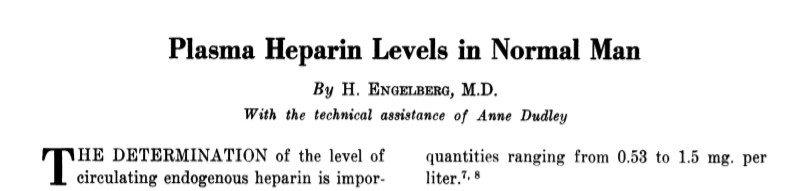
Circulation, Volume XXIII, April 1961

Which cells secrete heparin? 

Basophils of blood and mast cells continuously secrete heparin that keep the blood fluid. Heparin is normally present in human plasma in values ranging from 10 to 24 units percent (1 to 2.4 mg. per liter). The range of average values is from 1.53 to 1.77 mg. The native heparin secretion by mast cell population is directly related to the anticoagulation activity (Bill Eksp Biol Med. 1984 Feb;97(2):131-4. Russian. PMID: 6230117.)

Where does TPA come from?

TPA normal levels not only confers the capacity to spontaneously abort  a vascular event, but it is also a critical determinant of how streptokinase is going to act as this drug can’t act alone it simple accelerates the action of Tpa complex
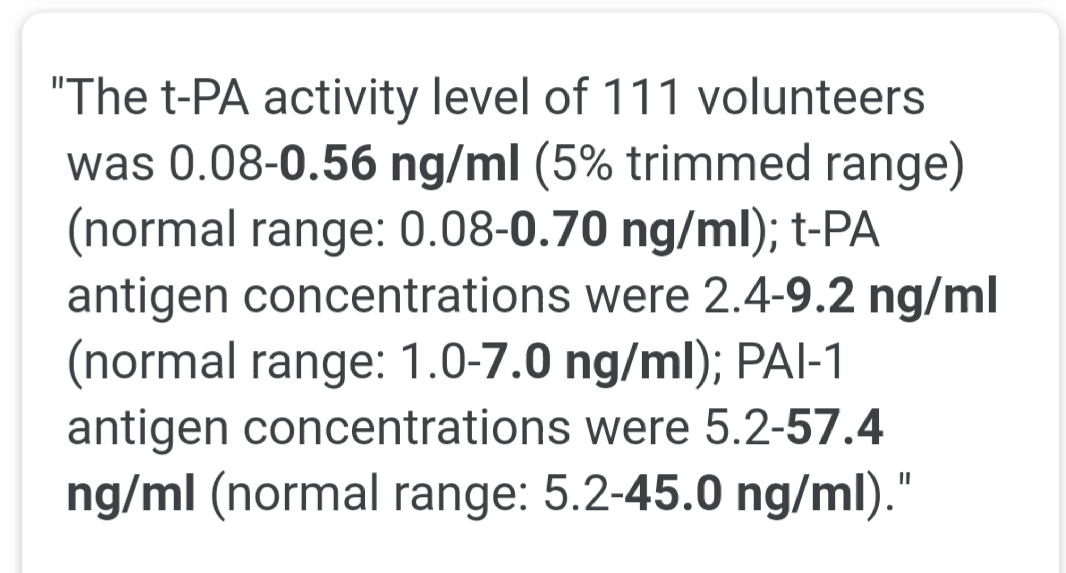
Mind you, the basal levels of TPA are injected instantly into the coronary thrombus with a zero-second time window. Now guess what is the potency of this enzyme cascade and who directs it?

Yamada R, Yamada S, Ishii A, Sasamata M, Watanabe S. Association between tissue plasminogen activator and serum lipids in healthy volunteers. Ann Med. 1990;22(5):313-8. doi: 10.3109/07853899009147913. PMID: 2127223.

Final message

If we think with a hematologic acumen, all vascular accidents are triggered by temporary aberrant behavior of blood or the interaction of its components with the immediate tissue interface. It is the inability to either prevent or fight the sudden occurrence of thrombus that is a primary problem than the tendency of the blood to clot spontaneously. The basal levels of natural Heparin, TPA, or anti thrombins and the way in which they get activated are much more important than the procoagulant forces, which we tend to blame often. (the famous vulnerable plaque vs vulnerable patient need to be reignited) 

I think it’s time we dwell deeper into the native lytic mechanisms. This will throw an important vision on how we can replicate it in a pharmacological way. If only we have a drug that melts intravascular clots locally, vascular deaths of many vital organs can be prevented. The research in newer lytic agents has almost ceased & needs fresh Impetus.(TPA is a 25-year-old Invention) 

Reference

1.Longstaff, C. & Kolev, K. Basic mechanisms and regulation of fibrinolysis. J. Thromb. Haemost. 13(Suppl 1), S98-105.  

2. Wiman B. Predictive value of fibrinolytic factors in coronary heart disease. Scand J Clin Lab Invest Suppl. 1999;230:23-31. PMID: 10389198.

3.Wiman B, Andersson T, Hallqvist J, Reuterwall C, Ahlbom A, deFaire U. Plasma levels of tissue plasminogen activator/plasminogen activator inhibitor-1 complex and von Willebrand factor are significant risk markers for recurrent myocardial infarction in the Stockholm Heart Epidemiology Program (SHEEP) study. Arterioscler Thromb Vasc Biol. 2000 Aug;20(8):2019-23. doi: 10.1161/01.atv.20.8.2019. PMID: 10938026.

4.Kovacs IB, Yamamoto J. Spontaneous thrombolysis: a forgotten determinant of life or death. Clin Appl Thromb Hemost. 2006 Jul;12(3):358-63. doi: 10.1177/1076029606291410. PMID: 16959691

Postamble

I think we have a problem with our basic science teaching methods. Tried a fact check. When I asked a few passing-out medical graduates, they could rattle everything about clotting factors but struggled to recall any anti-clotting mechanisms. We are still a long way to go, understanding the mysteries of how the blood keeps itself fluid, but always on the alert mode to clot whenever necessary.

DIC: The sine-qua-non of lytic dysfunction

DIC is one of the famous diagnoses in critical care medicine. It is a perfect example of defective fibrinolysis. (Also referred to as acute fibrinolytic shutdown*) classically occurs in septic shock and related conditions. We still lack good criteria to diagnose non-overt DIC-prone patients. A good review was written in 1999, still helps us understand the core concept. 

*Both shutdown as well as Inappropriate activation 

Levi M, Ten Cate H. Disseminated intravascular coagulation. N Engl J Med. 1999;341(8):586–92.

Return to ref 3 in article


Read Full Post »

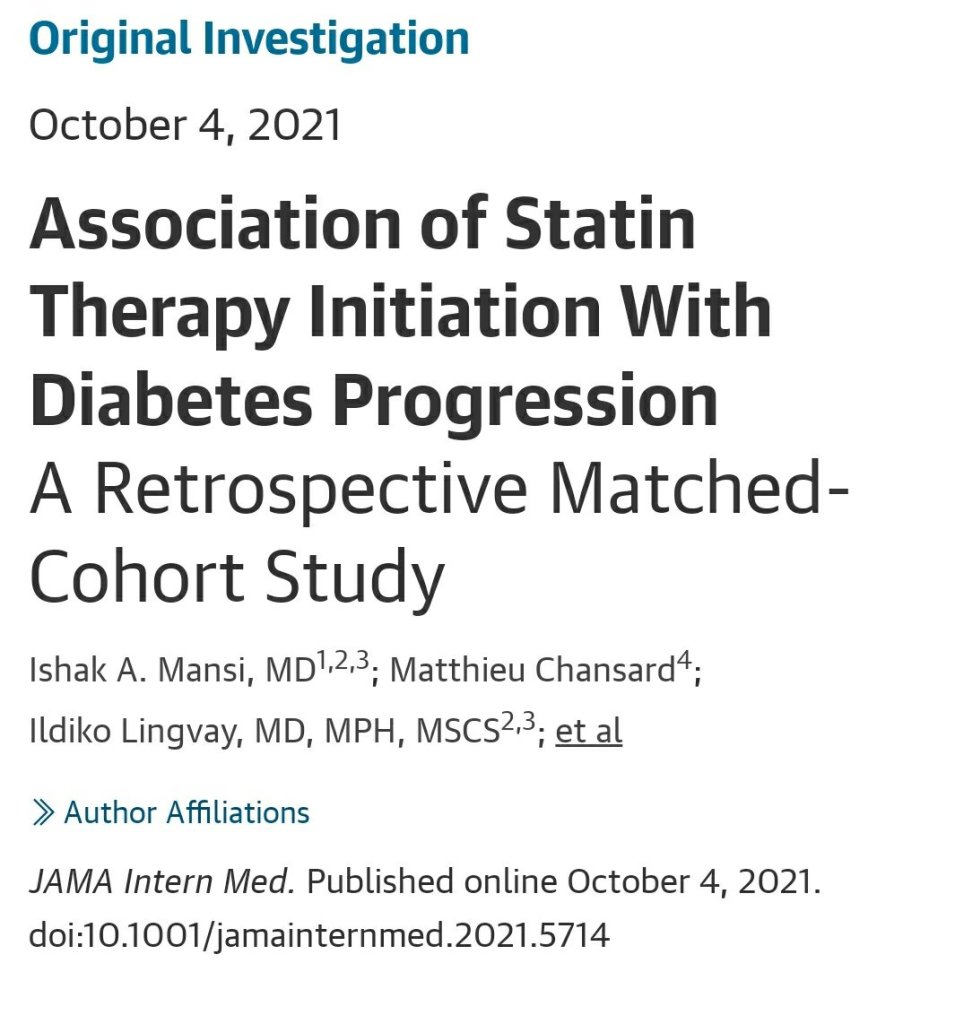
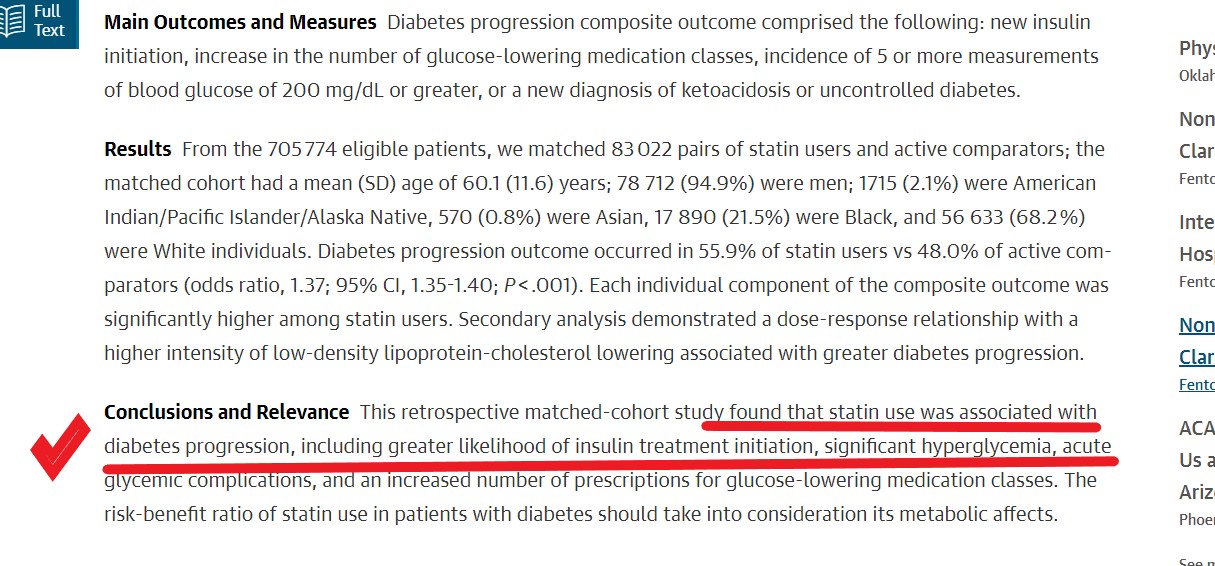
This is not a breaking news story. It’s the same old secret that was exposed in JUPITER  trial with Rosuvostatin 14 years ago. Yes, I am talking about the relationship between the usage of statin and the occurrence of diabetes. Now, we have this huge study on possible diabetes progression with statins. It’s not from a small journal to ignore. 

83 thousand patients data, the world’s largest series on link between statin therapy and diabetes.


This study has this to conclude

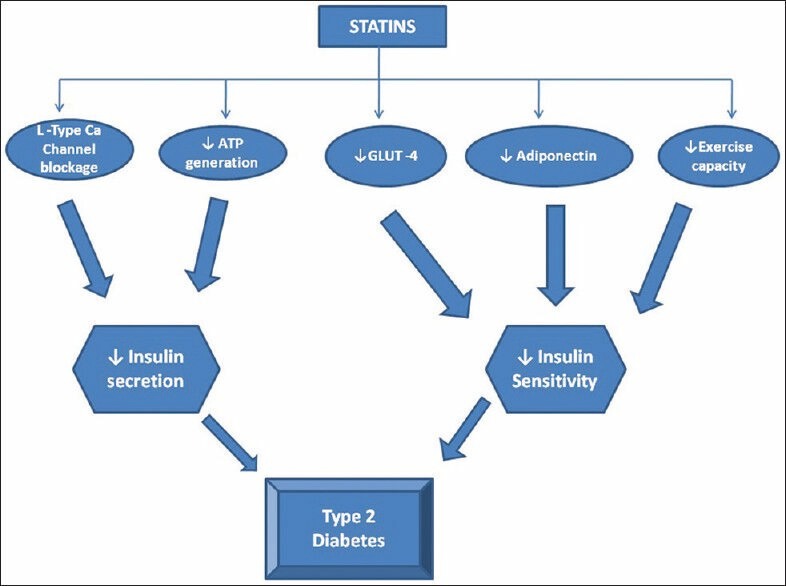
Diabetogenic statins

Something* happens as the statins antagonize the HMG COA  enzyme that resides within the delicate membranes of the endoplasmic reticulum inside the most specialized cells in our human body, called hepatocytes.

*What is that something?

Image source Umme Aiman et al Journal of Pharmacology and Pharmacotherapeutics 5(3):181-5DOI: 10.4103/0976-500X.136097

How to go about this issue?

With-holding statin in as many as possible is the best thing for such diabetic  (non-diabetic?) patients. But, the more pragmatic option is to ignore these negative studies, and instead intensify diabetes management if it worsens. After all, we can’t afford to lose the prodigious evidence-based cardio-vascular protective effects of statins and earn the wrath of our patients and peers you know!

Further Interest

1.Mansi IA, Chansard M, Lingvay I, Zhang S, Halm EA, Alvarez CA. Association of Statin Therapy Initiation With Diabetes ProgressionA Retrospective Matched-Cohort StudyJAMA Intern Med. Published online October 04, 2021. doi:10.1001/jamainternmed.2021.5714

2.Aiman U, Najmi A, Khan RA. Statin induced diabetes and its clinical implications. J Pharmacol Pharmacother. 2014 Jul;5(3):181-5. doi: 10.4103/0976-500X.136097. PMID: 25210397; PMCID: PMC4156828.


Read Full Post »

Background

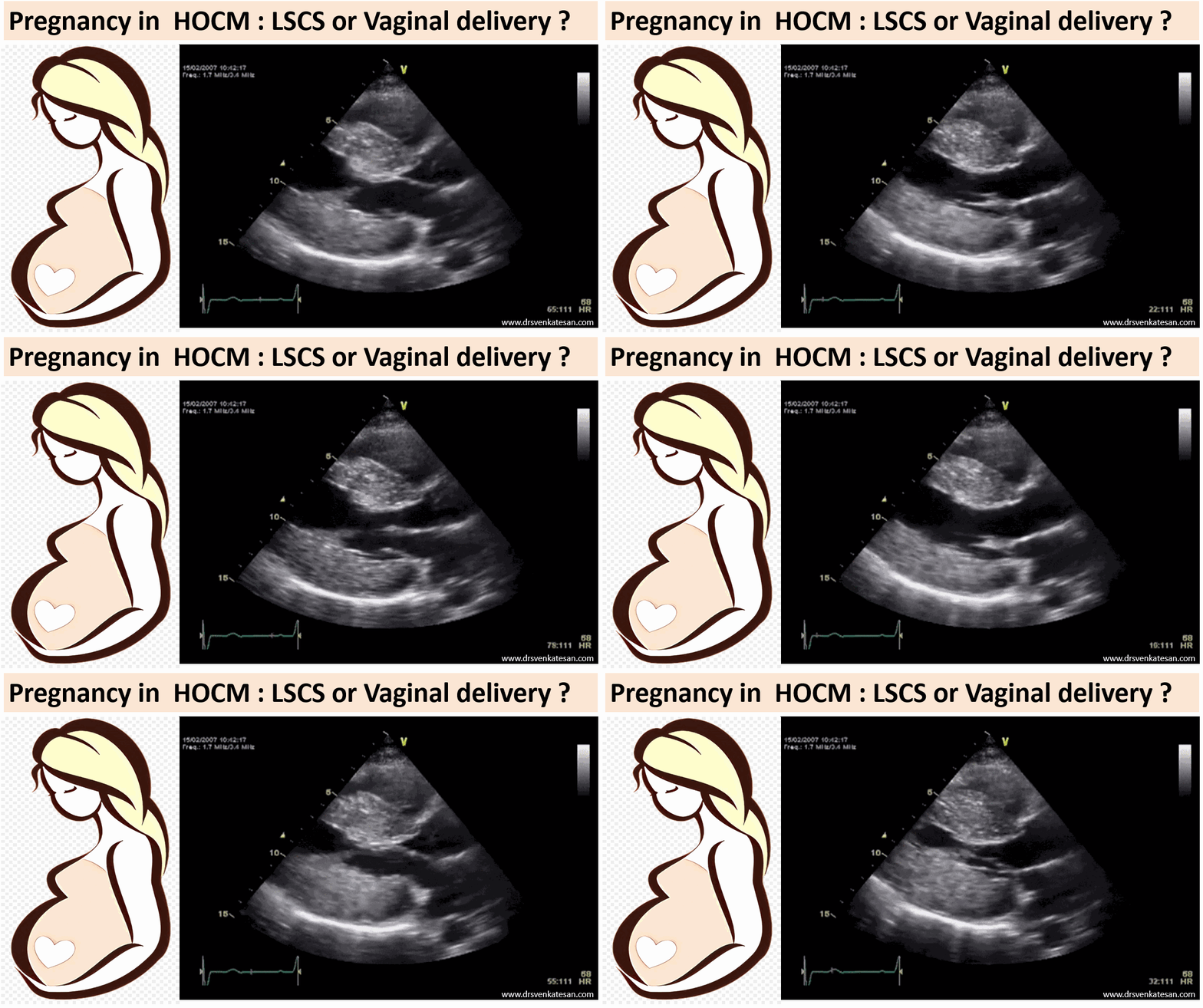
Yesterday, my fellow informed me about a frantic call for cardiac fitness for an emergency cesarian section in 24-year-old woman with hypertrophic cardiomyopathy, who is asymptomatic and has a 20mmhg gradient across LVOT.

“Was she in labor”?

“No, she is 36 weeks term.

“Why LSCS? Why emergency”?

“I don’t know sir. Let me discuss and come again”.

 HCM in pregnancy: An approach

Hypertrophic cardiomyopathy is a specific genetic disorder of myocyte (myosin and others) within the sarcomere. Though uncommon in pregnancy it raises considerable anxiety to the patient, family, and the obstetrician. 

Hemodynamics

Though we tend to worry more about dynamic LVOT obstruction, it is actually the restrictive physiology of LV myocardium that might cause more concern. Three key variables operate in this entity namely preload, afterload, and contractility that determine the cardiac hemodynamics and possibly the symptoms. We know the classical consequence of pregnancy is a fall in systemic vascular resistance( SVR) ie afterload.

In pregnancy, there is a complex interaction between these three parameters along with heart rate. Fortunately, the net effect ends up favorable for LV performance. This is made possible because a major compensation occurs by a 50% increase in blood volume that effectively counters the deleterious effect of fall in SVR on LVOT gradient. (If mitral regurgitation is significant, the fall in SVR actually may help reduce regurgitant fraction especially if its intrinsic defect )

Maternal outcome 

Is good (if not excellent). Maternal mortality reported in the literature, is gradually coming down (0 to .5% in various series)  However, about 15 % of HCM patients with gross LVH or obstruction, may develop pulmonary congestion in the third trimester. In some patients, VPDs, nonsustained VT, even AF can lead to some tense cardiac consultations but are usually innocuous. I am not sure about the sudden death in pregnancy. I guess it should be negligible, unlike the non-pregnant HCM. 

A mystery learning point

It is surprising  both fetal and maternal outcome is little related to the severity of LVOT gradient (Ref 2) 

Indication  for cesarian 

  • Most mothers can deliver per vaginalis without much hemodynamic challenge. 
  • Vey rarely cardiac indication for LSCS need to happen. (However, in the real world many land up in LSCS , since true indication can be blurred due to  cardio-obstetrical anxiety)
  • Spinal anesthesia to be avoided as hypotension is poorly tolerated 
  • Beta-blockers to be continued during pregnancy labor.(Need not start however if already not taking)

Fetal outcome

Premature birth, stillbirths, low weight are little more common than normal pregnancies. Fetal bradycardia due to beta-blockers has been noted but not troublesome.

What is the role of cardiologist?

The precise answer is “minuscule role”. I can vouch for this from a personal level. ( Consults are meant only for bringing some comfort to the obstetrical team). Active cardiac interventions are rarely required or rather desired. (Of course, patients who have significant symptoms, operated for HC, on OAC for AF, the rare ones with ICD needs expert care)

Final message 

  • Women with  HCM can safely become pregnant and deliver.
  • Best outcome is likely for both mother, and baby if basic precautions are taken.
  • LSCS is rarely required*.
  • Counseling about the condition needs to be gentle and just adequate. Dwelling deep into the pathology, hemodynamics, and statistics in totally asymptotic patients invites trouble to all stakeholders. 

*It is worthwhile to note other forms of severe  LVOT obstruction like valvular, supra valvular stenosis, and Aortic pathologies like Marfan, coarctation aorta are serious entities that deserve prompt cesarian sections.

Reference

1.Thaman R, Varnava A, Hamid MS, Firoozi S, Sachdev B, Condon M, Gimeno JR, Murphy R, Elliott PM, McKenna WJ. Pregnancy related complications in women with hypertrophic cardiomyopathy. Heart. 2003 Jul;89(7):752-6. doi: 10.1136/heart.89.7.752. PMID: 12807849; PMCID: PMC1767741.

2.

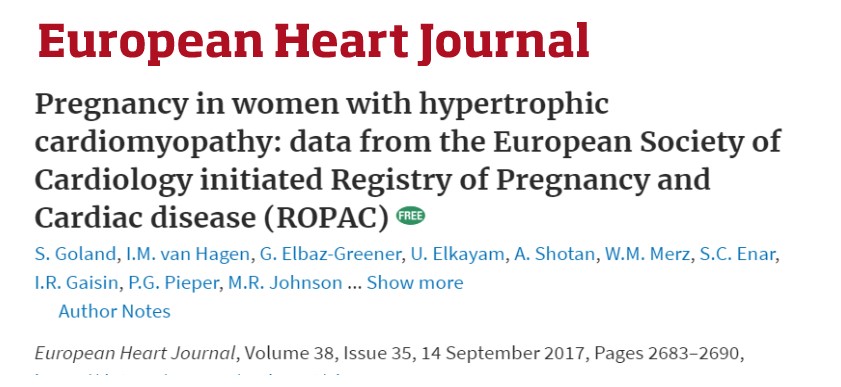
https://academic.oup.com/eurheartj/article/38/35/2683/3811991


3. ESC 2018 pregnancy heart disease guidelines 

Read Full Post »

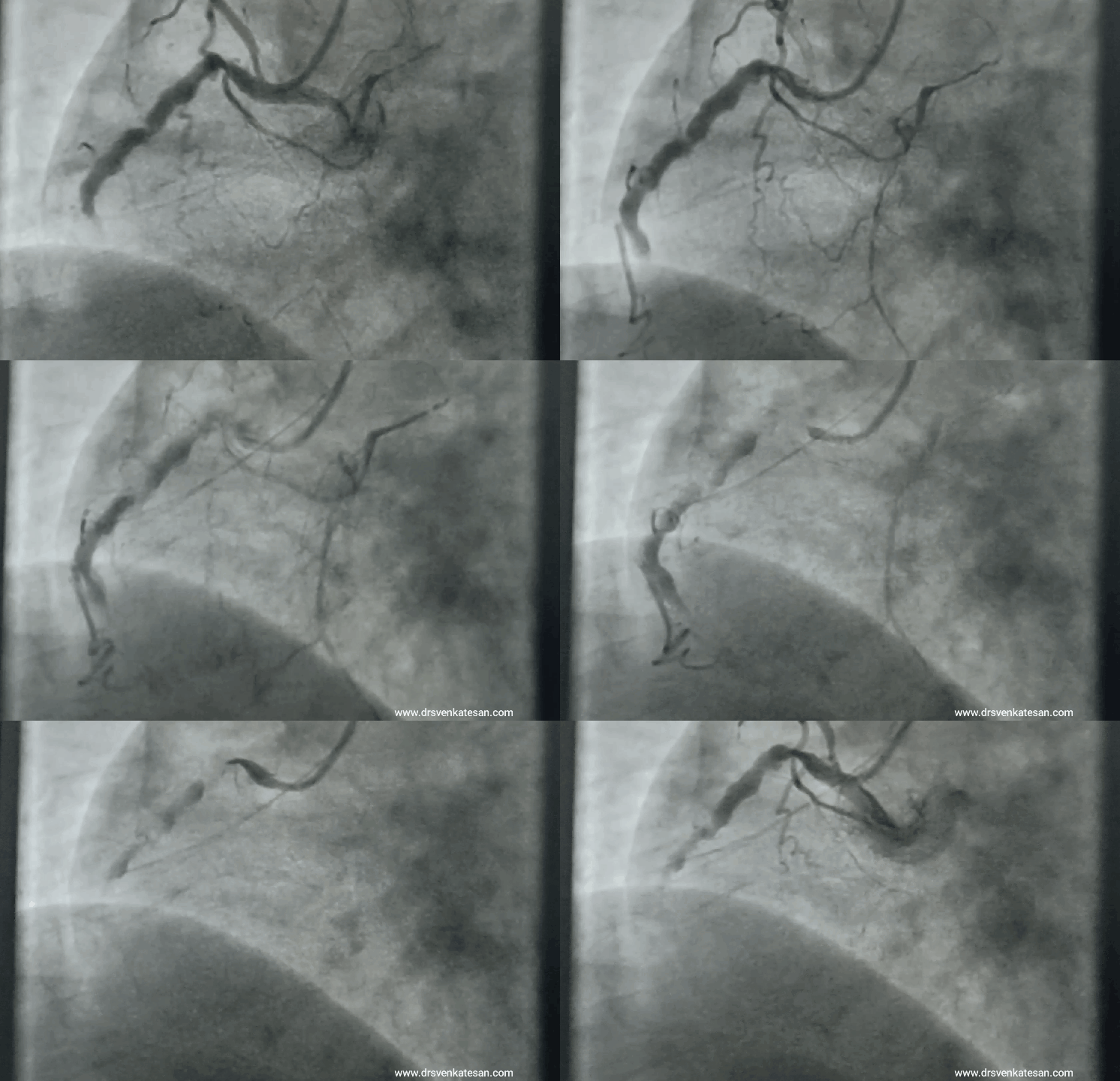
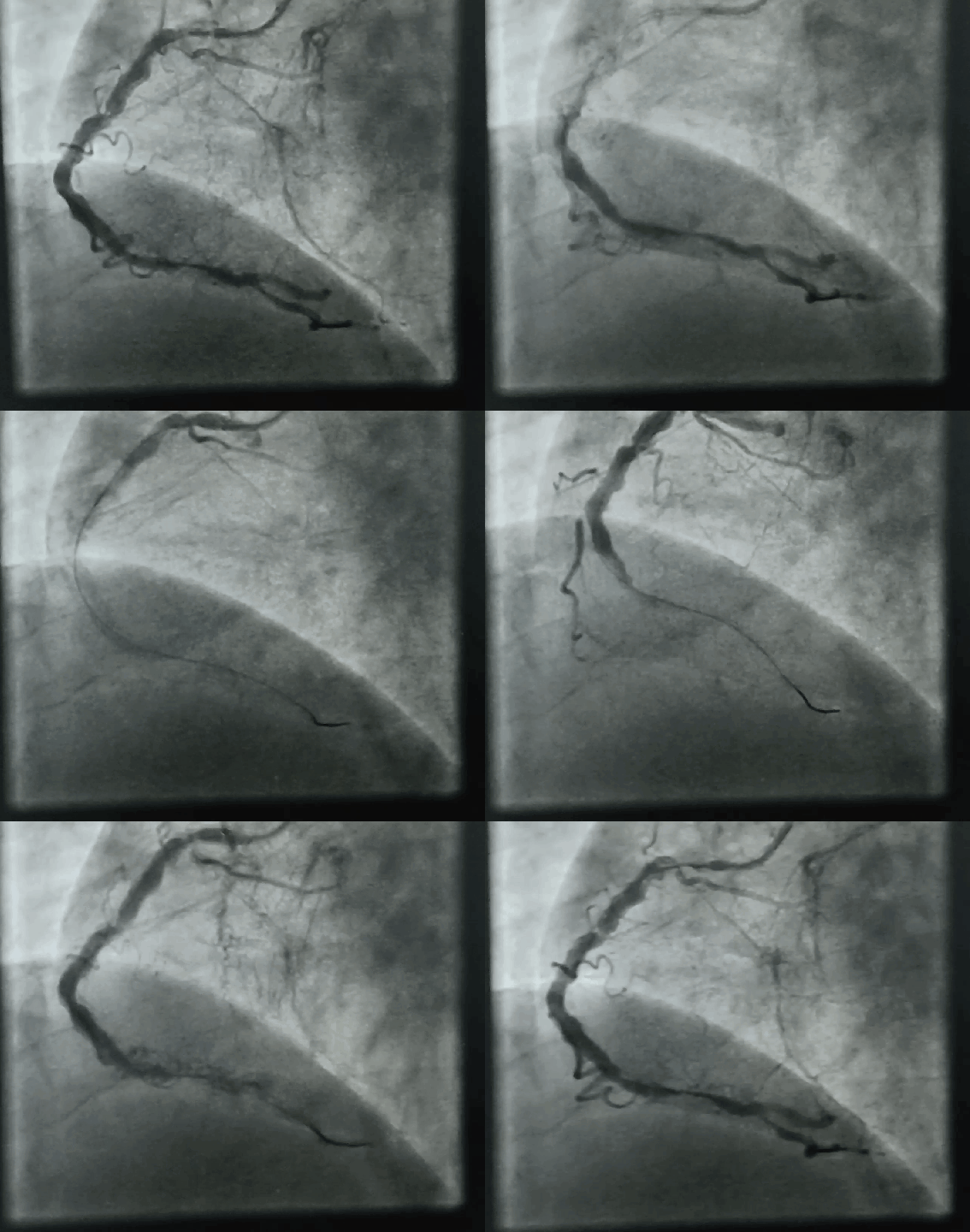
Inferior STEMI, and see the first shot in RCA below. The patient was pain-free and hemodynamically stable at the time of the angiogram. (Don’t wonder how this is possible, defying the fundamental rules learned from  animal experiments after acute ligation of the coronary artery)


What needs to be done ?
  • Go ahead and do a primary PCI as we do in any other  IRA.
  • Be watchful, just pass on the wire, feel the lesion, and decide thereupon. Consider intracoronary lysis.
  • How about a long stent from proximal to distal RCA?
  • Kissing the lesion with DEB in the tightest segment (Not a funny option )


What was done? How is the patient?

Nothing was done & nothing happened to the patient as well. Just guidewire was crossed and few minutes of balloon touch-up work. Did the patient improve? Can’t say anything because he was fine even with this total occlusion. 

Lessons to be learned 

  • The art of leaving a lesion left unattended (rather unstented) in IRA without guilt.
  • TIMI zero flow in IRA need not be a death sentence for the distal myocardium, even in STEMI. 
  • Sometimes, a simple guidewire crossing can do the same job as a complex angioplasty in an IRA.(For acute salvage TIMI 2 or even TIMI 1 is good enough) Most IRA accidents happen when trying improve upon this in an ectatic vessel.
  • Risks of stenting in ectatic /Thrombotic segment is real
  • There can be a useful role for  STENTYS self-expanding stents in localized ectasia (Ref 1)
  • Long-term OAC (Soon NOACs) is a perfect remedy for protecting this type of coronary. 

* By the way, who are all bothered to know LAD anatomy in this patient.  Is it surprising the  RCA is sending collaterals to the left side in its hour of crisis? Yes. LAD had chronic sub-total lesion as well.

Reference

1.The Role of Self-expanding Stents in Patients with Atypical Coronary Anatomy | ICR Journal https://www.icrjournal.com/articles/role-self-expanding-stents-patients-atypical-coronary-anatomy


2.


Read Full Post »

Yes, it is a triple vessel disease, with one tight lesion and at least two other significant lesions. One of them appears diffuse as well. 

Representative Image: Source courtesy DOI: 10.14740/cr548w LicenseCC BY-NC 4.0

“What to do next?. Is he symptomatic?  Yes. Definitely has significant angina” but LV function is normal.

“Ok then. If you are daring enough, ask this question”.

Which lesion is causing angina?

No easy answer at all. Try looking for some clues right from history, ECG, stress ECHO, meticulous assessment of individual lesions. Realize, even sophisticated imaging like SPECT, PET functional MR, may not help much either.

Oftentimes, we need to use the lean resources of collective common sense and clinical acumen. 

  • If it is post ACS status,  consider residual ischemia in the culprit artery is the cause for angina.
  • Second, consider the tightest lesion as angina-related.
  • Or the complex, eccentric, thrombotic lesion is responsible.
  • Next, consider LAD as default lesion as  angina related artery (Statistically right 75%, prognostically perfect decision) 
  • Watch for ECG changes during chest pain (ST depression usually don’t localize, but experience tell us V5 /V6 ST depression is more likely to be LAD ischemia )
  • Echo wall motion defect either during rest or (more usefully) in stress can really help. (It needs some effort to look for Wall motion mapping with coronary lesion subtending segment)
  • What about balloon inflation test during PTCA ? . Prompt angina when a lesion is occluded may give a direct clue.

Want to get more confused?

  • Ask your colleagues for an opinion either online or offline.
  • Do FFR/QFR/IFR  and OCT and look for intracoronary pressure-flow data and plaque burden. We are entitled to get excited about fibrous cap thickness, and hunt for vulnerable lesions and decide thereupon.  

Finally some easy options. 

Which lesion is causing angina? Never entertain that troubling question at all. (Need not  squeeze your coronary intellect you know ) 

Consider every lesion as important 

  • Get ready to stent all three or more lesions.(Many times forbidden though !)
  • (or) More convenient, refer to CABG. (Surgeons will welcome for sure )

Final message

Which lesion is causing angina? is indeed an important query one should raise. This paves way for selective focussed PCI in deserving lesions alone. However, when dealing with complex lesions subsets. the most pragmatic way as of today is to educate the patient and include them in the decision-making process (Never forget to offer medical management as a permanent option, especially if there is no critical LAD disease, and say thanks to  ISCHEMIA/COURAGE/ BARI 2D.)

Read Full Post »

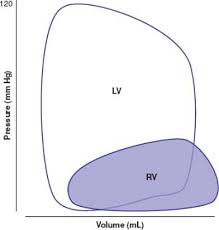
We know the right ventricle is a weak pump compared to LV. This is evident from the triangular pressure-volume loop of RV. RV not only generates less pressure, its thin wall and its direct connectivity to the extrathoracic compartment make it vulnerable to hemodynamic fluctuations whenever Intrathoracic pressure swings.

Note the lowly lying pressure-volume loop of the right ventricle. RV is a too gentle chamber and needs to be handled with extreme care especially when it is failing acutely.

Patients on ventilators are typically exposed to iatrogenic rise and fall in right heart pressure. If continuous airway pressure is kept high it’s directly add on to RV afterload. The second adverse event is through interrupting venous return (preload). 

 Effect of mechanical ventilation on RV

  • RV preload is reduced (If they drop too low – they are equivalent to be in “Status Valsalva maneuver” ) 
  • RV afterload increases when Inspiratory airway pressure is increased. (
  • If RV is grossly dilated it may encroach LV and interfere with its function (Reversed Bernheim effect )
  • Many of the unexplained hypotension and reduced cardiac index are due to suboptimal ventilator setting
  • Ventilator increases the mean RA pressure, and if there is PFO, it can shunt right to left and aggravate the preexisting systemic hypoxia. 

In some of the situations where RV is already in the fighting mode for survival, imagine its plight when it had to take on the adverse setting of the ventilator as well. This happens in RV infractions. Pulmonary embolism,  dilated cardiomyopathies, Post heart transplant, and in general in many  ARDS patients. Discussing the ventilatory settings and a sound understanding of the prevailing hemodynamics of patients is so important.

Settings need to be optimized (Good to acquire a basic knowledge of from an Intensivist/Anesthetist)

  • .Optimal PEEP (Often dynamic but <18cm H2o) 
  • Tidal volume 
  • Avoid Hypoxic pulmonary vasoconstriction and hypercarbia (<60mmhg)
  • RV dysfunction can be an independent indication Proning the patient (Apart from PaO2/Fio2 ratio) 

Final message

It is a paradox, for patients with LV, failure ventilators instantly help as it unloads the left ventricle and relieves pulmonary congestion on the go. The same can’t be said about RV dysfunction. Ventilators interfere with RV  in multiple complex ways. However, simple settings change can improve blood pressure dramatically. Always aim for an RV protective ventilation strategy. Many times It’s in our hands to let the tired RV free, from fighting its friend (or foe).

Reference

A comprehensive resource

1.Disselkamp M, Adkins D, Pandey S, Coz Yataco AO. Physiologic Approach to Mechanical Ventilation in Right Ventricular Failure. Ann Am Thorac Soc. 2018 Mar;15(3):383-389.

2.krishnan 2015 Download


3.A. Paternot, X. Repessé, and A. Vieillard-Baron, “Rationale and description of right ventricle-protective ventilation in ARDS,” Respiratory Care, vol. 61, no. 10, pp. 1391–1396, 2016.


Read Full Post »

Sharing a presentation on lipid control done in 2020. This talks about newer strategies beyond statins.


Read Full Post »

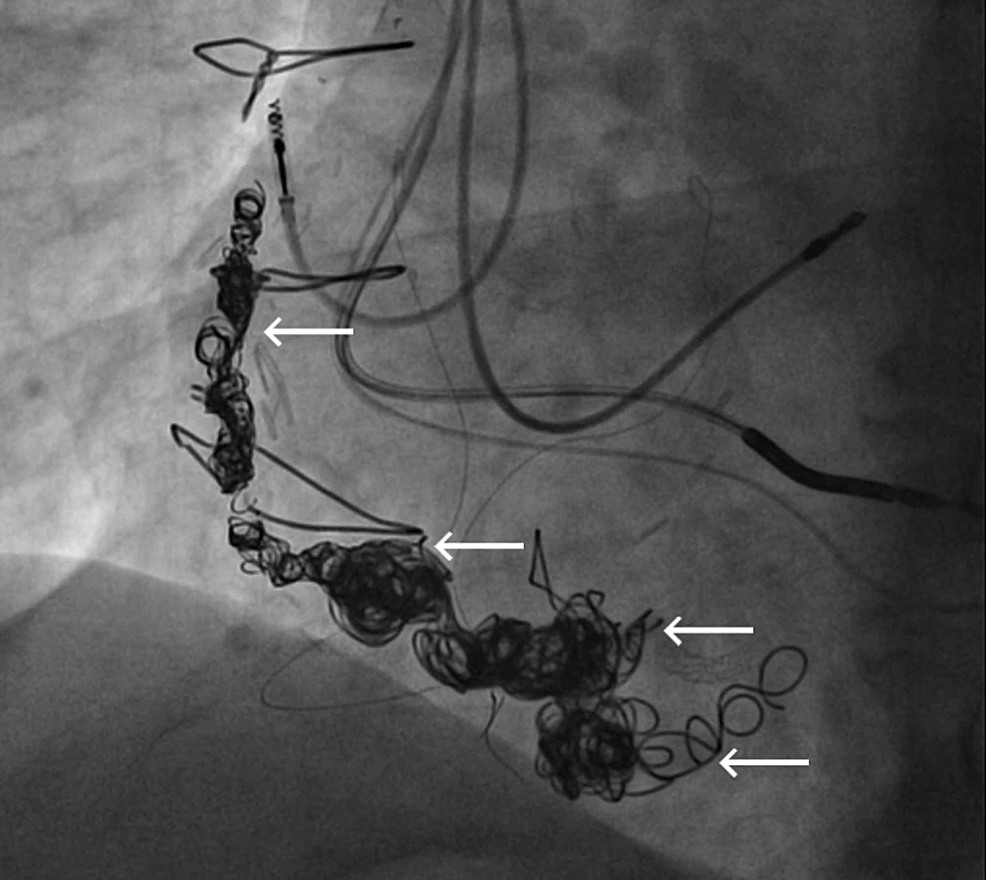
A 75-year-old male post CABG with severe LV dysfunction and ICD and dual-chamber pacer in situ presented with NSTEMI.

An angiogram revealed something, and he got this form of treatment. ? What is it?

Image and case courtesy Patel R, Ghadiam H, Patel P, et al. (April 05, 2020) Angina Leading to Metal in the Heart: An Interesting Case of Saphenous Vein Graft Coiling. Cureus 12(4): e7546. doi:10.7759/cureus.7546

Features of SVG venous graft aneurysm

Graft aneurysm what are the risks?

  • Thrombosis
  • Recurrent ACS
  • Rupture 

Management 

  • Vascular plug
  • Multiple coils  (Does coil occlusion offer a permanent cure?  I can’t think so )
  • Covered stent
  • None. No Intervention Just OAC & observe, follow up can be a good option and can beat all above three in many patients.

Reference

1.Ramirez FD, Hibbert B, Simard T, Pourdjabbar A, Wilson KR, Hibbert R, Kazmi M, Hawken S, Ruel M, Labinaz M, et al. Natural history and management of aortocoronary saphenous vein graft aneurysms: a systematic review of published cases. Circulation 2012;126:2248–2256.CrossrefMedlineGoogle Schola

2.Dieter RS, Patel AK, Yandow D, Pacanowski JP Jr, Bhattacharya A, Gimelli G, Kosolcharoen P, Russell D. Conservative vs. invasive treatment of aortocoronary saphenous vein graft aneurysms: treatment algorithm based upon a large series. Cardiovasc Surg 2003;11:507–513.CrossrefMedlineGoogle Scholar

3.Nolke L, McGovern E, Wood AE: Saphenous vein graft aneurysms; the true, false and ugly!. Interact Cardiovasc Thorac Surg. 2004, 3:631-633. 10.1016/j.icvts.2004.07.011

Read Full Post »

TAVR is a game-changing structural interventional procedure that delivers an Aortic valve percutaneously. With hardware and expertise constantly Improving, excellent outcomes are common. However, this video clip reminds us, nothing can be taken for granted in any Intervention. (Sharing a Twitter feed Courtesy Raffaele Piccolo)

Why did this complication happen? Hardware, technique, or a fragile Aorta?  or just bad time  The fatal perforation seems to have occurred near the distal arch, with no visible signs of porcelain Aorta or gothic aortic arch. What could have been done? Could an ultra-fast deployment of a covered stent with ECMO support possible? Extremely difficult task.

Further reading 

Read Full Post »

« Newer Posts - Older Posts »