Feeds:
Posts
Comments

This one is from Cleveland clinic in their CCJM 2009.  It answers all those tricky questions when we plan   anti – coagulation in  pregnant women .

  • Should heparin substitution/bridge   always necessary  during  pregnancy  ?
  • When is warfarin safe  pregnancy ?
  • Simple  cessation of warfarin around  the time of labor and resuming  it after delivery  (Without heparin  substitution  )  Is it an option ?
  • How safe is LMWH in pregnancy ?


The ultimate reference article 
on peri-operative anticoagulation


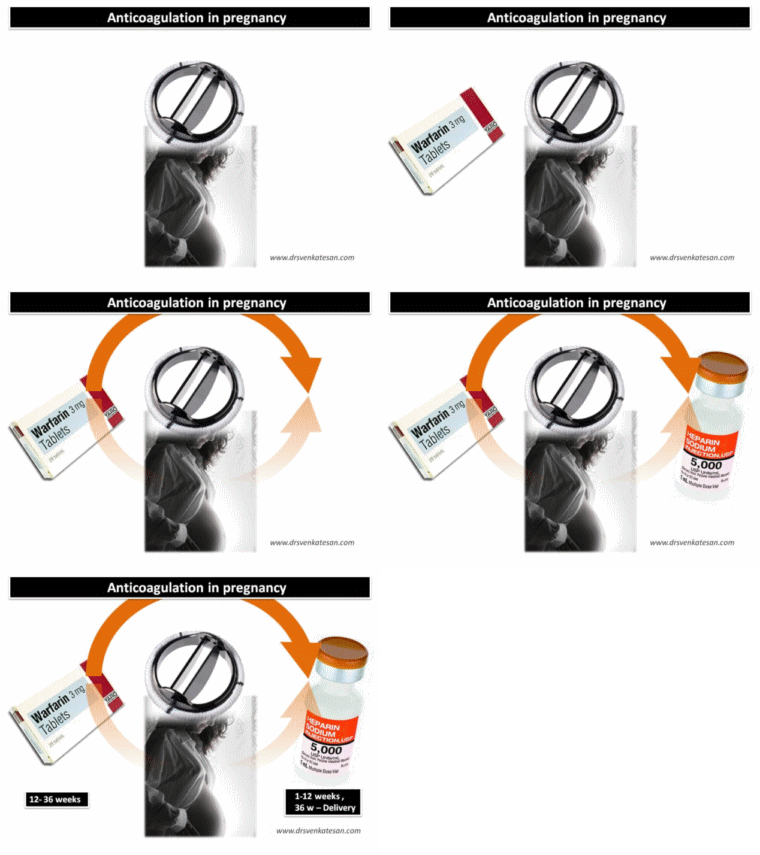
A simplified animation strictly  meant  for understanding the concept

Link to the review article on the topic

No one would have believed a century ago when electricity was first dosvovered  for the mankind by Benjamin Franklin  with glorious  purpose , would now  be used as a drug for treating  life threatening heart ailments  !

Yes , electricity is a drug by definition.

It is administered percutaneously  by focusing  a beam  of current into the heart.

  • There is a dose , shape , energy  and direction for this drug.
  • Paddle size determine the energy.
  • Paddle location determine the direction of  current vector.
  • Dose is selected by the  physician.

Mechanism of DC shock / Defibrillation *

When  heart suddenly behaves abnormally  and start generating its own electricity and sends it through abnormal channels other than its natural paths ,  it becomes a dangerous arrhythmia .This propagation of wave front can occur in multiple directions  in a chaotic manner , resulting in VT/VF and imminent death.

Like an air to air missile ,this  abnormal wave front  can  be tackled only by an another electrical  wave front . Nothing else will work.

* The difference between DC shock  and defibrillation is only technical. If one gives a  synchronised shock  ( with qrs complex ) it becomes  DC shock .If not ,  it is defibrillation

The success of defibrillation depends on many factors .

The following are most important.

  • The critical myocardial mass must be depolarized by the current delivered.Sufficient  amount  of sodium channels /less  of calcium  currents  need be activated for this to happen .(JACC 2008)
  • The direction  and the angle  of current entry with reference to  advancing  end of abnormal wave front. is also  important .
  • Distance between the paddles.(Antero posterior paddles more effective than Apex /Sternal pads )
  • Energy level (seems to be less important ! )

Two shock forms are used

  • Monophasic shocks
  • Biphasic shocks

A biphasic DC shock has  replaced the traditional mono phasic  sine wave  shocks in most machines.

What is  the  fundamental difference between the two  ?

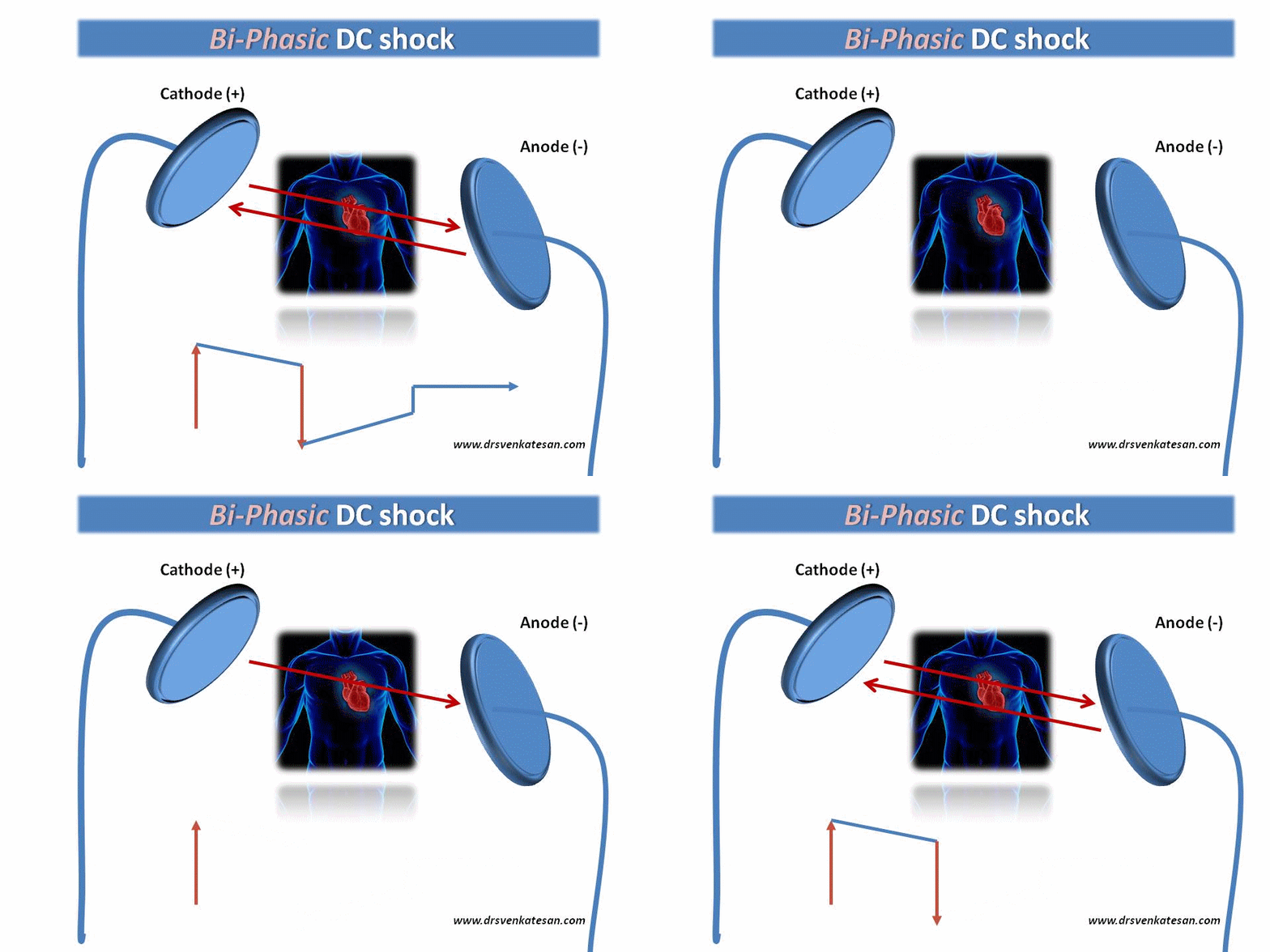
  • In bi phasic  shocks , the current traverses the myocardium twice .
  • So, it has a second chance to interrupt the critical tachycardia  circuit , if the first one fails. In other words, biphasic shocks are  technically equivalent  to  “two  sequential low energy shocks”  delivered in opposite polarity . This change in direction happens in micro seconds .
  • The shape of biphasic DC current  wave form can be a truncated  sine wave or square wave .The maximum  energy of DC shock in biphasic mode  is  200 joules (In Monophasic it is  360joules) . All AEDs, ICDs, now use bi phasic shocks to conserve energy .

Final message

A biphasic shock waveform has a proven advantage . It has  greater efficacy ( because it traverses the heart twice ) , requires fewer shocks  with low  delivered energy and hence  less myocardial  and  dermal injury.

References

Even though there is general  acceptance of superiority of bi phasic  shocks ,  it is still considered by some ,  that there is no great difference in the  overall outcome .

http://content.onlinejacc.org/cgi/reprint/52/10/828.pdf?ijkey=5a8f50ff2542182c857d4f3fe553aef8df6e3fd3

http://circ.ahajournals.org/cgi/content/full/94/10/2507

Bi phasic shocks in atrial fibrillation

http://www.ncbi.nlm.nih.gov/pmc/articles/PMC1768486/

It is often said medical   professionals lack engineering sense and vice versa. The filed of bio medical  engineering is is not  a new one . It is  there for over 50 years .The gap is narrowing very fast.

We are in the era of developing hybrid imaging , where a PET and CT come together. Raman spectroscopy is sending live  images of tissue histology from the coronary arteries .

A  journal exclusively catering to the cardiovascular enginnering is new development . Let us thank to the unique initiative from Purdue university .

Blood pressure  measurement ,   probably  is the commonest investigation done  in our patients  in  the entire field of medicine . It is such a common thing ,  both physicians  and patients  fail to perceive  it as  an investigation . (It indeed is !)

Even though BP is  considered as a  clinical sign , measuring it requires a device called sphygmomanometer  . The BP apparatus has to be properly calibrated  with the mercury  , the tubing, the bladder  , inflation balloon  etc   need to be perfect.

The following fallacies are noted in the measurement of  blood pressure . Some of them are rampant* !

Patient

  • Posture of recording
  • Anxiety -White coat /Gender

Device

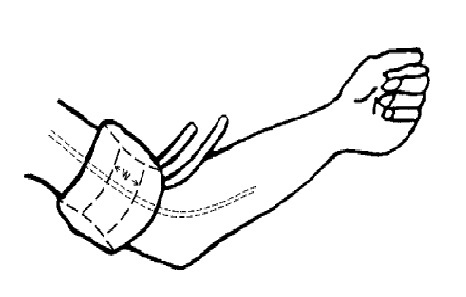
  • Cuff width/Length
  • Arm circumference

Ocular errors

It is surprising , such an important tool has a scale of 2mm markings which is prone for parallax errors of light with  mercury column undulating .

Physician factors*

  • Hasty cuff syndrome , Rapid deflation .
  • Absent minded recording – Failure to note phase 4 to phase 5  due to inattention
  • Failure to hear phase 4 muffling  (Aging  medico  -Auditory insufficiency !)

It is  not at all  surprising  to note,   two BP readings rarely match ,  even if it is recorded by the same person with  same machine at the same time !

There are many  articles that describe in detail  ,  how to record blood pressure properly. But this article from  a relatively unknown  journal   from Purdue university  ,  tells  us  most   scientifically  , what  has been taken for granted  by the medical  community for so long  .

Loose cuff  hypertension (Link to the journal of  Cardiovascular engineering )

How much  stiffness  is to be applied in  the arm for optimal pressure recording ?

What is the incidence of hypertension due to  loose cuff  ?
Final message

The BP apparatus ,  though appears  as  an   innocuous   machine ,   the readings  that emerge  from it  determines ,  how millions of our fellow human beings are going to be labeled  ! ( High pressured  humans ,  slaves to  anti hypertensive  drug marketeers    for  rest of their  life ) .

So , realise  how important  it is , to measure  the blood pressure properly    !  Never be casual . . . with  this  machine .

Experience has taught us ,  while  it is very easy to name an  individual  wrongly as hypertensive  , it  often needs  Herculean  efforts  to remove this medical tag from their neck . The reasonings  are  many .( Academic , non academic and patient factors included )

Finally , in this funny planet  it is  a personal observation ( Or is it  an imagination ?)    some  men and women   tend to  enjoy  ,   being  referred to  as  high pressured !   Loose cuff  or tight cuff   ,  it simply do not bother them  !

Cardiology as  a specialty  has grown faster than any other field in medicine.  From  the days of  Da -vinci and  William Harvey  ,  the  urge to understand the  intricacies of  anatomy and physiology of this organ that sustain the rhythm of life ,   life was tremendous .

Heart was a gift of life  by God to the man kind

  • Few men dreamed about it.
  • Few were simply fascinated by it .
  • Some   exploited it in the name of science .
  • Only   few  spent the entire life  for it   ,  explored it  passionately . . . truly and genuinely .

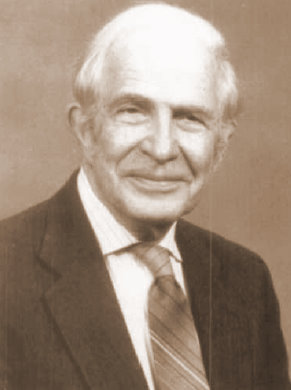
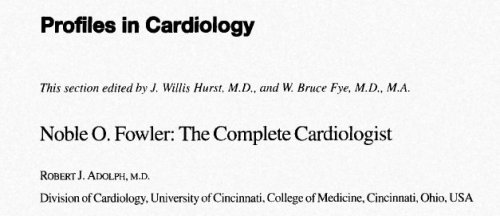
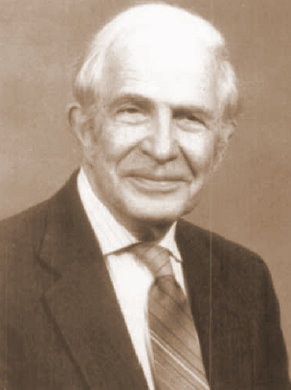
One such person , we should all celebrate is Noble  O  Fowler  From Cincinnati USA. This unassuming  ,(In contrast to  some of the current hyped up  achievers !) has kindled thirst in the subject to many  youngsters .

His remarkable achievement included

  • The  pioneering thoughts about pre-infarction angina (Now labeled as unstable angina)
  • Pericardial physiology and pathology
  • A overall approach to cardiac patient with shrewed physiological and pathological sense.

His book cardiac diagnosis was a exclusively authored by him is still considered as unique as his life.

Some how this book never got published beyond the 1980 s.

I personally  dedicate this  little service to cardiology literature to the legacy of Noble O Fowler.

A tribute by his Collegue Robert J Adokph


Cadiac resynchrnonisation (CRT) therapy , is  the most famed  as well as  ridiculed treatment modality for refractory failure . It is facing a real tough time for survival now .(At least in class 4 CHF.)

Confident and  authentic data  are emerging  now , that CRT should not be  used  in advanced heart failure .(This is in total contrast with the original concept  ,  when CRT was introduced nearly  a decade ago !  more  of class 3 and 4 were enrolled ) . Bad outcomes are expected in advanced CHF. This is something similar to whipping the tired horse concept  which  found inotropes   to increase the mortality in severe heart failure .

The article in the current issue of circulation  shows  no mercy to CRT  in advanced CHF

http://circ.ahajournals.org/cgi/content/abstract/CIRCULATIONAHA.110.956011v1

So what  is  the answer to the ailing CRT industry ?

Go and catch class 1 and class 2 CHF population* .You will get plenty  , of course  it got ratified by MADIT -CRT trial .

* It is attractively called prevention of cardiac failure

For todays cardiologists traveling in time machine  may be made as   an  essential assignment . It seems  there is more to learn from history than the core medical science.

How  the knowledge evolved  ? . How  our ancestors toiled  ?  Where  are  the good old  medical   inspirations  ?

How  can we enjoy the fruits of success without knowing the  tree of it’s  origin ?

What you are going to leave for  the future man kind  ?

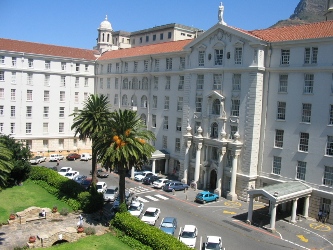
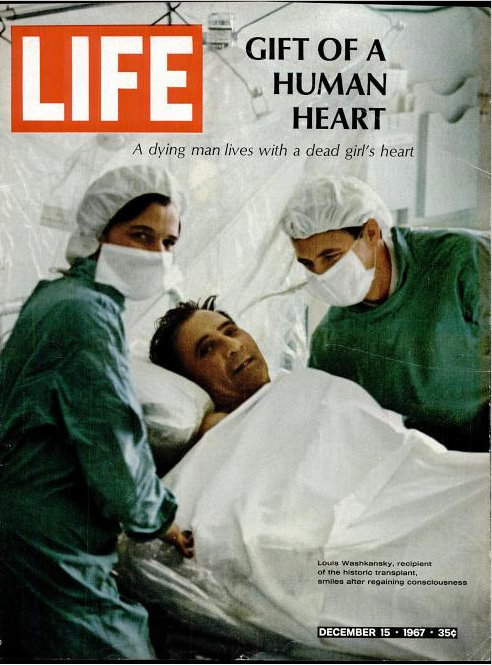
Learn how a  dream heart team led by Christian Barnard  created history in the year  1967 in a remote southern hemisphere  town ( To be precise Cape town ) , South africa .Click the link or over the image .Courtesey of Life magazine

Groote schuur hospital where Christian Barnard made history

Thanks  to the Life magazine  for providing these stunning pictures to the present generation


Christian Barnard and team after the historic  surgery .Groote schuur hospital .Cape town


Let us  salute  the men of  past  .We shall  take an oath   to  strive harder and  harder   and the least  , trivial achievements are not  glorified . .


A female child aged 14 was referred for progressive breathlessness  and  abdominal distension

Abnormally dilated right atrium with significant pericardial effusion .www.drsvenkatesan.com

Can you guess the diagnosis ?

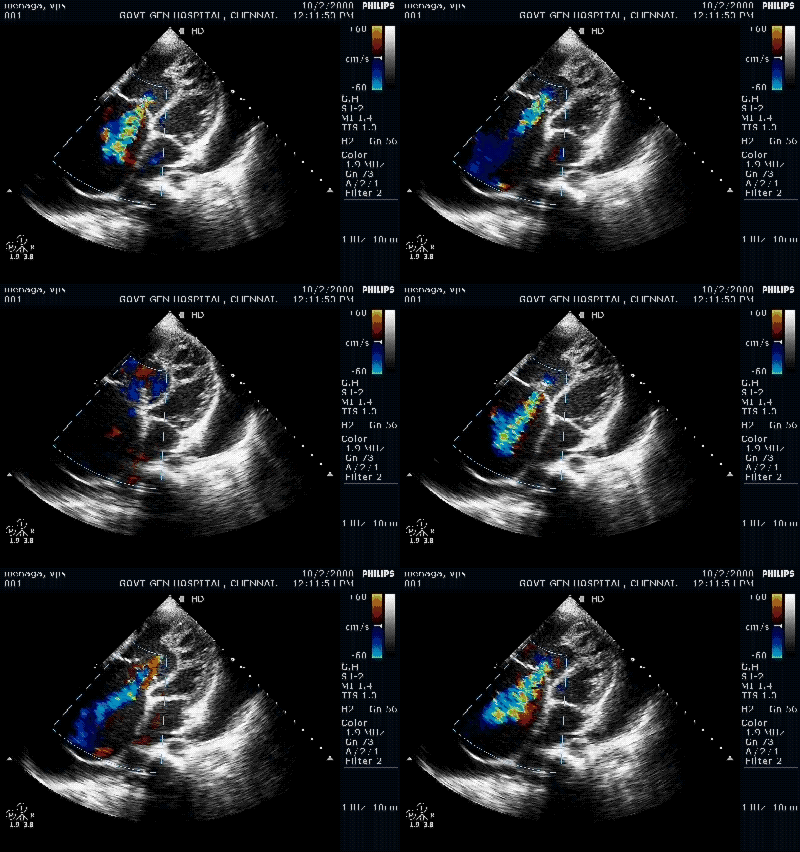
Apart form RA ,RV dilatation , the RV apex is seen filled with coarse treabeculations.This is believed to be a type of non compaction http://www.drsvenkatesan.com

Still difficult to conclude  ?   Look at the following Image.

Tricuspid regurgitation is significant . http://www.drsvenkatesan.com

If you have thought  . . .

  • ASD with TR
  • Severe PAH/COPD
  • RV cardiomyopathy

All are  acceptable  differential diagnosis

But the real diagnosis is none of the above .

Need  more time  . . . the following   Doppler tracing  will settle the issue !

Doppler velocity in RVOT at 88mmhg. http://www.drsvenkatean.com

The final diagnosis was . . .

  • Severe valvular pulmonary stenosis
  • Marked RV,RA dilatation
  • Acquired non compaction of right ventricle
  • TR -Moderate
  • Pericardial effusion -Moderate
  • This patient also had dilated IVC, Hepatic veins that  lead to clinical ascites.

Here , RV functional assessment becomes vital , but it is difficult many times. A simple clue is , as  the RV is able to generate 88mmhg pressure it implies ,   the   contractility  should be near normal .

RV EF %,  RV Dp/Dt , Tricuspid annular motion by  tissue Doppler are additional measures. Cine MRI can be a useful investigation prior to intervention.

Final message

  • VPS is a common acyanotic disease. Most are benign  and  milder  forms are the rule.
  • Dysplastic valves preclude balloon valvotomy. (In late stages   little  difference between dysplastic / non dysplastic VPS is noted  )
  • Severe progressive VPS  , like in this patient needs immediate balloon dilatation or surgery.
  • Long term outcome  is excellent except in advances cases where irreversible RV dysfunction sets in.