Feeds:
Posts
Comments

We generally believe ischemia and it’s clinical counterpart  angina would  go together .It is not true .Most patients with ischemic cardiomyopathy do not have any significant  angina in spite of  having one or more critically  narrowed coronary arteries.

The reasons could be many ,

  1. Little viable tissue to generate Ischemia.
  2. Less contractile elements and less MVO2 consumption.
  3. Severe LV dysfunction makes these patients adopt a very restrictive lifestyle.
  4. Loss of nerve fibers  along with myocyte necrosis and apoptosis.
  5. Post CABG patients often have no angina due to denervation..

The benefits of revascularisation in ischemic DCM is not clear. As the cardiomyopathy  progresses , intensity of angina regresses and dyspnea dominates .Presence of angina makes the decision to  revascularise easy .To consider dyspnea as an anginal equivalent in ischemic DCM and advising revascularisation can not be  justified .


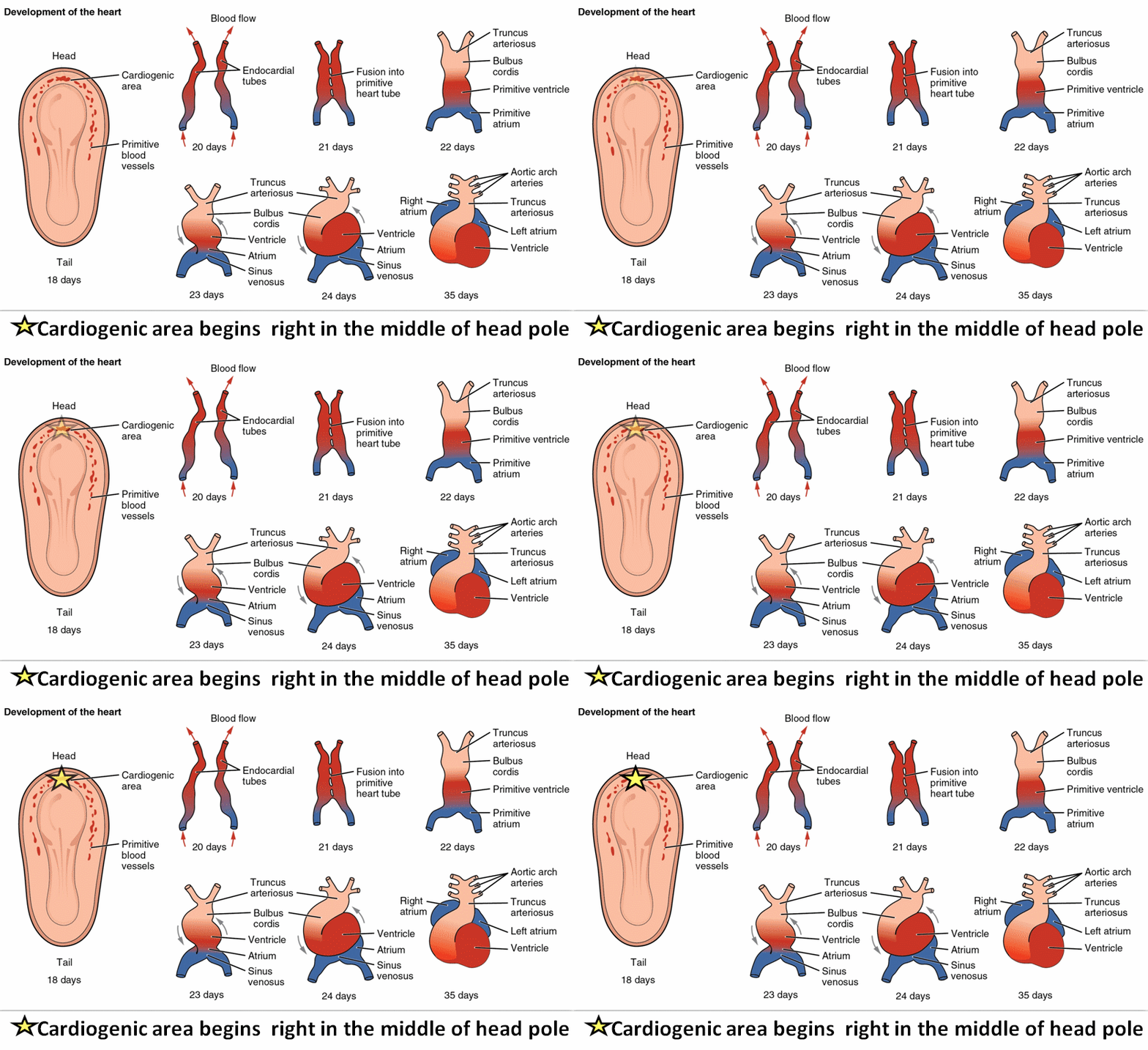
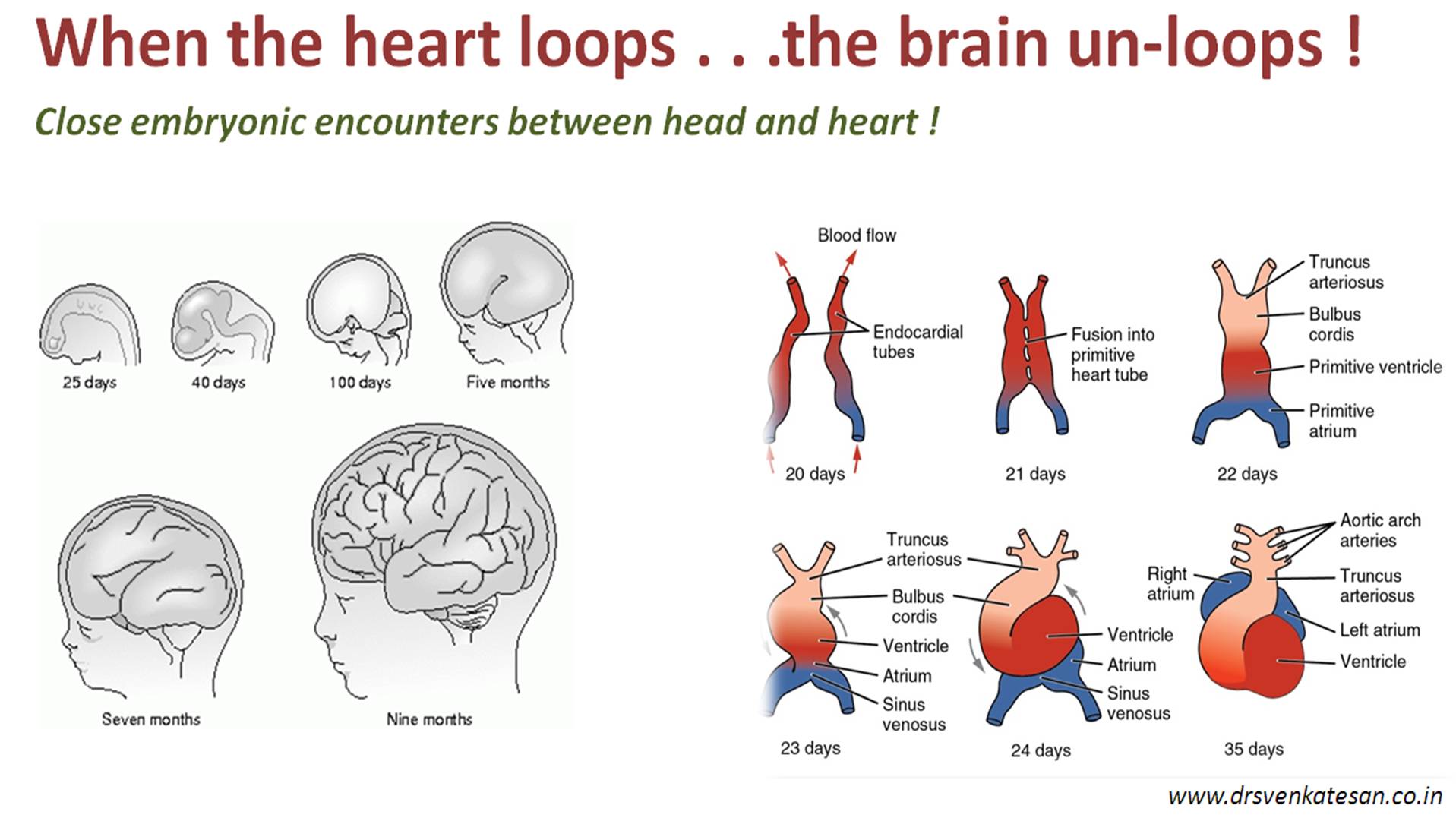
Human facial configuration  is formed by fusion and absorption of  different  tissue structures in a preplanned genetically programmed planes . The developing cardiogenic area  lies right in the cranial end of the  neural tube which enlarges to grow as face .The timing as well the location of facial plates are closely related to cardiac development. As the head end unfolds  to take it’s shape , the heart folds to form the chambers and the great vessels , septum and valves are subsequently  cleaved . Even minor genetic errors in the codes that  initiate and coordinate  the bio-genetic forces in the cardiogenic  area ,  results in simultaneous defects in  facial as well as cardiac contour .

There is a proposed embryonal classification for congenital heart disease (Clarkes ) The genetic  defect responsible for cono-truncal anomalies are located in  chromosome Q22.


cono truncal facies heart face abnormality catch 22 tof cardiac looping


cardiac development embryology of heart

Reference

1.Conotruncal anomaly face syndrome is associated with a deletion within chromosome 22q11.J Med Genet. 1993 Oct; 30(10): 822–824

Parallel reading
geentic basis of face development cono truncal facies

It is stunning to note some of the plant  species (Chinese Ginseng)  express unusual human phenotypes  , indicating the genetic codes responsible for  such things are beyond human comprehension . If one can  demystify  the genetic basis of this  perfectly smiling fruit plant with a human face ,  we may also know  what makes  it to go awry in human CHD  !

ginseng fruit cono truncal facies geentics of facial development

Interventional cardiologists in one way be labelled as intra-cardiac and intra-vascular civil engineers.Their primary  job is to create ,or close vascular tunnels and holes in various locations within the heart.How to deliver the  working hardware  to the  site of action ?. Temporary bridges ? .The vascular access is through long sheaths though which , wires, catheters, and devices , valves  are transported. It’s the key supply line to the ultimate battle field of life , right inside the beating heart.  .

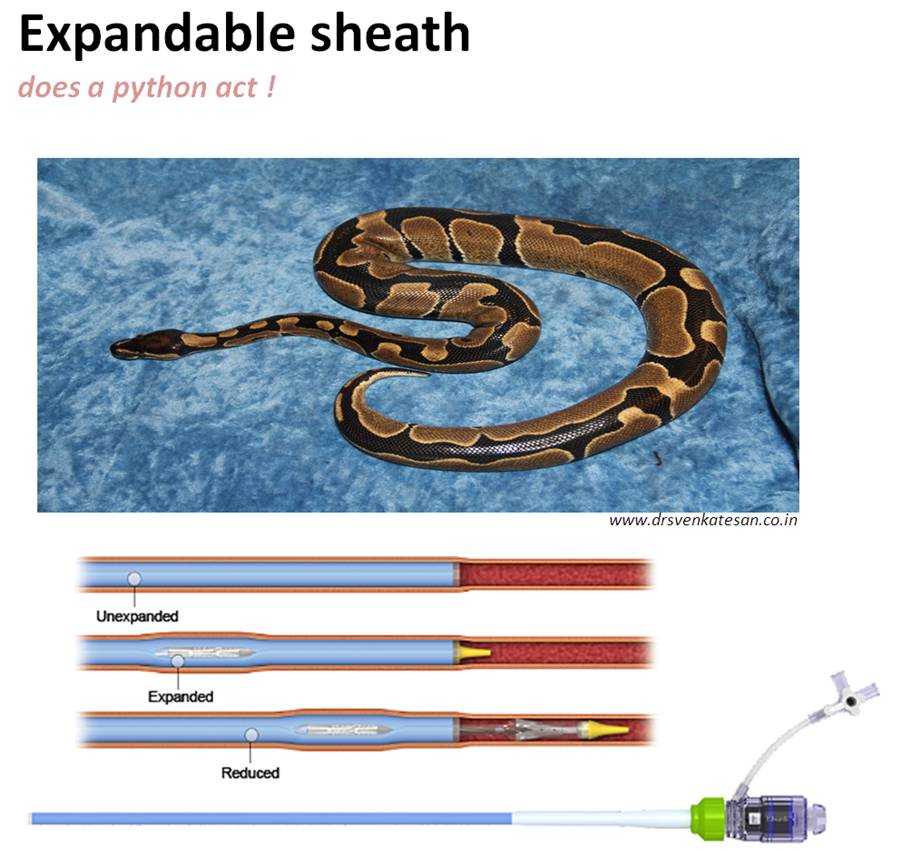
So far,the sheaths  and catheters were rigid tubes with a fixed diameter.Innovative sparks come from  strange thoughts.As we struggled to take the per-cutaneous valve for  TAVR  through small caliber sheaths , some one thought why should the sheath be fixed and static .Why can’t it accommodate  liberal sized devices just by expanding its shaft like a python ,come back to its original state once the device passes by ?

Expandable sheath 164 solo path tavi tavr cathlab hardware

Thus came the expandable sheaths. Soon this concept is going to come in a big way and most complex and large device interventions will be benefited by this.

We are aware  , modern day cardiologists literally live within the patients coronary artery and vascular system .  It ‘s not at all surprising then , man made cardio vascular accidents  are becoming more common  , where pieces of hard ware like guide wires catheters and stents  get trapped .

Knowing about the hardware and techniques of retrieval of foreign bodies within vascular system is so important .It would appear  indulging in cath lab work with out proper salvage hardware and expertise is a  near  serious offense.Apart from this , many complex procedures require intentional snaring of wires and gadgets .

How to retrieve a foreign body from  coronary artery ?

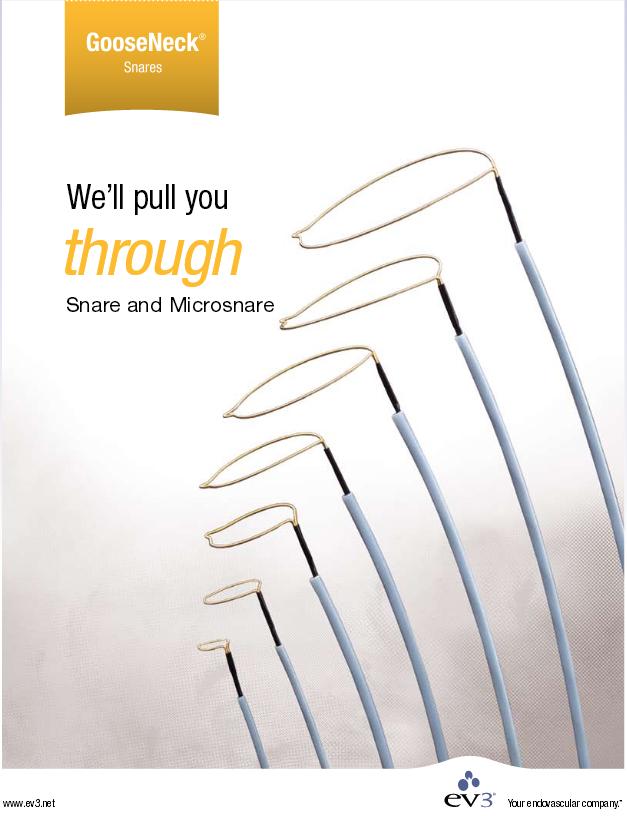
There are few snares availablew  with  single or multiple loops  and comes in various sizes .

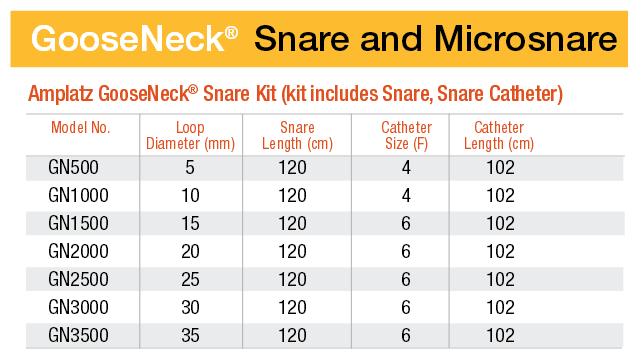
1.Goose neck EV3 snare (Covidien /Medtronic)

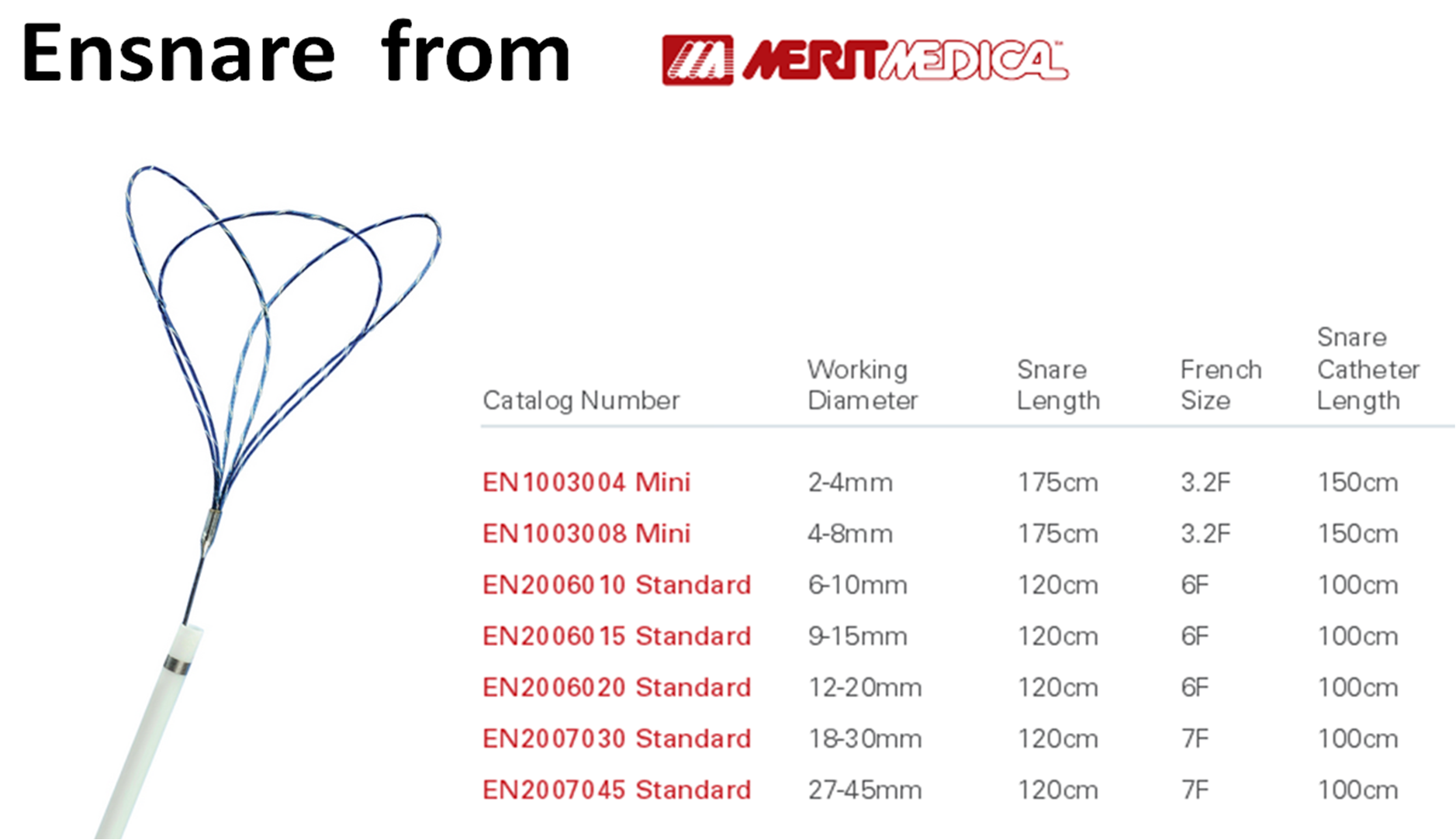
2.En snare -Multiple loops (Merit Medica)

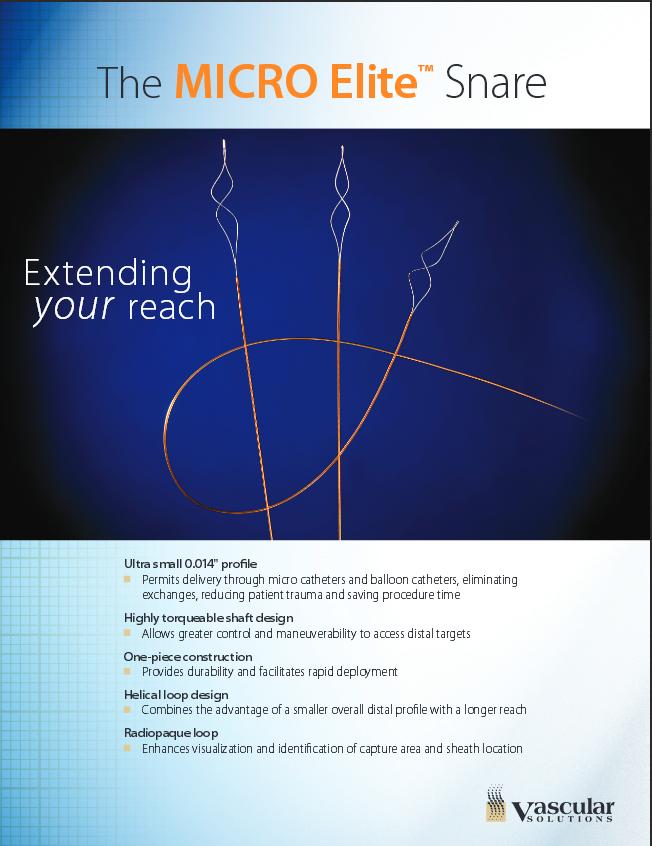
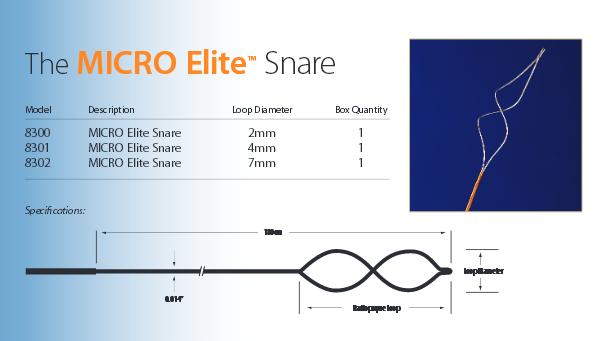
3.Micro elite snare (Vascular solutions)


ev3 microsnare covidien

The snare is constructed of Nitinol cable and a gold plated tungsten loop. The pre-formed snare loop can be introduced through catheters without risk of snare deformation because of the snare’s super-elastic construction. The snare catheter contains a platinum-iridium radio opaque marker band.

  • Nitinol Shaft for durability and kink resistance
  • Super-elastic and shape memory properties of nitinol provide kink resistance.
  • Ideal for challenging or unplanned foreign body retrieval and manipulation cases.

goose neck snare amplatz ev3
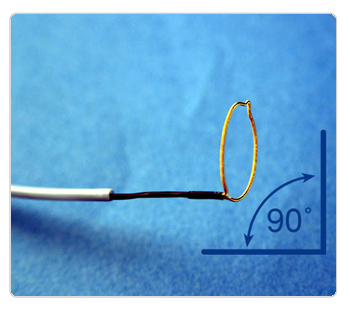
True 90° snare loop remains coaxial to the lumen

  • Snare loop forms a true 90° angle.
  • Device remains coaxial to the lumen for proper insertion and successful retrieval or manipulation of atraumatic foreign bodies.


Hardware specification

ev3 goose neck

2.Ensnare


coronary snare ensnare merit medica


Micro elite snare

micro elite coronary snare vascular solutions


micro elite snare

Other retrieval devices

  1. Bioptome* (Cook medical)
  2. Needle and eye snare
  3. Multi snare
  4. Welter loop catheter
  5. Expo retrieval catheter
  6. Curry snare
  7. Simple  alternate option : 2 or three wire guide wire trapping  technique.
  8. The cheapest option :To make a custom made snare with  .014 PTCA   guidewire  with a flexible loop .
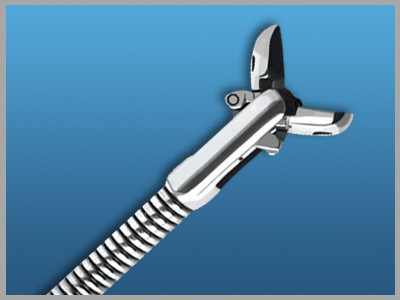
biopsy forceps

Intra cardiac biopsy forceps may help to retrieve some of the foreign bodies


Final message

At least few of  these retrieval devices  should be  available in  every cath lab .  Attempting to do sophisticated procedures  in your cath lab without essential hardware is akin to driving a car with defective breaks  or like flying airplane with a single engine .

Acknowledgement

Image source , content and courtesy respective manufacture web site

I was recently asked to suggest a topic for debate on STEMI in  a major Indian cardiology conference. I wished , this is what we  should be mulling  over, with a set of  virtual  guest lectures and special invitees from heaven ! Plenary  session : State of the Art  STEMI care             Time :  11.AMSpeaker : Dr Hippocrates Topic : Aren’t  we erring   on either side of the  Noble profession ? Moderator:  Dr. William Osler Chairperson :  Dr .Harvey Cushings, Dr,Sir Thomas Lewis ,Dr Paul Wood , Excerpts : “While , vast number of  our country-men’s  culprit artery doesn’t even get that  mandatory  Aspirin on time . . . an urban rich  man’s  distal non-culprit artery  is decorated with a fancy  bio-vascular scaffold making  that innocuous lesion vulnerable in the process as well !  Aren’t  we erring   on either side  in the  Noble profession ?

Atrial fibrillation is the most  common arrhythmia we encounter in clinical cardiology .Ironically it is  uncommon during ACS and extremely rare in association with UA/NSTEMI. Surprisingly , an entity ” Ischemic AF” is not to be found in cardiology literature.

The incidence of AF in STEMI is less than 5%. Occurs more often due to factors other than primary ischemia of atrial musculature. Of-course , AF in association with Infero posterio MI and RVMI is an important trigger for AF.LCX disease is more often associated with AF as it gives up a consistent branch to left atrium.

Though it is tempting to implicate ischemia as a trigger for AF ,most often it occurs , in elderly ,associated COPD ,hypoxia preexisting atrial disease .Acute elevation of LVEDP and stretch of left atrium could be a more logical mechanism.

Hemodynamic impact

  • AF can bring down the blood pressure.
  • Worsen ischemia by increasing the MVO2
  • Could be very destabilising in RV infarction
  • Surprisingly it is well tolerated in many STEMI patients.

AF in STEMI- Is it an emergency  ?

It would appear so. But , if hemodyanmicaly stable one need not panic.Many times they are transient .Correcting  hypoxia, optimizing beta blocker would help.

Role of DC Shock  , Precautions before shocking  & Post shock events

  • DC shock is done only if there is hemodynamic instability  or ongoing ischemia .(Very difficult to rule out the later )
  • Mural LV clots can form even within 24 hours and DC shock embolic strokes may ensue .
  • Hence it is mandatory to do an echocardiogram prior to shocking.

Drug of choice

  • Betablocker
  • Class 1c -Flecanide.
  • Class 3 -Amiodarone./Ibutilide/

Role of Digoxin

There used to be a concern about usage of Digoxin in the setting of ACS as it pro-arrhythmic , but it remains useful in the management of AF .There is no other  anti-arrhymic drug available to control, the heart rate without depression of  the LV  function

Rate control vs rhythm control

Always aim for rhythm control in the setting  of ACS.Rate control is may not be a  logical concept in acute settings though Amiodarone does both.

Wide QRS Atrial fibrillation

As we know , AF in STEMI can conduct with aberrancy , and we have a traditional teaching all wide qrs tachycardia are VT in the setting of MI making our patients statistically vulnerable.

After all , both entities lack discernible p waves. At high rates it may be difficult  to identify irregularity  RR interval. However , one would shock such patients  and both AF and VT would respond .All is well that ends well.

Summary

AF during STEMI is a risky arrhythmia and needs urgent intervention , but one need  not be alarmed .There is a set of protocol . Only hemodynamically unstable AF require DC shock .Many times it is just transient.There has been instances of  physician panicky that has resulted in more adverse events .
Cardiologists do magic inside the human coronary artery , that too in a  live beating heart , unlike the surgeons.Blocks are removed , holes are closed, valves are inserted ,  scars are burnt, new electrical connections  are laid .They do this with relative blind vision with good degree of success. Still, as we aim for more precise interventions we require excellent imaging  modalities to assist us.

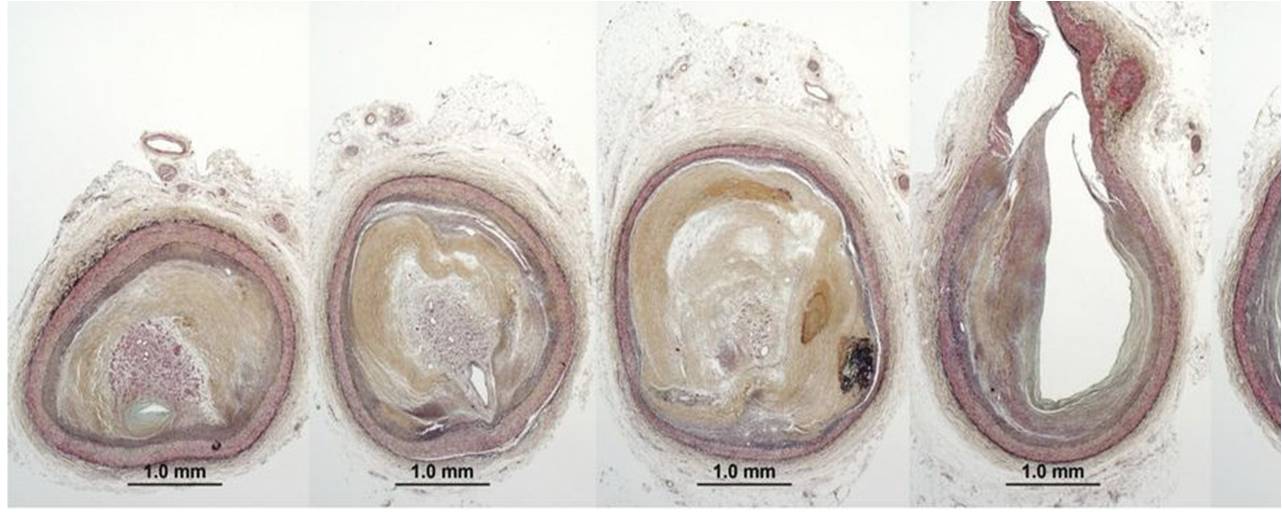
In  PCI of CTO(Chronic total occlusion)   the critical element to know  is  the morphology of the  tissue plane , what  exactly  we burrow ?  as we navigate  through complex, often hard shapeless tortuous tissue tunnels  . Our patients will be  surprised to know we are currently doing this with our eyes shut. If only we have a camera guide in the tip of the wire it give us tremendous advantage .

CTO pathology

The CTO morphology .Image source : Kenichi Sakakura ,Eur Heart J. 2014 Jul 1;35(25):1683-93.

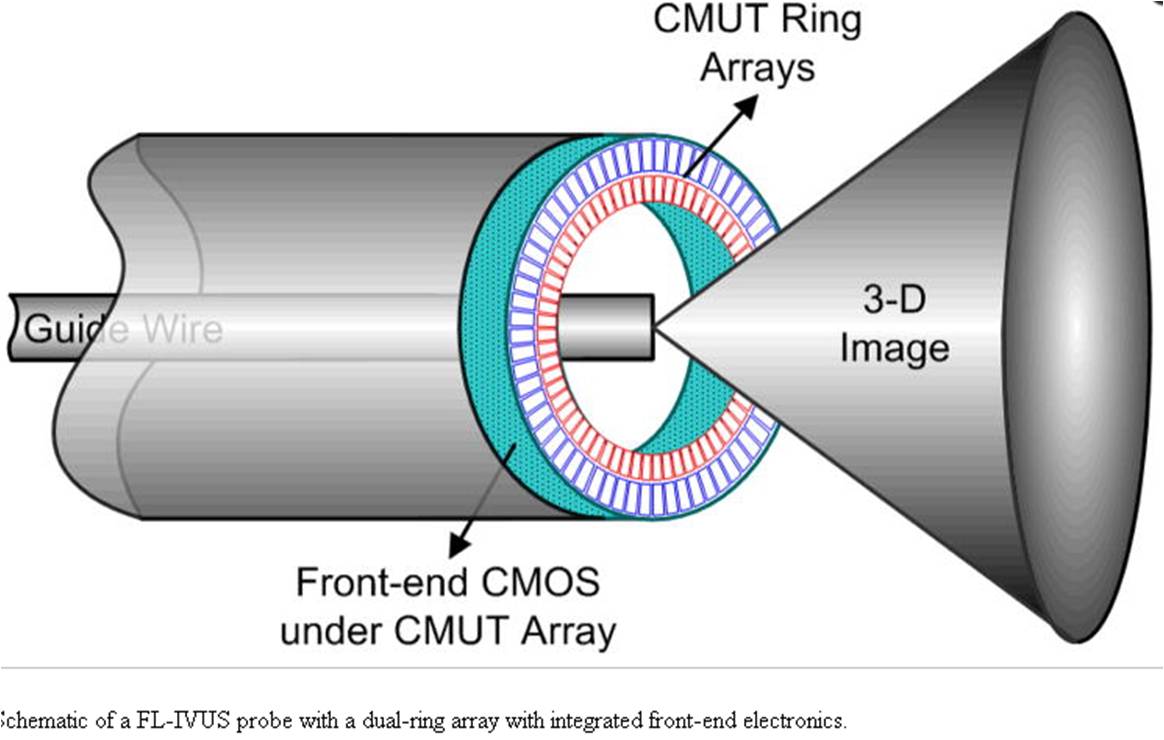
The exiting IVUS technology can only look sideways . Now a new vision is added by annular array of transducer at tip with CMOS sensor .The technology is just coming out it would be  use for us in the near future .

Anatomy of the forward looking ultrasonic eye

ivus forward loooking cto intervention

Reference

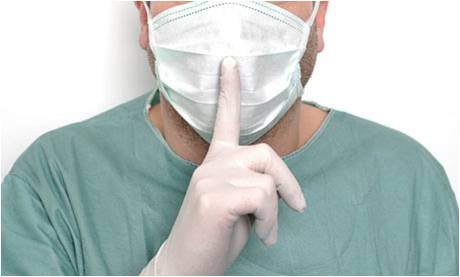
In this era of synthesized evidence base,  one of my  intellectually aberrant  student asked  How can we indulge in  a popular coronary procedure   with  class 1 indication backed by level C evidence  ?   (As defined by  the seemingly invincible  guideline committee  of various  International cardiology organizations .)

medical ethics silence guidelines

I told him ,

  • Institutional protocols are to be followed
  • Guidelines are to be respected
  • Recommendations are to be considered
  • Please be reminded  all of the  above can be rejected  outright !

Finally , realise  Individual  decisions based on sound scientific understanding with zero non academic intrusions  will be revered forever !

*Caution : If you  think  you haven’t  yet reached that the level of  individuality , come what may ,  you are  expected follow these  advisories  which are primarily aimed at  providing quality care and  you will be pardoned of any adversaries as well  !

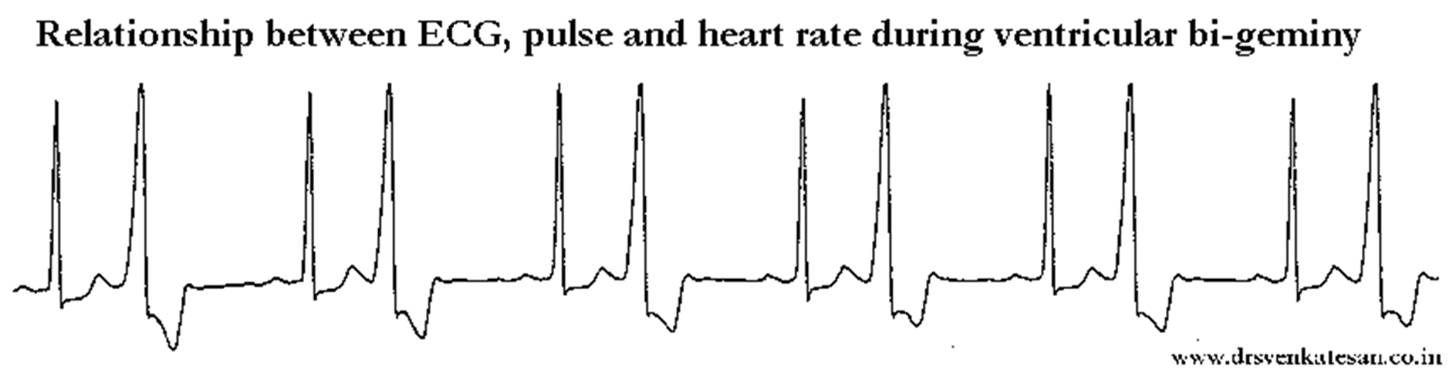
ecg pulse deficit biventricular bigeminy


Answer : Most probably  B .

What we feel in peripheral pulse ,  is one weak and the one strong beat in sequence .The later is due to post VPD potentiation. Since there is a compensatory pause , ECG rate (Number of QRS complexes /mt)  and pulse rate are same .

Ironically , heart rate and ECG rate are not same as VPDs impact mitral valve more than aortic valve  and cause additional  S 1 than S 2 making heart rate considerably more than pulse rate and logically it must be  double the pulse rate . This may be difficult to  appreciate by auscultation, but can be documented by phono-cardiogram or by M mode echocardiogram.


The gradient across coarctation  is not  simply (& solely ) determined by degree of obstruction , as one would believe.Understanding the hemodynamics and various factors that can influence the gradient is essential Relieving the  obstruction /gradient by stent or surgery  may not be synonymous with successful treatment as we understand now the entire aorta right from the root to abdomen can influence the gradient ,along with systemic factors.We also know , some of these patients harbor histological abnormalities in the entire stretch of  Aorta , what is  being  referred to as pan aortopathy  , that may influence the long-term outcome.

coarctation gradient collaterals002