Feeds:
Posts
Comments

Posts Tagged ‘drsvenkatesan’

Covered stents are exclusively reserved for coronary artery perforations. Yes, that’s what we think. There has been limited exploration regarding the value of covering the complex lesions, which could prevent future coronary events .

It is possible, covered stents might play a extended role , other than perforations as in complex .friable thin capped lesions . As of June 2025 , haven’t found any such study in cardiology literature.
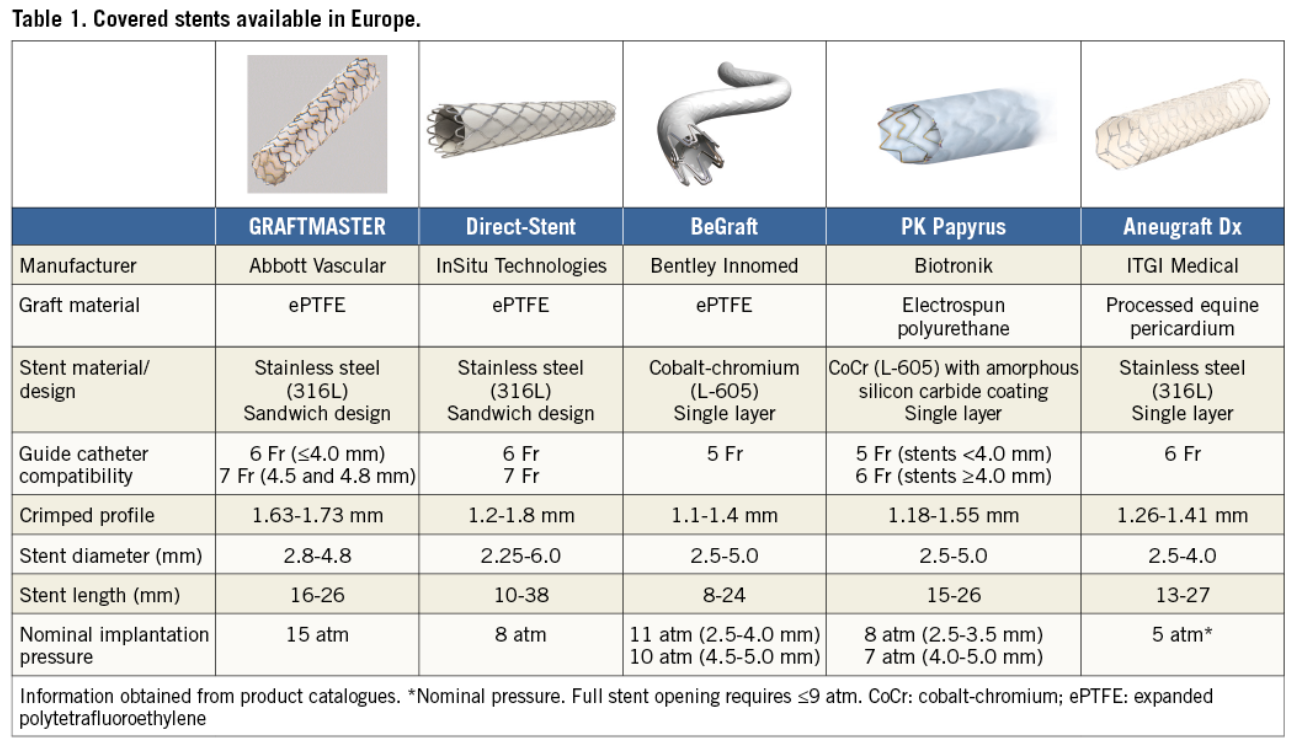
Ref : Kilic ID, Fabris E, Serdoz R, Caiazzo G, Foin N, Abou-Sherif S, Di Mario C. Coronary covered stents. EuroIntervention. 2016 Nov 20;12(10):1288-1295. .

The recently released PREVENT study argued for PCI for patients with vulnerable high risk plaque. Ironically , it is found plaques with very thin cap ie <50microns are at risk of rupture by the radial stress of struts in the immediate or late follow up.

The thought of this study came when we witnessed high recurrent events, due to plaque prolapse, TCFA injury, new plaque ruptures, micro emboli. no reflow etc in patients with complex lesions.

Any past studies done on this aspect ?

There have been some attempts to use covered stents in degenerated venous grafts. Also, the M-Guard stent system was used in the past to seal thrombus during primary PCI. Both showed mixed results. (Gracida 2015)

Are we ready for a trial with a far fetched Imagination ?

What about jacketing and sandwiching the coronary lumen internally with a synthetic layer of tissue? That can potentially prevent recurring events indefinitely. (It is like making a native coronary artery into a Teflon-coated tube.) The proposal may look crazy until we find a inert layer of synthetic tissue to false roof the coronary lumen. But someone can make a start.

Final message

Covered stents are not just meant to arrest blood leaking outwards, in case of perforation , it can also be used seal high risk plaques, that ruptures and leaks its content into the lumen.

*In the following document, a brief outline and proposal is written about such a study. Whoever wants to do such a study, may use it. I wish I could be an external adviser, as I am no longer attached to a teaching hospital or research center.

Postamble

Before , we begin such a study, one may look at the long term outcome of patients who had already received covered stents for perforations. This is important because, PTFE’s pro-thrombotic potential and need for additional vigilance is yet to be defined.
Read Full Post »

How can we use AI as a tool of knowledge distillation ?

Here is a deep discussion with Grok 3, on the merits, limitations & validity of DANAMI 2 and PRAGUE 2 , the two old studies on pPCI. Curiously , we don’t have any other studies to quote. As on 2025 , superiority of pPCI hangs precariously on these two decade old studies, which has some serious omissions in the primary end point and its Interpretation. To get into the facts , please go through the following link.

https://grok.com/Is primary PCI really superior to lysis in a global perspective /

It is a long chat, I am sure most of you can’t spare your vital time. But, the truth comes out only at the fag end of the conversation.

Read Full Post »

This is a condensed video version of PPT slides of my recent presentation.Please pardon, there is no audio as of now. Will make a voice-over and post soon.

Topic : AI in cardiology

Occasion: Prof Rathnavelu Subramanian memory oration. Cardiological Society of India Chennai.

Date : 8-06-2024

Acknowledgment & Courtesy: Images and videos from open source

Read Full Post »

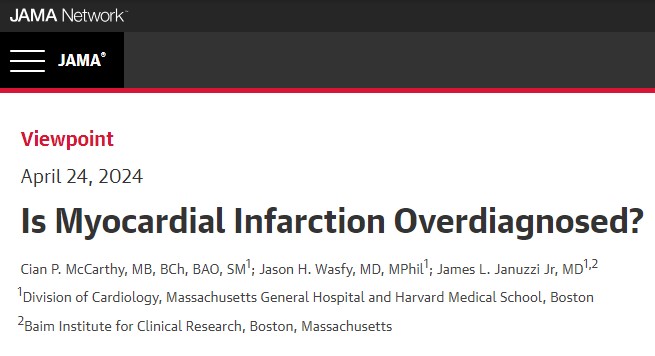
As the medical literature expands exponentially, the quality and intent of the research questions sound awry. There are only a handful of journals like JAMA that are bold enough to ask some tough and pragmatic questions in this glitzy world of medical extravaganza.

The current issue wants to set the pace for an important debate, on a topic that is rarely discussed.

The question is

Link to the article

Check whether your answers concur with this crucial query from Harvard Medical School and Massachusetts General Hospital. Three questions this article wishes to address.

1.What is the reason it is happening?

2. What are the implications?

3. What can be done for it?

My thoughts

“It is indeed over diagnosed. Once labeled, a chain reaction is set in. The cost, and resource consumption that follow a misdiagnosis are nearly identical to that of a true MI. More than that, the adversities of the tense investigative protocol can convert a misdiagnosis into a real one because that sadly includes even an overzealous poking right at the mouth of the coronary artery just o exclude a non existing MI . and ICU-related anxiety stand apart in this scientific comical game of ruling out a cardiac emergency.

The paper seems to blame mostly on the powerful screening test high sensitivity Troponin, Everyone will agree it has a major role in this. But, the more important reason is the cardiology community’s vigorous adoption of a universal definition of MI criteria (which is never intended to apply at the bedside) .Next factor is probably more important. The fear of missing a potential MI and legal consequences thereafter. I wish, the experts who sit on medical juries need to learn few extra lessons in the art of medical uncertainties.

Medical jurists, need to take some Intellectual cues from their criminal courts. How is it that, even well-planned criminal murders are successfully allowed to be argued and won in courts,…while inadvertent events such as missing an inconsequential MI by doctors are rarely pardoned?

How to avoid over diagnosis of MI ?

In this scenario, It is sad, that only very few cardiologists have the guts to ignore this omnipotent molecular sub-fraction of cardiac muscle Troponin, with their clinical skills. What we can do, at our level is to incorporate a new term “benign or micro myocardial Infarction” – akin to lacunar infarcts or TIA equivalents of the brain in the heart. We need to de-list the vast majority of chronic ischemic,non-ischemic, or systemic causes of Troponin leaks from the myocardial infarction chart. Physicians must realize, that protocol violation should not be deemed a crime always, rather it has a sure potential to benefit your patient if it is done properly and intelligently.

Final message

Recently one cardiologist in a sub-urban center was thrashed both physically and in social media ,for missing an ACS , which was subsequently recognised and treated well and good.

Doctors should be legally allowed,* (rather forgiven) to make permissible levels of errors in the medical decision-making process ” like any other profession .However, we must ensure our constant pursuit towards zero error, which may not be possible always. This should include overlooking apparently positive lab results if they have reasonably applied their clinical acumen. *Until this happens, the unquantifiable suffering of our patients* due to over-diagnosis and inappropriate interventions can not be reigned in.

*Maybe, this sounds more controversial statement in my 15 years of writing. Beloved patients shall note, it is a rare for me to make what probably, look like an anti-patient statement. Till now, I have been blamed my many of our colleagues, as self slandering my own profession for too many errors in many of the posts. Nothing can be done for this. When you search for truths , you need to tolerate all these.

Reference

1.McCarthy CP, Wasfy JH, Januzzi JL. Is Myocardial Infarction Overdiagnosed? JAMA. Published online April 24, 2024. doi:10.1001/jama.2024.5235

2.Shah  ASV, Sandoval  Y, Noaman  A,  et al.  Patient selection for high sensitivity cardiac troponin testing and diagnosis of myocardial infarction: prospective cohort study.   BMJ. 2017;359:

Read Full Post »

It was 2006

Allow me to recount an unassuming piece of a PowerPoint presentation from my institute, Madras Medical College, at the annual Cardiological Society meeting in New Delhi. The paper was categorized under miscellaneous sessions. I vividly remember the day. I have to admit, It was a nearly empty hall E, located in the basement of Hotel Ashoka. After the talk, I looked up to find that neither the chairman nor the handful of kind academic souls had any questions or comments to make. Pausing for a few moments, I quietly walked down the podium with an inexplicable silent pain.

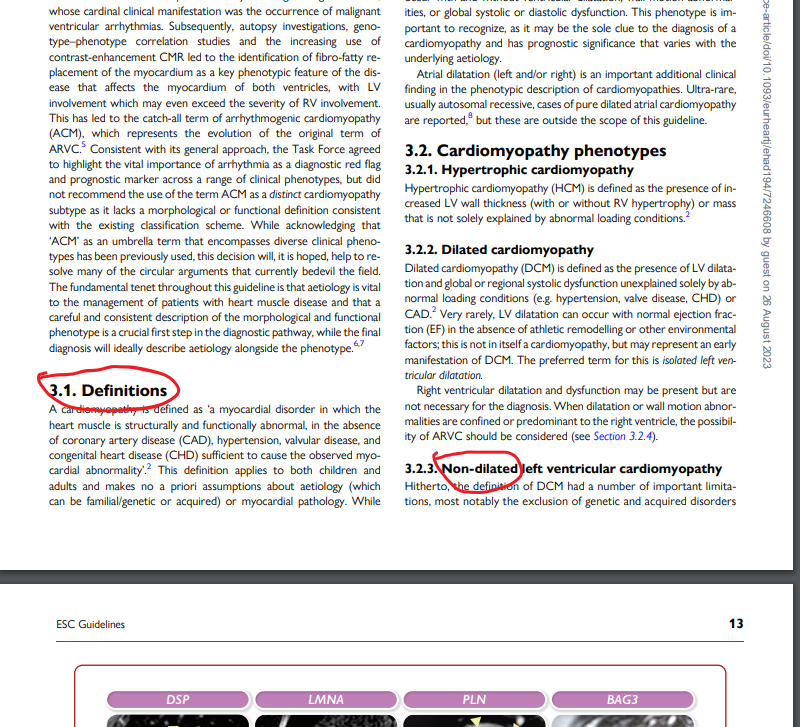
The title of the presentation was “Non-dilated cardiomyopathy”

Welcome to ESC Congress Amsterdam August 2023

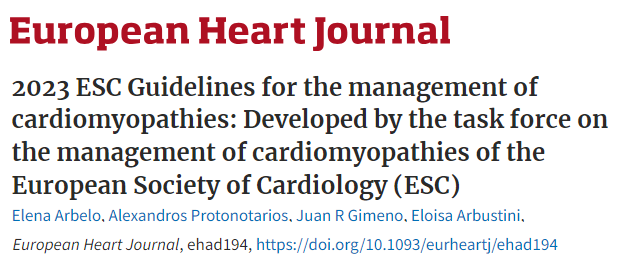
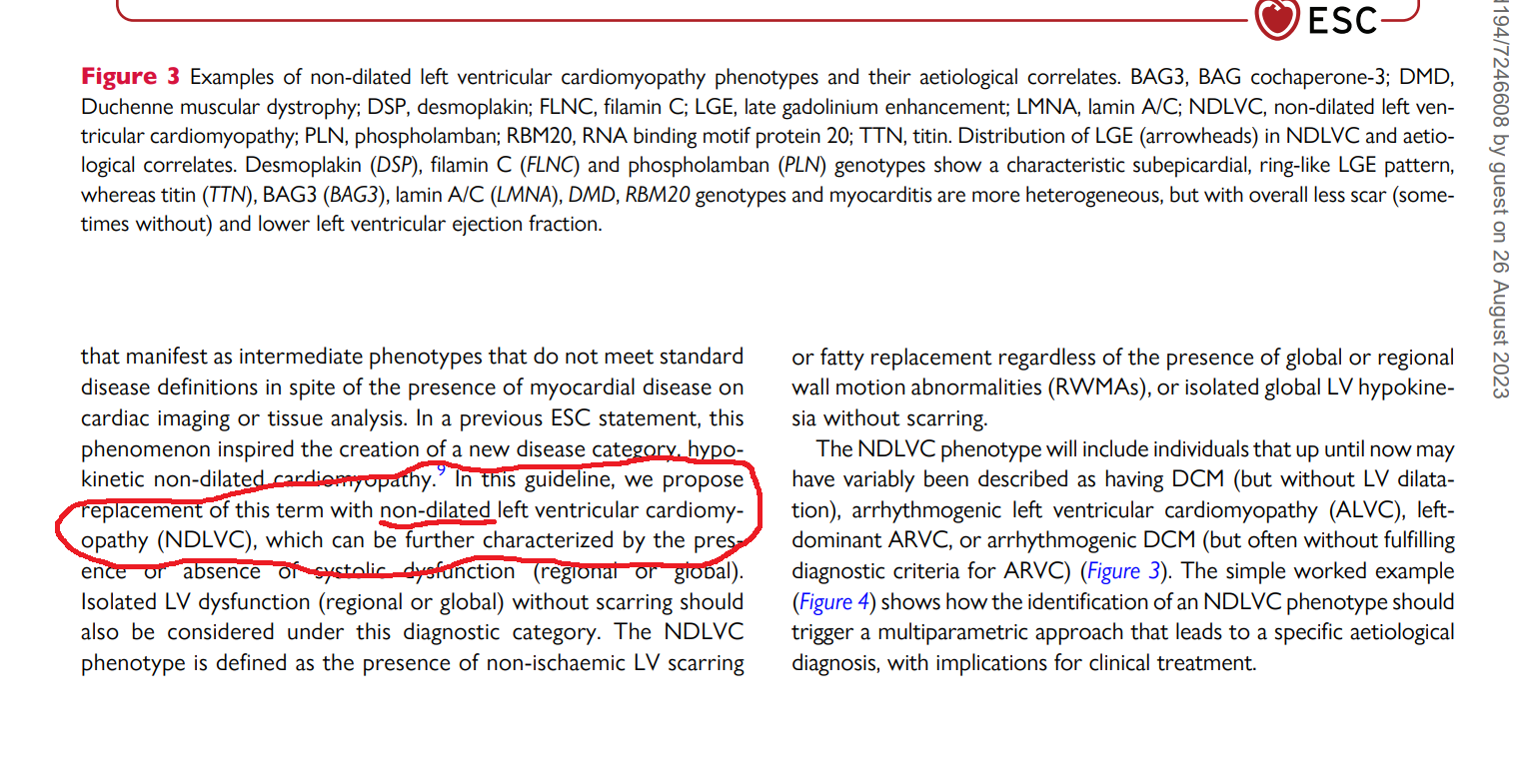
ESC, has come out with this new update on cardiomyopathy. It is a pleasant surprise to find the term “Non dilated cardiomyopathy” entered the cardiology academia, authenticated by the ESC.

I must confess, it is difficult to conceal the joy and a little bit of self-pride.

Some observations from this document

1. Despite our tremendous knowledge base, we are yet to hang up our boots, in pursuit of an Ideal cardiomyopathy definition. Genotypic or phenotypic ? Phenotype is closer to reality, while genotype is largely imaginary. It looks like, The newer guidelines are moving towards a phenotype-based approach in all aspects except in risk prediction. Fair enough.

2. All cardiomyopathies, whatever way we segregate, ultimately end up in the common clinical syndrome of heart failure. So. it is better to spend some quality time here and concentrate on HF therapeutics.

3. Cardiologists are expected to critically fine-tune their general medical knowledge, which will help recognize and treat systemic disorders like Amyloidosis, and other metabolic infiltrates.

4..Almost all RCMs have non-dilated ventricles, so why a new term NDLVC? Anyone wants to ask this question ?. Further, there can be significant overlap between RCM & NDLVC as well. Definitely, there is a lot to understand beyond this 2023 document.

5. Why do some ventricles refuse to dilate even in the face of adverse hemodynamic and pathological conditions. Is it an advantage or disadvantage? If ventricles are adamantly stiff and decide not to dilate, there is no other option, the atria will proxy dilate, creating more problems in the lung circuits. This also raises a fundamental question Is NDCM a better stress buster (think Laplace law ) than DCM? or vive versa , the accomodative nature of LV passify & blunt the slope of LVEDP at times of exertion.

6. One more reality is, NDLVC is also an Important subset in the now fashionable HF entity HFpEF

Final message

The message to youngsters is this. Discuss, debate, and document your thoughts in whatever forum, that is available. Don’t wait for all those big brother journals and their recognition. If there is truth in your writing, someday it will be revealed to the world.

Reference

1.Robert A Byrne and others, 2023 ESC Guidelines for the management of acute coronary syndromes: Developed by the task force on the management of acute coronary syndromes of the European Society of Cardiology (ESC), European Heart Journal, 2023;, ehad191, https://doi.org/10.1093/eurheartj/ehad191

Read Full Post »

Read Full Post »

Read Full Post »

Read Full Post »

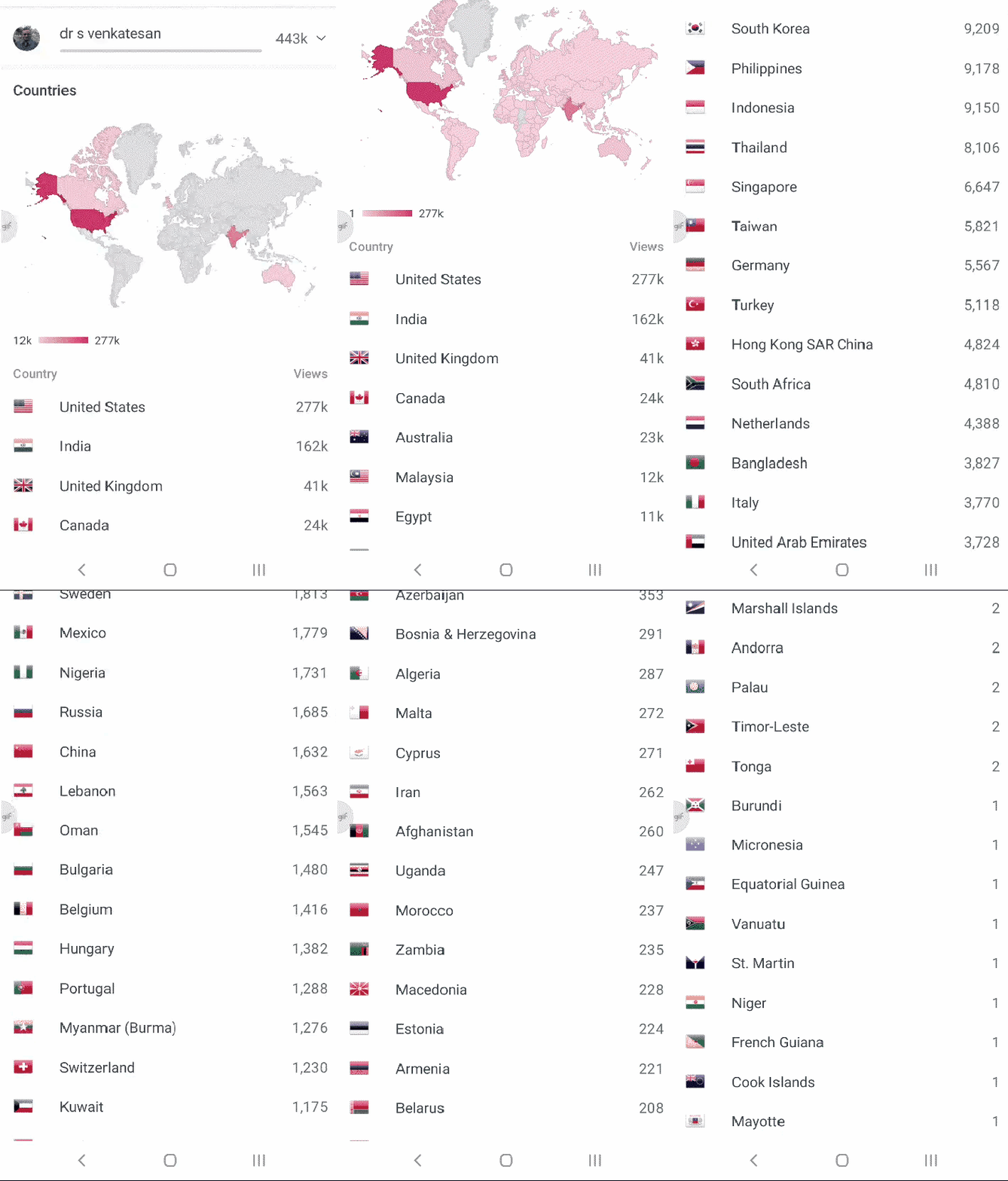
Got it? One clue, you are part of these numbers! It crossed  5 million reads recently across 160 countries. Thanks. I know,It amounts to self-promotion. Such boosters are required when energy level sags. Sorry.

Read Full Post »

Cardiologists at confused cross roads !

Perils of  limited Intellect & Infinite greed  

When not so appropriately trained cardiologists  do Inappropriate things “use becomes misuse” . . . then, it won’t take much time for science to become total abuse. That’s what happened with the murky world of coronary stents .No surprise, it’s time to firefight the healers instead of the disease !

Now ,Comes the ORBITA study . Yes , it looks like a God sent path breaking trial that spits some harsh truths not only in cardiology, but also in behavioral ethics .Let us not work over time and hunt for any non-existing loop holes in ORBITA. Even if it has few, it can be condoned for sure as we have essentially lived out of flawed science  for too long  Injuring many Innocent hearts !

ORBITA pci vs medical mangement drsvenkatesan courage bari2d ethics in stenting auc criteria inappropriate coronary stenting placebo effect of stenting acc aha esc guidelines chronic st

Yes , its enforced premature funeral  times for a wonderful technology !

GIF Image courtesy http://www.tenor.com

Meanwhile, let us pray for a selective resurrection of  stenting in chronic coronary syndromes  and stop behaving like lesser professionals !

Postamble

Extremely  sorry . . . to  all those discerning academic folks , who are looking for a true scientific review of ORBITA , please look elsewhere !

Read Full Post »

Older Posts »