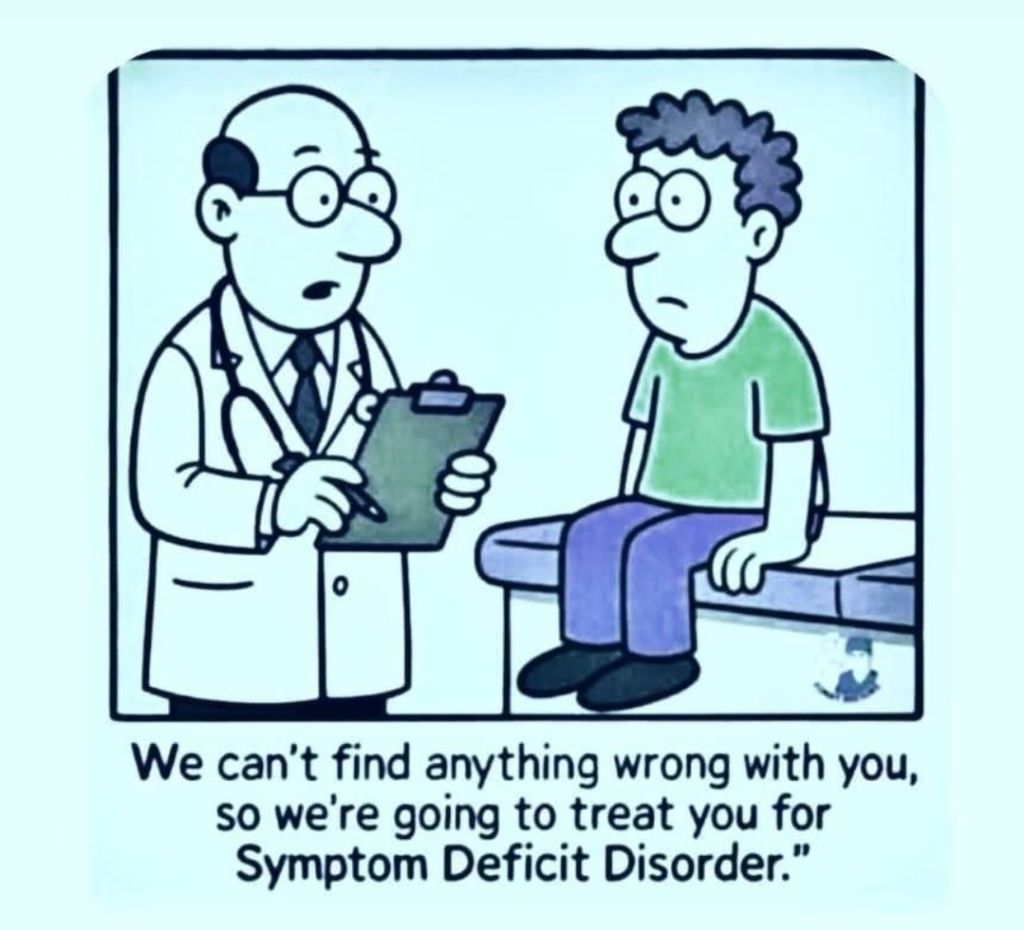
Posts Tagged ‘ethics in medicine’
Welcome to the exciting new era in scientific Medicine
Posted in Uncategorized, tagged ai in medicine, ethics in medicine, future of medicine, Lown Institute, medical education, nobel prize in medicine on October 11, 2025|
Trying to become a truly Professional Physician !
Posted in Uncategorized, tagged bmj, ethics in cardiology, ethics in medicine, Hippocratic oath, jama network, lancet, medical ethics quotes, nejm, who is a professional cardiologist on August 10, 2025|
.
Post-amble
Are you a professional physician doctor ?
Honestly I am struggling to become one , it is still a long way to go.
Evidence based common sense, is rare entity in medical literature
Posted in Uncategorized, tagged bmj, common sense in medicine, ebm, ethics in medicine, evidence based medicine, experince based medicine, false evidence, jacc, jama network, lancet, medical education, nejm, pitflls of ebm on July 10, 2025|

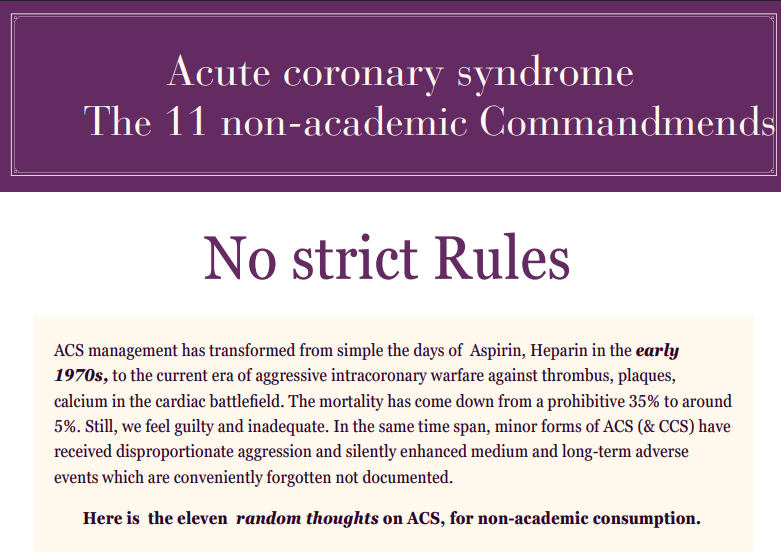
Management of ACS : The eleven new commandments
Posted in acute coroanry syndrome, acute coronary syndrome, Medcal research, Medical education, Medical ethics, Primary -PCI, Primary PCI, Thrombolysis, tagged acc aha esc scai criteria, captim trial, cardiology, danam 2, defining success in pci, drsvenkatesan, ethics in medicine, golden hour, medical ethics, nejm, nstemi, pharmaco Invasive strategy, prague 2, pre hospital lysis, ptca, stemi, stream trial, successful primary PCI, symptom to balloon vs symptom to needle time, symptom to door vs door to needle time, time windows in STEMI on June 8, 2025|


How can we use AI as a tool of knowledge distillation ?
Here is a deep discussion with Grok 3, on the merits, limitations & validity of DANAMI 2 and PRAGUE 2 , the two old studies on pPCI. Curiously , we don’t have any other studies to quote. As on 2025 , superiority of pPCI hangs precariously on these two decade old studies, which has some serious omissions in the primary end point and its Interpretation. To get into the facts , please go through the following link.
https://grok.com/Is primary PCI really superior to lysis in a global perspective /
It is a long chat, I am sure most of you can’t spare your vital time. But, the truth comes out only at the fag end of the conversation.
False enemies in medical practice
Posted in Uncategorized, tagged drs venkatesan, ethics in medicine, evidence based medicine, experince based medicine, hippocrates, madras medicalcollege, principles ofpracticeof medicine on November 9, 2024|
Over-diagnosing MI is not* as negligent as missing it !
Posted in Uncategorized, tagged acc aha esc guidlines, dilemma in cardiology, drsvenkatesan, ethics in medicine, high senstivity troponins, jama network, nstemi, pci, stemi, troponin on April 25, 2024|
As the medical literature expands exponentially, the quality and intent of the research questions sound awry. There are only a handful of journals like JAMA that are bold enough to ask some tough and pragmatic questions in this glitzy world of medical extravaganza.
The current issue wants to set the pace for an important debate, on a topic that is rarely discussed.
The question is
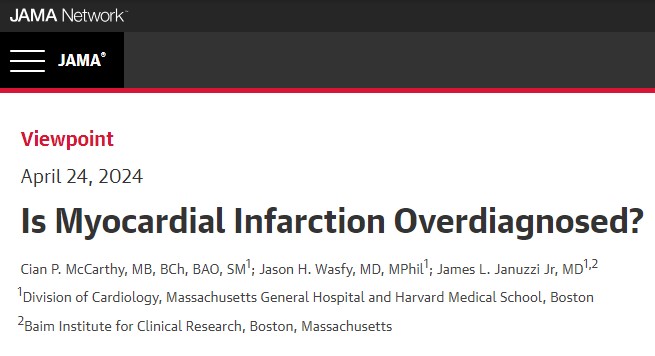
Check whether your answers concur with this crucial query from Harvard Medical School and Massachusetts General Hospital. Three questions this article wishes to address.
1.What is the reason it is happening?
2. What are the implications?
3. What can be done for it?
My thoughts
“It is indeed over diagnosed. Once labeled, a chain reaction is set in. The cost, and resource consumption that follow a misdiagnosis are nearly identical to that of a true MI. More than that, the adversities of the tense investigative protocol can convert a misdiagnosis into a real one because that sadly includes even an overzealous poking right at the mouth of the coronary artery just o exclude a non existing MI . and ICU-related anxiety stand apart in this scientific comical game of ruling out a cardiac emergency.
The paper seems to blame mostly on the powerful screening test high sensitivity Troponin, Everyone will agree it has a major role in this. But, the more important reason is the cardiology community’s vigorous adoption of a universal definition of MI criteria (which is never intended to apply at the bedside) .Next factor is probably more important. The fear of missing a potential MI and legal consequences thereafter. I wish, the experts who sit on medical juries need to learn few extra lessons in the art of medical uncertainties.
Medical jurists, need to take some Intellectual cues from their criminal courts. How is it that, even well-planned criminal murders are successfully allowed to be argued and won in courts,…while inadvertent events such as missing an inconsequential MI by doctors are rarely pardoned?
How to avoid over diagnosis of MI ?
In this scenario, It is sad, that only very few cardiologists have the guts to ignore this omnipotent molecular sub-fraction of cardiac muscle Troponin, with their clinical skills. What we can do, at our level is to incorporate a new term “benign or micro myocardial Infarction” – akin to lacunar infarcts or TIA equivalents of the brain in the heart. We need to de-list the vast majority of chronic ischemic,non-ischemic, or systemic causes of Troponin leaks from the myocardial infarction chart. Physicians must realize, that protocol violation should not be deemed a crime always, rather it has a sure potential to benefit your patient if it is done properly and intelligently.
Final message
Recently one cardiologist in a sub-urban center was thrashed both physically and in social media ,for missing an ACS , which was subsequently recognised and treated well and good.
“Doctors should be legally allowed,* (rather forgiven) to make permissible levels of errors in the medical decision-making process ” like any other profession .However, we must ensure our constant pursuit towards zero error, which may not be possible always. This should include overlooking apparently positive lab results if they have reasonably applied their clinical acumen. *Until this happens, the unquantifiable suffering of our patients* due to over-diagnosis and inappropriate interventions can not be reigned in.
*Maybe, this sounds more controversial statement in my 15 years of writing. Beloved patients shall note, it is a rare for me to make what probably, look like an anti-patient statement. Till now, I have been blamed my many of our colleagues, as self slandering my own profession for too many errors in many of the posts. Nothing can be done for this. When you search for truths , you need to tolerate all these.
Reference
What is conservative management ?
Posted in Uncategorized, tagged accc aha guidlines, ethics in medicine, GDMT, OPTIMAL MEDICAL THERAPY, principles of practice of medicine, WHAT IS CONSERVATIVE MEDICAL MANAGEMENT on December 16, 2023|
Conservative management conveys two tangentially opposite meaning.
For the superior “physicians & Interventional cardiologists” it would mean

For the “Inferior genre of physicians” it will sound like this

Reference
This is a partial repost from a 2008 article . https://drsvenkatesan.com/2008/11/30/what-do-we-mean-by-conservative-management-why-it-is-often-considered-as-an-inferior-form-of-treatment-in-medicine/
“Low quality” Interventions in “high quality” cath labs
Posted in Uncategorized, tagged comparative efficacy trials, cost effectiveness in medicine, ethics in medicine, EVO;LUTE PRO SAPIENS XT, health economics, HYBRID CATH LAB, TAVR TAVI VALVE IN VALVE on October 20, 2023|
Recently, I visited a seven-star cardiology center. It had a fascinating lab with a near-360-degree roaming arm and floor (even the roof, I think!). The lab also had provision for optional thoracotomy support by surgeons and a CT scan. What’s more, I was told that an adorable robot will soon be added to the cath lab workforce to assist in delivering and maneuvering catheters. It’s truly amazing to see the advancements in science!
I asked the chief staff nurse how many procedures are being performed per day. She pulled out an Excel chart from a gesture-controlled touch panel. It was clocking about 20 to 25 cases per day. The lab performed the best of all procedures in our country. Great, well done, and congratulations, even as my lips uttered, my mind was thinking the opposite. Do we require such labs when the majority of the population struggle to get even basic medical care in emergencies?

Quantity vs quality of procedures
The said lab went on to achieve 2000 cases recently. It was crowned with glory in a stunning anniversary bash. We all take pride in numerical accomplishments. Quantity is easily measured. It’s simple mathematics. Assessing quality is a tricky one. Even professionally well-accomplished interventions may be of low quality.
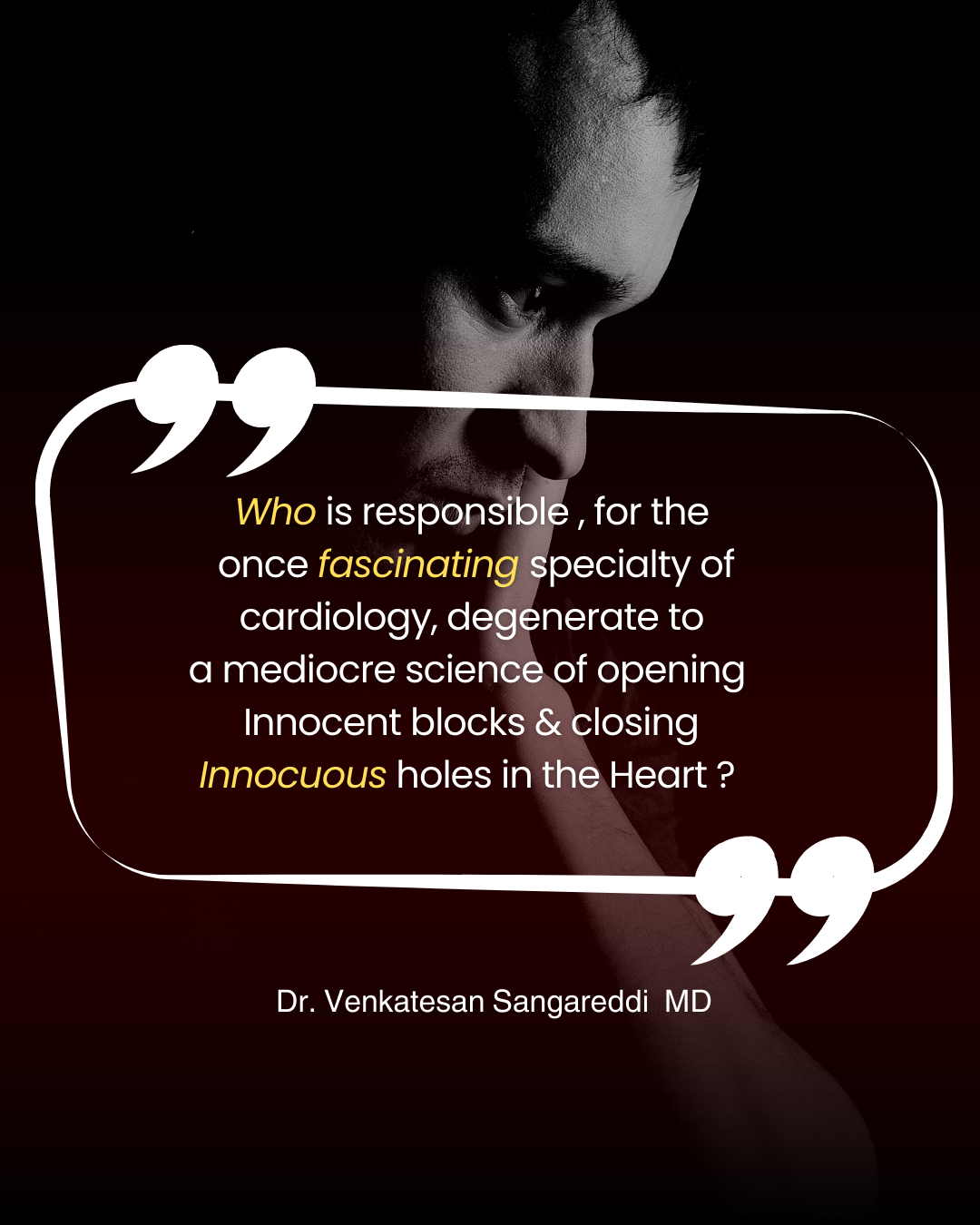
Low quality and low impact may not be synonymous; still, it conveys the same meaning if we look at it from the patient’s perspective. The quality of the procedure shall be assessed with reference to the cost involved, clinical outcome, procedural as well as a perpetual chain of risk, finally, and most importantly the test of time.
Overall, the quality check of a cath lab is not only for the machines, it is also about the operators & what they do.
Postamble
Whover wants join this cath lab award session. Welcome .
“Top 10 low-quality (Impact) cardiac Interventions”
There were 10 nominees
- Distal bifurcation lesion
- LAA closure
- Delayed PCI in STEMI
- Valve in valve
- VSR closure post-STEMI
- Septal ablation in HOCM
- His bundle pacings & CRTs
- Poorly planned TAVRs
- Clumsy Paravalvular leak blockage
- Complex EVARS
* The winner was selected without any difficulty: No 3 : Its delayed PCI beyond 24 hours after STEMI (This accounted for 30 % of all procedures put together)
Meanwhile following competes for “high-quality” intervention
- PTMC
- Left the main/ proximal LAD stenting in UA/NSTEACS
- Permanent pacemakers in CHB (Not all in SND)
- ICD implantation for the truly deserving
- RF ablation for AVNRT/ Some VT
- Selected cases of Primary PCI
- Some life-saving palliation in the newborn(Ductal stenting/IAS septostomy)
- Diagnostic coronary angiogram in a strongly suspected ACS.
Choosing the winner was really tough, just leave it to the readers.
Final message
It’s worthwhile to go for such an analysis periodically to improve procedural quality & Impact. It’s wiser to allow our brains to prevail over hands. Global health is all about technology optimization, outcome analysis, comparative efficacy. The future sounds exciting though, with deep machine learning, data mining, skill transfer. However, there seems to be a definite risk. In the name of artificial intelligence, we might contaminate machines as well with humanness.
Let us restrict funding and stop Insurance coverage for low impact procedures. Instead, may use the resources for a truly life-sustaining & healing process.
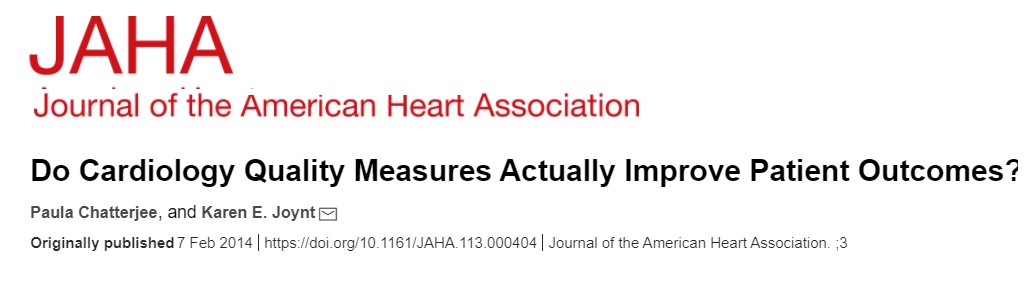
Reference & Further reading
Posted in Uncategorized | Tagged comparative efficacy trials, cost effectiveness in medicine, ethics in medicine, EVO;LUTE PRO SAPIENS XT, health economics, HYBRID CATH LAB, TAVR TAVI VALVE IN VALVE, top 10 best and worst interventions in cath lab |
Patient empowerment movement, definitely has a good intention , but …
Posted in cardiology-ethics, Medical education, tagged ethics in medicine, patient empowerment on November 11, 2022|
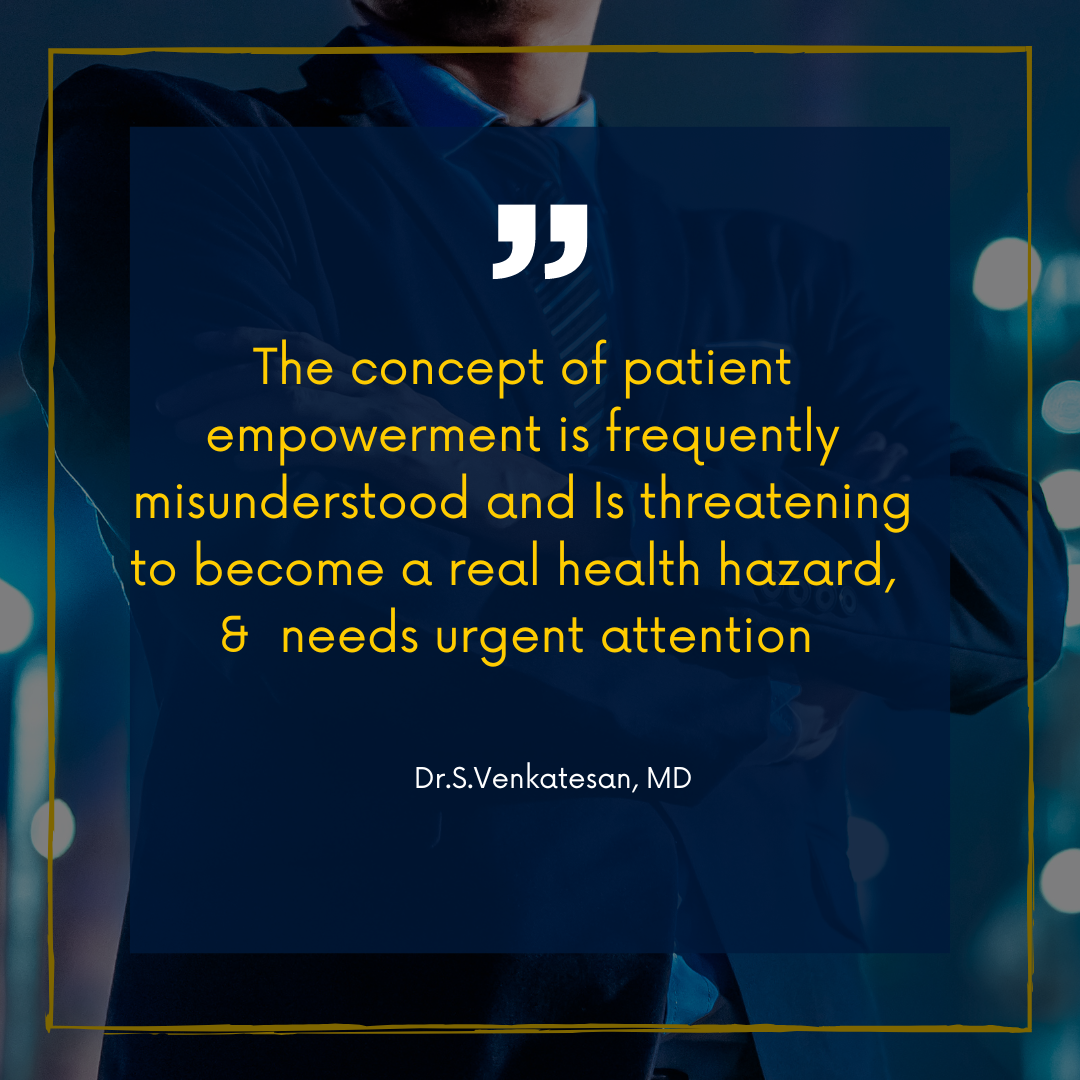
The definition & intended purpose of patient empowerment
WHO defines empowerment as “a process through which people gain greater control over decisions and actions affecting their health” and should be seen as both an individual and a community process.1
Four components have been reported as being fundamental to the process of patient empowerment: 1) understanding by the patient of his/her role; 2) acquisition by patients of sufficient knowledge to be able to engage with their healthcare provider; 3) patient skills; and 4) the presence of a facilitating environment.2
Based on these four components, empowerment can be defined as A process in which patients understand their role* and are given the knowledge and skills by their healthcare provider to perform a task in an environment that recognizes community and cultural differences and encourages patient participation.
Reference
What is the true success for a scientist ?
Posted in bio ethics, Histroy of medicine, Medcal research, Medical education, Medical ethics, medical quotes, tagged ethics in medical research, ethics in medicine, greatest award in medicine, medical quote, nobel prize in medicine, publish or perish, what is success in scientific world on November 26, 2021|
What is the true success in a scientific career?
It is not the number of publications in journals or getting those big awards or memberships in prestigious scientific societies. True success is “something else,” says the Nobel Medical Laureate Dr Willam Kaelin
Great thoughts. Just wondering, what are those elements beyond our controls he was alluding to?
Video courtesy and thanks : http://www.nobel.org
Categories
-

-
The contents of the this blog is being published as Kindle E book , as per the request of many of the readers. Every article will continue to be open source in this site. Again I shall reiterate the book format is not aimed at any commercial intent. It is only to facilitate learning in a single book format Here is the link to book
https://amzn.in/d/euhL5vu Archives
- March 2026 (9)
- February 2026 (8)
- January 2026 (8)
- December 2025 (11)
- November 2025 (7)
- October 2025 (8)
- September 2025 (7)
- August 2025 (9)
- July 2025 (10)
- June 2025 (8)
- May 2025 (9)
- April 2025 (7)
- March 2025 (10)
- February 2025 (4)
- January 2025 (9)
- December 2024 (11)
- November 2024 (8)
- October 2024 (10)
- September 2024 (5)
- August 2024 (5)
- July 2024 (6)
- June 2024 (5)
- May 2024 (4)
- April 2024 (7)
- March 2024 (4)
- February 2024 (8)
- January 2024 (6)
- December 2023 (8)
- November 2023 (13)
- October 2023 (14)
- September 2023 (5)
- August 2023 (6)
- July 2023 (10)
- June 2023 (5)
- May 2023 (5)
- April 2023 (4)
- March 2023 (5)
- February 2023 (2)
- January 2023 (7)
- December 2022 (3)
- November 2022 (5)
- October 2022 (5)
- September 2022 (4)
- August 2022 (3)
- July 2022 (9)
- June 2022 (2)
- May 2022 (1)
- April 2022 (2)
- March 2022 (1)
- February 2022 (3)
- January 2022 (7)
- December 2021 (3)
- November 2021 (5)
- October 2021 (8)
- September 2021 (4)
- August 2021 (6)
- July 2021 (6)
- June 2021 (7)
- May 2021 (5)
- April 2021 (4)
- March 2021 (3)
- February 2021 (6)
- January 2021 (8)
- December 2020 (4)
- November 2020 (5)
- October 2020 (7)
- September 2020 (7)
- August 2020 (10)
- July 2020 (6)
- June 2020 (9)
- May 2020 (9)
- April 2020 (5)
- March 2020 (7)
- February 2020 (3)
- January 2020 (4)
- December 2019 (4)
- November 2019 (6)
- October 2019 (3)
- September 2019 (6)
- August 2019 (3)
- July 2019 (1)
- June 2019 (3)
- May 2019 (2)
- April 2019 (2)
- March 2019 (2)
- February 2019 (4)
- January 2019 (2)
- December 2018 (2)
- November 2018 (2)
- October 2018 (2)
- September 2018 (1)
- August 2018 (2)
- July 2018 (3)
- June 2018 (1)
- May 2018 (3)
- April 2018 (1)
- March 2018 (3)
- February 2018 (3)
- January 2018 (1)
- December 2017 (3)
- November 2017 (3)
- October 2017 (3)
- September 2017 (2)
- August 2017 (2)
- July 2017 (2)
- June 2017 (2)
- May 2017 (4)
- April 2017 (3)
- March 2017 (3)
- February 2017 (5)
- January 2017 (3)
- December 2016 (2)
- November 2016 (5)
- October 2016 (4)
- September 2016 (3)
- August 2016 (5)
- July 2016 (3)
- June 2016 (4)
- May 2016 (3)
- April 2016 (6)
- March 2016 (4)
- February 2016 (3)
- January 2016 (5)
- December 2015 (6)
- November 2015 (5)
- October 2015 (8)
- September 2015 (2)
- August 2015 (5)
- July 2015 (7)
- June 2015 (4)
- May 2015 (6)
- April 2015 (5)
- March 2015 (7)
- February 2015 (15)
- January 2015 (8)
- December 2014 (5)
- November 2014 (9)
- October 2014 (7)
- September 2014 (9)
- August 2014 (5)
- July 2014 (11)
- June 2014 (5)
- May 2014 (4)
- April 2014 (5)
- March 2014 (8)
- February 2014 (8)
- January 2014 (5)
- December 2013 (7)
- November 2013 (7)
- October 2013 (14)
- September 2013 (12)
- August 2013 (15)
- July 2013 (15)
- June 2013 (15)
- May 2013 (15)
- April 2013 (15)
- March 2013 (15)
- February 2013 (15)
- January 2013 (15)
- December 2012 (15)
- November 2012 (15)
- October 2012 (15)
- September 2012 (15)
- August 2012 (15)
- July 2012 (15)
- June 2012 (15)
- May 2012 (15)
- April 2012 (15)
- March 2012 (15)
- February 2012 (15)
- January 2012 (15)
- December 2011 (15)
- November 2011 (17)
- October 2011 (17)
- September 2011 (17)
- August 2011 (21)
- July 2011 (20)
- June 2011 (17)
- May 2011 (15)
- April 2011 (17)
- March 2011 (25)
- February 2011 (20)
- January 2011 (20)
- December 2010 (18)
- November 2010 (21)
- October 2010 (21)
- September 2010 (25)
- August 2010 (20)
- July 2010 (10)
- June 2010 (11)
- May 2010 (19)
- April 2010 (16)
- March 2010 (14)
- February 2010 (22)
- January 2010 (18)
- December 2009 (20)
- November 2009 (20)
- October 2009 (3)
- September 2009 (21)
- August 2009 (19)
- July 2009 (12)
- June 2009 (12)
- May 2009 (11)
- April 2009 (15)
- March 2009 (21)
- February 2009 (4)
- January 2009 (12)
- December 2008 (13)
- November 2008 (9)
- October 2008 (22)
- September 2008 (20)
- August 2008 (16)
- July 2008 (14)
- June 2008 (7)
Blog Stats
- 6,641,357 hits
Please give your feed back .
Click below to see who is watching this website live !

- This site will never aim for profit. Still ,this donation link is added at the request of few visitors who wanted to contribute and of-course that will help make it sustainable .

Please Note

 Dr.S.Venkatesan MD