Archive for the ‘Clinical cardiology’ Category
What does Amiodarone do to the ventricular rate in AF ?
Posted in cardiac drugs, Cardiology - Clinical, Cardiology - Electrophysiology -Pacemaker, cardiology -Therapeutics, Cardiology-Arrhythmias, Clinical cardiology, tagged amiodarone, atrial fibrllation, rate vs rhythm control affirm study, success rate of amiodarone, ventricular rate control with amiodarone on April 23, 2012| 2 Comments »
Amiodarone acts by
- Correcting the rhythm to sinus .
- Controls ventricular rate alone
- Does both ?
Answer is 3
How can it correct the rhythm alone ? If the rhythm is corrected , rate will automatically be controlled, unless Amiodarone converts AF into Sinus tachycardia which is very unlikely !
Of course Amidarone is not a magic drug .The success rate of Amiodarone restoring sinus rhythm is far . . . far less . . . than our expectations ! . It fails to convert to sinus rhythm in a significant chunk *. Interestingly , it may still control the ventricular response by its beta blocking action .
*Our estimate is , the failure rate Amiodarone is between 30-40% or even higher , as bulk of AF we witness is due to Rheumatic heart disease.
Jugular venous pulse in congenital heart disease
Posted in cardiology congenital heart disese, Clinical cardiology, dr s venkatesan -Personal, My presentations, Uncategorized, tagged a wave in jvp, difference between left atrial v wave from right atrial v, jugular venous pressure, jugular venous pulse, jvp in congenital heart disease, mean jugualr pressure, sternal angle, v wave in jvp, vertical distance jvp on March 11, 2012| 1 Comment »
 Click to down load a PDF version
This was presented in the cardiology fellow training course in Chennai – March 2012
(Acknowledgement : Paul wood collection , J.K Perloff , Credit to Images from open source )
Unusual arrhythmias during Excercise stress testing
Posted in Cardiology - Clinical, cardiology -ECG, Cardiology -Interventional -PCI, cardiology -Therapeutics, Clinical cardiology, tagged excercise induced vt, polymorphic vt during stress testing, prinzmetal angina, ventricular arrhythmias during stress testing on February 29, 2012| 4 Comments »
A young man fell off the tread mill soon after complaining of chest pain in the immediate recovery phase.
He had just completed 8 minutes of standard Bruce without any difficulty .
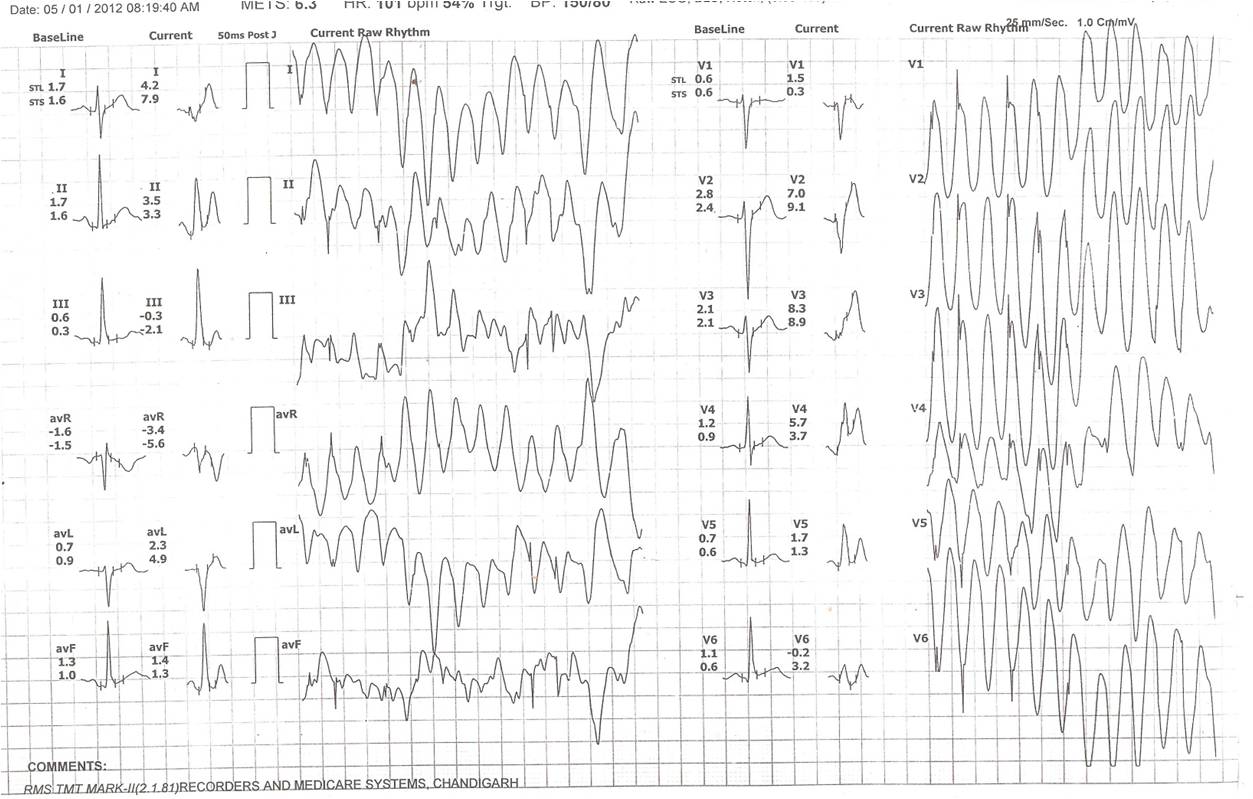
Even as the defibrillator was being moved near him , he was successfully shocked with hands of a hefty nurse ! ( 25 joules ? ) . He got into this rhythm !
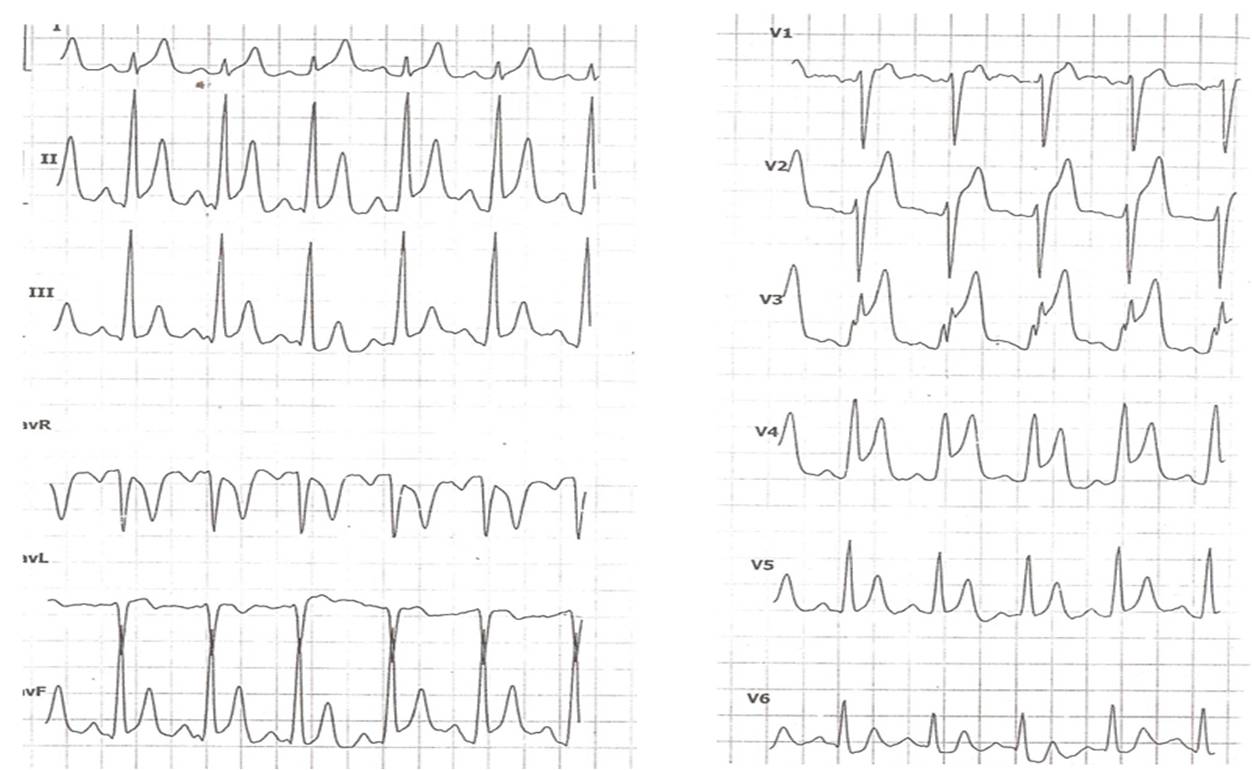
Note the ECG shows diffuse ST elevation . The ECG soon settled and a diagnosis of variant angina was presumed.
He was shifted to CCU. There was no elevation of enzymes , though he showed a transient wall motion defect lasting up to 48 hours.
The subsequent elective angiogram did not reveal any critical CAD favoring Prinzmetal angina.
Provocative tests for vaso spasm is not practiced in our part of the world (I wonder whether it is still in vogue at all !)
* The classical angina of prinzmetal is not related to exertion . Can we call this as a variant of the variant angina ?
Final message
- VTs are rare arrhythmias during EST. However , there are important link between exertion , VPDs and VT .
- Exercise induced RVOT VTs are supposed to more common. However , ischemic VT during exercise has to be ruled out in every patient.
- Non sustained VTs in patients who have baseline VPDs are usually benign .
- Paradoxically VPDs disappear in many during exertion indicating overdrive suppression by sinus rate .This again can be ignored.
- Mono morphic VTs would suggest structural defects.
- Polymorphic VTs during exercise indicate either ischemia or electrolytic origin
Also read
Wrong concepts in coronary spasm
Acknowledgement
ECG Courtesy: Dr G.Gnanvelu MD,DM Professor of cardiology . Madras medical college
How accurate is the TR jet derived Pulmonary artery systolic pressure ?
Posted in Clinical cardiology, echocardiography, tagged accurracy of ssytolic pulmonary artery pressure, tr jet add ra pressure, tr jet derived pah ph, underestimation vs over estimation of tr jet pap pulmonary on February 21, 2012| Leave a Comment »
Measuring TR peak velocity is the most popular method to assess pulmonary arterial pressure.It is universally believed TR jet predicts the systolic PA pressure fairly accurately. By all means it is a wrong perception.
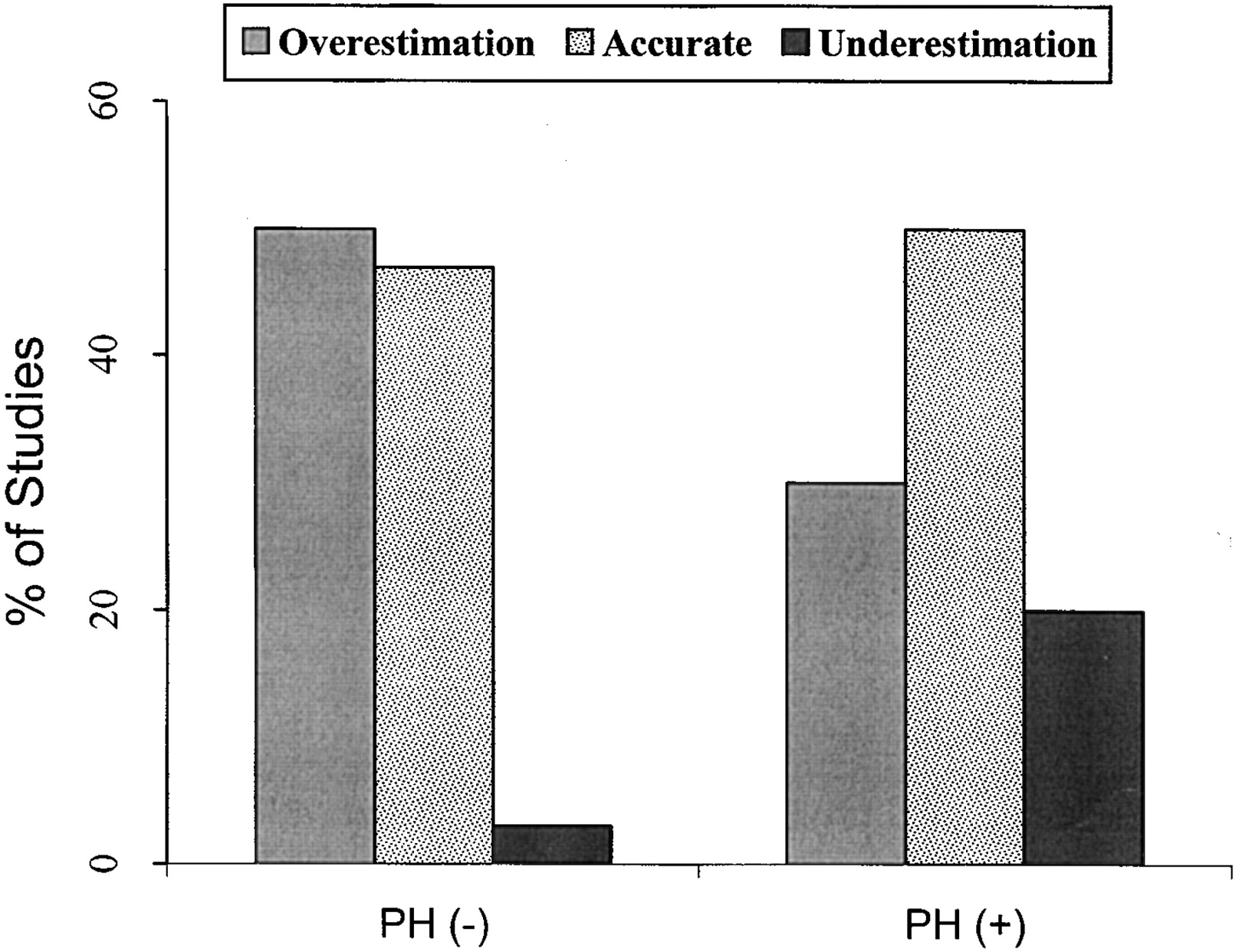
At best , it has only 40% correlation with cath derived PAP . In other words cardiologist are fooled by TR jet more often than not ! Here is an elegantly done study from American Journal of Respiratoty and critical care medicine in patients who had undergone lung transplantation . It compared systolic PAP derived from Doppler vs cardiac cath.
”
Source : http://ajrccm.atsjournals.org/content/167/5/735.full.pdf+html
Important observations about TR jet derived PAP
- Over estimation is the key error.
- Error of under -estimation less common .
- Over estimation often occur in normal persons
- Under estimation more frequent in patients with PAH.
(The above study documents over estimation of 10mmhg in systolic PAP in 50 out of 100 patients )
Final message
Nothing is perfect in science , especially in medical science. In spite of the limitations of TR jet , it will remain the corner stone in the hemodynamic evaluation of right heart pressures . (Forget for the moment . . . the umpteen variables in the modified Bernolui equation , flow acceleration , viscous friction etc )
It is prudent , cardiologists are expected to be aware of this harsh fact and should be meticulous in tracing TR jet and reduce the error.
One controversial but logical suggestion would be to drop the ritual of adding empirical RA pressure 5- 10mmhg over the TR jet while calculating PAP , as there is 60 % error of over-estimation that naturally occur with TR jet.
Reference
http://www.registroep.org/documenti/IPERTENSIONE%20P.%20CRONICA%20TE/06_Sciomer%20ECO.pdf
http://ajrccm.atsjournals.org/content/167/5/735.full.pdf+html
What are the mechanisms of “Pulmonary Arterial Hypertension” in Dilated cardiomyopathy ?
Posted in cardaic physiology, Cardiology - Clinical, cardiology -Therapeutics, Cardiology -unresolved questions, Clinical cardiology, myocardial disease, tagged diastolic dysfunction in dcm, iscemic vs idiopathic pah, mechanism of pulmonary arterial hypertension in DCM, PAH IN DCM, pulmonary hypertension, restrictive lv filling and pah in dcm on February 18, 2012| 1 Comment »
Pulmonary arterial hypertension (PAH ) is an uncommon manifestation of dilated cardiomyopathy .While pulmonary venous hypertension of some degree is expected in most patients with DCM, it is rare for these patients to go for severe arterial hypertension.
The reason for this may be the natural history of DCM do not allow these patients to live that longer to manifest severe PAH. Still , we encounter this problem atleast in tertiary hospitals. Presence of moderate to severe PAH (> 50mm peak PAP) is a sinister sign in DCM. They not only do badly , they also make the transplant outcome dismal .
What causes this severe PAH in DCM ? The following observations are made in our institute .
Now we know , isolated systolic dysfunction is rarely associated with PAH .It is the presence of LV diastolic dysfunction (Often restrictive ) that raises the pulmonary pressures. PAH of DCM is rarely progressive.
One important suggestion is the DCMs which are associated with severe PAH may indeed represent late stages of RCM , when the LV begin to dilate.
Associated mitral regurgitation contributes to PAH
Atrial fibrillation has a significant impact on elevating pulmonary venous and arterial pressures in DCM.
Hypoxic PAH can occur in any medical situation in susceptible population . DCM is no exception
For some reason idiopathic DCM is more often result in PAH than ischemic DCM . (Is that possibel , some form of idiopathic PAH and DCM are etiologically related ?)
Further , the positive inotropic agents when liberally used will worsen the diastolic properties of LV.
Finally involvement of right ventricle in the cardiomyopathy process can have an ameliorating effect on PAH. A good RV function is essential to lift the PA systolic pressure. If RV failure is causing a low PAP , do not be happy .It simply means RV is going to say good bye . . . for the final time !
How to manage PAH in DCM ?
There is no specific management strategy .
We do not know yet whether Sildenafil , Bosentan, and Epoprostenol have any role in this form of PAH. These are all basically vasodilators. It’s use in DCM is vested with a risk of catastrophic hypotension . Of course , we do have a role for balanced vasodilators in cardiac failure .(As most of these patients would be already on adequate ACEI )
Presence of PAH should be considered as an independent indication for anticoagulants as in situ pulmonary thrombus is common.
The effect of cardiac resynchronisation therapy in reducing the PAH of DCM is not convincing.
Final message
PAH in DCM is an unwelcome development. It makes the situation tough . The mechanisms are diverse .Understanding the mechanism would help us deal this problem better . Conventional anti failure treatment may help ,but it is wiser to try reserve drugs.
Tough calls in cardiology : How will you manage ventricular tachycardia with a mobile LV clot ?
Posted in Cardiology - Clinical, cardiology -ECG, Cardiology -Interventional -PCI, cardiology -Therapeutics, Cardiology -unresolved questions, Clinical cardiology, tagged how to manage lv clot with vt, management of vt, mobile lv clot and vt, ventricular tachycardia, VT with lv clot on February 16, 2012| Leave a Comment »
Clinical cardiac problems can be very demanding at times. Here is a situation even the toughest will struggle.
A 52 year old man comes with a wide qrs tachycardia with a blood pressure of 90 /70 with class 4 dyspnea .He was restless , trying to sit up because of orthopnea. The ECG showed a definitive ventricular tachycardia with LBBB morphology.The patient was connected the oxygen line , cardiac monitor, oximetery, etc
The consultant on call instructed immediate DC shock and he warned about impending ventricular fibrillation .He casually told the fellow to do a echocardiogram also and rule out any structural heart disease. Even as the staff was arranging the defibrillator , the fellow did a rapid bed side echocardiogram . He was shocked to find a large mobile LV clot with a dilated , severely dysfunctional left ventricle having an EF of 25 % .
Now comes the critical time . Should we shock this man with VT and LV clot?
What will be your option now ?
- I will not mind the LV clot , will go ahead with DC Shock . Let him dislodge his LV clot . If It is his fate let it be !
- Defer the DC shock . Fall back on medical cardioversion like Bretyllium, Amiodarone or magnesium . After all . . . it is not a pulse less VT. He is not in cardiac arrest . He can afford to wait .We can’t risk a stroke .
- Give a low energy shock 25 joules with paddles avoiding the LV apex. .It may not dislodge the apical clot , still VT may be terminated.
- Try overdrive pacing instead of DC shock
- Refer the patient for emergency surgical removal of LV clot
- Suck out the LV clot with a LV suction catheter and plan elective DC version*
- Insert a temporary Aortic filter and shock the patient **
* Such catheters are in preliminary stage of development . Is that true ? ( If no I should get the royalty for the idea ! )
(Read the related article in my blog )
** A loud imagination . Such filters do not exist.( If IVC can be filtered why not Aorta ? )
What was finally done ?
After analysing each of the above , we decided option one ( “Prey the God and shock the heart” ) After all if it is a VF , this issue becomes null and void ! . Luckily God was with us. The patient was reverted to sinus rhythm with 50joules and had no untoward events . He was subsequently anti-coagulated . He is being planned for CRT/ICD therapy
Final message
Critical care medicine is all about risk taking .Many times , therapeutic maneuvers confer a significant risk to life comparable to the index problem. But that should not be a deterrent . A careful learned decision is warranted.
What are the mechanisms of “Nocturnal” Angina ?
Posted in cardaic physiology, Cardiology - Clinical, cardiology -Therapeutics, Cardiology -unresolved questions, Clinical cardiology, myocardial disease, tagged angina during sleep, aortic regurgitation and nocturnal angina, nocurtnal angina, rem sleep associated angina on February 2, 2012| Leave a Comment »
Angina occurring at night is relatively uncommon . It is still more rare for angina to occur exclusively at night (With a possible exclusion of syphilitic aortits with AR !) The underlying conditions and mechanism of nocturnal angina are largely unexplored. In most clinical situations nocturnal angina is associated with day time angina as well .
Various mechanisms are proposed
- It is primarily due to increased demand (Holter monitoring has documented brief bursts of HR acceleration just before nocturnal angina with manifest ST depression )
- Increased demand during REM sleep .
- Dreams related adrenergic surge has been implicated.
- Rarely it is due to supply side defect .
- Coronary vaso-spasm ( Mostly in a pre-exisiting lesion )
- It could simply represent paroxysmal nocturnal dyspnea (pnd)
- Sleep apnea can precipitate angina ( Ironically angina occur during re-breathing phase )
- Altered hemo-rheology
- Nocturnal gap in anti anginal medication *
* May be more common than we realise.
Cardio vascular hemo-dynamics at night
If we believe , sleep is the great relaxation , and the heart would enjoy the “night time” we are absolutely wrong . Even in sleep , heart has to pump the same 250 ml of blood every minute. Of course , the sleeping heart rate slows down considerably , still it is interspersed with spikes of activity. When the heart rate slows down , diastole is prolonged , coronary blood flow is expected to be copious unless there is critical CAD.
We know , sleep is not a passive process , even as the autonomic nervous system takes complete control over the somatic system .The true colors of our delicate autonomic system will come to light only during sleep.The muscle tone , the sympathetic drive fluctuates according a pre-set degree . Dreams and REM sleep disturbance can have considerable impact on the sympathetic nerve terminals which ooze catecholanines .
Sudden awakening from early sleep is vested with a risk of dangerous spikes of adrenaline release .This becomes especially important in compromised coronary circulation .In fact , this is commonest sleep -awake sequence in patients with nocturnal angina.
Silent ischemia at night
It is curious to note 24 hour Holter monitoring reveals most episodes of ST depression at night are silent. There must be a specific pain threshold above which a patient awakens with angina. The available studies do not answer this issue and are not perfect . We have no way to find true silent ischemia during sleep.(PET scan in thalamus ?)
Nocturnal angina in Aortic regurgitation
Aortic regurgitation has special relationship with dusk .For angina to occur AR must be severe and usually isolated .
- Prolonged diastole at night -Regurgitation time is prolonged .
- Dilated LV . Increased LV mass .Increased demand.
- Raised LVEDP due high wall stress.
- Diastolic coronary stealing . Venturi effect of AR jet
Nocturnal Angina : Is it stable or unstable ?
Most consider it as a type of stable angina .Now ,we have reasons to suspect it could a marker of unstable angina as it is an expression of rest angina .
Nocturnal angina vs nocturnal STEMI
How often an episode of nocturnal angina end up in STEMI ?
STEMI is more common in the early hours of the day and is more related to the hemo-rheological factors . Please note , STEMI is a supply side defect while most episodes of nocturnal angina is due to demand ischemia . However it is possible nocturnal angina episode can precipitate STEMI if vasospasm is the underlying mechanism and if it is prolonged can trigger thrombosis.
We do not know the answer as yet.
Nocturnal Angina : Can it be PND equivalent ?
Paroxysmal nocturnal dyspnea (PND) is a classic manifestation of episodic LVF. We know dyspnea can be an anginal equivalent. What prevents angina to become a dyspnea equivalent ! ( Especially the nocturnal ones , since the mechanism of generation of PND are very similar to the genesis of angina ). It is distinctly possible one may be mistaken for the other . Both occur when sudden hyper-adrenergic state is evoked which demands high MVO2 . An ischemic heart has every reason to respond with angina .
It is well known ischemia can result in transient diastolic dysfunction and elevate the PCWP simultaneously and PND would be the sequel . When we analysed the nocturnal calls ( Our fellows , do get lots of such calls from general wards at night ), many patients with LV dysfunction who complained of classic chest pain had some degree of dyspnea and few crackles over lung base as well .
Nocturnal angina and obstructive sleep apnea
The incidence of nocturnal angina is more common in obese population with obstructive sleep apnea.
The reason is two-fold
1 .Hypoxia mediated
2. Inappropriate tachycardia during recovery phase
Is there any specific management strategies to control nocturnal angina ?
- General principles apply .
- The timing of anti anginal medication can be adjusted . Long acting preparations taken in morning hours to be avoided as they do not cover night time.
- A calcium channel blocker (with optional beta blocker ) at night may be the best bet to prevent nocturnal ischemia.
- Dinner to sleep time to be widened.
- Heavy diet at night to be avoided.
- Sedatives role is not clear. (Can Diazepam suppress nocturnal angina ? If so . . . we can call it as anti anginal drug . . . is isn’t )
References
http://www.thelancet.com/journals/lancet/article/PIIS0140-6736%2884%2991693-3/abstract
http://www.ncbi.nlm.nih.gov/pubmed/8419815
http://www.nejm.org/doi/pdf/10.1056/NEJM199302043280502

Obstructive Sleep apnea and Angina 1 : http://www.ncbi.nlm.nih.gov/pubmed/7715342
Obstructive sleep apnea and Angina 2 http://content.onlinejacc.org/cgi/reprint/34/6/1744.pdf
A dangerous suggestion : Is “Not taking” alcohol, a cardiac risk factor ?
Posted in Cardiology -unresolved questions, Clinical cardiology, tagged alcohol and heart, cardiac risk facotr, INTERHEART study, Is not taking alcohol a cardiac risk factor on January 3, 2012| Leave a Comment »
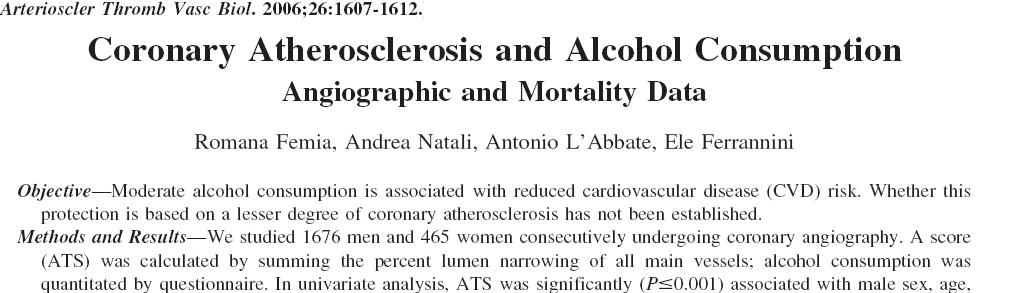
“It seems certain . . . both zero alcohol intake and excessive alcohol confers cardiac risk “
I stumbled upon the above conclusion from a respectable source*
*This is from the famous INTERHEART study published in Lancet.
Can it be true ? What is the proof ?
Consuming moderate quantity of alcohol reduces cardiac risk
Does it make sense to skew this statement like this
. . . Not taking alcohol would be a cardiac risk in other wise healthy individual .
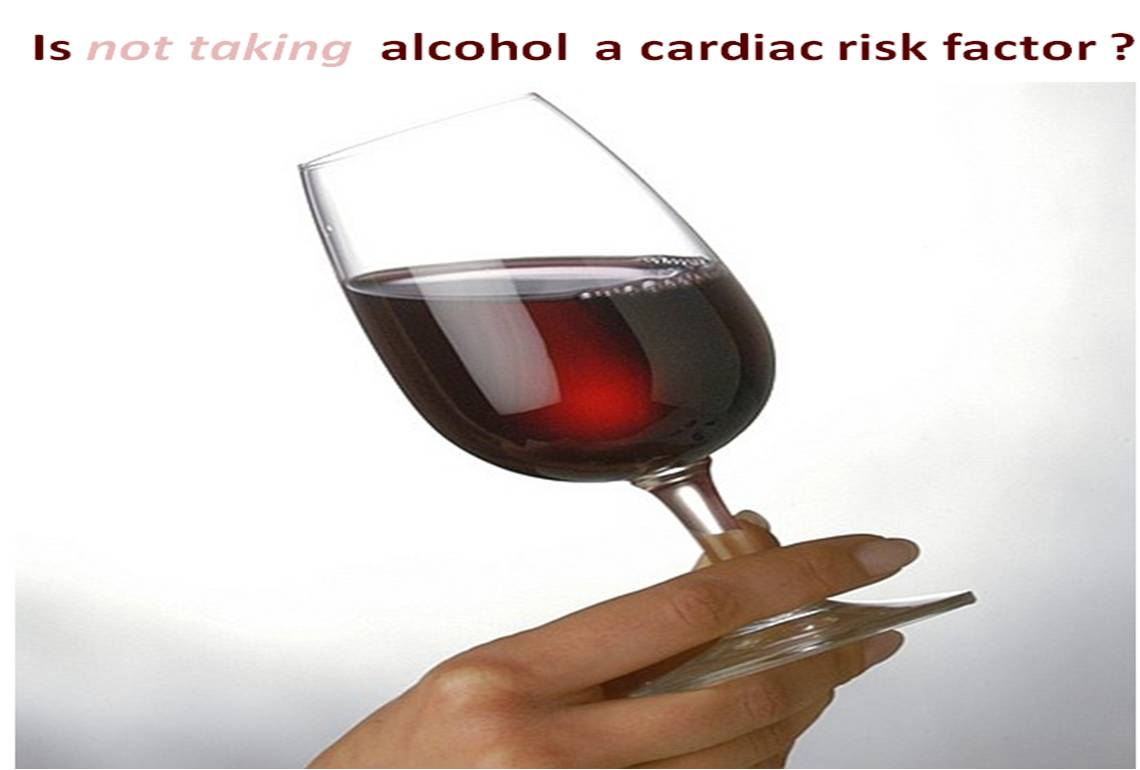
Can we profess such a reasoning ? My colleagues call it stupidity ?
If it is true , are we justified to use alcohol as a primary prevention drug ?
Which type of alcohol we are talking about ?
I am struggling to get specific answers .
After reading the INTERHEART study , my conviction is the “dangerous suggestion” may indeed have a significant quantum of truth ! Readers may share their thinking .
In a country like India where alcohol is considered as a killer chemical with a huge social stigma , it is blasphemous to suggest not taking it can be cardiac risk factor !
Reference
http://www.thelancet.com/journals/lancet/article/PIIS0140-6736%2804%2917018-9/abstract#
Curious lessons in clinical cardiology : Auscultate your ejection fraction !
Posted in Cardiology - Clinical, Clinical cardiology, Uncategorized, tagged auscultation for lv dysfunction, firstheart sound and ef%, muffled s1 and lv function plapitation and lv function, s1 intensity and ef% on January 1, 2012| Leave a Comment »
How to rapidly diagnose significant LV dysfunction at the bed side ?
Look for
- Tachycardia*
- Exertional LV S3
- Muffled S1
- Weak carotids
- Often inconspicuous apical impulse
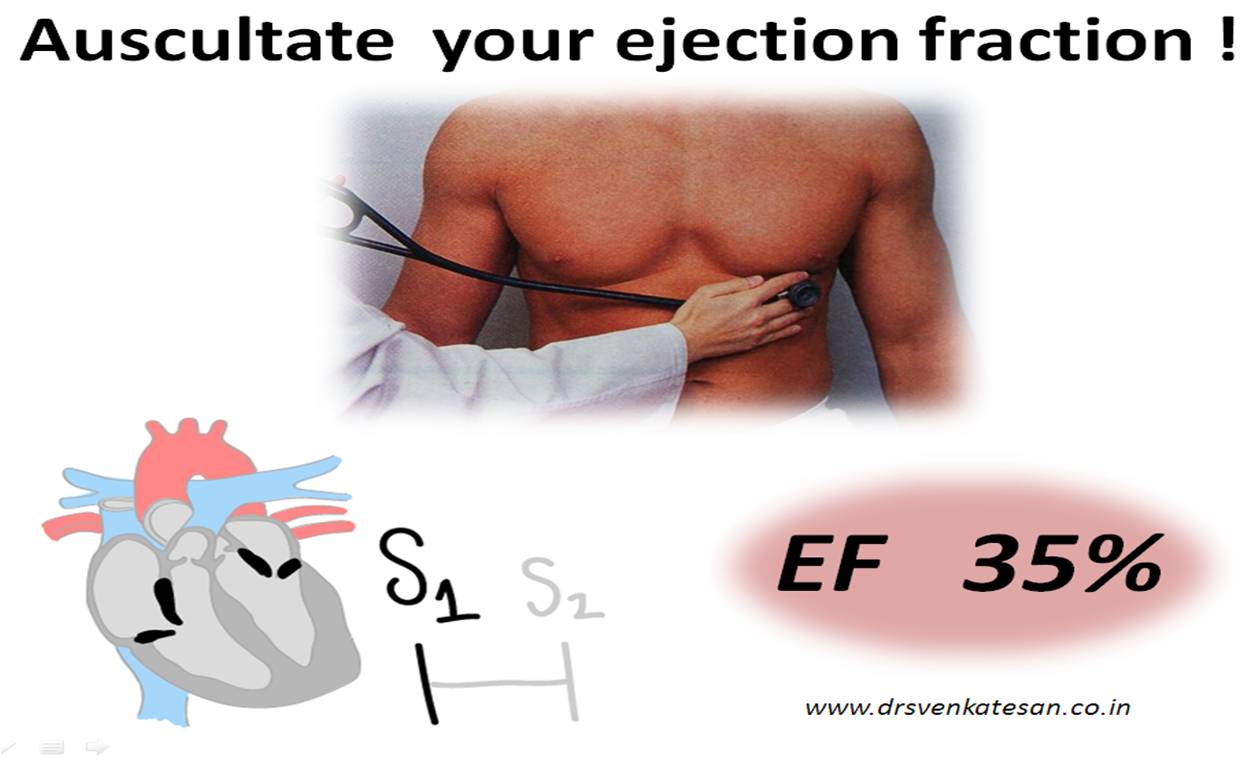
If all these signs are present EF is likely to be less than 35 % with 90 % specificity . If this is accompanied by true cardio-megaly in X-ray chest, LV dysfunction can be diagnosed with a precision reaching almost 100% .
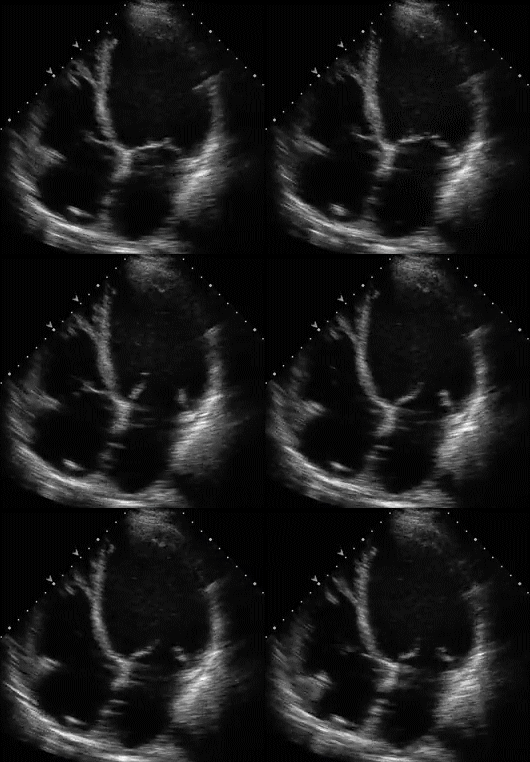
Note the sluggish motion of mitral leaflets and how closely the LV contractility is related to AML movement.This man had a soft S1 and his EF was 30 %
* Tachycardia may be a non specific finding . Further ,base line tachycardia may not be present in all cases of LV dysfunction . When there is a sudden surge in HR even with minimal exertion , it suggests severe LV dysfunction.
** The above clues may not apply in valvular heart disease , and isolated right heart disease as multiple factors may impact S1 intensity .
*** LV failure must be distinguished from LV dysfunction (Vide infra)
Similarly , a patient can not have significant LV dysfunction if one detects any of the following.
- If the first heart sound is loud
- If he feels chest thumping as palpitation.(A fluttering and audible mitral AML has 100 % predictive value for normal LV function )
- If you here an aortic ejection sound (Vascular clicks ) . Ejection clicks need significant force for it’s generation.
Final message
The most mobile structure of the heart is anterior mitral leaflet . Fortunately it’s closure is well heard as S1 . Mind you, the most important determinant of S1 intensity is LV contractility. If your ear is sharp , and if you are able to rule out other reasons for soft S1 (Like obesity, pericardial effusion ) we are fairly justified in suspecting significant Left ventricular dysfunction.
Further reading :
***What is the difference between LV dysfunction and LV failure ?
Both these terms are often perceived to convey the same meaning . But it can never be used synonymously .Cardiac failure is a clinical entity while LV dysfunction is a derived technical parameter by and large an echocardiographic entity. Cardiac failure is defined classically as a clinical syndrome .(elevated jvp, edema * S 3 rales etc) Neuro hormonal activation can occur with both.
A patient with LV dysfunction when destabilsed develops LV failure and after stabilisation of LV failure he is brought back to the baseline LV dysfunction.
Categories
-

-
The contents of the this blog is being published as Kindle E book , as per the request of many of the readers. Every article will continue to be open source in this site. Again I shall reiterate the book format is not aimed at any commercial intent. It is only to facilitate learning in a single book format Here is the link to book
https://amzn.in/d/euhL5vu Archives
- March 2026 (5)
- February 2026 (8)
- January 2026 (8)
- December 2025 (11)
- November 2025 (7)
- October 2025 (8)
- September 2025 (7)
- August 2025 (9)
- July 2025 (10)
- June 2025 (8)
- May 2025 (9)
- April 2025 (7)
- March 2025 (10)
- February 2025 (4)
- January 2025 (9)
- December 2024 (11)
- November 2024 (8)
- October 2024 (10)
- September 2024 (5)
- August 2024 (5)
- July 2024 (6)
- June 2024 (5)
- May 2024 (4)
- April 2024 (7)
- March 2024 (4)
- February 2024 (8)
- January 2024 (6)
- December 2023 (8)
- November 2023 (13)
- October 2023 (14)
- September 2023 (5)
- August 2023 (6)
- July 2023 (10)
- June 2023 (5)
- May 2023 (5)
- April 2023 (4)
- March 2023 (5)
- February 2023 (2)
- January 2023 (7)
- December 2022 (3)
- November 2022 (5)
- October 2022 (5)
- September 2022 (4)
- August 2022 (3)
- July 2022 (9)
- June 2022 (2)
- May 2022 (1)
- April 2022 (2)
- March 2022 (1)
- February 2022 (3)
- January 2022 (7)
- December 2021 (3)
- November 2021 (5)
- October 2021 (8)
- September 2021 (4)
- August 2021 (6)
- July 2021 (6)
- June 2021 (7)
- May 2021 (5)
- April 2021 (4)
- March 2021 (3)
- February 2021 (6)
- January 2021 (8)
- December 2020 (4)
- November 2020 (5)
- October 2020 (7)
- September 2020 (7)
- August 2020 (10)
- July 2020 (6)
- June 2020 (9)
- May 2020 (9)
- April 2020 (5)
- March 2020 (7)
- February 2020 (3)
- January 2020 (4)
- December 2019 (4)
- November 2019 (6)
- October 2019 (3)
- September 2019 (6)
- August 2019 (3)
- July 2019 (1)
- June 2019 (3)
- May 2019 (2)
- April 2019 (2)
- March 2019 (2)
- February 2019 (4)
- January 2019 (2)
- December 2018 (2)
- November 2018 (2)
- October 2018 (2)
- September 2018 (1)
- August 2018 (2)
- July 2018 (3)
- June 2018 (1)
- May 2018 (3)
- April 2018 (1)
- March 2018 (3)
- February 2018 (3)
- January 2018 (1)
- December 2017 (3)
- November 2017 (3)
- October 2017 (3)
- September 2017 (2)
- August 2017 (2)
- July 2017 (2)
- June 2017 (2)
- May 2017 (4)
- April 2017 (3)
- March 2017 (3)
- February 2017 (5)
- January 2017 (3)
- December 2016 (2)
- November 2016 (5)
- October 2016 (4)
- September 2016 (3)
- August 2016 (5)
- July 2016 (3)
- June 2016 (4)
- May 2016 (3)
- April 2016 (6)
- March 2016 (4)
- February 2016 (3)
- January 2016 (5)
- December 2015 (6)
- November 2015 (5)
- October 2015 (8)
- September 2015 (2)
- August 2015 (5)
- July 2015 (7)
- June 2015 (4)
- May 2015 (6)
- April 2015 (5)
- March 2015 (7)
- February 2015 (15)
- January 2015 (8)
- December 2014 (5)
- November 2014 (9)
- October 2014 (7)
- September 2014 (9)
- August 2014 (5)
- July 2014 (11)
- June 2014 (5)
- May 2014 (4)
- April 2014 (5)
- March 2014 (8)
- February 2014 (8)
- January 2014 (5)
- December 2013 (7)
- November 2013 (7)
- October 2013 (14)
- September 2013 (12)
- August 2013 (15)
- July 2013 (15)
- June 2013 (15)
- May 2013 (15)
- April 2013 (15)
- March 2013 (15)
- February 2013 (15)
- January 2013 (15)
- December 2012 (15)
- November 2012 (15)
- October 2012 (15)
- September 2012 (15)
- August 2012 (15)
- July 2012 (15)
- June 2012 (15)
- May 2012 (15)
- April 2012 (15)
- March 2012 (15)
- February 2012 (15)
- January 2012 (15)
- December 2011 (15)
- November 2011 (17)
- October 2011 (17)
- September 2011 (17)
- August 2011 (21)
- July 2011 (20)
- June 2011 (17)
- May 2011 (15)
- April 2011 (17)
- March 2011 (25)
- February 2011 (20)
- January 2011 (20)
- December 2010 (18)
- November 2010 (21)
- October 2010 (21)
- September 2010 (25)
- August 2010 (20)
- July 2010 (10)
- June 2010 (11)
- May 2010 (19)
- April 2010 (16)
- March 2010 (14)
- February 2010 (22)
- January 2010 (18)
- December 2009 (20)
- November 2009 (20)
- October 2009 (3)
- September 2009 (21)
- August 2009 (19)
- July 2009 (12)
- June 2009 (12)
- May 2009 (11)
- April 2009 (15)
- March 2009 (21)
- February 2009 (4)
- January 2009 (12)
- December 2008 (13)
- November 2008 (9)
- October 2008 (22)
- September 2008 (20)
- August 2008 (16)
- July 2008 (14)
- June 2008 (7)
Blog Stats
- 6,631,165 hits
Please give your feed back .
Click below to see who is watching this website live !

- This site will never aim for profit. Still ,this donation link is added at the request of few visitors who wanted to contribute and of-course that will help make it sustainable .

Please Note

 Dr.S.Venkatesan MD