Here is some of the highlights of my presentation in EUROECHO on December 5th 2012
At the Mageron International Convention center .Athens 



Here is some of the highlights of my presentation in EUROECHO on December 5th 2012
At the Mageron International Convention center .Athens
Posted in Uncategorized | Tagged Athens echo conference, dr s venkatesan euroecho 2012, EUROECHO 2012, mechanisms of rv dysfunction in dilated cardiomyopathy, rv dysfunction in dcm | 1 Comment »
CABG surgery is the commonest cardiac surgery done world wide .Right from the days of CASS study the CABG was considered a major traumatic surgery to relive a small block in a coronary artery (Not exactly relief . . .it just by-passes )
However , for more than two decades till early 1990s CABG ruled supreme.Ever since coronary stenting grew in an exponential fashion the outcome of CABG needed scrutiny .Surgeons had a compulsion to explain the world , CABG indeed has a acceptable risk benefit ratio in the management of CAD .
Thus came the EUROSCORE . First developed in 1995 .The initial score used a simple additive risk next it was modified
with logistic regression .
Limitations
Can you withhold a surgery on the basis of high EUROSCORE ?
Is it scientifically validated ?
EUROSCORE gives us 30day mortality
What is the acceptable EUROSCORE for CABG?
http://ejcts.oxfordjournals.org/content/early/2012/02/28/ejcts.ezs043.abstract
Click to access 1749-8090-4-32.pdf
What is the major limitation for EURO-SCORING system ?
It is ironical the most important determinant of any surgery is the surgeon’s competence and institutional expertise in handling emergencies and financial affordability .They are not included in the scoring . This makes the EUROSCORE in most of the developing countries including India a futility .
Posted in cardiac surgery | Tagged EUROSCORE 1, EUROSCORE 2, risk of cardiac surgery, risk prediction | Leave a Comment »
This paper is to be presented in the the Forth coming Annual CSI meet New Delhi December 2012
Beware of Primary PCI : Is there a Low risk STEMI where pPCI is potentially contraindicated ?
Venkatesan Sangareddi . Department of cardiology . Madras Medical college
Primary PCI has proven to be the best option for management of STEMI . But it need to be done early, by an experienced team , in a good facility . It is not the individual expertise that matters ! Any treatment , which has great therapeutic potential also carries a hazard . So , these treatments must be used with caution. Not every STEMI patient , carry a high risk for death. In fact , the mortality in some of the subsets of STEMI can be as low as 1%. If , a STEMI patient , with a likely 1% mortality is going to get a procedure with 3 – 4 % ,risk it should (And Must !) raise a validity question But,this issue is rarely addressed in the interventional summits.
In a case pool of 56 randomly collected primary PCIs from various institutes , the outcome of pPCI was analysed .It is a retrospective , observational study .STEMI was graded as high risk when one of the following features were present and it was “low risk” when none of the feature was present ( Second STEMI , Extensive anterior MI , Class 3 /4 killip, An episode of VT/VF, Complete heart block, Diabetic individuals ) High risk STEMI constituted 22 patients .The overall in hospital mortality was (5/56) 9 % In high risk STEMI it was (2/22 )9.5 % in low risk STEMI it was 3/34 6.4 % .In the corresponding period 40 patients with STEMI who were treated by only thrombolysis or heparin (If beyond time window ) was used a control . 15 patients were in high risk In the this group the mortality in high risk STEMI was (3/15 )19% and low risk STEMI there was nil mortality (0/25) 0% .
There was an unacceptable moratlity with pPCI in the low risk STEMI which fared worse than even simple administration of heparin.These data reveal a dangerous fact , that is , primary PCI does not differentiate in the procedural risk with reference to the patient profile it deals with .While , it dramatically reduce the risk in high risk STEMI It confers a astonishing risk to low risk STEMI .The exact cause for this risk is not known . Common sense would tell , pPCI is expertise driven driven while thrombolysis is not .Our analysis also suggest bulk of early hazard of pPCI is also logistics related.
Primary PCI could be cautiously and consciously avoided in patients with low risk STEMI even if it is technically and academically indicated. This can have a great impact in the overall outcome of STEMI management.It is suggested every STEMI patient need to be risk stratified on arrival.(It is still a mystery , why we do this for NSTEMI and not in STEMI ) . A change in the current PCI guidelines to this effect is to be considered.
Posted in cardiology -ECG, Cardiology -Interventional -PCI, cardiology -Therapeutics, Cardiology -unresolved questions, Infrequently asked questions in cardiology (iFAQs) | Tagged grading of stemi, primary pci in low risk stemi, ptca | 1 Comment »
http://circ.ahajournals.org/content/117/11/1436.full.pdf+html
Posted in cardiology journals, Cardiology-Land mark studies, Uncategorized | Tagged circulation 2008 nright ventricle review article, right ventricle anatomy physiology review article, semianr on right ventricle, symposium on right ventricle | Leave a Comment »
Here is a patient with class 3 dyspnea who was referred for echocardiography
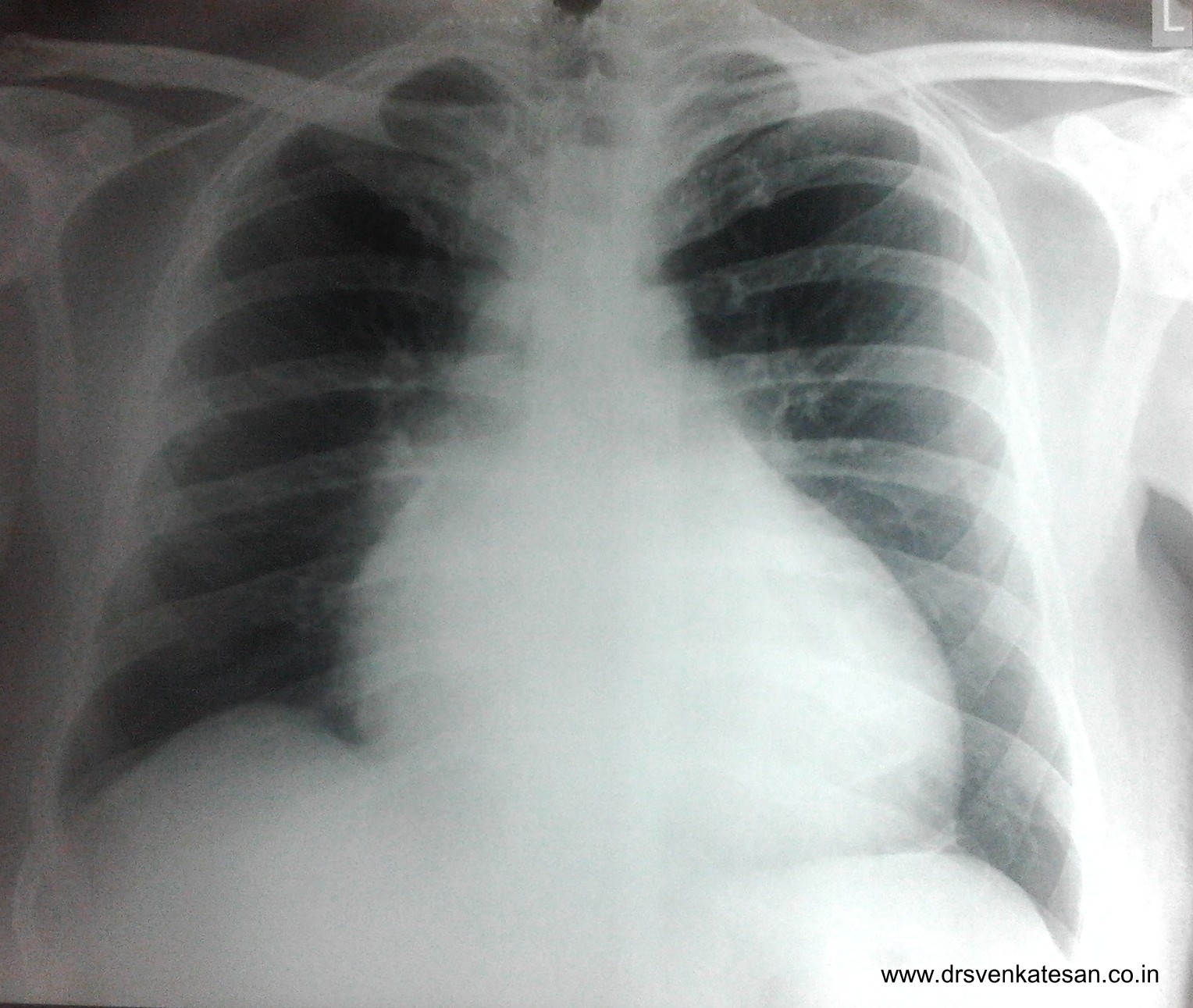
X ray chest showing cardiomegaly
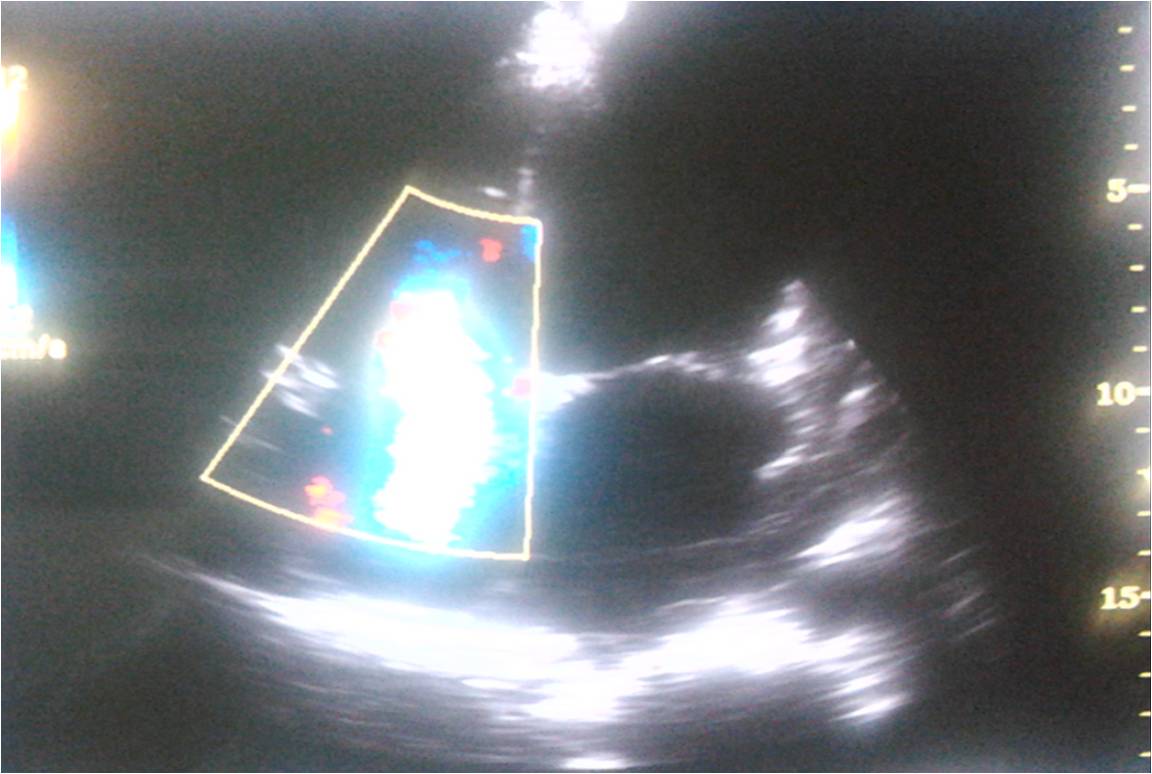
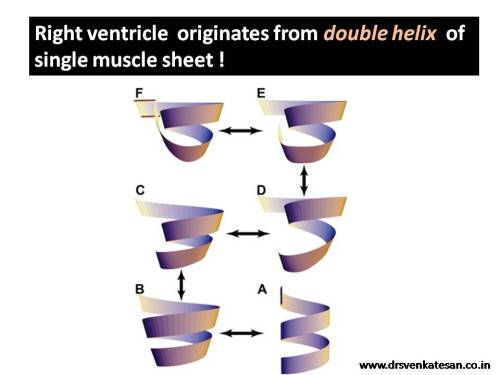
Right ventricular dysfunction is major determinant of clinical outcome in patients with dilated cardiomyopathy. The myocardium of the entire heart is now known to be a single sheet of muscle rolled into different chambers . So any primary disease of myocardium will involve the entire musculature . This is the reason , all the 4 chambers of heart goes for dilatation in primary cardiomyopathy . Of course there can be minor variations due to differential hemodynamic impact.
But it is certain , RV function will definitely be compromised In most patients with Idiopathic DCM (Less common in Ischemic DCM ) Rapid assessment of RV function is difficult . Of course We have some clues .
2 d Features
TR jet
Tissue doppler
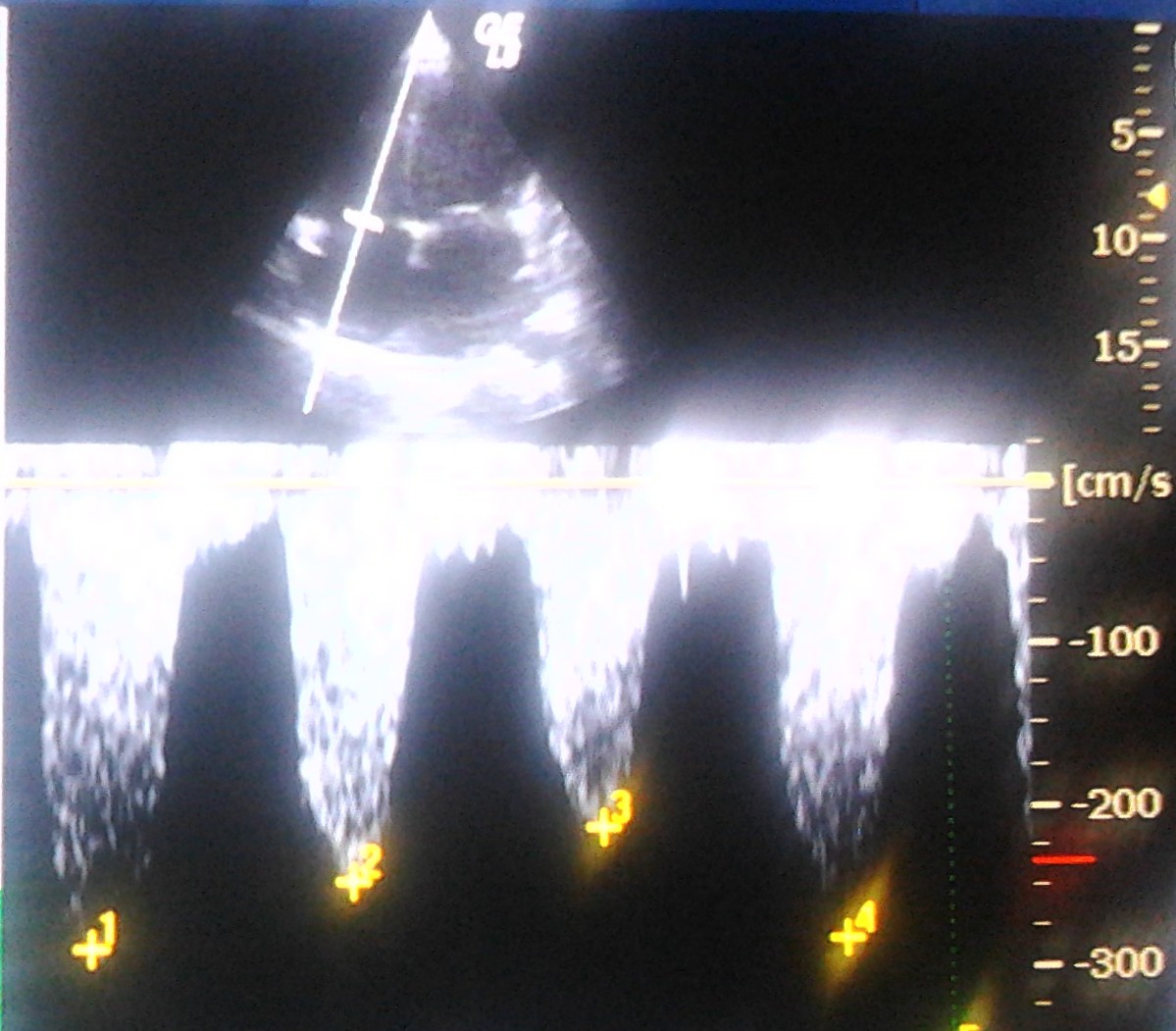 Note the changing TR velocity implying severe RV contractile dysfunction.
Posted in Echo library and gallery, echocardiography | Tagged dilated cardiomyopathy, right ventricular dysfunction, rv ejection fraction, TAPSE, Tricuspid annular peak systolic excursion | Leave a Comment »
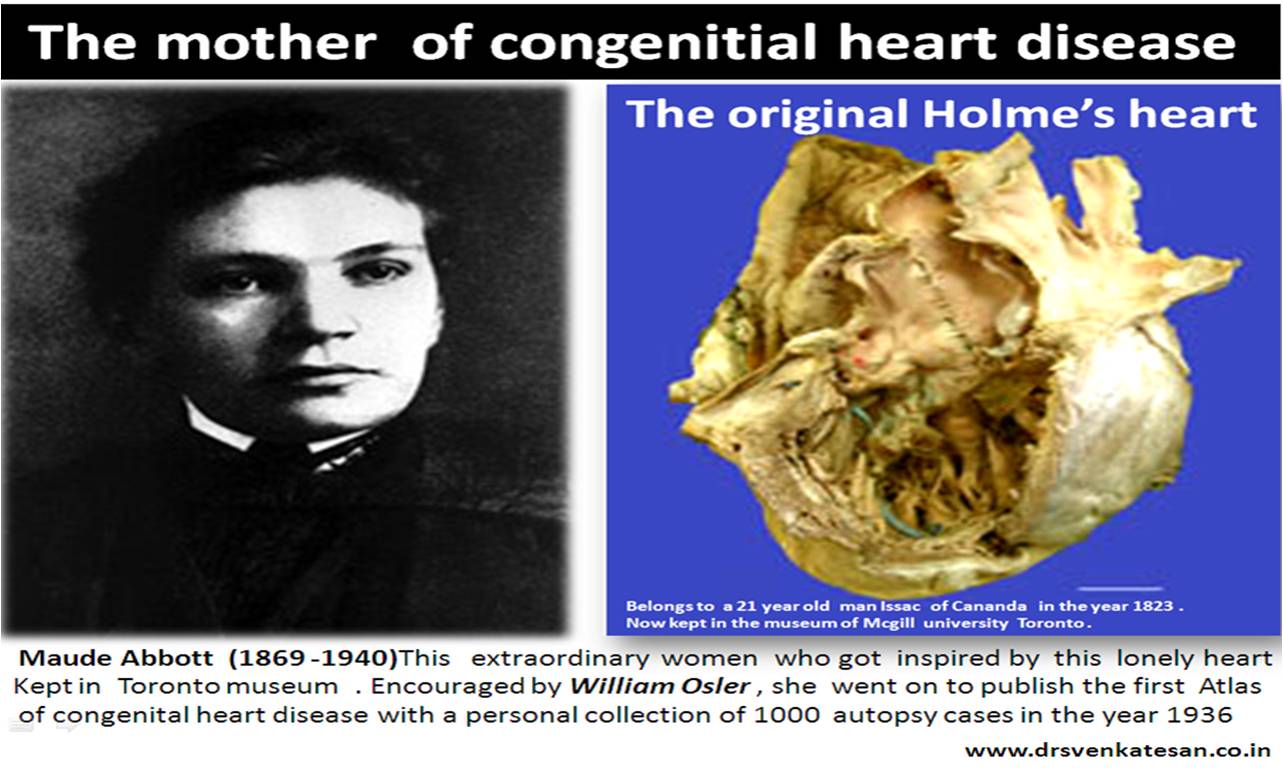
Posted in Cardiology-Land mark studies | Tagged maude abbott | Leave a Comment »
You are called in to control the BP . . . What will you do ?
Basics
Neurogenic HT is adrenergic dependent /stress related .It is often volume independent .Nitroglycerin worsens adrenergic hypertension by reflex tachycardia even though it may drop the initial BP .Sustained reduction won’t happen with NTG .Further , nitroglycerine is known to elevate the intra cranial pressure and worsen the stroke laden cortical / brain-stem ischemia
Best drugs
Not best ( Worst ? )
* IV NTG is useful in some of these patients for a instant effect. However , It has a huge risk of raising intra- cranial pressure .
Final message
Control of neurgenic HT requires correction of the primary trigger namely the neural insult .The second best option is to stop the effects neural signal outflow .Adrenergic blockers are the best way to do it . All other drugs like calcium/Nitric oxide /diuretics are non specific and only provide a transient relief and may in fact aggravate sympathetic mediated hypertension.There is no harm in giving calcium blockers but it should always be accompanied by beta blockers to bring aggressive control .
Finally , controlling hypertension in stroke is to be done with frequent confabulations ! with neurologists , as blood pressure lowering modalities has a competing interest with brain perfusion !
Posted in cardiology -Therapeutics, critical care ccu, Infrequently asked questions in cardiology (iFAQs) | Tagged alpha methyl dopa, neurogenic hypertension | Leave a Comment »
Some general rules are available
RBBB -Morphology -LV origin
LBBB morphology -RV origin
Exceptions : Interventricular septum is electrically RV or LV ?
Electrically it is more of a LV . Septal focus often have RBBB morpholgy . Exist points do matter
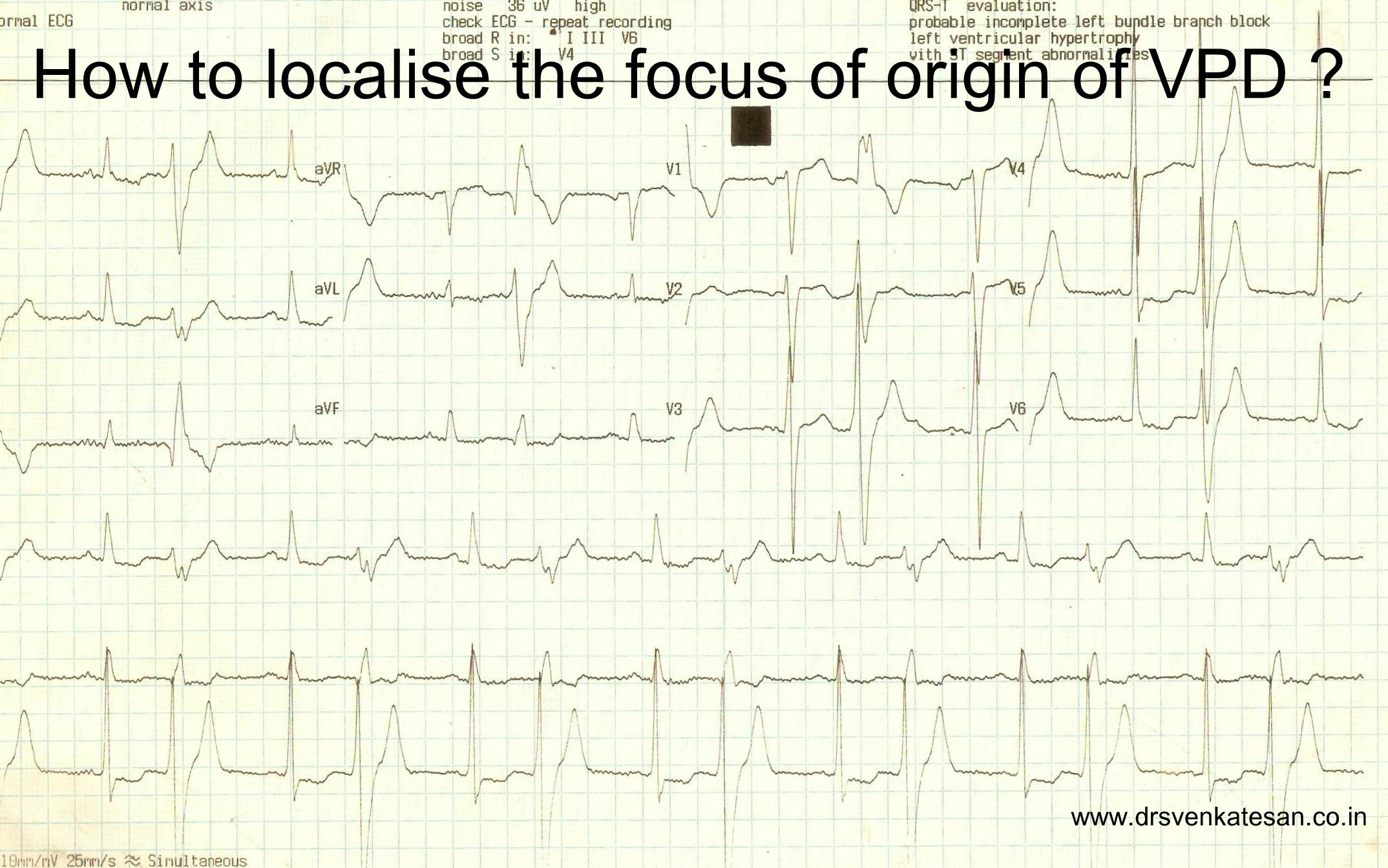
Three lead approach
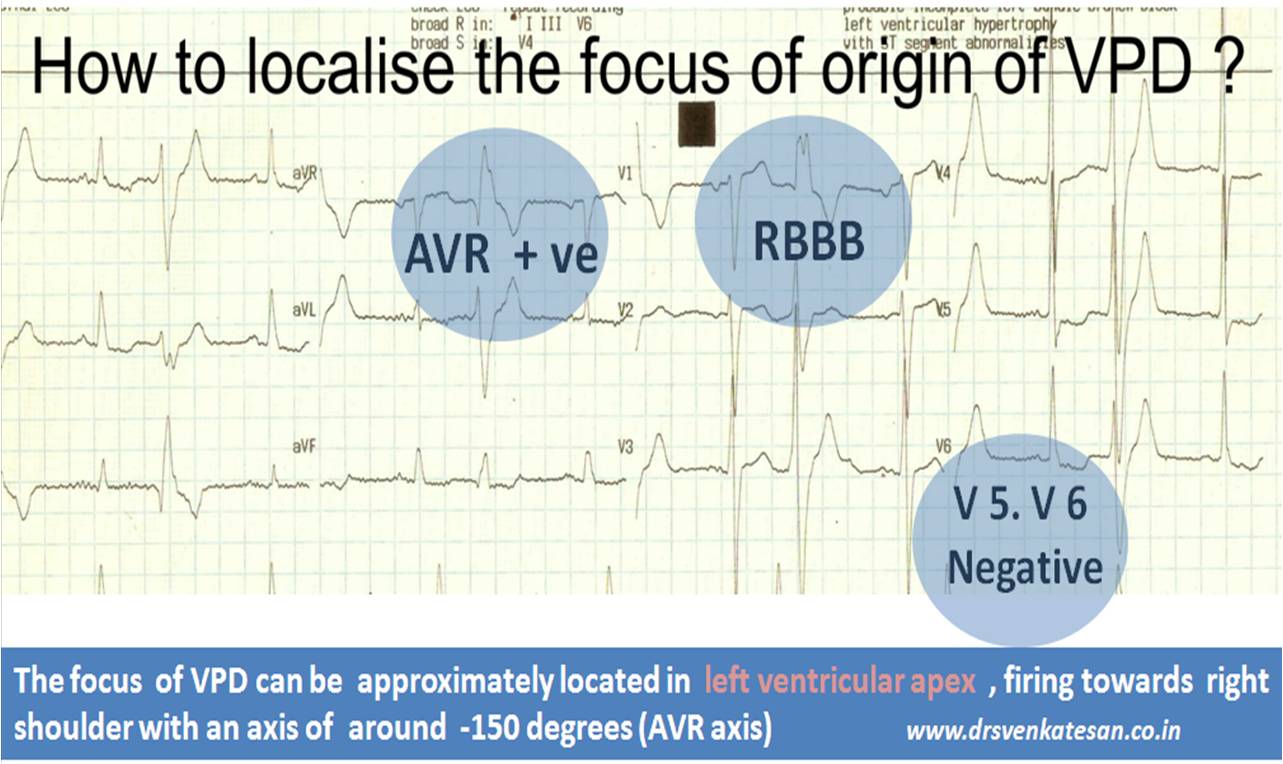
Rapidly looking at lead V1 , V6 and AVR can give us a clue
AVR +ve will immediately tell us the VPDs are firing towards right shoulder .
RBBB morphology points to a LV focus .
Negative VPD in V5 will further confirm LV apex is in the trailing end of VPD
Common sites for post MI VPD
Which VPD morphology has better localising value RBBB or LBBB ?
It is the LBBB that has more localising value . LBBB invariably fixes the right ventricle
RBBB can either be right ventricle or left ventricle .
To be continued .
Posted in Cardiology - Electrophysiology -Pacemaker, cardiology -ECG, Cardiology-Arrhythmias | Tagged avr lead for localising vpd, how to localise the vpd from surface ecg, rbbb vs lbbb morphology vpd | Leave a Comment »
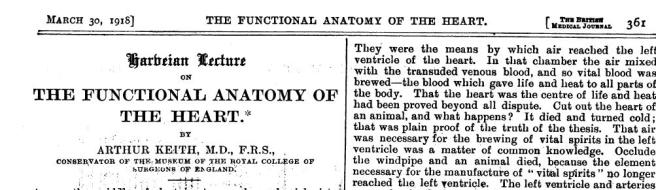
I guess ,the art of delivering medical lectures is gradually deteriorating . This is not because of lack of young brains in teaching profession .It is primarily due to onslaught of technology and multiple scattered source of knowledge . I do remember some of my physiology professors take class in the first year medical school in the early 1980s .
I wonder I could go back in time machine to hear the voice of Dr Kieth who delivered this grand lecture of anatomy of heart in the year 1918 .in the famed auditorium of Royal college of surgeons . We should profusely than the BMJ for providing the text of that lecture free to us in almost 100 years later.
By the way . . . for those who do not know , Kieth is one of the inventor of SA node the pacemaker of the heart .
\
http://www.ncbi.nlm.nih.gov/pmc/articles/PMC2340034/pdf/brmedj06937-0003.pdf
Highlights
Posted in history of cardiology, Quotes | Tagged Functional anatomy of mitral valve, Harveian lecture, KIETH HARVEY LECTURE 1918 LONDON, SA node | Leave a Comment »
Answer:
Your guess was correct if only it is “C”
Reference
Suvarna JC. Watson’s water hammer pulse. J Postgrad Med ;54:163-5 :2008
Posted in Clinical cardiology, valvular heart disease | Tagged collapsing pulse of aortic regurgitation, mechansim of collaspe in aortic regurgitation, water hammer pulse, watson pulse | Leave a Comment »



 Dr.S.Venkatesan MD