Posts Tagged ‘medical education’
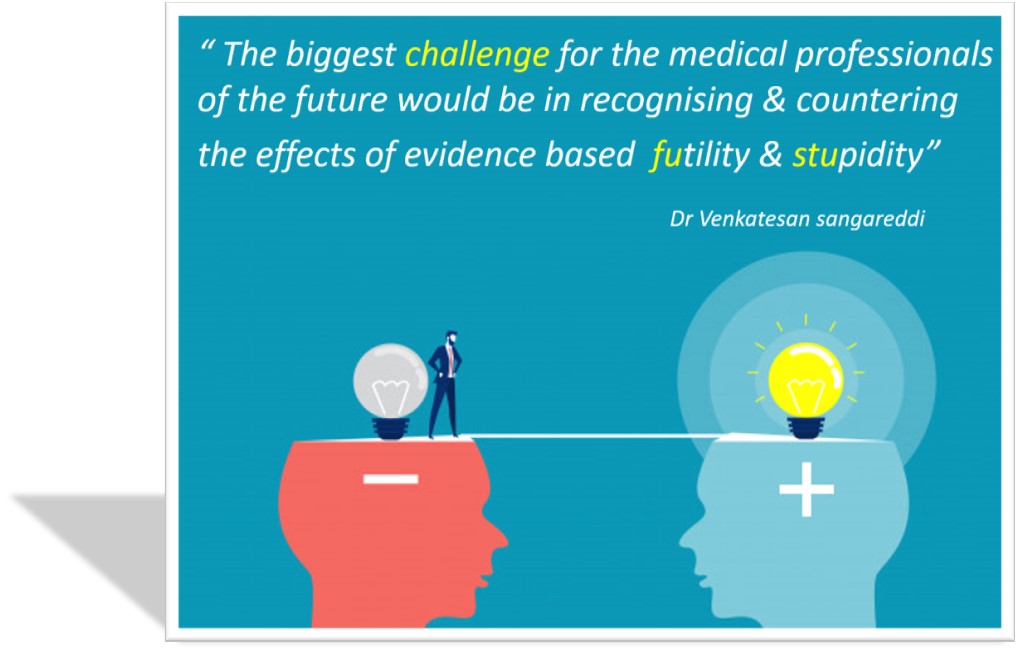
A forbidden quote about science
Posted in Uncategorized, tagged forbidden quotes, medical education, medical ethics, medical quotes, science quotes, venkat quotes, venkatesan sangareddi on December 20, 2023|
Extreme “Knowledge + Skill” is a powerful stress test for our Intelligence
Posted in Uncategorized, tagged bioethics, cost effectiveness, drsvenkatesan quote dr venkat medical ethics quote madras medical college medical education nejm lancet bmj jama acc aha esc scai, lancet, medical education, nejm on October 22, 2023|
Take a break from cardiology : How to debate a complex topic in a forum ?
Posted in Uncategorized, tagged evidence based cardiology, medical education, religion and god medical profession on January 16, 2023|
Pardon ,this video is nothing to do with cardiology. It is from the archives of the United nations library .This can teach some important lessons in art of communication , sharing to all folks, especially medical students. It was recorded in 1959 in Newyork, UN head quarters.Four 17 year old school girls & boys were invited for a debate on a complex topic. Does God exist ? How do you pray ? and what is the purpose of different religions ?
I keep wondering , how these youngsters accumulated so much wisdom and express it in such a polite manner too. Mind you, this was recorded , when learning happened with out any digital aids.The word Internet was unheard off. No ego, no bluntness, no diatirbes that has become a norm in many debates now. I got a punching lesson from this clip, be gentle when taking extreme views in any topic.
I wish, every medical debate in class rooms should happen this way.The key to succesful debate is, to accumulate knowedge, willingness to question the convention, and respecting the oppositie point of view.
The high point of talk show, was, when the Brazilian girl(due respects, she should be nearing 80 years now) tell us casually some things are not meant to be understood in life .I tell the same when some patients ask too many questions about their illness which may not have an answer.
Testing times for EBM : NEJM gets ready & begins a new journey
Posted in Uncategorized, tagged bmj, ebm, ethics in science, evidence based medicine, lancet, medical education, nejm, new nejm journal on January 19, 2022|
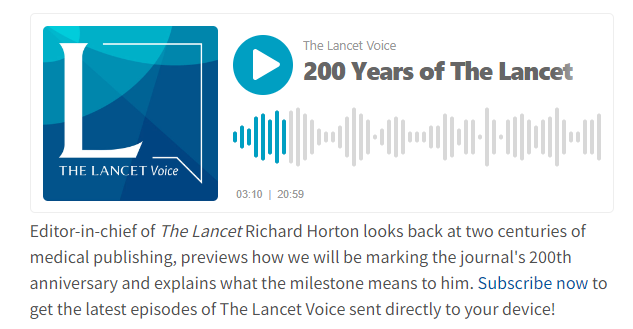
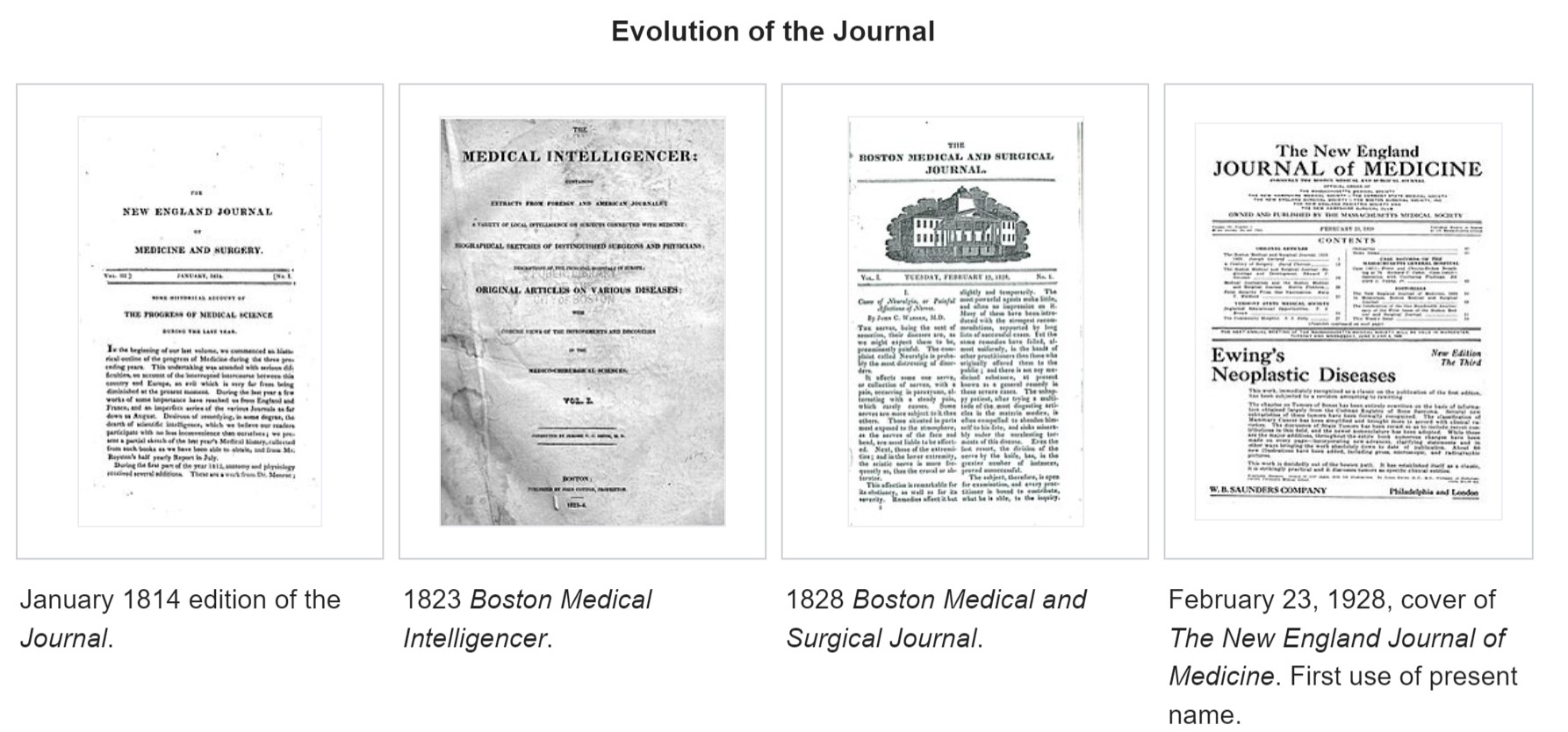
The New England Journal of Medicine (NEJM) the premier journal in medicine originated two centuries ago, in 1811, when John Collins Warren, a Boston physician, along with James Jackson, submitted a formal prospectus to establish the New England Journal of Medicine and Surgery and Collateral Branches of Science as a medical and philosophical journal.
Subsequently, the Massachusetts Medical Society (MMS) purchased the Journal for US$1 and, in 1928, renamed it to The New England Journal of Medicine.
NEJM’s New Journey
It is 2022, after 200 years of providing explosive knowledge in medical science, MMS starts a new journal, fresh and bold. It is called NEJM Evidence. Can you guess, what is the need for such a journal now? I think the most battered word in science in current times is probably “ evidence”. It has a unique character of appearing most sacred as well as scandalous at the same time.
NEJM has remained the torchbearer of almost all advances in the medical field seen in the last two centuries. It is heartening to note the newborn is named as NEJM evidence. It has come at a critical juncture. I am sure, everyone will acknowledge that we are at difficult crossroads. Overwhelmed with unregulated scientific discoveries and publications, struggling to deal with self-inflicted knowledge pandemic. In the process, we have lost “not only” the ability to ignore trivial health issues “but also” failed to provide simple, cost-effective care to the real patients who desperately need it.
Let us hope, (& wish,) NEJM’s new prodigy will guide medical science towards a successful, meaningful, and ethically fulfilling journey for mankind. Meanwhile, let us pray for every medical scientist to be blessed with the required strength and courage to steer in the right direction, weeding off both academic and non-academic contaminants.
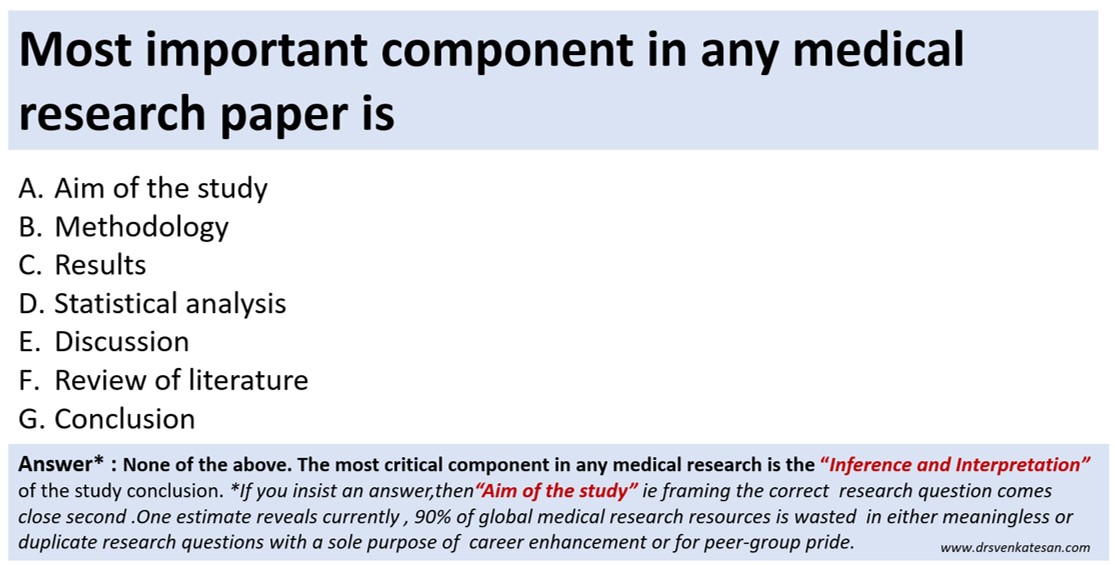
Which is most important component in any medical research paper ?
Posted in Ethics in Medicine, evidence based cardiology, Medcal research, tagged duplicate medical research, ebm, evidence based medicine, finger criteria, how to do medical research, how to right a scientific paper, junk research, medical education, medical research ethics, rct randomised control trial, research methodology, student t test on September 11, 2021|
There are about 30000 scientific journals and two million papers every year. Of which 5000 are in medicine (Ref : World university news)
Now, take a deep breath and answer this query. What do you think is the most important aspect of any scientific or medical research in the current era ?

Final message
With due respect to all researchers, What do you think is the most important aspect of any scientific or medical research? This query is very much relevant today. All components are equally important is an easy way out. But, that’s not the pathway that will take us to the truth.
Postamble
Having answered the above question, no way, we can escape from this question –“Which could be the least important component “?
I guess you got it right. In the current scenario, my choice is striking and is sandwiched in the middle of the 7 responses..
Who is going to save medical science from “peer reviewed” madness ?
Posted in Uncategorized, tagged art of healing, best book in medicine, cost effectiveness in medicine, definition of medical care, ethics in medicine, evidence based medicine, harrison principles davidson, medical education, medical science is an art or true science, nursing vs medical profession, principles of practice of medicine on May 30, 2021|
This 90-second video clip is a “perfect provocation”
Allan Savory is a renowned ecologist from Africa. He is a global leader in environment and eco protection. He is making this famous comment, during one of his interviews from the deep forests of Zimbabwe, after years of ground-level work in the field of desertification and climate change. I can understand his feelings, as we also encounter similar situations at ground zero of the health care delivery system. (I wonder if there is anything called peer-reviewed bedside caring)
We realize wide gaps between academia, patient care, and research are the norm, not an exception. One reason for this is, even well-learned medical professionals find it difficult to comprehend, that the practice of medicine is essentially an art, administered with love, care, service-mindedness. A cost-effective infrastructure with an immense amount of teamwork is critical ( Of course, guided by a fair amount of knowledge, expertise based on good scientific principles)
Final message
As Savory says, let us hope, the future looks bright, that welcomes young researchers from the fringes of the scientific community. Let them be conferred with all courage and resources to course-correct medical science from its frequent aberrant and awkward turns.
Why evidence-based medicine continue to have a turbulent course?
Posted in Cardiology quotes, cardiology-ethics, tagged best medical quotes, dr venkatesan quotes, ethics in medicine, evidence based medicine, evidence vs experience based medicine, hippocrates ethics, limitations of ebm, medical education, medical ethics quote, medical industry, principles of practice of medicine on February 13, 2021|
Because . . . its current course is not always in the right direction & not everyone is ready for course correction as well!
Reference
Principles of medical education : Do we have problems with our priorities ?
Posted in Uncategorized, tagged best quotes in medicine, dr venkatesan quotes, ethics in medicine, hippocrates, medical education, principles of medical education, quotes in noble profession on January 2, 2021|
Two queries that linger in the medical profession for a long. I am afraid they aren’t addressed specifically by the stakeholders.
Question 1

Foe a moment, let us assume there is no option to answer all three are equally important. Medical colleges are supposedly Godly places where high-quality noble professionals would germinate, let into the community thereupon, to heal the ill and suffering. The teaching faculty has a huge responsibility. They must ensure that students are transformed into responsible caregivers in the first place. They should be made to understand that the knowledge they acquire has a short half-life and medical education is all about continuous learning and unlearning. Unless teaching and research are morally genuine and scientifically perfect, the things we do in the name of patient care is going to be redundant. Hope you got the answer right!
Question 2
Now that, we got the answer to the question 1, here is a more difficult question.
Postamble
I agree the answers to these queries can be extremely sensitive, and contentious for many of us. Little deeper lies the truth. Hope, the quote from the much-stigmatized father of modern medicine “Primum non-nocere” will help find the answer.
All time best quote on “Principles of learning and education “
Posted in bio ethics, medical quotes, Quotes, tagged bioethics, medical education, principles of practice of medicine, princniples of learning, quotes on education, Thirukuraal on October 26, 2020|
Today is one of the most auspicious days in Indian traditional festive time. Saraswathi pooja, a celebration of the Goddess of knowledge and education. I would like to share one of the all-time great quotes on learning from Thiruvalluvar a sage poet who lived in the southern Indian state of (mine), Tamil Nadu in 4th -5th century BC 2500 years ago.
This Thirukural number 391 in the chapter of education goes on like this. (In the Tamil Language)

In English
Karka, Kasadara, Karpavai , Katrapin,
Nirka , Atharkku Thaga !
It says
Karka : Learn
Kasadara: Here comes the punch. Kasadara means pure. He says simple learning is not at all-sufficient. One has to learn from good sources, learn deep that should be devoid of errors, contaminations, and falsehoods.
Karpavai : Thus you learn all lessons in life meticulously.
Katrapin: So, after this hard and enlightened learning, what we should do? He answers next.
Nirka Atharkku Thaga: This means , don’t just stop with learning, follow it with action in a righteous way. Unless we do that he warns to conclude ( in another poem in the same chapter) there is no purpose of learning itself and we are again at risk of becoming illiterates.
So, what does this Thirukural teach the Nobel professionals who follow cutting edge medical research?
I think I need not elaborate . . . Acquiring knowledge and true learning has become two different processes.
It’s just a sample of one kural (Quote) among 1330 poetic quotes written in 133 chapters by this great philosopher of Tamil Nadu who shared the same timeline with Aristotle and Socrates of ancient Greece 5000 miles west of India. For those ,If you are interested in his monumental work on literature which can be referred to as the manual for effective living (I wish to call it as “Standard operating protocol” for human life) please follow the link.