Feeds:
Posts
Comments

Archive for the ‘cardiology -Therapeutics’ Category

A patient with  chest pain   is being rushed   into the ER  of  a medium sized cardiac facility in an urban county of India .The fellow briefs the senior consultant cardiologist about the arrival of  this  extensive anterior  STEMI  over phone.  The  consultant  enquires  about the “symptom to door time” and  was little concerned  when the fellow said ” it is only  2 hours sir”  .The fellow was amused with the consultant’s  reaction.

The consultant arrived in 15 minutes  and  began  the all important  discussion with the  patient  and his spouse  .(Meanwhile tablet clopidogrel and Aspirin was  loaded  per orally . Note : Heparin is not given yet )

Cardiologist : It is a  massive heart attack . One of your coronary artery  got  blocked suddenly , I have to remove the block at the earliest . There are  two ways of doing it .  One is fibrinolysis which lyses the clot .It can open up  your vessel  , though incompletely but would prevent myocardial damage  at the earliest .

The other one is PCI ,  which if performed rapidly  will completely  open up the vessel in question , what  we call TIMI 3 flow ,  But it has to be done within one hour.

Patient : Which is better doctor for me ?

Cardiologist : My cath lab  logistics  does not allow me to do a  PCI within the stipulated  time ,   still  I wish  to perform   a primary angioplasty  as i am not a believer  in thrombolysis !

So , even though you are  eligible for both modes of re- perfusion, in the strict sense doing a  PCI  which will  ultimately be  delayed  beyond the recommended time window  is technically contraindicated “

(Please  be notified : Currently , if the delay is during the procedure due to some technical issues after starting the procedure  or if the delay is at  the patient   level in arranging the required finance or insurance clearance it can be condoned without any ethical issues )

Patients spouse : Doctor please save my  husband . You  start  the fibrinolysis  every minute is risky isn’t doctor , and do the PCI once its ready doctor .

No . . . Fibrinolysis  does not combine well with PCI  in fact it will worsen the situation .   Thats what FINNESSE  study says . We can do only one of them . . . not both .

The patient and spouse (Terribly confused  by now )

Cardiologist:  By the way , what is  your insurance limit  sir ?

Patients spouse : Its 4 lakhs

Cardiologist : OK , that should be suffice  90 out of 100 times . Any way keep another lakh ready in case I need IABP.
Patient : My pain is worsening doctor at least relieve  my pain till this debate  is over !

(A patient’s relative  browses his  i phone  and argues  the  cardiologist   to administer streptokinase at the earliest . Suddenly  the patient family lobbies for fibrinolytic mode  empowered by the i phone guy )

One of them shouts “Please doctor you do something either take him inside cath lab or  start a fibrinolyitc therapy ”

How did the cardiologist  fight his way through ? ( He gulps a cup of coffee and  starts a fresh discussion)


Cardiologist : 
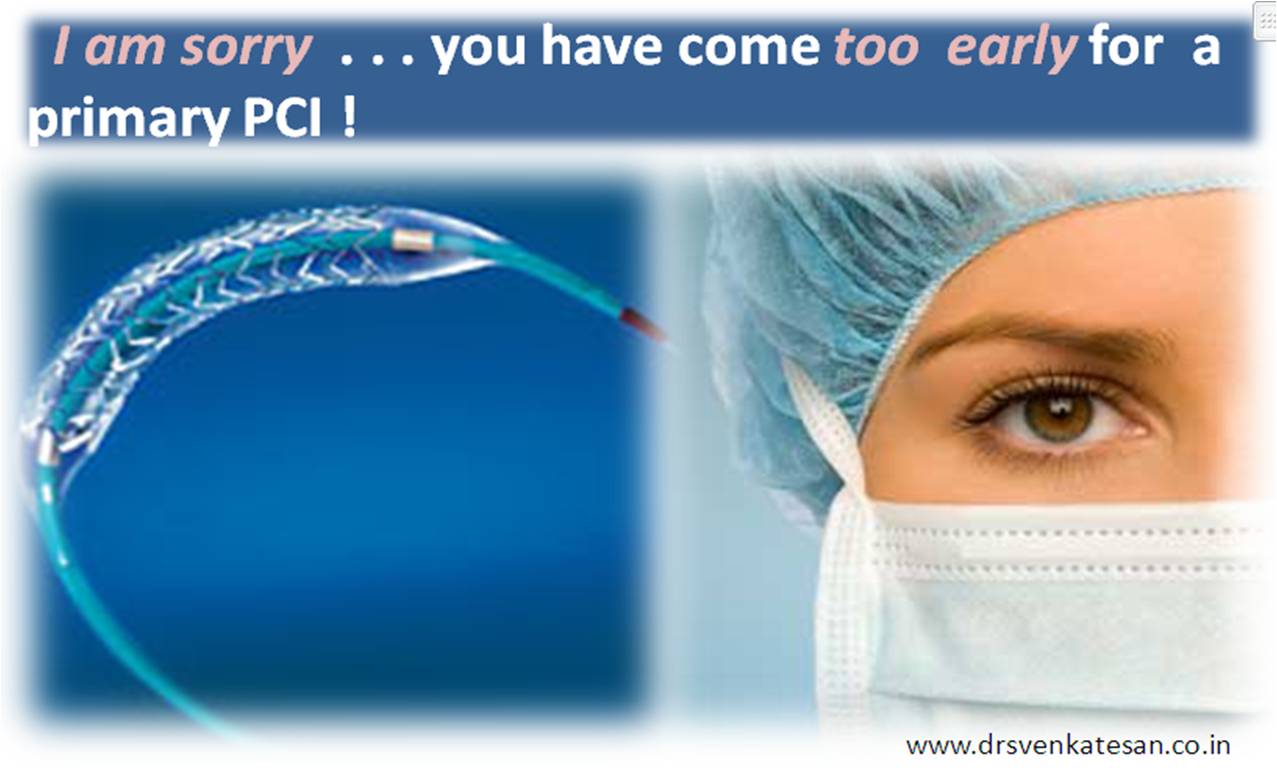
I am sorry , you have come too early  for PCI .  Guidelines do not allow me to choose PCI in the first hour  as our  anticipated delay for PCI is more than 3 hours . I wish you arrived after  the 3 hour window .

“Of course you are on time for thrombolysis”  which  unfortunately I am against !

Now, I am going to wait ( You may think it is a waste of time i call it as patient preparation time )  .This waiting period incidentally  allows us to cross  three  hour  time  window ,  then the issue of not lysing  does n’t creep in at all . A PCI done after 3 hours is not a race against time , while a PCI done early is like  a power play in cricket .

I do not know whether this delay which is happening  right now –  Intentional /Unintentional,  Scientific / unscientific reasons  would  damage your heart or not !

Since you have an extensive MI , I earnestly believe  with all my wisdom and knowledge, you will do well with primary PCI  even if  i do it  little late .  Please allow me to violate the standard criteria in the interest of your heart .

Cardiologist : I wonder , if you had arrived little late we wouldn’t be discussing this terrible conversation at all .Your myocardium  will also feel thrilled for getting a better mode of re-perfusion. You put me in an awkward situation by coming early !

Patient : But  . . . doctor every one  tells me ,  one should reach the hospital  after a heart attack  at the earliest  is it not ?   Please believe me doctor ,  I  made  extraordinary  efforts to  arrive early to your hospital , but you have put me on hold doctor !

Cardiologist :I agree  . . . but you won’t understand the modern jargons  in  interventional  cardiology ,  some times (Or is  it many times !) we will be doing the diagonally opposite to what  is   preached  in text books  .  Both intentional and unintentional delays are common  in the emergency cardiac  care . Do not bother about it   . . . science will take care of it !

Patient : You mean  . . . you are going to waste the golden hour in STEMI by simply arranging for cath lab staffs and machinery .

Cardiologist : You got the point right ! Just sit back enjoy the  flight !

Patient : Your wish is my wish doctor . Please handle with care doc !

* Please note this is an imaginary conversation ( Most often happens in silent mode !) in many of the cath labs which do not have 24 hour service. In a country  with  100 crore population like India ,  less than a dozen cathlabs  work round the clock . Guess  how often such a  situation would come in day to  day cardiology practice.


Read Full Post »

The prosthetic cardiac valve which saved so many lives  in the later half of 20th century is no more. A valve which is not only  known for its excellent durability  but also  devoid  of sudden  mechanical  occlusion , unfairly  lost its place  by the rival  mechanical  bileaft valves. (Supposedly superior hemodynamics !)

Here is a nice video  from Indian surgeon  which  describes the hardware of  Starr Edwards valve .

Please read a related article from my site

Who killed Starr Edwards valve ?

Read Full Post »

Heart is a dynamic organ . It can alter  its force of contraction with every beat  according to the needs.Generally it responds to  length  of  previous  diastole.This is famously called frank starling law , ie the force of contraction is directly proportional to the end diastolic fiber length. So changing diastolic  duration as in atria fibrillation classically result in varying amplitude of LV contraction and pulse volume.

However , the commonest cause for  pulsus alternans  is  due to  severe left ventricular systolic dysfunction .There has  always been a suspicion about the existance of  beat to beat variation in  diastolic function as  well.  We have recently observed a  new* explanation for pulsus alternans .We know AV inflow is subjected to respiratory swings . Non  respiratory swings in mitral and tricuspid valves are rarely described. This pattern is now increasingly recognised.

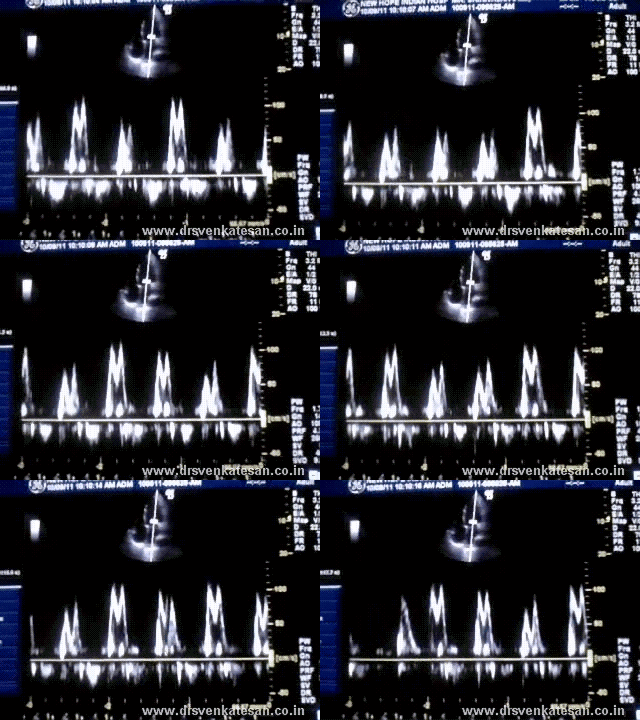
These  non respiratory swings in the mitral inflow doppler pattern  is seen in  some of the  patients with hypertension and LVH.This  probably confirms the existence of  beat to beat variability of diastolic function . This phenomenon is relatively a new observation . Such pattern are common in patients who have had a recent hypertensive failure .


Here is a doppler of mitral inflow recorded from a patient with hypertension with LVH .

This is the doppler mitral inflow profile of a patient with Hypertension, LVH and class 2 dyspnea .Note the non respiratory swings in both "e" and "a" velocity

It is proposed  to  define  a new class of diastolic dysfunction that can be referred to as diastolic  mitral inflow  alternans .This phenomenon probably indicates a more severe grade of diastolic dysfunction.At the molecular level this is related to  undulating flux  in the calcium uptake from cytoplasm into SERCA .There is one more possible explanation for diastolic alternans  -Left atrial  dysfunction .

Occasionally one can visualise  a chaotic pattern of  diastolic filling waves  (e=a e>a a> e )  Such patterns are thought  to be markers of impending acute diastolic shutdown .

Further  analysis of  this  mitral doppler inflow pattern will be reported  later.

Reference

* Though we observed this for the first time , this is not a new phenomenon .There are few reports available in the literature.

http://www.sciencedirect.com/science/article/pii/S0735109785800358


http://www.sciencedirect.com/science/article/pii/S0894731706012818

Read Full Post »

During   primary PCI , the weakest link  for a  cardiologist  is  , he is never sure whether  the  metal jacket  has covered the entire  disease segment with optimal apposition .  (Geographical miss is another issue !)

This is because  , even though the inflation pressure is  uniform  within the balloon ,  the required  apposition pressure is not the same .This is obvious as the lesion surface has a varying consistency and uneven surfaces . It is a  huge guess to quantitate the relative  contribution of thrombus and plaque  within  the 100 % occlusion  that has resulted in the STEMI. Hence  some areas may get over apposed and others lesser apposed. Further , the stent -vessel wall interface  in all likely hood enclose a   layer  of clot .This is almost certain  during complex primary PCI. One can imagine the sequel if this thrombus layer dissolves later ! (Edentulous stent )

It is surprising , why cardiologists has  so far not  thought  of a  self expanding stent  which  can snugly appose the vessel wall in this setting  . The   radial strength   from the  stored potential energy can be used up future use. This is most important  in first few days following STEMI  , when the coronary arterial lumen can vary depending  upon the

  • Vasomotor  tone .
  • presence of thrombus
  • Plaque   ploughing /milking  effect
  • Vascular remodeling

Cardiologists  deploy a stent  based on the morphology  on day zero of STEMI  .This may be  totally irrelevant  , since after a  few days    the lesion may change its morphology ,  thrombus may migrate , vascular  dimension may change. In such a  situation*  , a self expanding stent can tackle these issues very effectively by constantly adjusting  and fine tuning the luminal  diameter and  the apposition pressure . It  does not give any chance  for  thrombus to form  between the vessel wall and stent .

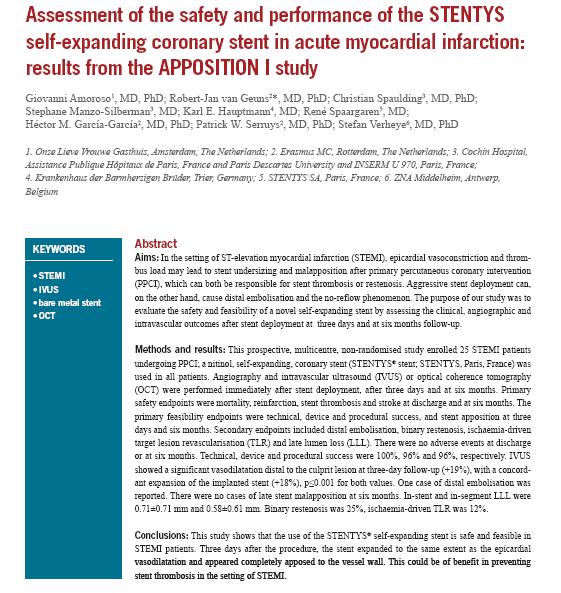
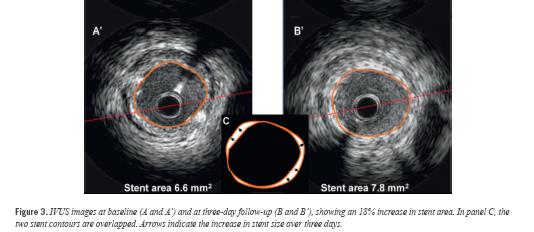
Here is a study that gives fresh insights regarding the role of self expanding stents during STEMI .

Note the “Auto adjusting”  of stent diameter  in the first few days after  the stent deployment, depending upon the luminal needs !

Animation

http://www.stentys.com/file_bdd/annexes/1284135580_video_stentys_en.swf

* Logically  during  primary PCI for  STEMI  ,  POBA and thrombus suction  may be the best option in many as all stent related complication is instantly eliminated .But it is a battered concept ,  most of the current day cardiologists would feel guilty to come out of  the cath lab  without a stent  in  primary PCI scenario  !

Final message

Self  expanding stents during primary PCI :  Is it a  perfect solution  for optimal stent apposition  ?

It seems so  . . . but  the track record of current cardiology devices never fulfilled the initial promises !

Read Full Post »

Primary PCI (pPCI) is probably*  the   best modality in the management of STEMI .

( *Probably because ,    we  know “Time” ( fate !) is  still the  most crucial determinate of ultimate outcome of STEMI )

Any experienced interventional  cardiologist will be aware of the surprises  and difficulties  they encounter during primary PCI.

The pPCI  is all about  opening up the IRA rapidly and  wheel  out  the patient  from cath lab at the earliest.

But ,  ironically , an often  under- reported   issue  is the difficulty in  identifying IRA itself  !

One may wonder  , how this can happen ?

Following difficulties  can occur  in identifying IRA during  primary PCI*

(* There are some  hyper-talented  cardiologists who would never consider IRA recognition as an issue  .This article is not meant for them.)

The problems can range anything between the following   queries

  • Where is the IRA?
  • Is that the IRA?
  • No IRA ?
  • Multiple IRAs !

Angiographic encounters during  pPCI  and  IRA  trouble shooting .

  • When there is diffuse multivessel disease.
  • Thrombus vs  eccentric plaque  both  showing  intra luminal filling defect .
  • Thrombus spill over to adjacent branch or A mid LAD lesion with  stagnating thrombus extending to LCX ostium  mimicking two IRA
  • A bifurcation lesion with both LAD and LCX  ostial occlusion.
  • Multiple active looking  plaques with thrombus
  • STEMI in patients with preexisting CAD . Is it a CTO ?  ATO ? (Acute total occlusion ) A  CTO  ,which is  fed by collaterals from contralateral artery  ,  if this feeding vessel is  occluded even  partially ,  STEMI will occur in CTO territory . Here  , for rapid salvage you need to open the vessel that feeds the CTO territory.
  • Post CABG and post PCI form a special subset . Some times it is very difficult or even impossible   to label a graft as an IRA

Finally and most importantly  , when  there is no visible lesion in any of the coronary arteries   and look  near normal  !   Is that  no IRA  ?  or Wrong diagnosis of STEMI ?  Every one blinks  in cath lab . The consultant  howls the fellow to verify the ECG . Finally it may  well turn out to be an early  repolarisation  syndrome . These are wages we  often pay for the modernity !

How to approach  the situation when one is confused with  identifying the IRA ?

The good old ECG will come to  our  rescue sometimes. Realise in a multivessel CAD  , ECG is also vested with errors.

Echocardiography  rarely  gives a convincing answer to localise IRA. (Segmental overlap , preserved sub epicardial  contraction , residual ischemia all tend to confound )

Most confusions occur between LAD and  diagonal /LCX as there can be a huge overlap in the ECG territory  anterolateral segments

In a infero posterior STEMI, if  you have both  RCA  / LCX lesion and you wonder which  is the IRA  it is easy to solve by looking for RV involvement. (LCX lesions however dominant they are  . 99/100 times can not infarct the RV significantly  !)

If the lesion  is in PDA  the  issue is made simple.

Doing a primary PCI  blindly without knowing the IRA

This is  modern-day cardiology  at its scientific  low ! . Cardiologists  indulge in such  things much more commonly than one would imagine.

Probably  they would reason ,  it is safe to stent every vessel that is potentiality  an  IRA  , rather than  missing it. Though the concept of  multivessel stenting in STEMI   may help   patients with complicated MI ,  like pump failure ,  it generally increases   risk of primary PCI outcome in otherwise stable STEMI. Primary PCI procedure must be as short as possible. The other option is to do plain balloon angioplasty in less deserving vessels.

Important considerations  in the setting of complex multivessel CAD  during pPCI .

  1. Fall back on medical therapy
  2. Staged PCI
  3. Deferred or Immediate CABG
  4. Hybrid procedures like PCI  with CABG

Final message

IRA identification can  indeed be a difficult task  during primary PCI.  Sound knowledge and experience about coronary anatomy and its draining territories especially  in  the setting  of  multivessel  CAD  is essential to avoid errors.

Read Full Post »

Do you fear to deploy DES during primary PCI ?

  1. No. Not at all !
  2. May be  “Yes”
  3. Yes, definitely
  4. It depends upon which drug it Elutes !

Answers  that might  decode  the  cardiologist  mind. ( Excuse me  if it errs !)

If the answer is 1 ,  You are the most optimistic cardiologist  and scientifically  updated ,   data driven  cardiologist , and with little concern for the patient welfare.

If the answer is 2 , Your are a cautious cardiologist may be . . . may be . . .  an   ideal one . The chances of you , using a  DES is  still low in  STEMI.

If the answer is 3 , You are a pessimist and  with   anti technology thoughts but still you  have more concern  for  your patients!

If your answer is 4 ,  You are undecided  and probably  ignorant as well . Most likely   you would not use it  for some reason  .You need to read more  on the topic .

By the way , my answer is  response three.

Read further ,  the EXAMINATION trial just released in ESC 2011 Paris .

Read Full Post »

STEMIis numero uno of any medical emergency . The risk of death is maximum in the first  hour.

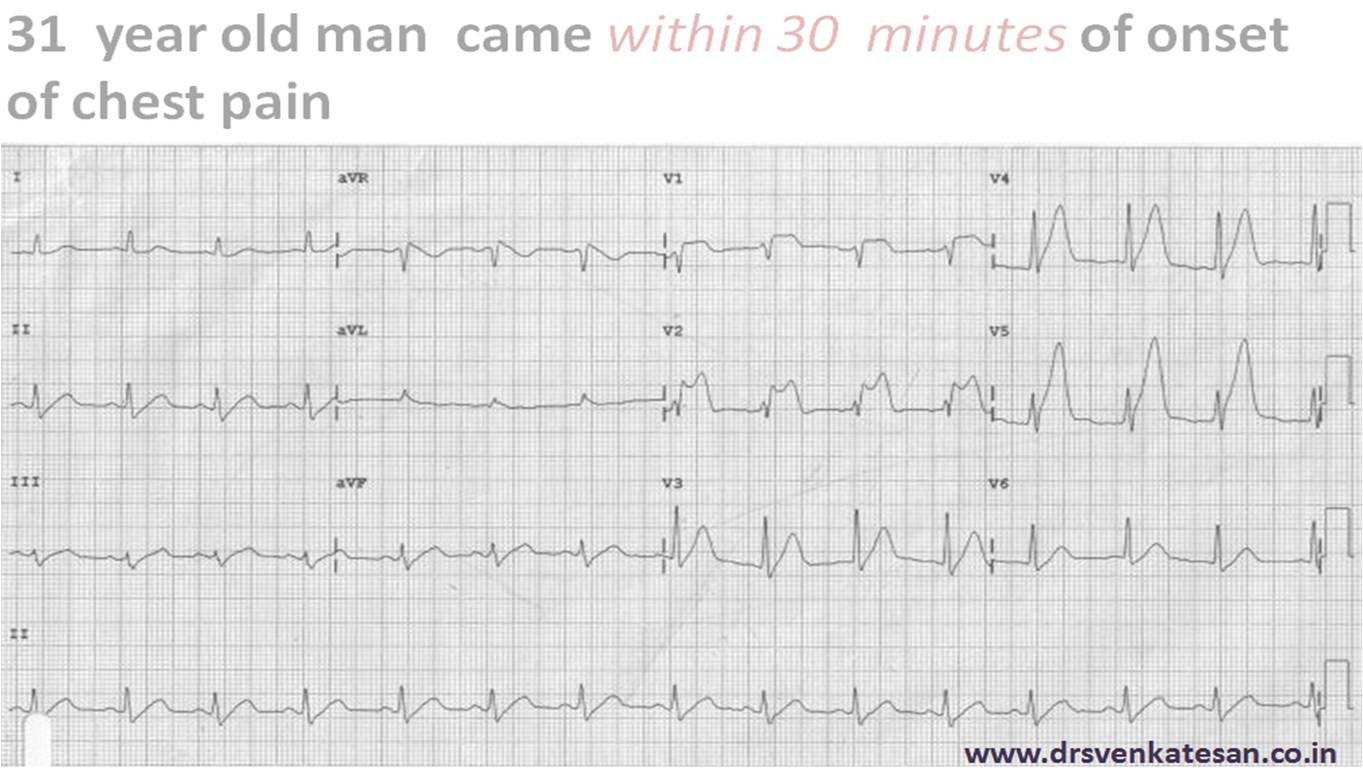
Here is a patient who presented within 30 minutes  of  chest pain.Enzyme sample was  just sent and a bed side echo  revealed a severe wall motion defect in LAD region.

What would have been  the response from a  current generation cardiologist ?

  • Alert the cath lab . Send the patient direct to cath lab .
  • This did n’t happen as we are in a underdeveloped country and the patient  is poor .
  • Should we worry about that  l ?  Not at all  . . .  He received a shot of   much ridiculed streptokinase injection which  costs 2000 Rs ( 50 dollars) in India  .

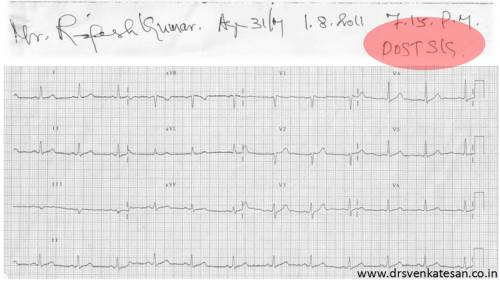
And see the result yourself !

Can you imagine this man had a major STEMI just an hour back ?

 Any intervention that is done immediately has a major impact on outcome. When the patient comes to you  early within 3o minutes and  STEMI,  or  actually a TEMI  , T wave elevation MI or Hyper acute MI .

When the patient comes to you early cardiologist should raise  to the occasion and set a new  challenge  .

What is that  challenge ?

The aim should  not to be in  salvaging  the myocardium  , rather   prevent  the  event of   ACS   and   abort the MI process itself !

How is this possible ?  Can you abort a STEMI or TEMI by primary PCI ?

Since one has  to act fast , primary PCI is a likely  loser  9/10 times in aborting a STEMI  .

The best option  is  to do an intervention which can have almost zero door to needle time* .  The good old thrombolysis  administered  at the door itself pips the pPCI  convincingly with a huge cost saving as well .

This is what  this patient received. and  see the result . His angiogram  later  showed a fully recannalised LAD .No stent  was advised .He was put on high dose  statins ,beta blocker  and antiplatelet agents.

*You  can not balloon the patient on the arrival in  door steps  !  .

Final message

Do not ridicule any modality of  therapy for being simple and cheap .  They may be most effective as well .


Read Full Post »

A stent missing a  lesion after a PCI  is referred to as geographical miss.

It can be metal missing a lesion ( in BMS )or a drug missing a lesion  with DES.

Geographical miss is  obviously  more important with DES ,   as both metal and drug can miss a lesion ! (A double miss !)

Read a related article in this site. Geographical Miss : Difficult coronary Runways . . .

What are the types of  geographical miss ?

A.Longitudinal

B.Axial

Longitudinal miss is more of a technical failure (Interventionist error ) While  axial miss  is  often a  design or concept failure .

Longitudinal  miss results in edge lesions ( either  stent inflow or outflow lesions) .Axial miss result in discreet  in-stent lesions .

Please remember ,  axial GM  is  much more common .

What is definition of  axial geographical miss ?

Inadequate inhibition of intimal hyperplasia within the region of stent .

Mechanisms of  geographic miss in DES era

  1. Stent  vessel diameter mismatch  (Less drug vessel contact)
  2. Low drug dose -Pharmacological error
  3. Stent radial strength more than the desired force per unit area . This excess  stress  effect  might interfere with drug release.
  4. Some degree of vessel injury is needed for drugs to percolate. (A very smooth deployment may not release the drug  properly )*

*A modern day cardiologist  is expected not only to deploy the stent properly , he has to make sure drugs reach the target cells . What an  irony  cardiology can be  .  . . a  too gentle  PCI  can show up a  negative face ! when we want to poison selectively  the atherosclerotic plaques .

What is the incidence of GM ?

In  STLLR trial which looked specifically the issue of GM  the incidence was very high ,  an astonishing 65 %

How to recognise it ?

Longitudinal miss can be identified by conventional angiography.

Axial miss is very difficult to diagnose . IVUS,ICT will  help.

Many times it is an after thought  when patient presents with  an event.

What can we do once we recognise it ?

Unfortunately nothing much can be done to reverse the miss especially the axial ones.

longitudinal miss can be corrected by a over lapping stent .(Still ,  we do not know the implication of double metal doses  dragging an edge of lesion !)

Can  “Geographic miss”   be termed as  a failed PCI ?

Clinically , technically , logically and morally  Yes .

But  practically  “No” ,  as GM  takes much longer time to manifest as a clinical event  ,  by then , no one   would  really attribute  the event as  procedure  related  . And of course ,  we have numerous other  excuses to convince our patients.

The link to STLLR  trial which gave us the startling data about GM .


http://www.ajconline.org/article/S0002-9149%2808%2900350-0/abstract

Read Full Post »

Medical science is  nothing ,  but trying hard all possibilities. Most innovations die .Only a fraction will survive .

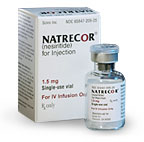
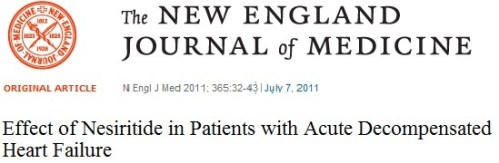
That does not mean we should not try ! The greatness is in accepting the failure.  The wonder drug which was an analogue of human atrial  naturetic peptide    (BNP)  Nesiritide   , died a peacful death on July 7th 2011 .

Long before , in year 2005 ,  Eric Topal in a hard hitting  Editorial  of  NEJM  wanted to hang this drug .

But it was a case of prolonged  death sentance .

http://www.nejm.org/doi/full/10.1056/NEJMp058139

Should we  pity with the drug companies  and forgive them for delaying it’s  exit ,  enable them  recover the  cost involved  .

Meanwhile , Nesiritide might have died ,  the  concept of  BNP analogues may need to be explored further.

Read Full Post »

How do you tackle  In-stent restenosis  (ISR) ?

  1. Deploy another BMS
  2. Use a third generation  DES
  3. No . . . first  generation DES(Paclitaxel )
  4. Consider Plain balloon angioplasty.(POBA)
  5. Refer for CABG.
  6. Fall back on medical management.(Ingloriously  referred to  as  “No option” patient !)

Answer:  Please  note , there is no single response answer for this question .

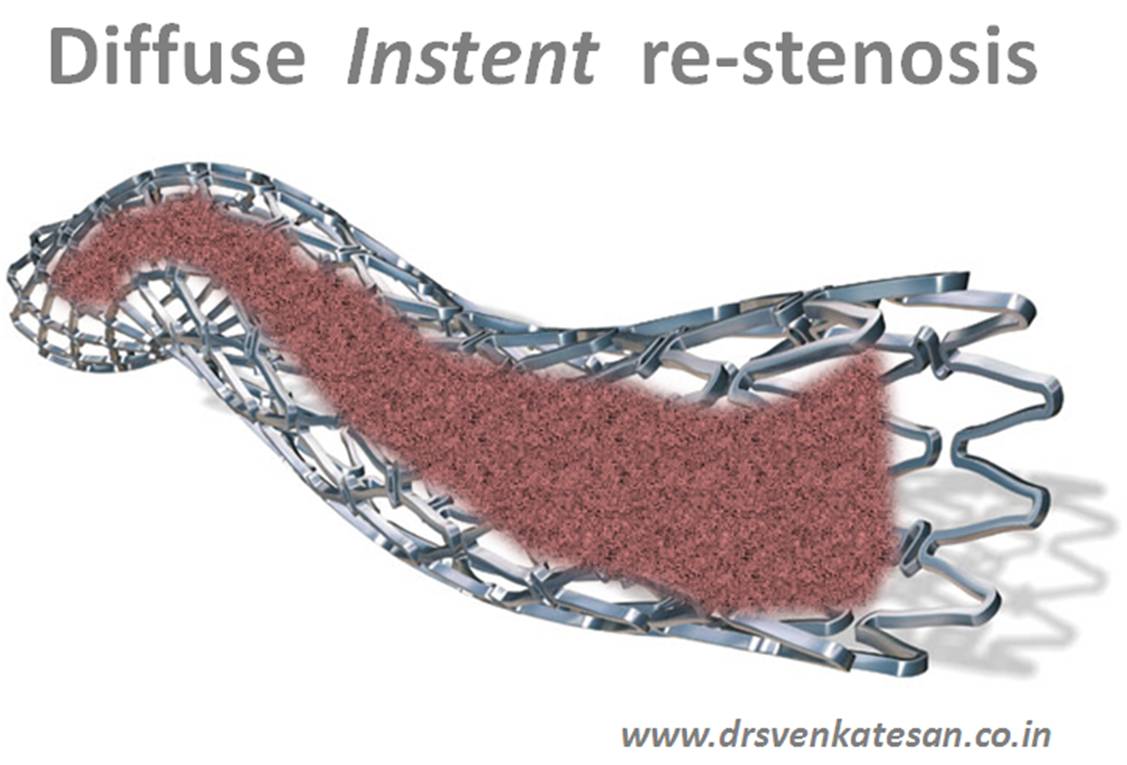
Instent restenosis (ISR) is   commonly seen with BMS .This is primarily because  we are busy blaming DES  for stent thrombosis  and we do not want to give a double blow to DES .There is a  significant population  roaming with ISR  involving  DES .  BMS is in vogue for nearly 2 decades, hence it is natural to see more of it.  In due course ,  DES  is expected to catch up with BMS  and would lead in ISR as well .

The issues in PCI for ISR

Though any of the above 6 strategies may be appropriate ,the urge to put another stent within the IRS ,  prevails over all other options in most centers. This is more off an Interventionist talent  show off  !

Please remember , the common  principles  must apply in all patients before an PCI  . Simply stated , this  principle involves  assessing  symptoms, residual  resting  ischemia, myocardium at risk  during stress, viable muscle mass etc .Lesion characteristics  should come last in the work up. ( A cardiologist  should not  report  a coronary angiogram  , if   does not  not know  basic clinical parameters.)

It is  good  to have a  rule  that  “reserves  intervention”  for ISR  only if the  patient  has refractory angina. 

Can you promise  relief from dyspnea

Contemplating  PCI for  patients with dyspnea as the main symptom is really tricky one.Unlike angina ,  dyspnoea  can be attributed to so many factors other than coronary blood flow.(Apart from LV EF , Iscehmic MR,  A transient diastolic dysfunction , lung function , volume status, renal function , physical conditioning etc)

Opening  ISR in the belief it would improve LV function is highly questionable even if viability is documented.

What is the most important step in the decision making prior to PCI for ISR ?

* Most important step  in ISR management is  probably  spending  sufficient time ,  involving  experts ,  ” democratically  debating”  the indication and techniques  in your institutional cath conference.

Once you document the necessity of intervention* The following things  are possible .

  1. If  the patient has diffuse in-stent stenosis , especially  the  proximal ones or that  involves  branch points,  it is wiser to refer  them for CABG.
  2. Discreet and focal ISRs can safely be attempted for repeat PCI.
  3. BMS or DES  ?  This  is  debated. Current preference is to use  a DES. (Many feel ,first generation DES -(Paclitaxel)  scores over Everolimus in this situation )
  4. Is POBA  possible for IRS ? Can a balloon do a job where a stent has failed ? . No  body is trying it .Many Feel guilty to  do it .  POBA for IRS is a failed concept without even trying it !  One  way of reasoning  is IRS occurred  only  because stent was  never indicated in the first place  in that  location  and a POBA would have been the choice in the initial attempt itself .So let us not make the second error !  ( May be , if  Gruientzig is alive today ,  might have  used  POBA  for ISR very effectively ! )

Issues for which  we will never ever know the answer !

In future any of the following combination of  stents  will occur in tackling ISR.

  • DES covered  BMS
  • BMS covered DES
  • Two BMSs
  • Two DESs
  • Paclitaxel covered Everolimus
  • Everolimus covered Cypher.
  • Overlapped DES and BMS
  • DES covered beta irradiated IRS
  • Rotablated BMS (Yeh metal crushing !)  followed with  DES jacket !

How does the two metals ,  two drugs in various combinations interact with  the tender coronary  endothelium ?

Endothelium is an endocrine organ. It has  to secrete as  many pro and anti homeostatic molecules (Nitric oxide, endothelin etc).This has to be  kept in mind when we develop newer and exotic devices. Of course ,  we claim our  aim is primarily  to provide  relief  to  our ailing patients , but, as things stand today  , there is a distinct risk of  converting human coronary arteries into corporate playgrounds !

Reference :

http://circ.ahajournals.org/content/100/18/1872.full.pdf+html

Read Full Post »

« Newer Posts - Older Posts »