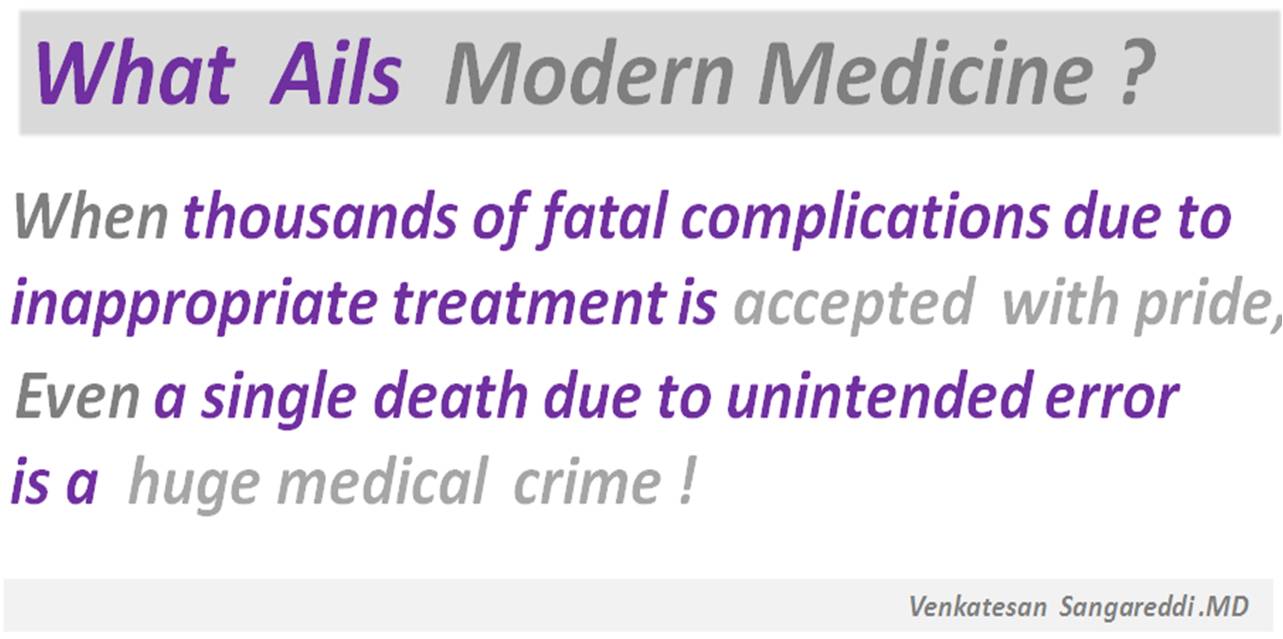
Improving upon (or help improve ) others idea is still a great research contribution.
No need to feel inferior about it !
Steve Jobs exactly did this . . . and he was a great visionary !
Unfortunately , it is looked upon as partial plagiarism in some quarters . It need not be !
Posted in Quotes | Tagged Abraham flexner, acceptable plagiarism, great qoutes, legal plagiarism, linking science, plagarisim, research and teaching quotes, who is a scientist | 1 Comment »
Left main coronary artery is considered as the sanctum sanatorium for the cardiologists .
One would wish to rule out disease of left main in any given patient with CAD.
Though there are strong clinical predictors of LMD, this segment of the coronary artery tends to throw surprises.
A strongly positive stress test, ST elevation in AVR , fall in blood pressure with exertion are good markers of left main disease.
Still, in the era of optical coherence tomography (OCT ) and IVUS , we do have a simple tool that can image the left main coronary artery fairly accurately .
We know the resolution power of routine trans thoracic echo is 3mm and above . (It can detect vegetation of that size easily !)
So , it can easily accomplish the task of imaging the left main ostium .(which is a minimum of 4-5mm diameter )
How to image left main by echo ?
- Parasteranal long axis or short axis the ideal view. Short axis would also help.
- Normal left main is easily diagnosed by two parallel lines . ( See above picture )
- Plaques are diagnosed when this line is distorted and filled by haziness.
- Significant ostio proximal lesion must never be missed by TTE .However distal left main can not be assessed in most .
- Doppler assessment may not be possible in all as pulse doppler sample volume can not be placed in left main.
- Trans esophageal echo would increase the yield.
Final message
Processing power of echo machines and their image quality has improved vastly over the years. The existing literature about left main imaging by echo are based on old generation machines. The data are as obsolete as those machines . This has to be kept in mind.
I wonder why most cardiologist are averse ( rather feel guilty ) to report the status of left main artery by echo cardiography .
Every patient with a positive TMT must undergo a focused echocardiogram of left main . You will be rewarded with a good glimpse of the sacred segment of coronary artery 9 out of 10 times !
So , can we shoot the Left main at the bed side ?
Yes definitely . . . if only we wish to !
* A correction
The left coronary visualised in this parasternal Long axis view is in fact exceptional. The ostium and shaft often better seen in short axis in around 3-4 O clock position.
Posted in cardaic physiology, Cardiology -Interventional -PCI, Cardiology-Coronary artery disese, echocardiography | Tagged left main artery imaging, left main by echo, left main coronary artery | 3 Comments »
Can you safely rule out heart disease before non cardiac surgery without echocardiography ?
Yes , in most situations . Experience suggest If the clinical examination is normal , ECG and X ray do not show any abnormality , significant heart disease is ruled out 95/ 100 times.
Please note : ECG and X-ray can not R/O Coronary artery disease by any degree of specificity .Echo cardiogram also miserably fails to predict future CAD. But EST / TMT does this very efficiently!
So where does the echo comes in the routine protocol in the screening of heart disease* ?
“No where” to be precise. It is only a gimmick . But many physicians and anesthetists are obsessed with echo estimated LV EF % They invariably ask for pre operative echo for cardiac risk stratification.
* On the other hand EST has a strong case for inclusion as a routine screening test before surgery.
What about diastolic dysfunction ?
ECG and X ray will not miss a manifest myocardial disease . However concealed diastolic dysfunction can not be detected without echo. It is very common to detect early forms of diastolic relaxation abnormalities in echo . Significance of this is not clear especially if it is grade 1 . In this situation patient’s functional capacity comes to our rescue. In a non functional patient any degree of diastolic dysfunction may increase the pulmonary capillary wedge pressure. These patients must be monitored and fluid administration should be be judiciously used.
Final message
Echocardiography rarely comes* in the routine scheme of things in the pre -operative cardiac risk assessment.
Summary
First question to ask before non cardiac surgery is about the symptoms and functional capacity . ( Do you climb 3 floors ? Walk 6 km /hr . lift 20kg over a flight of stairs , objectively walk 9 mts on treadmill with std Bruce) If he is asymptomatic and his functional capacity is good , for all practical purposes he will be fit for surgery in cardiac point of view .
Next , we need to look the ECG and X ray chest . If one of them shows some evidence for chamber enlargement / q waves etc ,an echocardiography is ordered .
If you really suspect CAD one should go for EST or doubtamine stress ECHO.
* Cardiologist lack professional freedom in new age medicine :
In this funny medical world , a cardiologist can not do what he wants to do . I have encountered surgeons and anesthetics refusing to take a patient for surgery without knowing the ejection fraction ! Once when I gave a surgical fitness without taking an echo there was a furore from the corporate desk of a big hospital . How can you make decision without these modern gadgets they seemed to ask ! Future looks lovely for cardiology !
Posted in Uncategorized | Tagged cardiac risk assement before surgery, echocardiography | 3 Comments »
I stumbled upon this presentation which deals how to approach to a problem of congenital heart disease. In a newborn or an infant . It is clearly a master piece . A life time experience of a pediatrician condensed in 130 slides . It is from Kerala .India.
To quote an example from this presentation.
When you want to rule out urgently a congenial cyanotic heart disease in the bed side * What will you do ?
What is hyperoxia test ?
Axminster 100 % O2 . Measure satutration.If the PO2 crosses 200 , virtually any cyanotic heart disease is ruled out.
If it is less than 150 , it is very much likely the baby has a CHD !
(* Echocardigram may not be available everywhere . Even if it is there it needs a certain expertise to do it new-born )
Posted in Cardiology - Clinical, cardiology congenital heart disese | Tagged 200%po2, approach to congenital heart disease, chd and 100% po2, congenital heart diseas, cyanotic heart disease, great ppt presentation on congenital heart disease, hyperoxia test, ppt of congenital heart disease | 1 Comment »
The key word for successful primary PCI is
- Suction & Aspiration of thrombus with micro catheters like export catheters
- One can do away with a stent during primary PCI but can never do away aspiration
- Distal protection as concept is rapidly dying out as we aim to remove all the thrombus .
Tips for effective thrombus aspiration
- Apply continuous negative pressure once catheter reaches the thrombus do not release it till you enter back into the guide.
- Make sure you are sucking only blood products not the endothelium
- Watch out for side branch spill over.
- 7F sheath 7F catheter ideal for aspirating with a micro catheter
- Please be informed some thrombus require more negative pressure especially in the late presenters of STEMI
* During dire emergency when you do not have a specialized suction catheter do not hesitate to push even a diagnostic catheter into the coronary .We have saved few lives !
Crazy questions in primary PCI ( or Is it futuristic )
Can we connect the suction apparatus into LAD micro catheter ?
Do we have camera guided suction catheter ?
Can you flush the thrombus if you are not succeeding in aspiration ?
Is ultrasonic desiccation of thrombus possible ?
Acknowledgement
Some of the tips were gathered from the recently concluded India Live 2012 conference in New Delhi .
Posted in Cardiology -Interventional -PCI, cardiology -Therapeutics, cardiology- coronary care | Tagged export catheter, primary pci, thrombo suction, thrombus aspiration, tornus catheter | Leave a Comment »
Blindness brings doom to most life situations , paradoxically it is supposed make us wiser in medical research .
We are made to believe , the shrewdness and the accuracy of a study is directly related to the degree of blindness .
Is blindness such a great thing ?
The fact that medical research requires tight blindness for maintaining truthfulness , implies there is a huge potential for contamination by vested vision .
Our experience suggest the purpose of blinding a study has entirely a different meaning in today’s world.
Telmisartan is non inferior to Ramipril proved by a double blinded RCT screams a headline in a popular journal !
Some of the definitions of blinding
Single blinded study
Patient does not know . . . doctor knows
Double blinded study
Both the patient the doctor do not know what is the study the researchers knows it .
Triple blinded study
The Researchers , the doctors and the patients . . . no one knows what they are doing . Then who will know it ?
Please be reminded , few powerful men are always awake to manipulate the study.
Other forms of blindness (Cortical blindness !)
Who decides which drug to be compared to which drug . . . we are blinded
Who decides in which country the study is to be done . . . we are blinded
Who appoints the principal investigator . . . we are blinded
Who is steering the steering committee . . . we are blinded
Who is going to liaison with the journal editors for publishing the study . . . .we are blinded
For the practicing doctors the blindness often continues even after publishing the trial as vital information are with held.
Posted in cardiology-ethics | Tagged double blinded study, rct, Triple blinded study | Leave a Comment »
Measuring TR peak velocity is the most popular method to assess pulmonary arterial pressure.It is universally believed TR jet predicts the systolic PA pressure fairly accurately. By all means it is a wrong perception.
At best , it has only 40% correlation with cath derived PAP . In other words cardiologist are fooled by TR jet more often than not ! Here is an elegantly done study from American Journal of Respiratoty and critical care medicine in patients who had undergone lung transplantation . It compared systolic PAP derived from Doppler vs cardiac cath.
”
Source : http://ajrccm.atsjournals.org/content/167/5/735.full.pdf+html
Important observations about TR jet derived PAP
- Over estimation is the key error.
- Error of under -estimation less common .
- Over estimation often occur in normal persons
- Under estimation more frequent in patients with PAH.
(The above study documents over estimation of 10mmhg in systolic PAP in 50 out of 100 patients )
Final message
Nothing is perfect in science , especially in medical science. In spite of the limitations of TR jet , it will remain the corner stone in the hemodynamic evaluation of right heart pressures . (Forget for the moment . . . the umpteen variables in the modified Bernolui equation , flow acceleration , viscous friction etc )
It is prudent , cardiologists are expected to be aware of this harsh fact and should be meticulous in tracing TR jet and reduce the error.
One controversial but logical suggestion would be to drop the ritual of adding empirical RA pressure 5- 10mmhg over the TR jet while calculating PAP , as there is 60 % error of over-estimation that naturally occur with TR jet.
Reference
http://www.registroep.org/documenti/IPERTENSIONE%20P.%20CRONICA%20TE/06_Sciomer%20ECO.pdf
http://ajrccm.atsjournals.org/content/167/5/735.full.pdf+html
Posted in Clinical cardiology, echocardiography | Tagged accurracy of ssytolic pulmonary artery pressure, tr jet add ra pressure, tr jet derived pah ph, underestimation vs over estimation of tr jet pap pulmonary | Leave a Comment »
Pulmonary arterial hypertension (PAH ) is an uncommon manifestation of dilated cardiomyopathy .While pulmonary venous hypertension of some degree is expected in most patients with DCM, it is rare for these patients to go for severe arterial hypertension.
The reason for this may be the natural history of DCM do not allow these patients to live that longer to manifest severe PAH. Still , we encounter this problem atleast in tertiary hospitals. Presence of moderate to severe PAH (> 50mm peak PAP) is a sinister sign in DCM. They not only do badly , they also make the transplant outcome dismal .
What causes this severe PAH in DCM ? The following observations are made in our institute .
Now we know , isolated systolic dysfunction is rarely associated with PAH .It is the presence of LV diastolic dysfunction (Often restrictive ) that raises the pulmonary pressures. PAH of DCM is rarely progressive.
One important suggestion is the DCMs which are associated with severe PAH may indeed represent late stages of RCM , when the LV begin to dilate.
Associated mitral regurgitation contributes to PAH
Atrial fibrillation has a significant impact on elevating pulmonary venous and arterial pressures in DCM.
Hypoxic PAH can occur in any medical situation in susceptible population . DCM is no exception
For some reason idiopathic DCM is more often result in PAH than ischemic DCM . (Is that possibel , some form of idiopathic PAH and DCM are etiologically related ?)
Further , the positive inotropic agents when liberally used will worsen the diastolic properties of LV.
Finally involvement of right ventricle in the cardiomyopathy process can have an ameliorating effect on PAH. A good RV function is essential to lift the PA systolic pressure. If RV failure is causing a low PAP , do not be happy .It simply means RV is going to say good bye . . . for the final time !
How to manage PAH in DCM ?
There is no specific management strategy .
We do not know yet whether Sildenafil , Bosentan, and Epoprostenol have any role in this form of PAH. These are all basically vasodilators. It’s use in DCM is vested with a risk of catastrophic hypotension . Of course , we do have a role for balanced vasodilators in cardiac failure .(As most of these patients would be already on adequate ACEI )
Presence of PAH should be considered as an independent indication for anticoagulants as in situ pulmonary thrombus is common.
The effect of cardiac resynchronisation therapy in reducing the PAH of DCM is not convincing.
Final message
PAH in DCM is an unwelcome development. It makes the situation tough . The mechanisms are diverse .Understanding the mechanism would help us deal this problem better . Conventional anti failure treatment may help ,but it is wiser to try reserve drugs.
Posted in cardaic physiology, Cardiology - Clinical, cardiology -Therapeutics, Cardiology -unresolved questions, Clinical cardiology, myocardial disease | Tagged diastolic dysfunction in dcm, iscemic vs idiopathic pah, mechanism of pulmonary arterial hypertension in DCM, PAH IN DCM, pulmonary hypertension, restrictive lv filling and pah in dcm | 1 Comment »
Clinical cardiac problems can be very demanding at times. Here is a situation even the toughest will struggle.
A 52 year old man comes with a wide qrs tachycardia with a blood pressure of 90 /70 with class 4 dyspnea .He was restless , trying to sit up because of orthopnea. The ECG showed a definitive ventricular tachycardia with LBBB morphology.The patient was connected the oxygen line , cardiac monitor, oximetery, etc
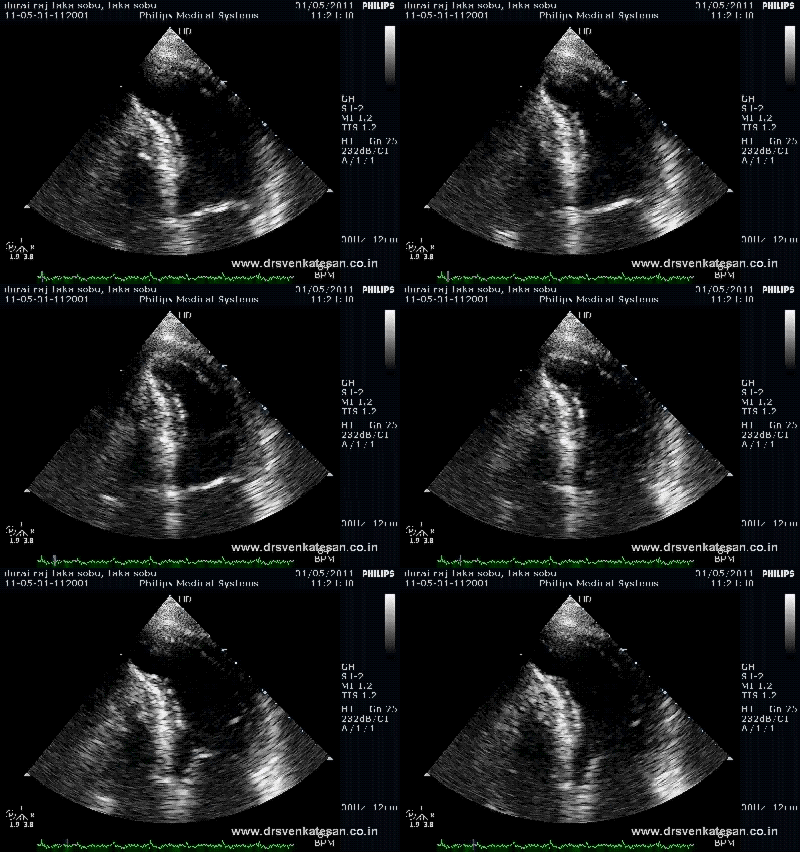
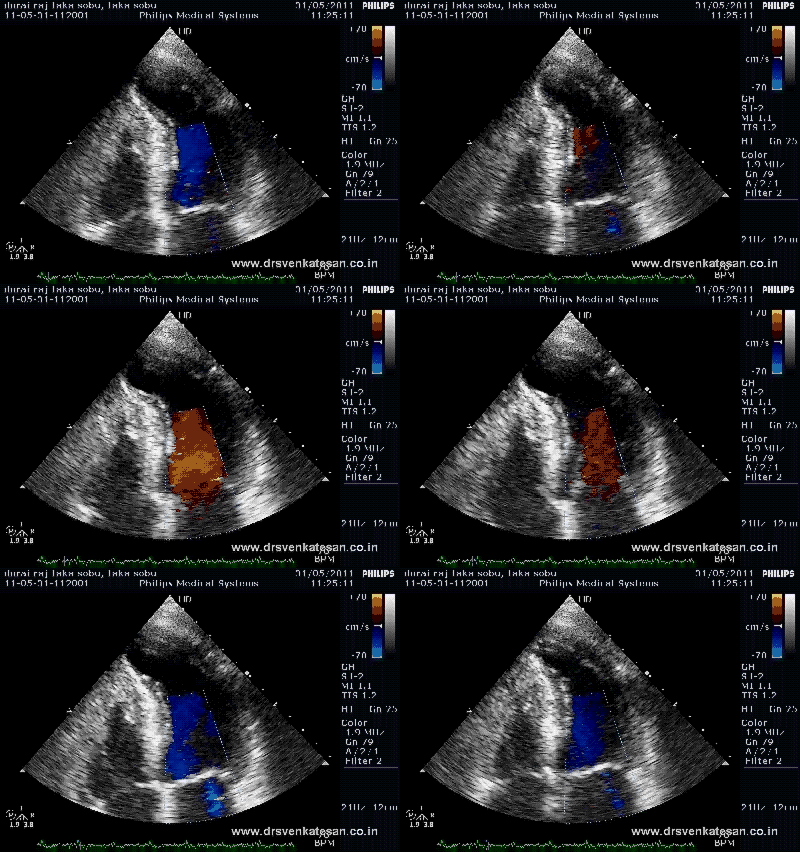
The consultant on call instructed immediate DC shock and he warned about impending ventricular fibrillation .He casually told the fellow to do a echocardiogram also and rule out any structural heart disease. Even as the staff was arranging the defibrillator , the fellow did a rapid bed side echocardiogram . He was shocked to find a large mobile LV clot with a dilated , severely dysfunctional left ventricle having an EF of 25 % .
Now comes the critical time . Should we shock this man with VT and LV clot?
What will be your option now ?
- I will not mind the LV clot , will go ahead with DC Shock . Let him dislodge his LV clot . If It is his fate let it be !
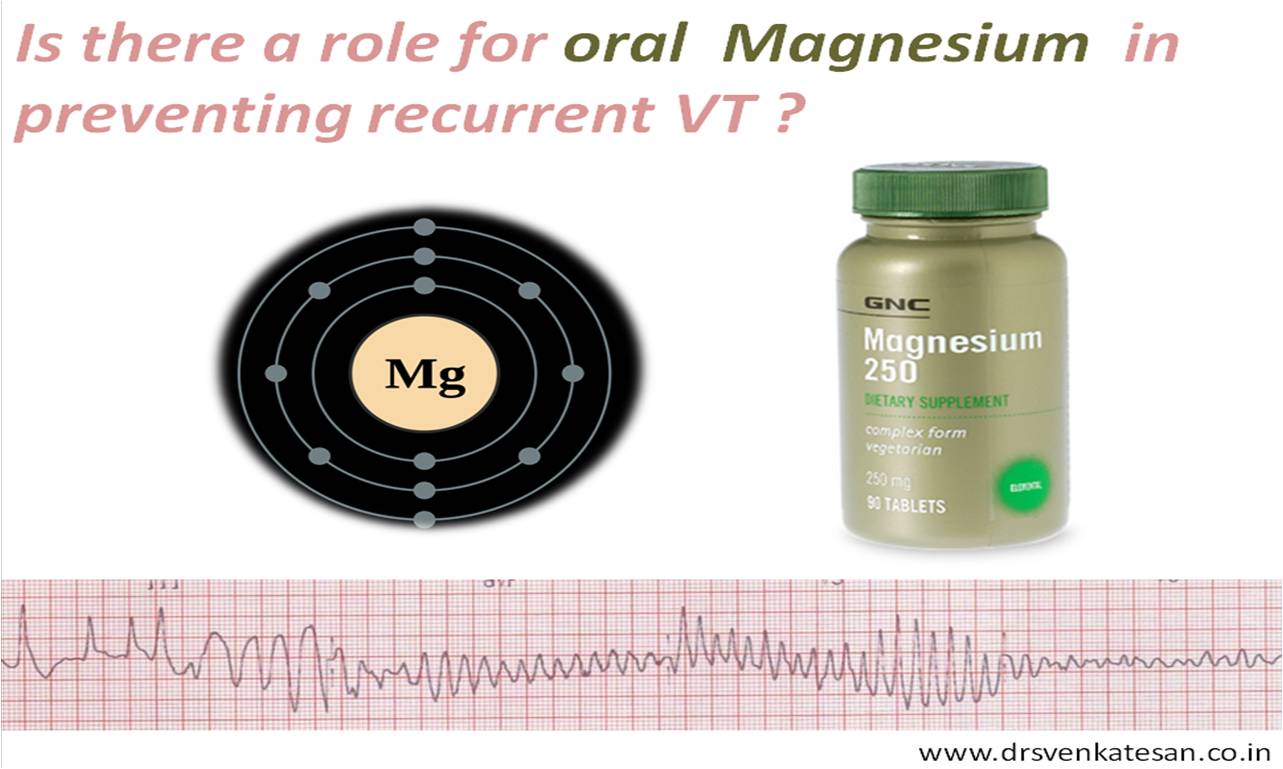
- Defer the DC shock . Fall back on medical cardioversion like Bretyllium, Amiodarone or magnesium . After all . . . it is not a pulse less VT. He is not in cardiac arrest . He can afford to wait .We can’t risk a stroke .
- Give a low energy shock 25 joules with paddles avoiding the LV apex. .It may not dislodge the apical clot , still VT may be terminated.
- Try overdrive pacing instead of DC shock
- Refer the patient for emergency surgical removal of LV clot
- Suck out the LV clot with a LV suction catheter and plan elective DC version*
- Insert a temporary Aortic filter and shock the patient **
* Such catheters are in preliminary stage of development . Is that true ? ( If no I should get the royalty for the idea ! )
(Read the related article in my blog )
** A loud imagination . Such filters do not exist.( If IVC can be filtered why not Aorta ? )
What was finally done ?
After analysing each of the above , we decided option one ( “Prey the God and shock the heart” ) After all if it is a VF , this issue becomes null and void ! . Luckily God was with us. The patient was reverted to sinus rhythm with 50joules and had no untoward events . He was subsequently anti-coagulated . He is being planned for CRT/ICD therapy
Final message
Critical care medicine is all about risk taking .Many times , therapeutic maneuvers confer a significant risk to life comparable to the index problem. But that should not be a deterrent . A careful learned decision is warranted.
Posted in Cardiology - Clinical, cardiology -ECG, Cardiology -Interventional -PCI, cardiology -Therapeutics, Cardiology -unresolved questions, Clinical cardiology | Tagged how to manage lv clot with vt, management of vt, mobile lv clot and vt, ventricular tachycardia, VT with lv clot | Leave a Comment »