Feeds:
Posts
Comments

Next to the atmospheric pressure, the most curious pressure to understand is stored within the human circulatory system. Yes, it is the “blood pressure” fondly referred to as BP by both physicians and patients. (When worried men & women visit us and say, that they are suffering from BP, please make it a point to clarify, BP is a sign of existence of life, rather than a dreaded pathology ) 

Why should blood have pressure?

BP is lateral pressure exerted by flowing blood on the vessel wall (or is it the propelling pressure head ? It is to be noted, cuff pressure doesn’t measure this !) BP is generated by the heart in systole and sustained by the vascular system in both systole and diastole. BP is measured as mmHg. It can also be expressed as PSI(Pounds /sq Inch)  or Pascals or ATMs. If you allow me to spoil with some physics. Pressure is force per unit area ie Newton/m². So, pressure is essentially a force. Force is mass times the acceleration. Mass is weight independent of gravity, while the acceleration of blood is essentially the force of gravity added to the velocity of blood flow. If you think gravitational waves and planetary positions might influence the mass of blood (and hence the BP)  you may not be insane. (Environmental & astrological influence of BP and cardiovascular events need not a be mythology) (Oomman A,  J Indian Med Assoc. 2003 )     (Robert D Brook Cardiac clinic 2017)

How is it regulated?

Physics uttered at the bedside is sure to appear as nonsense for practicing physicians. Forget It. BP is not only a continuous variable, the neural, hormonal, cardiac control mechanisms are also in a dynamic flux. What we need to bother is, how to sustain a mean BP of around 90 mmHg within the human circulation, with robust autoregulation. (For the fellows in cardiology, it is a dangerously simplified teaching & belief  that cardiac stroke volume determines systolic BP and PVR determines diastolic BP) In fact, It is the systolic pressure that confers the energy required for diastolic BP. Regulation of BP is all about large vessel stiffness,  neuro-humoral tone of small vessels, water and sodium metabolism. This makes the kidney a central organ for long-term control of BP. It must also be emphasized BP is regulated in a regional and organ-specific manner. (Ex -The cuff brachial artery pressure may tell little about what is happening at the glomerular perfusion pressure )

Who are the guardians of BP?

Though general Physicians , Neurologists, Nephrologists even Endocrinologsts  have more geograhcial rights  cardiologists have largely taken siege over the entity of SHT because the heart happens to be a glamorous victim organ. We are witnessing an almost intoxicating number of cardiovascular trials on hypertension, right from Framingham’s days of 1970s to just released BP LLTC in 2021, trying to bring down cardiovascular risk. Based on the accrued evidence, the guardians of human  BP in various global institutions bring out strategies to reduce the risk of vascular injury. Have we succeeded in this  Intravascular number game.? I think we are. At what cost?

Two repeatedly asked two trivial questions 

  1. What is normal BP  &  When to start treatment?
  2. How much lower is best for our body?

Probably, we have got an answer for the first question from this Impactful publication. 


I think this study is trying to tell us, there is no normality for blood pressure in terms of risk reduction in cardiovascular disease. (Please recall, one JNC -Joint national committee  was dissolved after  including a controversial term pre-hypertension in healthy public  few years back) What will be the implication for this study? Its core conclusion is about 5 mmHg BP reduction across any subset of adult population will reduce CVD risk considerably. I am sure this study is so intense and powerful it will take at least a decade for its conclusion to fade away. So, can we make these funny conclusions? Hereafter we need not measure BP before starting treatment. Just administer drugs to any live adult who has blood & pressure. (J or U curve need a big debate later)

Mind you, sustained  5mmhg reduction* can be brought by any of the following habits. A salt moderated fruit-rich diet, reasonable physical activity, good sleep, a stroll in the park, yoga, a deep breath, having a pet, watching a movie in a quiet evening, having a loving  family, and so on so forth (Of course, 5mg Amlodipine, 40 mg of Telmisartan, or a  paradise device can do the same, with an add on pride)

*There is a big catch in this landmark paper. Read the title again. The important take-home point is that this 5mmhg lowering should strictly come by pharmacological means, not by any other means. (Correct me if I am not correct)

Final message 

We got the final answer from this marvelously done meta-analysis for the toughest question in cardiology. Hereafter  It’s going to be a celebration time for mankind, who struggle in a hypertensive world.

Post-ample

True, sustained high BP is a major risk factor for stroke, heart failure, and CVD. However, it is also true BP can’t* do much damage to the coronary artery without the help from its naughty cousins DM & dyslipidemia. All three parameters must be optimized in unison. May I propose a rough rule? It may be called DFL index for the collective CVD target.  Diastolic BP, fasting blood sugar and LDL all should converge around a unitless number of 70 to 80. 

*HT is a powerful risk factor for stroke and HFpEF. 

Reference

https://www.thelancet.com/action/showPdf?pii=S0140-6736%2821%2900590-0

No doubt, the heart is a biological wonder with its non-stop pump function. Still, it cannot function as a continuous rotary pump like the electrical motors do. It has no other option but to contract in a pulsatile manner. However, the mean pressure in circulation is fairly constant, flow is kept continuous, and fairly laminar. This is made possible by the built-in elastic pressure in the aorta and the poorly understood but vitally important parameter vascular tone. Aging widens the pulse pressure due to dissipation of vascular tone. Atrial fibrillation adds new bizarre dynamism to this pulsatility and challenges the aortic wall’s competence and compliance further. This is the basic mechanism behind the classical description of an irregularly irregular pulse in AF. The pulse can be  so unpredictable, it was originally referred to as acute confusional status of heart (Delirium cordis)

What is the effect of AF on systolic, diastolic, and mean blood pressure?

In AF systolic BP varies considerably from beat to beat. Diastolic BP does show some changes but less obvious. So far mean pressure fluctuations in AF have not been given much significance.  

Clinical significance of AF on the brain: Thinking beyond stroke 

From a stroke perspective rate and rhythm control did not show much difference. The prime reason for AFFIRM  trial not showing benefit with rhythm control was embolic stroke was much more common from sources other than left atrium proper and hence the usage of oral anticoagulants was more important than rhythm control in overall stroke control. 

Now, an important study trying to look at this hitherto ignored aspect( Andrea Saglietto,  EP Europace, 2021). It raises concern about the impact of AF on long-term cerebral function. Should we restart the debate in favor of rhythm control? No doubt, the pulmonary venous electrophysiologists will be too glad to welcome this concept.

Now, we have new evidence based on near-infrared spectroscopy AF does cause unpredictable beat-to-beat changes in cerebral microcirculation that leads to neurocognitive dysfunction. It is possible there can be a breach in cerebral autoregulation limits in a significant number of post-long RR  beats. We may soon look forward to a new entity of “dementia cordis“as a sequel to chronic AF.  


Reference

1.Andrea Saglietto, Stefania Scarsoglio, Daniela Canova, et al Increased beat-to-beat variability of cerebral microcirculatory perfusion during atrial fibrillation: a near-infrared spectroscopy study, EP Europace, 2021;, euab070, 


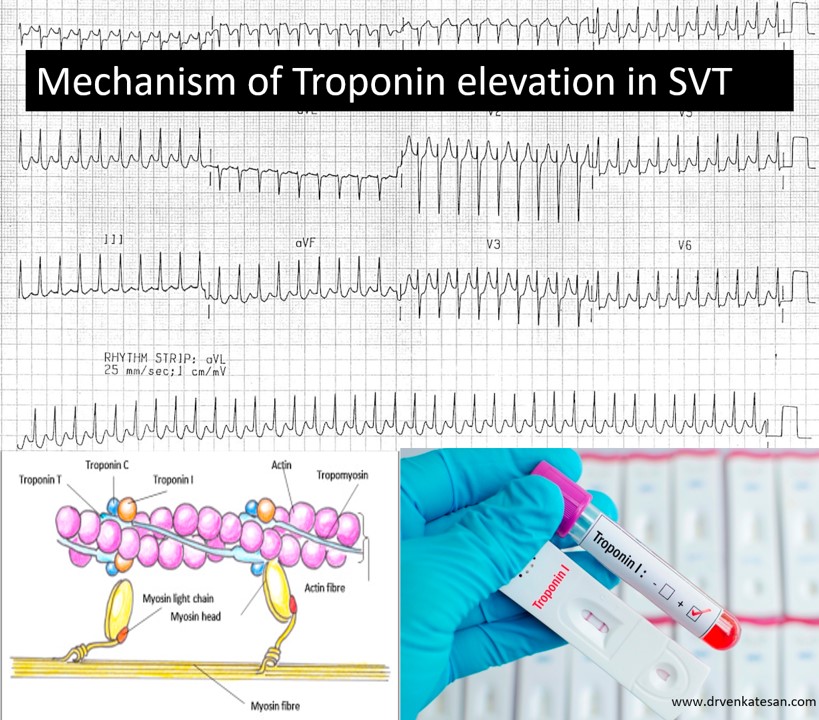
Here is an uncommon story of a patient with palpitation,SVT , Troponin +ve, and suspected ACS.

Palpitation in ER ⇒ {Tachycardia +Troponin positive ≠ ACS}

Mechanism of troponin elevation following any SVT

  • At high heart rates (>200) myocardium is subjected to non-Ischemic mechanical strain & squeeze. Minute amounts of Troponin is let out like a myocardial juice into the circulation (Like atrial natriuretic peptide release which causes polyuria during AVNRT)
  • Tropinin releases have been shown to correlate with both heart rate and duration of ST depression (Subendocardial strain /AVRT left lateral pathways)
  • Short diastole induced low coronary perfusion pressure and a true transient (but insignificant) Ischemia
  • Finally, SVT (especially in the elderly) is a natural “exercise stress test” equivalent, ST depression with Troponin positivity is a true marker of significant epicardial CAD

Significance

False alarm of ACS is the most important issue. (Except one study which showed a different conclusion Chow GV, Prognostic significance of cardiac troponin I level in hospitalized patients presenting with supraventricular tachycardia. Medicine (Baltimore) 2010;89:141–148. doi: 10.1097/MD.0b013e3181dddb3b. [PubMed]

Note: If AVNRT occurs with aberrancy, or AVRT presents as antidromic tachycardia with a wide qrs tachycardia the confounding effect is perfect as it can no way be differentiated from true Ischemic VT or atrial fibrillation.

Final message

It is no ER room secret that a single spot Troponin value has lost its credibility considerably in segregating ACS from non-ACS conditions. It is falsely elevated in a long list of cardiac and noncardiac conditions. It is a worthy point of learning, among the cardiac conditions, the commonest cause for false elevation is during any tachycardia. This should be kept in mind. Because a patient with chest pain who present with benign palpitation due to prior SVT (Arrival ECG could be normal) a false raise can trigger a chain of inappropriate reaction that may land the spot even in the cath lab.

Postample

In spite of these limitations, non-diagnostic ECGs, we expect Troponin and CPK to guide us in chest pain screening. We now have added one more marker, high sensitivity Troponin Assays. Let us believe, it doesn’t add to more confusion. I think the main purpose of these biomarkers in the future, would be to arrest the habit of using cath lab as triaging place for chest pain instead of ER room. (A brief review from ACC https://www.acc.org/latest-in-cardiology/articles/2017/08/07/07/46/a-brief-review-of-troponin-testing-for-clinicians)

Reference

1.Troponin elevation in supraventricular tachycardia: primary dependence on heart rate. Ben Yedder N, Roux JF, Paredes FA Can J Cardiol. 2011 Jan-Feb; 27(1):105-9. [PubMed] [Ref list]

2.Kanjwal K, Imran N, Grubb B, Kanjwal Y. Troponin elevation in patients with various tachycardias and normal epicardial coronaries. Indian Pacing Electrophysiol J. 2008;8(3):172-174. Published 2008 Aug 1.
3.Carlberg DJ, Tsuchitani S, Barlotta KS, Brady WJ. Serum troponin testing in patients with paroxysmal supraventricular tachycardia: outcome after ED care. Am J Emerg Med. 2011;29:545–548. doi: 10.1016/j.ajem.2010.01.041. [PubMed] [CrossRef] []

This question might squeeze the collective coronary knowledge of any cardiologist. (At least, it does for me !)

What is an intermediate coronary lesion? (ICL) 

Traditionally it is an “angio-ocular reflex” measurement of coronary arterial diameter stenosis that lies between 40 to 70% (Mind you, 70 diameter stenosis is 90% area. So, we must be clear what we really mean in any revascularisation debate).

Above one is the simplest expression of ICL. (* While 70% cutoff is fairly constant, the lower limit 40% is still not a settled issue. It can be 30 or even 50 %. I think we haven’t yet named the lesions 1 to 49 %. It is the spectrum that contains  Coronary erosions, ulcers, luminal irregularity, or the evasive term minimal CAD  )

Many sub-classes exist in ICL.

  1. Should ICL definition be different in proximal LAD? (A 40% PDA or OM2 lesion is not the same as 50% LAD right.Maybe we need to artery specific redefinition, left main we did it already)
  2. It can be de nova chronic (most common ) Acute  /subacute, acute recanalization (Each has a different management strategy)
  3. What about ICL with good TIMI 3 flow. Mostly safe and can be ignored?
  4. Should we bother to know the content of ICL? It could be a minor plaque or just thickened and narrowed arterial wall or even layered thrombus.
  5. Is it isolated ICL?  When ICL occurs in isolation it gets more attention is natural to ignore if ICLs are noted along with other critical lesions nearby. The risk of ignoring or risk of including ICL in the final angiogram reports is unquantified. 
  6. When two ICLs lie by next to each other (Tandem ICL) will you add the stenosis resistance in series? Does the length matter.(Can we measure net FFR ?) 
  7. Is it symptomatic vs asymptomatic? (very difficult query )In stable non-Infarct CAD Internedaite lesions do not obstruct flow, but Post ACS it is the distal microvasculature that determines the epicardial flow. so even intermediate lesion resist flow.
  8. ICLs in ecstatic segments pose a special issue. Adding to this Galovian positive remodeling mask the true plaque burden(Currently liberal use of OAC like warfarin are used in ectatic vessels with ICLs)
  9. By the way, is it true, ICLs are more prone for  ACS?  We believe it based on small studies and sort of biased teaching. Of course, there is some truth in it, but in a larger sense, it is not correct thinking. ICLs by sheer number overtake the critical lesions in terms of Incidence. So more ICLs present as ACS. But in, pure pathological terms flow-limiting lesions do carry more risk for ACS. (Of course, calcification might stabilize a few of them, and convert them to CCS) . For argument’s sake, if we agree ICLs are more prone for ACS, we should first fix these lesions than the more tighter ones.(Any guidelines forthcoming ?)
  10. Finally, the most important query Is the ICL vulnerable, or is it flow-limiting? (read below)

Imaging and physiology

CAG is just a shadow of contrast luminogram. Further, the contrast flowing across a lesion cannot be equated with the true velocity of blood flow. So, what shall we do? How do we overcome the limitations of CAG shadow? We need to go after more glamorous shadows like IVUS and OCT. They do suffer from myopia and hypermetropia respectively. Still, they are good enough to reveal important info like the content of lesions like calcium thrombus with acceptable precision, etc. The thickness of the fibrous cap (TCFA) is a current marker of vulnerability. This thickness is dynamic as do plaque liquefaction. We are looking ahead to the days of virtual histology and plaque metabolism by NIR spectroscopy. Decisions based on a single one-time snapshot from intermediate lesions would largely be meaningless. 

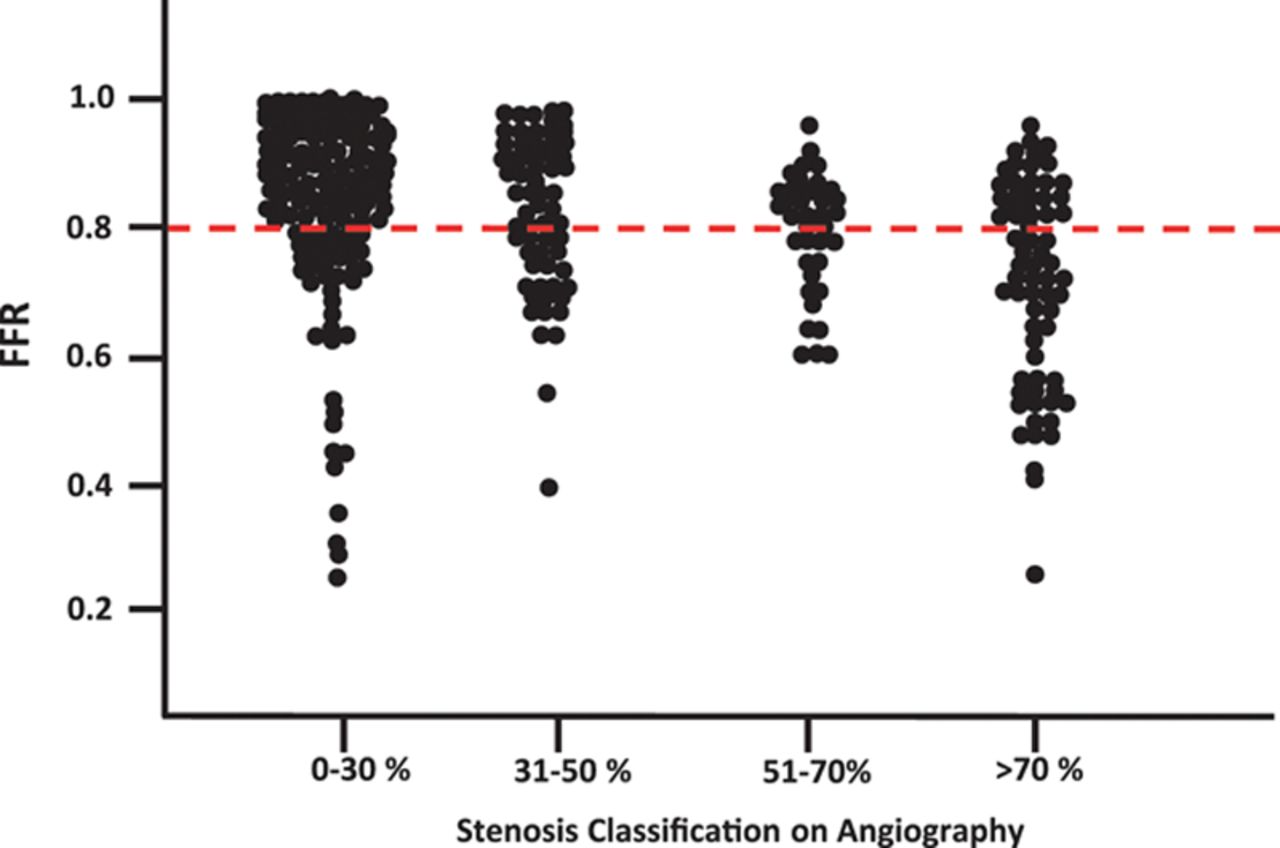
What about physiology? FFR, iFR,(Adenosine free)  QFR (Based on TIMI frame count) offer a more scientific assessment of flow across the lesion. Still, it is not clear. An elegantly made study is available that depicts the relation between stenosis and FFR.

Realtionship between diameter stenois snd FFR. Note even a 30% lesion has low FFR and wide variation a 70% lesion show on either side of cut off .8Does Routine Pressure Wire Assessment Influence Management Strategy at Coronary Angiography for Diagnosis of Chest Pain? The RIPCORD Study Nick Curzen circulation cardio vascular Interventions 2014.

Relationship between diameter stenosis snd FFR. Note, even a 30% lesion can have a low FFR, and a 70% lesion show the FFR to scatter on either side of the cut-off value .8 . So, what does it mean?  We have simply shifted our ocular bias to objective flow bias. Does Routine Pressure Wire Assessment Influence Management Strategy at Coronary Angiography for Diagnosis of Chest Pain? The RIPCORD Study Nick Curzen circulation cardiovascular Interventions 2014.

What is the effect of statin on ICL?

There is no specific large-scale study that looked into this. Plaque regression and stabilization are expected in most ICL with intensive statin regimens. (Seung-JungPark et al  JACC 2016) It reduces new-onset TCFA. Will it increase the cap thickness? It can be assessed by the OCT study. (Maybe it is already available will search for it ). PCSK & Inclisiran should do it if not a statin. 

Final message

Coming to the title question, the term ICL means nothing without the clinical background and the angiographic setting it is detected. Realize, the intermediate lesions don’t Imply intermediate risk. We can’t do  IVUS or OCT in all intermediate lesions. Even if we detect vulnerability in a 50% lesion, treatment will remain mostly intensive medical management. (There is absolutely no good evidence to show stents stabilize vulnerable plaque that does not limit flow ) 

So, the best approach to all those billions of ubiquitous ICLs scattered across the human coronary landscape is to stabilize it OMT( Open-minded medical therapy), lifestyle modification (taking style out of life), reassurance, and propagation of peace that will passively the plaques. Imaging and FFR can do wonders in an elite minority population at a considerable cost. (However, for the sake of demystifying atherosclerosis we should continue research with such modalities, sparingly though )  

Reference


It was the final case on weekend Echocardiogram review day, I asked my fellow for a brief summary of the patient. 

A 5 -minute conversation

“Yes, sir, he is a 62-year-old male retired govt officer. He has a severely stenosed aortic valve, with a peak gradient of 90 mmHg and a mean gradient that comes to almost 50 mmHg. LV  EF is 58%, GLS is 18, LVH is obvious. LA is not dilated (Didn’t measure volume though), but DT is short. Valve orifice is hovering around 1cm, mild calcium noted in LCC  I am not sure whether it’s bi or tricuspid still. The annulus is 22mm. The mitral valve is perfect, no calcium spill over to the mitral curtain and the rest of the annulus”.

“That is ok, what for he has come”?

“A GP from Tambaram has referred him after he detected a murmur over the chest”.

“Oh Ok. What are his symptoms”?

“He is denying any symptoms”.  

“Are you sure? did you ask him specifically about it during exertion”? 

“Yes, he says he can climb 3 flights of stairs. (In fact, he was sort of amused when I told him to be frank in his expression,since  he has a potentially serious obstruction in the main valve that connects his heart and body.”

“I agree, but his reaction was not inappropriate I thought, after all, he didn’t feel any symptoms right”. “So what shall we do for him?  TAVR? SAVR? or Leave him alone? Shall we put him on the treadmill? to document symptoms? Is it that risky”? 

“But , he says he can walk for a mile or two every day” 

“That’s fine. Can you really predict when his ventricle will fail and he may land up in a semi-emergency surgery?

“I think we can’t,  but why is he is so asymptomatic sir”?

“Wow, that’s more than a million-dollar question. You need to address that query to the vascular Goddess. I don’t know the answer.It is all about the ability of the heart to perfectly balance the ventricle and aorta in spite of severe obstruction. It is something like TIMI 3 flow and good FFR  in a patient with 90% occlusion.) My guess is, the LV does this by modulation of systemic pressure &  resistance in such a way , it neither feels the strain nor does it reduce the stroke volume much. By the way,  have you heard about this ? Z- Va score. I would like you to read about that. It will help you understand the hemodynamic nuances of severe AS and how the ventricle manages to serially couple the afterload of the vascular system”. 

“Make a pardon sir, I haven’t heard about it. What is Zva? 

“Never mind. It is not a new index. Was first introduced 16-years ago by Martin Briand et al from Quebec, heart Institute Canada  J Am Coll Cardiol 2005 Jul 19;46(2):291-8.  Z Va score(Valvulo-Arterial) is the collective flow impedance of the aortic valve and the entire aorta. It is more attractively defined as the cost of blood pressure in mmHg for pushing one ml of blood per body square meter area

Formula for Z va : (Systolic BP × Mean gradient)/ Stroke volume Index

Unit : mmhg /ml/m²

Normal value:  < 3.5 to 4.5 (Actually no normality, rather it must be acceptable value .It is still being defined )  if the cost is more than 5mmhg it suggests significant Aortic stenosis) A high value > 4.5 is a definite index of poor outcome. In a well-compensated heart, Zva is maintained far less than 5 and many such patients are asymptomatic as well. Zva has specific clinical value in all critical AS especially so if they are asymptomatic. It is no longer a research topic, has an important role in the bedside too. Here is an excellent resource on Z Va score from ESC.


Final message 

The timing of AVR in aortic stenosis is very critical. All symptomatic severe AS must be immediately intervened. Currently, with surgical risk falling rapidly ( & the option of TAVR looming large) even many of the asymptomatic AS need to be considered for valve intervention at the earliest before or at the onset of LV dysfunction. Zva’s score will definitely add more light to our  limited hemodynamic wisdom in aortic stenosis(Zeineb Hachicha  JACC 2019) 

ASD device closure has become a de-facto modality for most ostium secundum defects(<35mm). The stupendous success of this procedure is attributed to careful pre and Intra-procedural Imaging, new generation hardware and of course the ever-improving expertise among Interventional cardiologists.

Still, there is one issue that is bothersome. It is the late complications of this device and the need for follow-up (Unlike surgery where close and forget option seems real and confer lot of comforts) The delayed mechanical complications are now extremely rare still  follow up of these patients is advised.

What is the mechanism of Aortic erosion in ASD device closure ?

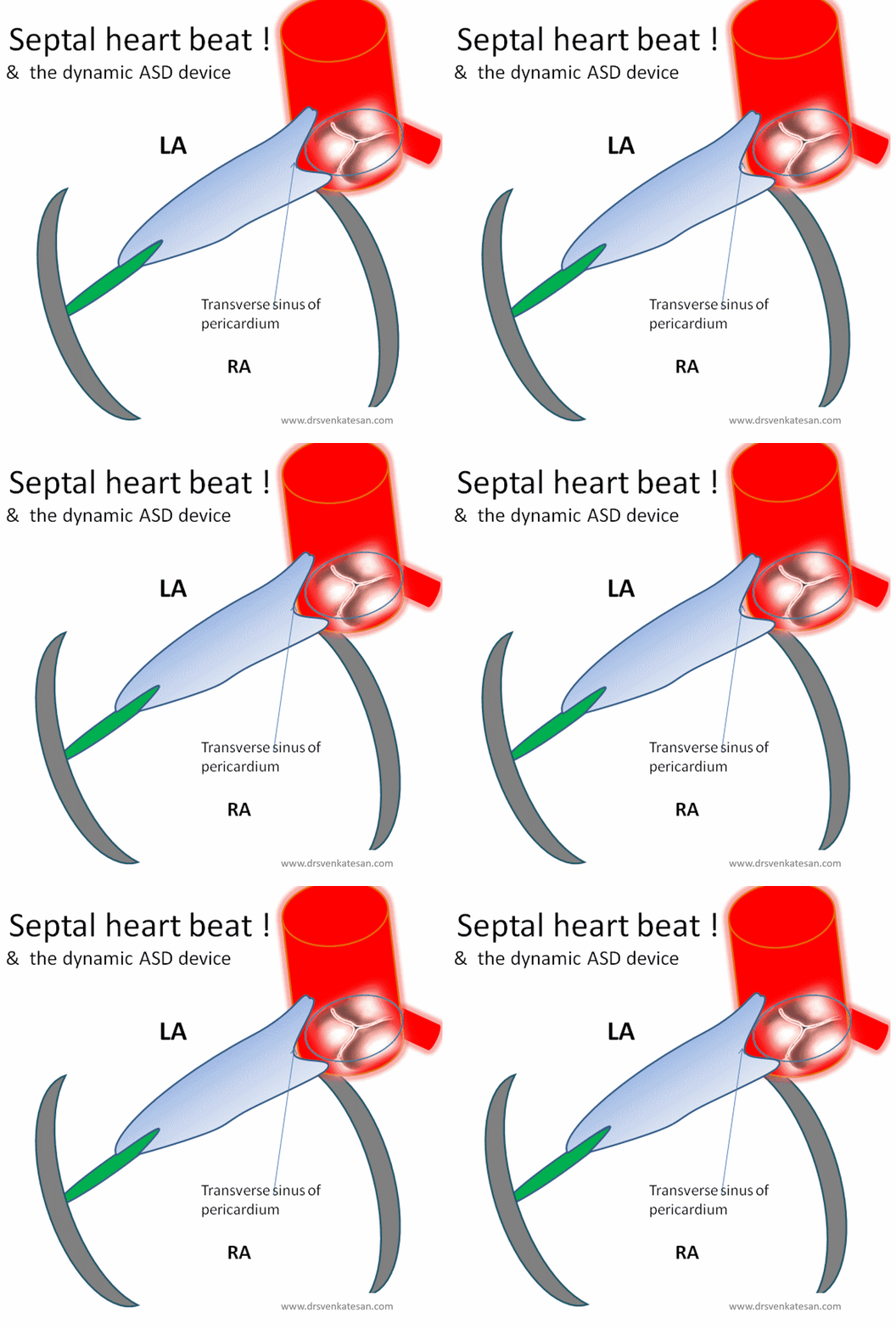
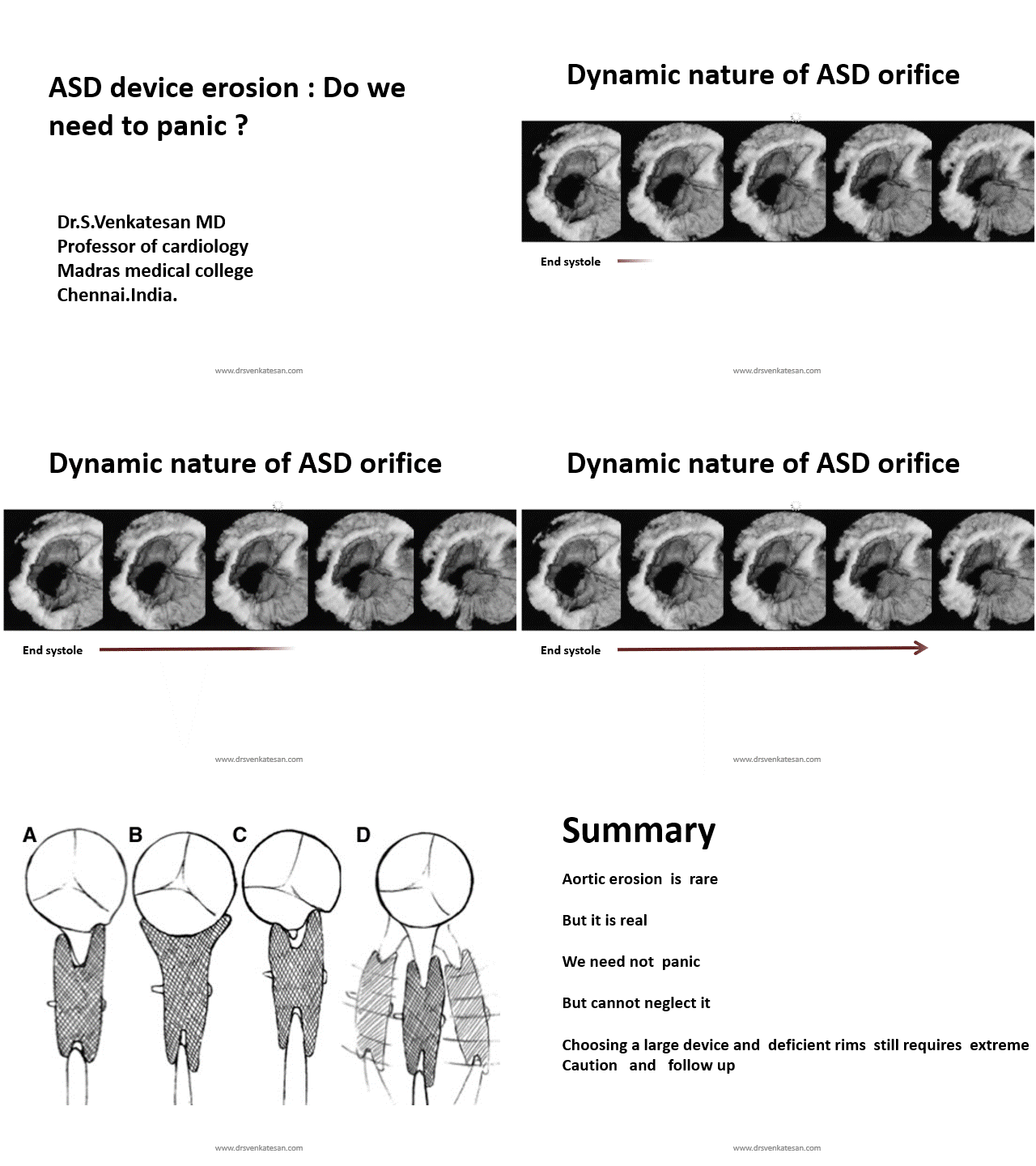
The IAS is a dynamic structure. (Ask any echoc’ardiographer ,how ASD size varies with cardiac cycle.) The device should sit right across all rims including the  Aortic rim . If the device if larger , and if the Aortic rim is less it has on other option but to splay over the Aorta . Enthusiastic young cardiologists should be aware this splaying is not in our control at all. Not all splaying are good and safe as well. If its not smooth and if the septum is mal-aligned there could be friction Injury to Aorta. A very early manifestation of device dislodgement and later a trickle of  pericardial effusion. This should be watched for. (Please be reminded a early pericardial minimal effusion due to sudden shrinkage of RA, RV and due to some unknown hypersensitivity response ? can confuse us )

Link between deficient Aortic rim and Erosion : An unsettled Issue (But , we settled it ! )

One issue that is poorly understood is, many Interventional cardiologists believe strongly that the length (and even quality) of Aortic rim is the least important and need not to be respected. I am still not clear on what basis this piece of Interventional literature came in. This is exactly is the reason even novices take liberty and large devices are implanted casually encroaching the Aorta. Though most cardiologists shrug of this risk of Aortic rim deficiency and subsequent erosion,  at least one study clearly showed a serious link between the two. I feel the issue is not yet settled and demands re-scrutiny.

This presentation was made in Tamil Nadu Interventional (TIC)council meet at held recently


This image has an empty alt attribute; its file name is aortic-erosion-2-1.gif

Link to the PPT presentation aortic erosion 2

Final message 

After going through all relevant literature as on 2019 , the incidence of aortic erosion is rare but the fear is real (Many feel it is paranoid and largely unfounded ) I won’t agree though.The message must be, a good quality Aortic rim is important too.

However, a properly sized device, perfectly delivered with good Image assistance by a trained cardiologist in a high volume center (? >25/year) shall prevail over surgery in most patients with ASD. 

Reference


Further issues : Stroke risk with ASD device 
 

One more Issue with ASD closure device is delayed embolic episodes from thrombus attached to device. This is prevented by  routine anti platelet drugs practiced by certain Institutions .The new generation devices (Occlutech Germany) has modified the LA side of the disc (No Hub) to reduce this risk

Some of the questions  addressed  in this presentation

1.What happens to fetal blood pressure during maternal hypotension how good is fetal autoregulation?

2.Why is LSCS increasingly preferred mode of delivery in heart disease complicating pregnancy challenging the traditional scientific concept?

3.What is likely hood of patients with moderate mitral stenosis developing pulmonary edema during prolonged 2nd stage of labor?

3.What is the missing link between PIH and PPCM? How prepartum cardiomyopathy differs from postpartum?

4.Is Eisenemneger really an absolute contraindication for pregnancy?

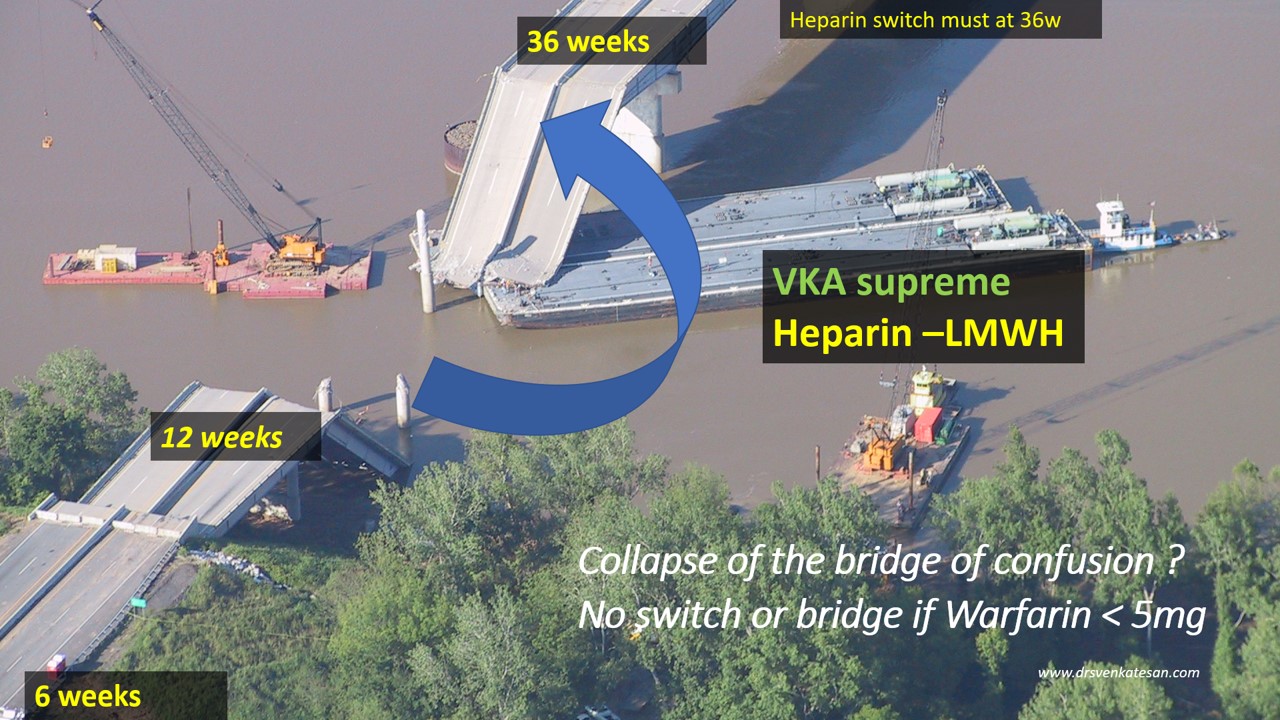
5. How can we continue VKAs warfarin or Acitrom throughout pregnancy? What are the potential problems of double switching one at 6th week from VKA to Heparin and again from heparin to VKA  at  12th week?

Hope, the man-made hematological bridge in pregnancy has been finally liberated from confusion (Who is saying not yet?)


6. On what evidence base the safety margin of 5mg cutoff for Warfarin and 3mg for Acitorm was decided?

7. Who is insisting on us to do Anti-Xa monitoring for LMWH in pregnancy? Is it really needed? What does the American society of hematology say?  (ASH guidelines for VTE in pregancy 2018) Why we don’t insist on Xa estimation in acute coronary syndrome?

8. What is the inflection point of at which risk of termination is almost at equipoise with continuing pregnancy in various heart diseases.

A GIF run-through of the presentation.

PDF & video version will be posted


The ultimate reference 

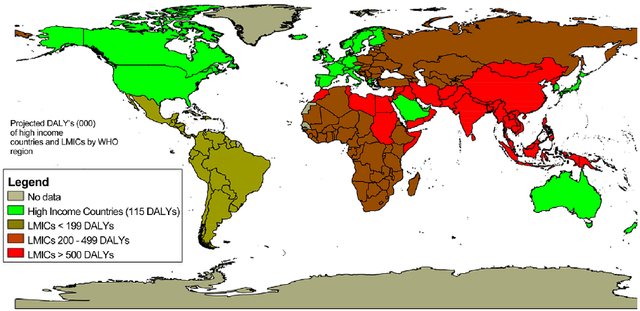
Dr. Duckett Jones, the famed American physician, from Good Samaritan hospital, Boston would be a proud man in heaven, to find his criteria still being celebrated all over the globe. He will also be pleased to know his home country USA  is painted green on the world RHD map due to his untiring efforts that began in 1944. Of course, what the rest of the world has done in the last century has left us wanting (including the WHO).


Global RHD map. Note the red and brown shading in south Asia and Africa. It is obvious, RHD is more about economics, equality, and poverty, rather than aggression from an otherwise innocuous microbe called streptococci which is omnipresent all over the world with equal concentration.

How to diagnose  Acute rheumatic fever (ARF)?

Simple. Apply jones’ criteria. Funnily, I found it can be a most difficult exercise to do, especially If we realize ARF can defy all the three components it carries. ARF  need not be acute, need not have rheumatic symptoms & curiously they need not have fever as well. Did you note this? The entire disease process can be subclinical in 50 % of children. Intelligent patients must realize, how scientifically quixotic conditions we, the doctors are expected to practice medicine.

There is one more ongoing confusion in many of us. Is Jone’s criteria meant for diagnosing the first episode of ARF, or second, or any subsequent episodes?  In the strict sense, it can be applied only for the first episode. But it may still help diagnose recurrent episodes. Dr. Jones was so precise in his observation when he suggested the in the later episodes .we may able to diagnose ARF only with minor criteria. But the lacuna here is,  recurrent episodes can be so atypical and carditis or chorea may be the only manifestation of that episode making the classical Jones triad redundant. 

Someone asked in my class Is there an entity chronic rheumatic fever? 

If you describe ARF  as a separate entity there must be Chronic RF? logical Isn’t it? . Do you think Jones wouldn’t have thought about this.  We don’t know,  echocardiography was not even thought of at that time. Better, we stop discussing Chronic RF. (Simply put,  all chronic indolent carditis with raised ESR  might fit into this imaginary entity)

How important is supportive evidence to Jones’s criteria? 

When we have trouble in fixing even the major criteria, where is the question for evidence for preceding streptococcal sore throat come in? By the time we see these children, a throat culture is no longer positive, though ASO titer/Anit DNAse might help. (It must be recalled that culture doesn’t differentiate carrier state from acute infection, a single value of ASO titer ahs little value) 

I asked a few of my senior pediatric professors how often they depend (or demand)  supportive criteria to diagnose ARF.  They agreed in unison, that they never felt the need for it except for academic or epidemiological reasons. When Jones wrote this criterion in 1944, he also never intended to include evidence for previous streptococcal sore throat. 

Final message 

Is the time nearing to revise Jones’s criteria again and restore with an original suggestion and get rid of supportive criteria?  Maybe Dr. Jones wouldn’t object to this as his aim was to tackle a global Pando-endemic rather than worry about few errors of overdiagnosis.

Counterpoint

* For the pure academics, there is exactly the opposite write-up demanding RTpcr to be included as evidence for streptococci sore throat in this site.  https://drsvenkatesan.com/2020/10/01/role-rt-pcr-in-the-diagnosis-of-rheumatic-fever-rhd/

Reference

1.https://www.acc.org/latest-in-cardiology/ten-points-to-remember/2015/05/08/15/22/revision-of-the-jones-criteria-for-the-diagnosis-of-acute-rheumatic-fever


2.

Rheumatic fever: Session 2 Preventive strategies 

Rheumatic fever and RHD can be prevented at multiple levels.

Primordial: Preventing all sore throats (that will include Streptococcal ) by promoting social and domestic distancing as we do now for the Novel C pandemic.

Primary prevention: It is about preventing the first episode of RF after getting a sore throat. A course of penicillin after sore throat and trying to interrupt the RF in its incubation period is the aim. I don’t understand why preventing sore throat after exposure to streptococcal droplets doesn’t come under primary prevention too.

Secondary: Preventing recurrent episodes of RF after an established diagnosis of the first episode. ( which of course can be subclinical) This is the classical prevention of monthly injection of benzathine penicillin.

* All levels of prevention activities at the level of the throat. None works in the heart directly.

*Tertiary prevention (Treatment ): It is treating the valve disease and trying to reset the rheumatic clock. Tackling the mitral valve disease with PTMC/MVR is the least economical and most expertise-consuming modality. (Of course more gratifying to both patients and cardiologist) It is all too common even in big tertiary centers do regularly PTMC but shrug off patients from monthly penicillin injections. There should be an in-house responsibility for the cardiologist, that  they should ensure at least 100 RHD patients get proper penicllin prophylaxis ( for every PTMC they do)

 Which is the best mode of prevention?

Primordial prevention is great. But the best yield will come from primary prevention.If you want to really avoid serious bites on the heart try to protect the heart from the first episode of ARF as the first bite is more intense. To make matters worse, the injury from the first bite is likely to continue irrespective of monthly penicillin.(Karthikeyan G, Mayosi BM. Is primary prevention of rheumatic fever the missing link in the control of rheumatic heart disease in Africa?Circulation2009120:709–

Can WHO enforce a world microbial order?

One real option that exists, which many feel is artificially stonewalled, is asking vaccine giants like Pfizer, Astra, or  BioNtech to fix a deadline and accelerate the process for a global Rhematic vaccine (Wating in the pipeline for 60 years you know)  with their newly accrued corona Intelligence. (We have few name suggestions Rhemavax or Rhemshield waiting  !)


Have we ever wondered how six liters of blood in our body flows like a live stream, maintaining the fluidity life long, in spite of an active coagulation system in situ, ready to freeze at the slightest provocation (Invisible vascular wear & tear!) This housekeeping job, within the vast network of the human vascular tree, is silently accomplished by a less apparent system called fibrinolytic system. D-dimer is a physiological breakdown product of this system . D-dimer comes from fibrin monomer. The D in D-dimer stands for the domain. (See below) The ability to detect the D-dimer in the bedside has given us a good opportunity to monitor intravascular thrombus formation and subsequent dissolution in health and disease.


Formation of D-dimer from fully formed fibrin clot with the help of factor X111a and plasmin

Learning from a false alarm of pulmonary embolism

Recently I came across a pregnant woman in the third trimester with sudden onset dyspnea. Ongoing panic and a  hyper response  ER protocol ended up in D-dimer estimation. It was 2600μg/ml, which created a false alarm among obstetricians. She was started on heparin by then. Though her saturation was 95%, ECG was normal.An emergency bedside echo revealed normal right atrium and ventricle, no pulmonary HT. The diagnosis of PE was now rejected confidently. The much-dreaded dyspnea turned out to be some patient anxiety. Unnecessary exposure of a fragile pregnant lady to heparin was reverted with much difficulty as no one was willing to discount jacked-up D-dimer still. (Such is the power of sophisticated biomarkers and numbers! I asked them to report the elevated D-dimer as false-positive in bold letters in the case sheet and applied the break to bring the high voltage obstetrical -cardiac consult to a halt ) 

What is the normal D-dimer levels in blood?

In the strict sense, D- dimer can’t  have normality. It is flushed-out molecular debris from clots, levles of which fluctuates depending upon the fibrinolytic load on a given day. It is further limited by lab standardization issues and methodology. (ELISA vs latex ) Currently, a level of <500μg/ml is considered diagnostically useful to rule out DVT/PVE (Good sensitivity /low specificity)

What happens to D-dimer levels in pregnancy?

D-dimer levels are nornally high in pregnancy, and  can reach very high levels as well. 

What is this source of D-Dimer In pregnancy? 

  • Pregnancy is a procoagulant condition. (Estrogen Induced effect on fibrinogen and other clotting factors especially factor 2  & 7 ) We presume it is due to more  microthrombus activity in materno placental capillary circulation. When there is a pro-coagulant activity, fibrinolytic activity is also high hence elevating FDP and D dimers. 
  • Pregnancy-associated with diabetes /PIH/preeclampsia elevate it further due to subclinical  endothelial dysfunction 
  • Placental source for D-dimer is documented. (Might be a marker for partial abruption as well)
  • The role of the fetus in generating or triggering maternal procoagulant activity is possible with a reverse breach in the placental maternal barrier. (Many of stillbirth, Intrauterine deaths / DIC in mother could reflect  pathological faces of hypercoagulation states) 

Normality redefined in pregnancy 

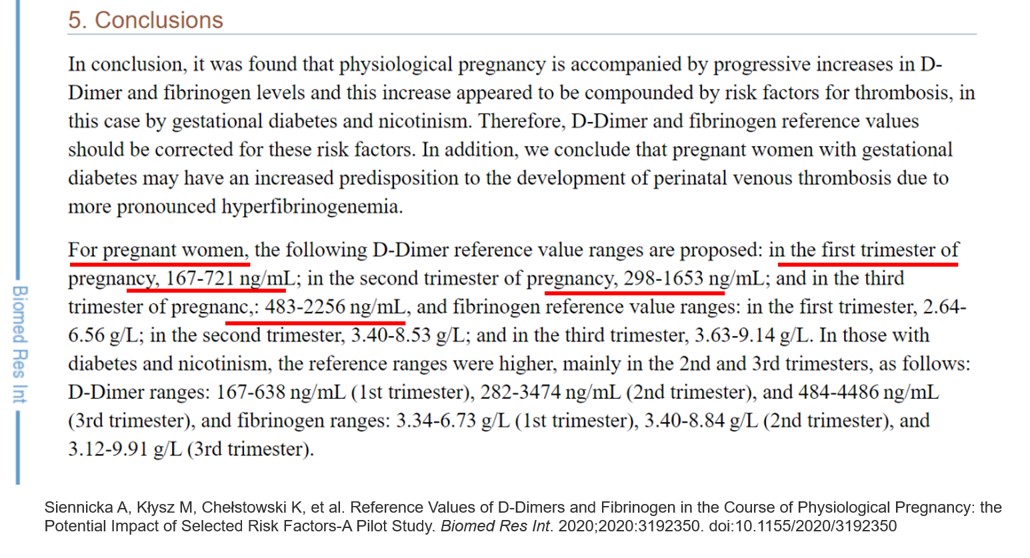
This paper has something important. Didn’t  knew this till now. In the third trimester, D-Dimer can reach up to 4400 in diabetic mothers. It is also worthwhile to note the other common causes for high D- dimers sepsis,  autoimmune disorders* and occult malignancy,

*In fact, every normal pregnancy can be termed as a relative autoimmune disorder, as it is impossible for the mother to go through the pregnancy without  immunological modification of the host (by fetus or host itself)  


Final message 

Never rely on elevated D-dimer in isolation to diagnose DVT/Pulmonary embolism. This is especially true in pregnancy where even very high levels are physiological. The commonest cause for dyspnea in pregnancy will continue to be anxiety, anemia, PIH & physical deconditioning, and weight gain  (not the mitral valve stenosis /PE/or peripartum cardiomyopathy). Yes, It may appear rewarding to think  like a specialist, but please realize if we diagnose rare entities, we are “rarely likely” to be correct and the consequences of that are not always pleasant.   

Reference 

1.Siennicka A, Kłysz M, Chełstowski K, et al. Reference Values of D-Dimers and Fibrinogen in the Course of Physiological Pregnancy: the Potential Impact of Selected Risk Factors-A Pilot Study. Biomed Res Int. 2020;2020:3192350.

2.Gutiérrez García I, Pérez Cañadas P, Martínez Uriarte J, García Izquierdo O, Angeles Jódar Pérez M, García de Guadiana Romualdo L. D-dimer during pregnancy: establishing trimester-specific reference intervals. Scand J Clin Lab Invest. 2018 Oct;78(6):439-442.