Posted in Uncategorized | Leave a Comment »
Posted in Cardiology -guidelines, cardiology -Therapeutics, cardiology journals | Tagged EARLY MYO trial circulation, ppci vs thrombolysis, primary PCI vs thrombolysis, stream trial | 3 Comments »
The age old statistics , 30 % of deaths following STEMI happen even before patients reach the hospital may still be true. But ,there is an untold story that happen regularly in the rehabilitation phase .Its ironical many apparently stabilised STEMI patients still lose their life just before they get discharged or within 30 days .More often than not this happens in the toilet when they strain for defecation. At least a dozen deaths I have witnessed in the last few years. Of course we have resuscitated many near deaths as well.
What exactly happens to these ill-fated patients inside the toilet ?
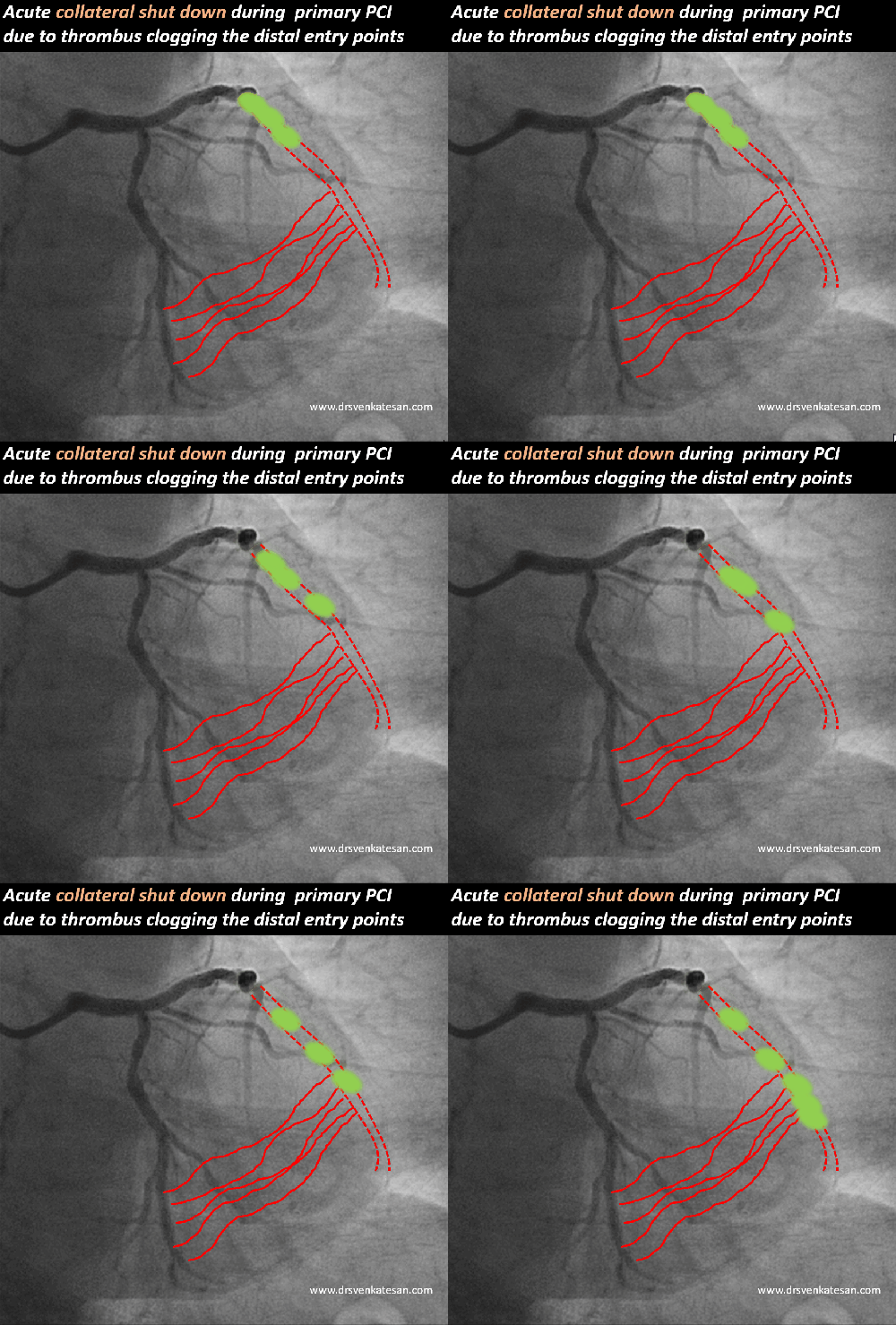
Straining is often an isometric exercise and prolonged strain ends up in valsalva maneuver , a prolonged valsalva strain realistically shuts both vena cava due to raised intrathoracic pressure .Vena caval shutdown is equivalent to asystole and imagine the chaos in the delicately recannalised LAD when the coronary perfusion pressure nose dives (Even the stented segment in IRA is vulnerable as distal flow restoration may take time !)
The sudden systemic hypotension leads to fall in coronary arterial pressure proximal to the lesion. The normal physiological response to proximal fall would be corresponding distal fall maintaining the flow gradient . If the microvascular bed is damaged( loss of capacity to vasodilate ) this distal fall may not happen promptly .So its acute standstill of flow across IRA ( or even Non IRA if it has a lesion ) triggering events that rapidly destabilise unless intervened.
.

Other modes of sudden toilet deaths
*The opposite process , ie sudden spikes of blood pressure (In contrast to hypotension of Valsalva strain ) can occur as straining is equivalent to Isometric exercise which increase afterload .This can either cause LV failure, another episode of ACS, myocardial stretching, even tear it and result in mechanical complication.
- Acute LVF triggered by spikes of BP /new onset ischemic MR.
- Free wall rupture and tamponade.
- Emboli getting dislodged from LV during strain
How to anticipate and prevent these deaths ?
- All complicated STEMI patients should have special rehabilitation program.
- A simple rule could be patients with persistent ST elevation with are prone for further events.They should be flagged. (Stented / TIMI flows matters very little !)
- Restrict all vigorous activity for minimum of one to two weeks ( I am not a believer of pre-discharge stress test even in uncomplicated MI )
- Use laxatives adequately.
- Western toilets may have an hemodynamic advantage. Indian closets that require squatting which increase the venous return , ultimately it compromises coronary hemodynamics more. We don’t understand as yet ,what will happen if one perfoms a valsalva and squatting simultaneously.(Which will prevail over the other ?)
- Finally toilet shouldn’t be locked during rehabilitation for safety purposes.
- All post STEMI pateints should have registered with emergency contact and alert service ready.
Has primary PCI has reduced the sudden deaths in Post MI period in current era ?
I’m afraid , I can’t say a dogmatic yes . May be ,to a certain extent , However, it has created a new subset of perfectly stented still prone for ACS.A physiologically or pharmacologically recannlised IRA generally heals by themself. A Stented IRA hands over the responsiblity of healing the injured IRA to us .Ofcourse ,we try to do it with lot of difficulty .(Different versions of confused DAPT regimens !)
Final message
Please note , “discharge to 30 day mortality” following STEMI which is upto 2 % .It is the most neglected and mismanaged phase in coronary care .Toilets are definitely not a benign place for them and all the good work done by you in cath lab and CCU can be nullified in few Innocuous looking seconds !
Postamble
Is Toilet room death amounts to negligence / mis-management inside hospital ?
May be there is a reason for this argument. When to ambulate in complicated STEMI is a big question. ? Though we have guidelines some of the patients are reluctant to use assisted service.
I think its a calculated risk , and there is trade off between the benefits of early ambulation and potential exertion related risk.
One such argument by a cardiologist in a medicolegal situation goes like this. “I thought my patient’s heart is stable enough to use toilet , it misfired , hence it is just an error of judgment. I can’t be faulted. Though this argument appear logical , many times it can’t hold water in court of law !”
Further reading
Cardiac rehabilitation NICE guidelines : Myocardial infarction: cardiac rehabilitation and prevention of further cardiovascular disease 2013
Posted in acute coroanry syndrome, Cardiology -Interventional -PCI, cardiology -Preventive, Cardiology -unresolved questions | Tagged acs, hemodynamics in LAD following valsalva, predischarge stress test, primary pci, stemi, Sudden cardaic deaths in bath room toilet, valsalva vs squatting | 1 Comment »
How often you assess the success of Primary PCI with degree of ST segment regression or resolution ?
I posed this query to a freshly hatched , Intelligent and energetic cardiologist in an upscale dedicated heart care center.
He said, “No, we don’t .We always go with TIMI flow in IRA .TIMI 3 flow with less than 30% narrowing of IRA is success, that’s it ! He continued ,very often ,we don’t even Insist to take serial ECGs after the procedure . . . forget about analysing ST segment ! His body language seemed to suggest, he didn’t expect such a question (Silly !) from me , talking about ECG in this era of hyper Interventionism where we literally live within the coronary artery !
What a grave error in coronary cognition ? . . . thats commited day in day out of cath lab all over the globe !
TIMI flows across IRA lesion tell more about epicardial patency while the humble ECG reveals the true myocardial reperfusion.
So ,which will you use for assessment for successful reperfusion ? Ideally both , right !
But , as of 2017 ST segment regression is not considered worthy to define success of pPCI by the all powerful world scientific cardiology community .This is unfortunate (Or Intentional ?) we have ignored this Inspite periodic research papers showing the importance of the same. (Link to this land mark Brodie BR AJC 2005)
Do you know , none of the trials that celebrated the superiority of primary PCI in the last two decades used ST segment criteria. But then ,we realised much later even TIMI 3 flow can have near zero myocardial perfusion. So ,can we now say all these trials are invalid ?
We also never bothered to include no reflow as a liability during pPCI. We have enough data to say even restored No reflow during pPCI has worrying long-term outcome as reocclusion and tissue level perfusion is dismal .(Can we call it a pPCI failure equivalent ?) This is because the Cocktail of anti no-reflow drug we administer often give us a momentary satisfaction with transient myocardial blushes ! (Only to occlude minutes later as the patient is wheeled out of cath lab .We will never ever know how often this happens !) This is because , microvascular bed integrity is notoriously unpredictable and defies the conventional salvage time window . We have seen patients with ultrafast pPCI ending up with severe LV dysfunction.

Final message
If you apply the ST regression criteria by 90* minutes after pPCI (as we do for lysis ) the true success rate of pPCI will emerge .My prediction would be , if you do that routinely the hype of perceived superiority of pPCI might go down the drain (At Least in all low risk STEMI ! ) Let us do a large-scale trial comparing ST regression with TIMI flows, blushes ,frame counts etc and rediscover the true face of our beleaguered coronary microcirculatory sense !
*In fact ST regression should occur much early with pPCI than lysis (May be 10 minutes after restoring IRA patency ! )
Post-ample and a Quiz !
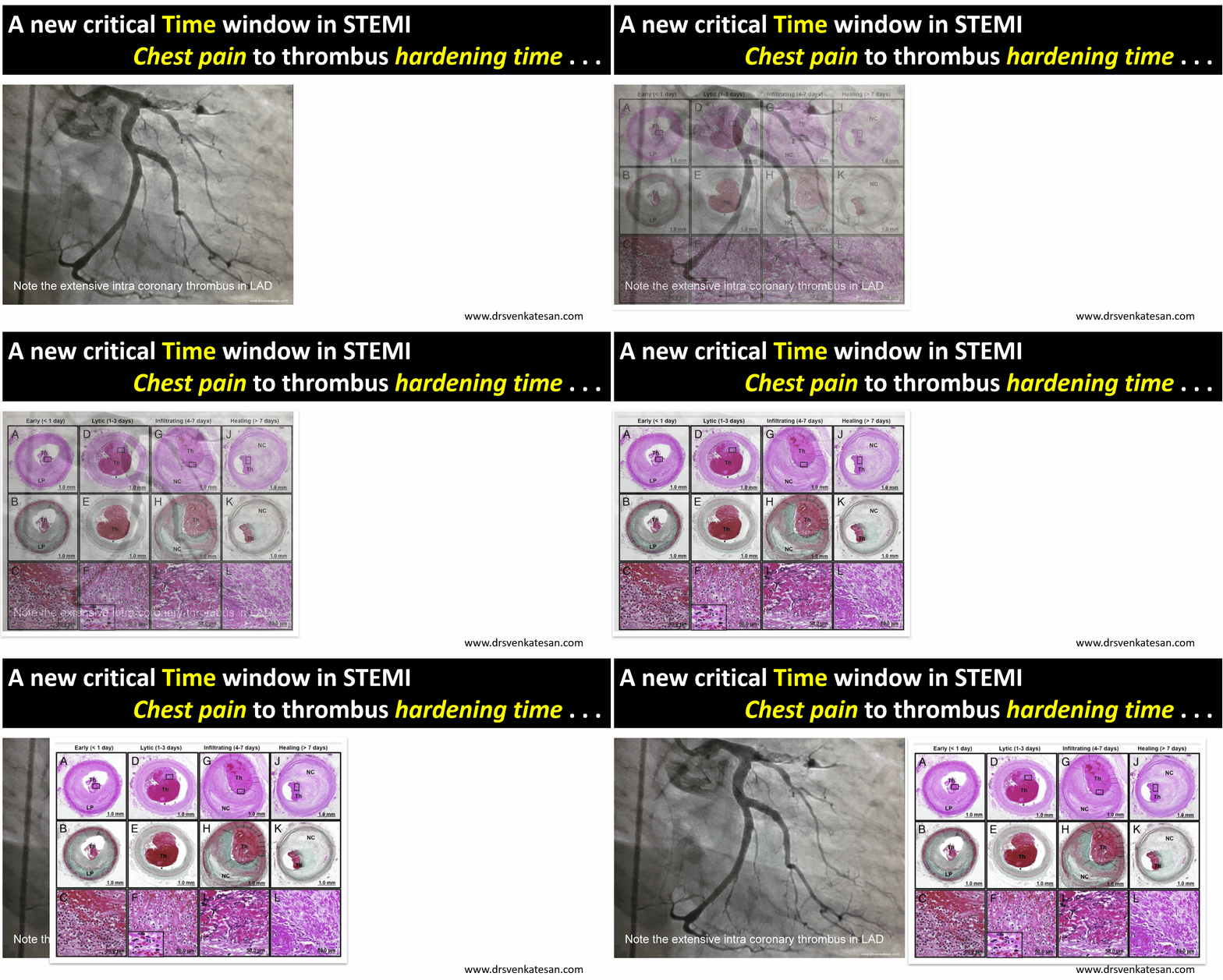
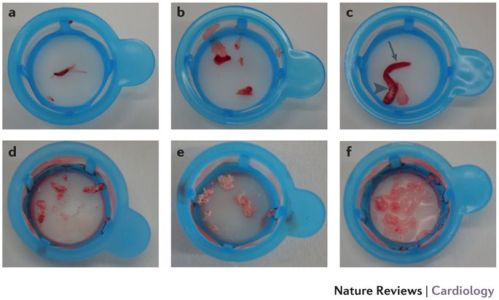
If coronary thrombus laden IRA is the chief culprit in STEMI battle field , Why is that Immediate , routine aspiration of thrombus in the ground zero is counter productive ?
That’s what the sophisticated mega trials of coronary thrombus TASTE, TOTAL revealed. I’m looking for an answer !
Reference
Counter point (and adding more confusion !)
Surprisingly , a Danish(DANAMI) study showed ST regression may not be Important in pPCI .This appears curious , especially when it suggests , ST segment regression didn’t occur because of more complete revascularisation by PCI !
Posted in Uncategorized | Tagged pPCI, primary pci stemi, st segment regression more important than ira patency, st segment regressionafter ppci, timi blush score, timi three flow | Leave a Comment »
If human coronary artery is comparable to live wire , attempting bifurcation (BFL) stenting is akin to tame a live snake .True BFL (with Medina 1, 1, 1) being the most complex of all .The fact is ,we have atleast a dozen strategies for BFL with varying loads of metal abutting the ostia ,side branch and carina.This would essentially Imply we are still struggling with these lesions .
While current science tends to vouch PCI* for most BFLs . . . wisdom might whisper CABG !
Who should do complex PCI ?
Obviously, not every interventional cardiologist can. Confidence is one thing , but , falling short of minimum standard of care is rampant in India. Newer Imaging tools, techniques are promising , unfortunately still the gap between, knowledge , science and reality continue to widen.
* Its true ,some expert Interventionists do a good job !
What is the simplest approach for Bifurcation lesions ?
This was posted almost 10 years ago , much of it might hold good even today. https://drsvenkatesan.com/2008/09/06/what-is-the-simple-approach-to-bifurcation-pci/
Final message
We have come a long way in BFL. Still , some of the lesions can sting like a snake ! I am sure, everyone of us would have lost sleep after a complex BFL PCI !( Praying the humble heparin and DAPT to do the rescue act ! )
How to escape this double headed threat ?
A meticulous assessment of patient & lesion , mindfulness in choosing the hardware & Imaging , diligent usage of anticoagulants & DAPT and . . . finally willingness to listen to your own conscience , will ensure a gratifying result that includes abandoning the procedure !
Reference
For everything in Bifurcation Intervention
The ultimate source : Visit the in this link European Bifurcation Club
Posted in bifurcation pci, Cardiology -Interventional -PCI, Cardiology -unresolved questions, Tips and tricks in cath lab | Tagged bbc 2 study, bifurcation lesion, dapt after bifurcation stenting, european bifurcation club, Proximal optimisation pot, single vs double stent strategy, SKS DK CRUSH, strategies for bifurcation lesions, v y t stenting medina classification, what is pot technique | Leave a Comment »
Left main bifurcates into two , that’s the classical anatomical behavior of LCA. (Or it trifurcates) When left main divides , it tends to share its diameter between its two siblings LAD and LCX with considerable whims and fancies.(Though Finet* et all thought it has a working rule !) * From Biomedical Engineering, Cardiovascular Hospital and Claude Bernard University France
Now , have a look at this , its a rare example of how a left main might Ignore the rule of bifurcation just like that !

Left main simply continues as left main* after giving off a casual side branch from mid left main shaft .Yes , Its a innocuous looking LCX which would be non dominant as expected
LCX arises exactly mid way in left main , (Technically LAD begins at this point ) but , can you find any difference in the left main after giving off LCX branch.
Can we say left main continues as LAD without a bifurcation ?
Or shall we say left main gives off a premature early side branch ( true LCX) non bifurcating branch ?
It is an unusual anatomy and as expected , this patient had a dominant RCA .
What could be the clinical implication for such a premature LCX ?
We can only guess . May be nothing ! Obviously ,these patients are immune to develop true bifurcation lesion. Does it in any way mean they have anatomically blessed coronaries !
Reference
Posted in cardiac anatomy | Tagged left main anatomy, left main bifurcation, premature branching of LCX from left main | Leave a Comment »
Heart is not like a rigid structure built with bricks . . . . so , its too architectural mindset to describe cardiac chambers to be made up of walls. Rather , Its a four chambered muscle mass moulded together in a complex 3D interface with distinct surfaces rather than walls. It’s also important to realise, since the heart is positioned (rather hanging )delicately in the middle mediastinum resting on the diaphragm , its subjected to one more dynamism due to respiratory motion blurring the definition of surfaces as well. (Vertical vs Horizontal)
The posterior aspect of heart contains essentially the venous channels and the atrium (LA in particular)pulmonary veins and coronary sinus. This happens right from 8 week heart open stage when venous end of lower straight heart tube folds up and posteriorly .
It should be recalled only a small portion of lower aspect of posterior wall is alloted to left ventrilce.Instead the Infero diaphragmatic surface is formed by two-thirds the LV and one-third Right ventricle.
Nomenclature issue
The term posterior wall is now abandoned in most Echocardiography texts its replaced by inferior .The implication is more for Electrophysiologists with reference to accessory pathway localization
What is true posterior wall MI ?
As discussed before ,posterior surface of heart is different from posterior aspect of left and and right ventricle.
What does leads V7 V8 V9 record ?
It actually records electrical signals arising from posterior aspect of heart. Left atrium, pulmonary vein along with insulatory effect of lungs dampens the potential . This makes the sensitivity of ST elevation in posterior MI is low.
Blood supply of posterior surface
It’s highly variable.Both RCA and LCX arteries contribute with its posterior left ventricular branches (PLV)
It can be inferred , LCX has more territorial rights than RCA in this unique zone of heart as the artery covers more posterior areas.
Read a related article
Back pain from anterior MI : Is it possible ?
Posted in Anatomy of heart, Cardiology - Clinical | Tagged Anatomy of the heart, inferior vs posterior surface of heart, posterior stemi, posterior wall of heart, what is the posterior surface of heart | Leave a Comment »
Hippocrates is bestowed with the Immortal tag “Father of Medicine”, not because he invented any miraculous gene therapy or a modern virtual imaging of human organs, nor did he found any magic drugs .He didn’t receive a single award even from his local village, forget about any Nobel prize to him !
Mind you , he lived before Christ ,2ooo years ago , there was nothing in the hands of noble professionals, not even a piece of paper and pencil to note down patient’s symptom .They didn’t even know what organs human body contained no basic medical tests . They just had a pair of hand, working brain with six senses , strong will to work hard and most importantly a caring mind and a constant search for answers to lingering scientific queries .
Yes, Hippocrates is still holding the post of father of medicine because he was the first human to propagate thought that human diseases are not evil forces beyond our control, it may have scientific basis , every disease has a specific cause that arise from derangement of body function.
More important than this , he formulated a way to practice this profession in a dignified manner. He also predicted common sense may prevail over science in innumerable instances. Going through his quotes , one could wonder , he probably predicted technology might hijack human Intellect as well !

Now,we have every thing. Students read medicine in animated 3D class rooms , physicians get a deluge of body system data & images beamed straight into their ipad . One can perform complex interventions with ease in almost every organ or even replace it , if it doesn’t work .
Still , as on 2017 ,there is something huge , that is missing in the Noble profession when compared to ancient days (2 millenniums before!) when people thronged Hippocrates clinic in the remote Koss Island of Greece, where he used to sit with almost nothing , but was able to offer definite cure for many .
What is that missing link ? Without realizing what it is, we enter the Noble profession and fervently take the customary Hipocratic oath . For many (or most ?) of us it is amusing to read and practice that. Life has moved in fast lane since then. It is a tragic truth , Hippocratic oath have become redundant , obsolete .or outright humiliating for few !
Final message
Whatever you say, still Iam compelled to feel sorry for that “Good old man” who miscalculated the Integrity modern day Noble professional , (I would say, Mr H failed to realise doctors are also made from ordinary human beings ! )
It’s ok . . . here is a “Doctor’s life maintenance” manual : Keep reading it periodically !
British General medial council , has done a wonderful job . It has published a practical life maintenance and behavioral guide for doctors which I feel is most important text to be read periodically and of course followed !
Posted in Ethics in Medicine | Tagged doctor's manual, general medical council guidelines for doctors, hippocrates, medical ethics | 1 Comment »
A 50-year-old man was referred for dizziness, bradycardia and dysphagia .He was very clear in describing his symptoms and landed up in Gastro- enterology OPD , from there was referred to my clinic for cardiac work up . His ECG showed a sinus bradycardia HR of 48 /mt.

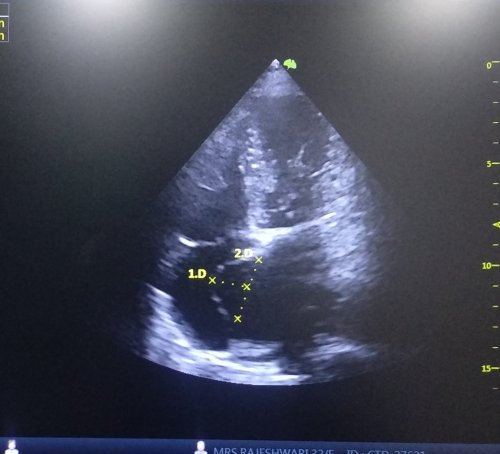
Echocardiogram revealed a structurally normal heart as we expected , but was surprised to spot suspicious shadow in para-sternal long axis view , beneath left atrium.

A well demarcated large mass compressing left atrium. Trans Thoracic Echocardiography may not be looking at the heart alone ,(Its technically Thoracic Ultrasound though we may refer it as Echocardiogram )
- Aortic aneurysm ?
- Mediastinal teratoma?
- Bronchial adenoma ?
- Esophageal mass ?
The Answer is none of the above
As I was wondering what it was, the staff nurse in charge threw a heavy folder with well worked up gastro Investigations.
That moment , diagnosis became obvious , without a need for further scrutiny to my medical acumen.

Note: The barium swallow of the Esophagus reveals the Intimate relationship between the food tube and the heart as it descends vertically downwards posteriorly . Realise , how the proximity of these two structures could confuse a physician when symptoms spill over on either way. (I would have expected a lateral view to show the compressive effect of Esophagus on the left atrium the radiologists felt its not important !)
Yes , it is Achalasia of the cardia , dilating the lower end of esophagus with fluid /mass effect , compressing the posterior surface of Left atrium.He underwent a myomectomy surgery.
Why bradycardia ?
There is well described esophago-vagal reflex reproducible by stressful swallow or balloon inflation in the lower end of esophagus at D7 level.(Ki Hoon Kang,Korean J Intern Med. 2005 Mar; 20(1): 68–71.)
Achalasia cardia is known to be associated with symptomatic bradycardia, dizziness, and rarely swallow syncope,though this patient didn’t have a classical syncope.The bradycardia is probably due to high vagotonia, (Hugging effect on posterior surface of heart known for rich innervation of vagus.) . Complete reversal of bradycardia after esophago -gastric surgery is expected.
Implication for cardiologists
There has been instances of patients with esophageal syncope and reflex bradycardia getting permanent pacemaker therapy. I think , clinical or sub clinical esophageal disorders should be included in the work bradycardia before labelling them as intrinsic sinus node dysfunction .(Ref 1,4)
Final message
The field of Cardiology is often referred to as a super specialty atleast in India . I disagree with it strongly. Cardiologists are neither super(eme) nor special .We need to be reminded its afterall a sub-specialty of Internal medicine and each specialist should undergo retro-training in medicine periodically .This patient is a typical example of a gastric problem entering the domain of cardiac Imaging.Strong foundations in symptom analysis and some degree of medical curiosity will enable an occasional cardiologist to make a correct diagnosis belonging to a remote foreign specialty.
Reference
1. Palmer ED. The abnormal upper gastrointestinal vagovagal reflexes that affect the heart. Am J Gastroenterol. 1976;66:513–522. [PubMed]
2.Armstrong PW, McMillan DG, Simon JB. Swallow syncope. Can Med Assoc J. 1985;132:1281–1284. [PMC free article] [PubMed]
Posted in Cardiology-Arrhythmias, Cardiology-Echocardiography, Echo library and gallery, echocardiography, Interesting case study | Tagged achalasia of cardia andleft atrial compression, cardiac mass, dysphagia and echocardiography, echocardiography, extra cardiac mass compressing left atrium, left atrial compression, reversible bradycardia, sinus bradycardia and achalasia cardia, sinus node dysfunction and achalasia cardia, tee, transthoracic esophago echocardiogram, transthoracic esophagoechogram | Leave a Comment »


ORBITA trial : First let us do some harm . . . second , we shall . . !?
November 6, 2017 by dr s venkatesan
Cardiologists at confused cross roads !
Perils of limited Intellect & Infinite greed
When not so appropriately trained cardiologists do Inappropriate things “use becomes misuse” . . . then, it won’t take much time for science to become total abuse. That’s what happened with the murky world of coronary stents .No surprise, it’s time to firefight the healers instead of the disease !
Now ,Comes the ORBITA study . Yes , it looks like a God sent path breaking trial that spits some harsh truths not only in cardiology, but also in behavioral ethics .Let us not work over time and hunt for any non-existing loop holes in ORBITA. Even if it has few, it can be condoned for sure as we have essentially lived out of flawed science for too long Injuring many Innocent hearts !
Yes , its enforced premature funeral times for a wonderful technology !
GIF Image courtesy http://www.tenor.com
Meanwhile, let us pray for a selective resurrection of stenting in chronic coronary syndromes and stop behaving like lesser professionals !
Postamble
Extremely sorry . . . to all those discerning academic folks , who are looking for a true scientific review of ORBITA , please look elsewhere !
Rate this:
Posted in Cardiology -Interventional -PCI, Cardiology -Technology, Cardiology -Therapeutic dilemma, cardiology -Therapeutics, Cardiology -unresolved questions, cardiology journal club, cardiology wisdom, Medical education, Medical ethics, Uncategorized | Tagged ABUSE OF STENTS, ACC AHA ESC ORBITA GUIDELIES, CHRONIC STABLE ANGINA GUIDELINES, drsvenkatesan, HOW ORBITA TRIAL WILL CHANGE MY PRACTICE, INAPPROPRIATE USE CRITERIA AUC STENTS, LANCET ORBITA STUDY, ORBITA COURAGE BARI2D FAME 2, ORBITA IMPERIAL COLLEGE, ORBITA study, ORBITA TRIAL LANCET, ORBITA trial review and comments, ORBITA VS COURAGE, reviewing ORBITA trial study critically, TCTMD 2017 ORBITA, WAHT WE LEARN FROM ORBITA STUDY | 2 Comments »