Feeds:
Posts
Comments

Archive for 2012

aortic dissection how safe is transesophageal echo tee

What is the mechanism of aortic injury by TEE probe ?

It is purely a mechanical  complication . The dissected/aneurysmal  segment   may  encroach the esophagus .The TEE probe if  faces any resistance  at lower esophagus , the procedure is to be abandoned .The false lumen  shares  a  intimate spacious  relationship with   esophagus and the probe can delicately hug the false lumen  ,  can  lift it accelerating the  tear. It is wise to  realise  coughing , retching or vomiting may amplify   the  frictional  force  between esophagus aorta  and the probe .

Reference

Risk of aortic rupture during tee in aortic dissection  tran esophageal echo

Final message

I would conclude the  risk  of aortic  rupture is negligible . If gently performed   TEE would remain a  simple ,  cost effective ,   vital bed side investigation inmost  cases of suspected aortic dissection.

Read Full Post »

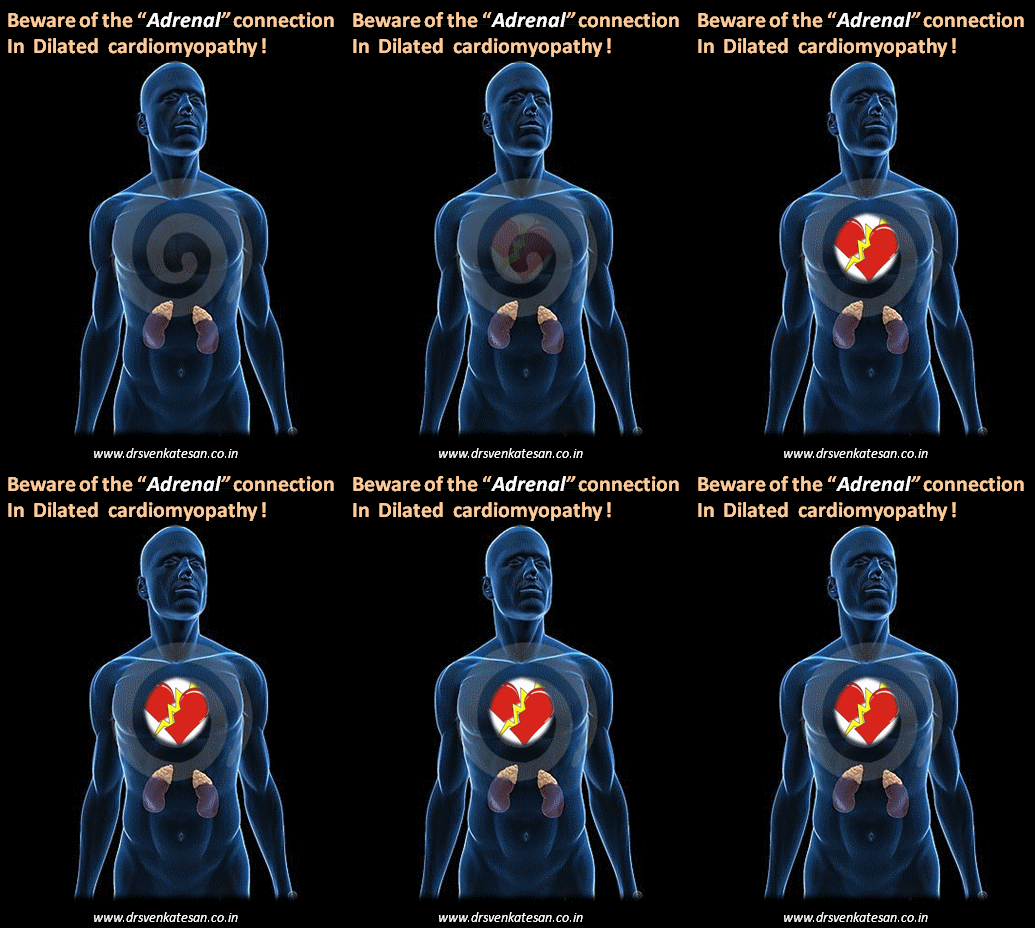
The popular clinical  entity Idiopathic dilated cardiomyopathy   is often a  dust-bin diagnosis” . The fact is the word   idiopathic simply reflects  our ignorance.

For God nothing is idiopathic . . . he knows how each and every cell  would   behave  .

so , when a patient presents with progressive dilatation and  heart failure refractory to all medical  therapy he is termed as idiopathic and posted for heart transplantation. And only later , we realize the whole thing is due  a  terrible form of reversible  DCM  . That is  pheochromocytoma  induced DCM , which recurred again in the   transplanted  heart.  What a  costly  Ignorance ?

pheochromocytoma and dilated cardiomyopathy reversible dcm tachycardic

Image courtesy and source http://www.dreamstime.com.

Is sub- clinical pheo like situations rampant ?

We know  that  high levels of both epi and nor- epinephrine circulate  in cardiac failure . We presume it  to be a secondary effect .

How can  we  so sure about it ?  There  is a distinct  possibility  of   adrenal gland hyperfunction  and hyperplasia in all DCMs (Idiopathic or ischemic ! )  The dramatic beneficial effects of beta blockers in cardiac failure  will vouch for it .

So , It remains a fertile filed for the youngsters to explore . . . the hyper  adrenergic mediated reversible component of any cardiomyopathy and cardiac failure .

Final message

The default  approach  in any  patient with progressive / refractory cardiac failure   should  be  ,  to consider  whether they fit into  any form of reversible myocardial disease  .  What is idiopathic in remote clinic of   your distant  country side  may be  well recognized secondary cardiomyopathy . The irony is , even sophisticated university hospitals many times miss the true etiology as in the above case report .

                                  So, the term Idiopathic  dilated  cardiomyopathy  (iDCM )  may  aptly be named as  Ignorant  forms  of  DCM  , with an  attractive  abbreviation    . . .   iDCM

Reference

1.J Surg Educ. 2009 Mar-Apr;66(2):96-101. doi: 10.1016/j.jsurg.2008.11.004. Pheochromocytoma presenting as acute severe congestive heart failure, dilated cardiomyopathy, and severe mitral valvular regurgitation: a case report and review of the literature.

2.Kelley SR, Goel TK, Smith JM.Prog Cardiovasc Nurs. 2005 Summer;20(3):117-9. Pheochromocytoma presenting as heart failure.

3.Pheochromocytoma   masquerading as a cardiomyopathy. Garcia R, Jennings JM.  Am J Cardiol. 1972 Apr;29(4):568-71.

4.  http://www.ncbi.nlm.nih.gov/pmc/articles/PMC1894695/pdf/20070600s00025p244.pdf

pheochromocytoma and dcm dilated cardiomyopathy .catecholamine induced dcm tachycardiac cardiomyopathy

5. http://downloads.hindawi.com/crim/medicine/2011/596354.pdf

pheochromocytoma and dcm dilated cardiomyopathy .catecholamine induced dcm tachycardiac adrenal cardiomyopathy


Read Full Post »

When I posed the above question  to few  cardiologists including electro physiologists , the answer I got was surprising .  In the process ,  I could understand why cardiology is such fascinating subject !   Each one gave a different answer and all the 5 responses were forth coming .

The following post in my blog which  I wrote years ago tries to decode the reason for such wide variation in our understanding of AVRT of WPW.

By the way ,  is there a  real risk   for an  ortho-dromic AVRT into anti-dromic AVRT by a definite block in AV node  ?

Read Full Post »

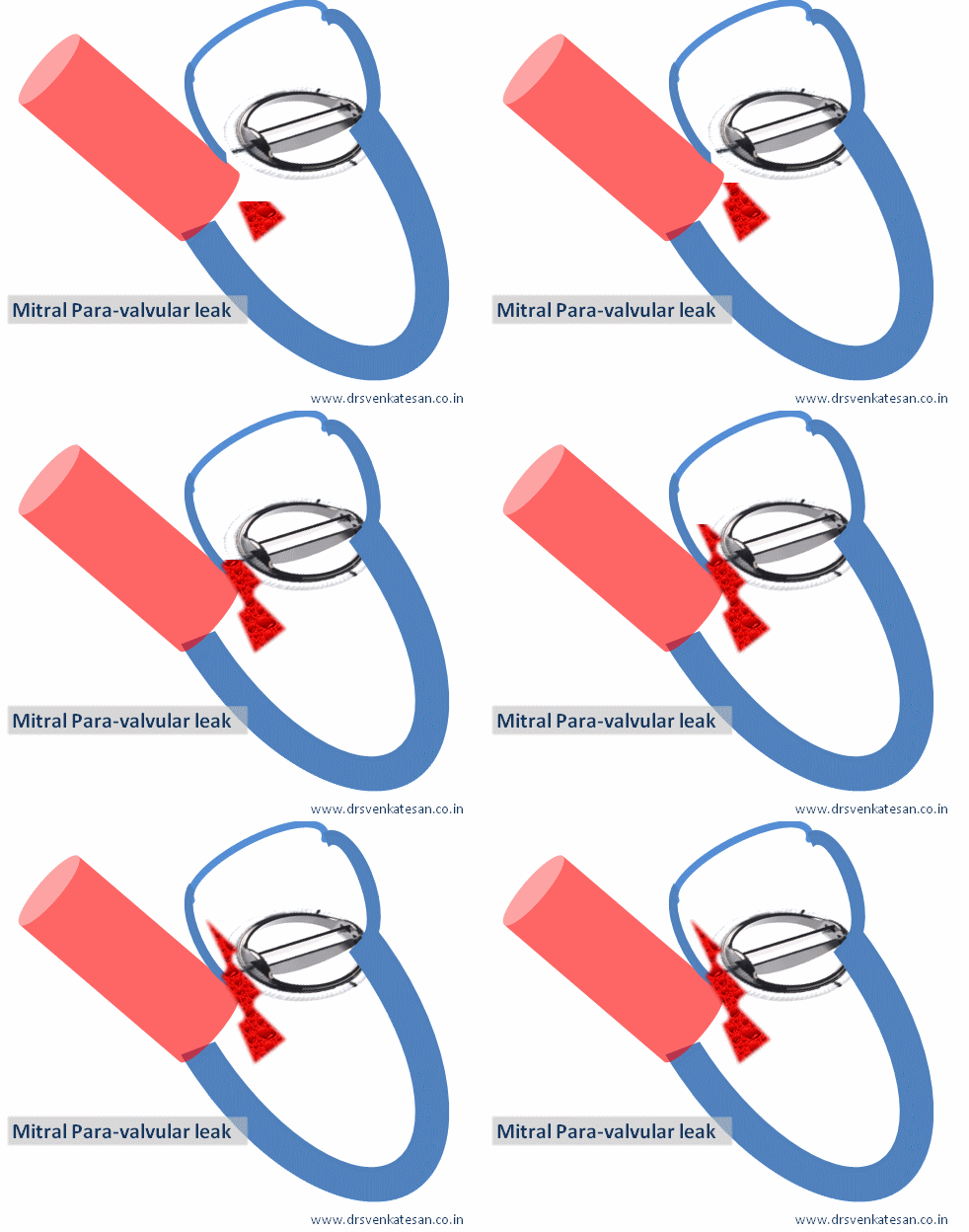
Mitral para-valvular leak

para valvular leak 002

How to manage para valvular leak ? 

Does  the terms  peri  & para valvular leak mean the same ?

Coming soon  . . .

Mean while , read this article from ESC journal  for an excellent discussion on the topic .

1. http://www.escardio.org/Para valvular leak

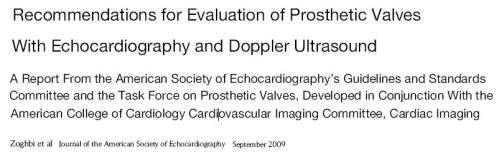
2. The ultimate  reference on the topic of prosthetic valve assessment by Echocardiography  http://www.asecho.org/files/public/pvtext.pdf

prosthetic valve echocardiography guidleines acc asecho esc

Read Full Post »

Here is some of the   highlights of my  presentation  in EUROECHO on  December 5th 2012 

At  the Mageron International Convention center  .Athens Slide1Slide2Slide4Slide5Slide7Slide3Slide6Slide8Slide9Slide10Slide11Slide12Slide13Slide14

Read Full Post »

CABG surgery is the commonest cardiac surgery done world wide .Right from the days of CASS study the  CABG was considered a major traumatic surgery to relive a small block in a coronary artery  (Not exactly relief  . . .it  just by-passes )

However , for more than two decades  till early 1990s CABG ruled supreme.Ever since coronary stenting grew in an  exponential fashion  the outcome of CABG  needed scrutiny .Surgeons had a compulsion  to explain  the world , CABG indeed has a  acceptable risk benefit ratio in the management of CAD .

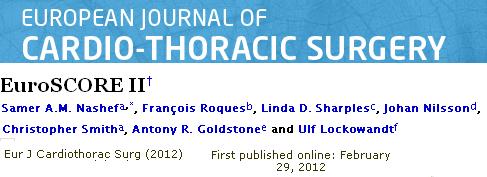
Thus came the EUROSCORE  . First developed in 1995 .The initial score used a simple additive risk next it was modified

with logistic regression .

Limitations

Can you withhold  a surgery on the basis of high EUROSCORE  ?

Is it scientifically validated ?

EUROSCORE gives us  30day mortality

What is the acceptable EUROSCORE for CABG?

http://ejcts.oxfordjournals.org/content/early/2012/02/28/ejcts.ezs043.abstract

Click to access 1749-8090-4-32.pdf

What is the major limitation for EURO-SCORING system ?

It is ironical the most important determinant of any surgery is  the surgeon’s competence and institutional expertise in handling emergencies  and financial affordability  .They are  not included in the scoring .  This makes the EUROSCORE in most of the developing countries including India a futility .

Read Full Post »

This paper is to  be presented in the the Forth coming   Annual CSI meet New Delhi  December 2012

Beware of Primary PCI : Is there a Low risk STEMI where  pPCI is potentially contraindicated ?

Venkatesan Sangareddi  . Department of cardiology  . Madras Medical college

Primary PCI has proven to be the best  option for management of STEMI . But it need to be done early,  by an experienced team , in a good facility . It is not the individual expertise that matters !  Any treatment , which has great therapeutic potential  also  carries a hazard . So , these treatments  must be used with caution.  Not every STEMI patient , carry a high risk for death.  In fact , the mortality  in some of the subsets of STEMI  can be as low as 1%. If , a  STEMI patient , with a likely 1% mortality is going to get a procedure with  3 – 4 % ,risk it should (And Must !) raise a validity question  But,this issue is rarely addressed in the interventional summits.

In a case pool of 56  randomly collected primary PCIs from various institutes , the outcome  of pPCI  was analysed .It is a retrospective , observational study .STEMI was graded as high risk when one of the following features  were present and it was “low risk” when none of the feature  was  present ( Second STEMI , Extensive  anterior MI , Class 3 /4 killip, An episode of VT/VF, Complete heart block, Diabetic individuals )  High risk STEMI  constituted 22 patients .The overall in hospital  mortality  was (5/56) 9 % In high risk STEMI it was (2/22 )9.5 % in low risk  STEMI it was 3/34 6.4 % .In the corresponding period 40 patients with STEMI who were treated by only thrombolysis or heparin (If beyond time window ) was used a control . 15 patients  were in high risk In the this group the  mortality in high  risk STEMI  was (3/15 )19% and low risk STEMI  there was nil mortality (0/25) 0% .

There was an unacceptable moratlity  with  pPCI  in the low risk STEMI which fared worse than even simple administration of heparin.These data reveal a dangerous fact , that is , primary PCI does not differentiate in the procedural  risk with reference to the patient profile it deals with .While , it dramatically reduce the risk in high risk STEMI It confers a astonishing risk to low risk STEMI .The exact cause for this risk is not known . Common sense would tell , pPCI is  expertise driven driven while thrombolysis is not .Our analysis also suggest bulk of early hazard of pPCI is also logistics related.

Primary PCI could be  cautiously and consciously avoided  in  patients with  low risk STEMI even if it is technically and academically indicated. This can have a great impact in the overall outcome of STEMI management.It is suggested every STEMI patient need to be risk stratified on arrival.(It is still a mystery , why we do this for NSTEMI and not in STEMI ) . A change in the current PCI guidelines to this effect is to be considered.

Read Full Post »

A one stop  solution  for every  thing you need about  right ventricle !

http://circ.ahajournals.org/content/117/11/1436.full.pdf+html

Read Full Post »

Here is a patient with class 3  dyspnea  who was referred  for echocardiography

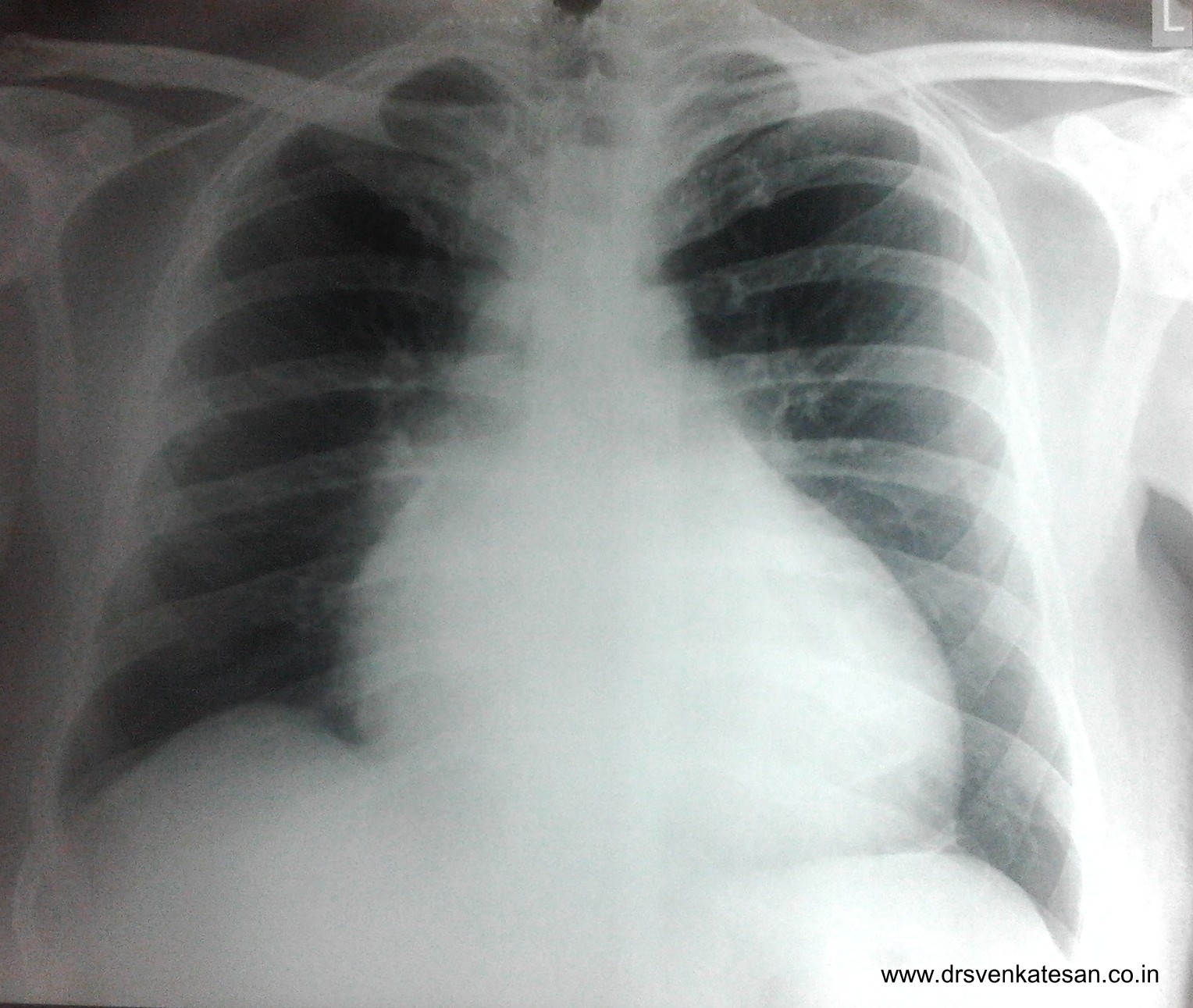
X ray chest showing cardiomegaly

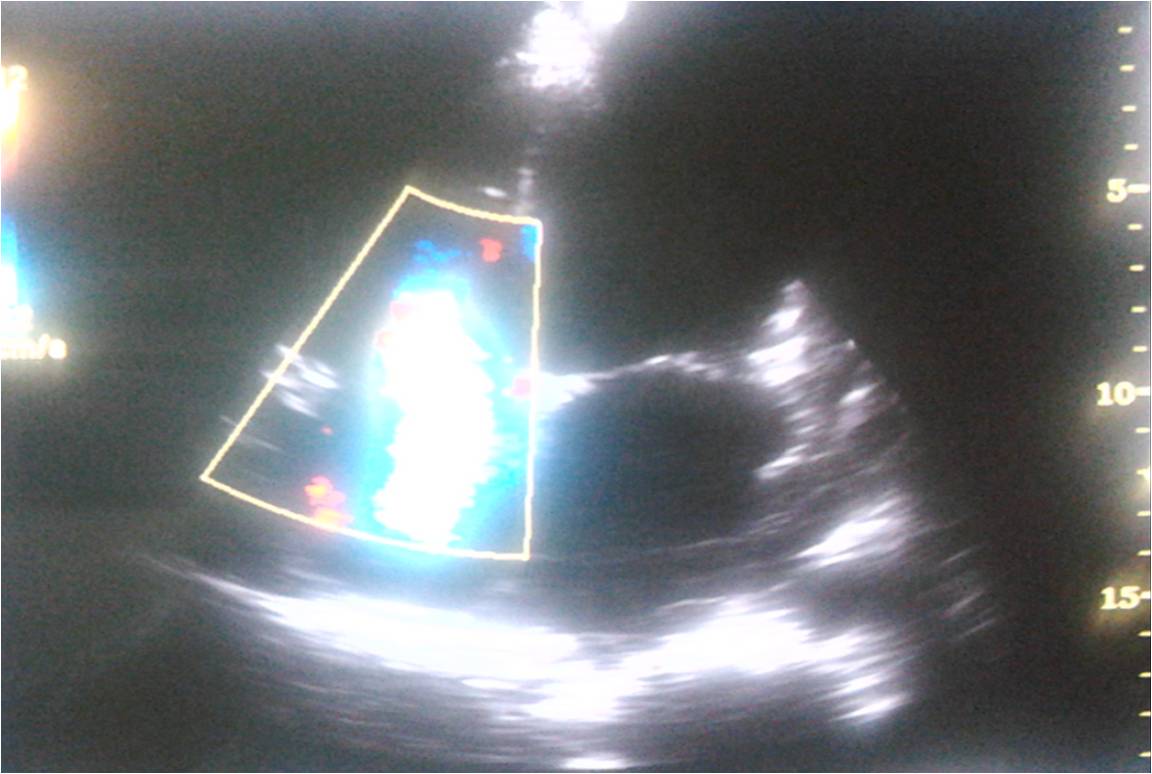
         Moderate TR due to dilatation of tricuspid annulus.This patient had dilatation of all 4 chambers of the heart.LV EF was 24 %

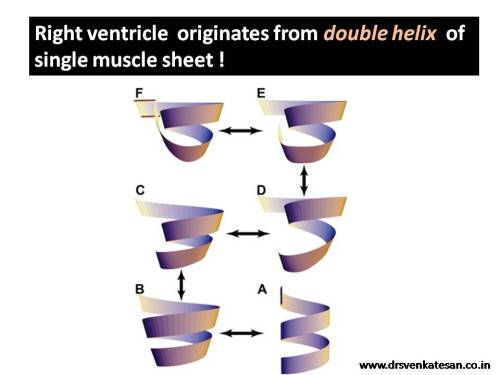
Right ventricular dysfunction is major determinant of  clinical outcome in patients with dilated cardiomyopathy. The  myocardium of the  entire heart is now known to be a single sheet of muscle rolled into different chambers . So any primary disease of myocardium will involve the entire musculature . This is the reason  , all the  4 chambers of heart goes for dilatation in  primary cardiomyopathy . Of course there can be minor variations  due to differential hemodynamic impact.

But it is certain ,  RV  function will definitely be compromised  In  most patients  with  Idiopathic DCM (Less common in Ischemic DCM ) Rapid assessment of RV function is difficult  . Of course We have some clues .

2 d Features

  • Simple dilatation  of RV is suffice to say it is struggling with the  loading conditions
  • Septal bowing
  • Tricuspid annular dilatation
  • RV ejection fraction (Continues to be complex for routine usage )

TR jet

  • Dp/Dt
  • Morphology may be useful (Mainly for TR severity )

Tissue doppler

  • TAPSE
  • RV strain rate Imaging etc.

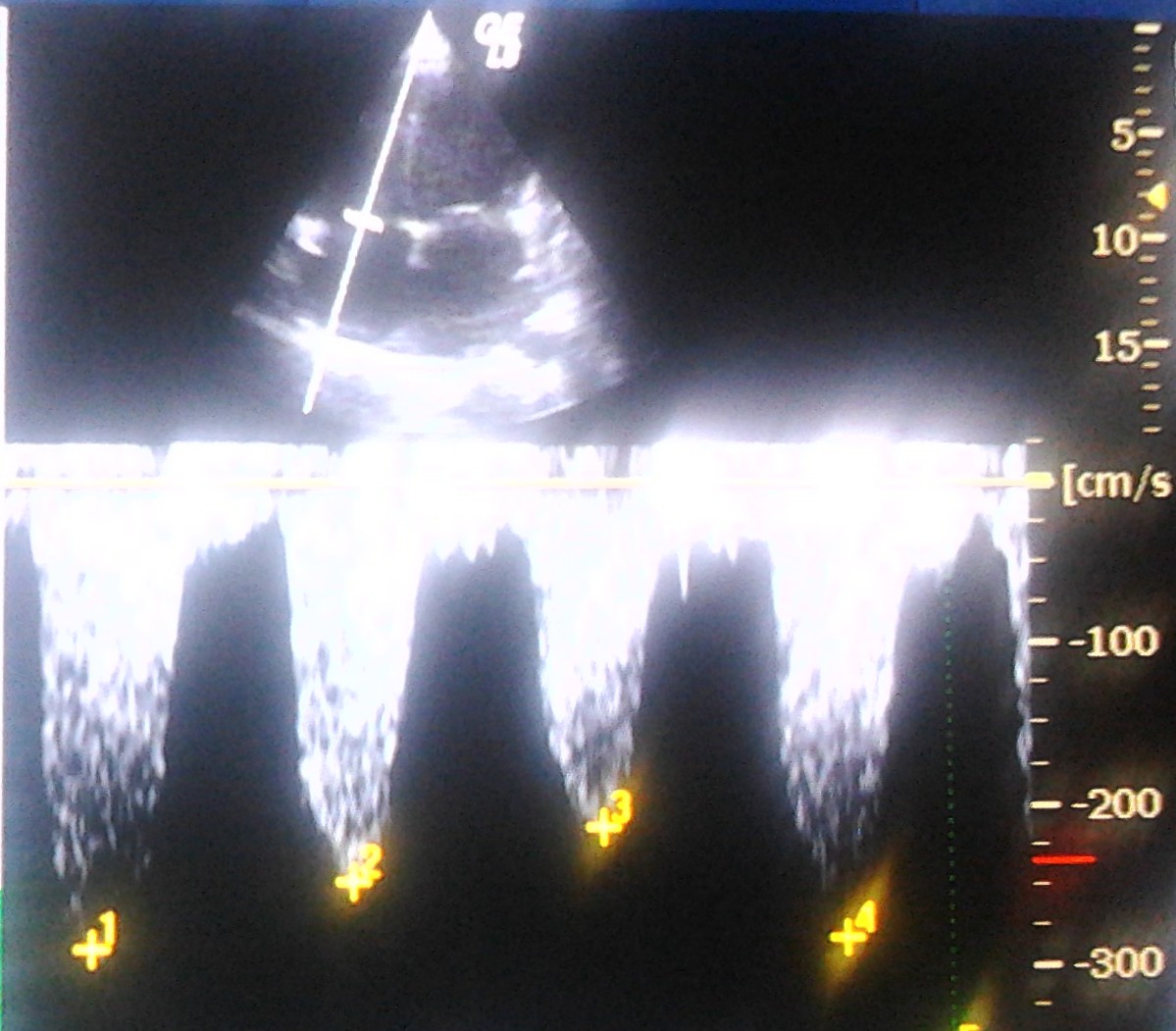
And  now  , we have observed a new echocardiographic  sign   ie  TR jet alternans  in patient with  DCM .

Note the changing TR velocity implying severe RV contractile dysfunction.

Read Full Post »
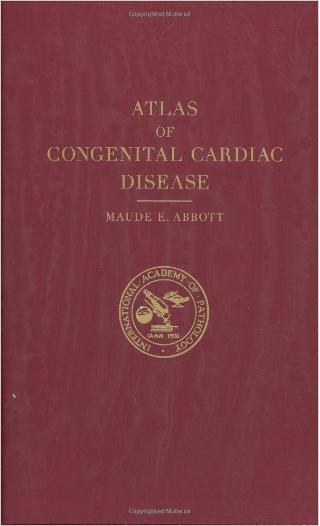
Maude -E -Abbot 

The  first book on congenital  heart disease

Read Full Post »
« Newer Posts - Older Posts »