Feeds:
Posts
Comments

Normal sequence of  S2 split is A2 followed by P2. This split is heard only in  inspiration . The split is due to pulmonary low vascular impedance and is represented by the hang  out interval (40-80ms) . Inspiration transmits the low intra-pleural  pressure into pulmonary vasculature  and split widens. In expiration the reverse happens and split narrows.Normal human ear does not recognize the normal expiratory split.

If the split S2  is well  heard in expiration especially in sitting posture it is abnormal .

What is paradoxical split of S 2?

If split occurs and is well heard only in expiration and  becomes single in inspiration , It is classical of paradoxical split.

What is the paradox ?

In physiological conditions  S2  splitting occur during inspiration and become  narrow or single during expiration.

In paradoxical split ,  the physiological  behavior with reference to respiratory phases is lost and it can even become single in  inspiration .(It is also reversed  because A2 follows P2 )

s2 splitting second heart sound split a2 p2 paradoxical split reversed split

Conditions causing paradoxical split of S2 .

  • LBBB
  • RV apical pacing .
  • Aortic stenosis
  • Chronic sever AR

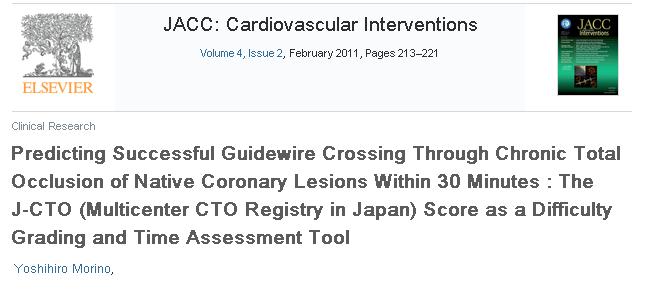
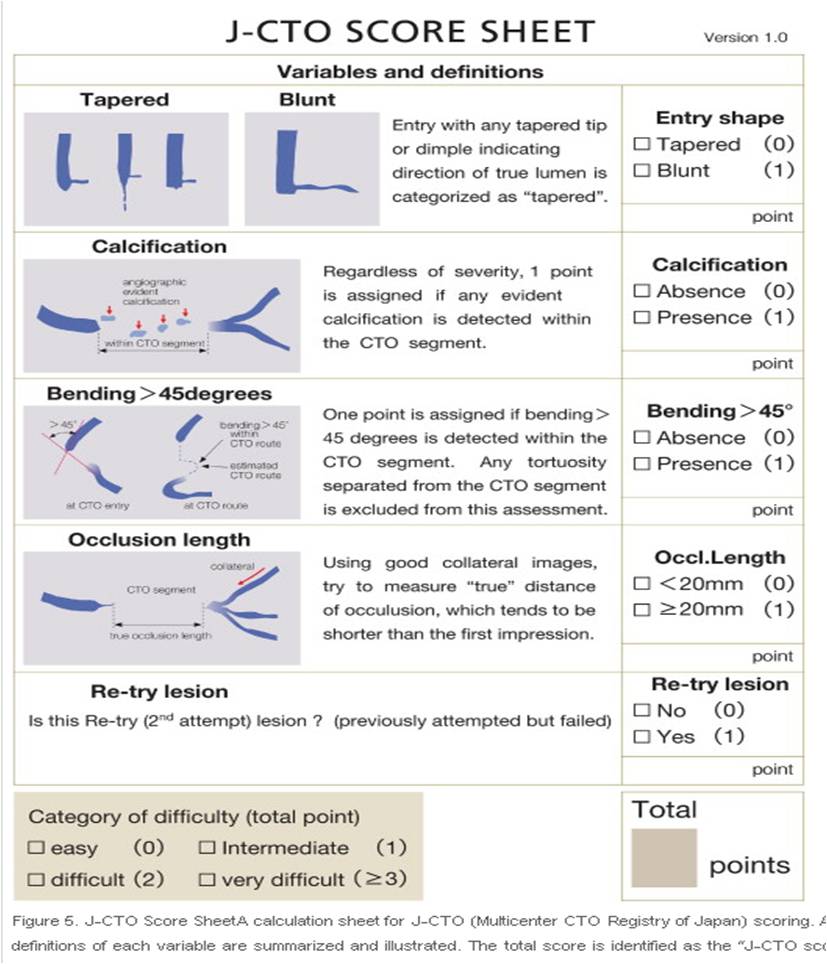
Japanese are the pioneers in CTO reopening .(I understand they do less   CABG surgeries  for  religious reasons ) CTO is the ultimate test for cardiologist patience .  it may  take  hours to open up a CTO (or even to abandon it .)  Here is a  success prediction tool from Japan .

cto score success in chronic total occlusion

j cto score  sheet

Source courtesy  : JACC: Cardiovascular Interventions Volume 4, Issue 2, February 2011

Reference

http://www.sciencedirect.com/science/article/pii/S193687981000912X

When I asked this seemingly simple  question to my cardiology fellows , I found they struggled  to come out with a proper  answer .I hope this will  make the  issue simpler .

Why the onset of PAH in VSD is early and late in ASD ?

Though number of factors are involved in the genesis of PAH , the single important reason  is  behavior of pulmonary circulation  especially the pulmonary arteriolar muscle .

Normal pulmonary vasculature losses it’s muscle rapidly after  birth and the pulmonary vascular resistance (PVR) falls to the adult level by 6 months .(Bulk of the fall occur in first 60 days) This is the same time the RV dominance is lost and RVH regresses . This also coincides with peaking of  left to right  shunting peaks and may result in cardiac failure .

Though  both ASD and VSD shunts are  highly dependent on PVR ,   VSD  shunting has more muscle power namely the LV contractility  , hence  VSD shunt is established  much earlier   than ASD . This can be ascertained in bedside as  VSD murmurs are heard even within 30 days while ASD is silent for many moths or even years . (Does not apply for Primum defects)

ASD  shunt rarely  meddles   lung  maturation process .(Maturation here means loss of  pulmonary arterioloar smooth  muscle -also  called as Involution  )  This vital  initial period lasts up to 6 months of life .VSD  interferes with this  involution of pulmonary arteriolar smooth muscle .( Please note near complete  involution still can occur in small VSDs with very little shunting )

In large VSD the PVR  will never ,  ever fall to normal levels  and   making it easier for  progressive vascular changes  that occur in  untreated large VSDs that  lead to Eisenmenger syndrome

*Please note  ASD can also reach that stage but it takes many years as the pulmonary vascular resistance has to raise from  very low levels which was made possible by complete involution of pulmonary vasculature .

It is obvious   AP window , PDA  express more  powerful left to right shunts which are associated with very high PVRs .

Final message

A simplified version of answer

Version 1

In VSD  the onset  of left to right  shunt occurs early even within 3 months of life  since VSD shunt is augmented by LV contraction . This is the crucial time of lung  vascular maturation   which gets interfered with  .ASD shunt is  established only after the pulmonary vasculature  involutes .This explains early onset of PAH in VSD  and late in ASD .

Version 2

ASD shunting is primarily depend on RV compliance which is high in early infancy so it takes time to establish the shunt .while VSD shunting does not  depend upon this RV regression.

* Please note  regression of  RV  dominance and compliance is directly dependent on maturation of lung.

** Note these  explanations are not absolute .Some of the complex forms of ASD and intrinsic vascular injury of pulmonary circulation (Various  fetal distress )  can progress into accelerated pulmonary arterial hypertension

Reference

  1. Excellent discusions are available in old edition of Moss and Adams
  2. Rabinovitch has done pioneering work on this topic .
  3. Robert Roberts text book of Adult congenital heart disease also explains it succinctly

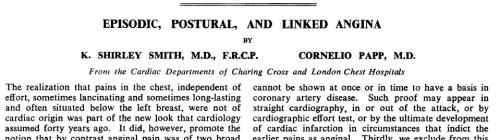
Dr Shirely Smith  from charring cross hospital London  wrote this masterpiece  in BMJ in the year 1962 . He was doing a research about the origin of angina like pain in patients who had  upper GI disease or disorders of cervical spine .He found a hidden invisible neural link between heart and it’s neighboring viscera. What he  referred it as linked angina . It links the  pain from ,Esophagus,  gall bladder ,  duodenum ,  cervical spine to the  heart .

This article I  consider as one of the  all time classics in  clinical cardiology . Here is the link for linked angina (Courtesy of BMJ)

linked angina atypical angina abdominal angina  shirley smith cornelio papp 2 bmj

linked angina atypical angina abdominal angina  shirley smith cornelio papp bmj

High lights ( Inferred )  from the  article

We know angina typically occurs on exertion .If it occurs at rest we call it as unstable angina .

Can it occur at rest other than unstable angina ?

Yes it can . ( Post prandial ,Nocturnal, emotional etc)

Can the  heart be the referral site for visceral pain ?

Yes .It seems so .

Can visceral pain be trigger for  developing true angina ?

Again possible . A Patient with documented CAD  develop  a true esophageal pain it is likely  to  induce a sensation of  angina  rather than abdominal pain .Similarly , cervical pain may represent a masked angina in a patient  with active cervical spondylitis .(Homing in of angina to the nearest non cardiac culprit )


Final message

Those were the times when the brain worked more than hands . Common sense prevailed over machine sense .This article argues for a  big debate about the origin of so called atypical angina in a patient with multiple common visceral conditions.Even 50 years later we have little clue  about alimentary -cardiac neural spill over !

Reference

http://www.bmj.com/highwire/filestream/276395/field_highwire_article_pdf/0/1425

Postamble

Today we live in a complex and confusing and commercial  medical world .We have atleast  a dozen chest  pain triaging protocols in ER . Still errors are  rampant. Errors are acceptable . . . but this one was an absolute  shocker  . . .  “I know a  patient with vague chest/epigastric  pain  , non specific T inversion ,  documented gall stones , landed in cath lab not by accident but  by meticulous planning !”


Current prescribing information cautions clearly Prasugrel should not  be used in TIA  or recent  stroke (Even in  ischemic strokes -Embolic included !)

The warning  is perplexing and illogical to me.

What is your take ?

I would imagine the following  could be  the reasons.

Prasugrel  as an  antiplatlet agent is  many fold  powerful and could convert all  strokes into hemorrhagic one .

Does Prasugrel convert a TIA into stroke instead of curing it ?

Prasugrel may worsen the stroke  in case the TIA is going to end up as stroke.

Is there any thing called hemorrhagic TIA ?

Since we do not have any mechanism to diagnose Ischemic TIA from hemorrhagic TIA ,  it is better to avoid Prasugrel . It is still a mystery ,  why  clopidogrel which acts on the same receptor and can be safely given for TIA ( pro actively)

After thought

I think Neuro physicians must answer this question . ( Cardiologists  better limit their extended geographical terrain ! )

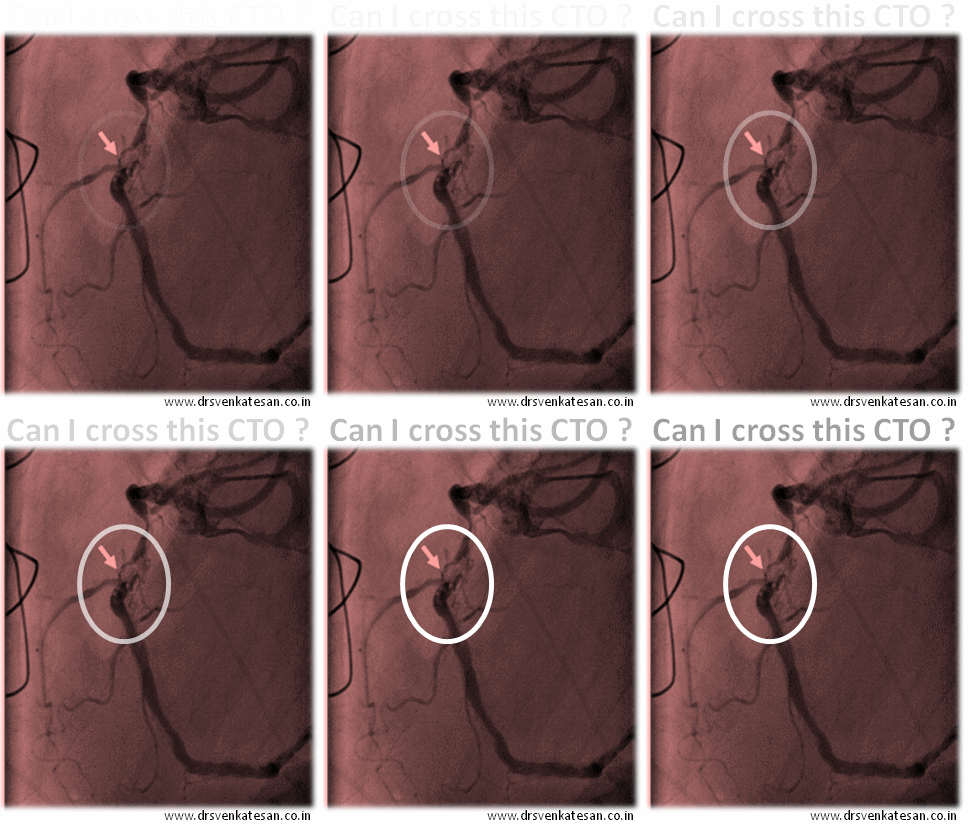
chronic total occlusion cto tips and tricks

Answer :

While each one of the above factor appears very much important  morphology of the lesion is the  clear winner  ( Which includes , the content of the lesion , hardness , micro channels , thickness of the proximal and distal caps, the length and   tortuosity   of the CTO     ( which is invisible ) the collateral status will ultimately determine the success)

It is becoming increasingly clear  cardiologist expertise is getting less and  less important .

Finally ,  it must  be told to our  younger generation of cardiologists , crossing a  CTO and deploying a stent  is not synonymous with success .It should result in long term sustained distal flow and make a significant impact on the patients symptoms (If at all any !) and survival.

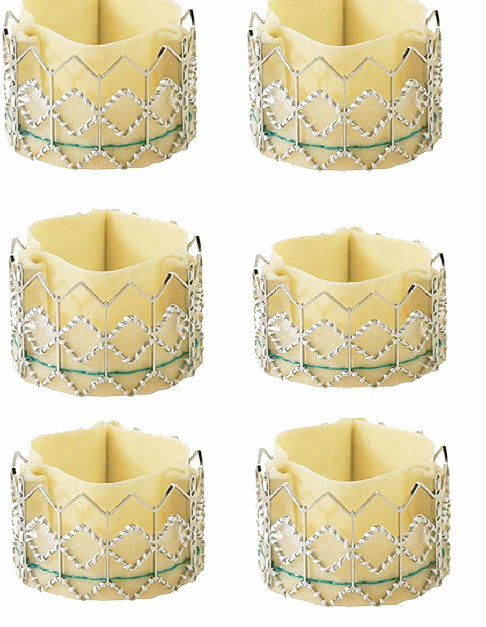
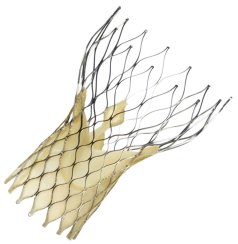
Welcome to the  future of  valvular heart disease . This is just the beginning.Expect more dramatic break through  . (Already mitral valve prototype is in advanced stages of development .)

Currently we have two approved percutaneous aortic valves for use in isolated Aortic stenosis. The Edwards valve is popular in  USA  ( 2011 ) and Medtronic  is used extensively in  Europe (From 2007)

Though both valves appear suitable .There are major differences in the concept , design , and technique of implantation .

tavi edward sapiens vs medtronic core valve

Reference

Major  issues to be addressed. Late onset Para valvular leak :
Please remember, these valves are not sutured around the aortic annulus ,  which our surgeons do it meticulously . The force that keep the valve  within the  aortic root is nothing but the disease process itself . The stiffened, elastic aortic root .(Does it appear  foolish to expect the diseased  aorta to hold the valve in situ ? but that is the reality  ! )
If the aortic root  dilates  for  some reason  which is very likely in  atherosclerotic  process    the very foundation of valve is shaken and para valvular leak is certain.

Dear Cardiologist, why don’t you spare that extra minute in cath lab?

clock

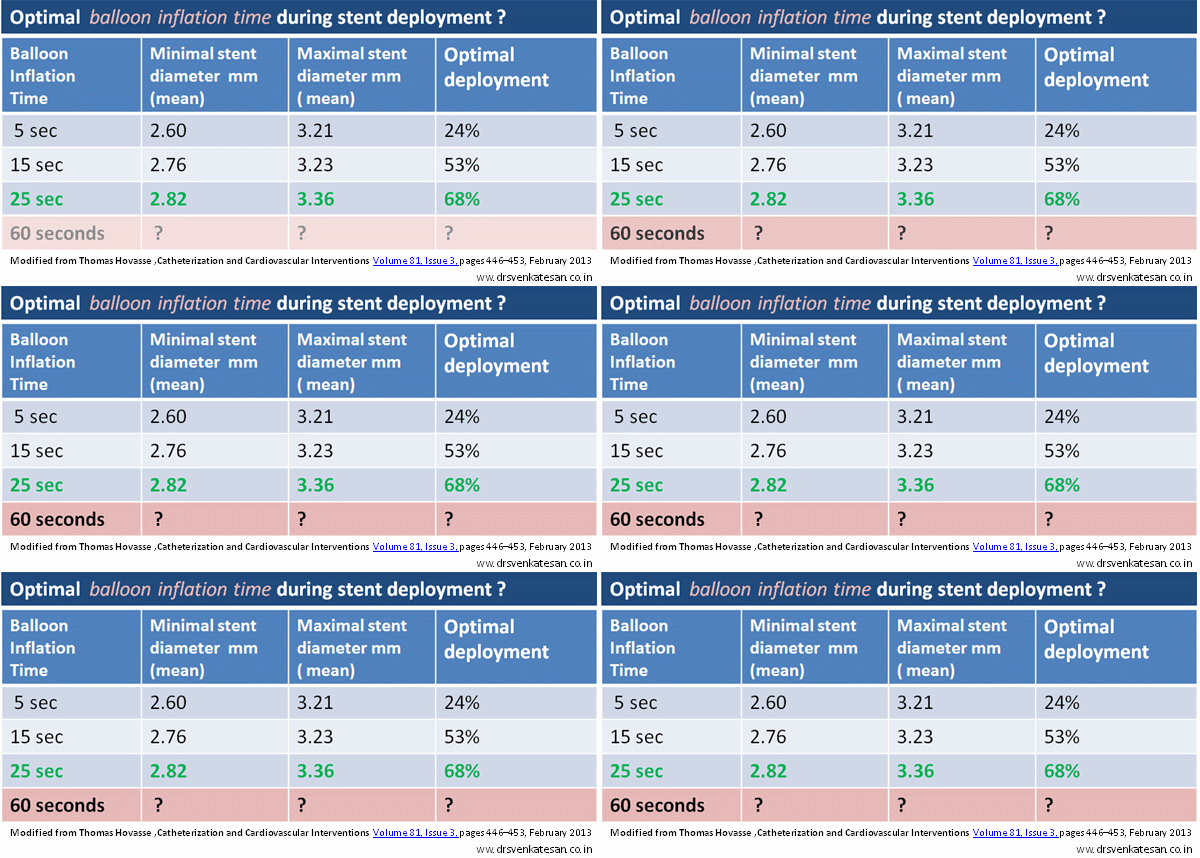
Suddenly  . . .  a primitive ,  common sense based question is asked!  How many seconds are required to optimally dilate and deploy the coronary stent ?

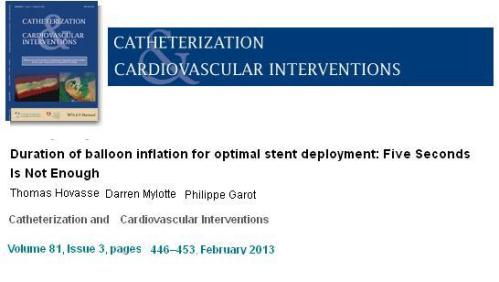
This simple and elegant study from the prestigious CCI journal tries to answer.

cci journal ptca pci balooln inflation time

Highlights

  • 105 patients, 150 lesions , Three different stents were used
  • Cypher Select (55%)  , Xience V (30.%), Taxus Liberté (15.%)
  • Three  balloon inflation timing
  • 5, 15, 25 seconds
  • Complex lesion (B2) formed 26 %

balloon inflation time pci ptca


This paper concludes, duration of stent balloon inflation has a significant impact on stent expansion. Stent deployment for >25 sec is recommended.

It again keeps the vital answer to our guess! Can we inflate it for 60 seconds  ?

Final message

This seemingly simple paper conveys a strong message.

Time is every thing , . . . we have to be fast . . . where we need to  (Time is muscle)  and we have to be slow where we  need to*  

Reference

http://onlinelibrary.wiley.com/doi/10.1002/ccd.23343/abstract

Further questions ?

  1. Can post dilatation be as  efficacious   as that of  stent- balloon  dilatation ?
  2. In difficult lesions  , the sum of  “Pre  / Per / Post”  balloon dilatation  gives  us net inflation  time(NIT)  Does it  add any sense to our understanding of optimal stent deployment  ?

Answer

Each of the above can be important in diseased heart .The most important component seems to be Inter- ventricular  synchrony .This is closely followed by AV synchrony .In dysfunctional  ventricles Intra-ventricular  synchrony  also becomes important .In  structurally  normal hearts  none seems to be important  (This statement can be debated  )

VVI pacemakers causes  both AV  and Inter-ventricular (VV ) dys-synchrony

DDD pacemaker  may still  induce  Inter-ventricular ( VV ) dys-synchrony  whenever  RV is paced for any reason .This may happen up to 60 % of pace making time in real world.

Some more facts

*Chronic VVI pacing may  induce adverse  remodeling of both atria and may worsen LV dilatation. In contrast isolated chronic organic LBBB is well tolerated and with paradoxical septal motion rarely worsen the LV function.

**Please note the paradoxical septal motion , which is  noted in  all LBBBs is  same as inter-ventricular  dyssynchrony .

***Inter atrial synchrony is a less discussed issue .It becomes  important in diseased atria which manifest gross   intra atrial conduction blocks  , atrial inhomogeneity and AF .Onset and offset  of AF has a major impact in the way DDD pacing is going to fire .

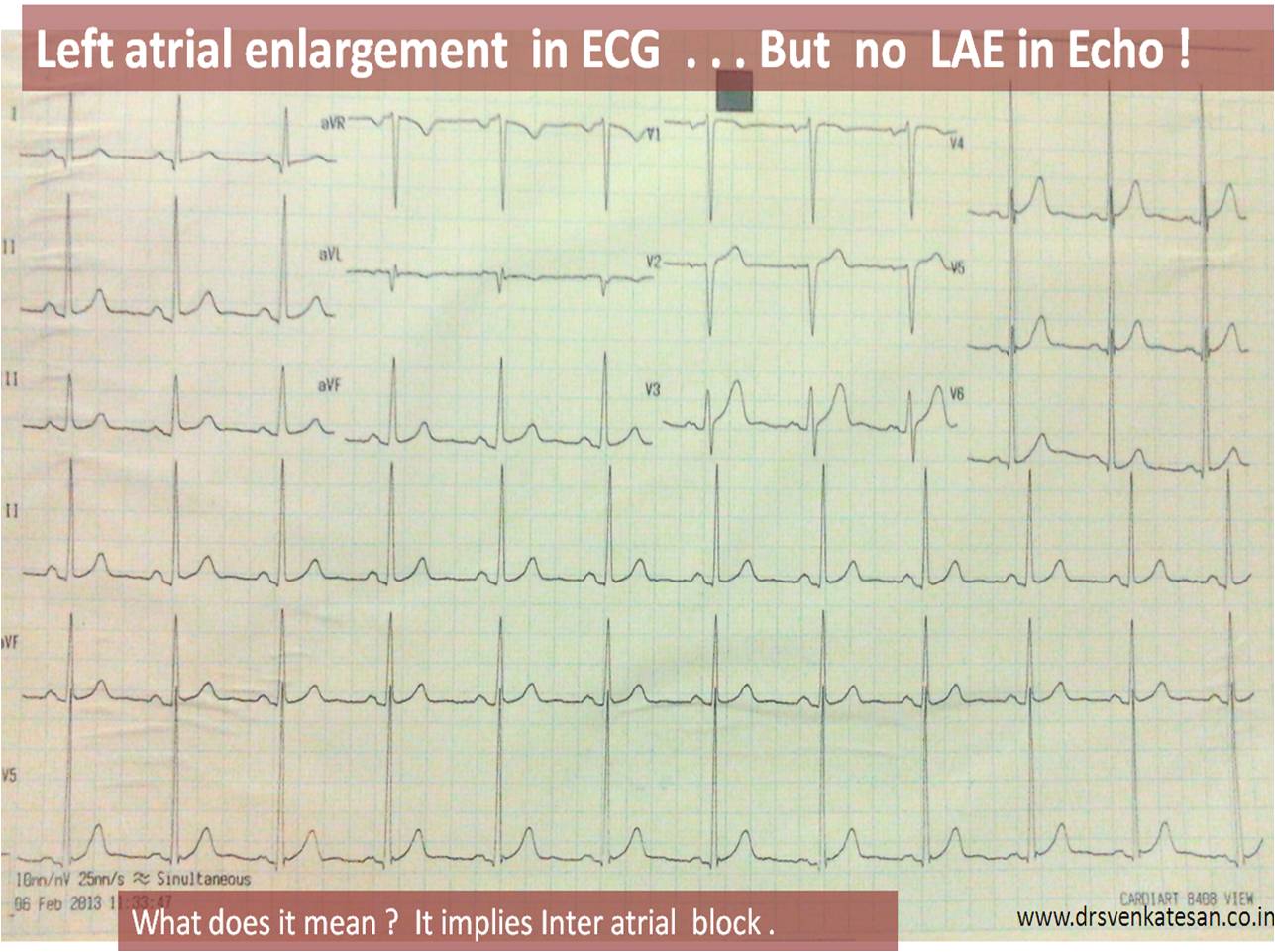
This is an ECG of a 42 year old man .He was reported as  Left atrial  enlargement (LAE) and was referred for  echocardiography . His echo was normal . LA measured 2.5 X 3.1 cm .The consultant  called back the echo lab ,  to verify   the left atrial dimension .He thought he was very sure of LAE .It took  considerable time to convince him about the credibility  of the echocardiographer . He was  right after all  . . . still . . .  ECG was  also looked  convincing  for LAE !

left atrial  enlargement by ecg limitations sensitivity

left atrial  enlargement by ecg limitations sensitivity  echo la dimension

                         Is this phenomenon  of wide P wave with normal atrial dimension  common ?

Yes it is . It  underscores  poor sensitivity of ECG in the  diagnosis  of LAE .The P wave abnormality in the above patient is due to Inter atrial block (IAB ) . This widens the p wave .

What  are the types of Inter atrial block ?

inter atrial block europace 1999 de luna


P wave widening is not synonymous with LAE .(Here P waves  widened   due to sluggish inter nodal pathway and inter atrial pathway .It is something like QRS widening in  bundle branch blocks  )

Final message

IAB is an important differential diagnosis for LAE . The significance of which is not entirely clear . It  is possible  IAB   precede LA enlargement  .It can even trigger AF due to  inhomogeneity.

Even though IAB was reported in 1950s  (Puech P* ) ,  it was  rarely  considered important With  increasing incidence of atrial arrhythmia in aging population , IAB is expected to  come into the lime- light again . The sophisticated electro anatomical mapping  can unravel the mysteries surrounding this entity .

Reference

INTER ATRIAL BLOCK

*Puech P. L’activite´ electrique auriculaire normale et pathologuique. Paris: Masson, 1956; 206.

http://www.jecgonline.com/article/S0022-0736%2812%2900227-0/abstract

http://europace.oxfordjournals.org/content/1/1/43.full.pdf

Bachman bundle branch block