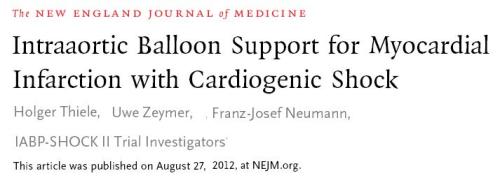
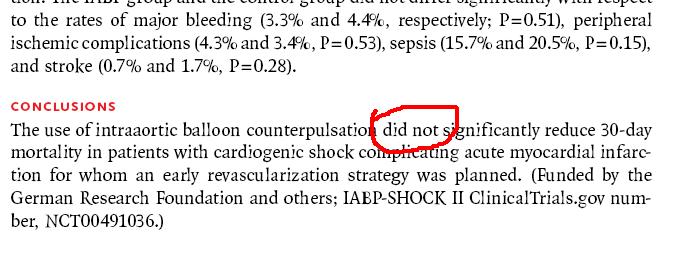
Essential qualification for becoming a great medical researcher is the “Fine art of mis-interpretating data “ Venkatesan sangareddi MD .Chennai .India
Posted in Uncategorized | Tagged hippocrates, medical quotes, medical research, randomised trails, rct, venkat quotes | Leave a Comment »
Thrombolysis in acute stroke
- rtPA is indeed useful in acute Ischemic stroke
- Elderly need not be excluded (Even > 80y)
- Time window : It definitely works up to 4.5 hours and vary likely to be effective up t0 6 hours.
We are gradually widening the time window , which was 3 hours a decade ago .It may soon catch up with STEMI window of 12 hours ! ( Mitochondrially myocytes are not vastly different from cerebro-cytes ! )
So , the current role of of thrombolyis for stroke is best answered by the editorial accomplishing this article !
“The role of stroke and emergency physicians is now not to identify patients who will be given rt-PA, but to identify the few who will not.”
Reference : A Lancet Break through
http://www.thelancet.com/journals/lancet/article/PIIS0140-6736%2812%2960738-7/fulltext
http://www.thelancet.com/journals/lancet/article/PIIS0140-6736%2812%2960768-5/fulltext
Coming soon
- By the way , rTPA is prohibitively costly for common world citizens . Please tell us about streptokinase in stroke ? Does the poor cousin match the rich ?
- Do we have primary cerebral angioplasty ?
Please read the comment form Dr Anthony Andrew Bell it is a must read !
Posted in cerebral circulation stroke, Infrequently asked questions in cardiology (iFAQs) | Tagged international stroke trial, ist 3, rtpa for stroke time window for stroke, streptokinase for stroke, third international stroke trial, time window for stroke 3 4.5 6 hours | 2 Comments »
Posted in bio ethics, cardiology journals, Cardiology quotes, cardiology-ethics | Tagged ebn, emprical medicine, ethics in medicine, evidence based medicine, favorite medical quotes, hippocrates, randomised control trial | Leave a Comment »
A patient who presents with predominantly right heart failure is an interesting clinical challenge . Constrictive pericarditis (CP) remains a popular diagnosis in this setting. However in the bed side clinical examination (and in cardiology Board exams ) the following differential diagnoses are to be considered .( And ruled out one by one)
- Restrictive cardiomyopathy* especially Right sided .In India endo myocardial fibrosis tops the list
- Primary Tricuspid valve disease( Tricuspid stenosis / Carcinoid etc)
- Chronic cor-pulmonale in terminal RV failure
- Silent Mitral stenosis with right heart failure
- Ebstein anomaly
- Severe forms of valvular pulmonary stenosis with RV dysfunction
- SVC obstruction
- Cirrhosis of liver
- Porto pulmonary hypertension
( The list is not complete , readers may contribute )
Bed side clues
- Remember a deep “y” descent is the bed side counter part of Square root sign recorded by invasive RV pressure study
- Similarly , pericardial knock is the auditory equivalent (You hear the square root ! . . .yes )as the ventricle thuds the rigid thickened pericardial shell in very early diastole !)
- Pulsus paradoxus and kussmal sign can occur in both CP and RCM.
- If a good LV apex , is palpated it goes against CP .
- Please be reminded , even restrictive cardiomyopathy will ultimately dilate their chamber pre-terminal and clinical features may be confounded with that of DCM.
- Silent heart would suggest CP.
- AV valve regurgitation would favor RCM
- Features of Pulmonary hypertension will help confirm Mitral valve disease , Cor pulmonale,
- Deep “y”descents are against any form of Tricuspid stenosis.
- Opening snap of mitral valve is to be distinguished from pericardial knock.( Opening snap high pitched and occur later than pericardial knock in diastole , best heard in expiration )
- Cirrhosis liver with hypo- proteinimic fluid retention is a traditionally close mimicker .It may be ruled out by the careful history taking as exertional dyspnea is an exception , if at all , it is a very late event in cirrhosis.
- The issue gets further weird as chronic constriction can lead on to chronic congestive liver and cardiac cirrhosis .
- Severe forms of constriction can invade the myocardium and result in features of myocardial dysfunction .It is more common than we recognise.
How to confirm ?
Following should be performed in that order
- ECG
- X -Ray
- Echocardiogram
- CT scan
- MRI
*Cath study is no longer done (Only for academic purpose )
Final message
Even in this era of sophisticated medical imaging , clinical examination remains the key . One should realise the importance of meticulous clinical history , sequential examination and interpretation .It will “rule out or rule in” majority of cardiac disorders .
The hi tech imaging modalities should be used only to confirm , risk stratify and plan management . If you skip the clinical part , one may still arrive at a correct diagnosis but there is high chances of erring in management.
(Cardiac pearls lie in the bed side not in cath labs ! Here is one such pearl . Not every constriction require surgery !
Please note about 20 % of constrictive pericarditis are transient !)
Posted in Cardiology - Clinical, cardiology -Therapeutics, myocardial disease, pericardial disease | Tagged constrictive pericarditis, deep y desend, differential diagnosis of constrictive pericarditis, pericardial knock, restrictive cardiomyopahty, square root sign | 3 Comments »
Brugada syndrome continues to fascinate us for two reasons.
One , it deals with mysterious sudden deaths of young men and women
Two , it is one of the fine examples of how advances in molecular biology , links physical defects in ionic channels to sudden electrical death (Most of them are due to inherited defects sodium channels of myocyte cell membrane )
While high risk subsets of Brugada are easily managed , it is the asymptomatic ones that bother us.
The following are some of the difficult questions , a cardiologist faces when dealing with patients , who exhibit only Brugada pattern in ECG .
- Should I go for an EP study Doctor ?
- Will I require an ICD Doc ?
- Do I carry a significant risk of dying suddenly ?
- Do I need a genetic test for sodium channel mutation ?
Fortunately, we can answer all these questions with much courage than before.
(Thanks to the European Finger registry published in 2010 !)
“No” is the clear answer for all of them !
Summary from the FINGER registry.
(France , Italy, Netherlands, GERmany)
The registry included 1029 consecutive individuals
(1) Aborted SCD (6%);
(2) Syncope otherwise unexplained (30%);
(3) Asymptomatic patients (64%).
In the follow-up of 31.9 (14 to 54.4) months . A total of 7 death occurred .
The cardiac event rates per year was
-
7.7% in patients with Aborted SCD,
-
1.9% in patients with syncope
-
0.5% in Asymptomatic patients.
Predictors of cardiac event
- Previous syncope
- Spontaneous type 1 ECG
Non predictors ( Surprisingly there were more non predictors ! )
- Gender has no predictive role
- Familial history of SCD,
- Inducibility of ventricular tachy-arrhythmias during EP study,
- Presence of an SCN5A mutation
Follow up
PRELUDE study almost reaffirms Finger data
(PRogrammed ELectrical stimUlation preDictive valuE)
Just publicized in JACC 2012 from the pioneer of Brugada Silvia Priori of university of Pavia Italy
Reference
Posted in cardaic physiology, Cardiology - Clinical, Cardiology - Electrophysiology -Pacemaker, cardiology -ECG, cardiology -Therapeutics, Cardiology -unresolved questions, Cardiology-Arrhythmias | Tagged asymptomatic brugada, brugada finger registry, brugada syndrome, ep study for brugada, FINGER trial, how to manage asymptomatic brugada ?, icd for brugada, PRELUDE STUDY JACC, should we do ep study for asymptomatic brugada, sodium channel mutation, tyepe 1 brugada, type 1 brugada | 2 Comments »
Years ago , I remember asking my professor during a balloon mitral valvotomy workshop .
How is that , you are able to puncture the IAS effortlessly and efficiently sir ?
Every thing is in the feel Venkat , he used to say !
What feel ? I used to wonder !
Now , I realise the guide wires and catheters are just an extension of our hand and fingers.
When we tackle CTO lesions we should be able to feel and differentiate the capsule and dimple .
More sensitive hands (Brains) can tell whether the guide wire is poking the vessel wall or the lesion .
Of-course , now we have sophisticated OCT, IVUS, and camera tipped ( Is it really there ?) guide wires to guide us.
Still , a cardiologist who is able to feel the lesion intimately . . . would be a clear winner !
How to feel a lesion ? (Plaque palpation , Hitting the calcium , Feeling the thrombus ! Cuddling the foramen ovale etc )
Key word : Guide wire tactile sensitivity .We are familiar with guide wire torque .Now , a new technology that can transmit the feel of the target lesion , to the hands of the operator would be very much desirable .
Two point discrimination and temporal cortex plays a critical role here. Irrespective of the hard ware used , how the brain perceives touch is going to determine whether you are going to cross a difficult lesion .
Can you electronically amplify tactile feeling like sound amplification ?
It may be possible in near future. But it has other issues like hypersensitiveness
Can a physician with defective cortical sensory system face difficulty in catheter based interventions ?
I have observed at least two cardiologists with diabetes , acknowledging major difficulty to feel the palque and cross the lesion (Due to autonomic neuropathy ?) With many cardiologists rapidly aging , the quest for intervention goes unabated (Still unwilling to quit ! ) one may experience cortical dementia as a hurdle for guide wire manipulation . These issues need to be tested in real world .
Final message
It is fascinating , how the feel of coronary plaque reaches our brain . It is picked by the tip of guide wire , travels about 150cm , handing over the weak signals across the gloved fingers , reaching all the way through cervical spinal cord and spino-thalamic tracts , brainstem and finally to the cortex.
There are multitude of factors that determine the success of complex angioplasties . I realised suddenly , Intact cortical sense could be an important one, among them . Let us train our brain centres for this specific sensation of cath lab hardware . After all , the brain is maneuvering force in any cardaic intervention !
Posted in cath lab tips and tricks, Hardware techniques tips | Tagged cath lab, cortical skills and cath lab, guidewire manipulation, guidewire torque feel, interventions in cto, tactile feel of guidewire, tips and tricks in cath lab | Leave a Comment »
Time and again cardiologists are called to opine in critically ill ICU patients with hypotension. The circulatory shock of septic shock is often refractory . Many times it degenerates into multi -organ failure . The mortality remains high in- spite modern treatment .Even in those patients who recover , they require prolonged inotropic support (for days or even weeks)
Here is a recent call I attended to .
A 44 year old febrile , ventilated patient (With a pneumonitic patch , PEEP of 6 , near ARDS ) , precarious renal function and altered sensorium , maintaining a blood pressure of 100/70mmhg with high dose dopamine and nor- adrenaline , monitor showing a heart rate of 125 /mt sinus .This status -quo has continued for more than 72 hours. To my surprise, the ICU physician told me there is in-fact a minor improvement in general condition than before . After blinking at the patient’s file for few minutes , I did a customary bed side echocardiogram .The only positive finding I found was his heart was structurally normal and EF was 64 % , still the right heart chambers were struggling to do it’s job fighting with the PEEP.
The physician had a very specific query from the cardiologist . How to wean the inotropic support and shift him off ICU ?
(The poor patient has no insurance , and has to shell Rs 10000 everyday which is equal to his monthly income ! )
A very valid question indeed ! After all , cardiologists claim to have special knowledge and wisdom about disorders of vascular system .
Heart being normal , the crux of the problem is loss of vascular tone. (Autonomic dysfunction ) .How to improve it ? I discussed the following suggestions.
- Early passive muscle exercise (Augmenting muscle tone and transforming it to into arteriolar and venous tone )
- Venous support ,stockings etc.
- Ensure adequate intra-vascular fluids
- Sodium supplements
- Corticosteroids.
- Fludro-cortisone , the mineralo-corticoid may have a specific advantage as it could retain sodium in vessel wall that can be exchanged with smooth muscle calcium and improve vascular tone .
- ECMO is often a pre terminal intervention .
- Will power . We know vascular tone is in fact neurogenic in origin .The tone flows from brain stem .Administering will power could be a useful intervention . (parental infusion of fighting spirit !)It can be done through pep talks from close family members in conscious patients .(One controversial advice is to allow near and dear into bedside , ICU phobia may delay recovery of vascular tone !)
- Finally I suggested , a vascular consult from the GOD . Organised prayer . There is some evidence , even proxy prayers do exert benefits in unconscious patients .
After a 15 minutes stay in the ICU , for doing nothing I received a significant consultation fee , and I left the place sheepishly with a definite dose of guilt !
Reference for role of Hydrocortisone in septic shock
The CORTICUS study
It has no overall impact but hastens recovery from septic shock . Even though the study appears to denote a negative connotation
it has the role in selected individuals .http://www.nejm.org/doi/full/10.1056/NEJMoa071366
Posted in Cardiology - Clinical, Cardiology -Interventional -PCI, cardiology -Therapeutics, Cardiology -unresolved questions | Tagged corticus study, hydrocortisone in septic shock, refractory hypotension in septic shock | 1 Comment »
Who said knowledge comes at a cost . Here is a great resource . Everything about 3D echo
A sample of 3D echo evaluation of mitral valve anatomy
Posted in Cardiology teaching websites, Cardiology-Land mark studies, valvular heart disease | Tagged 3d echo real time, 4d echocardiography, echocardiography, mitral valve echo rt3de, mitral valve scallop, mvps, p2 prolapse, three dimensional echo of mitral valve anatomy | Leave a Comment »
In the management of STEMI , many of us believe , contraindication exists only for thrombolysis . In fact , there is a big list of contra’s for primary PCI as well . Few books mention about it and few discuss about it . It comes under many broad categories .Time , technical, patient and concept related
- Late presentation > 12 hours (This is the most important contraindication . 12 h is the time taken for death of myocytes . Myocardium will not bother by which modality it is going to be rescued ! It simply won’t give any grace time and never feel privileged to be rescued by PCI !) The supposedly time independent beneficial effects of PCI was never proved convincingly !
- Uncomplicated , fully evolved, spontaneously re-perfused ( successful ) STEMI (At-least 10 % of STEMI population ) . This is common in RCA STEMI .
- Primary PCI should not be done in low volume centers with poor expertise ( less than 2 -3 per month ?)
- Lack of sufficient hardware .
- Co-Morbid conditions
- Very elderly ( Controversial … some may call it as an absolute indication ! Such is the status of EBM in 21st century !)
- Any recent bleeding conditions carry equal risk as that of thrombolysis
The list of relative contradictions that are widely reported in literature for thromolysis may apply in PCI as well .The risk of bleeding is many fold higher when multiple anti-platelet agent /Heparin are used .The usage of 2b -3a is also rampant in many centers . A recent hemorrhagic stroke is an absolute contraindication for PCI as well.(If only you do a PCI without anti-platelet agents).With number of complex anti-thrombotic drugs knocking the d0ors of cath lab , the problem is set to grow further.
Final message
Never underestimate the potential peri -procedural bleeding risk during PCI .It can easily exceed that of a thrombolytic agent in susceptible individuals !
Primary PCI is a great innovation and is a gift of modern science to human race . But , when selecting the patients , many of us continue to interpret this issue wrongly. We seem to think , in a given patient , if thrombolysis is contraindicated , he or she will automatically become eligible for primary PCI. It is a dangerous assumption and is rarely true . There are umpteen number of situations were both are contraindicated . I argue the intervention community to publish specific guidelines with absolute and relative contraindication for primary PCI as well .
After thought
If a patient is not eligible for both thrombolysis as well as PCI what to do ? Is it not a crime to watch a patient with STEMI simply losing his myocytes ?
It may seem so , when we look at superficially but be reminded even simple heparin therapy has saved many lives in such a situations .
Link to related You tube video
Reference
That elusive uncommon sense
Posted in Cardiology -Interventional -PCI, cardiology- coronary care | Tagged stemi, thrombolysis vs primary pci | 1 Comment »
Hypoxia is most important feature of acute pulmonary embolism.
It occurs due to variety of mechanisms
- Ventilation perfusion mismatch is the major mechanism ( Normal ventilation /Reduced perfusion)
- Atelectasis of lung ( Left to right shunt)
- Loss of lung volume due to pulmonary infarct contribute later
- Low mixed venous Oxygen saturation (Tissue hypoxia -more extraction )
- One more important cause is right to left shunting across PFO due to sudden elevation of right atrial mean pressure reflected from RVEDP .
Can acute pulmonary embolism be diagnosed with out Hypoxia ?
Surprisingly many standard text books mention hypoxia is a soft sign . In fact , Braunwald’s text book of cardiology do mention about it .
Significant acute pulmonary embolism can not occur without affecting o2 saturation .
However , it is possible sub acute pulmonary embolism could occur with normal oxygen saturation.
Final message
Hypoxia is indeed a hard sign for most events of major pulmonary embolism . It can even be termed as an essential criteria .A hypoxic , tachypenic patient in sinus tachycardia with echo evidence of new onset RA or RV dilatation is almost 100 % specific for acute pulmonary embolism . ( This becomes 200 % if he or she has DVT as well !)
Posted in Uncategorized | Tagged altered ventilation perfusion ratio, hypoxia in acute pulmonary embolism, mechanism of hypoxia in acute pulmonary embolism | 1 Comment »