Feeds:
Posts
Comments

Time is muscle .This  may sound as  an old fashioned statement now ,  for many of us. But the fact remains. Every minute following  STEMI ,  myocytes  keep  losing it’s life one by one unless , the  intervened.

The prevention of myocyte death can be accomplished by three ways

  1. By early thrombolysis
  2. By Primary angioplasty
  3. The  one  that happens naturally by a process called spontaneous thrombolysis *

* Most have a  strong belief  that the  natural forces are incompetent to lyse a  small thrombus within our coronary  arteries  ( While  , we  fully  realise   natural  forces  like  the Tsunami can wash out  the entire ocean floors  ) . Never under- estimate the force of  nature !
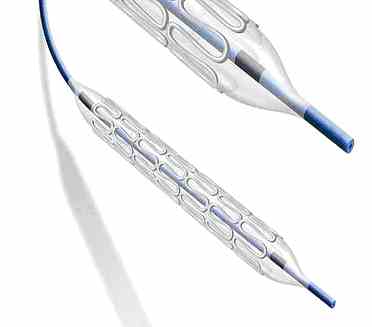
Balloons are not privileged !


It is widely accepted , a time window of up to 12 hours is optimal for reperfusion. Beyond that time , there is no point in reperfusing  the muscle  as   it  might have died. While ,  the majority of cardiologists agree  to this and they  promptly  refuse  to thrombolyse ,   if the patient comes  12 hours after an onset of STEMI  .They are labeled  ” late on  arrival”  and  coded  as ineligible for thrombolysis.

The moment they are labeled as ineligible for lysis , a dangerous thought process runs across  the minds of  many cardiologists. It is  possibly  the most important paradox (Shall  we call it as sense failure ? )

Such lysis ineligible  patients    become  automatically eligible for primary PCI . . . It is curious  to note , the  time window for primary PCI is also less than 12 hours is strangely forgotten.

It has become a prevalent  practice  by all unscientific means  , most  cardiologists extend  the time window for primary PCI well beyond 12 hours  , some even up to 36-48 hours.  No wonder . . . then why open artery trial (OAT) miserably failed . Even a  novice  can predict the out come when  one tries  to resuscitate the  dead muscle .

Final message

Myocardium  does not behave in a privileged  manner  during a STEMI.  It  simply does  not bother  about the way  by which  it is going to be rescued and reperfused  .All it needs   is a timely help. It can not extend its   life just because it is being rescued by a  sophisticated modalities like pPCI.

If the patient is late for thrombolysis ,  he is late for  primary PCI as well .

Please do not change the time window in STEMI  according to  our  whims and fancies . It is  an  unscientific and unprofessional  way to practice cardiology .
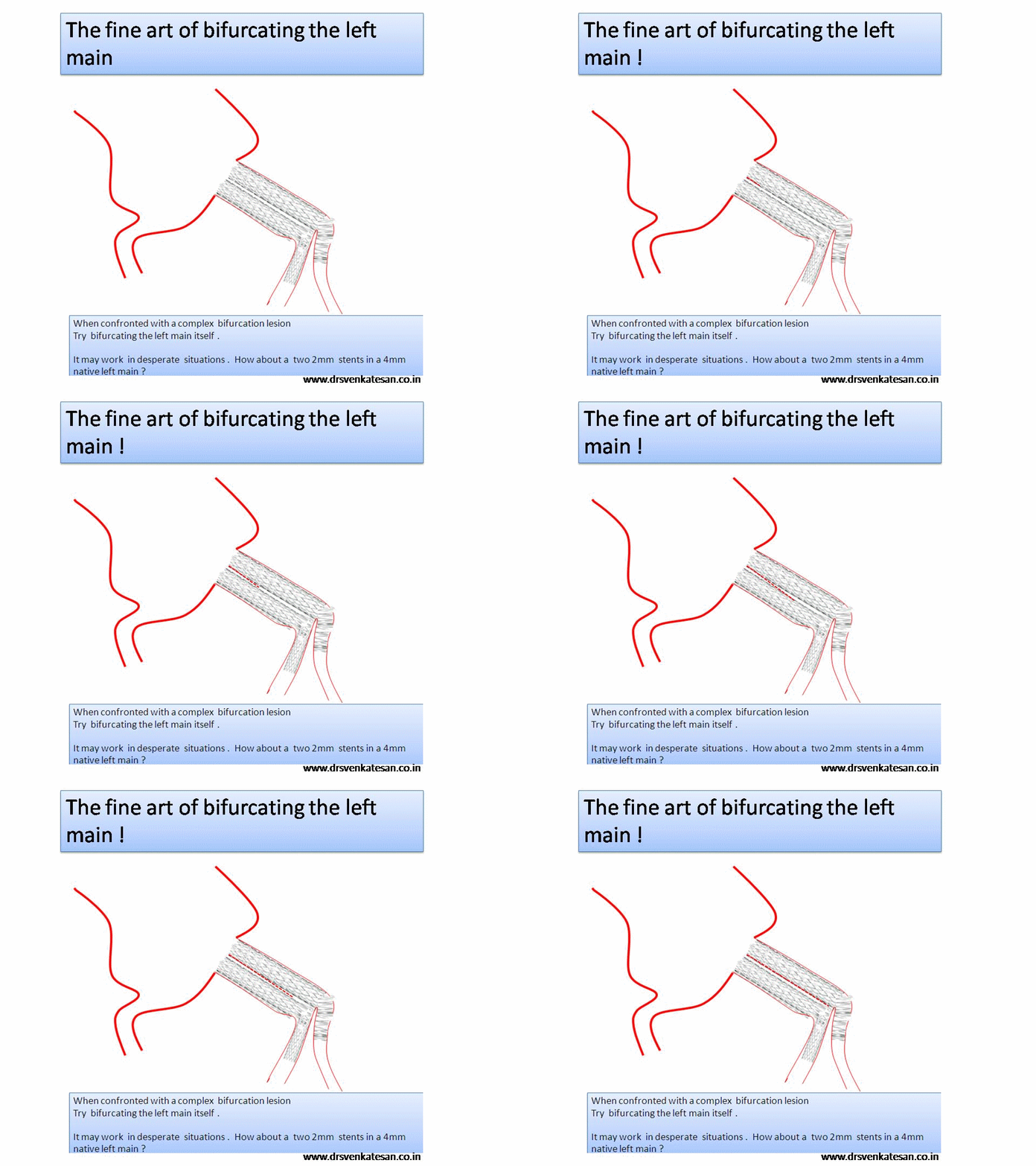
  • It is a complex PCI procedure meant for  high risk  bifurcation /Trifurcation lesions
  • Two stents are simultaneously  deployed.
  • It aims to prevent sudden acute occlusion of one of the major  branches .
  • It is not an easy procedure , and be used only in rare circumstances .
  • Distal left main and ostio proximal LAD/LCX  is a  classical  example.
  • Navigation can be difficult , only well experienced operators should attempt it.

*Is there a ready made two lumen stent available ?

The image is meant for concept purpose only !


It is one of the techniques available to stent unprotected left main

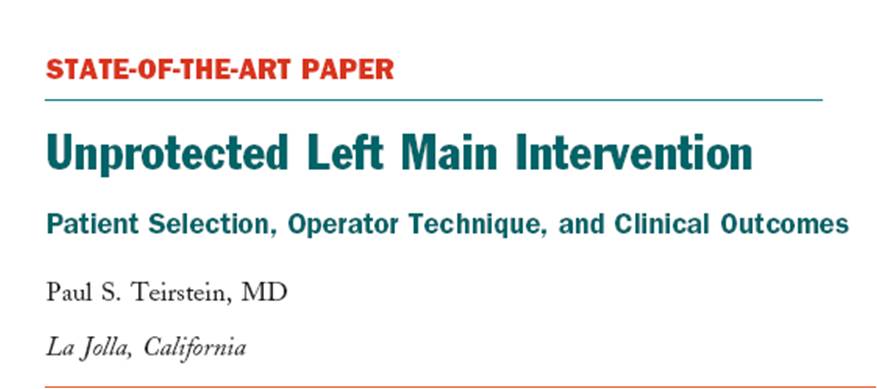
An excellent review  in  ACC intervention journal for unprotected left main .

Click on the Image to reach the article


Medical imaging technology is the fastest growing  sub specialty in medicine .Now,  we can image almost every organ in detail in our biological system.With capsule  endoscopy one can visualise deep interiors of intestines,  we can get into the coronary artery  by angioscopy.We can even image the molecular metabolism within the cells.

While  , we   feel elated about all these technologies , every emergency  physician  will awkwardly recall how difficult  it is  to  visualise a structure  , located  just few centi- meters  beneath our throat called vocal cords  .

I am sure more  lives are lost in this world by delayed and difficult  intubation than any thing else  in medical emergencies. Cardiac arrest can be tackled lot easier as the defibrillator is largely independent of  rescuer expertise .Intubation of airway is vitally  dependent on expertise.

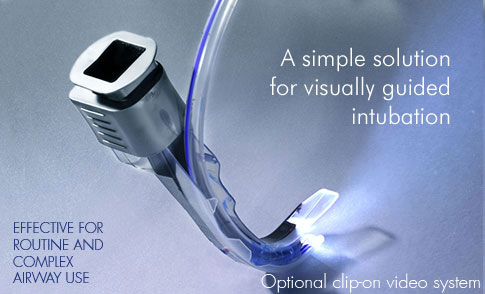
Click on the Image to reach Airtraq web site


When we are able to visualise the  deep segments of bronchus  with  fibro-optic scopy ,  why there has not been a  simple , practical ,cheap optical solution to the   superficial structure namely the larynx ? Human mind is too  funny ,  if  only larynx was deeper  our scientists  would have discovered such a  device very early .  Since it is just below the oral  cavity  no body  thought it is  worth to  discover a  scopy for that !

Now  the long wait is  over ,  we have a tool called Airtraq .There needs to be further refining of this device .

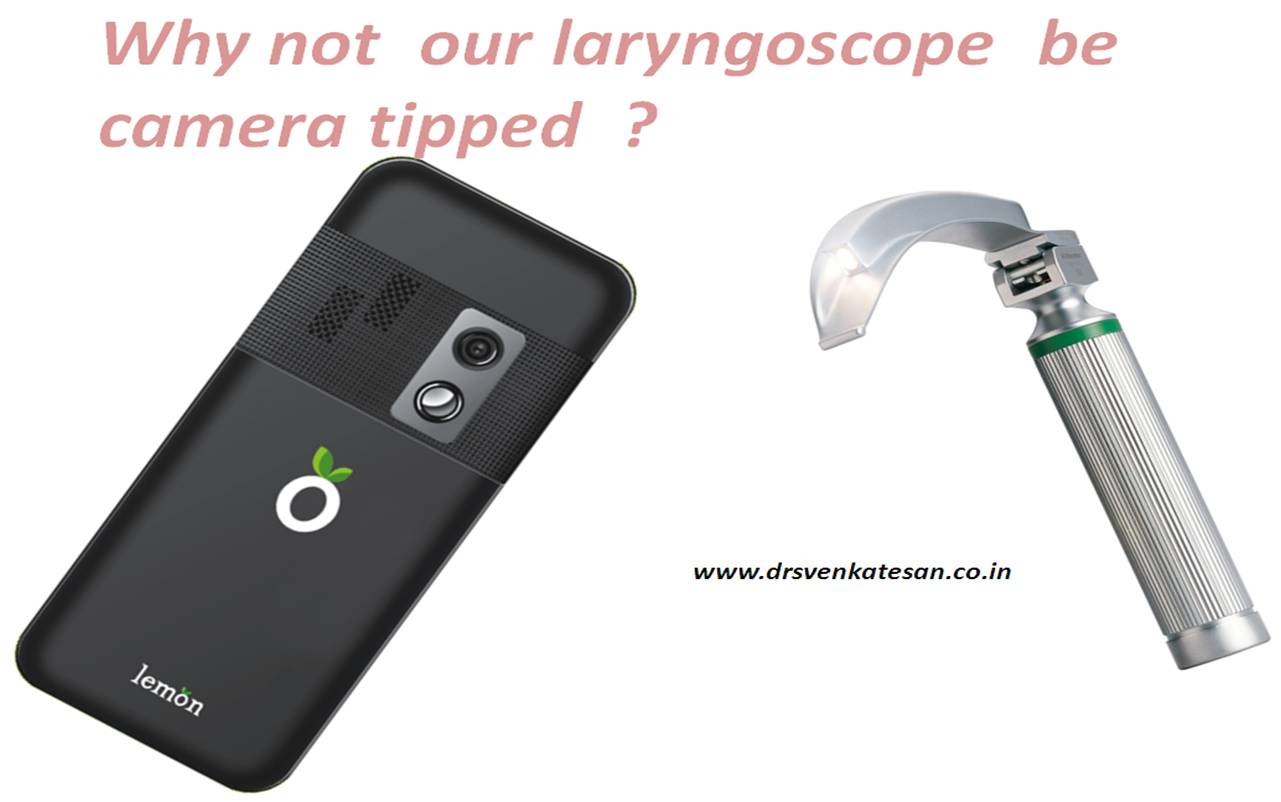
Is it possible for the tips of endotracheal tubes to  have  cameras  that  transmit  live images wireless ?  , which  can guide the tube   straight to the trachea .

We have twin cameras for our fancy cell phones while the life saving tracheal tubes are as blind as ever !

It is argued more such devices should flood the market . Every doctor and paramedical  worker should acquire one  ( Preferably  integrated to their phones ) Imagine if they  can beam the live pictures of the vocal card into their trendy  3 inch  screens of  i Phones . This could be the greatest revolution to occur in cardiopulmonary resuscitation .

(Airtraq please note this . . .I do not need a  royalty for  the  Idea !)

Final message

It  is vital for the   emerging technologies  , to be intelligently used  for the   betterment of our patients. When video  phones  calls transmit  live action  to  our mobiles  across the continents  ,   Is it not  funny we struggling    hard to get a good image of human vocal cords   that are  sitting  just few cm below the throat !

Let us think simple for complex problems .  Many breakthroughs  will automatically  happen.

Three cheers to the developer of this Airtraq device !

The review published in the prestigious NEJM seems to suggest

PCI  , the most  commonly  performed  therapeutic cardiac intervention  may  result in  more  myocardial  infarction in the community  than  the deadly atherosclerosis itself.


Can it be true in any  stretch of imagination ?

Yes , it seems so . But the only issue  is the  criteria   used to define MI  .

Comments are welcome on this article .

You won’t get the full text article free  .Try to get it from your library .It is worth the time spent  !

http://www.nejm.org/doi/full/10.1056/NEJMra0912134

This is one of the wonderful corporate initiatives to assess the coronary angiogram and reporting . This calculator and teaching material was created by Boston scientific and Syntax study team . This  was used primarily during the  SYNTAX study.  This scoring system ,  though  appear  elaborate,  is a very  useful ,  objective way to assess coronary angiogram.

http://www.syntaxscore.com/calc/start.htm

Final message

It is encouraged to use this scoring system liberally . This will help us  to take more scientific decisions .


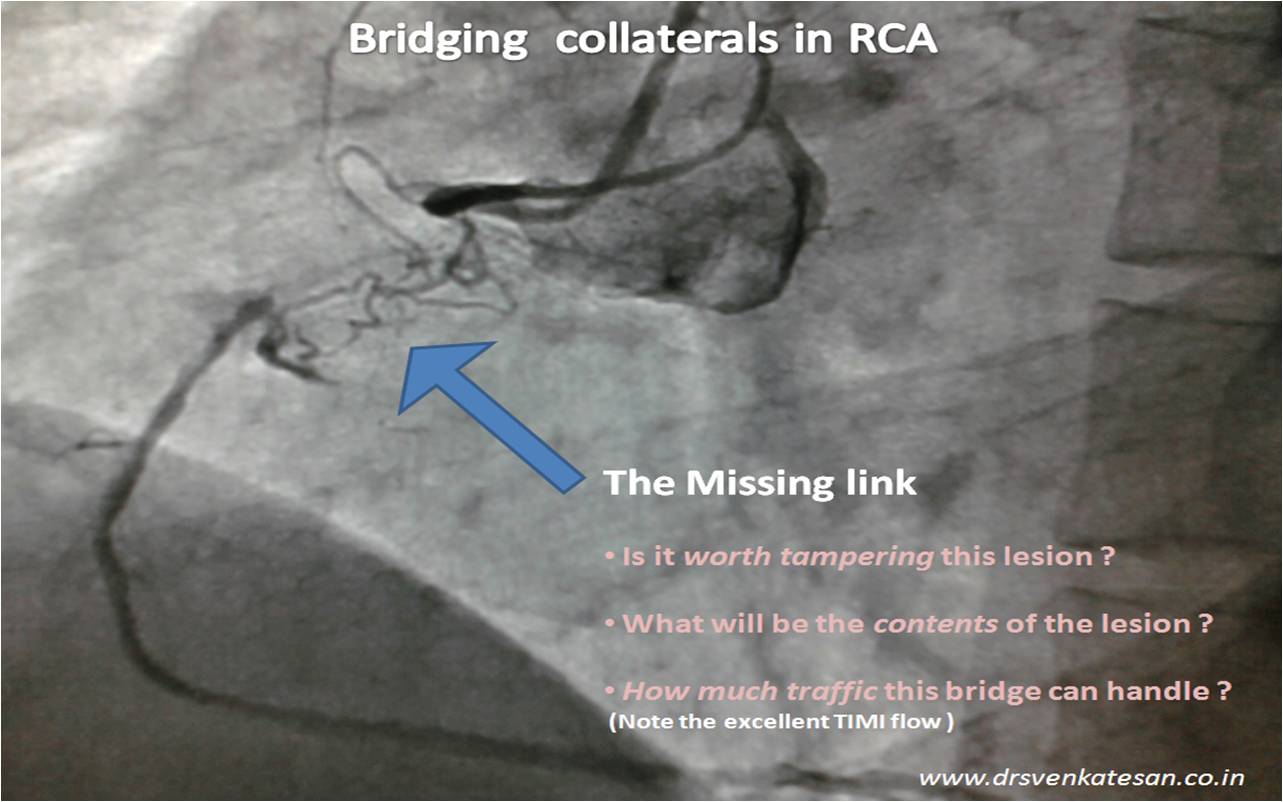
  • Coronary collateral circulation continues to be a poorly understood phenomenon.
  • It reduces the impact  of ischemia , salvage myocardium, keep it viable, and  can  even  be  life saving during a STEMI
  • It can support either the same coronary artery  or the contra lateral coronary artery (Like the above patient )
  • The usefulness of  collaterals  at times of exertion is controversial .Most interventionists do not believe in  it . (Facts are opposite of course !)
  • Bridging coronary  arterial collateral often indicate hardened total occlusion and success of  PCI is reduced

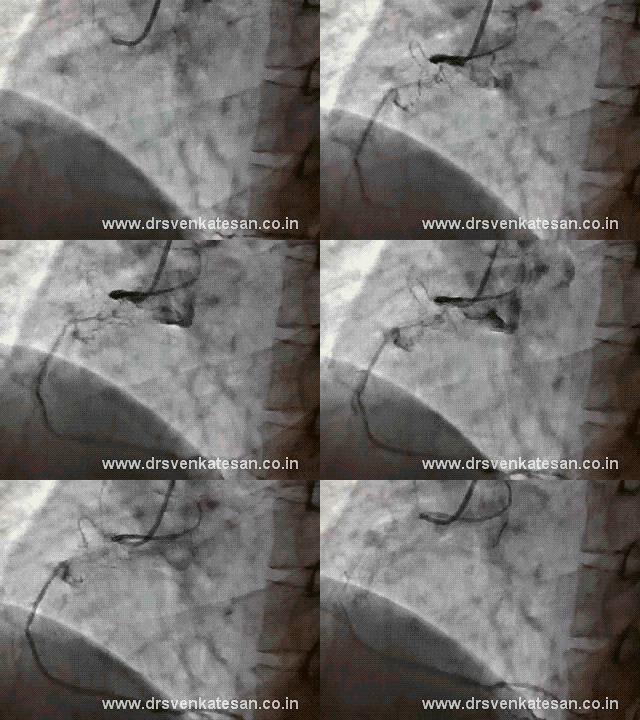
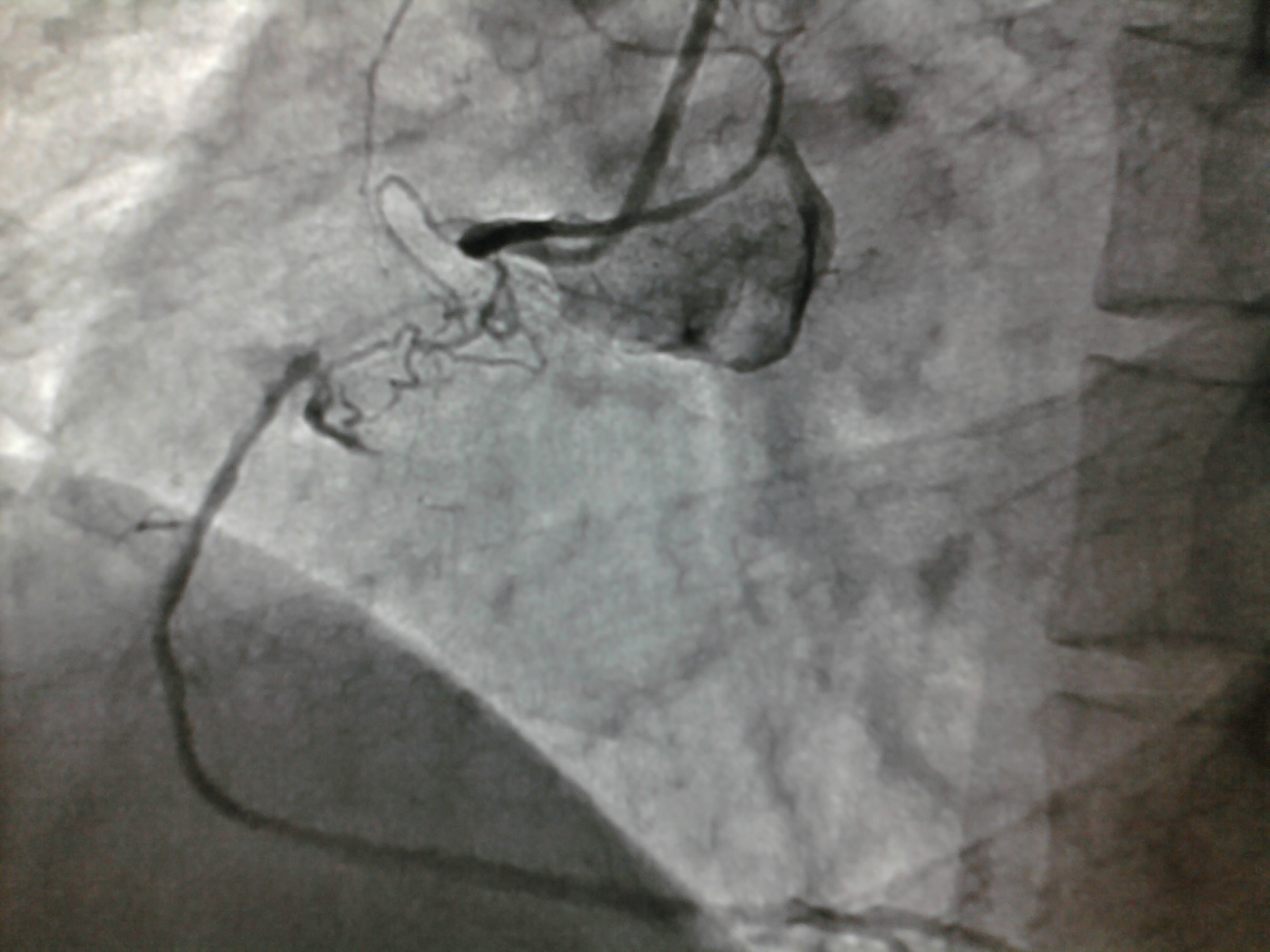
Here is  the  angiogram  which shows classical intra coronary bridging  collaterals.


We have thousands of  medical videos.When I stumbled upon this  one  ,from you tube which  I thought  will be immensely useful and   is crisply made.

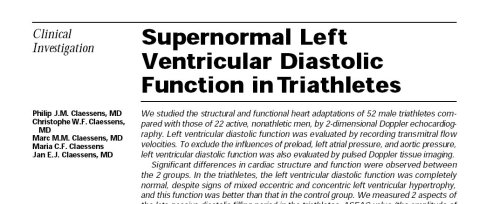
It  proposes a 5  simple rules  to diagnose diastolic dysfunction .There is  also a new concept* discussed in this  video .

* What is super normal diastolic function ?  How can it be mis- interpreted as a pathological ?

Over to the video clip from  (123sonography 0

http://www.youtube.com/watch?v=qdLkbcFe_DI&feature=related


Bicuspid aortic valve is  probably the commonest congenital heart disease.

  • It can be a totally benign entity and can be incidental finding in many .
  • Only a fraction progress to pathological entities like aortic stenosis , aortic root dilatation  etc .
  • Those afflicted need periodic echocardiography
  • These valves are prone for premature degeneration
  • Intervention is rarely required

Here is a complete review on the topic from the  top rated cardiology journal circulation.


Link to the article

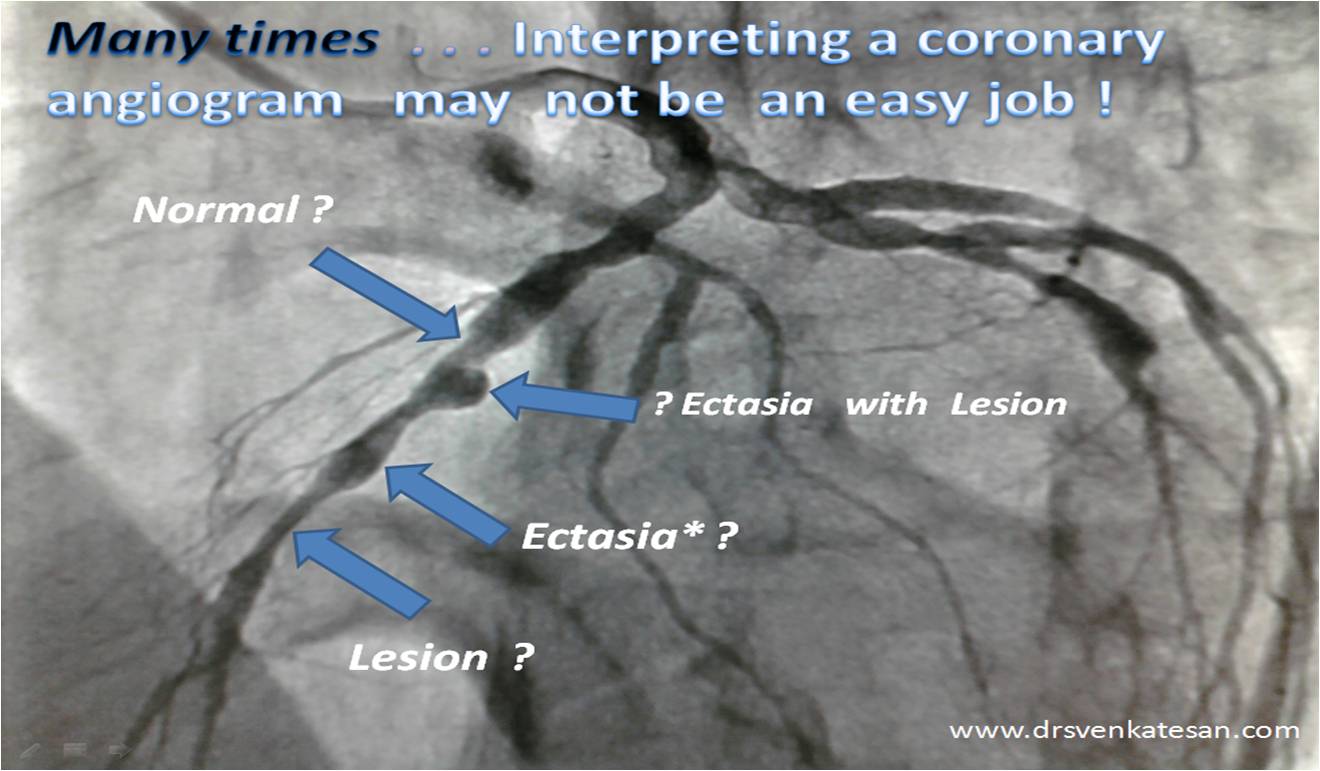
Coronary angiogram is probably the commonest invasive cardiac investigation done  world wide. It should run into millions every year. The procedure once thought dangerous  is now performed in few minutes in day care centers . While doing a  coronary angiogram  has become a minuscule task to most cardiologists, interpreting  it correctly remains a huge task !

Many  of the young cardiologists  get fascinated in   doing a coronary  angiogram and hardly spend enough time and mind in interpreting it.

Most of  us  succumb to the popular occulo  coronary reflex and describe a coronary  artery  lesions as though it is a  number game . It is very rarely we use the quantitative angiography tools available  in the machine. We need to meticulously  analyse   the length , morphology , distal flow, thrombus  , collaterals  etc . (FFR a new avatar tries to do some justice )

Calling   atherosclerois   by numbers alone,   such as  50 %  LAD  and 70 %  diagonal    20 % left main  is a huge  insult    to the deadly  & diffuse  disease process of atherosclerosis .We are paying the penalty for it .This is  the fundamental  flaw in our  reporting , that  makes every coronary intervention redundant.We must first  remember  we are looking at the lumen not the wall of coronary  artery.

Coronary  interventions is not about removing obstructions but  regression of  atherosclerosis  load within the coronary artery , prevent progression of it and ultimately reduced cardiac events and improve  survival. It  is obvious, it can not be achieved by wires and catheters alone . At best they can be adjuncts.One can  easily understand  why medical therapy  scores over wires  as it can take care of the overall disease process.

But still  ,  most* of  the  learned cardiology community  considers medical therapy   to be an adjunct to coronary intervention  , which  is  a  gross ignorance at it’s best !

* This is my perception. If  I am proven wrong ,  I am happy our patients  will be benefited !


Final message

Do not reduce  the importance of coronary angiogram   to a  farce  number game !

Do not get excited  by visualizing your patient’s  coronary artery. It may make you richer by few thousands. Realise , what you are seeing in a CAG is a fraction of coronary  circulation.

It is estimated coronary  circulation we visualize  daily in cath lab as epicardial coronary arteries  is less than  2  % of entire cross section of coronary  circulation.

This means we are 98 % blind ! ( or  2 % wise  !) .Spend  adequate  time and  mind to interpret it correctly  , so that logical and useful  ( non ) interventions can  be done .This only can make you a  true cardiac professional and your patients will respect you.


//

Healthy heart syndrome (HHS) . This is  essentially a state of mind  , being in constant worry  that something  will happen to their  heart , in spite of  having  normal parameters.

HHS is a new age medical entity  of   the mankind   .  Here  the heart suffers   because  of excessive  knowledge  , affluence and entry of market forces into health care .

  • It is often a media driven frenzy . Having an insurance policy is the biggest risk factor
  • May be cured after taking few scans and some times end up in invasive Angiograms or even a PCI
  • In a  few it takes a course of  malignant anxiety disorder . Those afflicted indulge in daily BP check weekly cholesterol check , monthly cardiologist visit and yearly  64 slice CT scan.
  • Curiously ,   the definite cure  occurs only    after they suffer a heart attack .This makes them less anxious as the inevitable  has  been experienced .
  • There are occasions when too much anxiety  (for not developing a heart problem !)  will trigger a real event .
  • Some of the   medical institutions and health care providers   are also part of the problem as  many  of them perpetuate the condition as  they  keep these vulnerable  people (with healthy heart) guessing  and  do not fully disclose the reality .
  • The incidence of HHS seems to be rampant  as  there are  recurring instances of multiple stents deployed  in  apparently healthy hearts  .

Final message : Let us suffer from disease not from health !

While , many  patients with  multiple blocks ,  bye -pass surgeries   and  half- functioning  hearts  ,  lead  a   near normal life  ,  it is  ironical ,  a substantial number suffer    with  HHS and inappropriate  interventions .

Let us hope ,  modern medicine  which  goes deep into Nano medicines  and bio Robotics look  into this issue also !