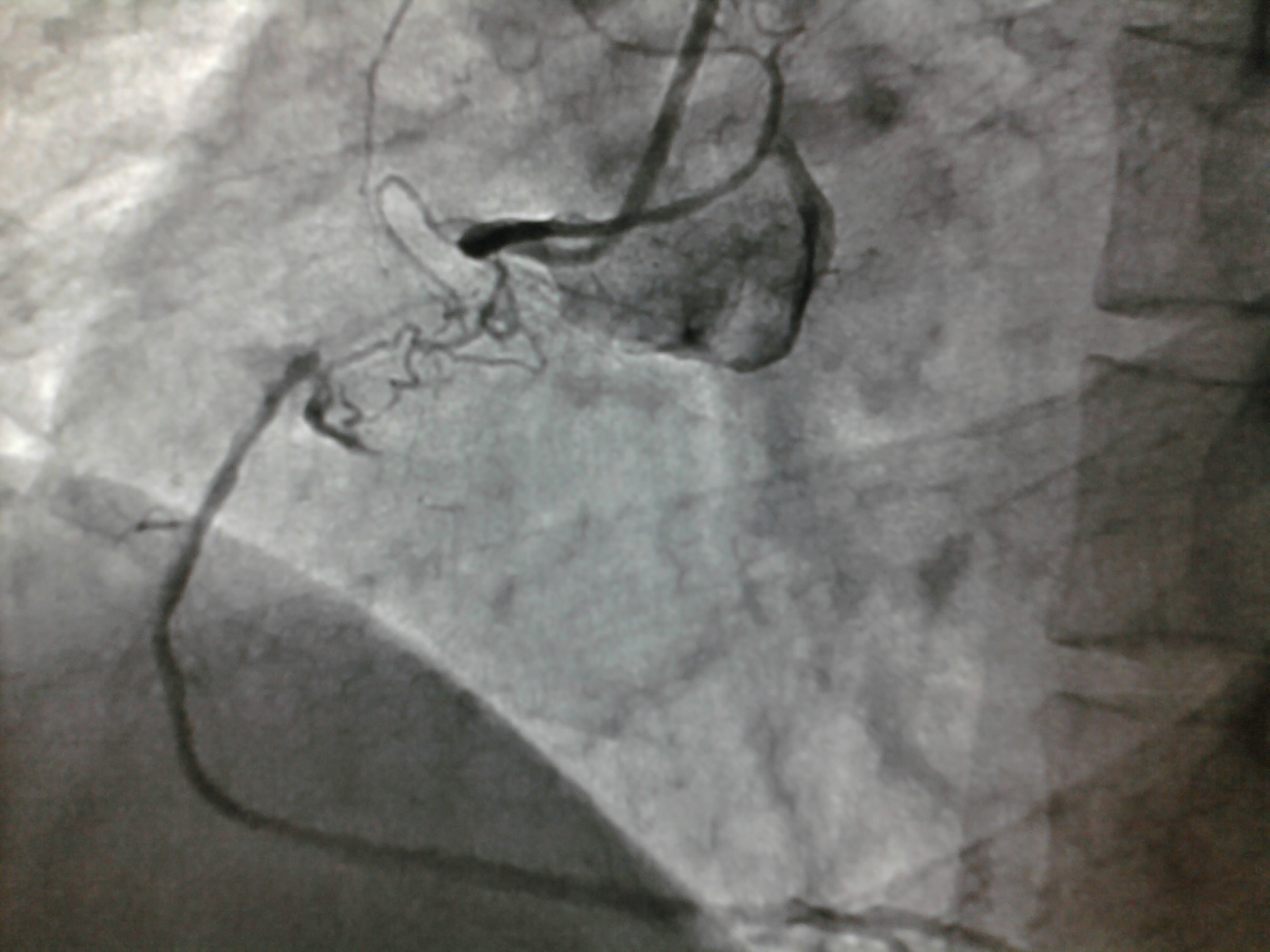
Time is muscle .This may sound as an old fashioned statement now , for many of us. But the fact remains. Every minute following STEMI , myocytes keep losing it’s life one by one unless , the intervened.
The prevention of myocyte death can be accomplished by three ways
- By early thrombolysis
- By Primary angioplasty
- The one that happens naturally by a process called spontaneous thrombolysis *
* Most have a strong belief that the natural forces are incompetent to lyse a small thrombus within our coronary arteries ( While , we fully realise natural forces like the Tsunami can wash out the entire ocean floors ) . Never under- estimate the force of nature !
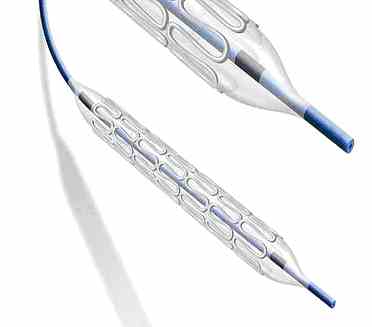
Balloons are not privileged !
It is widely accepted , a time window of up to 12 hours is optimal for reperfusion. Beyond that time , there is no point in reperfusing the muscle as it might have died. While , the majority of cardiologists agree to this and they promptly refuse to thrombolyse , if the patient comes 12 hours after an onset of STEMI .They are labeled ” late on arrival” and coded as ineligible for thrombolysis.
The moment they are labeled as ineligible for lysis , a dangerous thought process runs across the minds of many cardiologists. It is possibly the most important paradox (Shall we call it as sense failure ? )
Such lysis ineligible patients become automatically eligible for primary PCI . . . It is curious to note , the time window for primary PCI is also less than 12 hours is strangely forgotten.
It has become a prevalent practice by all unscientific means , most cardiologists extend the time window for primary PCI well beyond 12 hours , some even up to 36-48 hours. No wonder . . . then why open artery trial (OAT) miserably failed . Even a novice can predict the out come when one tries to resuscitate the dead muscle .
Final message
Myocardium does not behave in a privileged manner during a STEMI. It simply does not bother about the way by which it is going to be rescued and reperfused .All it needs is a timely help. It can not extend its life just because it is being rescued by a sophisticated modalities like pPCI.
If the patient is late for thrombolysis , he is late for primary PCI as well .
Please do not change the time window in STEMI according to our whims and fancies . It is an unscientific and unprofessional way to practice cardiology .








 Dr.S.Venkatesan MD