Angina is classified in many ways .The most useful , clinical classification is stable and unstable angina . While ,the former generally is considered innocuous the later conveys a sinister signal to the patient as well as the physician.
Why stable angina is stable ?
In stable angina
The patient knows how the pain is going to behave by his past experience.
Very predictable .The patient knows at what distance it’s going to come
He also knows when it will disappear.(For some , with rest for others with nitrates)
He also knows where the chest pain will radiate.
If some thing is unusual it is unlikely to be stable angina , also any first episode of angina is considered unstable as one wouldn’t know how the angina is going to behave !
How is that stable angina has such a learned behaviour ?
The main reason for the beningn nature of stable angina is the coronary artery has “stable plaques”
Stable plaques produce stable angina ,Unstable plaques cause unstable angina
Stable plaque s restrict blood flow only at times of increased demand( ie supply side ischemia.) There is no thrombus in these plaques.As soon as the exertion ends the angina is relieved.So in chronic stable angina, the patient is stable, the angina is stable , the palque is stable , the coronary blood flow is stable.
Unstable palques have erosion and thrombus , and it interferes with blood flow even at rest .So in unstable angina, not only the angina is unstable , the plaque is unstable ,coronary blood flow is unstable. So it is obvious unstable angina , may not be relieved by bed rest.It needs intensive treatment.
Is there a overlap between stable and unstable angina?
Competence of mitral valve is vital for proper hemodynamics of heart .A trivial mitral regurgitation ,is observed in nearly 10-20% of normal population detected by doppler echocardiograpgy .This is other wise clinically insignificant. In fact , it is expected , the sonographers do not report this, as it might increase the patient anxiety.
Can a mildly incompetent mitral valve be a hemodynamic advantage ?
Left ventricle , physiologically can have only one exit, namely LVOT and aortic valve.If there is normal impedance , at this level (LV after load ) it is refered to as physiological .In disease states , as in cardiac failure there is raised after load or LV wall stress.this makes the LV struggle to pump blood into aorta.The more the dilatation the more the wall stress (Laplace law). more the wall stress more the after load.
The main principle of management of cardiac failure for decades has been promoting LV inotropism .Now we have realised this is fundamentally a wrong concept, (Except in acute heart failure). Hence the main option available now is to reduce the after load , ACEI do that most effectively and proven to improve survival.
What is the effect of trivial or mild MR on LV after load ?
It is a hemodynamic fact for MR to increase LV contractility and Dp/Dt due to a relative reduction of after load.
In patients with cardiac failure , even a mild improvement in LV contractility can give a symptomatic improvement .
Can mitral valve act as controlled safety valve allowing only a trivial or mild MR ?
This may be difficult . But it happens naturally in many of our patents in cardiac failure .
Probably , these are same patients who come under the 20% incidence of physiological doppler MR .Other group could form the functional MR*
We have found, patients with DCM with mild mitral regurgitation tolerate excercise better than patients who have very competent and rigid mitral valve.It is presumed a mitral valve which gives in a little bit , decompresses the LV with a symptomatic benefit.But if the MR , is occurs in an eccentric path or it results in significant volume burden the potential advantage becomes a liability.
Related issues
*Functional mitral regurgitation. Functional MR is said to occur , when patients with cardiac failure, and resultant dilatation of mitral annular ring, and lack of opposition of leaflets
While milder forms of MR are well tolerarted , when it occurs acutely ( even if it is mild) , it can be dangerous and result in sudden pulmonary edema .This usually happens in acute MI or infective endocarditis etc.
Final message
Minimal or mild mitral regurgitation without any significant volume overloding in some of the patients with dilated cardiomyopathy could bring a hemodynamic advantage .
So one may not unduly worry about , a mild MR (central jet) in patients with DCM.It could be after all a safety exit for overstrained LV
We will report the results of the ongoing study about the impact of presence /absence of mild MR on the 6 minute walk test in patients with dilated cardiomyopathy.
It may have , almost all the typical characters of angina . . . in some cases ECG changes too.
The confusion is complete , as esophageal pain can also be relieved by sublingual nitrates !
The issue is further complicated, when esophagus and coronary artery share the same neural codecs, and each may induce spasm among themselves !
It is thought , of course with some evidence ! many of the syndrome X patients ( positive stress test with normal coronary arteries ) have esophageal motility disorders.
The ST segment depression during EST in these patients is apparently attributed to stress induced esophageal spasm !
And many of the patients with variant angina , have associated esophageal sapsm .
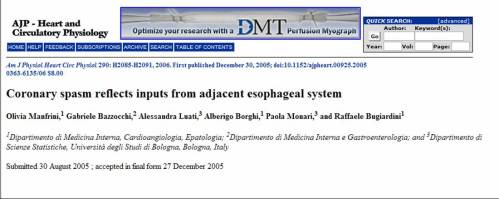
Read this land mark concept paper documenting the neural link between esophagus and the coronary artery
Click on the article
Final message
Don’t ever forget the esophagus in your scheme of things when evaluating CAD.
Realise that esophageal disorders not only cause non cardiac pain but also cause ischemic chest pain (Also called linked angina)
EsophagEal smooth muscle cell can exert electrical influence on the ST segment of cardiac ECG !(After all every cell
Aortic dissection is a complex cardiac problem and a killer disease .Even though it is a fancier to make a diagnosis of aortic dissection in any intractable chest (or back )pain the most common error committed by physicians is failure to recognise it .
Is it possible to diagnose or atleast suspect aortic dissection by a rapid screening biochemical test ?
Yes, it seems so,
D Dimer , a product released consequent to intravascular thrombosis is elevated by >500ng in most of the patients with dissection.
Aortic smooth muscle heavy chain estimation is the other option.
What happens once a diagnosis of aortic dissection is made ?
It is not a great achievement to make a diagnosis of aortic dissection.It is only, a beginning of a long and often tedious decision making process . A real tough task , on hand for the cardiothoracic surgeons. It is a team work , needs the interaction of cardiologists, radiologists and cardiac surgeons to bring an optimal outcome.
The major issues are
Never try to manage this problem in a small hospital or facility. Always send the patient to a teaching hospital ( of course , not all teaching hospital can tackle this either , so enquire about their expertise ! )
No credits for making a simple diagnosis of dissection.One has to exactly locate the entry point and exit points if any.
Aortic root and arch involvement is of major importance in determining the modality of therapy.
Debaky classification is not of academic interest ! it has a purpose . Generally type A dissection(Proximal ) require emergency surgery
Differentiating true lumen from false lumen is of critical importance , it needs a meticulous transesophageal echocardiogram.( Some times one may , never be sure which is true and which is false lumen , funnily .in descending aortic dissection it may never matter for the patient !) Self healing of many dissections with thrombus is possible.
Controlling hypertension with powerful parentral antihypertenive drugs (Labetalol . . . ideally ) is vital.
Side branch involvement (spiral dissections) especially arch vessels and renal arteries make this entity much more complex
Isolated distal dissections and some low risk proximal dissections can indeed be managed conservatively(Also called non surgical ! ) Some cardiologists or even institutions hesitate to put a aortic dissection with medical management .They feel it is inferior form of treatment . . . but realise , it is not necessarily so !)
What is the other bichemical marker for disscetion ?
The aortic smooth Muscle Myosin Heavy Chain was proposed as a useful marker for diagnoisng dissection.
Diagnostic Implications of Elevated Levels of Smooth-Muscle Myosin Heavy-Chain Protein in Acute Aortic Dissection: The Smooth Muscle Myosin Heavy Chain Study Toru Suzuki, MD; Hirohisa Katoh, PhD; Yasuhiro Tsuchio, MD; Annals of internal medicine 3 October 2000 | Volume 133 Issue 7 | Pages 537-541
The abstract from annlas of internal medicine follows Readers from India can get the full text article free
Contrary to popular belief ,great things happen only rarely in medicine . It takes only few months of training or workshops , for a wrong or inappropriate concept to percolate our brains ! But , it would require, decades of time , energy and efforts , for correcting that wrongly assimilated concept in medicine!
Interventional cardiologists are among the rare breed of physicians, who always believe in evidence ! But , the quality of the evidence is rarely questioned ! 30 years of PCI & 20 years of stenting has failed our common senses ! Fortunately , today, we have 135 pages of new evidence ( Not really new , old evidence interpreted with sound logic !)
Hats off to ACC and associates for bringing out this much belated appropriateness guidelines for the interventional cardiologists.
ACCF/SCAI/STS/AATS/AHA/ASNC 2009 Appropriateness Criteria for Coronary Revascularization
A Report of the American College of Cardiology Foundation Appropriateness
Criteria Task Force, Society for Cardiovascular Angiography and Interventions,
Society of Thoracic Surgeons, American Association for Thoracic Surgery,
American Heart Association, and the American Society of Nuclear Cardiology
Endorsed by the American Society of Echocardiography, the Heart Failure Society of America, and the
Anginal pain is a type of visceral pain.It is carried by type C unmylinated nerve fibres.The perception of angina is a complex process.It is a combination of visceral and cutaneous referral pain.
How often is angina silent in diabetes mellitus ?
Presence of diabetes per se does not make an angina silent. In fact, if one takes 100 patients with diabetes , if angina occur in them , it is more often , manifest than silent. So , only few of the diabetic patients who develop diabetic autonomic neuropathy fail to have angina.The exact incidence is not known.It could be around 20%.
If angina can be silent in diabteics , can they have anginal equivalents ?
This again is not answered in literature. Among the anginal equivalents , the most common is dyspnea , which can occur in diabetics.But now , we know dyspnea also needs thoracic nerve signals from the intercostal muscle spindle and colgi organs.This can also be impaired in diabetics.
Can silent and mainfest episodes occur in a same patient ?
Yes.
Once silent does not mean always silent, and similarly once angina is felt it does not mean he is going to feel the next episode as well !
This strongly reminds us medical science is much a complex subject and what we know is very little in pain perception.
How is silent ischmia different from silent angina ?
There is considerable overlap between silent ischemia and silent angina
The questions to be answered are
Which is silent ? Is it the angina or is it the ischemia or both ?
Silent ischemia can occur in any individual , this is also called as silent CAD . When ischemia occurs but fails to generate pain it is silent ischemia .Undiagnosed CAD in asymptomatic individuals is also called silent ischemia or CAD.In this population Exercise stress testing detects CAD which was otherwise silent and masked.These patients may develop angina during EST.
During exercise stress testing many times patient has significant ST depression more than 2mm but still chest pain may not occur.These episodes may either be silent ischemia or ngina. Many times the EST is terminated before angina is manifest .( Chest pain is the last to occur in the chain of events following ischemia- Concept of ischemic cascade )
What are the other situations where angina can be silent ?
Pain perception and threshold level is high , so patient indeed has anginal signals but fails to feel it .
Patients on antianginal medication , fail to feel the angina.
Chronic betablocker therapy can exactly mimic autonomic neuropathy
Is it a blessing for the patient to have painless episodes of angina ?
When their ischemic colleagues , suffer a lot with chest pain it is tempting to think these diabetic patients are blessed!
Scientifically , this could be true in at least in some especially in a patients who’s coronary anatomy is known and devoid of any critical proximal lesions. For example a small PDA lesion can produce severe angina , but may be silent in diabetic and be comfortable .This lesion is insignificant other wise * !
It should also be recalled , pain relief has been an important goal for treatment of CAD .In olden days, thoracic sympathectomy was done for angina . In fact , even in CABG , one of the the mechanisms for angina relief is attributed to cardiac denervation.
Caution: Even a small episode of ischemia can trigger an electrical event .But it is rare.
How common is silent infarct (STEMI) in diabetic patients ?
In a simple questionnaire we asked the diabetic patients in our CCU how they felt their pain during MI.Most felt it normally as do other non diabetic . Diabetes does not make all anginal episodes silent. Severe episodes of ischemia may be painful while less severe episodes may be painless. Diabetic autonomic neuropathy is a least recognized and poorly understood complication of diabetes.Diabetes , involves the vasanervorum of the autonomic nerves.
The other mechanisms postulated in diabetic neuropathy are
Reduction in neurotrophic growth factors.
deficiency of essential fatty acids .
Reduced endoneurial blood flow and
Nerve hypoxia .
Is diabetic autonomic neuropathy treatable ?
Very difficult problem indeed.Controlling diabetes may partially correct the neural dysfunction.Many add on neuro vitamins and aminoacids are having a good market !
If you successfully treat diabetic autonomic neuropathy will my patient start feeling the hitherto silent episodes of angina ?
We don’t know.Logic would answer ” YES”
What is the ultimate effect of cardiac autonomic neuropathy.
The growth of medical science has been phenomenal .It is estimated , the quantum of break throughs and development in the last 50 years is nearly equal to 2000 years of evolution of our knowledge put together. Along with this growth , came the unavoidable misuse , and abuse of medical science. This is mainly due to contamination of medicine with commerce . Federal drug authority (FDA) and it’s variants were formed in all countries to monitor the proper usage of these technologies for the benefit of mankind. It has an authority to ban a drug or device , if it is found to bring more injury or side effects than benefit !
But , unfortunately there is no legal authority to ban an an investigation which is potentially or (really harmful )
or used extensively without any valid purpose .
The list of such investigation is increasing in every speciality
In cardiology
Doing a Troponin assay in patients wuth classical STEMI
MDCT in general population
Pro BNP in all suspected cardiac failure
Routine C reactive protein for CAD
Central venous catheters for all pateints with shock.
Is there a case for banning an investigation (Like banning a drug) for the benefit of our patients ?
Looking superficially , it may seem ironical. But we realise many seemingly innocuous investigations are responsible for uncontrolled misery for many patients.
This especially true in people who throng the wellness clinic (Also called master health check up)
A incidentally high C – reactive protein can lead on to forearm blood flow assessment of endothelial dysfunction and carotid intimal plaque that could lead onto carotid stents ! and life long anticoagulation , and an excess INR and sudden cerebral bleed and death !
This is one sample story in one particular speciality
There is a definite case for banning ( Either total or partial) some of the questionable investigations which are done routinely !
Just because these investigation do not have any physical , visible , adverse reactions like a drug , it should not be allowed to be abused .The consequence of false positive results of these investigations could be terrible and worse than the real disese itself !
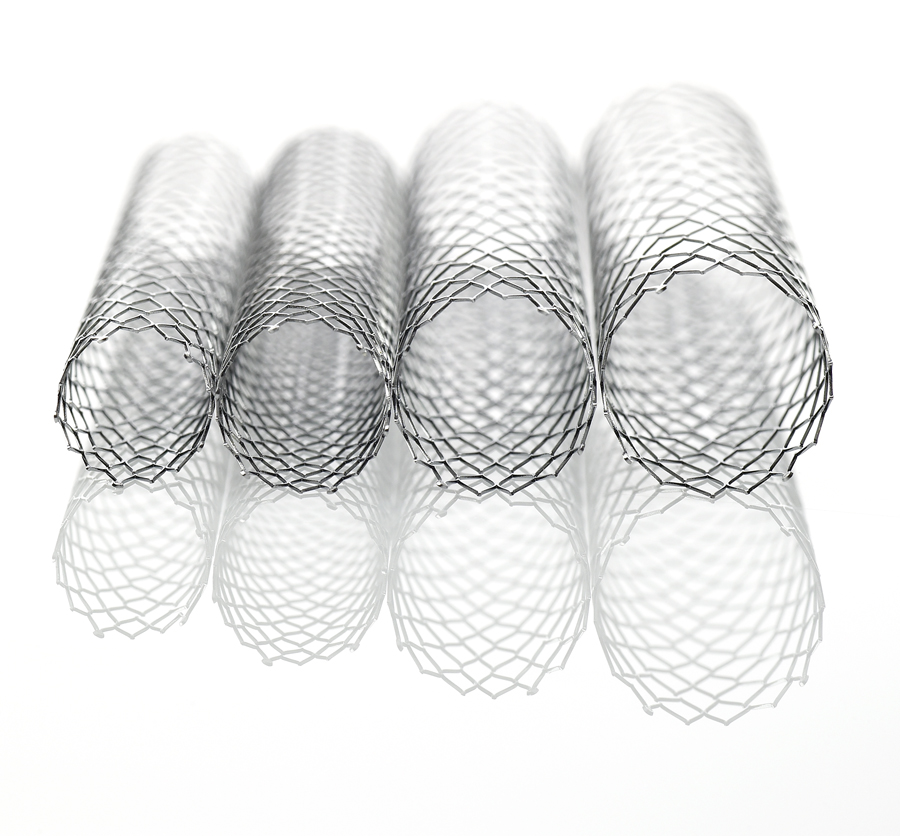
One of the important principles of post PCI care is, we need to be very careful till the metal struts are fully endothelialised . This is of vital importance as improper endothelialisation is a powerful trigger and nidus for a imminent thrombosis and acute coronary syndrome.
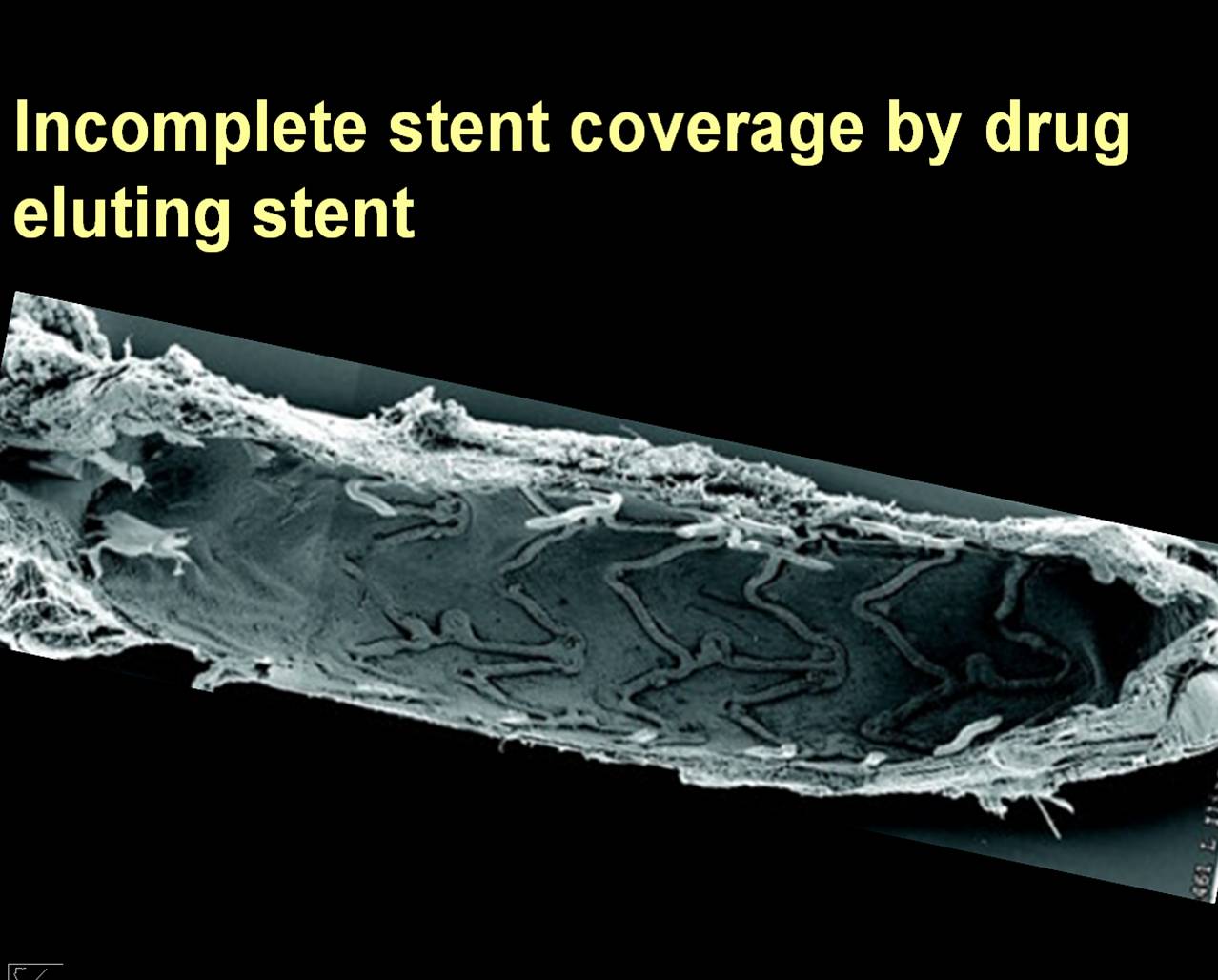
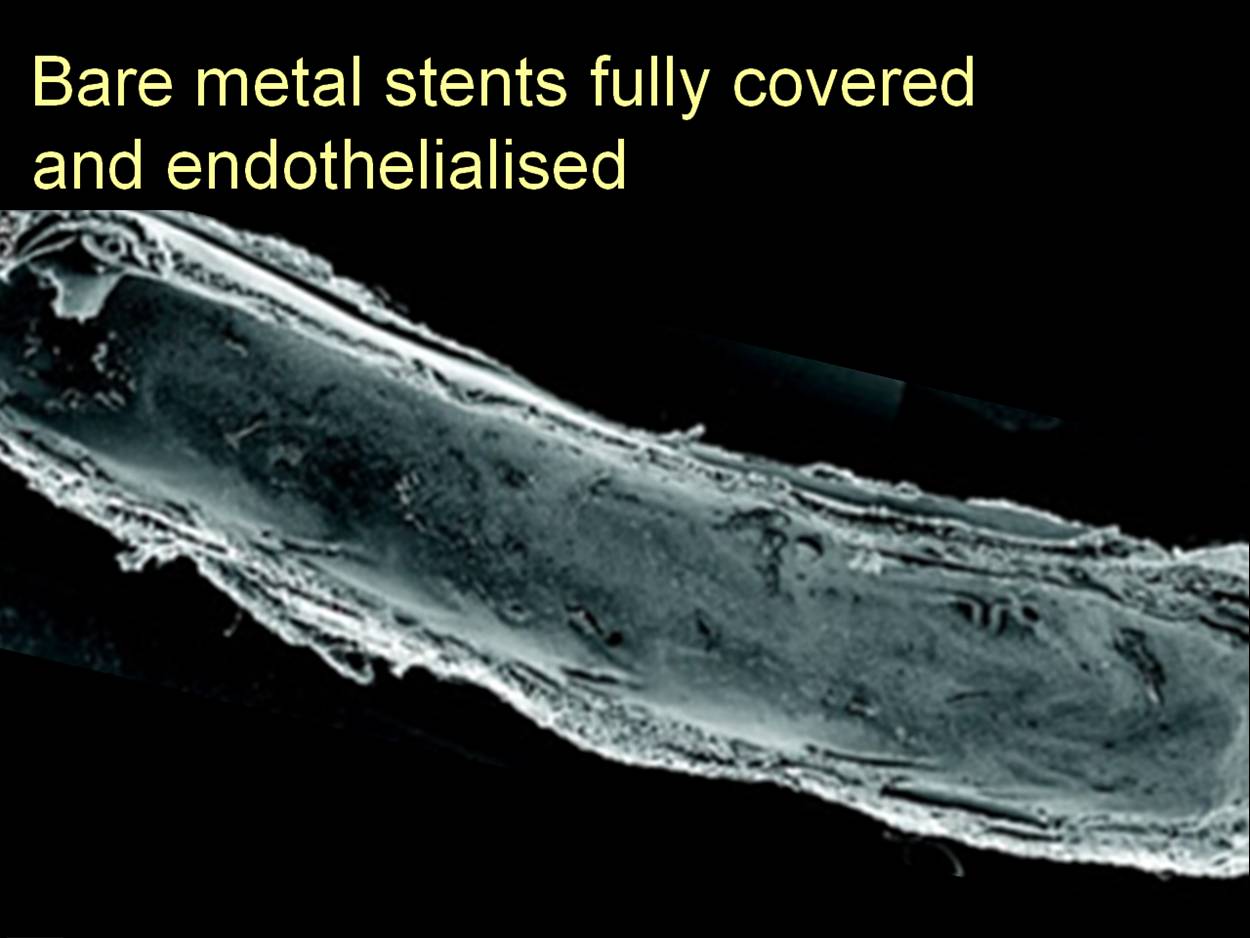
It is a billion dollor irony , the much hyped DES does exactly what we don’t want ! and still it’s usage is increasing world wide . The drugs (Anti cancer agents) which coat the DES are the villains as it prevents the metal struts from being endothelialised and keep the metal surface raw and vulnerable , while the much maligned bare metal stents allow this natural endothelialisation process without any interruption ! So right now it is mandatory to administer dual antiplatelet agents life long( life of the stent !) for the patients with DES.
Just look , at the following image of a stent in vitro at 30 days follow up
HT management has been made easier with the availability of many good drugs , at the same time it has become a complex issue with as many classification and guidelines.
The management of HT has evolved over the decades. Now we have realised HT is not a simple number game. Reducing the blood pressure to target levels is not sufficient and is not the primary aim !.
In fact we now know controlling the numbers alone is never going to work , combined risk factor reduction is of paramount importance.
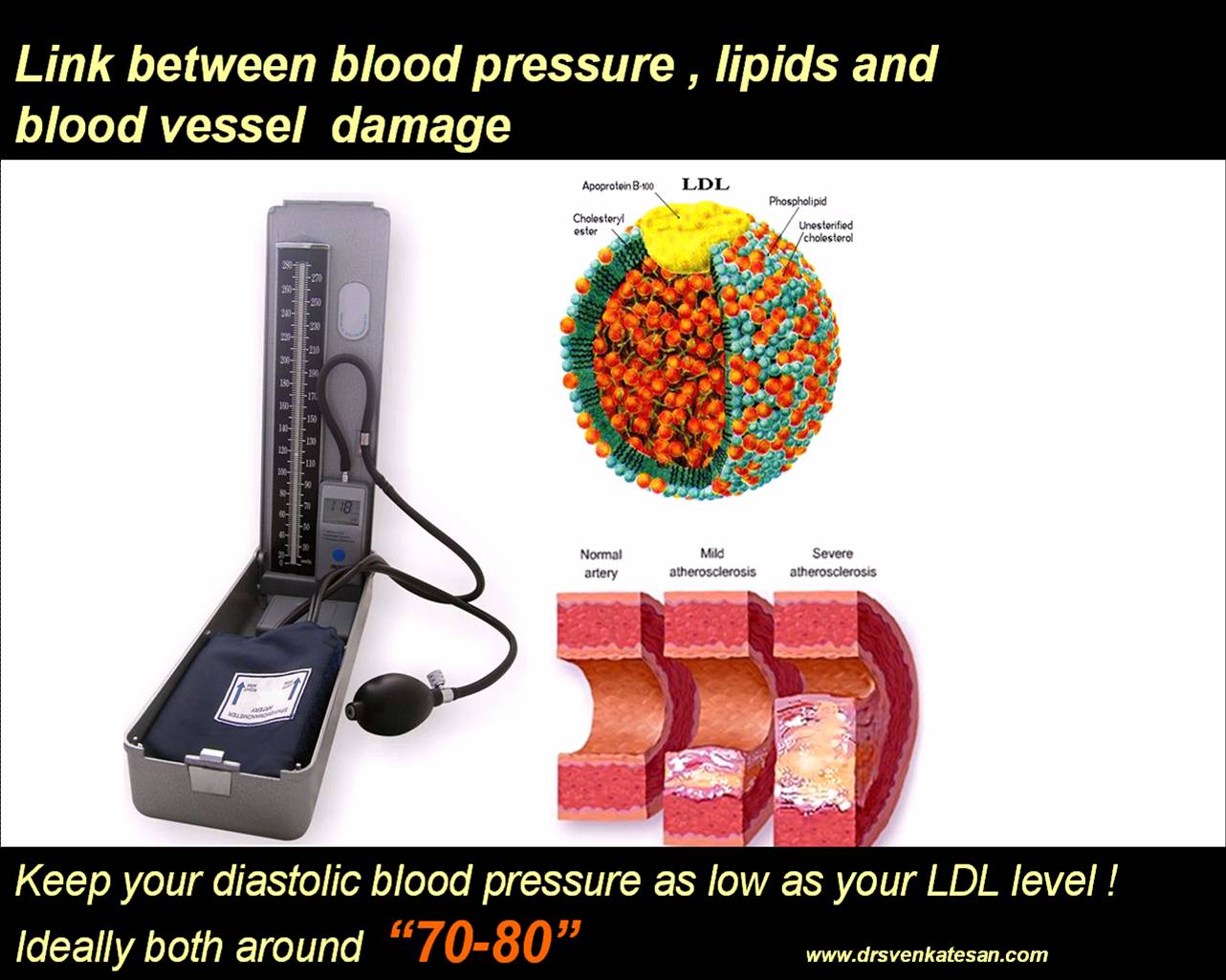
HT per se is less lethal but when it combines with hyperlipidemia and diabetes or smoking it becomes aggressive.The blood lipids especially the LDL molecule enjoy the high pressure environment , penetrate and invade the vascular endothelium.
ASCOT LLA study has taught us, for blood pressure reduction to be effective and reduce CAD events one has to reduce thier lipid levels also.So , for every patient with HT there is not only a target BP but also a target LDL level .
Final message
The tip for better vascular health is, all hypertensive patients should keep their lipids to optimal levels and all hyperlipidemia patients should keep their BP as low as possible .
“Keep your LDL as low as your diastolic blood pressure and let us keep it around 70 -80
It is now mandatory for all journals to declare the conflict of interest by the authors who are involved in medical research .The purpose apparently is to make all transactions or links between the researchers and their funding agencies transparent .Even major journals do not go beyond this . Some ensure it , to appear in the first page of the article.
What does the the journals tend to convey to the reader by publishing the conflicts of interest ?
Does it mean the article in question may have a bias or indeedhave a bias ? and readers are warned hereby !
Do they send across a message that the article may not be really a genuine one and the judgement is left to the the consumers of the articles ?
How often a journal article is rejected purely on the basis of conflicts of interest ?
Most of journal articles are rejected for poor methodology, statistical analysis and so forth .We don’t know how often a paper is rejected due to a conflict issue per se.If this could happen ,bulk of drug trials would face a torrid time from the editors.
Why , even the leading scientific journals never indulge in grading the significance of the conflict ?
Here is an example .
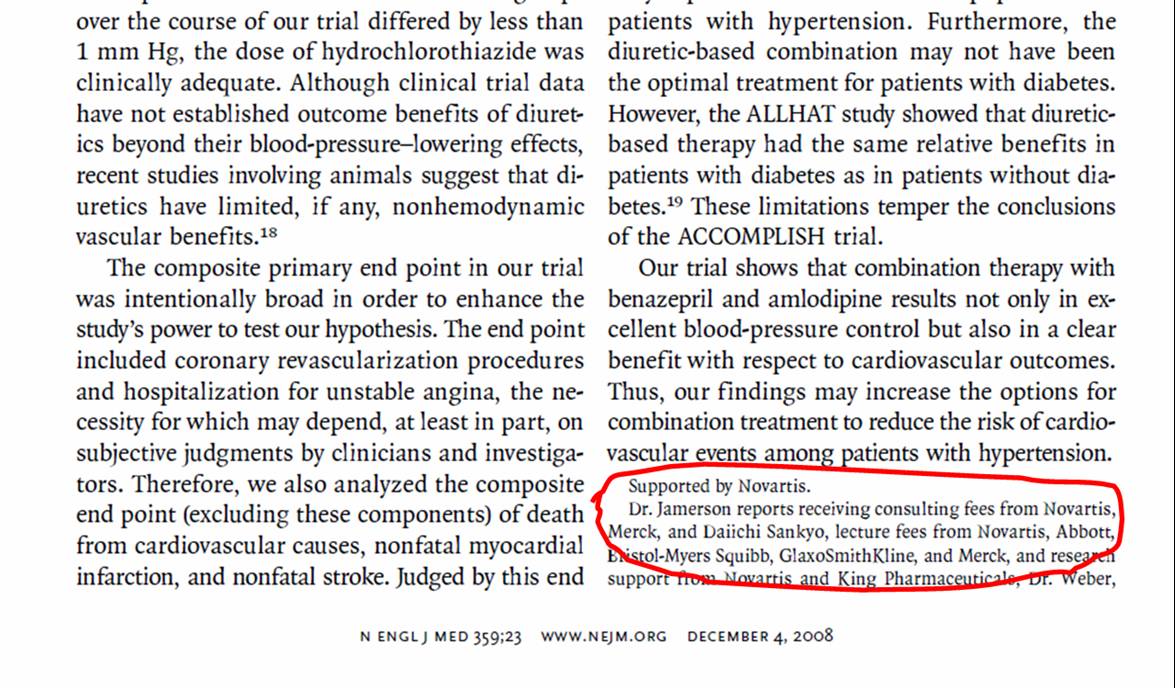
The much hyped drug trial on Hypertension “ACCOMPLISH” was published in the world’s most prestigious medical journal recently .It left it to the readers to have their own assessment on the conflict issue.
The consequence of not , grading and investigating about the conflicts could have serious global health implications both financially and academically .
This study was designed, formulated, completed and published with a single hidden aim of neutralising the land mark trial of ALLHAT which recommended diuretics as a first line drug in HT.Apparently diuretics are very cheap , effective generic drugs.
Is it a scientific rule that the latest evidence , should always prevail over the older evidence ?
No.Science can never have such a rule ! The question is how good and genuine is the evidence.Just because an evidence is current , it does not attain a scientific sanctity !
The contents of the this blog is being published as Kindle E book , as per the request of many of the readers. Every article will continue to be open source in this site. Again I shall reiterate the book format is not aimed at any commercial intent. It is only to facilitate learning in a single book format Here is the link to book https://amzn.in/d/euhL5vu
Click below to see who is watching this website live !
This site will never aim for profit. Still ,this donation link is added at the request of few visitors who wanted to contribute and of-course that will help make it sustainable .
Please Note
The author acknowledges all the queries posted by the readers and wishes to answer them .Due to logistic reasons only few could be responded. Inconvenience caused is regretted.







 Dr.S.Venkatesan MD