This question always creeps in any coronary care unit.
Posted in Cardiac biomarkers, Cardiology - Electrophysiology -Pacemaker, cardiology -ECG, Infrequently asked questions in cardiology (iFAQs), NSTEMI | Tagged cpk mb in nstemi, definition of nstemi, nstemi, troponin positive unstable angina, unstable angina | Leave a Comment »
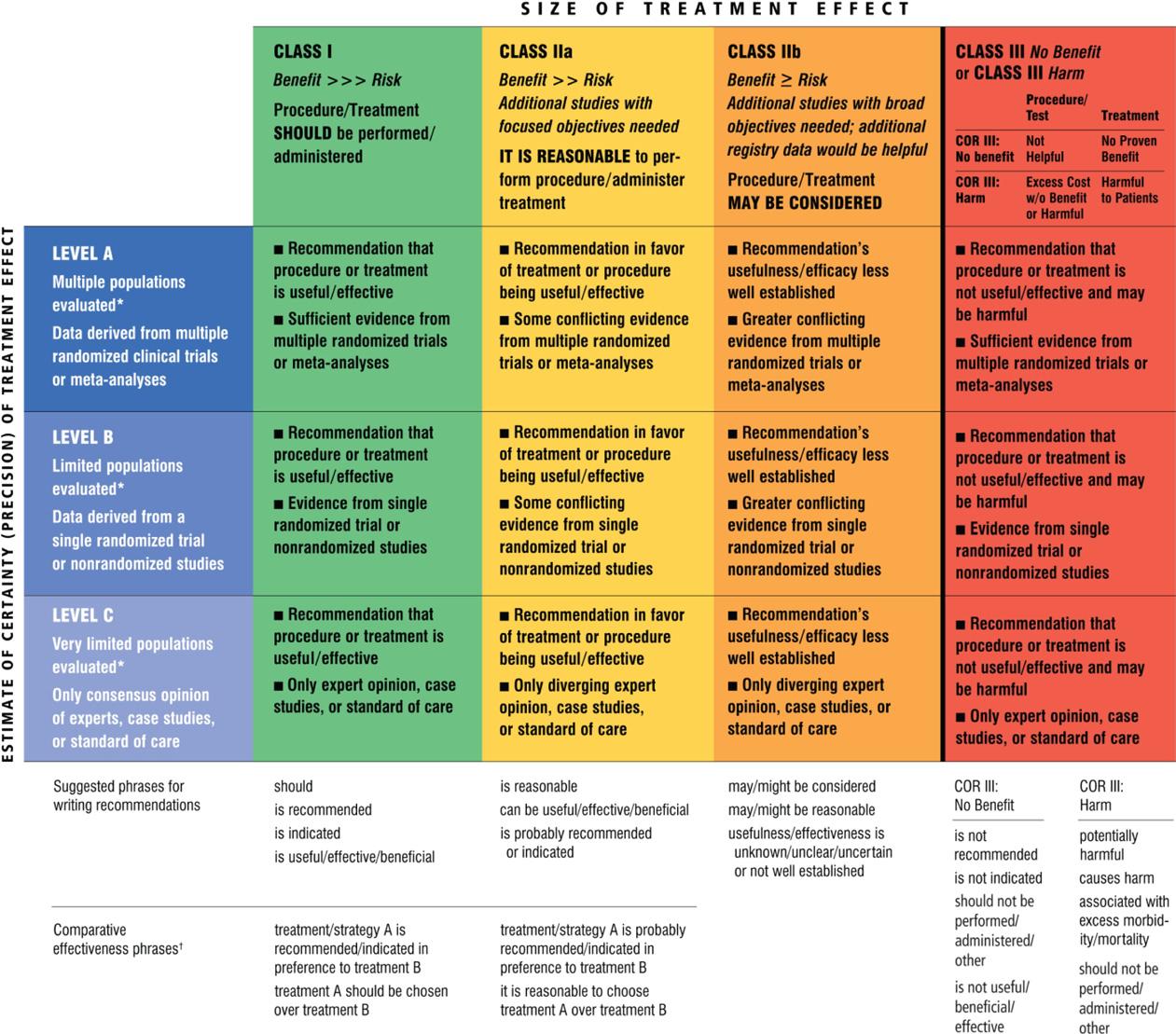
The current fad called EBM has lots of lacunae. Though evidence based approach is considered the ultimate journey towards truth ,lot of non academic factors contaminate it .In it’s current form , it is difficult to comprehend it.
This is an attempt to decode the mystery of EBM expressed in a simplified lay person’s term .They are the ones from whom we learn medicine. They are our teachers in the true sense.
By the way ,it is also my approach to EBM .Sorry , if this post sounds arrogant ! It is not the intention .Truths often times appear brutal .
And . . . the Genius approach to EBM for comparison
Posted in bio ethics, cardiology journal club, Cardiology quotes | Tagged ethics in cardiology, ethics in medicine, evidence based cardiology, guidelines in cardiology, guidelines in medicine, principles of medicine | Leave a Comment »
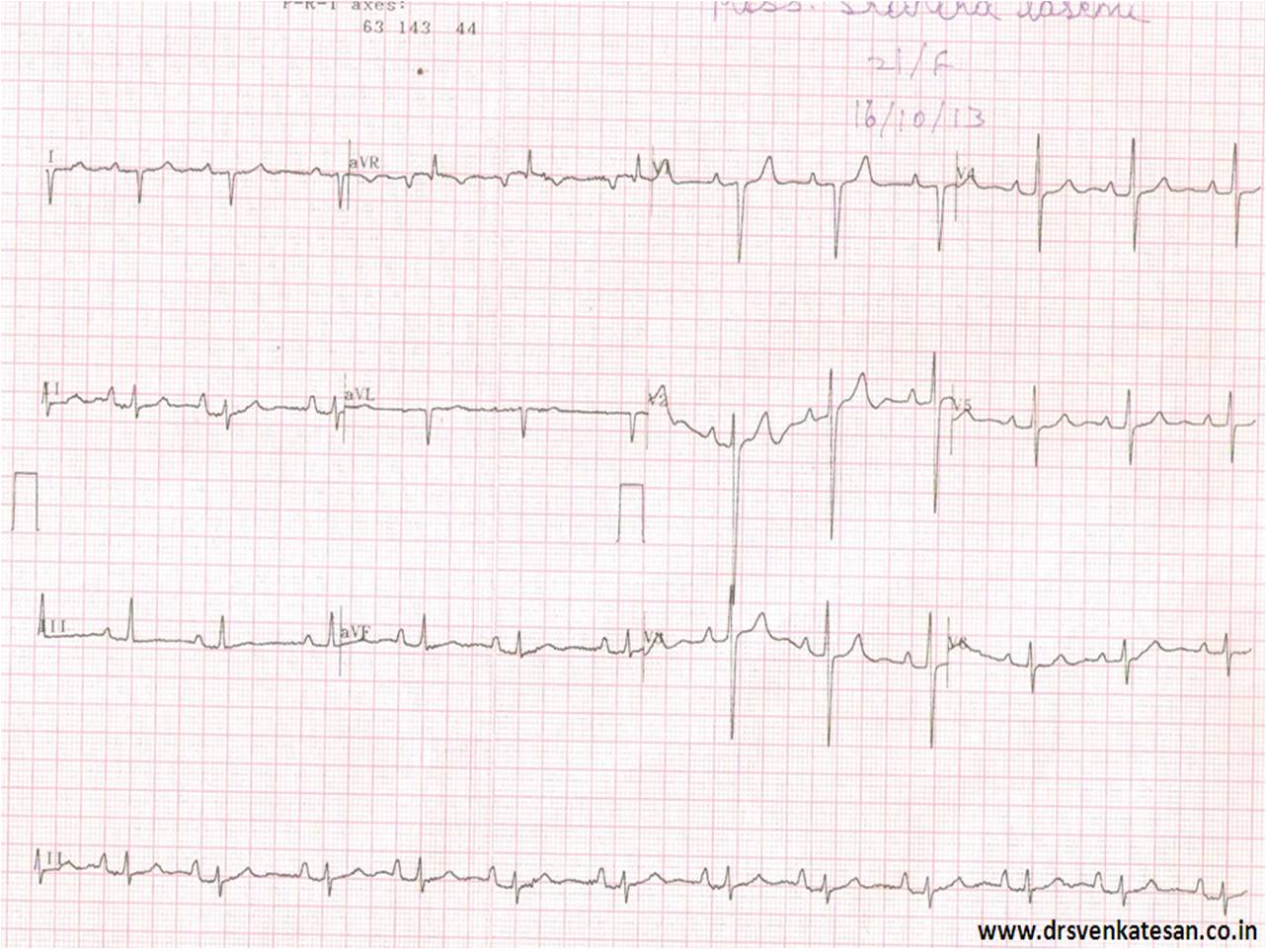
In one of my classes , this ECG was presented . Controversy erupted.It was about the basics .
What is the QRS axis of this ECG ?
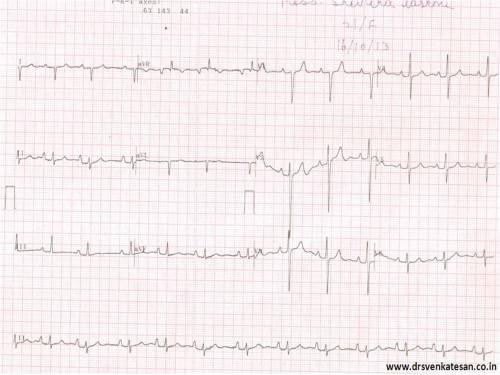
Not surprisingly there were handful of answers .
- North west Axis
- Indeterminate QRS
- +150
- +180
- 0 degrees
- Extreme Right axis
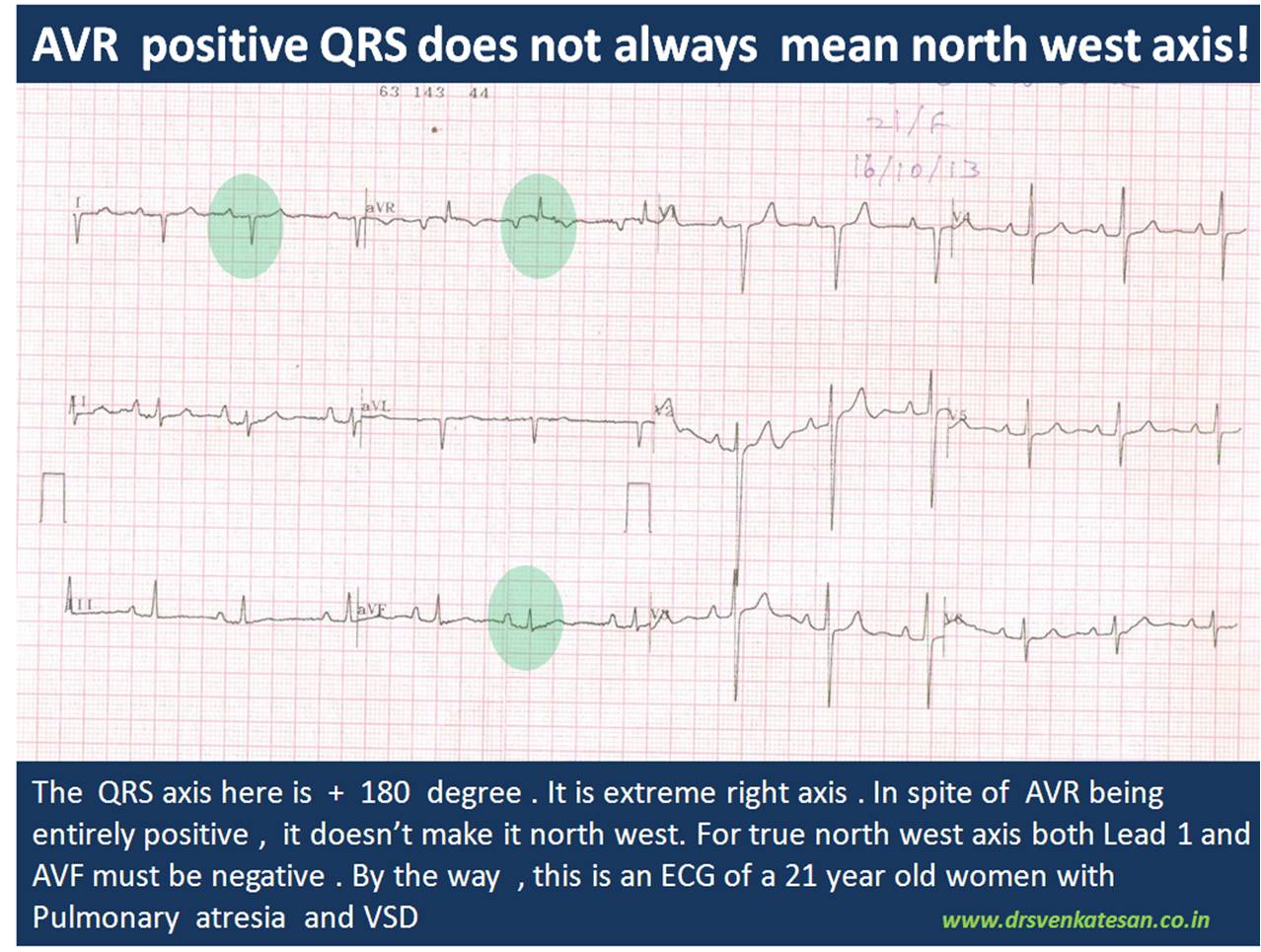
Which is correct ? My guess is , it should be closer to + 180 . Lead 2 is equiphasic and perpendicular lead is negative limb of AVL ie + 150 .If you plot Lead 1 and AVF in graph and calculate we get + 135 . (In the strict sense , we are not supposed to take one standard lead and an augmented lead for plotting ). Finally, the strongest argument was , since AVR shows only positive forces it would make north west axis more likely .
Causes of North west QRS axis
- Denova North west axis
- Extreme Left becoming NWA*
- Extreme Right becoming NWA
*Left becoming NWA is much more common than other types.
Chamber enlargement alone is not sufficient to shift the axis to NW corridor. There must be anatomical distortion of his bundle and it’s branches to shift the axis dramatically .This usually occur in complex congenital heart disease. In acquired heart disease the an apical VT is probably an important cause for NWA.
One word about indeterminate qrs axis .
By the way , Indeterminate QRS axis is not synonymous with north west axis. This term should ideally be used if qrs complex is equiphasic in all limb leads , when qrs axis can not be truly determined .This situation commonly occurs when we encounter very very low voltage qrs as in cardiac tamponade and severe hypothyroidism , constrictive pericardits, etc
If the QRS is in north west corrodor , How to differentiate , whether it came from extreme left axis or right axis ?
I am yet to find a correct answer for this.
- Pre-cardial pattern will help.
- A q in V5/V6 would suggest extreme left axis.
- May be we have to look the initial qrs vector in AVR lead for more clues
Traditionally , we talk about net qrs axis . We should realise net qrs axis is a combination of initial and late vectors .It can be dramatically different in different leads . QRS axis is a two dimensional representation of three or more (omni) dimensional electrical forces .That is the source for confusion. So, do not unduly worry about the complexity .Blame it on the limitations of surface ECG !
Expecting some comments .

Posted in cardiology -ECG, Infrequently asked questions in cardiology (iFAQs) | Tagged ecg in pulmoanry atresia, extreme left and right axis, indeterminate qrs axis north west axis, what is north west qrs axis ? | 1 Comment »
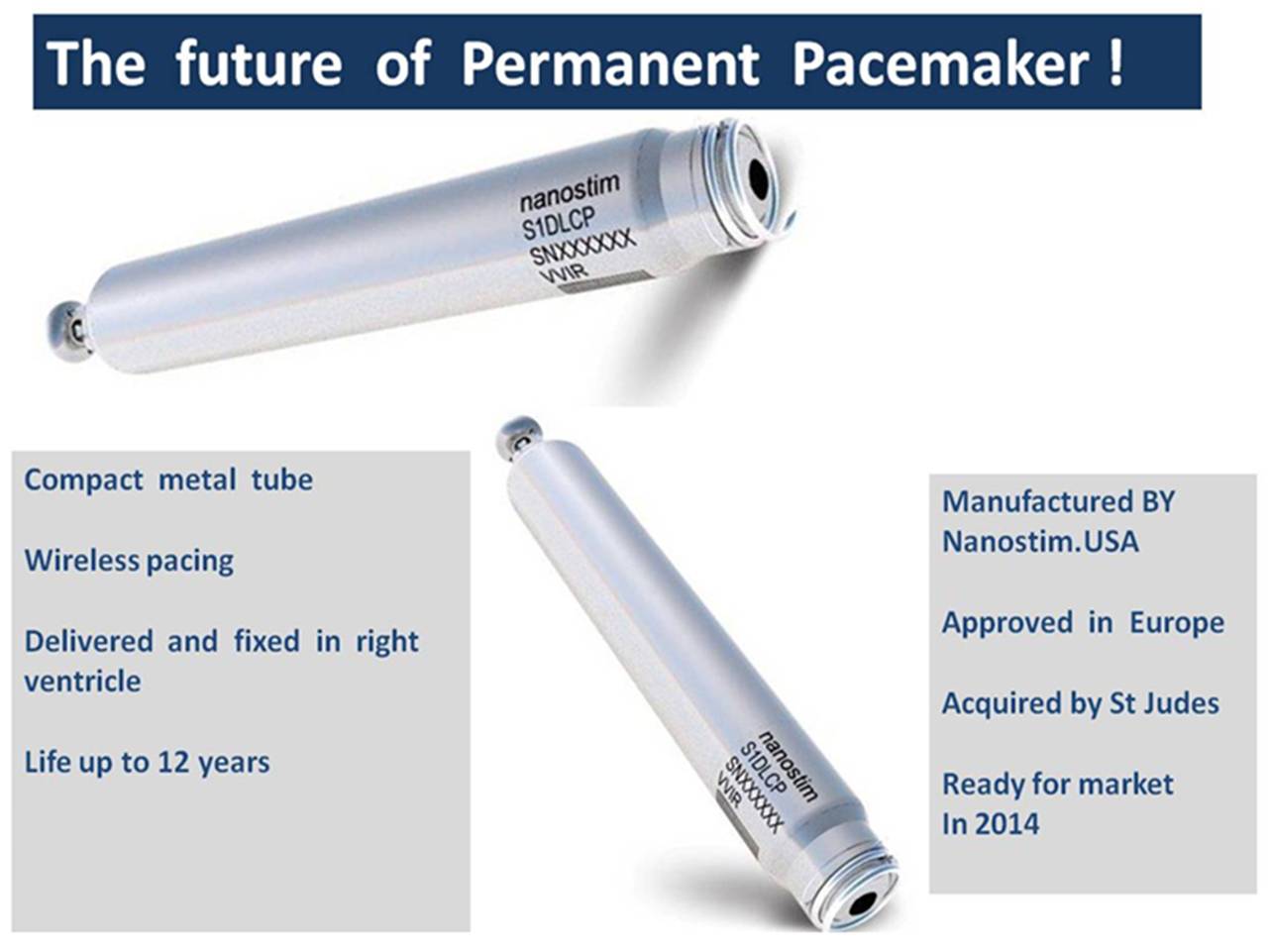
Few Innovations are real breakthroughs in cardiology . Here is an imminent technology waiting to explode in the permanent pacing . Expected to hit market next year (2014 in Europe ) FDA approves clinical studies .
Click over for the animation video of the procedure .
- The wireless pacemaker has many advantages. (It’s devoid of all those pocket and wire related issues.)
- The ability to change batteries is a going to be a new paradigm shift in the filed of electro physiology. .
- Down side would be, right now it can be only VVI pacing . All that hype about physiological pacing will go to the background !
Future directions in Permanent pacing.
The only threat for this technology is the concept of biological pacemaker Converting ordinary myocytes into pacing cells by genetic engineering.This is expected to happen within few decades.
Posted in Cardiology - Electrophysiology -Pacemaker, Cardiology -Emerging technology, cardiology innovation, Cardiology Innovations, cardiology journal club, Cardiology-Land mark studies, Future cardiology gadgets | Tagged changing batteries in vvi pacemaker, future of permanent pacemaker, implntable rv vvi pacemaker, st jude naostim wirelss pacemaker, wireless pacemaker | Leave a Comment »
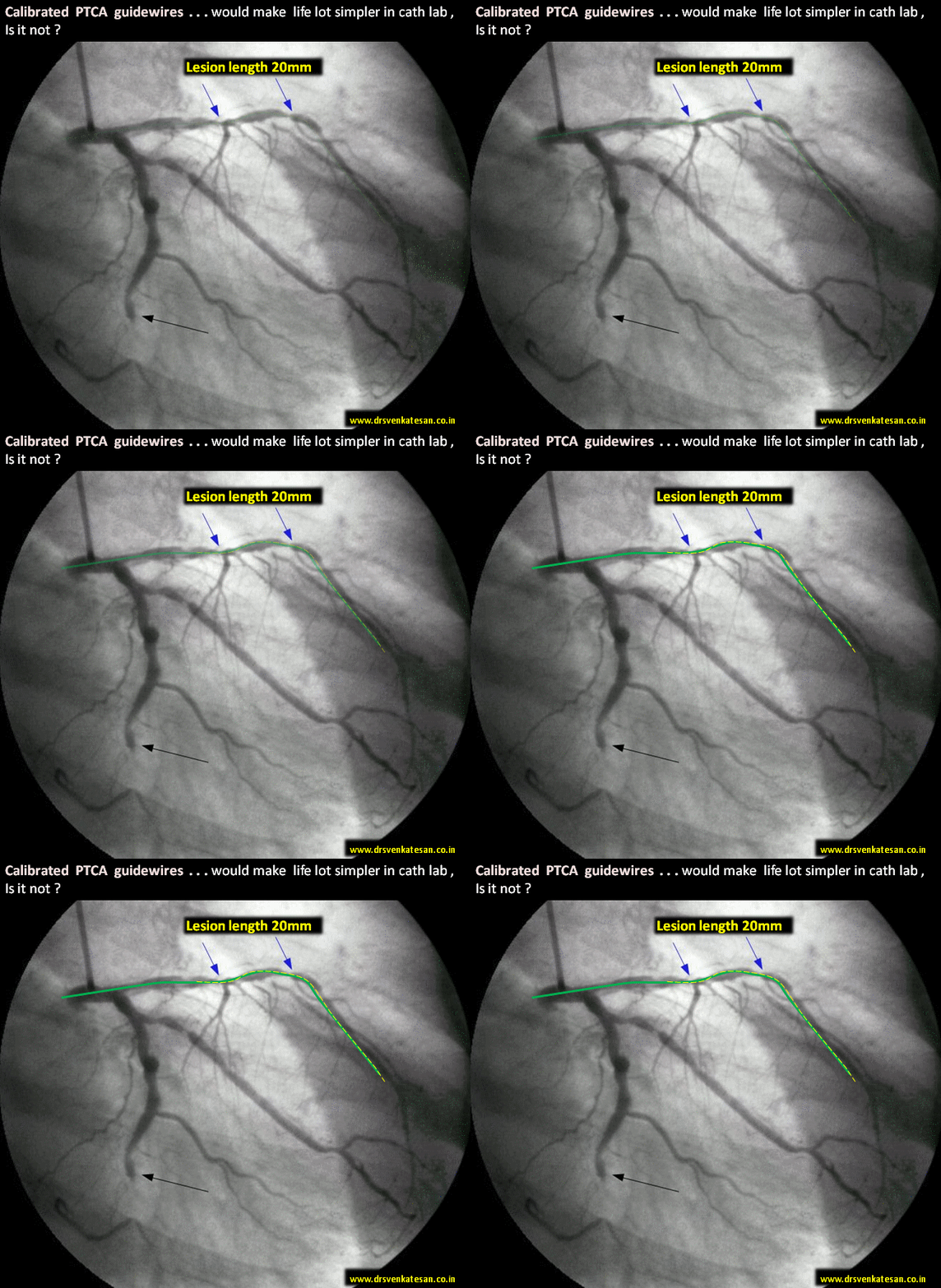
It is estimated nearly half a million PCIs are done all over the globe every year .Evaluating diagnostic angiogram is a critical vital step, but often times it is given less time and left to fellows .This is done mostly offline by Image processing software. Curiously , lesion assessment becomes a causality to the visual acuity .It ends up with lot of whims , intuition and bloated egos of senior cardiologists !
Technical issues
The fundamental flaw in the lesion assessment is ,there is a dissociation in choosing the “best view” for lesion morphology and length . Size need not be well assessed in the same view as morphology . For example , LAD is fore shortened in LAO caudal view , length measurement would be erroneous , still morphology may be well delineated .(Vice versa in RAO caudal view )
Other source of errors
Reference catheter may be far away in the Aorta , and confer a magnification error . This becomes important especially in ostial lesions and associated major branch lesions. The computer uses the edge detection algorithm which carries an inherent error .
Advantage of guide wire as a scale
- Instant online measurement
- Always on . Repeatedly used in multiple views .
- You can’t ask for more accuracy .The scale is within the coronary artery hugging the lesion
- The end on view is effectively nullified .
- Magnification factor do not operate.
- Finally , and most importantly in complex tortuous , tandem lesions few mm errors can be disastrous .These calibrated guide wires will make our life lot easier.
Final message
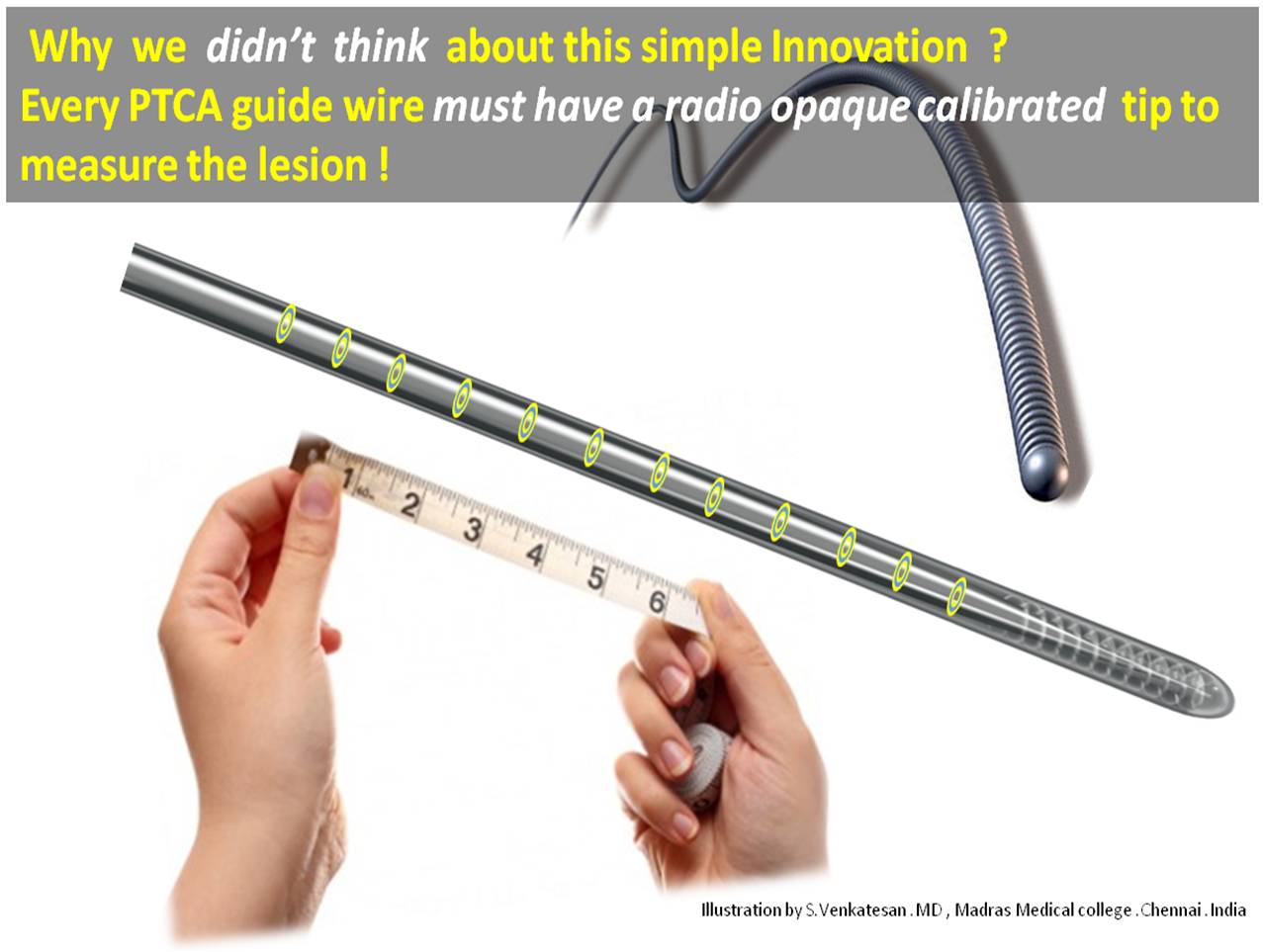
Measuring a coronary lesion remains a delicate issue . If only we have radio opaque rings every 1mm or so in the distal end of the guide wire , we can measure the lesion instantly and most accurately.
This will definitely make our life not only simple but help our patients with accurate stent sizing and avoid costly geographical miss (or inappropriately long stent that increase metal load .)
After thought
I do not know whether any of the existing guide wires have this facility .(I guess it is not . . .then , let this idea be patented in my name !) After all , It is a mean task for all those mighty coronary hardware companies to add few radio opaque rings to all PTCA guide wires!
Medtronic, Abbot, Boston are you listening ?
And . . . your opinion please !
Posted in Cardiology -Interventional -PCI, carotid interventions | Tagged calibrated guidewires, coronary stenting, lesion length assessment, morphology of lesion in ptca | Leave a Comment »
Posted in Cardiology - Animations, Cardiology -Non coronary Interventions -PTMC, cath lab tips and tricks, PTMC -Tips and tricks | Tagged difficult ptmc, how to cross a crtical mitral stenosis, inoue balloon, mitral valve crossing, mitral valvotomy, percutaneous mitral commissurotmy, ptca balloon during ptmc, ptmc, subvalvular fusion in ptmc, tough ptmc | Leave a Comment »
Regurgitant lesions of cardiac valves are often tricky for the heart . Myocardium shows “love- hate” relationship with these leaky valves. Some of them are “sort of” stress relievers for LV . A mild MR will make the LV comfortable in terms of wall stress. When the wall stress is reduced the contractility increases and LV EF may raise a little.Hence EF is never going to help us to assess true LV function in MR .
LV end diastolic dimension(LVEDD) is a preload dependent parameter .A patient with 6.5cm LV EDD may still have good contractility and he may reach even a 40mm LV ESD, implying an intact LV function.
LV function should be best assessed in systole .(After all , systole is the prime function of heart) .Further , it should be assessed when the LV is free from influence of the all loading conditions of heart . (Note : The initial part of systole depends on after load. As the systole progresses the influence of after-load lessens .In the pressure volume loop* , the point at which loading conditions are least operative is end systole.)
* Please realise , heart is a dynamic organ there is no true load independent point in cardiac cycle as pressure and volume are eternally coupled.
What happens in AR ?
The same rule applies for Aortic regurgitation, but the parameters worsen little later than that of MR. For same degree of regurgitant fraction MR will require early surgery than AR.The reason for better tolerablity of AR is due to largely intact LA function and compliance till very late stages of AR.(In AR- it’s single chamber volume overload , while in MR it’s two chambers !)
Final message
LVEDD is not used in assessing MR as it is a pre-load dependent parameter that will not reflect true myocardial function /dysfunction. LV ESD is fairly accurate measure of LV systolic function minus all loading factors .
Watch out for next topic
Vasodilator therapy in MR and AR : How is it different ?
Posted in Cardiology -unresolved questions, Infrequently asked questions in cardiology (iFAQs), Mitral regurgitation, rheumatic heart disease, valvular heart disease | Tagged cut off for lv esd 55 mm in mr ar, lvedd vs lvesd, mitral reguritation when to operate, mr vs ar operability, pressure volume loop in mitral regurgitation, why we take lv end ssytolic dimension for assessing lv function ? | Leave a Comment »
Medical research often ventures into a directionless and meaningless exercise with or without intention .The reason is simple , unlike other fields, scientists enjoy the ultimate freedom of expression.
How to find genuine treasures from this chaos ?
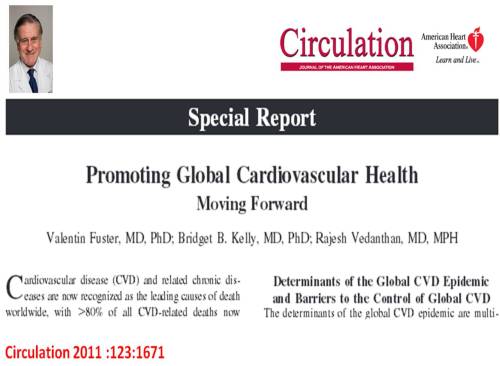
We need people like Valentine Fuster ,
Here is link to the article in circulation 2011 which I consider a must read for all cardiologists !
Posted in cardiology journals, Cardiology research topics, Cardiology Risk assesment, Great Men in cardiology, Great websites in cardiology, history of cardiology, Land mark articles in cardiology, Top ten in cardiology | Tagged epidemic of cad, future of cardiology, global cardiology issues, land mark articles in cardiology, preventive cardiology, promoting global cardiovascular health, top articles in cardiology, valentine fuster | Leave a Comment »
Many modern day cardiologists consider doing echo , a mean job and leave it to technicians and fellows . Final report often ends up with a cursory glance. The culture of reporting an important aspect of LV function is reaching a new low. It is common to find the following terminologies in the echo reports in many parts of the country* (Guess it is not used elsewhere ! )
- LV function good
- LV function adequate
- Good bi-ventricular function
- LV function fair
Among these , the term adequate LV function has caught the imagination of young cardiologists ! Especially , this description often appear in pre- operative screening echo for non cardiac surgeries .
Recently ,one of my patient asked me what do we mean by adequate LV function . I told him it means nothing . . . it’s all fancy words ! but , generally it is used to imply normal LV function . . . I clarified .
Think over for few minutes . . . what do we want to convey by calling LV function as adequate ?
Does it mean normal ? or Just less than normal ?
If adequate LV function is accepted , what is inadequate ?
Adequate for whom ? For the patient ? or for the physician ?
Adequate for daily activity ? or Adequate to with-stand the proposed surgery ?
Final message
Even learned cardiologists indulge in this term frequently . This is rather a fancy and unprofessional way reporting LV function . They pass this style to their residents as well para medics .Adjectives in medical science are not banished . . . but should be judiciously used . In my opinion the term adequate LV function should be removed from all echo labs . Youngsters please watch out.
Related links in this site .
Posted in Cardiology -unresolved questions, echocardiography, LV function | Tagged LV ejection fraction, lv function parmeters, what do we mean by adequate lv function ? | Leave a Comment »
Right ventricle is a passive venous component of the heart .It simply acts a transit pump for blood to reach the lungs.
It is true , RV is dispensable in many complex congenital heart disease as we can connect the great veins directly into the pulmonary artery by Fontan , Glean and it’s clones bye passing this chamber . Still , by no means the importance of this chamber is to be underestimated. RV dysfunction and failure is the key to survival many disorders.RV shock is is cause of sudden cardiac death in acute pulmonary embolism and RV infarction .
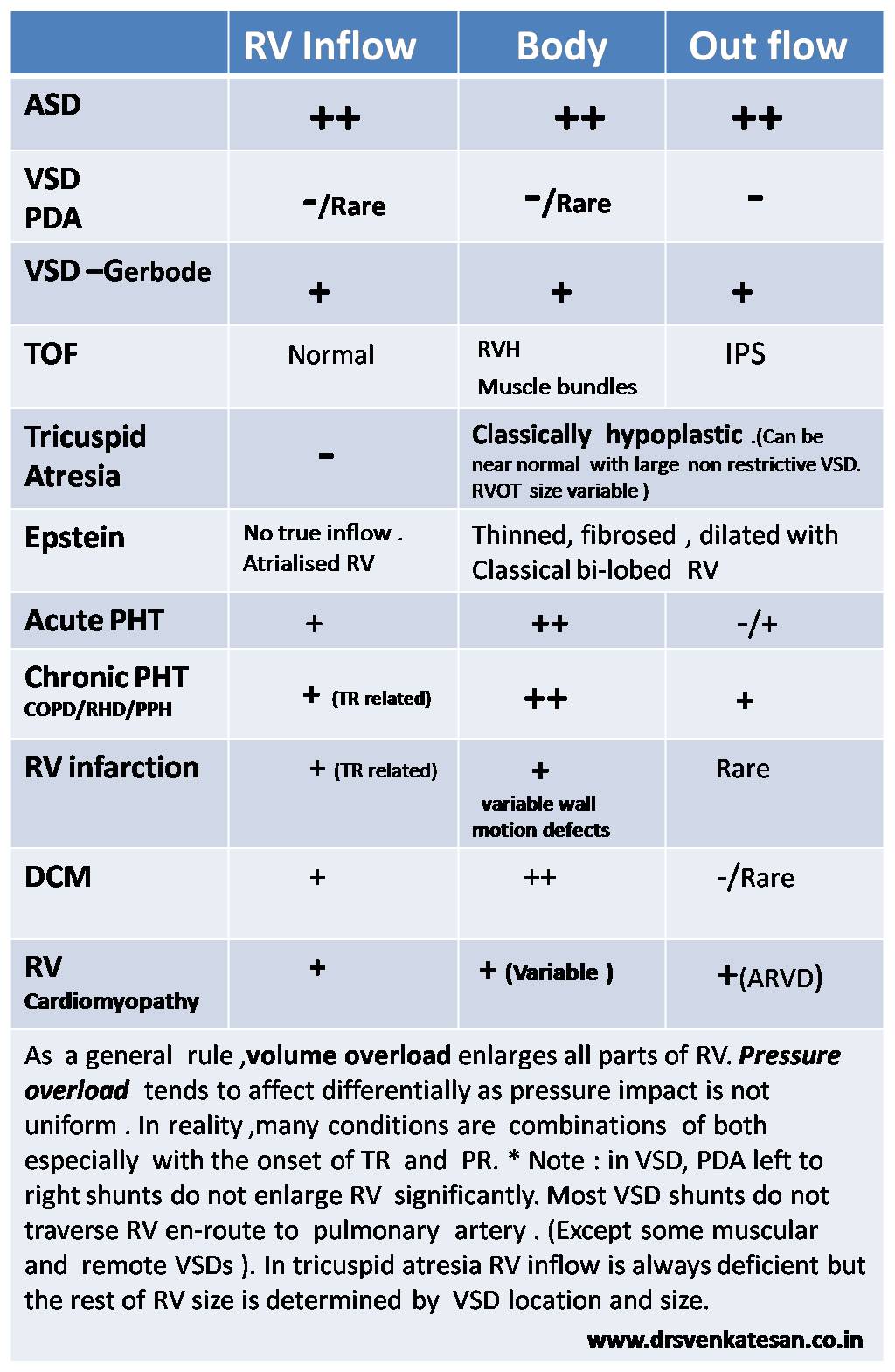
RV is an unique muscular chamber .It is more of a triangular shape. It has three different parts connected by three different angle .There is no true apex for RV , it is connected to Inflow and outflow in peculiar fashion .
In the following table I have tired to describe of how different parts of RV behave in various disorders.
Posted in cardiology congenital heart disese, Clinical cardiology, myocardial disease, Right ventricle | Tagged arvd, ebstein anomaly, epigastric pulsation with rvh, how is rv in various heart disease, infundibular dilatation, para sternal lift, parts of right ventricle, right ventricle, right ventricle in tof, rv in tricuspid atresia, rv inflow body out flow, rv morphology in various congenital heart disease, rvot dilatation | Leave a Comment »