Feeds:
Posts
Comments

Posts Tagged ‘bmj’

The irony of medicine is unlimited !  100 years of active clinical  research   failed  to find a specific cure for the rhino virus mediated common cold.In fact  US Govt stopped funding for this .

While ,   complete cure is possible  for many of the cancers, especially hematological ones !

Message 

In medicine there are thousands  of disorder  which have no cure ! 

Cancers ,  constitute  only a  fraction of  them !

Read Full Post »

Let us not forget the basics !

  • HT management has been made  easier with the availability of  many  good drugs , at the same time it has become a complex  issue with as many classification and guidelines.
  • The management of HT has evolved over the decades. Now we have realised  HT  is not a simple number game . Reducing the blood pressure to target levels is not  sufficient and is not the primary aim !.
  • In fact we now know controlling the numbers alone is never going to work  , combined risk factor reduction is of paramount importance.
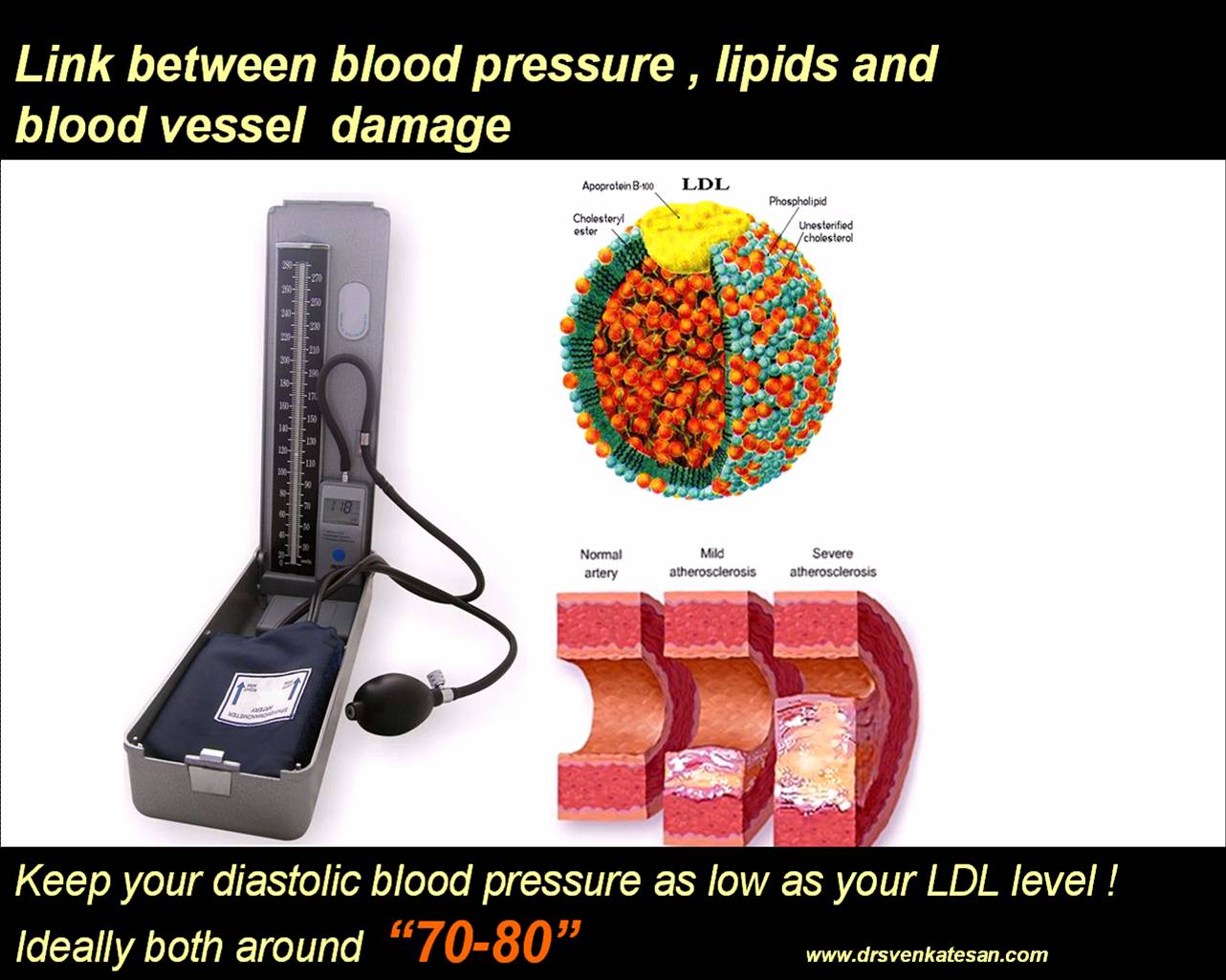
  • HT per se is less lethal but when it combines with hyperlipidemia and diabetes or smoking  it becomes  aggressive.The blood lipids  especially the LDL molecule  enjoy the high pressure environment  ,   penetrate and invade the vascular endothelium.
  • ASCOT  LLA  study has taught us,   for blood pressure reduction to  be effective and reduce CAD  events one has to reduce thier  lipid levels also.So , for every patient with HT there is not only a target BP but also a target LDL level .

picture1


Final message

The tip for better vascular  health is  , all  hypertensive patients should keep their lipids to optimal levels and all hyperlipidemia patients should keep their BP as low as possible .

“Keep your LDL  as low as  your diastolic blood pressure  and  let us  keep it around 70 -80

Read Full Post »

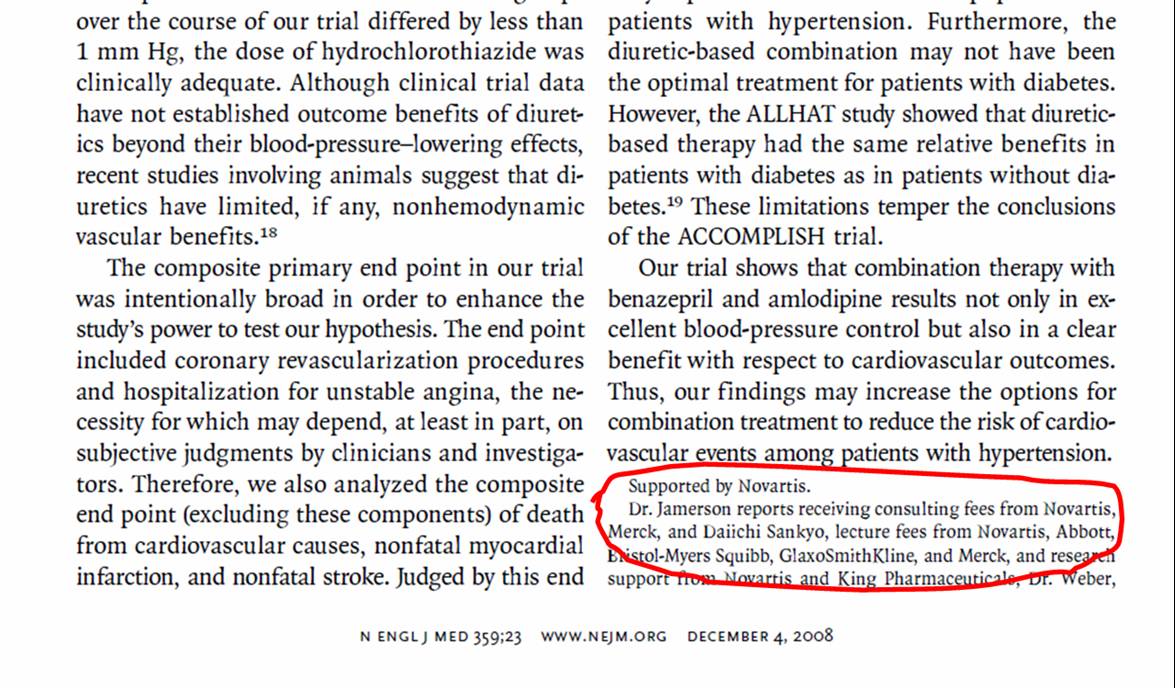
                                                 It is now mandatory for all  journals  to declare the  conflict  of interest by the authors  who are involved in medical research .The purpose apparently is to make all transactions or links  between the researchers and their funding agencies transparent .Even major journals  do not go beyond this . Some ensure it , to appear in the first page of  the article.

 What does the the journals tend to  convey to the reader by publishing the conflicts of interest ?

  •  Does it  mean the article in question  may have a bias or indeed have a bias  ?  and readers are warned  hereby !
  •  Do they send across a message  that the  article may not be really a genuine one and the judgement is left to the the consumers of the articles ?

How often a journal article is rejected purely on the basis of  conflicts of interest ?

Most of  journal articles are rejected  for poor methodology, statistical analysis and so forth .We don’t know how often a paper is rejected  due to a conflict issue per se.If this could happen ,bulk  of drug trials would face a torrid time from the editors.

Why , even the leading scientific  journals never indulge in grading the significance of the conflict ?

Here is an example .

accomplish

nejm1

The much hyped drug trial on Hypertension “ACCOMPLISH”  was published in the  world’s most prestigious medical journal recently .It  left  it to the readers to  have their  own assessment  on the conflict issue.

  The consequence of not , grading and investigating  about the conflicts could have  serious  global health  implications both financially and academically .

This study was designed, formulated, completed and published  with a single hidden aim of neutralising the land mark trial  of ALLHAT which recommended diuretics as a first line drug in HT.Apparently diuretics are very  cheap  , effective  generic drugs.

 Is it a scientific rule  that  the  latest evidence  ,  should always prevail over the older evidence ?

No. Science can never have such a rule ! The question is how good and genuine is the evidence.
Just because an evidence is current , it does not  attain a scientific sanctity !

Read Full Post »

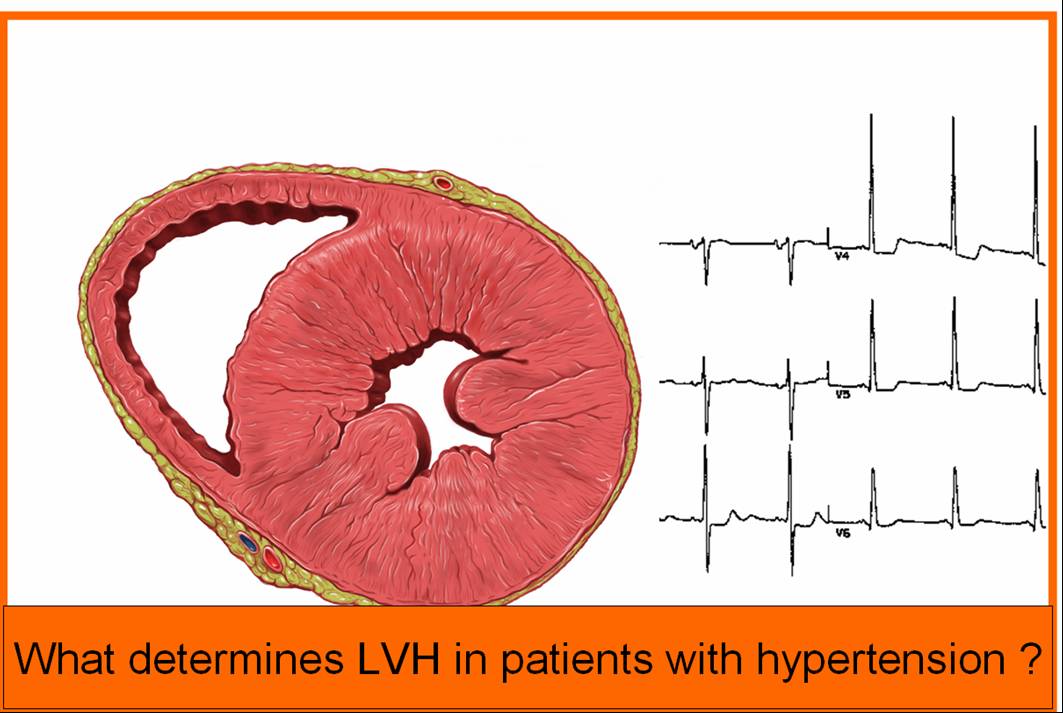
                                Hypertension is the most common clinical  cardiovascular entity.Left ventricular hypertrophy (LVH) is  an important consequence of  HT.In fact, it is considered as a end organ effect or damage. Others being brain, kidney, and peripheral vascular disease.Knowing about LVH is important because it has been linked to increased cardiovascular events.

lvh-4

                              Though LVH is considered  as a close companion of  HT  it is  surprising  only a minority (15-30%)  show evidence of LVH .Some  experienced clinicians (Level C evidence)  quote even lower < 10 %  .Traditionally LVH was detected by ECG and now it is replaced by echocardiography.

What determines the LVH ?

It will be suprising to note , answer to this question  is  still not  clear .

  • Is it the duration of elevated blood pressure ?
  •  Is it the absolute level of blood pressure ?
  • If so , is it  the systolic BP  , diastolic BP or the mean BP ?
  • Or is it related to the etiology of HT ?
  • There has been no significant correlation between the above parameters

When we don’t know  the answer to a question in medicine , the answer will  generally will be inside the genes !

So in HT also the major determinant of LVH is in the genes that determine the myosin heavy chain  response .

and also ACE gene polymorphism.ACE genes are involved in the expression of growth factors within the myocardium.

An excellent study  on the issue http://www.nature.com/jhh/journal/v17/n3/full/1001523a.html#tbl1

It implicates , gender, age, race etc in the genesis of LVH

Final message

So , the  myocardium does not respond with LVH   in all patients with HT.It happens only in a minority* .Duration of HT can be an important determinant , but  the major factor is  the alteration of genetic switches  within the myocytes How this switches are going to  behave ,  is largely inherited .Regression of LVH is also not uniform again implying lesser role for hemodynamics. (Some studies revealed ACEI have maximum regression  of LVH , later disputed )

*LVH is more consistently seen  in hypertension due to reno vascular  or parenchymal disorders .It is also an observed fact , a  combination of diabetes and HT is more likely to result in  LVH.

The other major issue  that needs explanation in HT/LVH  is   , how much of LVH is due to  myocyte hypertrophy perse  and how much is contributed by interstitial cell hypertrophy(Non myocytic hypertrophy)

This issue will be discussed soon

Read Full Post »

                    circulatory                                                                            A normally  functioning  circulatory system is vital for our survival . We have about 6000 ml of  blood, circulating  all over the  body in an  approximate time of 15-20 seconds.The pressure at which this blood moves across the body is called the blood pressure . Hypertension  or simply , high blood pressure is an undesirable  hemodynamic disturbance  in human circulatory system.Systemic hypertension is the most common type of hypertension. The blood pressure is primarily  dependent  on the status of the blood vessel(vascular resistance)  and cardiac contractility. This regulation is under  many neural and hormonal factors.Further  the blood pressure varies depending  upon the blood vessel calibre, and the local milieu.There is a progressive drop in blood pressure from major arteries to the small arteries .The pressure drop is maximum  across the arterioles to reach the venules .The venous circulation has the lowest pressure, it ends up at right atrium with a mean pressure of 0- 5mmhg.

Importance of regional variation of blood pressure.

It should be realised  ,  each organ has it’s own regulated blood pressure.The brain  perfuses by the  intracerebral pressure .The lungs decide how much should be the pulmonary arterial pressure.The kidney not only controls it’s own pressure but also  has a major regulatory role in  systemic pressure by rennin angiotensin system.The examples are numerous, portal system has it’s unique pressure controlling hepatic hemodynamics. The  retinal blood vessels regulate  intra ocular pressure. While the human  circulatory system has a wide variation of blood pressure  across the breadth and length of vascular system,  it is ironical a single snap shot BP with a brachial cuff is used  to define the normality and if it is normal every thing is thought to be  hunky dory !


It is widely acknowledged now , aging of humanity  is nothing but aging of our vascular system

                                    So we should have new parameters to assess individual organ’s vascular health as well as the currently popular systemic vascular health.The single important factor that determine coronary endothelial damage is the intra coronary pressure.It is never taken into account in any of the cardivascular mortality studies. This is the prime reason for  the widely prevalent conflict in the cardiology literature , namely : Controlling systemic  blood pressure has poor correlation with  cardiovascular outcome. Many of the so called normotensive individuals  have serious hemodynamic injury in their  coronary arteries.This was made apparent in the  ASCOT LLA  study , in which patients with  near normal blood pressure also benefited from statin therapy , implying  endothelial damage could occur at any level of systemic blood pressure.

What is the normal intracoronary pressure  ? When do you diagnose intracoonary hypertension?

The normal intracoronary pressure is around 40mmhg . Intra coronary hypertension as a clinical entity  is yet to be  recognised . There is no defintion available for intracoronary HT  , intracerebral hypertension as well. 

It’s still a  long way to  go , for the cardiology and neurology  community to assess non invasively  intracoronary pressures and  intra cerebral arterial pressure to prevent  coronary events ant strokes.

Final message

Simple risk prediction using brachial cuff blood pressure is a grossly unscientific method (Sorry, i really mean it ) to assess one’s vascular health.There has been  few attempts like vascular endothelial health assessment by fore arm blood  flow , central aortic pressure (Instead of brachial cuff pressure) as an  index for risk predictment and  assessment for hypertension is suggested.

Read Full Post »

          During CABG arterial grafts are always preferred over venous grafts , for the simple reason the grafted vessel has to carry arterial blood and not the venous blood. Saphenous veins are tuned to carry venous blood at low pressure.The mean coronary arterial pressure is around 40mmhg and this will damage the saphenous venous endothelium more quickly. The reocculsion rate at 10 years for venous grafts  can reach  60%.


                                                    Left internal mammary artery (LIMA) is the most commonly used arterial graft. This is usually anastamosed with LAD. The lumen of LAD &  LIMA are more or less equal and they match well in character also !

The other advantage  of  LIMA graft  is ,   blood    tends to  flow  both during systole and diastole in a smooth fashion.. Since the venous graft which  hangs from the root of aorta , the  ostium  of venous graft lacks the  hemodynamic benefits of   coronary sinus . (We know the coroanry sinus acts like a  reservoir for  the smooth release of  blood flow into coronary arteries.)

Finally ,  the most important feature of LIMA is

  It is a live graft

LIMA’s proximal origin from subclavian is left intact, so LIMA acts as a live vessel with it’s  vasa vasorum intact ,  which means the endothlium derived relaxing factor (EDRF-Nitric oxide) secretion is not interrupted.This makes the LIMA  an excellent graft , self protected against reocclusion.One may call it a drug eluting graft !

 What is the patency rate for LIMA ?

LIMA patency rates at 10 years is nearly 90 %  .But the graft patency depends on many factors , like diabetes, age, gender, surgical technique ,(Now , beating heart CABG is very popular , where the LIMA patency is said to be slightly lower than conventional CABG) Sequential LIMA grafts, free LIMA graft ( Which  loses the advantage of being  a live graft) have relatively lower patency rates.

What are the other arteries used in CABG ?

Other arteries that could be used are radial artery, right internal mammary artery, and gastro epiploic artery.The patency rates of all these arteries far less than LIMA .

cabg-2

A surgeon testing LIMA flow before Anastomosing it to LAD.

Image courtesy Dr.Mannoj Aggny .You tube

Read Full Post »

                                Coronary artery  by pass graft surgery has become the most common cardiac surgery done world over ever since it was first introduced by Favalaro in 1969.The common indications  are, triple vessel disease and left main disease in any of the following situationsE.

Elective CABG(Non emergent)

1.Chronic stable angina

Either emergent or elective

1.Unstable angina

Emergency CABG*

1.Acute myocardial infarction.-Cardiogenic shock

2.Failed thrombolysis

3.Failed primary PCI

4.Complications during routine PCI(Cath lab crashes !  etc)

5.As an associate procedure after a  mechanical complication during MI (Septal rupture, Acute MR etc)

*In emergency situations even a single vessel disease would require a  CABG

Hybrid CABG

Combining CABG and PCI in the same patient is followed in very few centres .(Example LAD graft and RCA angioplasty)This is done in patients who have co morbid conditions who can not tolerate prolonged surgical times.Further there can be situations  one lesion is very ideal for PCI  while for other grafting is the only solution.

Controversial CABG

1.CABG as a primary revascularisation  in STEMI*

(Rarely done now , almost obsolete , primary PCI has almost replaced it  . . . but it is still  useful if performed within 6 hours of MI )

2.Incidentally detected CAD*  following routine coronary angiogram.

( *CABG for incidentally detected asymptomatic CAD is  increasing in many parts of world )

Inappropriate CABG

         If it’s triple vessel disese it must be CABG -CASS study (1980s)

                       Coronary artery surgery study (CASS) still has considerable influence among the  cardiology  community in the decision making process  for CABG , even though it is many decades old .There has been a phenomenal development in both medical as well as interventional techniques since  CASS . (Thrombolysis, Statins, ACEI, PCI  DES to name a few) .

                     When CASS study was done many decades ago,it was believed triple vessel disese constitute a  homogeneous population and  carry  the same clinical significance . For example a 90% proximal LAD , 50% RCA and 50% OM technically qualify for a CABG and unfortunately , some of them are  subjected to it even in  2008 !  Now we clearly know, it is not the number of diseased vessels  that is important, but it’s location, severity , LV function, presence or absence of diabetes . Finally , the presence of revascularisation eligible myocardium must be documented in all post MI patients . (Technically referred to viable & ischemic myocardium ).              

              Currently , with the  PCI  & medical management has grown so much, CABG should be reserved only for, critical triple vessel disese , with at least one proximally located lesion (Mostly  LAD  or Left main ), especially in diabetic individuals.

Read Full Post »

Which is  the most important factor that determines thrombolysis failure in STEMI  ?

  1. Thrombus load .
  2. Drug efficiency
  3. Time delay
  4. Presence of a mechanical lesion
  5. Hemodynamic instability

Answer : 3 .(Though all 5 factors operate )

Failed thrmbolysis occur in about 40-50% after streptokinase and slightly less with TPA   and TNK-TPA . Delayed arrival and late thrombolysis are  most common cause of failed thrombolysis. As the time flies , the  myocardium gets damaged and the intra coronary  thrombus gets organised .Both these processes make delayed thrombolysis a futile exercise.

               Not all STEMI patients have large thrombus burden. There need to be a critical load of thrombus for thrombolytic to be effective

Some may have a major mechanical lesion in the form of plaque fissure, prolapse and it simply blocks the coronary artery mechanically like a boulder on the road  . The poor  streptokinse  or the rich Tenekteplace !  nothing can move this boulder .The only option here is emergency PCI .

How will you know when the patient  arrives in ER with STEMI whether his/ her coronary artery is blocked with soft thrombus or hard mechanical boulder ?

It is impossible to know.That’s why primary PCI has a huge advantage.  But still thrombolysis is useful as some amount of thrombus will be there in all patients with STEMI.Lysing this will provide at least a  trickle of  blood flow that will jeep the myocardium viable and enable us to take for early PCI.

Final message

The commonest cause for thrombolytic failure is the time of administration and the degree of underlying mechanical lesion  . So  it does not make sense  to blame  streptokinase always !

Read Full Post »

                                     Hypertension is considered a major cardiovascular risk factor.Hypertension  can have multiple physiological and pathological effects on heart . The common response to  raised arterial pressure is the hypertrophy of the left ventricle ( LVH). This can increase the risk of heart failure in few ( Mainly diastolic failure)  It is a leading cause for stroke  and   less often a  coronary event.

What links Hypertension and  coronary artery disease

                                           Coronary artery disease is almost synonymous with atherosclerosis. There is no separate entity called hypertensive coronary artery disease. But HT can accelerate the process of atherosclerosis. It is widely understood, hypertension can cause  physical endothelial damage and functional impairment of endothelial function.The physical damage ie enothelial disruption , or erosion is a very uncommon phenomenon . So currently  there is sufficient clinical experience  HT is considered dangerous for coronary artery only if it is with the  company of diabetes and hyperlipidemia. (This will seem controversial as it is against the findings of iconic Framingham trial!)

What the medical community refers to hypertension , may not be really so inside  for the coronary arteries.

                                             The relationship between brachial cuff blood pressure and the intra coronary pressure has very little linear relationship. So one should recognise it is the intra coronary hypertension that has a immediate impact on the coronary events. Now only , we are beginning to understand the complexities  of the relationship between HT and CAD. If we analyse a series of individuals HT per se is not a very serious risk factor for CAD* , but it is a number one risk factor for stroke. 

Why HT in isolation  often result in stroke , rather than a MI ?

While HT  is notoriously common to result  intracerebral hemorrhage, the same HT  would not cause  intramyocardial bleeds . Why ?

What is protecting the myocardium against this complication ?

                                      The exact mechanism  is not clear.Acute surges of blood pressure can increase the risk of stroke many times  but  rarely precipitate  a coronary event(  But may cause a LVF) . The reasons could be the coronary endothelial shearing stress is less than the cerebral blood vessels.Both cerebral and coronary circulation has  auto regulatory mechanism . The coronary auto regulation is more robust in that it does not allow  intra coronary pressures to reach critical levels .There is no clinically relevant intra myocardial hemorrhage reported  even during malignant hypertension.

*But a  high intra coronary pressure can sometimes  result in spontaneous coronary dissection and plaque fissure .Lipid mediated injury is vey much facilitated in a high pressure environment.

Has Controlling blood pressure  to optimal levels  , reduced the overall CAD morbidity and mortality ?

                    The answer is yes, ( But not an emphatic yes ! ) Some studies had been equivocal. It is very difficult to say , how much benefit is attributable to BP reduction  per se  and   how much is attributable to indirect effect on atherosclerosis prevention.

Hypertension during ACS

                            High blood pressure during an episode of unstable angina or STEMI can increase the myocardial oxygen demand and worsen the ischemia. It requires optimal control with nitroglycerine ( Preferably ) or beta blocker and ACE inhibitors.Even though HT is commonly associated  with ACS,  one can not be sure the ACS is preciptated by HT. Many times the sympathetic surge during an ACS keeps the blood pressure high.It is a common experience the blood pressure suddenly dropping to normal or hypotensive levels once the pain and anxiety is controlled.

Hypertension during thrombolysis

                           High blood pressure is a relative contraindication for thrombolysis.It need to be emphasised here, It is the  the fear of stroke that make  it contraindicated .The heart can tolerate  thrombolytic agents delivered at high BP .In fact logically ,  hemodynamically and also  practically it is obseved , thrombolytic agents administered at relatively high blood pressure (140-160 systolic) has better thrombolysis than a patient who is lysed at 100mmhg.

                       The coronary pressure head which contain the thrombolytic agent (streptokinase and others ) need to have pressure jet effect on the thrombus.So the  mean coronary perfusion pressure becomes  a critical determinant of success of thrombolysis.

                            It is a paradox of sorts , very high blood pressures are a relative contraindication for thrombolysis and at the same time normal pressure patients fare less well to thrombolysis.

 Final  message

                        Hypertension continues to be a major cardiovascular risk factor.It has direct and indirect effects on the heart.Generally HT is more of a risk factor for stroke than CAD.A slightly high BP ( Just around the  upper limits of normal or just above it ) has a hemodynamic advantage during thrombolysis.(Class C evidence )

Read Full Post »

What is herd behavior ?

It is a behavioral pattern where in animals and humans in large numbers , tend to behave in the same way at the same time without application of mind .


Herd behavior in human societies

Herd behaviour describes how individuals in a group can act together without planned direction. The term pertains to the behaviour of animals in herds, flocks, and schools, and to human conduct during activities such as stock market bubbles and crashes, street demonstrations, sporting events, episodes of mob violence and even everyday decision making, judgement and opinion forming. This is very much applicable to medical profession also.(Ref:Wikipedia)

Herd behaviour in animals and human how they are different ?

“surprise ! surprise ! There is  very little difference  noted , according to Hamilton”

A group of animals fleeing a predator shows the nature of herd behavior. In the often cited article “Geometry For The Selfish Herd,” evolutionary biologist W. D. Hamilton said each individual group member reduces the danger to itself by moving as close as possible to the center of the fleeing group. Thus the herd appears to act as a unit in moving together, but its function emerges from the uncoordinated behavior of self-seeking individuals.

Among humans for example when panicked individuals confined to a room with two equal and equidistant exits, a majority will favor one exit while the minority will favor the other.

Medical professionals as a herd


The practicing habits of  medical professionals  move , symmetrically as a herd . When a top journal or a opinion leader utters something every one tend to move in that direction .

If a herd leader says a particular treatment is great, every one will say yes . If he says nay every one will say nay !

No one will really question the direction they move ? Unless the correction occurs from within the herd. No external forces usually are effective.Herding is also benefitial many times as rapid propogation of scientific facts needs such behavior ,but it needs constant scrutiny.


Herd behavior example 1 : The most  typical example is the drug prescribing pattern of anti hypertensive agents over the past half century.The movement  from diuretics to beta blocker , from beta blockers to calcium blockers and to ACE inhibitor and again to diuretic  , then to ARBs and currently shying strongly away from beta blockers, in between  have a brief encounter with alpha blockers and finally  back to diuretics.

If a  particular physician by his insight , had clinged onto  diuretics ( Away from the herd ) for over three decades he is a real exemption , although branded old timed  and unscientific , he has been the most scientific medical professional indeed !

Herd mentality example 2 : Every one says so !  so it must be true ! Hormone replacement therapy good or bad goes with the leader of the herd . 

Herd mentality example 3: Very few cardiologists will be ready to agree the fact that , simple digoxin and diuretic ,ACEI, beta blocker,  administration could be as effective as  the costly cardiac resynchronisation therapy in atleast some of patients with wide QRS cardiac failure ( As we know up to 30 %  wide QRS CHF population do not respond to CRT) 

Defying Herd mentality resulted in major break throughs in medicine

               When every one was  saying beta blocker was harmful in CHF one person from Briton defied it ( Wagenstein, and now beta blockers are the mainstay in the management of CHF! )

There are hundreds of treatment modalities popularised by such herd behavior

Who is the watch dog  , whether science is moving in the correct direction ?


Read this land mark article  how medical research can be distorted by such learned behavior  and how scientific research should not be done .

Click on the image .

 This post is not intended to hurt anyone . It  reflects , human beings are not  fully evolved  yet , in the onging  process of evolutionary biology.

Read Full Post »

« Newer Posts - Older Posts »