As we practice this Noble (& Delicate ) profession ,we often tend to Ignore the warnings even from our learnt colleagues , Why ?
Posted in bio ethics, cardiology innovation, Cardiology quotes, cardiology-ethics, Venkat quotes, Wintage cardiology, tagged aga asd device ado 1 2 figulla flex 2, asd vasd pda device closure, cath lab nightmares, cath lab tricks and techniques, dr s venkatesan, ego vs wisdom, venkat quotes, wisdom quotes, wisdom vs knowledge on July 28, 2014| Leave a Comment »
As we practice this Noble (& Delicate ) profession ,we often tend to Ignore the warnings even from our learnt colleagues , Why ?
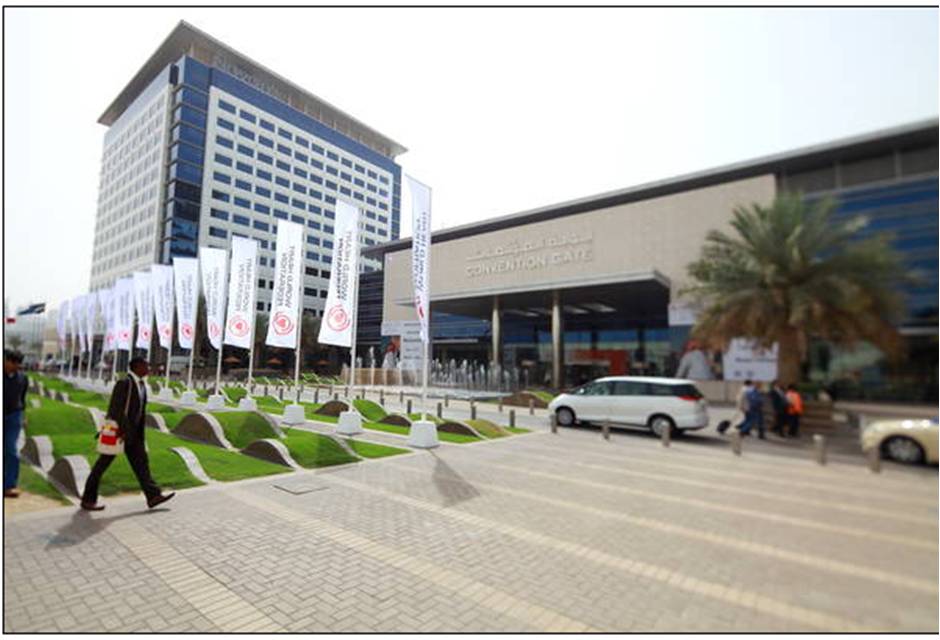
Posted in Cardiology research topics, My presentations, tagged dr s venkatesan, dr venkatesan, IVC diameer in RV infarction, madras medical college, My presentations and publications, venkatesan, world congress Dubai cardiology 2012, World congress of cardiology on January 31, 2013| Leave a Comment »
Abstracts published in Circulation 2012
Paper 1
Echocardiographic IVC diameter: a simple, bedside guide to monitor fluid therapy in right ventricular infarction
Sangareddi Venkatesan1,*, G Gnanavelu1, M.S Ravi1, V.E Dhandapani1, G Karthikeyan1,D Muthukumar1
, Madras medical college, Chennai, India
Introduction:
Right ventricular infarction (RVMI) is one of the unique subsets of acute coronary syndrome. In RVMI augmentation of RV preload with fluids is considered vital. The seemingly paradox of raising the already raised RVEDP and RAP is often a risky hemodynamic adventure .There is no simple guide to monitor fluid therapy in RVMI.
Objectives:
In this context, we reasoned, a simple estimation of IVC diameter and it’s respiratory variation would give an accurate reflection of volume in the right heart chambers Methods: 12 patients with established RVMI by clinical, ECG criteria were the subjects of the study. 6 had associated posterior MI, 3 had lateral ST elevation. Patients were treated as per STEMI protocol .10 were eligible for thrombolysis.The mean blood pressure on admission was 106(70 -120mmhg)
During thrombolyis the blood pressure fell by 5–10mmhg .All patients were administered IV normal saline to augment the blood pressure. 1000ml were given over 1 hour and if the BP was not raising another 1000 ml was infused in the next 1 hours . Results: Bedside echocardiography was done on admission and was repeated during and/or after fluid infusion. The baseline IVC, RA, RV were dilated in 9/12 patients. The mean RV dimension was 2.8cm (2.4 –3.6) RA -3.9 cm(3.6–4.5) The mean IVC diameter was 2.1cm (1.4 –2.6). On completion of 1000ml fluid infusion, the mean IVC diameter was 2.5(2.3–3.0) .In terms of absolute size, IVC increased by 3–5mmin diameter at the end of fluid infusion. It amounted to 20–30% increase of diameter. There was minor increase in RA and RV dimension also. When there
was 30% increase of IVC diameter, JVP became non pulsatile and four patients showed signs of lung congestion. There was a new reversal of E:A ratio in the mitral inflow in 2 patients who had lateral ECG changes .There was no significant increase in RV dp/dt following fluid administration. The TR jet derived peak RV pressure did not show significant difference with reference to fluid therapy. The mean LVEF was 44%(38–62%).
Conclusion:
Simple bedside estimation of IVC dimension by 2D echocardiography, can provide a fairly accurate estimate of volume status of right heart chambers .Careful monitoring of IVC size help us, in the fluid management of RVMI. One rule of thumb is an increase of IVC diameter by 30% from its basal value could be a cut of point for termination of fluid infusion.
Paper 2
Echocardiographic evaluation of papillary muscle function in ischemic mitral regurgitation
Muralidharan Azhakesan1, Venkatesan Sangareddi1, Jai Shankar1, Rudrappa Arunagiri1, Kalyanaraman Kannan1,* and Prof R. Alagesan,Prof P. Arunachalam, Prof V.E. Dhandapani, Prof M.S. Ravi.
1Cardiology, Madras Medical College, Chennai, India
Introduction:
Ischemic MR has been attributed to dysfunction of papillary muscle .The experimental and clinical data emphasize the importance of changes in the geometry of the LV.
Objectives:
To assess the mechanisms of ischemic mitral regurgitation in patients with old myocardial infarction Methods: The study cohort comprises 30 consecutive patients with old myocardial infarction and Mitral regurgitation. Group 1 has old inferior wall myocardial infarction and Group 2 has old anterior wall myocardial infarction. Patients with increased left
ventricular sphericity belong to Group Ia and with normal left ventricular sphericity belongs to Group Ib.Echocardiographic evaluation of all patients was done using Philips iE33 machine.
Results:
The incidence of moderate to severe mitral regurgitation is high in group Ia and II compared to Ib(50%and 40%vs. 20% p0.01). The average left ventricular sphericity is high in group Ia compared to group Ib & groupII (66%VS 49.1%&58.2) .Mitral annular area is increased in patients with moderate to severe mitral regurgitation than patients with mild mitral
regurgitation (46.8mm vs. 41.2mm, p0.01). The incidence of MR in patients with increased LV sphericity to normal LV is 50% vs. 20% p0.01. In all groups of patients, the leaflet tethering distance with moderate to severe MR compared to mild MR is 24.09 mm Vs. 17.84 mm [P0.01]. The papillary muscle systolic peak velocity does not have consistent
correlation with ischemic mitral regurgitation in all groups. In group Ia papillary muscle systolic peak velocity has linear correlation between mild and moderate to severe ischemic mitral regurgitation(5.98m/s vs 7.9 m/s.p0.05)
Conclusion:
1. Mitral leaflet tethering distance is consistently directly proportional to severity of Ischemic mitral regurgitation. 2. Papillary muscle dysfunction is not an independent determinant of ischemic MR in all cases.
References:
Burch GE, De Pasquale NP, Phillips JH. The syndrome of papillary muscle dysfunction. Am Heart J 1968;75:399–415.
Kaul S, Spotnitz WD, Glasheen WP, Touchstone DA. Mechanism of ischemic mitral regurgitation. An experimental evaluation. Circulation 1991;84:2167– 80.
Matsuzaki M, Yonezawa F, Toma Y, et al. Experimental mitral regurgitation in ischemiainduced papillary muscle dysfunction. J Cardiol 1988;18 Suppl:121– 6. Kono T, Sabbah HN, Rosman H, et al. Mechanism of functional mitral regurgitation during acute myocardial ischemia. J Am Coll Cardiol 1992; 19:1101–5.
Cardiac failure following VVI pacemaker, a myth or reality: an echocardiographic study and an indian perspective
Arun Ranganathan1,* Venkatesan Sangareddi, Gnanavelu G, Dhandapani V.E., Ravi M.S. 1Cardiology,
Madras Medical College,Chennai,Tamil Nadu,India, Chennai, India
Introduction:
Permanent pacemakers has revolutionized the management of symptomatic bradyarrhythmias. In India, about 10000 pacemakers are implanted every year. There is a huge cost variation between modern day pacemakers and conventional pacemakers. The apparent advantages of newer generation pacemakers over conventional pacemakers are not clear.There has been some concern about development of cardiac failure with VVI pacemaker1. We have already reported the incidence of cardiac failure with VVI pacemaker from our registry which was surprisingly negligible. In this context, we studied bi-atrial and left ventricular function in patients following VVI pacing.
Objectives:
To Assess Biatrial And Left Ventricular Function In Vvi Pacemaker Implanted Patients. Methods: 31 patients were randomly selected from a group of 526 VVI pacemaker implanted patients of duration more than 6 months with
mean 50 40 months.The shortest duration was 6 months and longest was 185 months. Of the 31 patients,17 were males and 14 were females. The indications for VVI Pacemakers were complete heart block (22 patients) and sick sinus syndrome(9 patients). Patients who sustained MI, valvular heart diseases, cardiomyopathies and who had RWMA were excluded from the study. 31 persons of similar age and sex distribution without pacemaker were included in the
study as controls. All selected patients including controls underwent ECHO, ECG.
Results:
In VVI group there was no significant reduction in EF and LA volume index,but mitral E/E’& RA volume index were reduced significantly. Paradoxical septal motion(PSM) did not influence any parameter.
Conclusion:
Contrary to the popular belief, VVI pacemaker was not associated with worsening LV function and left atrial dimension in our study. But there was a marginal deterioration in LV diastolic functional parameter.There was no significant impact on the quality of life indices, and no adverse outcome observed.We believe VVI pacemaker would continue to be safe and effective for our population.The usage of dual chamber pacemaker may be selectively used and need not be recommended routinely.
Reference:
1. Nathan AW, Davies DW. Is VVI pacing outmoded? Br Heart J 1992; 67: 285–8.
Changing angiographic CAD profile in young STEMI population
Venkatesan S. Sangareddi1, Pattanam S. Chakkaravarthi1, Srikumar Swaminathan1,* 1Department of Cardiology,
Madras Medical College, Chennai, India
Introduction:
Previous data on young patients with acute myocardial infarction have indicated higher rates of normal CAG. Incidence of normal CAG in young STEMI is reported to be between 40–50%. There was a suggestion of decline in normal CAG in young STEMI .In this context, this study was planned.
Objectives:
The present study was conducted at madras medical college, Department of Cardiology, Chennai to assess the incidence of CAD in young diabetic post myocardial infarction patients in the urban and suburban populations of Chennai.
Methods: Angiographic data of 80 consecutive young patients with MI were studied Patients who were nondiabetic,more than 40 years old and not thrombolysed were excluded.
Results:
out of 80 patients 74 were males and 6were females.25% of patients had normal LV function and75% had mild LV dysfunction. All are having DM and 30% are having HT and 40% are smokers In our study 20%of patients with inferior wall MI and 80%had anterior wall MI. CAG was performed on a mean average of 4 weeks after the index myocardial infarction and optimal medical treatment. Of the 80 patients 75%(60) had coronary artery disease and the remaining
25 %( 20) had normal coronaries .Of the 60 patients with CAD, 52(65%) patients had single vessel disease, 4(5%) had double vessel disease and 4(5%) had triple vessel disease.LAD lesion was present in 46patients and RCA lesions found in 16 patients. This made us to think why there is a higher incidence of CAD in these group of patient’s .Physical inactivity has become rampant due to high degree of automation. Diabetes added to this physical inactivity accelerates atherosclerotic process. So these patients might have had CAD already and myocardial infarction might have occurred as an acute insult .More lesions were found in atherosclerotic prone LAD than RCA.
Conclusion:
According to our observation, it seems, CAD in young is taking a different avatar compared to what we have witnessed few decades ago. The incidence of normal coronary arteries following a STEMI is distinctly reduced. While most
have critical SVD, significant subset do have extensive mutivessel disease. We suggest this changing angiographic profile need to recognized and looked for in different geographical locations of our country. It would have major management implication.
Reference:
1. Changes in CAG in young MI patients-Branco LM, Patriciol, Port Cardio 2001 Oct;10(10)
749–55.
Posted in bio ethics, medical quotes, tagged dr s venkatesan, ethics and medicine, venkat quotes, venkt quotes on April 17, 2012| 3 Comments »
Posted in Uncategorized, tagged dr s venkatesan, hdl and atherosclerosis, human atherosclerois, mechansim of atheroscerosis, venkat quotes on April 3, 2012| Leave a Comment »
Posted in dr s venkatesan -Personal, general medicine, tagged best cardiologist india, cardiologist, cardiology fellows training, crash course on cardiology, dr s venkatesan, drsvenkatesan, ethical cardiologist, good cardiologist, madras medical college, teaching video in cardiology, venkatesan sangareddi on August 18, 2011| 11 Comments »
Here is a video recipe !
Posted in Cardiology -Interventional -PCI, cardiology -Therapeutics, Cardiology-Coronary artery disese, tagged appedix and heart, appendectomy and cad, child hood risk factors for cad, dr s venkatesan, drsvenkatesn, ethics in medicine, first do no harm primum nocere, hippocrates, lymphoid tissue and heart, madras medcial college, newer risk factor for cad, tonsillectomy and cad on June 24, 2011| Leave a Comment »
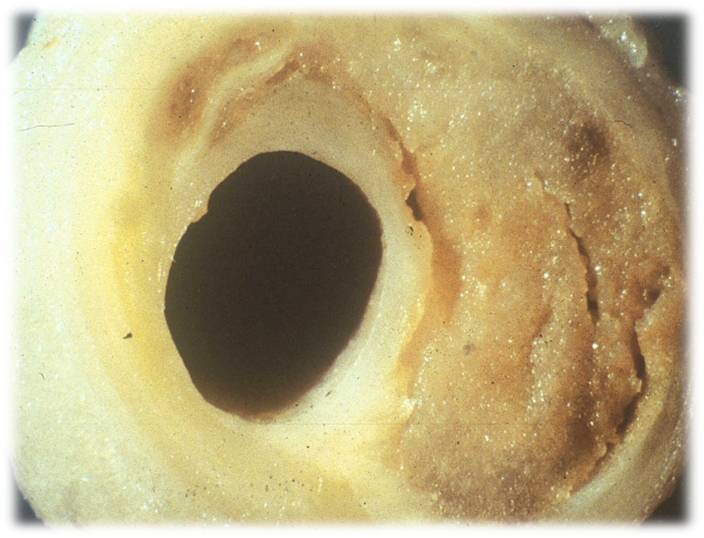
Human body is a bundle of mystery. In an average life span of human beings, millions of afflictions come and go . Most are benign . Our body has a full-fledged defense ministry armed with sufficient weaponry in the form of , immune cells, thousands of regulating enzymes, hormones , cell service molecules etc .It can tackle most of the ailments our body encounters with out a doctors help (Jungle animals rarely die of disease!) .
Of course , the body needs external help when it’s intrinsic resources fail . There are few serious disorders that has to be intervened .However ,a big fraction of them will die in spite of whatever we do .
Is it not fascinating to know more than 100s of chemicals act day in, and day out , to prevent our blood from clotting and keep it flowing . If only the natural lytic mechanism fails for an hour , and create a vascular chaos we will realise importance of it !
Even as we debate appropriateness of medical care in this 21st century here is startling scenario ,
When a child presents with physiological hypertrophy of lymphoid tissue , as their body begin to learn and record the micro biological mysteries of our environment , it is often “cross labeled ” as tonsillitis or appendicitis and end up in surgical tables.
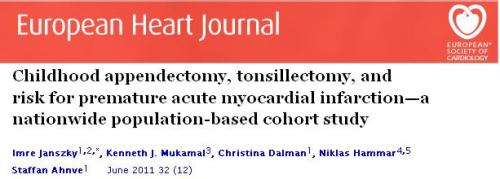
This article just released in European heart journal , tells us , how the rampant use of appendectomy and tonsillectomy in the early child hood may make them susceptible for CAD in later age group.
The role of medical professionals is identify the trivia ! and prevent unnecessary interventions.
Unfortunately or (Should I say dangerously) many of the professionals understood it in a diagonally opposite manner . Identify the trivia , instill fear in our patients and intervene , in the process injure our great biological system.This is also applicable to many cardiac interventions.
Final message
Heavens sake , youngsters , please remember , medical profession is all about removing suffering from patients . Do not fish out “non -existing” illness from your patients body ! Let me remind you , professional approach means , whatever you do it should be in the interest of our patients . The moment you deviate , you cease to be professional .
Also realise , good intentions can never be an excuse for inappropriateness !
Reference
http://eurheartj.oxfordjournals.org/content/early/2011/05/27/eurheartj.ehr137.abstract
Posted in Cardiology -Interventional -PCI, My presentations, Uncategorized, tagged cardiological society of india, csi kolkatta, department of cardiology cardiommc.org, dr s venkatesan, g gnanvelu, madras medical college chennai, primary pci, primary ptca, spontaneous thromolysis, venkatesan sangareddi, www.cardiommc.org, www.drsvenkatesan.com on December 8, 2010| Leave a Comment »
It is well recognised for STEMI to get aborted spontaneously or through intervention.
Can a glamorous procedure like Primary PCI be redundant ?
Yes of course . This paper, is about how a planned Primary PCI can go awry . . . Presented in the Annual scientific sessions of cardiological society of India Kolkatta December 2010.
Down load full presentation in PDF format (primary_pci_)
Summary of the presentation
ABORTED AND ABANDONED PRIMARY PCI
S.Venkatesan G.Gnanavelu.R.Subramanian .Geetha Subramaninan
Madras Medical College. Chennai
Primary PCI has become the standard of care for acute STEMI in all those eligible patients. Apart from the individual & institutional expertise ,the key to success lies in expediting the symptom to balloon time to less than an hour.
Even though STEMI is characterized by acute total obstruction , it is also a fact during this critical time window , a less recognised positive phenomenon takes place within the ill fated coronary artery. Intrinsic fibrinolytic activity gets activiated and begins to take on the thrombus head on .It should be recalled this is the earliest intervention in STEMI by natural forces , with zero time window . The power of this natural lytic process has never been easy to predict and quantiate . But we have often realised such a phenomenon do occur often and is referred by various terminologies like spontaneuous thrombolyis, aboted MI etc .The exact incidence is not estimated .In this era of primary PCI we have found a new opportunity to confirm this concept.
It has been observed during primary PCI , an occasional patient may have either a totally patent IRA or a minimal & insignificant lesion like luminal irregularity .This has subsequently led on to cancellation of the procedure .We report our experience with two patients with this particular situation .One patient with IWMI with a time window of 6hours had a totally patent RCA. Even , the luminal irregularities were difficult to locate .The other patient had anterior MI with ongoing ischemic pain.He was taken up for primary PCI.The initial angiogram showed a total mid LAD obstruction . As soon as the guidewire reached the thrombotic lesion the artery opened up wth a TIMI 3 flow .There was no residual lesion or thrombus noted. Both of the above patients were young , smokers . 2b 3a antagonists were not administered. We infered, both had thrombotic STEMI and presumed to had either spontaneous reperfusion , or reperfusion assisted by dye injection & guidewire manipulation. They were shifted out of cath lab with a new code of aborted primary PCI and were discharged with normal LV function .It need to be realised here, a distinction must me made between aborted PCI and abandoned or failed primary PCI as the later connote a negative outcome. The causes for abandoning primary PCI are due to complex lesions like bifurcation /Trifurcation lesions , triple vessel disease with difficulty in identifying culprit lesions.A Primary PCI is considered failed when the IRA patency is not accomplished or failure to sustain myocardial flow inspite of IRA patency (No-Reflow) . These patients may end up in CABG or occasionally fall back on thrombolysis which was considered a inferior modality just few hours earlier !
. We conclude , in the management of STEMI , primary PCI once contemplated need not always reach it’s logical conclusion. There are situations it can get aborted or abandoned at various levels . Aborted primary PCI due to spontaneous lysis though uncommon , can be a therapeutically and financially rewarding concept for the patient and physician .
Posted in Echo library and gallery, echocardiography, Uncategorized, tagged dr s venkatesan, drsvenkatesan, echo clippings, echo clips, echo for diagnosis, echo quiz, echo spot diagnosis, echocardiography videos, interesting echo images, non compacted rv, pulmonary balloon valvotomy, ra rv dilatation, rare echo cases, rv dp/dt, rv dysfunction, sever vps, stunning echocardiography, valvular pulmonary stenosis, venkatesan s on November 5, 2010| 3 Comments »
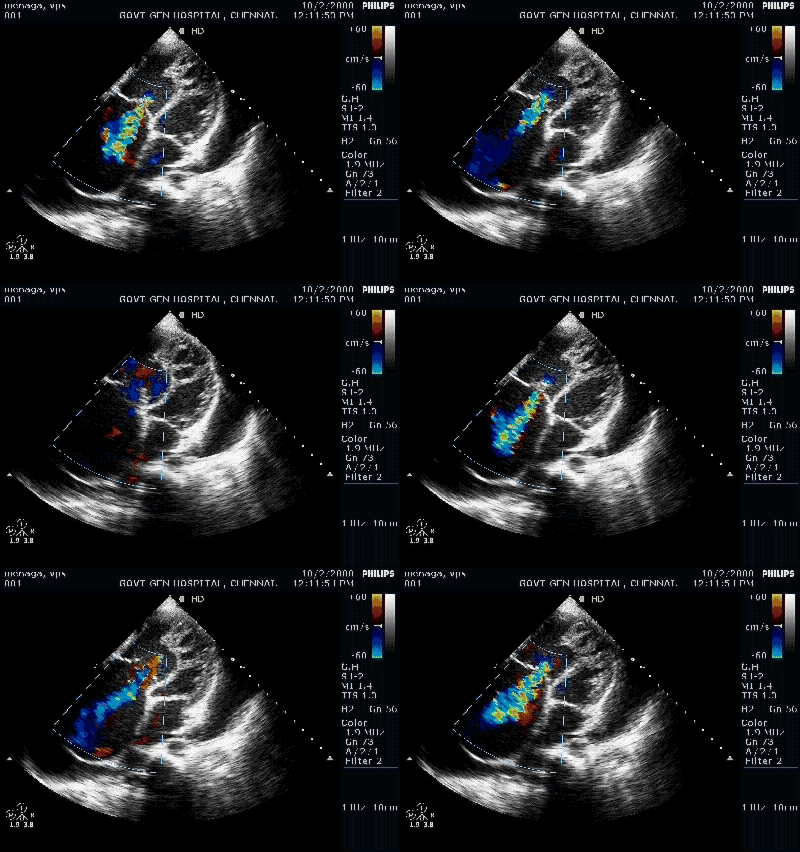
A female child aged 14 was referred for progressive breathlessness and abdominal distension
Can you guess the diagnosis ?

Apart form RA ,RV dilatation , the RV apex is seen filled with coarse treabeculations.This is believed to be a type of non compaction http://www.drsvenkatesan.com
Still difficult to conclude ? Look at the following Image.

Tricuspid regurgitation is significant . http://www.drsvenkatesan.com
If you have thought . . .
All are acceptable differential diagnosis
But the real diagnosis is none of the above .
Need more time . . . the following Doppler tracing will settle the issue !

Doppler velocity in RVOT at 88mmhg. http://www.drsvenkatean.com
The final diagnosis was . . .
Here , RV functional assessment becomes vital , but it is difficult many times. A simple clue is , as the RV is able to generate 88mmhg pressure it implies , the contractility should be near normal .
RV EF %, RV Dp/Dt , Tricuspid annular motion by tissue Doppler are additional measures. Cine MRI can be a useful investigation prior to intervention.
Final message
Posted in Cardiology - Clinical, Great websites in cardiology, tagged cardiology, dr s venkatesan, drsvenkatesan, madras medical college, top cardiology websites on December 16, 2009| Leave a Comment »
A good collection of resources dedicated to cardiology
Posted in Uncategorized, tagged commerce in medicine, conflict in medicine, dr s venkatesan, ebm, emprical medicine, ethics in medicine, evidence based medicine, hippocrates, levels of evidence, medicial research, randomised trials on December 7, 2009| 2 Comments »
For all those youngsters , who are into the mystery world of medical research , please begin your journey with this great book. The greatness lies in it’s simplicity in expression & search of truth !
Download this 1 MB marvel , free from http://www.jameslindlibrary.com in less than a minute