December 19, 2008 by dr s venkatesan
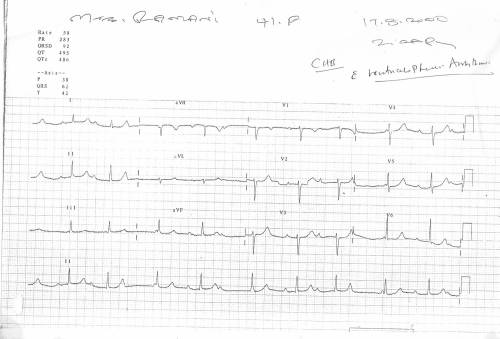
Ventriculophasic sinus arrhythmia is a non-respiratory sinus arrhythmia seen in complete AV block.
The PP interval enclosing a QRS complex is shorter than a PP interval not enclosing a QRS.
The Mechanism

The proposed mechanism is the increased blood flow into the SA node artery during ventricular systole stimulating it to produce an early pacemaker activity and thus shortening the sinus cycle length.
Clinical significance : None for the patient Academic purpose for the students
Posted in cardiology -ECG | Tagged bradycardia, chou, chung, complet heart block, ECG, lipman, marriot, shamroth, ventriculophasic sinus arrhythmia | 4 Comments »
December 19, 2008 by dr s venkatesan
The irony of medicine is unlimited ! 100 years of active clinical research failed to find a specific cure for the rhino virus mediated common cold.In fact US Govt stopped funding for this .
While , complete cure is possible for many of the cancers, especially hematological ones !
Message
In medicine there are thousands of disorder which have no cure !
Cancers , constitute only a fraction of them !
Posted in Uncategorized | Tagged annals of meicine, bmj, cancer, common cold, drsvenkatesan, jama, medicine, nejm | Leave a Comment »
December 16, 2008 by dr s venkatesan
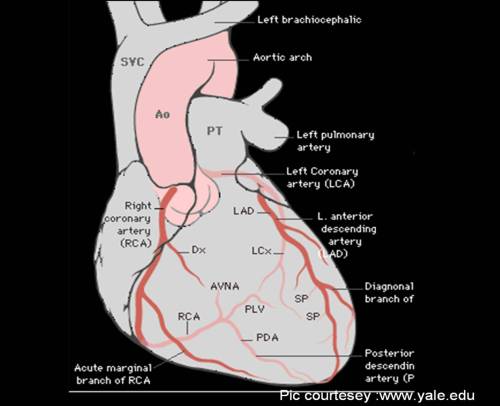
Coronary arterial circulation is the life line for the human heart and it’s survival.Typically it is supplied by two coronary arteries, left and right coronary artery.Both, together carry about 250ml of blood every minute.( Approxinately equal to a cup of coke ! ).These coronary arteries generally divide in a predetermined fashion , and have multiple branches . It is a mystery , what decides this branching pattern
Is it like a our palmar crease ? or the cerebral gyri ?
However , it does follow a certain rule, one major coronary artery will follow the four important grooves of heart. In the left side , left main coronary artery (LM) originates in the left coronary sinus (Size varying between 1mm -20mm) and usually bifurcates into LAD and LCX. The left anterior descending artery (LAD) runs in anterior interventricular groove while , the right atrio ventriculo groove carries the right coronary artery(RCA) .Left circumflex artery (LCX) traverses the left atrio ventricular groove.The most inconstant branch is the posterior descending artery (PDA) which runs in the posterior interventricular groove.PDA can arise from either RCA, LCX or both or even from LAD.
The major branches of LAD are called diagonal and septal while the branches of LCX are called obtuse marginal(OM).There can be two to three diagonal and OMs.
What is ramus intermedius coronary artery ? What is the incidence of Ramus ?
The left main coronary artery instead of bifurcating into two , it trifurcates into three vessels.(LAD, LCX, Ramus)
The real incidence could vary betweenn (10% to 30%) depending upon the series.
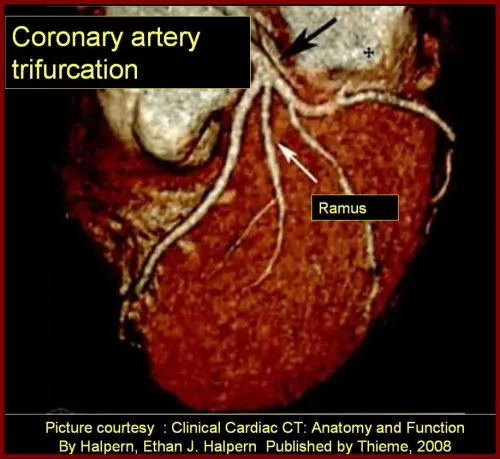
What course it takes ?
It generally goes in the angle between the LAD and the LCX.It may either behave like a large OM or a diagonal branch.It supplies the lateral free wall of the LV many times.The peculiarity of this vessel is it does not run in a anatomical groove .It simply slides over the free surface of LV.Rarely, a very abnormal course of ramus, criss cross the aorta and pulmonary artery .
How common is atherosclerosis within Ramus ?
We don’t know yet. But it is very likely since it is an early branch from left main, it might have a predilection for atherosclerosis as like LAD or LCX ostium.In fact now we recognise more of trifurcation lesions involving three branches of left main .
What would be the ECG finding if a large ramus is the culpirit vessel during STEMI ?
This scenario could be rare.
ACS in ramus could present as ST elevation in 1/Avl /V5,V6
- Lateral MI
- Apical MI
- High lateral MI
But it is realised , whenever the ECG changes are not fitting with typical ASMI or a lateral MI one should suspect a ramus lesion
What is the significance of ramus for an interventional cardiologist ?
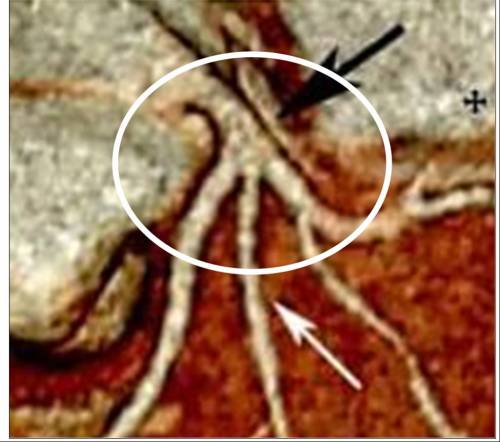
PCI in ramus is a rare opportunity for a cardiologist .The issue here is, if ramus is involved adjacent LAD and LCX is also likely to be involved .So it would logically be a multivessel , complex angioplasty.Isolated ramus lesion could be tackled easily.Another issue here could be ,since this vessel is not within any anatomical groove stent deployment would have a poor support and prone for mobilisation and migration .
Posted in cardiology -ECG, Cardiology -Interventional -PCI, Cardiology -unresolved questions, Cardiology-Coronary artery disese, Infrequently asked questions in cardiology (iFAQs) | Tagged 64 slice ct scan, atrioventricular groove, bifurcation, coronary angiogram, coronary artery, interventricular groove, left amin, left anterior descending, ramus intermedius, right coronary artery, trifurcation lesion | 16 Comments »
December 14, 2008 by dr s venkatesan
Stents are mechanical devices like a spring , used to keep an artery open after a PTCA or PCI.
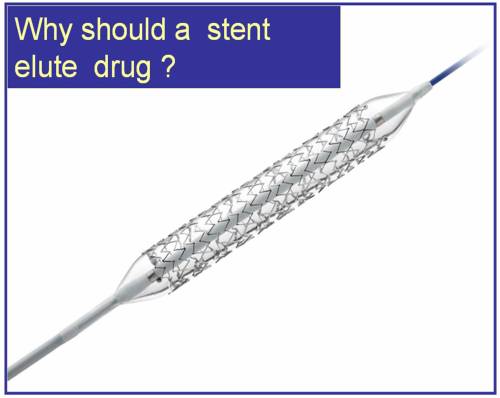
Bare metal stents(BMS) were found to have restenois rate of about 25%. So it was perceived a stent should have it’s own protective coat , so that it won’t get restenosed.For this the researchers thought anti cancer drugs are ideal as they block cell proliferation and thus neovascualrisation and restenosis.Alas, they were found dismally wrong , after all , neointiaml proliferation is only a part of the problem of restenosis and simple blocking of cell growth is insufficient . The issue doesn’t stop with that, the anti cancer drugs incorporated within the stent simply can not differentiate normal from abnormal cells and
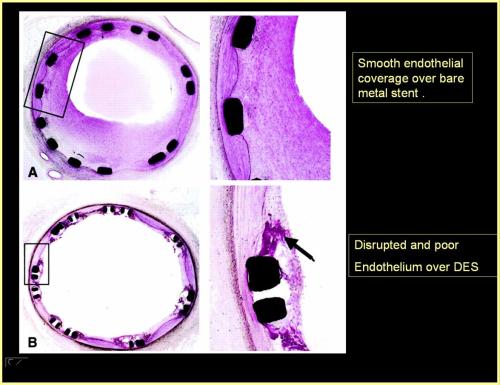
DES effectively blocks the normal endothelisation over the stents and make this highly vulnerable for acute stent thrombosis .
This complication is unique to DES and can result in SCD.Further ,during the last 6 years of DES , we recognised the restenosis rate has increased form the much hyped O % to almost 15% and it’s still growing . These complications has made a huge question mark over the future of drug eluting stents !
The concept of DES may not die , but which drug it should elute should be answered ! This again is going to be a long battle. So it is currently adviced, based on common sense ( With due respects to those RCTs funded by industry )
Whenever you encounter a block within the coronary artery* Ask the following questions in sequence ,
-
Whether we can leave it alone with medical therapy , if the answer is no , proceed to the next step !
-
Is there a possibility for plain balloon angioplasty in a given vessel (POBA, Yes ! the concept is not dead yet !)
-
If you decide a stent is required , Will the bare metal do the job ?
-
In multivessel CAD , Did the issue of increased metal load on the long term outcome was considered ?
-
If lesions appear complex, should we not strongly consider CABG as an option ?
However if we have the habit of ask ing the following question you are likely to deviate from scientific approach
Is it possible to put a stent across the block ?
Yes , will be the answer most of the time ,and the patient will invariably get one or more stents and carry a life long stent related problems.
*The rule does not apply in Acute coronary syndromes
Also read this letter posted by the author published in British medical journal
Posted in Cardiology -Interventional -PCI, cardiology- coronary care, Cardiology-Coronary artery disese, cardiology-ethics, Infrequently asked questions in cardiology (iFAQs) | Tagged acc.aha, cypher, des, drug eluting stent, europcr, paclitaxel, pci, ptca, sirolimus, tct md | Leave a Comment »
December 14, 2008 by dr s venkatesan
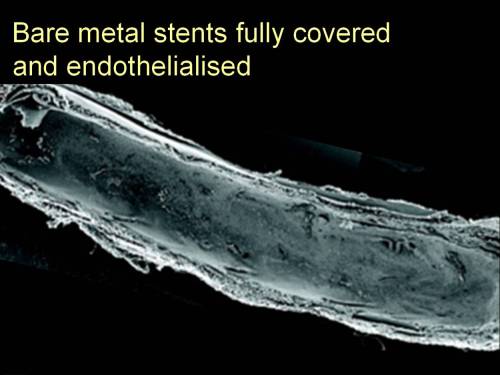
One of the important principles of post PCI care is, we need to be very careful till the metal struts are fully endothelialised . This is of vital importance as improper endothelialisation is a powerful trigger and nidus for a imminent thrombosis and acute coronary syndrome.
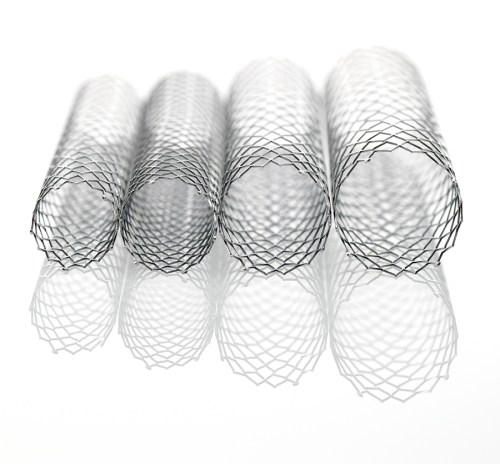
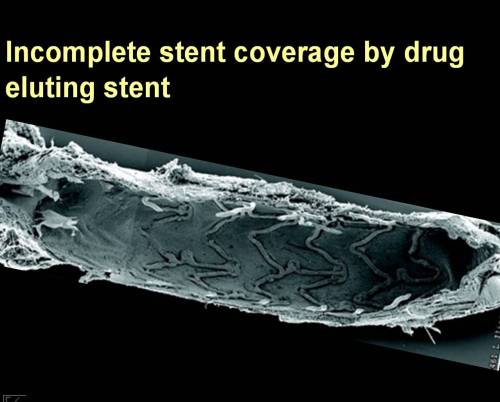
It is a billion dollor irony , the much hyped DES does exactly what we don’t want ! and still it’s usage is increasing world wide . The drugs (Anti cancer agents) which coat the DES are the villains as it prevents the metal struts from being endothelialised and keep the metal surface raw and vulnerable , while the much maligned bare metal stents allow this natural endothelialisation process without any interruption ! So right now it is mandatory to administer dual antiplatelet agents life long( life of the stent !) for the patients with DES.
Just look , at the following image of a stent in vitro at 30 days follow up
Posted in Cardiology -Interventional -PCI, cardiology -Therapeutics, Infrequently asked questions in cardiology (iFAQs) | Tagged acc.aha, bare metal stents, cypher, drug eluting stents, endothelium, europcr online, paclitaxel, ptca, scai, sirolimus, tct md, xience v | 1 Comment »
December 14, 2008 by dr s venkatesan
Let us not forget the basics !
- HT management has been made easier with the availability of many good drugs , at the same time it has become a complex issue with as many classification and guidelines.
- The management of HT has evolved over the decades. Now we have realised HT is not a simple number game . Reducing the blood pressure to target levels is not sufficient and is not the primary aim !.
- In fact we now know controlling the numbers alone is never going to work , combined risk factor reduction is of paramount importance.
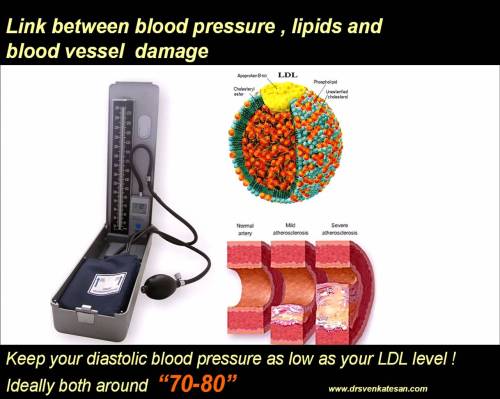
- HT per se is less lethal but when it combines with hyperlipidemia and diabetes or smoking it becomes aggressive.The blood lipids especially the LDL molecule enjoy the high pressure environment , penetrate and invade the vascular endothelium.
- ASCOT LLA study has taught us, for blood pressure reduction to be effective and reduce CAD events one has to reduce thier lipid levels also.So , for every patient with HT there is not only a target BP but also a target LDL level .
Final message
The tip for better vascular health is , all hypertensive patients should keep their lipids to optimal levels and all hyperlipidemia patients should keep their BP as low as possible .
“Keep your LDL as low as your diastolic blood pressure and let us keep it around 70 -80
Posted in cardiology -Therapeutics, Cardiology hypertension | Tagged allhat, ascot, atherosclerosis, bmj, coronary artery disese, diastolic blood presssure, hyperlipidemia, hypertension, jacc, jama, lancet, ldl, lipids, mayo clinc, nejm | Leave a Comment »
December 12, 2008 by dr s venkatesan
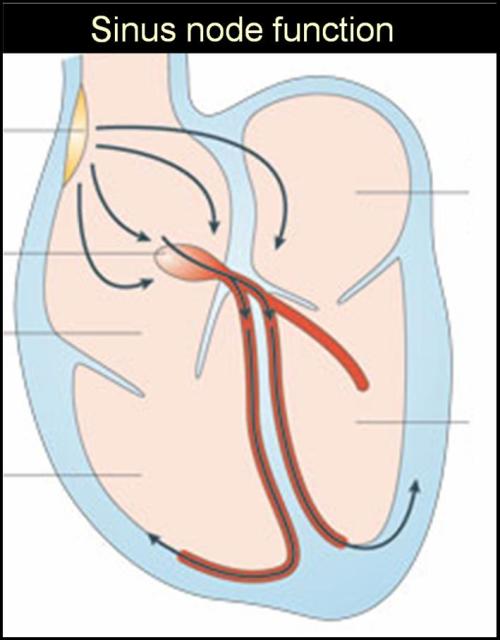
Sinus node as the pacemaker , orchestrates the rhythm of life . It has to fire for the entire life time of a person.It can not afford to take any rest ! But it can pause a little bit , of course that pause could be less than 15% of it’s basic sinus length. This variation of sinus cycle length is called sinus arrhythmia.This is physiological. When it exceeds 15 % of the previous sinus cycle it is referred to as sinus pause.
Have a look at this ECG
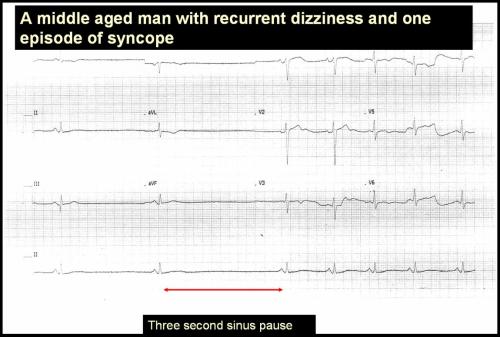
What follows a long pause ?
By strict terms of definition a sinus pause should be followed by a delayed , next sinus beat only. A sinus pause , many times is followed by JPD – Junctional escape beat.This situation should be ideally referred to sinus arrest as the sinus node is taking too much of rest and it is not able to wake up from the slumber and it needs assistance form the junctional pace maker.
So even though sinus pause and sinus arrest is used many times interchangeably, it should be avoided.
What are the electrophysiological mechanisms of sinus pause ?
- Simple sinus bradycardia . The commonest mechanism is the increased vagal tone. This occurs more often in young athletes. Eventhough increased vagal tone conveys a innocuous meaning , at times this can also be symptomatic and require intervention.
- Sinus node exit block.
- First degree, second degree, complete SA block can occur as in AV node.
First degree SA block can not be diagnosed by surface ECG. Third degree SA block is same as sinus arrest and subsidiary pacemaker will function in these patients. Second degree SA block is usually diagnosed when the sinus pause is in the multiples of resting sinus cycles. If the pauses are not in exact multiples sinus arrest is diagnosed. All these arrhythmia’s are collectively called sinus node dysfunction(SND)
How do you manage these patients?
Sinus node disorders can occur in number of systemic diseases*. It needs to be ruled out.
- Infiltrating diseases like amyloidosis, hypothyroid states can result in SND.
- Drug induced SND like beta blocker and calcium blockers are fairly common and should be excluded
- Some congenital heart disease (SVC ASD) can involve sinus node.
- Ischemic SA node disease is rare but can occur following infero posterior myocardial infarction
- Sinus node disorders are very often related to degenerative atrial diseases associated with HT, cardiomyopathy etc
*The list is not exhaustive
A very important association is noted with atrial fibrillation as a part of tachy brady syndrome .The link between SND and AF is obvious as atrial pathology is the common denominator in both ! This will be discussed later.
When is a pause significant ?
Any pause that is producing significant symptoms is significant.This depends upon the overall hemodynamic compensation of the patient.Young, and fit can even tolerate three second pause without symptoms.Underlying heart disease makes even a smaller pause symptomatic.But generally a 3 second or more pause is almost always pathological .Pauses can be up to 5 seconds ( a 5 second pause actually means a heart rate of 12/mt , obviously it can not go on for a minute, a patient will develop a syncope). A 3 second pause corresponds to 20/minute.
How will you evaluate a patient with sinus pause ?
There are sophisticated electrophysiological studies (EP) available like sinus node ECG ,sinus node function studies like sinus node recovery time, activation time etc. But these are generally of academic interest.
If a patient is symptomatic (syncope) because of bradycardia he requires a pacemaker and EP study is redundant . Similarly , if he is totally asymptomatic in spite of pauses , again EP study is not indicated.
Only for patients in the grey zone, further studies are indicated .This would include a extended holter, loop recorders, event monitors etc.
Another important issue to consider is , before putting a pacemaker patient”s symptom must be correlated with their arrhythmia.
What is the overlap between sinus node dysfunction and neuro cardiogenic syncope ?
SND can occur as an overlapping syndrome with neurocardiogenic syncope.(NCS ).NCS is also a very common cause of syncope .In NCS there are two limbs .Cardio inhibitory and vasodepressive. The cardio inhibitory form can exactly mimic an SND. In a given patient it is very difficult to pinpoint which of this limb is dominant.Head up tilt test(HUT) might help in few. If a patent’s symptoms are due to inappropriate vasodilatation pace maker may not reduce the symptom of dizziness or syncope.
Management
- There is no ideal medical therapy* available as on date
- Withholding all drugs which might aggravate bradycardia is of paramount importance.
- Pace maker is the specific treatment in all symptomatic patients.
*Aminophyline tablet may be useful in some patients .It acts by antagonising adnosine receptors in SA node.Other drugs which can incrase the heart rate in the short term include Orcipranaline(Beta 2 stimulant /Alupent ) Probantheline(M 1 blocker)
The key issue is to avoid unnecessary pacemaker implants in patients who have insignificant pause.
Which pacemaker is ideal in SND ?
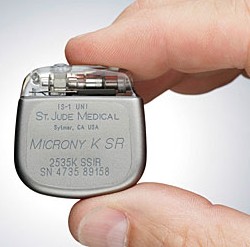
The need for dual or single chamber pacemker will be taken by the electrophysiologist .Atrial based pacemaker (AAI) is preferred as it gives physiological pacing .But a simple ventricle based VVI pace maker is good enough in vast majority of patients. This takes care of future risk of AV block also. DDD pace maker is the most physiological pacemaker and it is supposed to provide better quality of life. But it has an issue of insertion and maintenance of two leads, multi parameters to be programmed.It should switch to appropriate modes at different times.(Like VVI mode during atrial fibrillation etc).Trouble shooting needs expertise , while VVI is simple, safe , and just effective as well .(In this turbulent world, quality of life is a too trivial an issue to be determined by a DDD maker)
Posted in Cardiology - Electrophysiology -Pacemaker, cardiology -ECG, Cardiology-Arrhythmias, Cardiology-Coronary artery disese | Tagged alupent, aminophyline, bradycardia, ddd pacemaker, drsvenkatesan, dual chamber pace maker, electrophysiology, neuro cardiogenic syncope, orciprenaline, pace maker, sa block, sick sinus syndrome, sino atrial block, sinus bradycardia, sinus node dysfunction, sinus pause. sinus arrest, syncope, theopace study, vvi pace maker | 4 Comments »
December 10, 2008 by dr s venkatesan
It is now mandatory for all journals to declare the conflict of interest by the authors who are involved in medical research .The purpose apparently is to make all transactions or links between the researchers and their funding agencies transparent .Even major journals do not go beyond this . Some ensure it , to appear in the first page of the article.
What does the the journals tend to convey to the reader by publishing the conflicts of interest ?
- Does it mean the article in question may have a bias or indeed have a bias ? and readers are warned hereby !
- Do they send across a message that the article may not be really a genuine one and the judgement is left to the the consumers of the articles ?
How often a journal article is rejected purely on the basis of conflicts of interest ?
Most of journal articles are rejected for poor methodology, statistical analysis and so forth .We don’t know how often a paper is rejected due to a conflict issue per se.If this could happen ,bulk of drug trials would face a torrid time from the editors.
Why , even the leading scientific journals never indulge in grading the significance of the conflict ?
Here is an example .
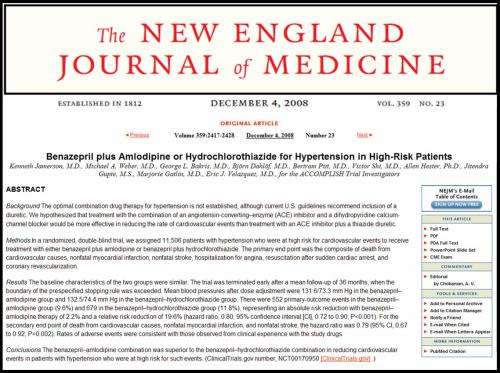

The much hyped drug trial on Hypertension “ACCOMPLISH” was published in the world’s most prestigious medical journal recently .It left it to the readers to have their own assessment on the conflict issue.
The consequence of not , grading and investigating about the conflicts could have serious global health implications both financially and academically .
This study was designed, formulated, completed and published with a single hidden aim of neutralising the land mark trial of ALLHAT which recommended diuretics as a first line drug in HT.Apparently diuretics are very cheap , effective generic drugs.
Is it a scientific rule that the latest evidence , should always prevail over the older evidence ?
No. Science can never have such a rule ! The question is how good and genuine is the evidence.
Just because an evidence is current , it does not attain a scientific sanctity !
Posted in bio ethics, Cardiology - Clinical, cardiology -Therapeutics, cardiology-ethics, Cardiology-Land mark studies | Tagged accomplish, allhat, annals of internal medicine, bioethics, bmj, conflict of interest, diuretics, drsvenkatesan, drug trials, ethics, jama, jnc 7, lancet, nejm | Leave a Comment »
December 9, 2008 by dr s venkatesan
One of the important principles of medicine is “Diagnosis should always precede treatment”
This quote , though appear reasonable , can not be practiced always especially in emergencies, where we have to first stabilise the patient without a prior diagnosis .(Like administering IV fluids in hypotension , acetaminophen for fever , etc)
Modern medicine considers treating a patient without a diagnosis as unscientific.
But, it is a well recognised fact , millions of decision in everyday medical practice is not based on scientific diagnosis but on clinical acumen and empirical therapy . There are many instances wherein , we are never near the diagnosis even after exhaustive investigations.

Ironically , in this era of evidence based medicine , when we are unable to conclude , we are forced to do the most funniest thing , namely converting patient’s symptom itself as disease entity and be happy in labelling them. Like , Motion sickness , poly-arthritis, , chronic fatigue syndrome, adult respiratory distress syndrome , pre mature ejaculation, fever of unknown origin , attention deficit disorder , etc (The list is endless . . .)
This happens because physicians always feel guilty if they are unable to label a patient with a disease entity.
Is the guilt justified ? Not necessarily so ! Symptomatic treatment without diagnosis is the most dominant theme even today (Fever, pain etc ).So don’t feel unduly negative* when one is not able to fit a patent’s symptom into a disease entity but ensure he gets relief from his symptom.
*Except of course , one has to rule out a serious disorder.
Comments welcome
Posted in bio ethics, cardiology-ethics, general medicine | Tagged annals of internal medicine, bio ethics, cecil, conflicts, davidson, diagnosis, doctor, ethics, harrisons, health care, jama, lancet, medical errors, medical science, medical student, medicinehippocrates, mmodern medicine, nejm, principles of practice of medicine, pseudo science, who | Leave a Comment »
December 9, 2008 by dr s venkatesan
Hypertension is the most common clinical cardiovascular entity.Left ventricular hypertrophy (LVH) is an important consequence of HT.In fact, it is considered as a end organ effect or damage. Others being brain, kidney, and peripheral vascular disease.Knowing about LVH is important because it has been linked to increased cardiovascular events.
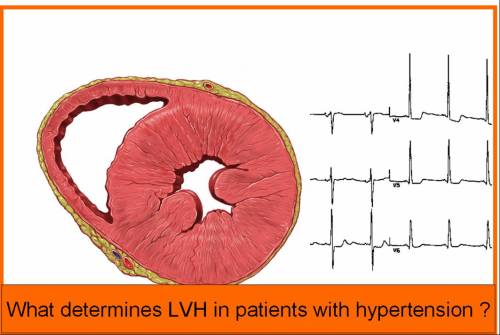
Though LVH is considered as a close companion of HT it is surprising only a minority (15-30%) show evidence of LVH .Some experienced clinicians (Level C evidence) quote even lower < 10 % .Traditionally LVH was detected by ECG and now it is replaced by echocardiography.
What determines the LVH ?
It will be suprising to note , answer to this question is still not clear .
- Is it the duration of elevated blood pressure ?
- Is it the absolute level of blood pressure ?
- If so , is it the systolic BP , diastolic BP or the mean BP ?
- Or is it related to the etiology of HT ?
- There has been no significant correlation between the above parameters
When we don’t know the answer to a question in medicine , the answer will generally will be inside the genes !
So in HT also the major determinant of LVH is in the genes that determine the myosin heavy chain response .
and also ACE gene polymorphism.ACE genes are involved in the expression of growth factors within the myocardium.
An excellent study on the issue http://www.nature.com/jhh/journal/v17/n3/full/1001523a.html#tbl1
It implicates , gender, age, race etc in the genesis of LVH
Final message
So , the myocardium does not respond with LVH in all patients with HT.It happens only in a minority* .Duration of HT can be an important determinant , but the major factor is the alteration of genetic switches within the myocytes How this switches are going to behave , is largely inherited .Regression of LVH is also not uniform again implying lesser role for hemodynamics. (Some studies revealed ACEI have maximum regression of LVH , later disputed )
*LVH is more consistently seen in hypertension due to reno vascular or parenchymal disorders .It is also an observed fact , a combination of diabetes and HT is more likely to result in LVH.
The other major issue that needs explanation in HT/LVH is , how much of LVH is due to myocyte hypertrophy perse and how much is contributed by interstitial cell hypertrophy(Non myocytic hypertrophy)
This issue will be discussed soon
Posted in cardiology -Therapeutics, Cardiology -unresolved questions, Infrequently asked questions in cardiology (iFAQs) | Tagged acc.aha, ace inhibitor, ameriican journal of hypertension, bmj, drsvenkatesan, hypertension, jama, kaplan, lancet, lvh, myocyte, myocytic hypertrophy, nejm, non myocytic hypertrophy, reanl hypertension, regression of lvh, sweeny, systemic hypertension | Leave a Comment »
« Newer Posts - Older Posts »



 Dr.S.Venkatesan MD