As we enter, another customary happy “New year” , a lingering “Old wish” remains largely unfulfilled. Let us try to return, to our forgotten home space, called patient’s bed side . Shall get Immersed in history taking , Intuitive clinical examination, and master the art of listening to our patient’s heart with our own ears. Investigations can wait unless it is a dire emergency.
Too often today, we bypass these foundations, relying blindly on Images, echocardiograms, angiograms, a deluge of scans, , multi-modality algorithms ,AI predictions. We have also become greedy servants to technology commerce , and increasingly intoxicating science as well. Let us not insist on investigations , driven by peer pressures or pride, in the process losing common sense in a flood of data.
Let us reclaim the intellect, that taught us listening and understanding to the patients symptoms (with kindness) is the highest form of Investigation .
Coming to scientific research, grow courage to question, debate , that ultimately would simplify complex problems .
Finally, seek the truth, which often hides behind the distorted evidence base and obsessive compulsive protocols.
While patient rights has been extensively discussed and debated , there is some concern especially in country like India, where violence against medical professionals has increased to prohibitive levels. This is mainly attributed to low levels of tolerance and high expectations from the doctors and hospitals.
There has been multiple Incidents where doctors are attacked, even when a life is lost due an incurable disease in spite of well administered treatment . Many patients are unable to differentiate the natural history of illness , any death is looked upon as medical negligence. In this context, there is a call for patient education and teaching them responsibilities and make them understand the complexity and uncertainty in the science of biology, and also accept the reality of inadvertent errors in judgment and execution in medical practice.
A curious solution is suggested .Yes , its called Hippocratic Oath : Patient version .The father of medicine would have never thought , a day would come , when patients might, try to prevail over the Doctors .Readers may decide about the political correctness , utility and practicality of such an oath.
Greetings from Chennai. It all started with some flashy classroom scribblings in Madras Medical College in the year 2008. I never imagined it would reach nearly two decades of writing. It has since reached 6 million visits in 180 countries. My thanks to all those readers and followers for making this possible. As per the request of many of you, it’s been converted to eBook format on Amazon Kindle. It is arranged in a yearly fashion .Currently published as Volume 1 . It will be live document and continuously updated.
Each and every article of the past and the future will continue to be open source on this site. Again, I shall reiterate , the book format is published only to facilitate learning in a single book format and with near- zero commercial Intent. If I do, it will be against the core concept and ethics of this academic endeavor. Of course, whatever little readers think they can contribute by buying this E-book, it will help sustain this site. Sharing the link to the book. I think as of now it is live only in India. Soon it will be globally available. https://amzn.in/d/euhL5vu
What is the purpose for us , being the part of this world ?
Why time , space, mind are almost one and the same ?
Spend few minutes here in this video. Not every one is blessed to reach the space station .But thanks for this effort by Sen , we can see the astronauts eye view of our lovely planet . Do you see any unrest ? How many of you are seeing 5 million life forms here, other than human beings ?
As cardiologists , we are struggling round the clock ,to salvage even few milligrams of myocardial damage. Meanwhile, how could the world be a mute spectator, to all those fights for silly things in life , and allow, war, violence, poverty, greed & commerce, take more lives than diseases ? It is very very clear , doctor’s role in alleviating human suffering is far less than, what we Imagine.
This book is dedicated to all those amazing scientists of the past & present who laid the foundation of modern medicine with their selfless hard work. Footprints of their legacy can be felt in everything we do in our daily clinical practice.
Hope, at least few of the readers get inspired by this book. It is available in both print and kindle versions. Let me state, with all honesty, this book is written with zero commercial interest. ( I guess , publishers somehow read my mind .The agreement clearly says the author can get only about 25 % the sale value of a book. That’s fine. May be it will help running this website.
Surprised to find the book in this month’s best seller in Medical history category . I don’t know how is this possible ? as the total number copies sold are still less than 100, since published !
Now, you can view who all are reading this site live on a revolving globe. It makes all the more happier to note that all these grateful and honourable dots (i.e., you) are literally drawing the world map . Six million reads from 190 countries, right from the Solomon Islands in Micronesian Pacific, abutting the International date line, to the extreme west, reaching Chile and Hawaii has happened so far.
This is a 15-year-old post about LVH, written in 2008. Few of my colleagues, now agree with this, but still hesitate to oblige in the open, suggesting it is too good to be true! Re-posting it for your own assessment. Surprised, why cardiology community didn’t consider this observation worthy to pursue.
Advantages of Left ventricular hypertrophy (LVH)
Left ventricular hypertrophy is one of the most common clinical cardiac entity.It is recognised either by ECG or echocardiography.LVH has a unique place in cardiology as it can imply a grossly pathological state or a marker of healthy heart as in physiological hypertrophy in athletes.
Logic would suggest, in this era of stem cells and nano medicine , every muscle fibre in ventricle is worth in gold !. So when the nature provides an extra reserve of myocardium in the form of LVH one should welcome it, if otherwise not harmful.
Is LVH due to systemic hypertension benign ?
Not really, LVH has been shown to be an independent cardiac risk factor. (The famous Framingham study)Further LVH can result in diastolic dysfunction and the risk of cardiac failure increases.
But in spite of these observations, an astute clinician with considerable experience will appreciate , patients with LVH fare better during an acute coronary syndrome !
This has been a consistent clinical observation . (Shall we call it as class C . ACC /AHA evidence? )
Is LVH an asset during ACS ?
A hypertrophied heart takes ischemic injury very easy , it doesn’t really hurt much . Another possibility is that in LVH myocytes are relatively resistant to hypoxia .
Patients with LVH rarely show significant wall motion defect following an STEMI.This is probably because the full thickness transmural necrosis is almost never possible even if extensive MI occurs.
This is also reflected in ECG as these patients rarely develop q waves in following STEMI .
Persistent ST elevation and failed thrombolysis is very uncommon in pateints with LVH.
LVH provides a relative immunity against development of cardiogenic shock . It requires 40% of LV mass destruction to produce cardiogenic shock.This can rarely happen in LVH. In a long term analysis we have found none of the patient with LVH developed cardiogenic shock following STEMI.
LVH patients are also protected against development of free wall rupture.
Concluding message
“Lack of published evidence is the weakest evidence to dismiss a true myth”LVH , either pathological or physiological, has a hitherto unreported beneficial effect.It acts as a myocardial reserve and helps limit the impact of STEMI.
Pardon ,this video is nothing to do with cardiology. It is from the archives of the United nations library .This can teach some important lessons in art of communication , sharing to all folks, especially medical students. It was recorded in 1959 in Newyork, UN head quarters.Four 17 year old school girls & boys were invited for a debate on a complex topic. Does God exist ? How do you pray ? and what is the purpose of different religions ?
I keep wondering , how these youngsters accumulated so much wisdom and express it in such a polite manner too. Mind you, this was recorded , when learning happened with out any digital aids.The word Internet was unheard off. No ego, no bluntness, no diatirbes that has become a norm in many debates now. I got a punching lesson from this clip, be gentle when taking extreme views in any topic.
I wish, every medical debate in class rooms should happen this way.The key to succesful debate is, to accumulate knowedge, willingness to question the convention, and respecting the oppositie point of view.
The high point of talk show, was, when the Brazilian girl(due respects, she should be nearing 80 years now) tell us casually some things are not meant to be understood in life .I tell the same when some patients ask too many questions about their illness which may not have an answer.
Wishing every one of you an Enlightening New year. As we begin a new journey around the sun, yet another time, let us re-dedicate ourself, to use science, for the welfare of our planet & people.
Thank you , for visiting this site and make all its worth.
Just one memory of 2022, lingers ! Retired and left Madras medical college,Chennai after 3 decades, which grew me up as a Cardiologist.
“I thought, he was not the right patient for the procedure. I believe, what I did was the correct decision. Why all this fuzz? after all, the patient is doing so well without that procedure,.. are you worried about that?
“No, I need an explanation, we have a fully functional cath lab in our center. The patient came in the right window period. Still, you haven’t offered the best mode of treatment”.
“I can reiterate it again sir. Just because a lab is available 24/7, it doesn’t make all patients eligible for a PCI. I think I didn’t commit a professional misdemeanor when I decided in favor of fibrinolysis. In fact, I would be guilty had I rushed him to the cath lab, just to satisfy the misplaced scientific position we have decided to adopt. If you think, I am culpable for successfully treating a patient without taking the patient to the cath lab, you may proceed with the penal action.
Before that, I would request you to please read the current edition of this book we all revere. (Which continues to mentor physicians all over the globe for the past 50 years)
The current edition of Harrison 2022 is just out. I thought, there is something great learning point in Cardiology chapter, specifically about the reperfusion strategies in STEMI
My hearty thanks to the editors of the chapter for the crystal clear expression about this much-debated procedure* and specifically choosing the word “PCI appears* to be more effective ” (even) if it is done in experienced persons in dedicated centers. The choice of the word used by the authors is Intentional and must be applauded. This message must be propagated to all our fellow physicians. What a way to convey an important truth pertaining to the management of the most common cardiac emergency, while many in the elite specialty are so dogmatic in their assertion without verifying the reality.
* The verdict is still under the jury even after 3 decades, since the PAMI days of the early 1990s. Thank you, Harrison. What a gentle, but a righteous way to express an opinion about a procedure that is apparently enjoying a larger-than-life image based on a handful of studies and a flawed meta-analysis.
Final message
Primary PCI is just an alternateform of treatment to fibrinolysis in STEMI. Both are equipoise in the majority of patients. Extreme care and diligence are required to harvest the small benefit the PCI seems to provide. There are lots of ” if and buts” that decide the success of this procedure. Get trained, and do it selectively for those who really need it.
Postamble
You may call yourself a super-specialist. But, please realize, If you have any doubt about key management strategies, never feel shy to take a cue from Internal medicine books. The greatness of these warrior books is that, it comes devoid of all those scientific clutters backed by premature evidence.
Dr.Richard Asher, a British physician from Sussex addressed a group of young passing out medical students way back in 1948 in London. The lecture was titled seven sins of medicine! We should thank the Lancet for having published this brief speech the subsequent year in its journal making it immortal medical teaching!
Though he was listing these sins among medical students, it is very relevant to every health professional.
1.Obscurity
Asher endorses the use of clear communication and plain language whether writing or speaking. Obscurity may be used to cloak one’s own ignorance, or due to an inability to communicate with those outside of the medical profession. “If you don’t know, don’t admit it. Instead, try to confuse your listeners.” is not uncommon. Regardless of the intention, whether to misdirect from incompetence or to foster a feeling of superiority, the patient and those surrounding them are often left confused and uncertainiy.
2. Cruelty
This sin is perhaps one of the most commonly committedby doctors and medical students. Whether it be the physical thoughtlessness of a half-dozen students palpating a painful tumor mass, or loudly taking (or presenting) a patient’s history in a crowded room, one of the first things that is unlearnt by a medical professional is to treat the patient as they themselves would like to be treated.
3.Bad Manners
Often overlooked, rudeness or poor taste in humour is condoned within the hospital setting. At the end of the day, many doctors and students are simply rude to patients that do not suit them. Whether it is a snapping at an uncooperative patient or making a cruel joke about them after leaving the room, the impact of these “coping mechanisms” (as they are considered to be by many) must be taken into account.
4. Over-Specialisation
In a growing trend by the medical establishment, over-specialization and under-generalization is a growing problem in the wider medical community. Ignoring aspects of one’s education in favor of more interesting aspects is a behavior that is pathological and outright negligent in a student. Failure to diagnose or to treat a patient because “their signs and differential fall outside of my field, let’s turf them to another service” ought to be a seriously considered Supervisory & Training issue.
5.Love of the Rare
(aka “If you hear hoof-beats, think horses. Not zebras”) The desire for rare and interesting diseases causes many medical students and young doctors to seek the bizarre rather than seeing a mundane diagnosis.
6. Common Stupidity
As well as the standard definition for this sin, the specific example of “using empirical procedures rather than tailoring for the patient” or the young doctor “flying on autopilot” must be mentioned. Ordering another test that is redundant, and for which the results may already be interpreted from the history, before starting treatment is such a situation. For example: requesting a hemoglobin count before beginning transfusion, despite the fact that the patient appears obviously anaemic.
7. Sloth
Laziness. Also includes ordering excessive numbers of tests, rather than simply taking the time to take an adequate history
Final message
It is astonishing, to note Dr.Asher made this observation in the very early days in the evolution of modern medicine,(No critical care units, no HMOs, No industry nexus with research, & commodification of medicine ) I wonder what Dr. Asher would have to write if he is alive in 2021.
Wish, every medical professional shall find their Asher score. Looking back on my career, I must confess my score would be 3 ( may be 3.5 !) out of 7. Now, desperately trying to get rid of them. Mind you, the 4th (Overspecailisation) and 6 th (common stupidity) is inherently built into the system. I think, very tough to avoid them.
This 90-second video clip is a “perfect provocation”
Allan Savory is a renowned ecologist from Africa. He is a global leader in environment and eco protection. He is making this famous comment, during one of his interviews from the deep forests of Zimbabwe, after years of ground-level work in the field of desertification and climate change. I can understand his feelings, as we also encounter similar situations at ground zero of the health care delivery system.(I wonder if there is anything called peer-reviewed bedside caring)
We realize wide gaps between academia, patient care, and research are the norm, not an exception. One reason for this is, even well-learned medical professionals find it difficult to comprehend, that the practice of medicine is essentially an art, administered with love, care, service-mindedness. A cost-effective infrastructure with an immense amount of teamwork is critical ( Of course, guided by a fair amount of knowledge, expertise based on good scientific principles)
Final message
As Savory says, let us hope, the future looks bright, that welcomes young researchers from the fringes of the scientific community. Let them be conferred with all courage and resources to course-correct medical science from its frequent aberrant and awkward turns.
I haven’t clearly understood the true meaning of customary Dr tag, my name carries for more than 3 decades, till I saw this. Wish, this video is played to all young medical students on their graduation day.
I am realizing with guilt, it requires a Holywood movie buff to remind us the true meaning of the famous WHO – definition of Health, done in the most holistic fashion in the year 1948.
Health is a state of complete physical, mental, and social well-being and not merely the absence of disease or infirmity.
So, technically, whoever serves to improve these three components and alleviate human suffering becomes a doctor.
Happy to share this on July 1st, the official Doctor’s day in India in memory of the Bharat Ratna Dr.B.C.Roy of Bengal.
Reference
The clip is from the movie Patch Adams, Directed by Tom Shadyac. A Hollywood celebrity movie maker, Virginian professor of communication turned philanthropist, now retired to a minimalist life. He is also known for his famous documentary I amthat talks about the problems faced by the world. Though his works are much appreciated, I must say, they are underrated. Deserves more than an Oscar for communicating his thoughts on the medical profession perfectly and for social equality.
I think it is an Invalid question. Whether you like it or not , medical science and philosophy are always bonded together and its relationship is eternal. It doesn’t make sense to separate them. I think we have misunderstood the meaning of philosophy. While science is presumed truths, philosophy is trying to believe in unknown truths. Philosophical truths are built-into every decision a medical professional takes.
If the expected natural history of any disease is science, unexpected deviations are philosophy. (RT PCR testing for diagnosing Corona is science, why 90% of them are not infective and don’t transform disease is philosophy) When something is not seen or quantifiable like human immunity, it is a perfect example of concealed science or manifest philosophy.
Taking about what we think we know is science, Talking about what we really don’t know is philosophy. The term Idiopathic syndrome finds a proud of the place in every specialty in medicine, Isn’t?
What will be your answer when your patient wants an assurance that a stent, you had just implanted will not get occluded in the next 6 months or so.“I don’t know, I cant assure you about that” will be your most likely answer. (Though, we do it in style, hiding behind the scientific hyperbole decorated with numbers, also referred to as statistics) Please realize, this is the expression of medical philosophy in the finest form.
Final message
My Impression is, philosophical truths should be liberally used in a regular fashion right from the first-year medical school to advanced specialty teaching. This seems essential as science in the current times suffers from too much sanctity. This has spilled over to the doctor population as well, and make them appear invincible.
If only we realize science often trailsbehind the philosophical truths at least by a few decades, our patients will not be injured inappropriately and prematurely. Mixing science with philosophy in the right composition ( aperfect academic cocktail ) will bring out the best from the noble profession.
Postamble
Can anyone guess, why scientists are given a doctorate in Philosophy degree (PhD ) ?
A young man aged around 40 years, had a STEMI was promptly thrombolysed in a small hospital located about 40 KM away in the suburbs of my city Chennai. They did an awesome job of saving the patient life and salvaging the myocardium.
Now begins the story . . . one of the non-medical person who is the owner of the hospital has an unfortunate working business relationship with a frighteningly big nearby hospital which had signed a memorandum of irresponsible understanding . It demanded any patient who arrives in the small hospital with MI should be transferred at earliest opportunity to them.
So, an ambulance was arranged and the patient (with a fairly well reperfused heart ) was shifted in an emergency fashion . It reached desired destination after nicely chugging along the choked chaotic Chennai evening traffic for 45 minutes.
The guy was taken directly to cath lab through the side doors to perform a second salvage procedure on a successfully opened IRA. Young cardiology consultants in designer cath suite welcomed the smiling ACS patient to their posh new lab .Did few rapid radial shots, mumbled among themselves for few minutes, decided to stent a minimal LAD lesion for a patient who was in zero distress with well-preserved LV function.
*The relatives of the patients were curious when they were asked sign a fresh set of consent which elaborately mentioned about possible life risk during the procedure.
The patient’s wife was clearly amused and she pointed out to the superior cardiologists about the earlier briefing by the Inferior freelance cardiologist who treated him in the previous hospital. She recalled , “I was told in confident terms that Initial thrombolysis has been spectacularly successful and bulk of the treatment is over and risk of complication has dramatically reduced”.
Then why is this distressing risk taking story again , she asked ?
The doctors hurriedly explained ,”this procedure is different. We are sorry to say we have no other option but to add further risk to you” ! but , its all for your good !
Why should I ? If the initial lysis is very successful why do you want to meddle with it again ?
No Madam , you are ill-informed , you can’t talk like that .This is what modern science is all about. Leave the professional decision to us. We need to check immediately whether the lysis is really successful .We can’t rely on the ECG.Further, true success lies in stenting the lesion as we fear the ill-fated site may close again.We are taught to practice protocols based on standard scientific guidelines. This hospital has highest rating in-terms of quality care. That’s why we got updated ISO 2000 NABH accreditation
The women who is a soft ware engineer was smartly and scientifically silenced in 5 minutes flat !
Post-amble :
What happened to the patient then ? (When you fear something it happens is in’t the Murphy’s law ?)
The apparently asymptotic and comfortable patient had uneventful PCI. A long drug eluting stent was implanted in recanalized lesion in LAD with around 30 % narrowing that ended with an innocuous looking diagonal pinch. The procedure was uneventful , however next day he developed some fresh ECG changes and chest pain . The worried team took him for another angio found stent was patent But , ultimately after a stressful 3 days of stay , some thing went wrong he ended up with new LV dysfunction.He got discharged fine with a caution that , his stent needs to intensively monitored for the next 1 year since technically he had recurrent ACS !
Lessons we don’t learn from such cases.
When two procedures are done to accomplish the same aim (Reperfusion) , but with differing success rates, expertise, time ,and unpredictable hazards , the benefits from them may not add together. There is clear knowledge deficit here. Scientific data can never provide fair answers to these questions as all real life cofounders can never be recreated in study population.
While we expect 1+1 to become two in pharmaco-Invasvie strategy ,one should realise it may end up with either zero or even – 2 .
1 -1 = 0
-1 + (-1)= -2 ?
Learning cardiology from lay persons
The patient’s shrewd wife threw this question ,
After two modes of re-perfusion done sequentially in my husband’s heart , at a total cost of Rs4.5Lakhs Why he is still left with significant LV dysfunction (Which was around 40% EF.)
The query raised by the lady appeared much more crucial and logical than the ones discussed in many top-notch live interventional workshops we attend every few months!
As usual , I started mulling over the issue. There is something wrong with the way , we understand the pharmaco invasive approach-PIA .You go with it only if initial pharmacological approach has failed.
Of Course ,there is one more modality possible ie Pharmaco -Angio strategywhere in, you look at the coronary anatomy and take a call ! This sounds good , the only issue is taking a right call! My experience suggests wrong calls are the rule and exceptions are rare. Then a whole new issue erupts about all those non IRA lesions
Final message
So, til we have gain complete self-control over our evolved ignorance and evolving knowledge , it is better to follow this proposed funny new ACS algorithm called “Pharmaco -non invasive” approach (PNIA) in asymptomatic ACS patients who have had apparently successful lysis.
*Please note, Incidentally PNIA actually refers to simple good old traditional stand alone thrombolysis.
Counter point
No one can deny Interventional cardiology carries a risk of untoward effects.Don’t blow this out of proportion. Do you know, how many lives have been saved by routine Pharmaco -Invasive approach ?
I am not sure , my experience may be limited.Let me ask the readers. Is routine PIA is warranted in all asymptomatic , successfully lysed STEMIs ?
100% occlusion of a coronary artery result in STEMI.This includes both thrombus and mechanical component .We are very much blinded till we touch , feel and see the lesion with a wire or IVUS to quantify the mechanical component’s contribution in the genesis of STEMI.It is generally believed (True as well ) thrombus is the chief culprit .It can even be 100 % thrombotic STEMI with just a residual endothelial erosion and hence
zero mechanical component .However , the point of contention that non flow limiting lesion is more likely to cause a thrombotic STEMI than a flow liming
lesion seems to be biased and misunderstood scientific fact .
What happens once 100 % occlusion take place ?
Sudden occlusion , is expected to evoke a strong fire fighting response within the coronary artery.The immediate reaction is the activation of tissue plasminogen system. In this aftermath few succumb . ( Re-perfusion arrhythmia generated as VF ) .The TPA system activates and tries to lyse the clot.The volume , morphology, attachment, content of thrombus , and the elasticity of fibrin mesh , location of platelet core would determine the life and dissolvablity of thrombus. Even a trickle flow can keep the distal vessel patent .(Please note a timely TIMI 2 flow can be a greater achievement than a delayed TIMI 3 flow !)
What happens to the natural history of thrombus in STEMI ?
Thrombus formed over the culprit lesion can follow any of the following course
Can remain static
Get lysed by natural or pharmacological means
Progress distally (By fragmentation or by moving en-mass )
Grow proximal and and involve more serious proximal side branch obstruction
Organise and become a CTO
Factors determining thrombus migration
The interaction between the hemodynamic forces that push a thrombus distally and hemo-rheological factors that promote fresh proximal thrombus formation are poorly understood. The altered intra-coronary milieu with a fissured plaque covered by platelet vs RBC / fibrin core, totally of obstruction, reperfusing forces , re-exposure of raw areas and the distal vessel integrity all matters.
While, logic would tell us, thrombus more often migrates distally assisted by the direction of blood flow, an opposite concept also seeks attention , ie since the blood flow is sluggish in the proximal (to obstruction site )more thrombus forms in segments proximal to obstruction.
(In fact, its presumed in any acute massive proximal LAD STEMI , it takes hardly few minutes for the thrombus to queue up proximaly and clog the bifurcation and spill over to LCX or even reach left main and result in instant mechanical death.)
What is the significance of length and longitudinal resistance of the thrombotic segment in STEMI ?
If thrombus is the culprit let us get rid of it , this concept looks nice on paper , but still we don’t know why thrombus aspiration in STEMI is not consistently useful. We also know little about the length of the thrombotic segment .When a guide wire is passed over a STEMI ATO it may cross smoothly like “cutting a slice of butter” in some , while in few we struggle and end up with severe no-reflow inspite of great efforts .Why ?
What is the Impact of distal collateral flow in flushing fresh thrombus ?
The efficacy of collateral flow in salvaging myocardium is underestimated. Distal vessel flow if perfused partially by acute collaterals the thrombus load is not only less it’s soft and fail to get organised early that would help cross the lesion easily.
Mohandas Karam Chand Gandhi , father of my country , India , made these observations in year 1925 about the fundamental constituents of violence in society . These words of monumental wisdom came when he was addressing young Indians in a country- side rally .
Note, his finger points to , what exactly is relevant to our profession ! He emphasized this nearly 100 years ago, when medical science was at its infancy .One can only guess what would be Mahatma’s comment about our profession in it’s current form !
Should we include moral, behavioral and ethical classes right from the first year of medical school along with Anatomy , physiology and bio chemistry.Medical council of India obviously need to burn more mid night oil , I wish it happens in my life time. !
I don’t know, any one has tried to differentiate the mechansims of dyspnea with reference to systolic and diastolic dysfunction .We have made some observations in certain group of patients during EST . I do not know how far one would agree with this .
For the same amount of stress or work load persons with systolic dysfunction behave differently . However ,both will complete the activity but the onset and perception of dyspnea is slightly different in patients with predominant diastolic dysfunction.
Diastolic dyspnea (Dyspnea due to predominant diastolic dysfunction / HFPEF)
Delayed dyspnea . It manifest well after the exertion is completed.
It is more off a struggle to handle the venous return .The forward flow (Arterial circuit ) is relatively well toned and tuned and hence fatigue is rare .
Typically it has a prolonged recovery time .(? > 1-2 minutes )
Is it less harmful in terms of longevity ? May be . . . since it is more related to physical de-conditioning. Most of the physiological episodes of dyspnea are probably diastolic dysfunction mediated .
Dyspnea that is triggered in diastole is also dependent very much on the heart rate .If the heart rate fail to reach the baseline the recovery of dyspnea is also delayed
Some believe , physiological dyspnea should disappear within 30-60 seconds after termination of activity .(Highly arbitrary!)
Systolic dyspnea (Dyspnea due to predominant systolic dysfunction )
Patients with primary systolic pump failure experience dyspnea very early into exercise .
Much of dyspnea occur during activity itself .
Exercising muscles show hypoxia and hence fatigue is conspicuous .
Recovery of dyspnea is relatively immediate as the activity is stopped .Demand from exercising muscle is significantly dropped.
If the venous return is well handled by the ventricles the recovery phase is more comfortable .
Summary
In primary diastolic dysfunction ,the maximum stress to ventricle occurs when the venous return peaks that usually happen in the exercising muscles , as they shed vaso-dilatory property in post exertion phase .
Management Implication
Fluid overload , Tachycardia are more related to diastolic dysfunction .(Beta blockers by prolonging the diastole can , provide important relief of dyspnea in diastolic dysfunction (In HOCM patients this action could be more important that the much hyped negative inotropism !)
Final message
Dyspnea is a complex cortical perception , influenced by filling pressure of heart, stretch receptor in lungs , respiratory and exercise muscle . It is further impacted by number of biochemical parameters (Lactate/ O2 etc )
Of-course , it could be a far fetched imagination to split dyspnea mechanism with reference to cardiac cycle. Combinations of both systolic and diastolic dysfunction is the norm in many cardiac conditions . However , I believe we need more insight in the pathogenesis of this , “most important symptom” that emanate from the heart .
Prosthetic valve implantation has revolutionized the management of valvular heart disease . The original concept valve was a ball in a cage valve , still considered as a fascinating discovery. It was conceived by the young Dr Starr and made by Engineer Edwards .This was followed by long hours of arguments, debates and experiments that ran into many months . The silent corridors of Oregon hospital Portland USA remain the only witness to their hard work and motivation. At last, it happened , the first human valve was implanted in the year 1960. Since then . . . for nearly 50 years these valves have done a seminal job for the mankind.
With the advent of disc valve and bi-leaflet valve in the later decades of 20th century , we had to say a reluctant good-bye to this valve.
There is a lingering question among many of the current generation cardiologists and surgeons why this valve became extinct ?
Starr and Edwards with their child !
We in India , are witnessing these old warrior inside the heart functioning for more than 30 years.From my institute of Madras medical college which probably has inserted more Starr Edwards valve than any other during the 1970s and 80s by Prof . Sadasivan , Solomon victor , and Vasudevan and others .
It is still a mystery why this valve lost its popularity and ultimately died a premature death.The modern hemodynamic men working from a theoretical labs thought this valve was hemodynamically inferior. These Inferior valves worked like a power horse inside the hearts the poor Indian laborers for over 30 years.
A Starr Edwards valve rocking inside the heart in mitral position
The cage which gives a radial support* mimic sub valvular apparatus, which none of the other valves can provide.
* Mitral apparatus has 5 major components. Annulus, leaflets, chordae, pap muscle, LV free wall.None of the artificial valves has all these components. Though , we would love to have all of them technically it is simply not possible. The metal cage of Starr Edwards valve partially satisfies this , as it acts as a virtual sub valvular apparatus.Even though the cage has no contact with LV free wall, the mechano hydrolic transduction of LV forces to the annulus is possible .
Further , the good hemodyanmics of this valve indicate , the cage ensures co axial blood flow across the mitral inflow throughout diastole. .Unlike the bi-leaflet valve , where the direction of blood flow is determined by the quantum of leaflet excursion in every beat . In bileaflet valves each leaflet has independent determinants of valve motion . In Starr Edwards valve the ball is the leaflet . In contrast to bi-leaflet valve , the contact area of the ball and the blood in Starr Edwards is a smooth affair and ball makes sure the LV forces are equally transmitted to it’s surface .
The superiority of bi-leaflet valves and disc valves (Over ball and cage ) were never proven convincingly in a randomized fashion . The other factor which pulled down this valve’s popularity was the supposedly high profile nature of this valve. LVOT tend to get narrowed in few undersized hearts. This can not be an excuse , as no consistent efforts were made to miniaturize this valve which is distinctly possible.
Sudden deaths from Starr Edwards valve .
Almost unheard in our population.
The major reason for the long durability of this valve is due to the lack of any metallic moving points .
Absence of hinge in this valve confers a huge mechanical advantage with no stress points.
A globe / or a ball has the universal hemodynamic advantage. This shape makes it difficult for thrombotic focus to stick and grow.
Final message
Science is considered as sacred as our religion . Patients believe in us. We believe in science. A good durable valve was dumped from this world for no good reason. If commerce is the the main issue ( as many still believe it to be ! ) history will never forgive those people who were behind the murder of this innocent device.
Cardiologists and Cardio thoracic surgeons are equally culpable for the pre- mature exit of this valve from human domain. Why didn’t they protest ? We can get some solace , if only we can impress upon the current valve manufacturers to give a fresh lease of life to this valve .
This was written originally in 2009 early days of this blog. Now, re-posting it in 2021 , wonder any one has new data on this!
We know diabetes, smoking, hyperlidemia, hypertension are major risk factors for progressive vascular disease. They damage the vascular endothelium either directly or indirectly , by aggravating the atheroscelortic process . Diabetes apart from affecting the medium sized arteries , also affect the microvasculature. Smoking has a direct effect on endothelial function .It depletes vascular nitric oxide. High levels of circulating lipids injures the sub endothelial structures and invades the media by entering macrophages .So , all these 4 risk factors either operate independently or interact with each other and result in progressive vascular disease.
While we believe , these risk factors do not have any bias in attacking the human vascular tree, in the real world it is observed they have their own behavior pattern and have unique predilection and a deadly alliance .
For example , in chronic smokers TAO is the commonest manifestation , thrombo angitis is far too less common to occur in the coronary arteries.
Similarly hypertension per se rarely results in an acute coronary syndrome while it is the single important cause for cerebro vascular disease. Diabetes especially in women has very strong predilection for CAD , while diabetic per se is a lesser risk for stroke. Hyperlipedimia may be the one which has fairly even risk throughout the vasculature. Similarly there is a difference in renal and carotid arterial involvement with reference to the conventional risk factors .
Why this apparent difference ?
We are unlikely to get an answer to this question in the near future . Left to the youngsters . . . of tomorrow !
* Note of clarification
The source for the above chart is collected from various studies and also a huge observational data from our hospital. There could be some geographical variation , a given individual may respond differently to these risk factor depending upon his genetic predisposition and susceptibility . So the above data can be applied to general population and not to a individual.
It is often said life is a cycle , time machine rolls without rest and reach the same point again and again . This is applicable for the knowledge cycle as well .
We live a life , which is infact a “fraction of a time”(<100years) when we consider the evolution of life in our planet for over 4 million years.
Man has survived and succumbed to various natural and self inflicted diseases & disasters. Currently, in this brief phase of life , CAD is the major epidemic , that confronts modern man.It determines the ultimate life expectancy . The fact that , CAD is a new age disease and it was not this rampant , in our ancestors is well known .The disease has evolved with man’s pursuit for knowledge and wealth.
A simple example of how the management of CAD over 50 years will help assess the importance of “Time in medical therapeutics”
1960s: Life style modification and Medical therapy is the standard of care in all stable chronic CAD The fact is medical and lifestyle management remained the only choice in this period as other options were not available. (Absence of choice was a blessing as we subsequently realised ! read further )
The medical world started looking for options to manage CAD.
1970s : CABG was a major innovation for limiting angina .
1980s: Plain balloon angioplasty a revolution in the management of CAD.
1990s: Stent scaffolding of the coronaries was a great add on .Stent was too dangerous for routine use was to be used only in bail out situations
Mid 1990s : Stents reduced restenosis. Stents are the greatest revolution for CAD management.Avoiding stent in a PCI is unethical , stents should be liberally used. Every PCI should be followed by stent.
Stents have potential complication so a good luminal dilatation with stent like result (SLR) was preferred so that we can avoid stent related complications.
2000s: Simple bare metal stents are not enough .It also has significant restenosis.
2002: BMS are too notorius for restenosis and may be dangerous to use
2004 : Drug eluting stents are god’s gift to mankind.It eliminates restenosis by 100% .
2006: Drug eluting stents not only eliminates restenosis it eliminates many patients suddenly by subacute stent thrombosis
2007 : The drug is not the culprit in DES it is the non bio erodable polymer that causes stent thrombosis. Polymer free DES or biodegradable stent , for temporary scaffolding of the coronary artery (Poly lactic acid ) are likely to be the standard of care .
All stents are potentially dangerous for the simple reason any metal within the coronary artery has a potential for acute occlusion.In chronic CAD it is not at all necessary to open the occluded coronary arteries , unless CAD is severely symptomatic in spite of best medical therapy.
2007: Medical management is superior to PCI in most of the situations in chronic CAD .(COURAGE study ) .Avoid PCI whenever possible.
2009 :The fundamental principle of CAD management remain unaltered. Life style modification, regular exercise , risk factor reduction, optimal doses of anti anginal drug, statins and aspirin is the time tested recipe for effective management of CAD .
So the CAD therapeutic journey found it’s true destination , where it started in 1960s.
Final message
Every new option of therapy must be tested against every past option .There are other reverse cycles in cardiology that includes the role of diuretics in SHT , beta blockers in CHF etc. It is ironical , we are in the era of rediscovering common sense with sophisticated research methodology .What our ancestors know centuries ago , is perceived to be great scientific breakthroughs . It takes a pan continental , triple blinded randomised trial to prove physical activity is good for the heart .(INTERHEART , MONICA studies etc) .
Medical profession is bound to experience hard times in the decades to come , unless we look back in time and “constantly scrutinize” the so called scientific breakthroughs and look for genuine treasures for a great future !
Common sense protects more humans than modern science and it comes free of cost too . . .
Exercise stress test ( Also called treadmill test ) is an important investigation not only in patients with suspected CAD but also in established CAD . In the former group , it helps us to exclude CAD in patients with chest pain and in the later group , it helps us to assess functional capacity , risk stratification and to detect any additional ( New or residual ) ischemia.
Stress test being a physiological test , has a huge advantage of assessing the adequacy of myocardial blood flow without even knowing the coronary anatomy , while Coronary angiogram (CAG) has a zero physiological value* in spite of excellent assessment of the coronary anatomy !
It is an irony , in the assessment of angina we are expected to assess the physiological adequacy of myocardial blood flow , we have kept coronary angiogram as a gold standard over and above the much neglected physiological stress test.
Of course, the limitation of stress test is that , it has only 75% specificity( to rule out CAD ) and about 80% sensitivity (To detect CAD ) .In simple terms stress test is likely to miss 20% times to miss a CAD in patients with CAD and 25% of times falsely diagnose CAD in patients without CAD.
In the above statistics , coronary angiogram was considered gold standard . The problem with this data is that , CAG is not the real gold standard ,but it was nominated as a gold standard . We now know normal coronary angiogram is not equivalent to normal coronary arteries and vice versa.
While both test have limitations , it is logical to believe CAG has an edge over stress test since it visualises the anatomy. But , once an obstruction is demonstrated by CAG, stress test scores over in assessing the physiological impact of the lesion.
Is a 70% LAD lesion significant or not ?
Stress test will give vital information to answer this question.If this patient performs 10-12Met exercise without symptoms it means , the obstruction is not impeding the flow even during stress. He may do well with medical therapy.
What does a positive stress *mean for the patient and for the physician ?
(* A false positive EST in LVH, anemia, baseline ST shifts are included in discussion )
A positive stress test with or without angina at low workload <5 METS indicates very significant obstructive CAD either in left main , or proximal LAD/LCX. They should getimmediate CAG.
A positive stress test at load 5-10METS is again significant and patients should get early CAG
A positive stress test with angina at good work load >10-12 mets would indicate insignificant or minimally obstructive CAD.
A positive stress test at the peak of exercise at good work load > 10-12METS without angina could indicate a false positive or very minimal CAD.
For the physician , the proper way of interpretation should be , the fact that a person performs 10-12 METS indicate the myoacardial blood flow would be more than adequate in most life situations. Knowing the coronary anatomy serves no purpose here, as no revascularisation will be attempted even if he is going to have a significant CAD ( Which again , is also highly unlikely ) .He should be managed with appropriate lifestyle (Diet, activity, relaxation ) anti anginal drugs, aspirin , good lipid control and plaque stabilisation with statins .
Can a patient with critical left main or proximal LAD perform >10METS in exercise stress test ?
No , large clinical experience (Also refered to Class C evidence by ACC/AHA!) indicate no patient with critical left main or equivalent disease can perform 10 METS excercise
While , EST may be less hyped investigation, but it is the only noninvasive test , ( that too , simple and cheap ) that can rule out * a significant left main or equivalent almost 100% correctly .
Now that, the results of COURAGE and BARI 2D have clearly indicated medical therapy is best form of management in chronic CAD , ( except in severe obstructive CAD in vital locations) a positive EST at > 10-12Mets , has absolutely no indication* to for doing a CAG.
*Some would advocate a policy of doing a CAG as a baseline investigation in all patients with positive EST to know the coronary anatomy and will not proceed onto revascularisation if there is insignificant lesions.
Further , real life experience has taught us , routine CAG in these patients
Increases patient anxiety as he is given a report with a diagram of obstructed heart vessels
Leads to multiple cardiac consultations
Divergence of opinions
Finally end up in the likely hood of a inappropriate revascularisation for a insignificant distal CAD.
Final message
Every patient, who has positive stress test , ( Please note , it could even be true positive ) need not undergo CAG . Most interventional cardiologists could feel otherwise , but one should also remember , There is one more role for the interventional cardiologist ie , to intervene when inappropriate interventions are done to their patients.
NSTEMI constitutes a very heterogeneous population .The cardiac risk can vary between very low to very high . In contrast , STEMI patients carry a high risk for electro mechanical complication including sudden death .They all need immediate treatment either with thrombolysis or PCI to open up the blood vessel and salvage the myocardium.
The above concept , may be true in many situations , but what we fail to recognize is that , STEMI also is a heterogeneous clinico pathological with varying risks and outcome ! Let us see briefly , why this is very important in the management of STEMI
Management of STEMI has undergone great change over the past 50 years and it is the standing example of evidence based coronary care in the modern era ! The mortality , in the early era was around 30-40% . The advent of coronary care units, defibrillators, reduced the mortality to around 10-15% in 1960 /70s . Early use of heparin , aspirin further improved the outcome .The inhospital mortality was greatly reduced to a level of 7-8% in the thrombolytic era. And , then came the interventional approach, namely primary PCI , which is now considered the best form of reperfusion when done early by an experienced team.
Inspite of this wealth of evidence for the superiority of PCI , it is only a fraction of STEMI patients get primary PCI even in some of the well equipped centers ( Could be as low as 15 %)
Why ? this paradox
Primary PCI has struggled to establish itself as a global therapeutic concept for STEMI , even after 20 years of it’s introduction (PAMI trial) . If we attribute , lack of infrastructure , expertise are responsible for this low utility of primary PCI , we are mistaken ! There are so many institutions , at least in developing world , reluctant to do primary PCI for varied reasons.( Affordability , support system , odd hours ,and finally perceived fear of untoward complication !)
Primary PCI may be a great treatment modality , but it comes with a inherent risk related to the procedure.
In fact the early hazard could exceed the potential benefit in many of the low risk STEMI patients !
All STEMI’s are not same , so all does not require same treatment !
Common sense and logic would tell us any medical condition should be risk stratified before applying the management protocol. This will enable us to avoid applying “high risk – high benefit” treatments in low risk patients . It is a great surprise, the cardiology community has extensively researched to risk stratify NSTEMI/UA , it has rarely considered risk stratification of STEMI before starting the treatment.
In this context , it should be emphasized most of the clinical trails on primary PCI do not address the clinical relevance and the differential outcomes in various subsets of STEMI .
Consider the following two cases.
Two young men with STEMI , both present within 3 hours after onset of symptoms
ST elevation in V1 -V6 , 1 , AVL , Low blood pressure , with severe chest pain.
ST elevation in 2 ,3, AVF , hemodynamically stable , with minimal or no discomfort .
In the above example, a small inferior MI by a distal RCA occlusion , and a proximal LAD lesion jeopardising entire anterior wall , both are categorized as STEMI ! Do you want to advocate same treatment for both ? or Will you risk stratify the STEMI and treat individually ? (As we do in NSTEMI !)
Current guidelines , would suggest PCI for both situations. But , logistic , and real world experience would clearly favor thrombolysis for the second patient . Does that mean, the second patient is getting an inferior modality of treatment ?
Not at all . In fact there is a strong case for PCI being inferior in these patients as the risk of the procedure may far outweigh the benefit especially if it is done on a random basis by not so well experienced cath lab team. (Note : Streptokinase or TPA does not vary it’s action , whether given by an ambulance drive or a staff nurse or even a cardiologist ! .In contrast , the infrastructure and expertise have the greatest impact on the success and failure of PCI ) Final message
So , it is argued the world cardiology societies(ACC/ESC etc) need to risk stratify STEMI (Like we do in NSTEMI ) into low risk, intermediate risk and high risk categories and advice primary PCI only for high risk patients.
This is a 15-year-old post about LVH, written in 2008. Few of my colleagues, now agree with this, still hesitate to oblige in the open, suggesting it is too good to be true! Re-posting it for your own assessment. Surprised, why cardiology community didn’t consider this observation worthy to pursue.
Advantages of Left ventricular hypertrophy (LVH)
Left ventricular hypertrophy is one of the most common clinical cardiac entity.It is recognised either by ECG or echocardiography.LVH has a unique place in cardiology as it can imply a grossly pathological state or a marker of healthy heart as in physiological hypertrophy in athletes.
Logic would suggest, in this era of stem cells and nano medicine , every muscle fibre in ventricle is worth in gold !. So when the nature provides an extra reserve of myocardium in the form of LVH one should welcome it , if otherwise not harmful.
Is LVH due to systemic hypertension benign ?
Not really, LVH has been shown to be an independent cardiac risk factor. (The famous Framingham study)Further LVH can result in diastolic dysfunction and the risk of cardiac failure increases.
But in spite of these observations, an astute clinician with considerable experience will appreciate , patients with LVH fare better during an acute coronary syndrome !
This has been a consistent clinical observation . (Shall we call it as class C . ACC /AHA evidence ? )
Is LVH an asset during ACS ?
A hypertrophied heart takes ischemic injury very easy , it doesn’t really hurt much . Another possibility is that in LVH myocytes are relatively resistant to hypoxia .
Patients with LVH rarely show significant wall motion defect following an STEMI.This is probably because the full thickness transmural necrosis is almost never possible even if extensive MI occurs.
This is also reflected in ECG as these patients rarely develop q waves in following STEMI .
Persistent ST elevation and failed thrombolysis is very uncommon in pateints with LVH.
LVH provides a relative immunity against development of cardiogenic shock . It requires 40% of LV mass destruction to produce cardiogenic shock.This can rarely happen in LVH. In a long term analysis we have found none of the patient with LVH developed cardiogenic shock following STEMI.
LVH patients are also protected against development of free wall rupture.
Concluding message
“Lack of published evidence is the weakest evidence to dismiss a true myth”
LVH , either pathological or physiological, has a hitherto unreported beneficial effect.It acts as a myocardial reserve and helps limit the impact of STEMI.
Nothing happens without energy cost both in physics and biology. How much is the metabolic cost of an extra systole ? While an occasional VPD is benign and has a negligible effect, a high burden of VPDs can consume extra energy and drain myocardial metabolic reserves.
Three ways it can happen
Inefficiency: VPDs cause premature contractions before AV valves fill and hence there is a mechanically wasted work However the electrical cost is small.
Dyssynchrony: dys or desynchrony due to the VPDs also hikes myocardial oxygen consumption (MVO₂) for identical workloads.
Post-Extrasystolic Potentiation: We know, the beat following a VPD shows increased force due to calcium accumulation. This can elevates contractility and wall tension, increasing energy demands.
Molecular basis of energy depletion
At the cellular level, the variable timing of VPDs disrupts calcium homeostasis in phase 2 of action potential within the myocytes. The sarcoplasmic reticulum must continuously pump calcium ions against concentration gradients via SERCA2 channels, a process requiring ATP hydrolysis. Additionally, the chronic workload mismatch induces mitochondrial oxidative stress, which damages the electron transport chain, impairs ATP synthesis resulting in energy consumption mis mamtch.
What is the cut off number ?
A high VPD burden* (10% to 20% all heart beats in day ) is considered a chronic strain, leading to cardiomyopathy and heart failure.First step is a Holter monitor assessment. Yet, we are not clear about the exact number For example : Does bigeminy counted then 50 % of all beats )
*VPDS and elEctrical SCD is different topic , and is not discussed here.
Does suppression help ?
We think so. If and only if we can document porgressive LV dysfunction.
Final message
VPDs are usually benign unless linked to LV dysfunction, which complicates prognosis. The electrical energy cost of VPDs is negligible . But its impact on the mechanical behaviour on myocardial contractility is the issue. It’s crucial to determine if they are primarily electrical or secondary to associated LV dysfunction. Treatment is based on individual assessment.
While the term “pre & post capillary pulmonary hypertension” is useful for hemodynamic understanding , it creates a false impression biologically. Pre-capillary PH is a pan-vasculopathy where the capillary bed is routinely remodeled, congested, or even entirely destroyed. Please mind, this happens in almost in all the 4 groups of PH , at least in the advanced stages.
Heart disease in pregnancy is the third important cause for maternal mortality in most part of the world. (Apart from Bleeding, Infection and obstetrical complications) We know pregnancy is hemodynamic stress test for any mother and obviously it is a challenge in a compromised heart. Most heart disease encountered are mild and the mother has natural capability to walk through the pregnancy. It is the high risk subset that pose a real challenge. It is surprising ,even in the high risk, most women touch the finish line. The MMR review committee from USA has come out with clear data about the time line of mortality in various heart disease*.In this comprehensive analysis , the fact that 88% of mortality occur after delivery is too striking and is to be considered a core concept around which cardiac care of pregnant women should be addressed.
The figure shows the percentage of pregnancy-related deaths with an MMRC-identified underlying cause of death of cardiovascular conditions at 5 time periods from pregnancy to 1-year postpartum.(Ref 1) Note : The percentages are displayed for total cardiovascular conditions, and then for cardiomyopathy and other cardiovascular conditions individually. Percentages might not sum to 100 because of rounding.
Why this data is important ?
Though the peak hemodynamic stress happens around 24-28 weeks, it is the post partum period after the baby is out is very critical. In fact, nearly 40 to 50 % event happen up to one year. Some of them doesn’t even come under the definition of maternal mortality.
Is there any thing we can do during pregnancy , that can mitigate the post partum events?
Also, this delayed events give us a window of opportunity to act on these adversity.Postpartum care for patients with heart disease, including PIH, should be provided in a specialized unit at major hospitals that manage a high volume of pregnancies.
*We are not yet clear , whether PIH(Gestational HT) related cardio- vascular complications to include in the heart disease basket. Logically and scientifically it should.
It is fashionable to frequently change the terminology, definitions, and classification of cardiac disorders. Now, the ESC is renaming therapeutic strategies in heart failure. Terms like OMT (Optimal Medical Therapy) and GDMT (Guideline-Directed Medical Therapy) have been taken off the table. A new term called FMT, (Foundational) AMT (Additional) and GDIT (Guideline directed Interventional therapy)
It is Intriguing to see more green color in the device arena and add on therapy is still yellowish.Note : The diuretics, despite bring the only green in the add on category, still considered unfit, to be part of the foundation.
What could be the reason for this?
“Optimal” is entirely subjective, and guidelines are always fluid ( Including the current one!) A few things are particularly glaring in this update. For instance, the term “interventional therapy ” has been introduced, as if laying a pharmacological foundation is not an intervention by itself.
Why Digoxin is not in the foundation ?
Digoxin the wonder drug used for centuries was previously looked down upon. It was kicked out in earlier guidelines, but has now been brought back and placed under the category of “additional drugs”. As a cardiologist who has continued using this drug and rejecting those old guidelines, I was called unprofessional and unscientific. Now, I realize: who was really being unscientific all this time?
*Ask a simple question, can any physician manage heart failure without diuretic ? How many lives a loop diruerrics are saving every day across the globe & how many lives ARNI’s are unbale to save ? Do we have a one to one study ? We have a serious problem in asking right research questions.
I am sure, the committee will ultimately realize their mistake and will be compelled to move digoxin and diuretics to the foundational therapy.Meanwhile , we should appreciate them for including rehabilitation and exercise as a green intervention, even though it was pushed to the bottom of the list.
Final message Frequent tinkering of nomenclature, classifications, and definitions in cardiology has become an academic time pass. It is not going to alter the actual clinical outcomes of heart failure. We need a lot more application of mind to remove the clutter from genuinely beneficial drugs and modalities.
Localising the infarct-related artery (IRA) In NSTEMI , when there is multi-vessel coronary artery disease (CAD) is a classic clinical dilemma. Because NSTEMI lacks the clear, localising markers as in STEMI, identifying the “culprit” among multiple chronic blockages requires a more careful approach. It requires combined analysis of electrocardiographic clues , Echocardiographic WMA, angiographic analysis, and finally as a last resort intracoronary Imaging. Note :In UA,without NSTEMI it can be called as ARA-Angina related artery.
A meticulous review of the invasive coronary angiogram (ICA) will identify the culprit lesion in the majority of cases. Look for these specific features
Plaque Morphology: Eccentric , hazy lesions, irregular borders, or filling defects indicative of an intraluminal thrombus
Lesion Ulceration: Look for ulcerated edges, aneurysmal segments, or evidence of a dissection flap. Any vessel showing TIMI-1 or TIMI-2 flow, or prolonged contrast stasis during washout suggest microvascular plugging downstream from a fresh rupture.
ECG -ECHO correlation of WMA is the key
Wall motion defect correlation: Matching the distribution territory of the suspected culprit vessel LADcs LCX or RCA can be most useful . Still extensive collaterals can prevents us, to make a rule of thumb
Typical patterns like Wellens can help localise the IRA. Transient ST-depressions or deep T-wave inversions
The most important illustration in coronary artery disease
Note* WMA can be deceptive as well, due to old MI, remote ischemia , or either due to collateral support or lack of it
Intra coronary Imaging
When angiography shows multiple severe lesions with no obvious acute features, coronary imaging like OCT/IVUS can be helpful. It visualises plaque rupture, thin-capped fibroatheromas (TCFA), red/white thrombi, and superficial plaque erosions. IVUS can help identify ruptured fibrous caps, and intramural haematomas.However, the temptation to do imaging should be resisited as performing this in ACS adds its own risk.
Physiological tools like FFR / iFR / iFR are less useful to identify culprit lesion rather it tell us about the flow across the lesion.
Final messsage
Identifying IRA in NSTEMI/UA is more challenging than in STEMI, relying on basic ECG and ECHO tests. It is good to realise, this effort may be redundant if we are considering only medical management.(Which is often the case in many low risk patients)
The huge popularity of conduction system pacing (CSP) , especially the Left bundle branch Area Pacing (LBBAP) has been hailed as a paradigm shift in cardiac pacing. By utilising the native His-Purkinje network, CSP promises a physiological alternative to the dys-synchronous RV pacing. However, beneath this procedural enthusiasm lies a critical, clinical assumption .It is the disregard of distal LBB integrity. In our haste to bypass proximal blocks, the electrophysiology community has mastered the art of ignoring distal conduction system disease a practice that relies more on hope than long-term, evidence-based science.
The physiological basis of LBBAP is based on capturing the main left bundle branch trunk or its proximal fascicles to downstream distal healthy Purkinje network1. In patients presenting with complete heart block , this approach looks fine , if the underlying pathology is strictly nodal or intra-Hisian. However, in progressive, degenerative conduction system disorders such as Lev’s or Lenègre’s disease fibrosis is rarely localized. It is a multi-level, diffuse process that tracks distally into the fascicles and terminal Purkinje ramifications2.
How, can we casually overlook the small but surely dangerous risk of progressive distal LBB disease in complete heart block, which can lead to unpredictable catastrophic events ? This electrical oversight finds a striking, parallel in historical pacing concepts. In patients with sinus node dysfunction (SND), the electrophysiology community long ago established that a standalone atrial lead (AAI pacing) is a clinical hazard3. The minor yet real risk of AV nodal disease progression (approximating 0.6% to 4.5% per year) almost universally mandates the placement of a backup ventricular lead, safely transitioning the strategy to dual-chamber (DDD) pacing4.
The current electrophysiology consensus downplays this distal disease , by invoking the physics of the virtual electrode. The argument is even if the localized nerve fibers directly contacting the lead tip degenerate over the subsequent decade, the high-programmed voltage outputs will maintain permanent myocardial capture, ensuring patient safety from asystole5. While this assumption satisfies the basic requirements of bradycardia support, it ignores a core fact.
Aprar from thew physiological uncertainty , there is also a significant risk of procedural failure. Real-world registries reveal that approximately 5% to 15% of patients undergo acute on-table crossovers due to septal calcification, anatomical variations, or an immediate functional failure to engage a viable conduction pathway7.
Conduction system pacing is undoubtedly a great addition to our EP armamentarium, but it must be practiced with humility in the face of unproven long-term putcome and procedural complexities. A clinical pragmatism is warranted. Conventional dual chamber (DDD) is backed by more than four decades of randomized clinical evidence.9. Until we clarify the natural history of the chronically paced, diseased left bundle, DDD pacing should remain the standard of care.
References
Huang W, Su L, Wu S, et al. A novel pacing strategy with low and stable threshold-left bundle branch pacing. Europace. 2019;21(3):471-477.
Lev M. Anatomic, pathologic, and electrocardiographic correlations in the atrioventricular and distal conduction system. Prog Cardiovasc Dis. 1964;7(4):317-340. Andersen HR, Nielsen JC, Thomsen PE, et al. Long-term follow-up of patients paced in atrioventricular synchronous vs. single-chamber atrial mode for sick sinus syndrome. Lancet. 1997;350(9086):1210-1216.
Brandt J, Anderson H, Fåhraeus T, et al. Natural history of AV conduction in patients with sick sinus syndrome as related to bilateral bundle branch block. Pacing Clin Electrophysiol. 1992;15(11 Pt 2):1914-1918.
Vijayaraman P, Sharma PS, Cano Ó, et al. Comparison of Left Bundle Branch Area Pacing and His Bundle Pacing in Bradycardia Indications. JACC Clin Electrophysiol. 2021;7(11):1433-1442.
Jastrzębski M, Kiełbasa G, Cano Ó, et al. Left bundle branch area pacing outcomes: the MELOS registry. Eur Heart J. 2022;43(40):4161-4173.
Heckman LI, Luermans JG, Vos LM, et al. Left Bundle Branch Area Pacing: A Comprehensive Review of Technical Aspects, Clinical Outcomes, and Future Directions. J Clin Med. 2023;12(11):3611.
Wijesuriya N, Niederer S, de Verteuil R, et al. Extraction of conduction system pacing leads: a systematic review and international survey. Europace. 2024;26(2):euae032.
Wilkoff BL, Cook JR, Epstein AE, et al. Dual-chamber pacing or ventricular pacing in patients with an implantable defibrillator: the DAVID trial. JAMA. 2002;288(24):3115-3123.
Khurshid S, Epstein AE, Verdino RJ, et al. Incidence and predictors of pacing-induced cardiomyopathy. Heart Rhythm. 2014;11(9):1618-1625.
Postamble
This opinion letter is being sent to EURO PACE journal : Expecting a fast tracked rejection letter within a week or two .(Based on my past experience) They view these type of articles as destructive criticism I was told by one editor. Some one please clarify me, the difference between a constructive and a destructive critic, please)
“Doctor, you had put me on high dose statins since my CAC score was high. Now, my CAC is increased further. What is this ? should I not get anxious ?”
“No.Not at all . It is a good sign and it indicates your plaques are getting stabilised”
How is that possible ?
It is a therapeutic paradox. We start statins based on a CAC score in a low-risk population only to find the CAC score increase further in many people. In multiple analyses, we have seen the CAC score even increase up to 30 % . Feel happy about it, as we presume it is a sign of plaque stabilization.
That’s interesting Doctor. Now,.. Doctor, my dad already has a good CAC score of 300 , without statins he should be lucky , is it not ?
No you are wrong. “Natural CAC score is a marker of plaque burden, and we can never consider it as an index of stability, while the statin-induced high CAC score is absolute bliss & index of pure stability“
Patient no 2 : My CAC is not increasing with statins , what to do ? Is it sign of statin failure ?
May be yes. I am not sure . It may indicate a poor response to statin and inability to convert the plaques to its logical destination ie hardening and micro calcification.
Final message
Most coronary calcification whether God or statin made , imply that plaques are stable biologically. (Except the nodular /eruptive ones or those in the shoulder region of the plaque, which can make a plaque physically stressed . Cardiologists hate calcium essentially because, it is a hinderance to deploy a stent)
We rarely realise , how often we formulate important concepts in cardiology based on very superficial or incomplete knowledge
1.PREVENT-ASCVD Equations:Replaces the older Pooled Cohort Equations with more accurate, contemporary equations for adults aged 30–79, establishing new risk thresholds to guide lipid-lowering therapy.
2.Reintroduction of Lipoprotein Goals: Returns to using absolute target goals for low-density lipoprotein cholesterol (LDL-C) and non-high-density lipoprotein cholesterol (non-HDL-C) to effectively monitor and guide treatment intensity.
3.Preferred LDL-C Estimation: Mandates the use of either the Martin/Hopkins or Sampson/NIH equations over the traditional Friedewald calculation to ensure superior accuracy across varying triglyceride levels.
4.Universal Lipoprotein(a) Screening: Recommends measuring Lp(a) concentration at least once in all adults to refine cardiovascular risk assessment, recognizing levels ≥125 nmol/L as a key risk-enhancing factor.
5.Targeted ApoB Measurement: Recommends measuring Apolipoprotein B to guide further treatment intensification once standard lipid goals are met, particularly in patients with diabetes, CKM syndrome, or elevated triglycerides.
6.CAC Score : Upgrades Coronary Artery Calcium (CAC) scoring to a Class 1 recommendation to guide decisions to withhold, postpone, or initiate therapy when primary prevention decisions remain uncertain.
7.Severe dyslipidemia : Standardizes the addition of non-statin therapies like ezetimibe, PCSK9 monoclonal antibodies, or bempedoic acid to maximally tolerated statins to reach aggressive absolute lipid goals.
8.Dietary Supplements Discouraged: Recommends against using over-the-counter dietary supplements (such as fish oil, cinnamon, garlic, or turmeric) to lower lipids due to inconsistent data and lack of proven clinical benefit.
Three questions
1.What are key difference between PREVENT vs PCE equations?
2.Which can be ranked as the the most important change in the new guidelines ?
LDL reduction with statins as primary prevention in low risk individuals , is a major change
3.Which can be termed as the most questionable recommendation ?
CT calcium scoring for identifying candidates for primary prevention.A CAC score Zero only is safe . The new guidelines say even if it is 1 , a moderate-intensity statin is reasonable to achieve a ≥30% to 49% reduction in LDL-C
Timing of AVR and MVR in AR and MR has always elicited huge discussion in cardiology literature. Mind you, if the patient is symptomatic and there is LV dysfunction, it is absolutely easy to make a decision.Here, the question of timing doesn’t arise at all. (Of course, the symptoms and LV dysfunction should be confirmed to arise because of valve disease, not because of any other systemic disease, or LV dysfunction might be due to associated CAD. *I know a women who got her leakinging mitral valve replaced because she developed symptoms of dyspnea due to anemia .
Timing becomes a big issue only in patients with no symptoms at all. Some cardiologists put them on a treadmill. It is controversial, as anyone will develop symptoms. But , somehow, we should make it sure, patients are truly asymptomatic.
For long, we relying on some gospel echo parameters. I don’t how good they are. But , no one really knows,how and when the onset of LV dysfunction would be , and how it will progress. But, we are bound by the guidelines , as on today. There is some critical difference between the echo parameters , based on we intervene.
For mitral valve the threshold is lower. It needs early MVR for same degree of regurgitation as AR. It is proposed by the author for the benefit of fellows to easily remember the cut offs. It may be called as the 40:60 rule for MVR and 50:50 rule for AVR. The former denoting LVESD and later referring to LV EF %. The difference in echocardiographic thresholds arises because the two lesions cause fundamentally different hemodynamic loads on the left atrium and ventricle .(Read the legend in Image)
Final message
With mortality and morbidity for valve replacement steadily falling, it is likely more and more patients will be taken for surgery early. Of course, intervention guys are raring to go with percutaneous TAVR and TMVR, so the thresholds are expected to fall.
What is the brief conclusion of this important study from EUROPACE ?
This meta-analysis aggregates data from 6 randomized controlled trials involving over 7000 patients to answer a burning question. Should we aggressively plug LAA in lieu of OAC or DOAC in AF ?
The short answer from this meta-analysis is a resounding “no” if our primary clinical goal is preventing ischemic stroke
For all those cardiologists and physicians who have huge trust on LAA closure for AF , this study delivers a remarkable reality check:
The Stroke Incidence : The very purpose these devices are implanted is reduce it. But what happens ? Patients randomized to LAA closure suffered a 41% higher relative risk of ischemic stroke or systemic embolism compared to those on oral blood thinners.
The Harm : In a 3-4-year follow-up period, the Number Needed to Harm (NNH) may not look significant. For every 100 patients given a shiny new implant, one additional patient will experience a stroke that a simple daily pill could have prevented.
The Bleeding Trade-off: To its credit, LAAC successfully reduce the bleeding risk associated with OAC/DOAC
Will this study change the FDA approval and guidelines ? What will be the future of LAAC ?
No, Absolutely not. FDA is unlikely to react. It reviews devices based on their safety profiles for specific, indicated populations. Because these devices successfully reduce bleeding rates for patients with an absolute contraindication to blood thinners, their approval is legally and clinically sound.
The medical gadget eco-system works perfect. A device manufacturer proves that a LAA plug stops bleeding in a high-risk group. The device gets approved. Most of us fall for it and naturally shifts toward “liberal usage” as an easy, high cost alternative for patients who don’t want to take medication every day.
Final message
It appears LACC is not a useless device, but it need to be used less .
With an estimated 400,000 implanted annually , it is too hard for us to say LAAC is useless. The future will inevitably bring next-generation devices with fancier anti-thrombotic coatings or redesigned plugs. Meanwhile, thousands of low-risk patients will continue to undergo unnecessary procedures , forcibly accepting the risk of increased stroke for the sake of convenience & glamor.
The contents of the this blog is being published as Kindle E book , as per the request of many of the readers. Every article will continue to be open source in this site. Again I shall reiterate the book format is not aimed at any commercial intent. It is only to facilitate learning in a single book format Here is the link to book https://amzn.in/d/euhL5vu
Click below to see who is watching this website live !
This site will never aim for profit. Still ,this donation link is added at the request of few visitors who wanted to contribute and of-course that will help make it sustainable .
Please Note
The author acknowledges all the queries posted by the readers and wishes to answer them .Due to logistic reasons only few could be responded. Inconvenience caused is regretted.
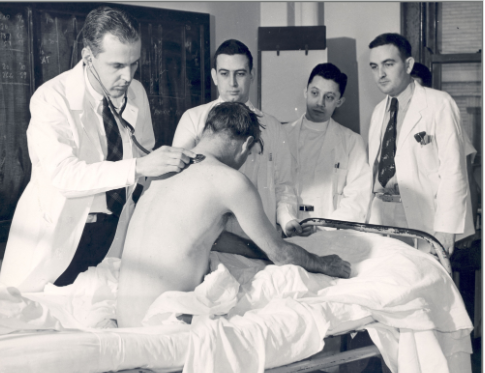
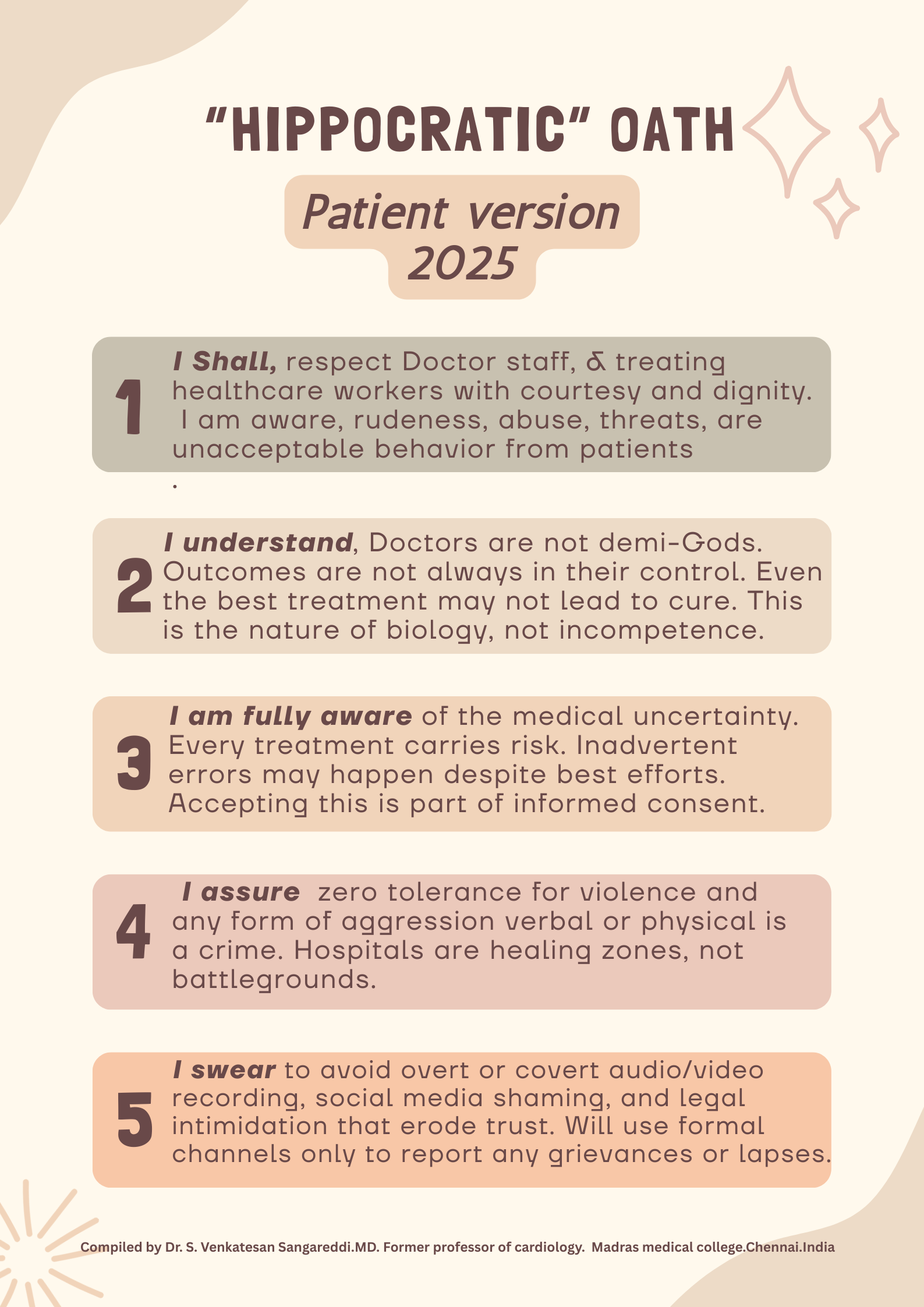
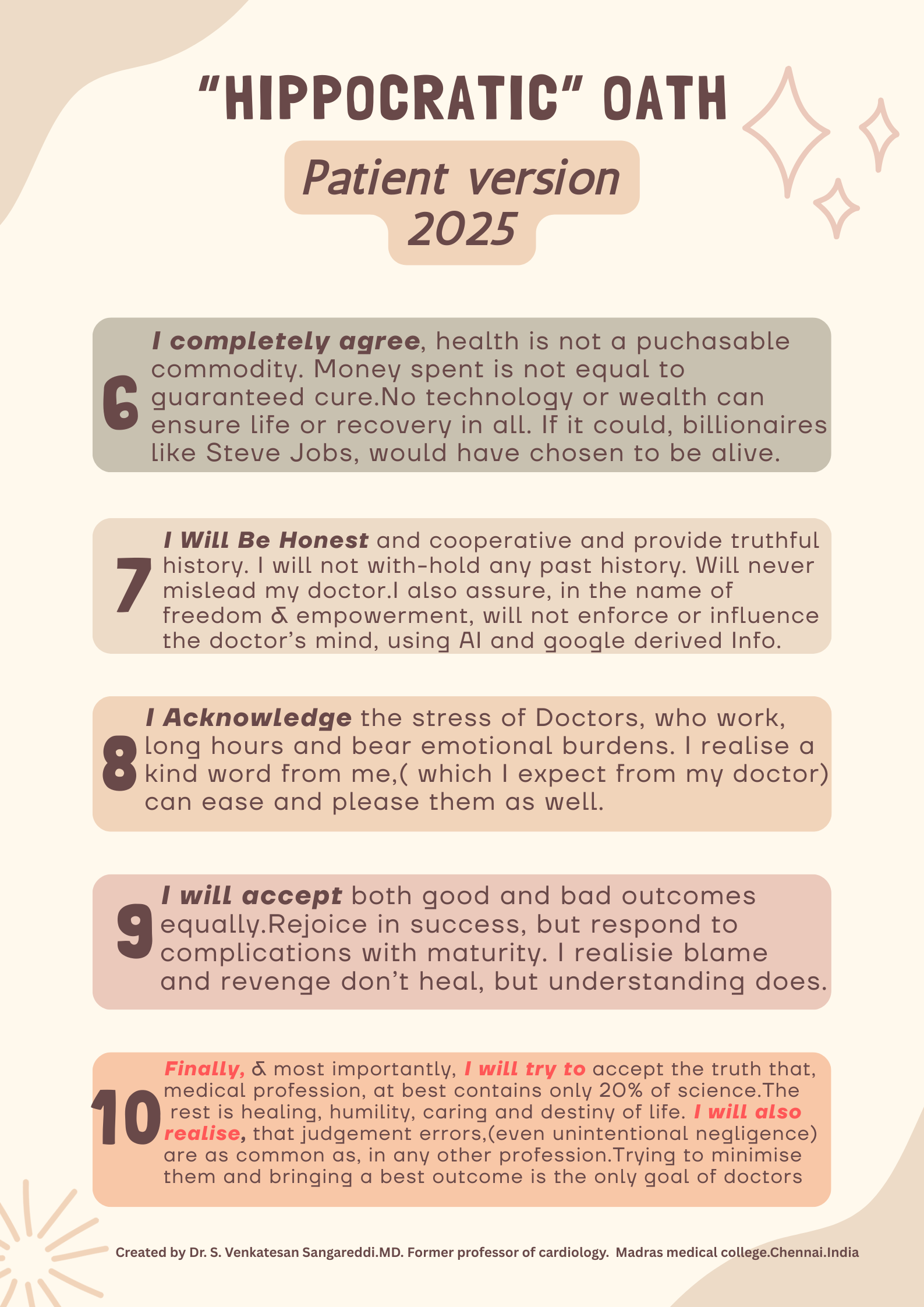

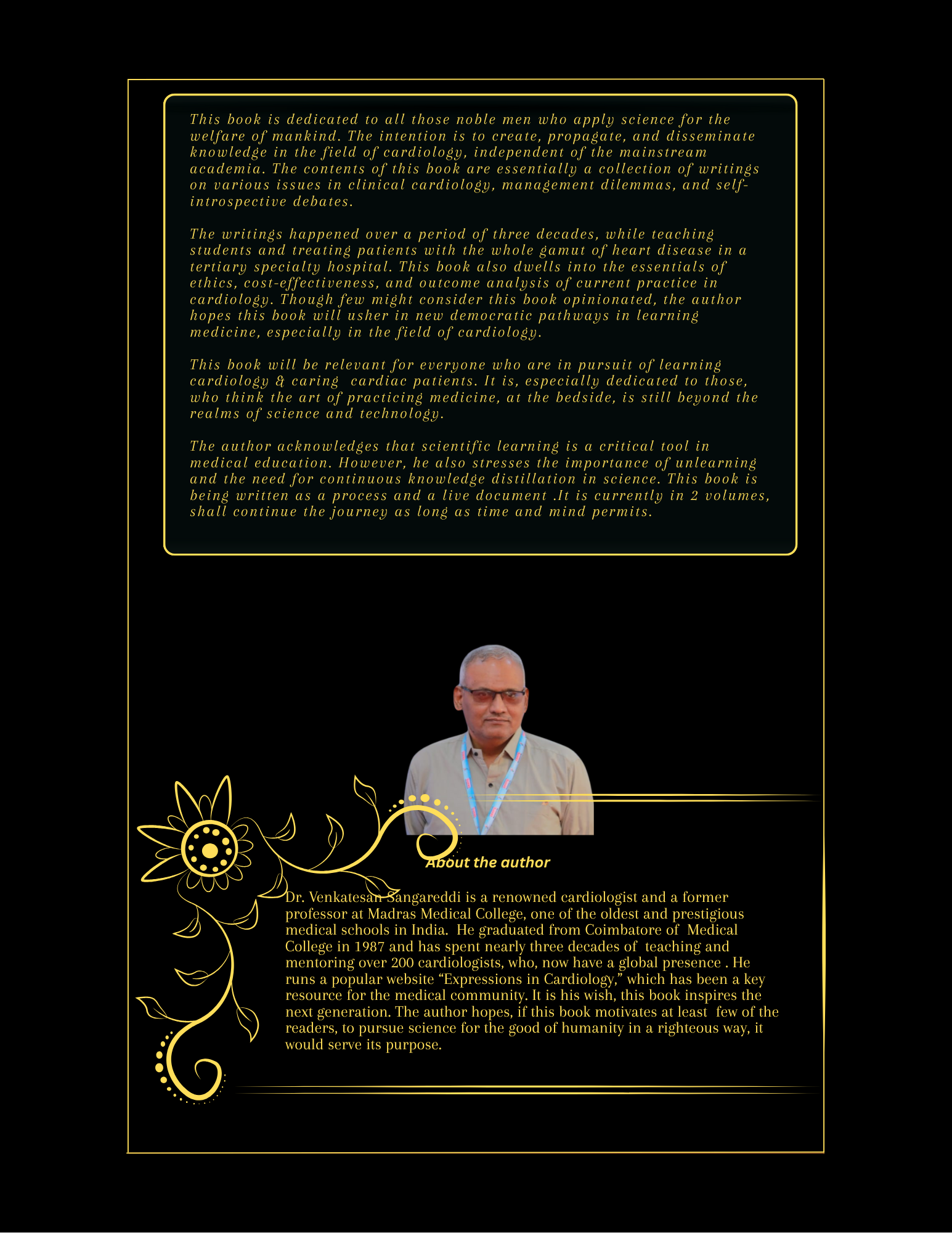
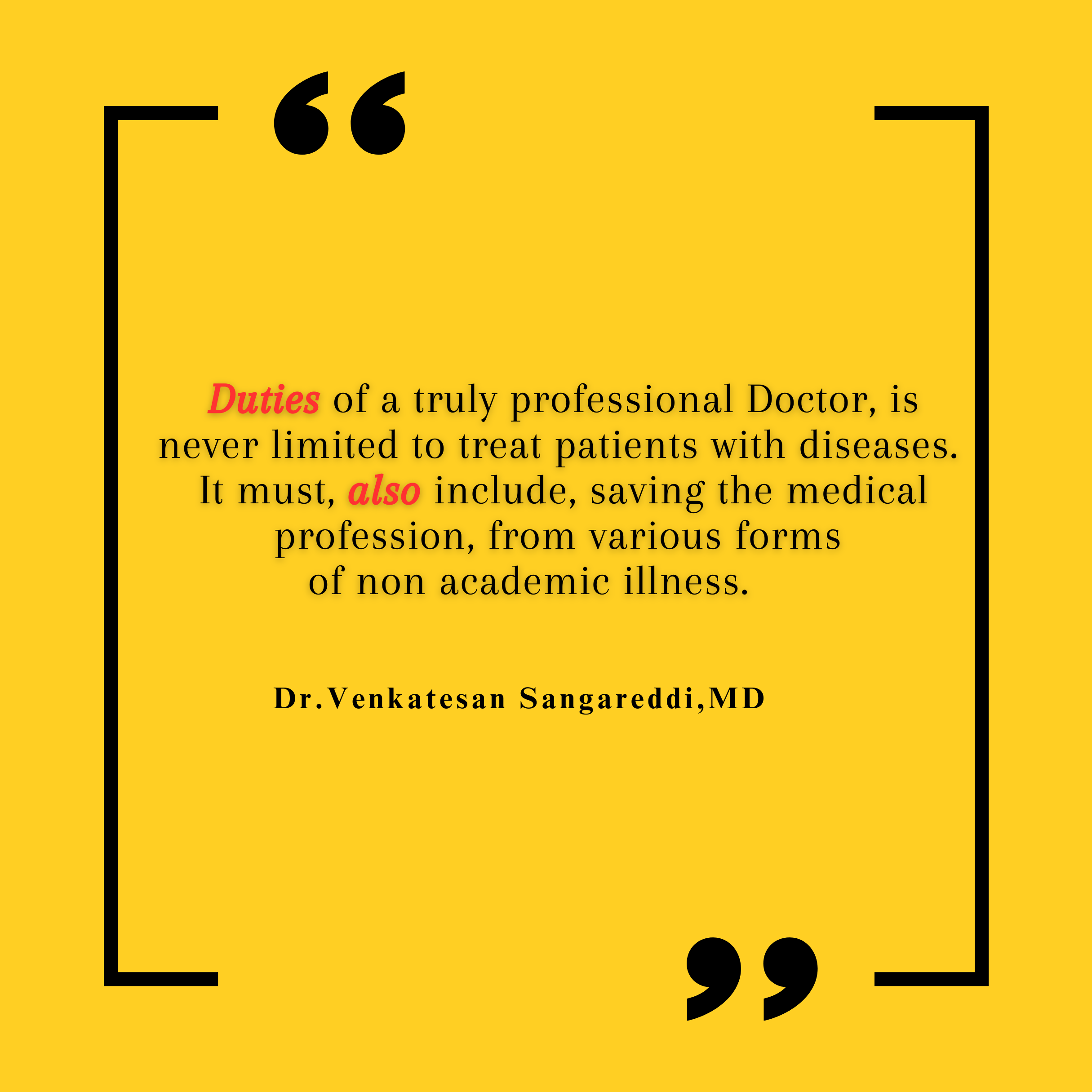



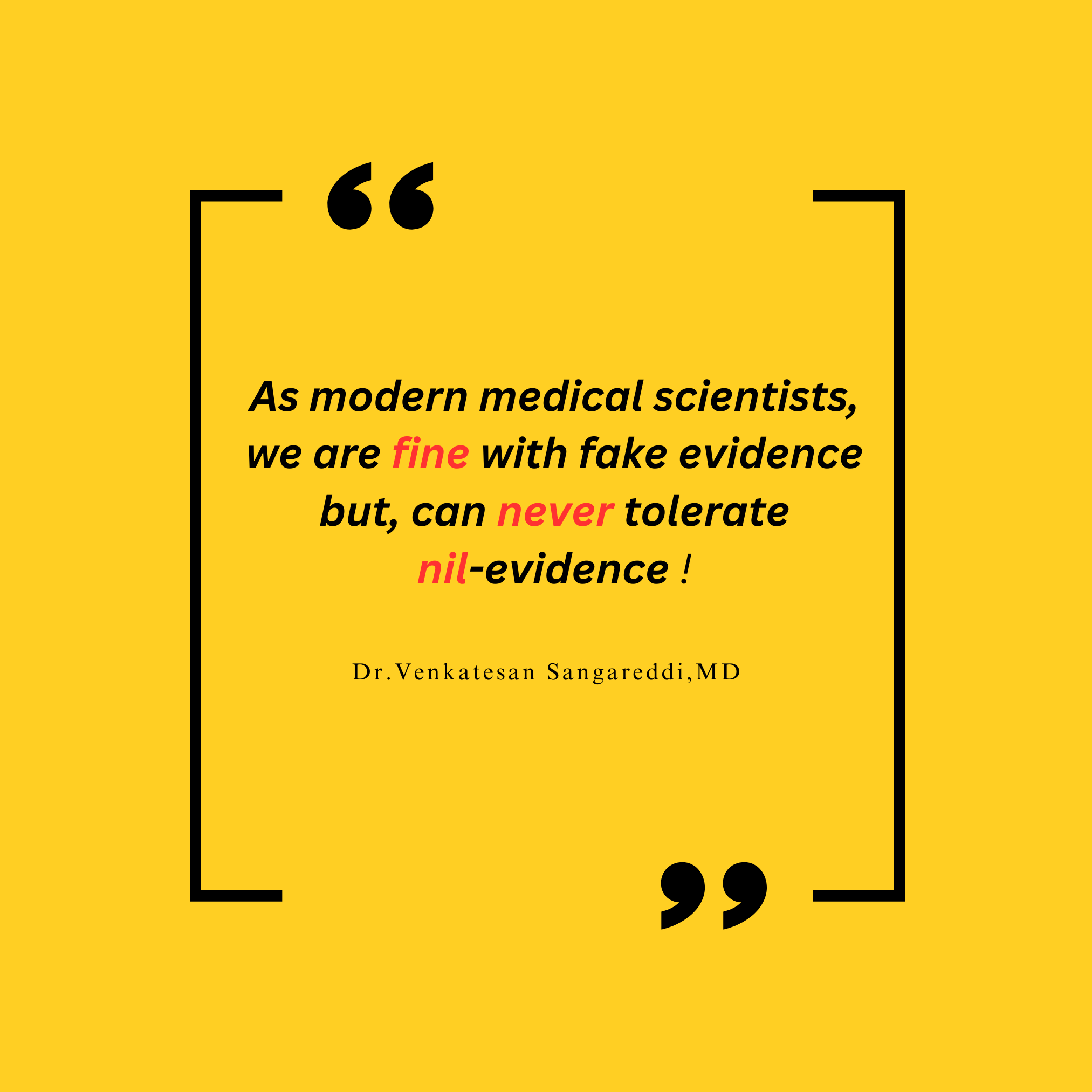
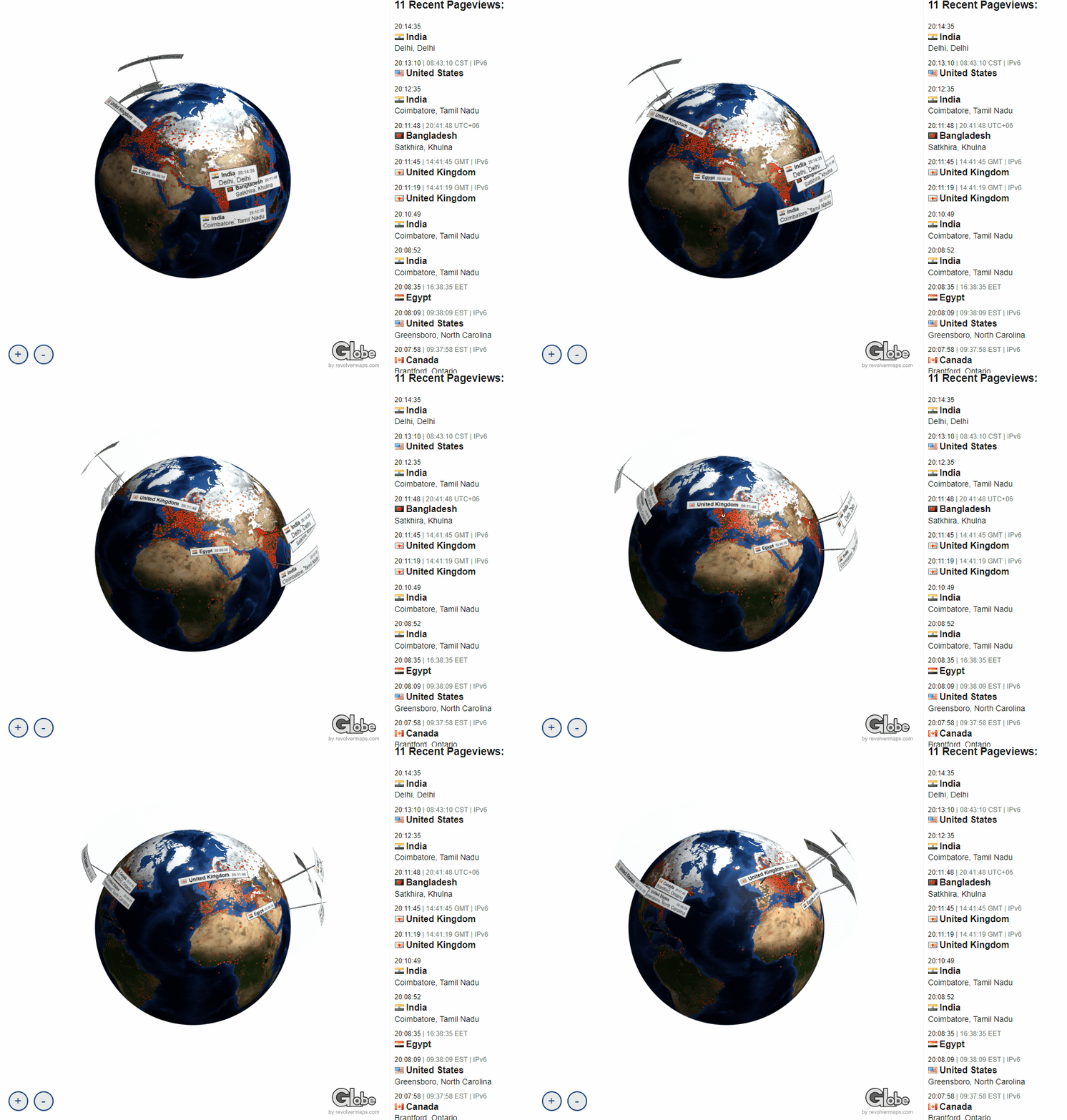


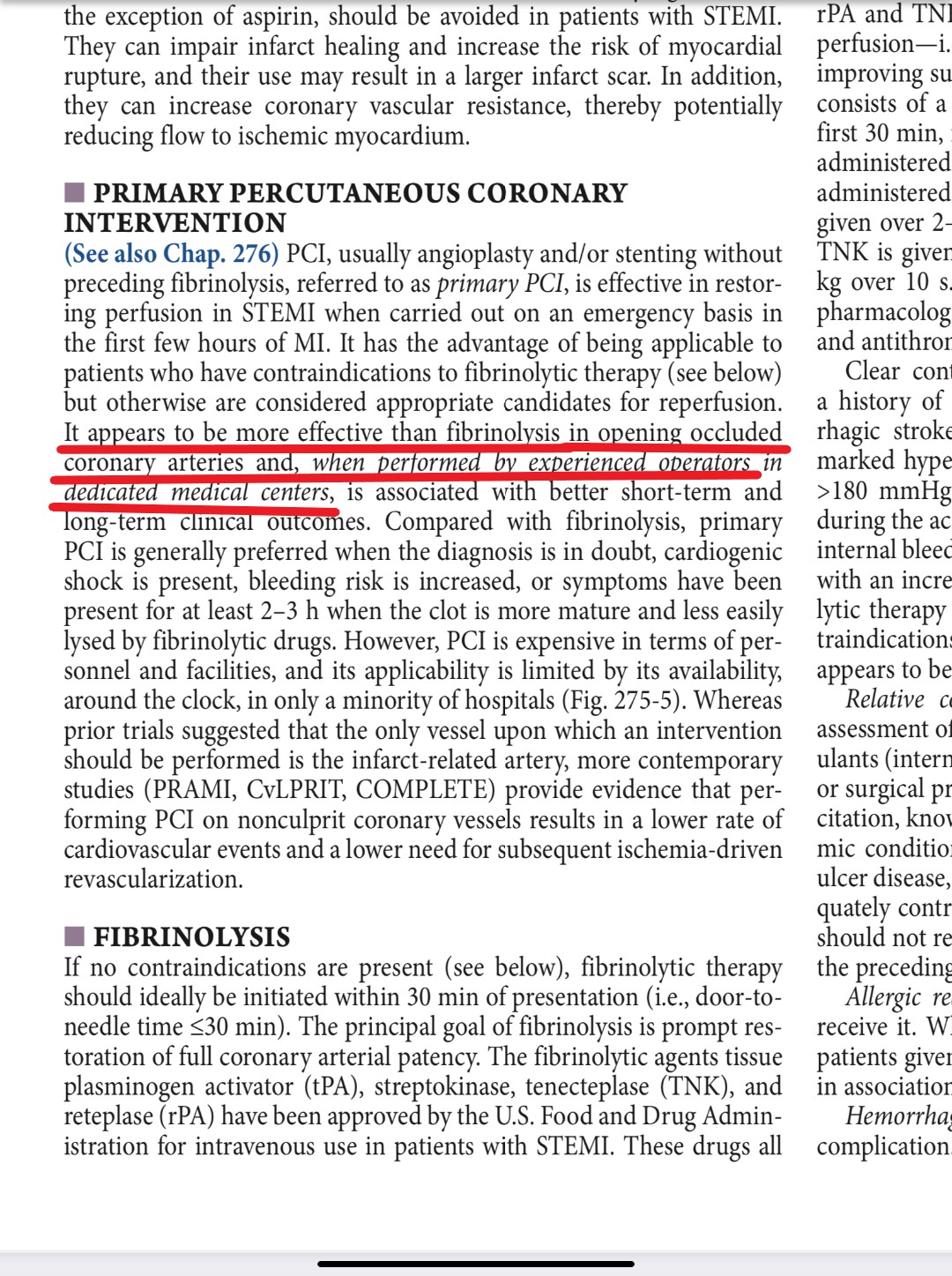
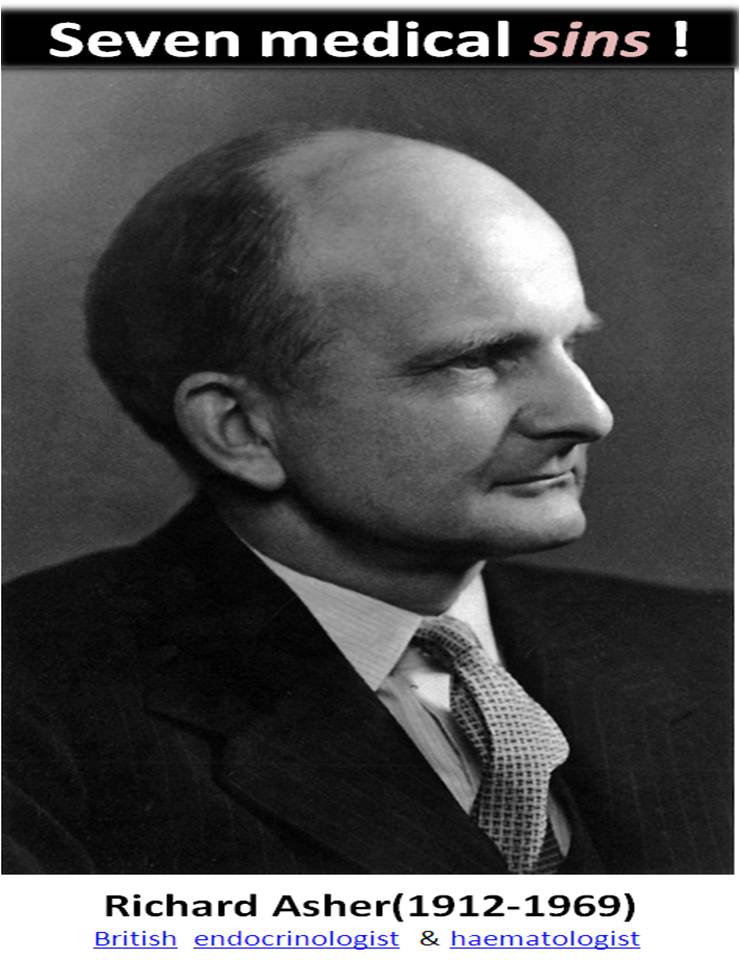


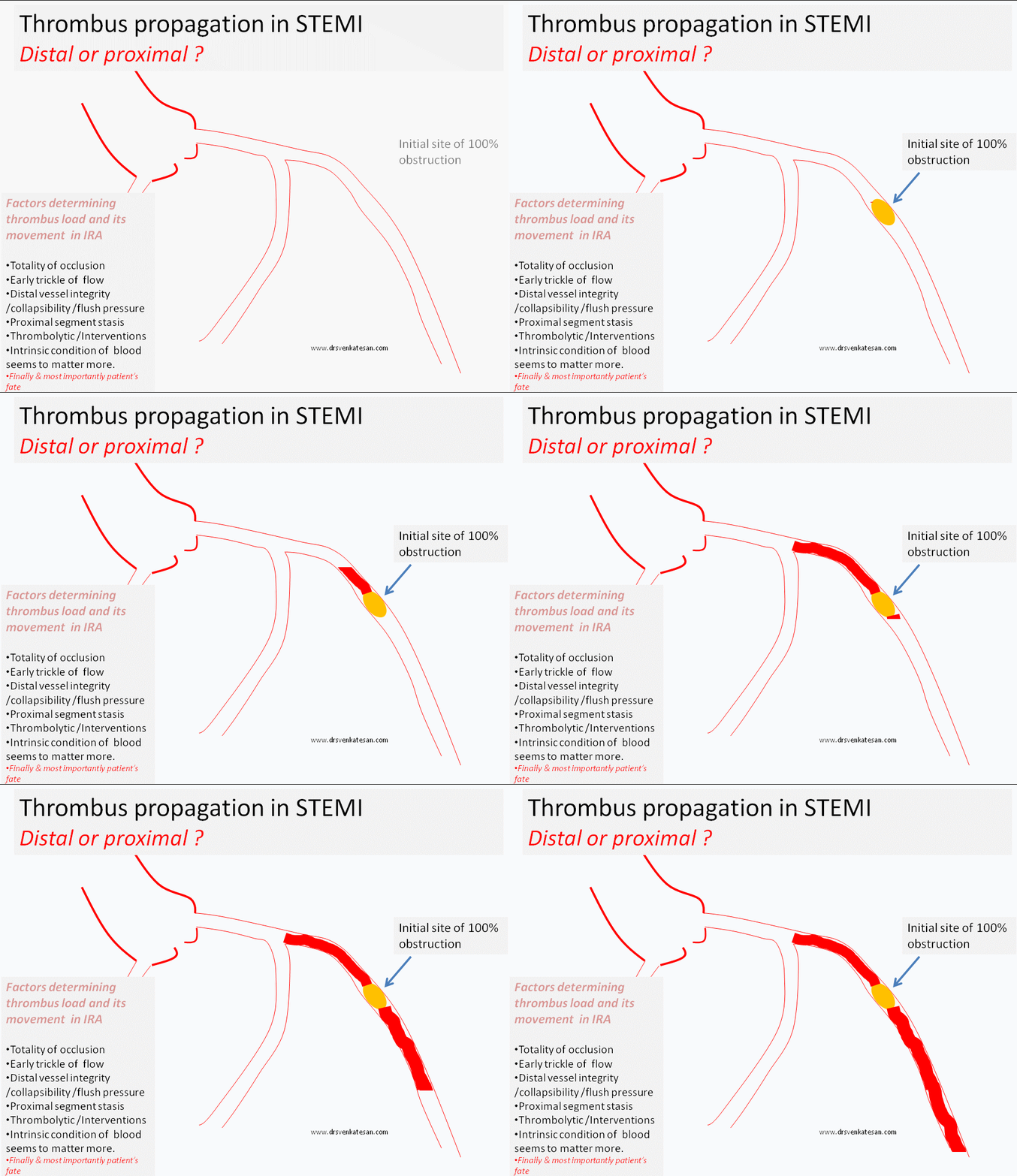





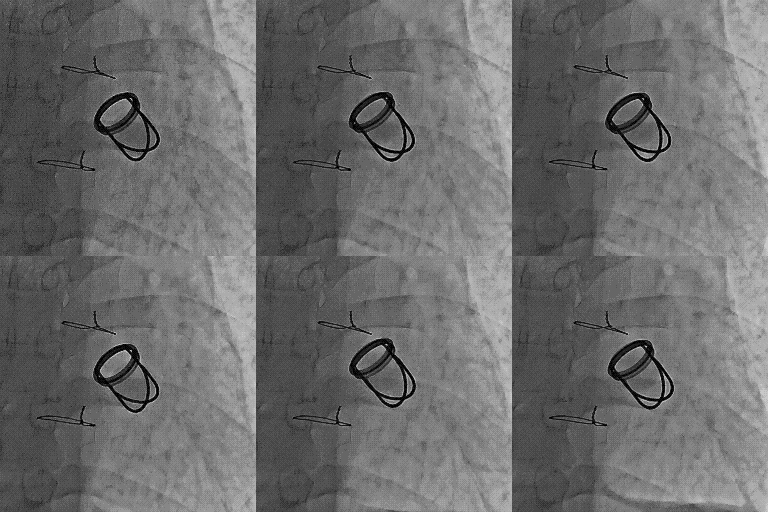


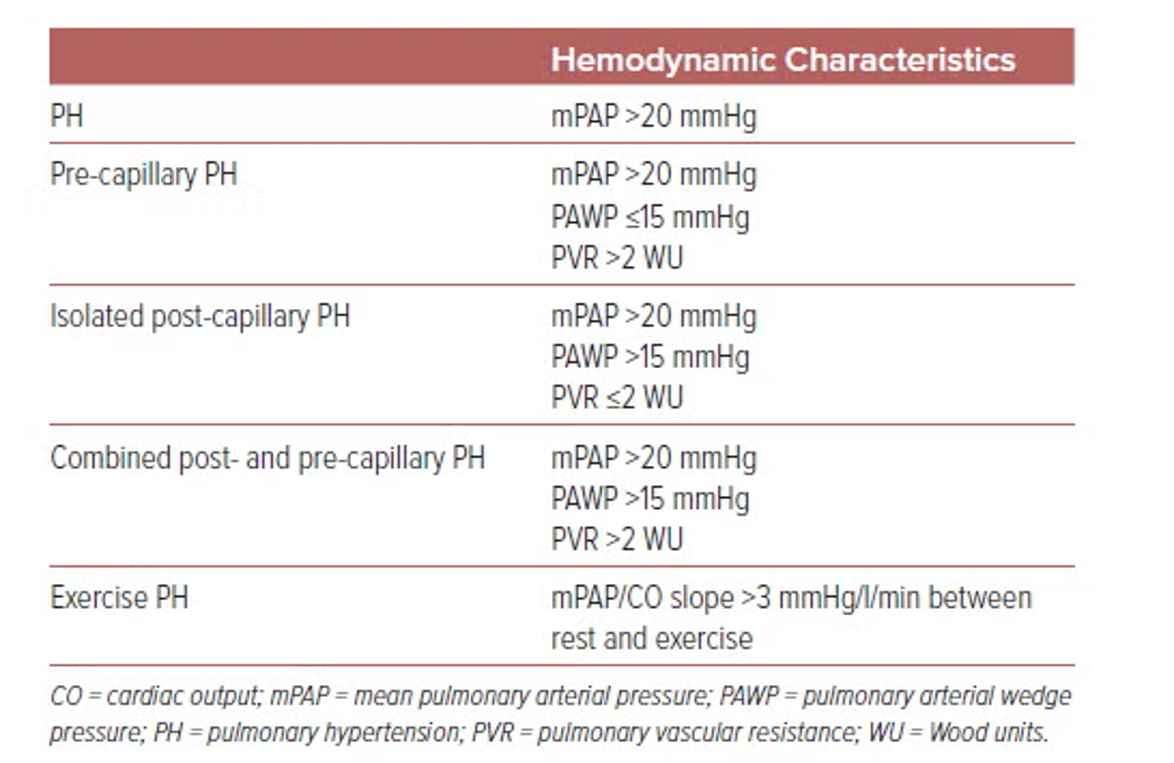
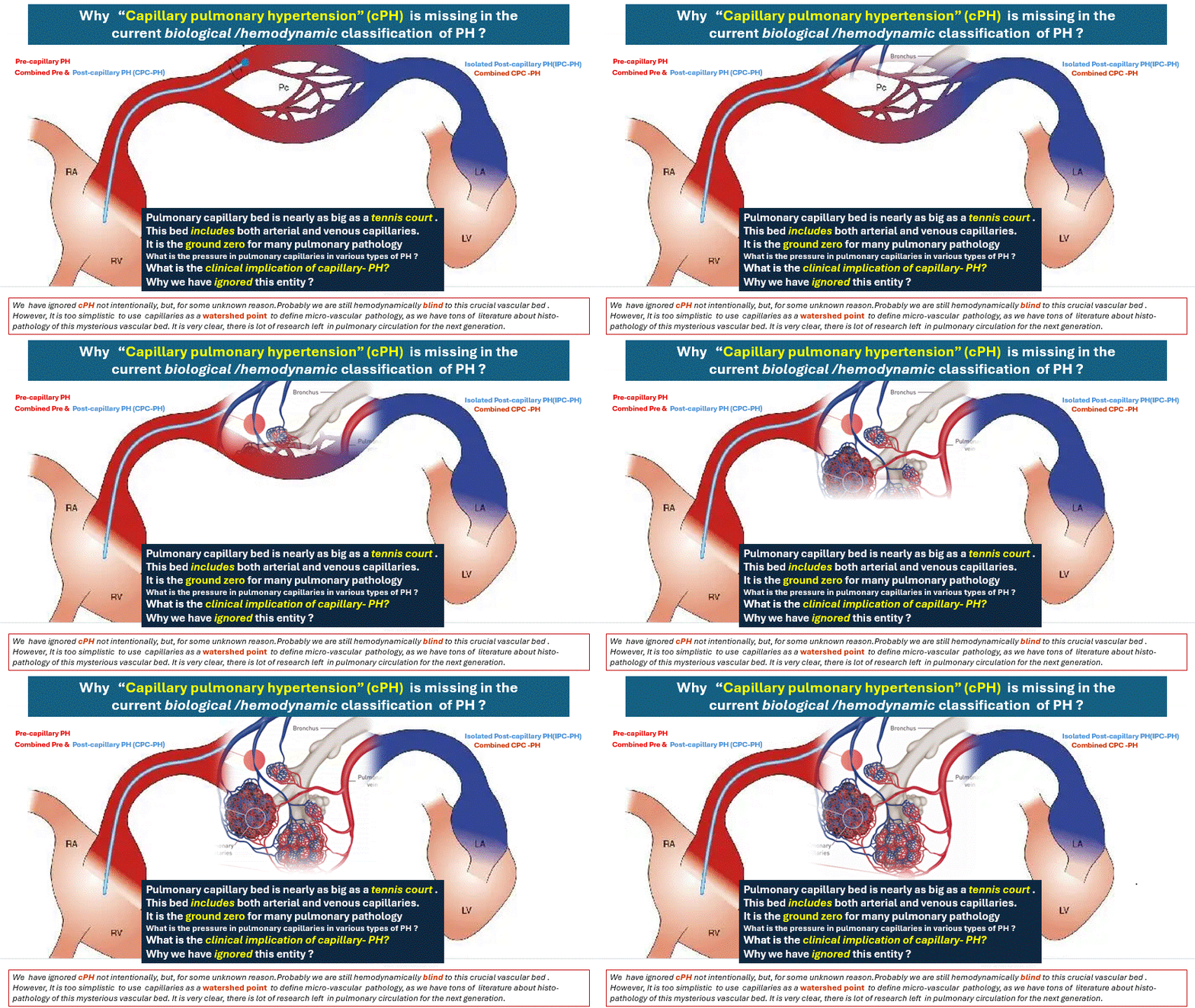
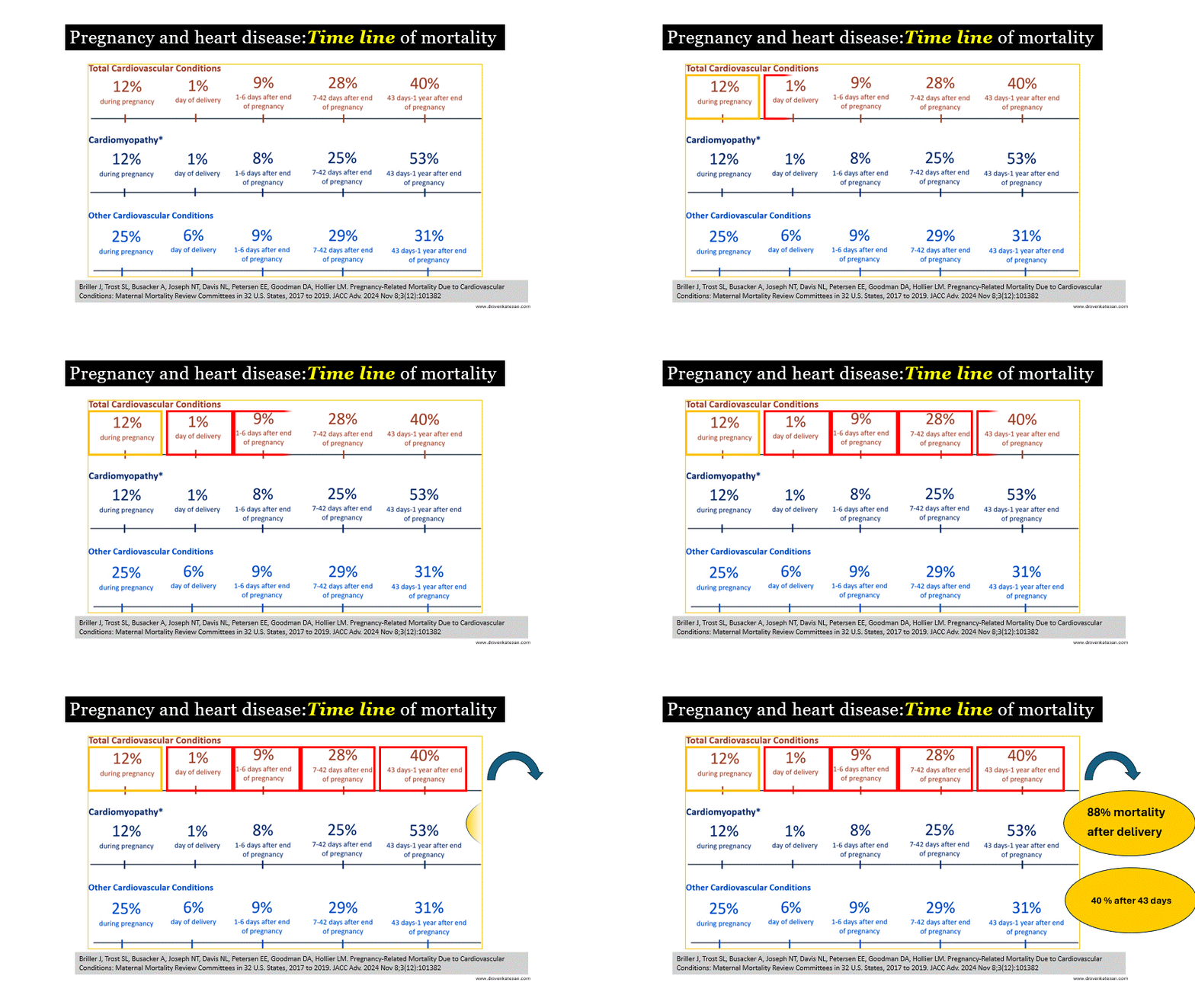
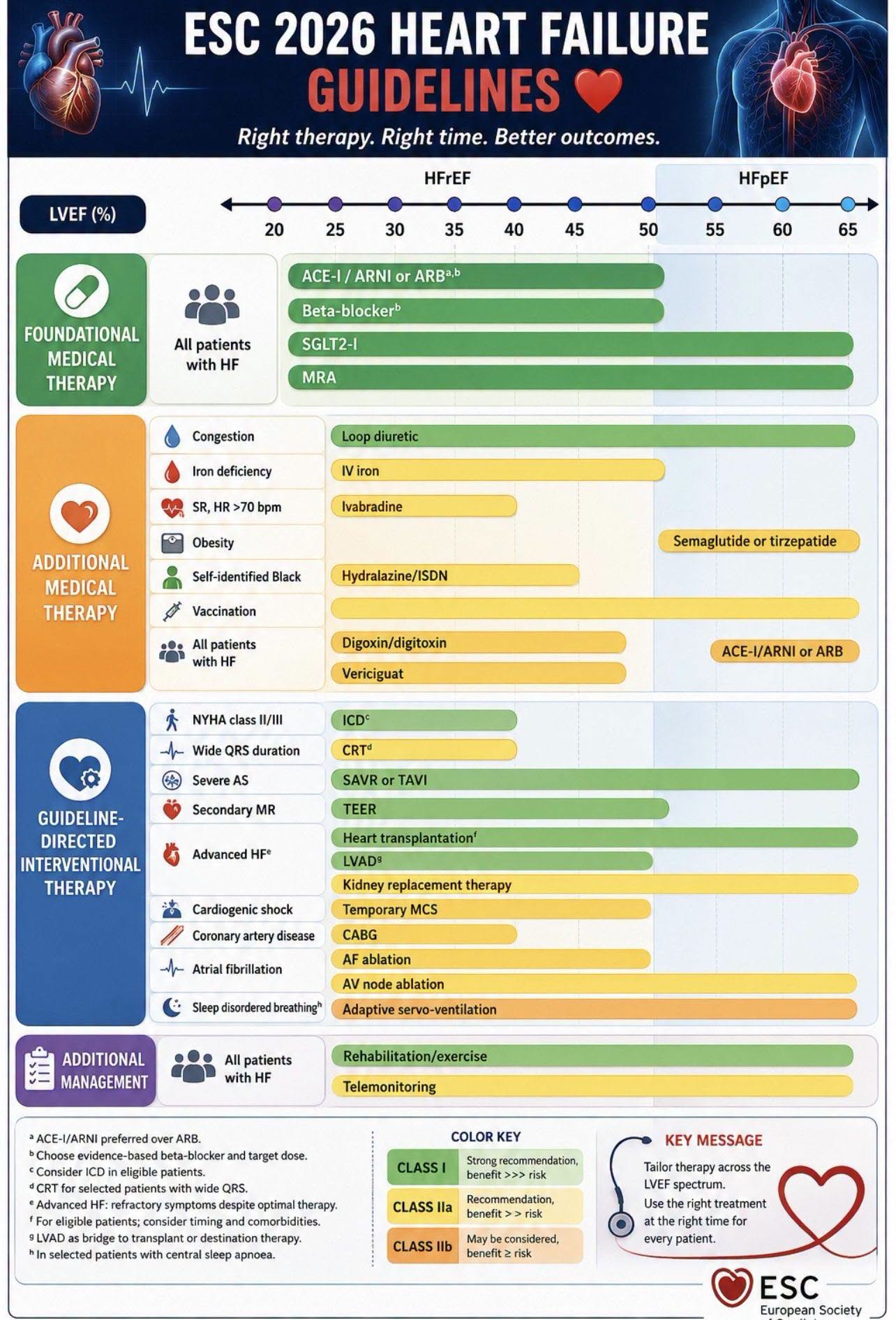
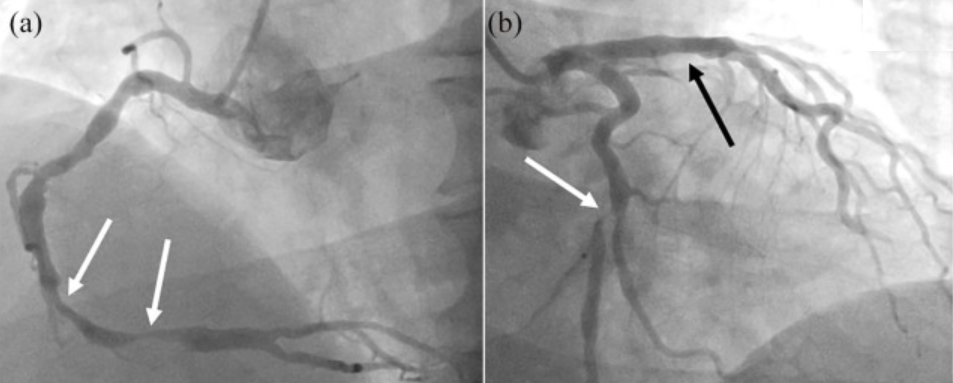
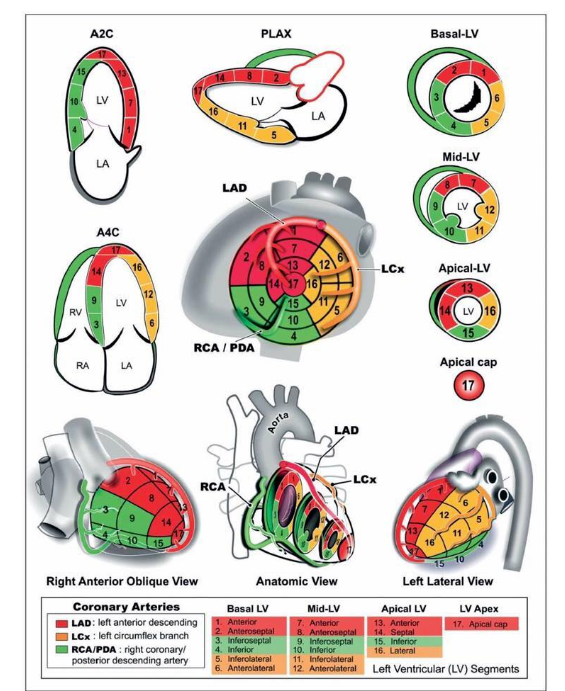
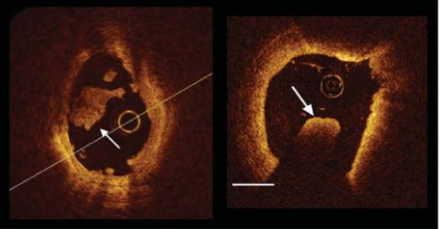
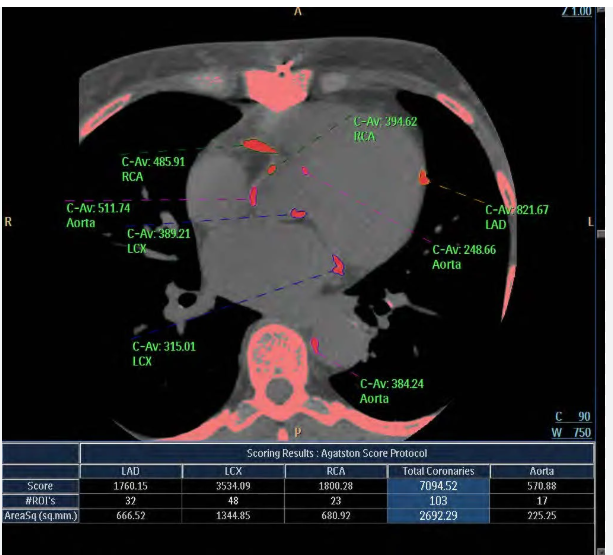
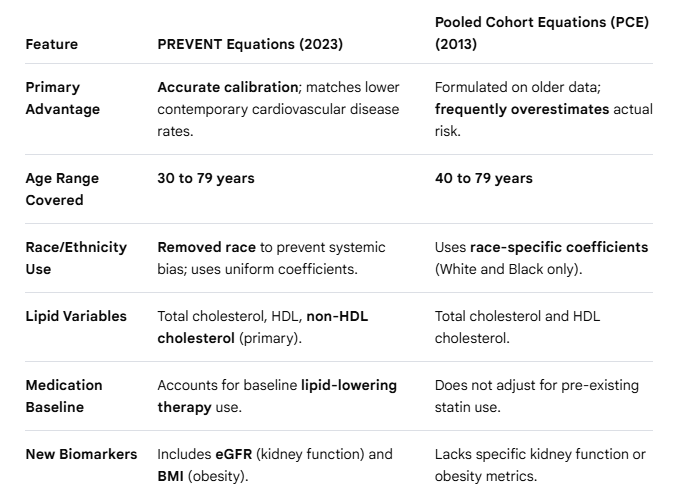
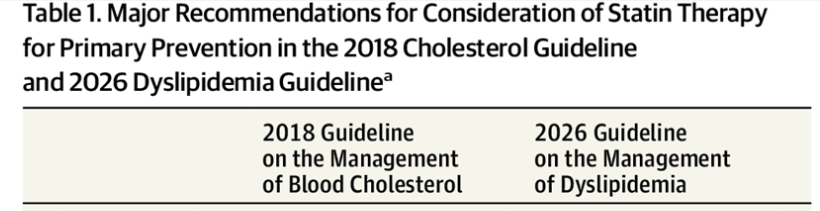
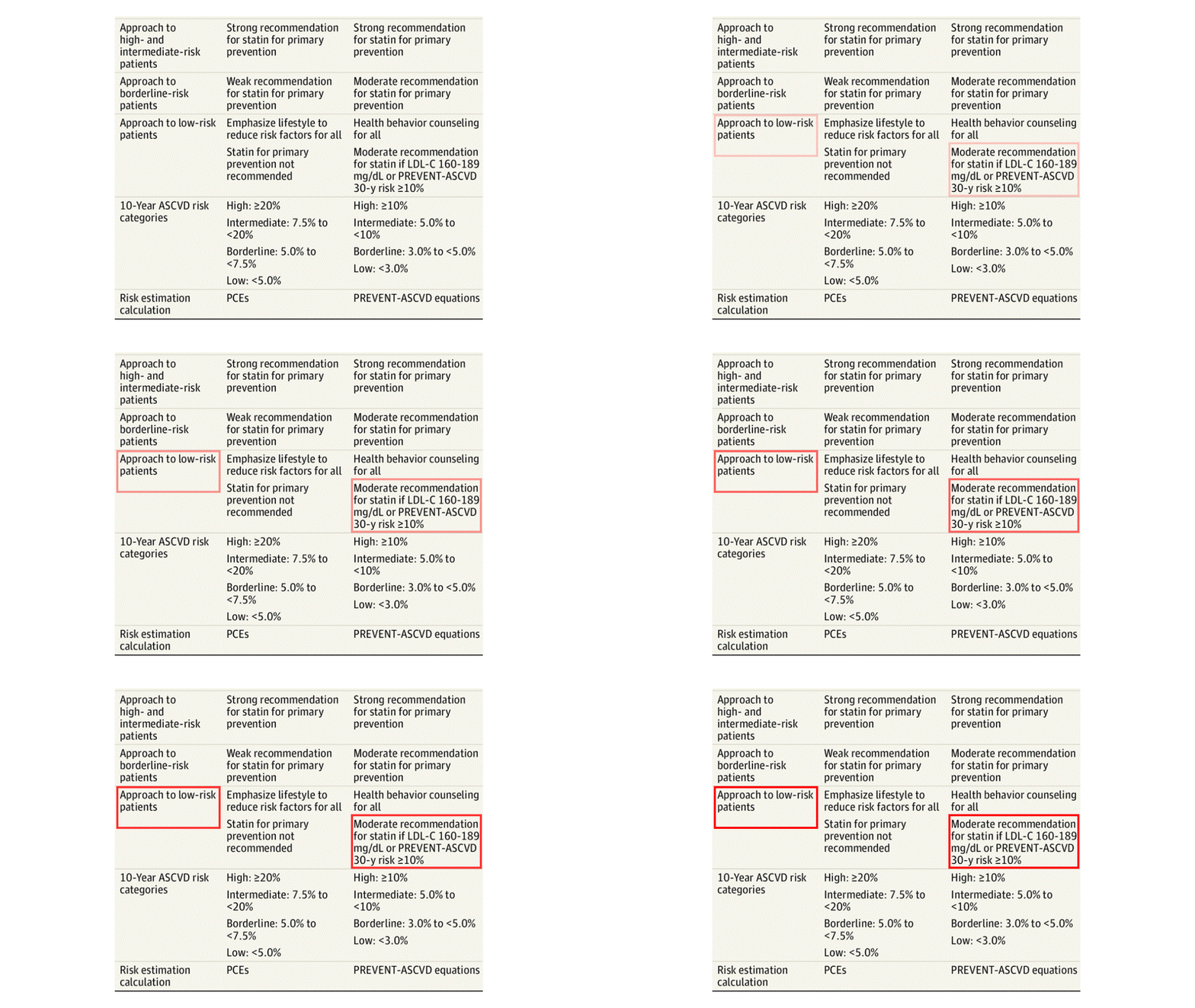
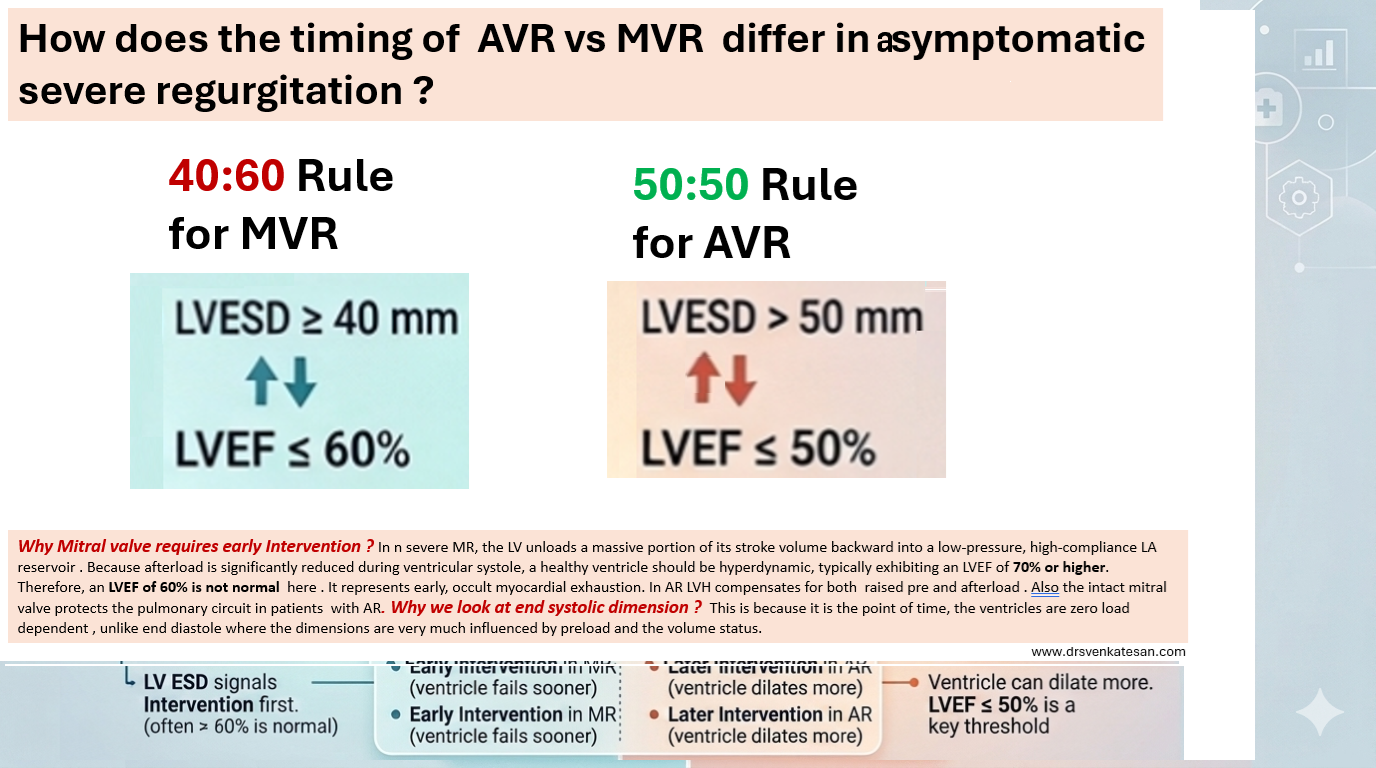



 Dr.S.Venkatesan MD